December 2021 | The Stanley Report |
|
Dear Friend,
Happy holidays and best wishes for a happy and healthy New Year!
December's issue of The Stanley Report includes important information about legislation I am supporting this session as well as local and state news.
As always, please feel free to contact me if you need assistance.
Sincerely,
Tom Stanley
|
|
 |
Rep. Stanley Testifies on Behalf of Boston Children’s Hospital Expansion in Waltham
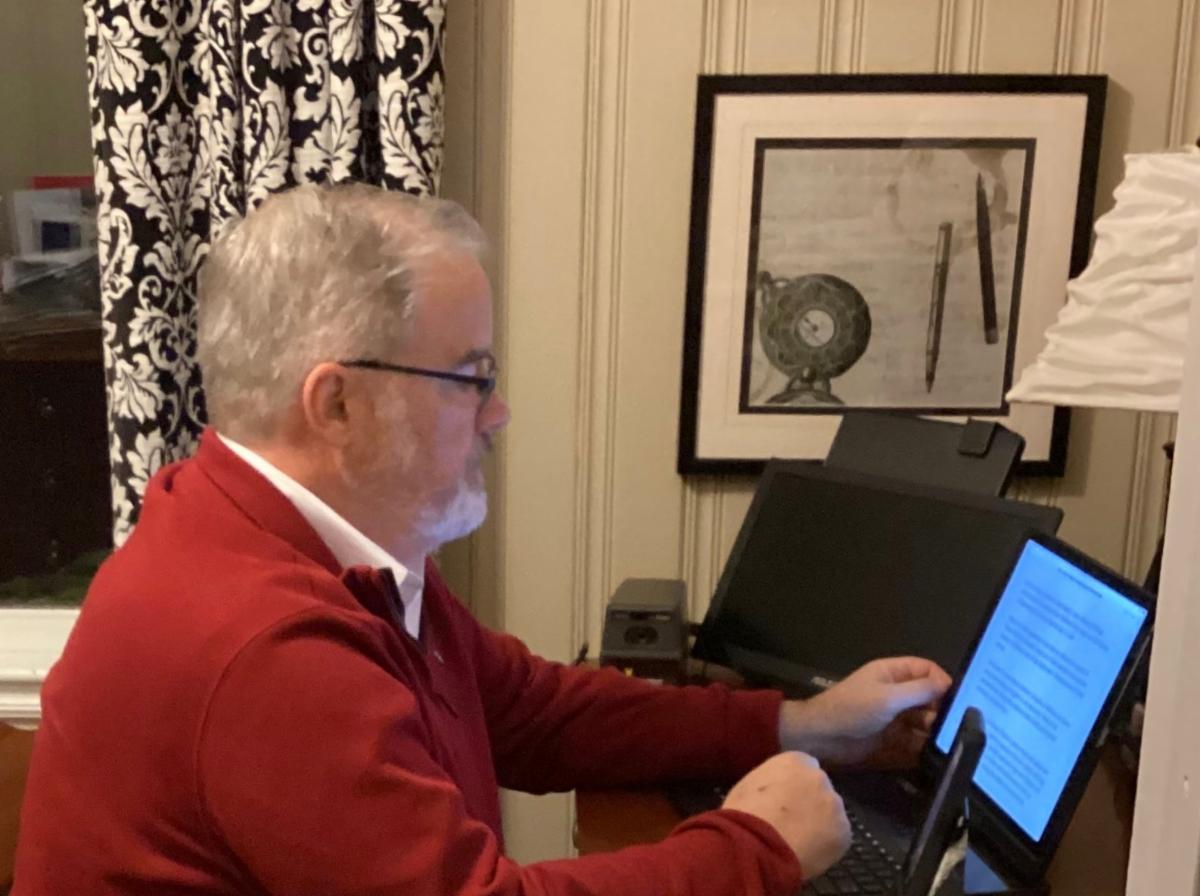
Rep. Stanley testified remotely at the Massachusetts Department of Public Health hearing, providing enthusiastic support for Boston Children’s Hospital’s proposal to build new beds at its satellite location in Waltham as part of the Department’s Determination of Need process. For the past 13 years, Boston Children’s Hospital at Waltham has been a strong partner and good neighbor to the Waltham community.
Rep. Stanley is proud to support Boston Children’s plans to renew and update their existing services and supports the expansion of services, which will bring care closer to Waltham and its surrounding areas. He is supportive of the plan to bring new comprehensive behavioral health treatment beds to the hospital, given the behavioral health backlog that children are experiencing throughout the state. It is critically important that we continue to address the need for psychiatric options for children.
|
|
|
|
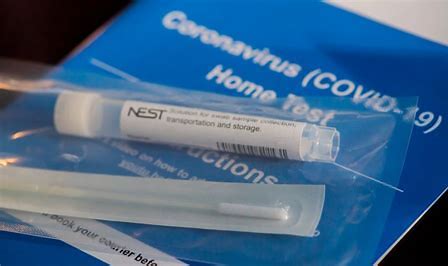
Waltham to Receive Funds for At-Home COVID Tests
Gov. Baker announced plans to increase access to at home COVID-19 test kits for Waltham residents and other communities across the state. The Administration has secured 2.1 million iHealth Labs over-the-counter (OTC) at-home rapid antigen tests that will be delivered to 102 towns with the highest percentage of families below the poverty level. These free tests will be available for distribution to the public by each municipality, with an emphasis on increasing access for individuals and families who are facing financial hardship.
While the initial 2.1 million OTC rapid antigen tests will be distributed to 102 high-need communities across the Commonwealth, the Administration is finalizing plans to allow municipalities and other public entities to directly purchase tests from test manufacturers at fixed, state-negotiated prices. Municipalities are able to utilize American Rescue Plan Act funding, as well as Federal COVID-19 Relief funding to purchase the rapid antigen test kits.
|
|
|
|
|
Waltham Residents: Request Form for Rapid Antigen Kits
Please use this form to request at-home COVID-19 testing kits from the Waltham Health Department. There are two (2) tests in every box, there will be a limit of 3 boxes (6 tests) per family to make sure every resident of Waltham that needs a test, receives a test. Supplies are limited. This form will close when supplies are accounted for. Tests will be dropped off to your home by a Waltham Health Department employee on the scheduled date and time you choose. Hours for drop off will be between 9:30AM - 3:30PM, Tuesday, Wednesday, or Thursday. |
|
|
|
Waltham Council on Aging to Host Booster Shot Clinic
The Waltham Council on Aging will host its third booster shot clinic on Wednesday, January 12 from 11 AM- 3:15 PM for any Waltham resident age 60 and over. This is by appointment, not a walk-in. Call 781-314-3499 for more information.
|
|
|
|
|
Rep. Stanley testifies in support of forest protection legislation
Rep. Stanley submitted written testimony to the Joint Committee on Environment, Natural Resources and Agriculture in support of H.912, legislation relative to forest protection. Rep. Stanley is also a co-sponsor of the bill which will help the Commonwealth fight against global warming by keeping carbon stored in trees and soil, protects native biodiversity, and mitigates climate change impacts for residents.
The legislation would designate 412,000 acres of forest and watershed lands overseen by the Department of Conservation and Recreation (DCR) as parks. Such a designation would then prevent the land from being logged, lease or sold. The bill does allow for limited cutting of trees and forest management if such actions prove to be protecting the public and preserve certain habitat.
|
|
|
|
Rep. Stanley and Sen. Chang-Diaz Secure Funding in ARPA to
Protect Community Health Center Workforce
After months of advocacy, Rep. Stanley and Sen. Chang-Diaz are pleased to announce that their legislation (House Bill 1316 and Senate Bill 744) to further fund the Health Care Work Force Transformation Program is included in the final version of the state’s American Rescue Plan Act (ARPA). Last month, Rep. Stanley and Sen. Chang-Diaz, in a letter to the Joint Committee on Health Care Financing, urged favorable action on their legislation relative to the primary care workforce development and loan repayment grant program at community health centers.
The bill filed by Rep. Stanley and Sen. Chang-Diaz prioritizes additional funding of the Health Care Work Force Transformation Fund with specific student loan repayment awards made available to community health centers. Community health centers are unique providers that recruit a young, diverse, and highly culturally competent workforce to provide high-quality care to thousands of patients all over the Commonwealth. Learn more. |
|
|
|
|
Labor and Workforce Highlights of ARPA Relief Bill
Rep. Stanley supported key labor and workforce provisions in the ARPA bill which included $107.5M for Workforce Skills Training Programs to be spent on workforce skills training programs; $100M for capital needs of existing vocational and career and technical education (CTE) programs; $15M for community colleges for high demand workforce training; $25M for Youth Works, a job program for at-risk youth; $500M for in premium pay for frontline essential workers; and language which will require the Department of Unemployment Assistance will be required to run a public information campaign about the overpayment waiver program, specifically targeting many of these beneficiaries.
|
|
|
|
Rep. Stanley Announces ARPA Elder Affairs Highlights
Rep. Stanley, co-chair of the Joint Committee on Elder Affairs, is pleased to announce the Elder Affairs ARPA highlights. The Human Services Workforce Recruitment/Retention Reserve line item will receive $16.5M to establish a transformative student loan repayment program to attract new entrants into the field and offer grant opportunities for providers to implement workforce training and $15.5M for support programs. $50M is included for Nursing Home Capital Improvements and Workforce Retention/Recruitment and $25M is included to establish a no-interest or forgivable loan program that eligible nursing facilities could utilize to develop specialized care units, offset costs associated with HVAC and air filtration system upgrades, and update energy infrastructure. $25M is also included to help eligible nursing homes address critical workforce shortages and promote recruitment and retention.
Language in ARPA will establish the Home and Community-Based Services Federal Investment Fund which will support transparency and provide Massachusetts with the opportunity to use new ARPA-HCBS dollars to support critical home and community-based service improvements beyond a potential one-year spending timeframe. Additionally, ARPA directs the Health Policy Commission to study and report on the state of the health care workforce in the Commonwealth, including workforce shortages in home care and home health care, and in skilled nursing facilities. The Commission would also be tasked with reviewing programs that help recruit/retain these workers.
|
|
|
|
|
Rep. Stanley's Amendment Secures $1M for Jewish Family and Children's Service of Greater Boston in ARPA Mental Health, Substance Use and Recovery Funds
Rep. Stanley filed an amendment to secure $1M for the Jewish Family and Children's Service of Greater Boston located in Waltham. This funding will go directly towards helping individuals most impacted by and most in-need of support following the pandemic. These services include mental health supports for isolated elders, children between the ages of 0-5 and their caregivers and wrap-around therapeutic support for highly impacted populations to prevent emergency situation.
Throughout the COVID-19 pandemic, many have struggled with the mental health effects of losing employment, loved ones, and traditional support systems, as well as the impacts of the public health emergency. The ARPA bill provides $400 million for behavioral health and substance use disorder programs and services. Investments strengthen the behavioral health workforce, promote youth behavioral health, support people living with acute mental and behavioral health needs, and divert people with mental and substance use needs from jail.
|
|
|
|
Education Highlights: ARPA Legislation
While the pandemic has affected all of us, the ARPA bill directs vital funding to our most vulnerable students and communities to assist in an equitable recovery. Funding includes $30M to support loan repayment, retention and recruitment programs for human service workers, including in programs operated by the department of early education and care; $107.5M for a reserve to enhance workforce opportunities through workforce and career training, including adult basic education, English language training, and programs assisting women in the workforce (including childcare); $105M to a reserve account for additional funding for education needs, including $10M to support compensatory services for special education students that aged out during the COVID pandemic, $10M for grants to address workforce challenges in approved special education schools, and $10M to support programs focused on creating a more diverse educator workforce.
Additionally, $25M is dedicated to the development and operation of career technical institutes in vocational technical schools and public schools operating career and technical education programs. $100M is reserved for grants to public school districts for school facility needs and repairs, including those to improve ventilation and indoor air-quality, in districts and schools with high concentrations of economically disadvantaged students, English Learners, and communities disproportionately impacted by COVID.
|
|
|
|
|
ARPA Environmental Highlights
The American Rescue Plan Act and surplus spending bill include environmental investments, particularly for environmental justice populations as well as communities hardest hit by the COVID-19 pandemic. This spending bill directs a total of $388.8 million toward statewide and local environmental priorities.
Investments include $15M for outdoor recreation which makes key investments in our state parks and recreational areas; $100M for Environmental Infrastructure to increase funds available for the Municipal Vulnerability Preparedness grant program, prioritizing climate resilience in low-income and environmental justice populations, as well as communities most impacted by the pandemic; $100M for Water and Sewer Infrastructure which allocates funds to the Clean Water Trust for principal forgiveness and interest rate reduction for sewer separation programs, Combined Sewer Overflow (CSO) remediation, water quality enhancement projects promoting public health and protecting drinking water; $25M for forestry and tree planting which prioritizes tree planting in Gateway Cities and urban and suburban communities in need of additional tree coverage to mitigate climate change impacts; and $90M for Offshore Wind and Port Development which makes key investments in expansion of offshore wind and associated port development necessary to support the wind industry.
|
|
|
|
ARPA Food System Investments Include Waltham Community Farms and Health Waltham
As a member of the Food System Caucus, Rep. Stanley is pleased that the ARPA bill addressed statewide and regional food security. Rep. Stanley helped secure $100,000 for Health Waltham to fight food security in the city as well as a $500k earmark to help Waltham Community Farms to rehab and stabilize buildings and farmland.
The bill includes $44.8M for the Food Security Infrastructure Grant program which support grants to fund the costs of immediate and projected infrastructure needs for farms, retailers, fisheries, food system businesses and food distribution channels. The bill includes $17M for the Greater Boston Food Bank for regional food security network infrastructure investments; $2.7M to establish a MA community college campus hunger pilot program to address student hunger and food insecurity as an obstacle to degree attainment; $2M for the MA Food Trust to provide loans, grants, and technical assistance in a regionally equitable manner with a focus on communities disproportionally impacted by COVID; and $1.92M to Project Bread to better connect eligible and unenrolled Massachusetts residents with federal nutrition programs; and $1M for the distribution of college food security grants through the Hunger-Free Campus Initiative.
.
|
|
|
|
|
|
Housing Highlights of ARPA Relief Bill
The ARPA bill includes funding to improve the state’s existing affordable housing stock, bring new affordable housing units online, and create more homeownership opportunities for those who too often find themselves priced out of a competitive market. Rep. Stanley worked hard to ensure that $150,000 was earmarked for WATCH, Inc. in Waltham.
The bill includes $65 million to create and maintain homeownership opportunities for residents of municipalities disproportionately impacted by the pandemic; $115 million to support the production of affordable for-sale housing in the Gateway Cities, Boston, and Qualified Census Tracts; $115 million to support the production of affordable rental housing for residents of municipalities disproportionately impacted by the pandemic, in the form of grants, loans, or other financial assistance; $150 million to support the production of permanent supportive housing for chronically homeless individuals, survivors of domestic violence, seniors and veterans; and $150 million to modernize and rehabilitate our state-aided public housing, which will support many capital improvement projects in the pipeline that will make critical health and safety improvements in many public housing units.
|
|
|
Rep. Stanley Participates in Rep. Lipper-Garabedian’s Podcast
Rep. Stanley participated in State Representative Kate Lipper-Garabedian’s Conversations with Kate podcast. Rep. Lipper-Garabedian is Vice-Chair of the Elder Affairs Committee.
Rep. Stanley discussed his professional experiences in public service, his current work in the State House, and priorities for holistically supporting our aging adults across the Commonwealth. To hear the podcast, click here. |
|
|
|
MOTT Travel and Tourism Recovery Grants Available
The Executive Office of Housing and Economic Development (EOHED) through the Massachusetts
Office of Travel and Tourism (MOTT) is committed to helping communities recover from the impact of
the COVID-19 pandemic and contribute to the long-term strength and sustainability of our Commonwealth. MOTT is launching a new round of grant applications. The deadline to apply is January 19, 2022. Funding is available to public agencies, municipalities, and non-profits located in and serving Massachusetts and is funded by the Tourism Trust Fund. For more information on how to apply, click here.
|
|
|
|
|
Rep. Stanley Supports the Safe Communities Act
Rep. Stanley submitted written testimony to the Joint Committee on Public Safety and Homeland Security in support of the Safe Communities Act which protects the civil rights and safety of all Massachusetts residents. Rep. Stanley is a co-sponsor of the bill which received a hearing in early December. The COVID-19 pandemic has underscored the impact of longstanding state and local involvement in deportations, undermining testing, treatment and contact tracing efforts in immigration communities, and impeding access to court and police protection. The Commonwealth needs to take action to restore trust in our public institutions and ensure that everyone can seek medical care, emergency assistance, and protection without fear of deportation.
The Safe Communities Act would: ensure court and police official do not inquire about immigration status unless required by law; ensure that everyone has access to justice in our courts; end agreements that require local officials to do the federal government’s job, at state expense; ensure Due Process rights for detained immigrants in state and local facilities; and require law enforcement training on SCA guidelines and provide state oversight. The Safe Communities Act would not prevent ICE agents from arresting and detaining immigrants in Massachusetts. Instead, the bill ensures that our state resources are not used to enforce immigration policies that pose dire risks to public health and safety, and to the Commonwealth’s economy.
|
|
|
|
Rep. Stanley Cosponsors Hate Crime Reform Legislation
Rep. Stanley cosponsored and signed onto a letter to the Joint Committee on the Judiciary supporting legislation to reform the hate crimes statutes. The bill will enhance data collection requirements, ensuring that the state collects all the data on hate crimes committed, including by engaging non-law enforcement entities that work most closely with victims of hate crimes. It will also maintain existing law with respect to penalties except for only two new enhancements for a hate crime battery and for those with a history of convictions of a battery with a weapon resulting in bodily injury.
In addition, the bill will make alleged offenders eligible for restorative justice programs including those offered by the Department of Probation’s Office of Community Corrections. It will also expand the responsibilities of the new Hate Crimes Task Force created in the FY 2022 budget to include best practice recommendations for restorative justice programs, culturally competent outreach and reporting mechanisms, and data collection for both adults and juveniles. Lastly, the legislation will add “sex” and “gender expression” as protected characteristics.
|
|
|
|
|
Rep. Stanley Visits Simon C. Fireman Community
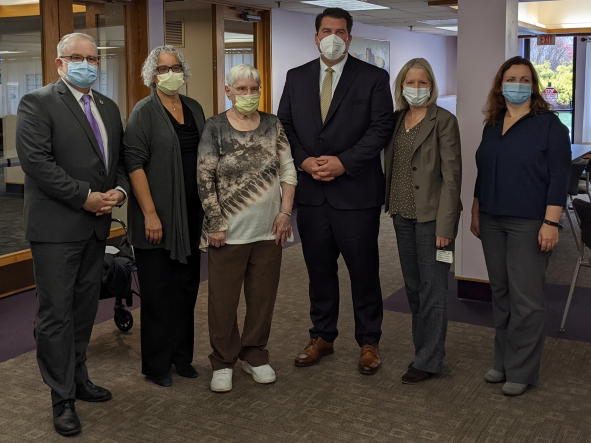
Chair Stanley recently visited the Simon C. Fireman Community (SFC) in Randolph. SFC is a senior living site operated by Hebrew Senior Life (HSL) and part of their R3 initiative: “Right Care, Right Place, Right Time: Effectively Integrating Senior Care and Housing.” HSL developed a model of integrating health and wellness with affordable housing to improve health outcomes for seniors and reduce health care costs.
Pictured here (from left to right): Rep. Stanley, Stephanie Small - Executive Director (Simon C. Freeman), Ms. Cohen, SCF Resident, Representative Bill Driscoll, Jr. (7th Norfolk), Kim Brooks, COO Senior Living (Hebrew Senior Life), and Anya Gorodetskaya, Wellness Nurse (Simon C. Freeman).
|
|
|
|
Rep. Stanley Serving on Route 128
/I-95 Working Group
Rep. Stanley will serve on the Route 128/Interstate 95 Land Use and Transportation Study Working group comprised of elected officials, municipal leaders, and business community representatives from Lexington, Lincoln, Newton, Waltham, and Weston. The Working Group will provide valuable insight to the needs of the region and their constituents and will help inform and shape the study. Learn more here.
The Route 128 Land Use and Transportation Study will review existing conditions and establish future land use, housing, and economic development assumptions of the segment of Route 128 between Newton and Lexington. Based on these assumptions, the study will present recommendations intended to address the corridor’s current and anticipated future transportation issues.
|
|
|
|
|
Rep. Stanley Testifies on Behalf of Bill to Protect Pollinators
Rep. Stanley submitted written testimony on a bill he cosponsored to the Joint Committee on Environment, Natural Resources and Agriculture in support of H.896, legislation to protect Massachusetts pollinators. Honeybees and wild bees' populations are essential for agricultural and environmental purposes. According to the Department of Agriculture, pollinators are crucial to the production of 1/3 of our food supply. Yet, beekeepers in the Commonwealth reported a 64.9% annual loss of colony numbers back in 2017. Since then, scientists and beekeepers identified the introduction of Neonicotinoids (Neonic) pesticide as a primary reason for pollinator health decline.
This bill creates a definition of “neonicotinoid” and then restricts the sale of these products to only certified commercial applications. The bill also requires licensed applicators to receive prior approval and authorization before applying neonic pesticides on a client’s property. They must also provide information to clients on the risks to pollinators when using relevant products. Under the bill, neonic pesticide limits would be incorporated into the existing pesticides penalty framework.
|
|
|
|
Rep. Stanley cosponsors bill to improve pesticide protections for Massachusetts schoolchildren
Rep. Stanley submitted written testimony to the Joint Committee on Environment, Natural Resources and Agriculture in support of H.926, legislation to improve pesticide protections for Massachusetts schoolchildren. Rep. Stanley is a co-sponsor of the bill which received a public hearing on 12/14.
The legislation would update the list of pesticide products eligible for use on outdoor grounds of schools, childcare centers, and other children’s programming sites. The bill would specifically outlaw the use of glyphosate and 2,4-D and provide students, parents, and school employees with a uniform understanding of what pesticides are permitted for use on turf at any school in the Commonwealth. Please note that H.926 would only allow pesticides considered minimum risk by the EPA. Minimum risk pesticides are the least toxic, yet still effective, pest management products on the market, ensuring that children are not exposed to chronic poisons where they learn.
|
|
|
|
|
Governor Baker Signs $4 Billion Federal COVID-19 Relief Funding Spending Bill
Gov. Baker signed a $4 billion spending plan to support continued recovery across key priority areas, making substantial investments in housing and homeownership, healthcare, workforce development, premium pay for essential workers and infrastructure. The funding will put to work a portion of the Commonwealth’s direct federal aid from the American Rescue Plan Act (ARPA).
The bill authorizes up to $2.55 billion in spending from the $5.286 billion ARPA Coronavirus State Fiscal Recovery Funds provided to Massachusetts in May 2021. This direct federal aid is intended to support urgent COVID-19 response efforts, replace lost revenue, support immediate economic stabilization for households and businesses, and address unequal public health and economic challenges in Massachusetts cities and towns. After accounting for spending in this bill and previously announced commitments, approximately $2.3 billion of the Coronavirus State Fiscal Recovery Funds will remain to be further appropriated.
|
|
|
|
Baker Administration Refiles Legislation to Improve Roadway Safety and Combat Impaired Driving
The Baker Administration refiled legislation to improve safety on the Commonwealth’s roadways and combat drug-impaired driving. This proposal would update road safety laws by implementing uniform standards and promoting proven strategies to reduce motor vehicle crashes, and will implement recommendations made by the Special Commission on Operating Under the Influence and Impaired Driving.
The bill, refiled by the Administration as the “Trooper Thomas Clardy Law,” honors Massachusetts State Trooper Thomas L. Clardy. On March 16, 2016, Trooper Clardy was conducting a traffic stop on the Massachusetts Turnpike in Charlton when his parked cruiser was hit by a speeding motorist who swerved across three lanes of traffic. THC, the psychoactive ingredient in marijuana, was detected in the motorist’s blood. This preventable crime resulted in the tragic and untimely death of 44-year-old Trooper Clardy, an 11-year member of the state police and a United States Marine Corps veteran.
|
|
|
|
|
|
Massachusetts Residents Encouraged to Plan Ahead for the Shutdown of 3G Cellular Networks
If your mobile phone is more than a few years old, you may need to upgrade your device before your mobile provider shuts down its 3G network, to avoid losing service. As early as January 1, 2022, though plans and timing to phase out 3G services will vary by company and may change. Consult your mobile provider's website for the most up-to-date information.
Mobile carriers are shutting down their 3G networks, which rely on older technology, to make room for more advanced network services, including 5G. As a result, many older cell phones will be unable to make or receive calls and texts, including calls to 911, or use data services. This will affect 3G mobile phones and certain older 4G mobile phones that do not support Voice over LTE (VoLTE or HD Voice). Learn more. |
|
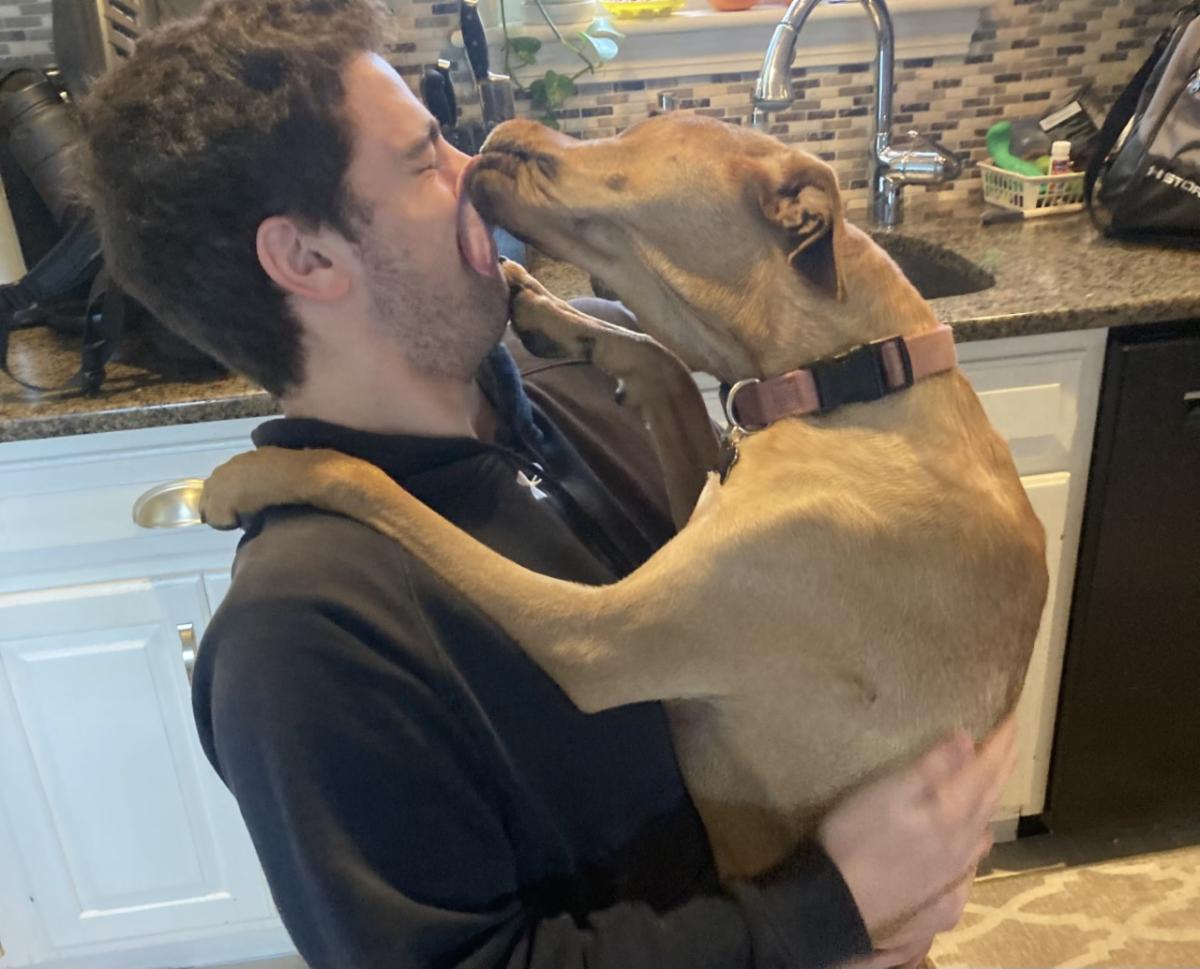
Last year, Rep. Stanley and his family rescued a pup and named her Regan! Regan loves long walks and playing games in the yard.
The Animal Rescue League (ARL) of Boston is hosting an Ugly Sweater Contest! What better reason to break out your ugliest holiday sweater and pose with your pets!
All you need to do to enter is to submit a photo of yourself in your most festive sweater with your favorite animal friend OR a photo of your pet in holiday attire or accessories.
|
|
|
About Rep. Stanley
State Representative
City Council
Former City Council President
State Committee:
Co-Chairperson, Joint Committee on Elder Affairs
Member of:
Massachusetts Home Care Licensing Commission
Massachusetts LGBT Aging Commission
Massachusetts Elder Nutrition Commission
City Council:
Veterans Committee
Economic Development Committee
Committee of the Whole
Education: Suffolk University (MPA), Bentley University (BS - Management), Mass Bay Community College (AS - Business Administration)
Community Involvement (Past & Present):
Waltham Boys & Girls Club, Waltham Youth Basketball Association, Basketball Plus Program, Central Middle School Basketball, Little Nippers Baseball, Warrendale Little League, Waltham Youth Soccer, Waltham Police Athletic League, CCD Teacher, St. Jude Church, Waltham Lions Club, Waltham Rotary Club, Reagle Players Board of Directors, Warrendale Little League Board of Directors, Waltham Partnership for Youth Board of Directors, Waltham Day Center (Homeless) Advisors Board, Waltham Family School Advisory Board, Waltham Safe & Healthy Schools YRBS Steering Committee, Reach Beyond Domestic Violence Advisory Board, Waltham Public Library Planning Committee, Waltham Sons of Italy, Middlesex Area Enough Abuse Campaign.
Awards:
Work, Community, Independence - Human Service Advocate of the Year, 2008 COFAR - award recipient for support of people with mental disabilities, 2003 MassBay Community College Distinguished Alumni Award WATCH CDC - Housing Advocate Award, 2007 Minuteman Senior Services - Certificate of Appreciation, 2006 Boston Bar Assoc., Greater Boston Legal Services and MetroWest Legal Services - Pillar of Justice Award, 2003 Shining Star Award, Edinburg Center, 2019 Community Health Center Leader Award, The Massachusetts League of Community Health Centers
Personal:
Married to the former Kimberly A. Bayliss
Children: Ryan, age 27, Parker, age 18 & puppy Regan
|
|
|
|
|
|
|