Expect More

January 2024

Rotator Cuff Tears

Yes, a return to golf (and other sports) is possible. 

Did you know? In the US alone, 5.7 million people over the age of 60 will experience some degree of rotator cuff tear each year. And, for those experiencing shoulder pain, anywhere from 65-70% of the time, it involves one of the four (4) rotator cuff tendons.1 


For golfers, studies show approximately 2/3 of players will experience some kind of injury, of which the shoulder accounts for 4-18.6%. While this can range from mild pain and tendinitis, rotator cuff tears are not uncommon. Today, golf is year-round, even here in South Jersey, with the growing number of inside simulators allowing players to practice even with a foot of snow outside. The chance of injury due to overuse and poor technique continues to rise. As such, this month, we turn our focus to the rotator cuff – the who, what and where. 


What is a rotator cuff?

The rotator cuff is a group of four (4) muscles – supraspinatus, infraspinatus, teres minor, and subscapularis – each of which has varying jobs, but together, they are integral to performing many of the most routine daily actions. Reaching overhead, stretching behind you and even simply extending an arm away from the body, use the rotator cuff in some way. Beyond the every day, these muscles are also very important in sports, playing a key role in tennis serves and swings, the golf swing, and overhead throwing in baseball or softball. 


Regardless of sport or activity, the most common rotator cuff injuries that occur in young adults are either traumatic or due to overuse while doing activities such as tennis, golf, baseball or repetitive chores. 


Who is at risk?

As with many conditions, aging can increase the likelihood of a rotator cuff tear, as can other factors, including family history and posture. Studies also have shown that women are more prone to such injuries and if you need another reason to quit smoking, here is one for the list.2


How are rotator cuff tears treated?

Both surgical and non-surgical treatments are widely accepted as optimal for rotator cuff tears. Yet, as with any injury, the best option is specific to the case and will depend on the patient’s age, extent of the tear, tissue quality, and current level of functionality. While either option demonstrates optimum results within 12 months, non-surgical treatment will begin to respond positively in 6 to 12 weeks. 


Where can I get help? 

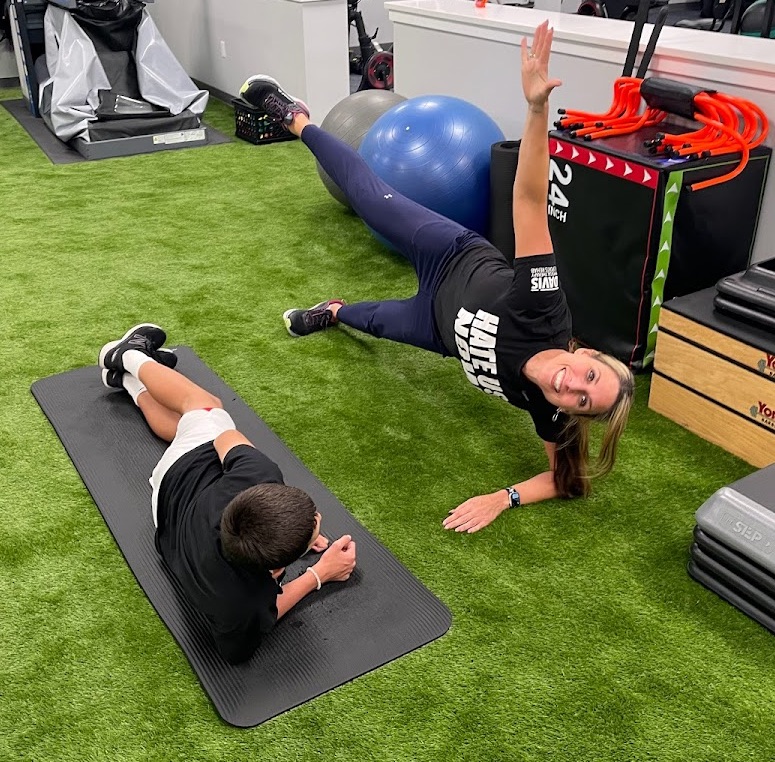
Here at Davis PTSR, we have the knowledge and experience, along with a wide range of equipment, to treat any rotator cuff injury or pathology. Since such tears and pathologies can have many causes (age, overuse, traumatic injury, etc.), we have an extensive evaluation process and develop a personalized treatment plan for each patient.


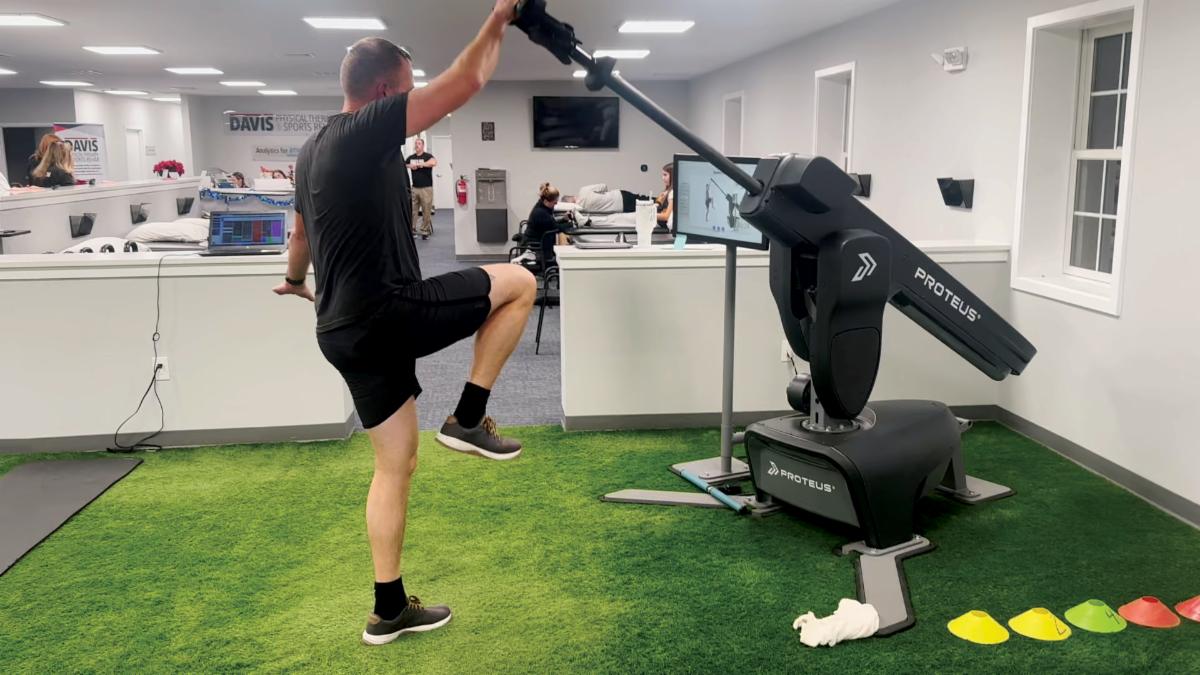
In general, rotator cuff rehabilitation begins with a passive range of motion to gently stretch and regain the full range of the affected shoulder. Following that, we begin utilizing active assisted and active motion to develop good shoulder dynamics and posture. Lastly, Team Davis will incorporate strengthening exercises and equipment, such as Blood Flow Restriction Therapy and Proteus motion, to have patients back performing the activities they enjoy most. 


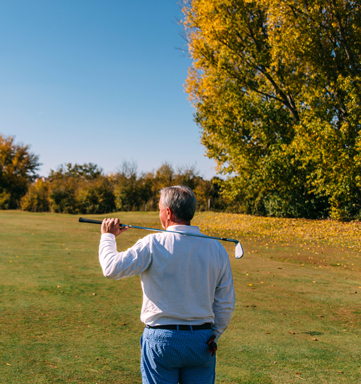
Back to the greens… The good news for golfers – a rotator cuff tear is not a life sentence and returning to golf is not only possible. More players than not can now return to the game they love.


References: 

1 https://www.ncbi.nlm.nih.gov/pmc/articles/PMC4827371/ 

2 https://www.ncbi.nlm.nih.gov/books/NBK547664/ 

Learn More


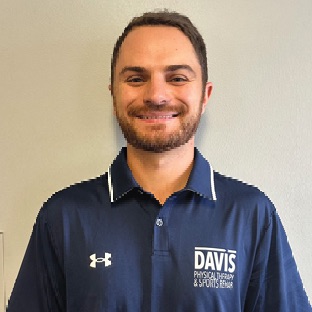
Tyler Huggins, PT, DPT

Like many sports, golf and the injuries resulting from it are unique. The complex nature of biomechanics requires an understanding of players’ movements and the game itself. After years of playing golf, board-certified physical therapist and Titleist Performance Institute Level 1 Certification, Dr. Huggins is well-versed in all aspects of treating rotator cuff tears and other common related injuries. His experience, however, is not limited to golf or shoulders. At the beginning of his career, he worked with a broad spectrum of patients and conditions. This included gaining expertise in post-surgical repairs and working hand-in-hand with surgeons to create post-operative PT protocols following meniscal root repairs. Dr. Higgins’ sports background and a strong interest in return to sport led to a passion for helping others reach their full potential and recognizing the importance of individualized care. 


Read More


Trust The Process


To say golf is a big part of my life is rather an understatement. I have been playing since the age of 12 and spent five (5) years as a PGA Golf Professional. To say I love to play is no exaggeration. So, when diagnosed with sciatica two years ago, I set out on a relentless quest to find a way that would have me back on the greens.


My first signs of pain started about 10 years ago – a stiff back while golfing that progressed as I headed to the back nine. Several attempts with chiropractic treatment provided only moderate relief. However, when I began to get a sharp, debilitating pain in the right side of my buttocks, I could no longer stand for extended periods of time or walk far before my foot would become numb. Playing golf was not enjoyable or, at times, possible. The diagnosis – sciatica. 


After two impersonal, unfocused, and ultimately unsuccessful programs at other physical therapy facilities, I was fortunate to meet Dr. Andrea Davis, who had become a Medford Village Country Club member. My path to recovery was in sight.


Walking into Davis PTSR I recognized the difference right away. Every member of the team was attentive, personable, and professional; the facility was new, clean, and filled with all the latest equipment. Dr. Davis took to my care personally and did my initial evaluation before introducing me to Chris, who explained the treatment and exercise regimen. When Tyler, a golf enthusiast and amateur player, came on board Team Davis, he took me under his care. His understanding of the mechanics and muscles needed to execute a good and proper golf swing spoke volumes as he fine-tuned my treatment. The tailor-made plan fit to my game further enhanced the already positive progress. 


Today, life is good! I have no pain or numbness when standing, walking, and, yes, playing golf. The service and attention provided at Davis PTSR are beyond the norm. See you on the back nine.

Learn More
 

Happenings


It’s the new year and there is no shortage of “Happenings” at Davis PTSR. As with past updates, we like to start with our core strengths – Team Davis and technology. 


Golf is in focus this month, so let’s begin with news about Tyler, who attended the TPI Golf certification course and earned his Titleist Performance Institute Level 1 Certification for biomechanics and golf swing analysis. Founded in 2023, TPI is a leading educational organization “dedicated to the study of how the human body functions in relation to the golf swing,” and like Davis PTSR, they believe athletes benefit from a “healthy and efficient body.” 


Keeping on the people front, Taylor is now a certified specialist in Vestibular Rehab & Concussion by the American Institute of Balance, a leader in the evaluation and treatment for those suffering from dizziness, vertigo and balance disorders. The comprehensive program included an overview of vestibular anatomy and physiology along with such areas as sensory integration of equilibrium, disorders affecting vestibular function, evaluation of Cortical Concussion (m-TBI) and interactive concussion management strategies.


Davis PTSR now offers 3D Body Scans with Styku™ to measure body composition, physical data, and circumferences, including waist, hip, chest, and arms. Together when analyzed, the hundreds of measurements help address musculoskeletal risks and that is just one of the countless benefits.


In ​other news, Davis PTSR is a proud sponsor of Medford Strikers Soccer Club and Cherry Hill Raiders Softball Club. If you haven’t done so yet, check out the Team Davis YouTube channel (https://www.youtube.com/@davisphysicaltherapysports1390) for a series of educational videos and podcasts on topics such as spine anatomy, concussions, restricted blood flow therapy and more.


Once again, we like to end on a high note. Please join us in saying “Happy Anniversary” to Antoinette, who celebrated five (5) years with Davis PTSR on January 21st. 


Harnessing Cutting-Edge Technology to Optimize Athlete Performance


Team Davis, prides itself on integrating the latest advancements in movement and biomechanics technology to empower athletes to reach their peak performance. Our meticulous research into the most innovative platforms in this field, coupled with our adept application of these technologies, enables us to design efficient and effective programs tailored to both individuals and teams. The goal is to amplify your athletic potential while minimizing the risk of injuries. 

Learn More


Eager to EXPECT MORE? Follow us on social media and never miss a step.

Facebook  Instagram  YouTube
 

338 Stokes Road, Medford, NJ 08055

609-451-5404 • davisptsr.com