|
Clinical education is built on an extraordinary act of professional generosity. Each time a preceptor welcomes a student into a clinic, hospital, or community practice, they make room within the demands of patient care to teach, explain, challenge, and gradually extend greater trust as competence develops. In doing so, they help translate what students have learned into the judgment, confidence, and professional identity required to care for patients well. This issue is dedicated to those educators and to the indispensable role they play in the formation of our future PAs.
In this edition, Nate Kramer reflects on the breadth of our clinical education network and the relationships that sustain it across Iowa and beyond. His perspective underscores an important truth: exceptional clinical education depends on clinicians willing to invest in their future colleagues.
We also asked several of our clinical-year students to reflect on lessons their preceptors have left with them. Their responses show that what students carry forward is often more than a diagnosis or procedure. They remember how a preceptor approached uncertainty, communicated with a patient, made space for a question, or modeled the kind of clinician we all aspire to be.
Our preceptor feature highlights PA Jill Ferry and the commitment behind this kind of teaching. We are also delighted to introduce Professor Nickie Bro, who returns to the University of Iowa PA Program as our newest faculty member after beginning her own PA journey here at the University of Iowa—a fitting addition to an issue centered on professional formation and the people who make it possible.
To every clinician who has welcomed one of our students, made time in an already full day to teach, offered thoughtful feedback, or shared hard-earned clinical wisdom: thank you! Our students carry pieces of your teaching into every clinical encounter that follows. Precepting is an investment not only in one learner but in the thousands of patients they will one day serve, the learners we hope someday they too will teach, and the profession they will soon proudly lead. That enduring influence begins in the immediacy of patient care, through the uniquely powerful work of teaching at the point-of-care.
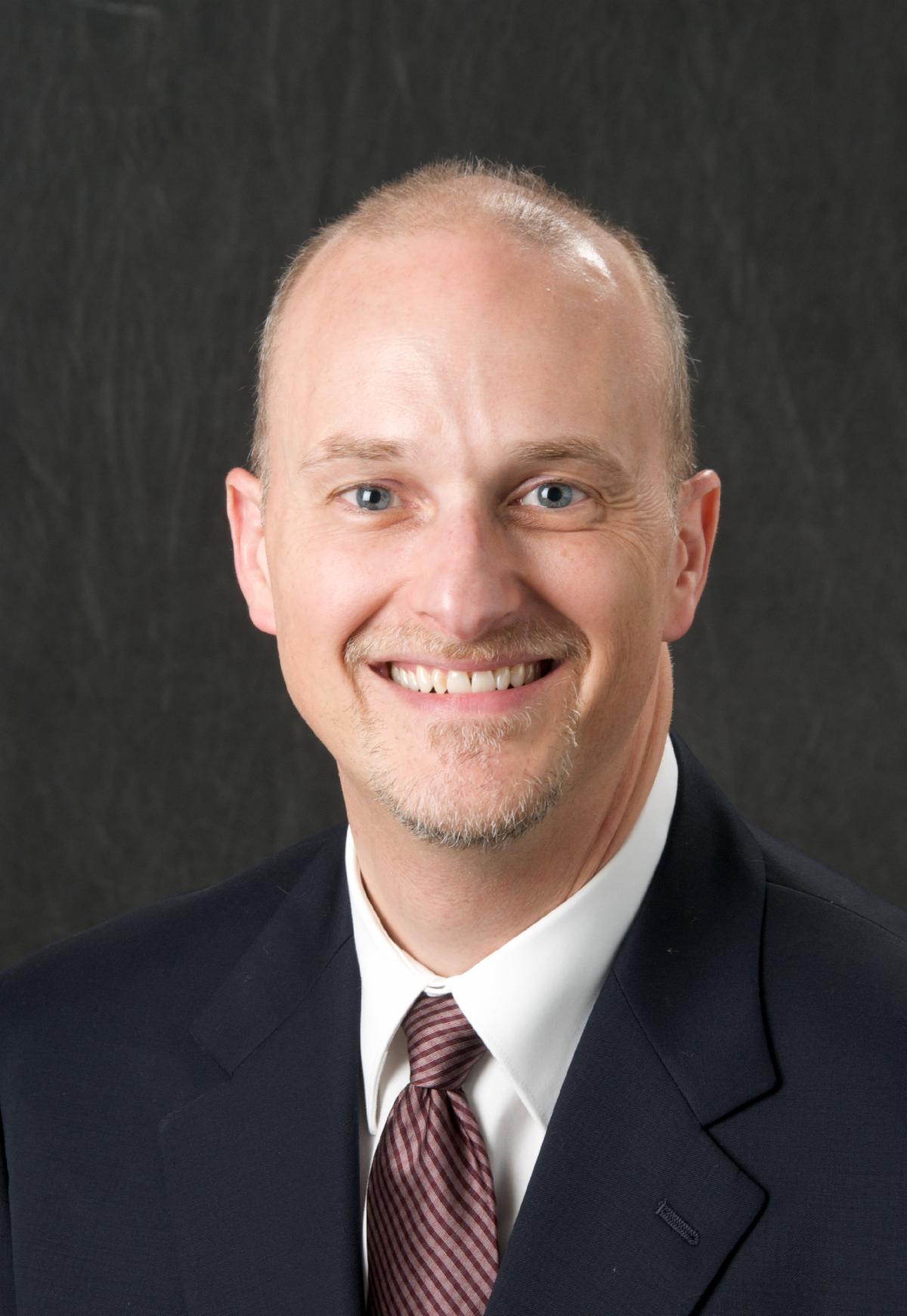
Anthony Brenneman, MPAS PA-C DFAAPA
Program Director and Clinical Professor
University of Iowa PA Program
| | | | |
Class of 2027
Over the summer, the Class of 2027 sharpened their clinical skills through hands-on labs, interprofessional workshops, and real-world case simulations. Also, they studied radiology, EKGs, ACLS/BLS certification, and advanced physical exam skills. Soon, the students will be studying Mechanisms of Health and Disease IV (MOHD4), Clinical and Professional Skills III (CAPS3), and Medicine and Society III (MAS3)
| | |
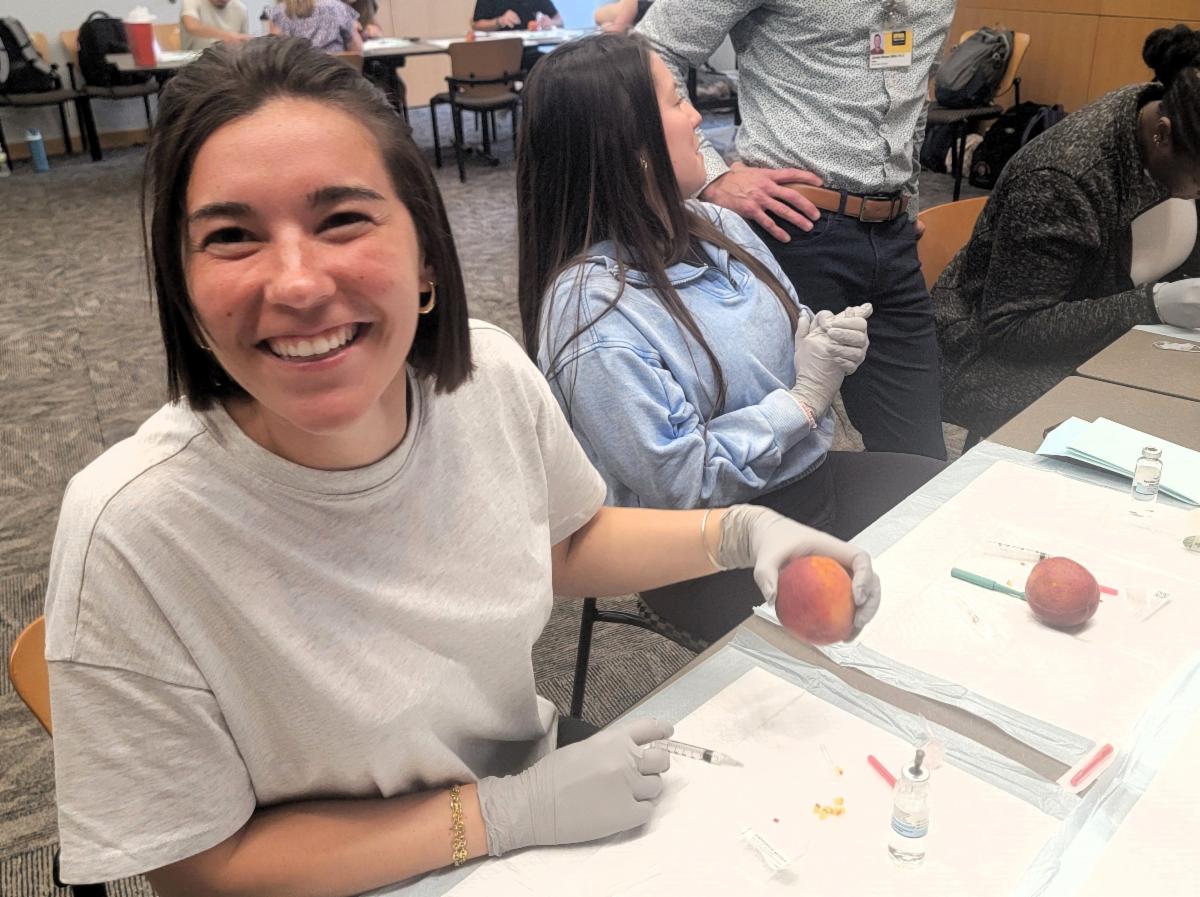
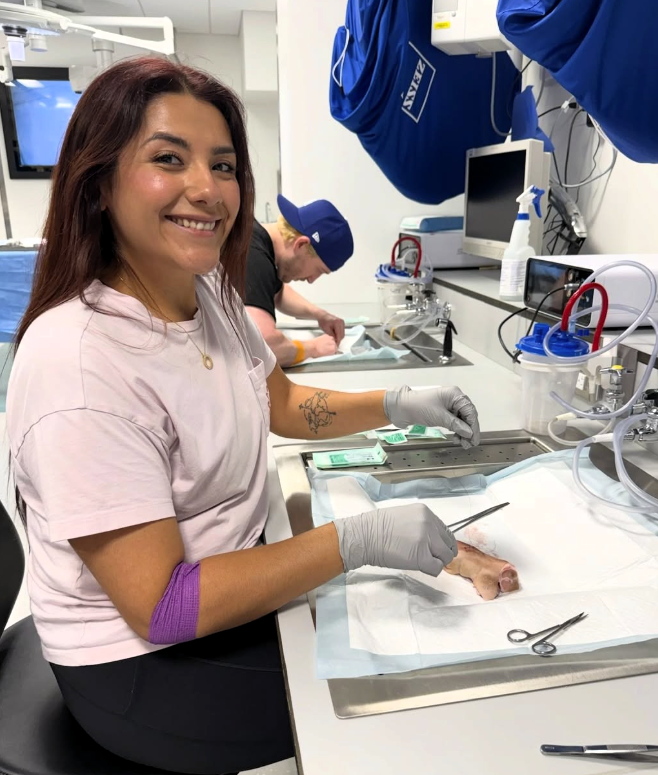
Student Emily Mazzeo (top) practices suturing skills on a peach entrusted to her care during a recent procedural skills refresher.
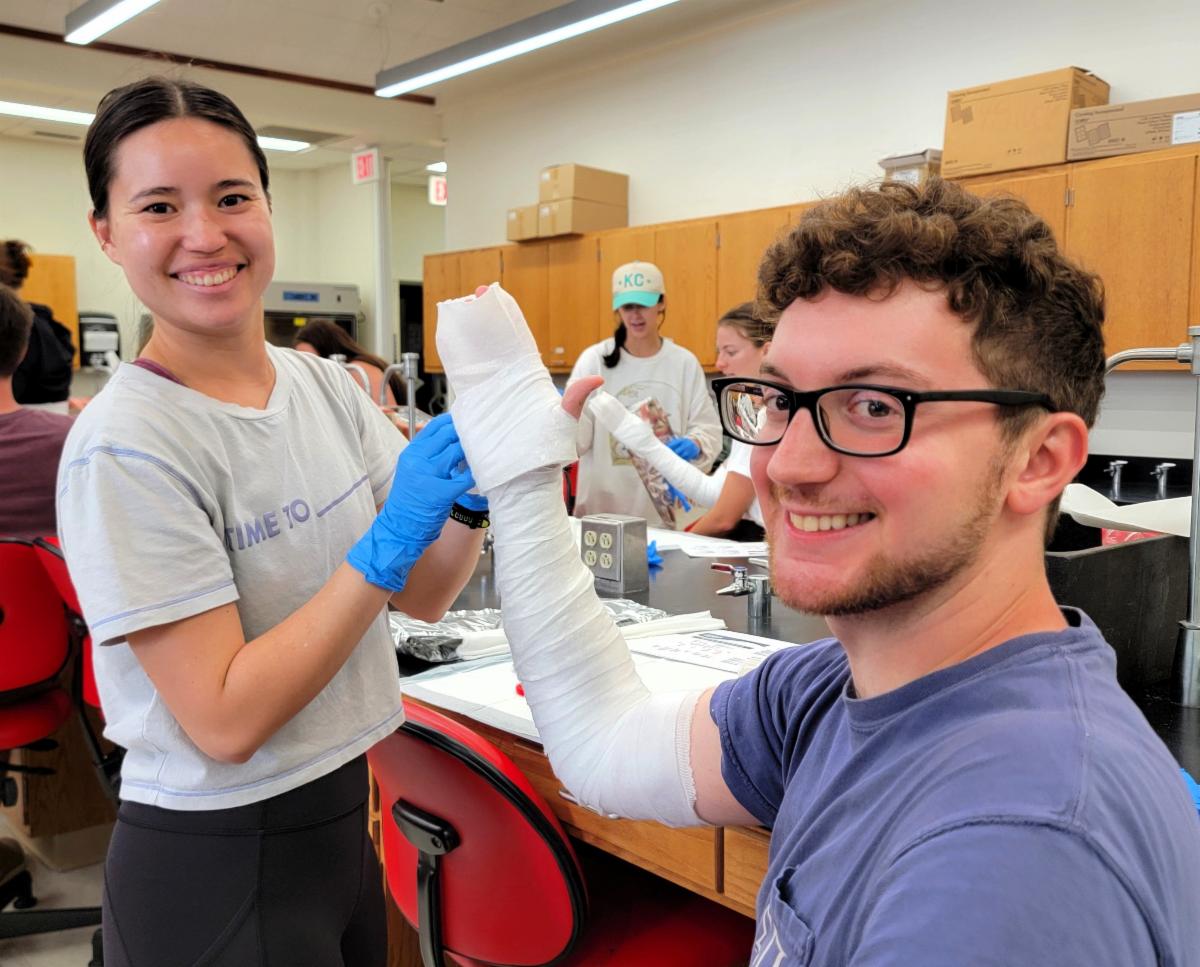
Students Kirsten Mahoney and Joe Olson (bottom) practice splinting techniques during the summer curriculum.
| | |
STAFF FEATURE:
Building Partnerships That Prepare the Next Generation of PAs
Nate Kramer, MPH
Coordinator of Clinical Outreach & Development
As Coordinator of Clinical Outreach and Development, one of my greatest privileges is connecting with clinicians throughout Iowa and the United States who are providing exceptional care to their patients in their communities They frequently share with me how prepared and knowledgeable our students are and that directly correlates to the unique interdisciplinary didactic education they receive alongside medical students in the Carver College of Medicine. The University of Iowa PA Program has a longstanding tradition of finding exceptional clinical training experiences for our students.
It’s very satisfying when I can connect students to these healthcare providers - they step in ready to help from day one, gaining deep, hands-on clinical experience that simply can't be taught in the classroom. My work is, in many ways, about carrying that tradition forward: building relationships across Iowa, throughout the Midwest, and beyond, and identifying places where students will receive excellent clinical training where they often develop a vested interest in the health of the communities they serve.
I’m especially interested in expanding opportunities in rural medicine, community health centers, and health systems serving areas where access to care may be limited. There is something powerful about placing a student in a community and allowing them to see what healthcare looks like there—the breadth of practice, the relationships clinicians develop with patients, and the difference one dedicated healthcare professional can make.
Those experiences can shape where students ultimately choose to practice. Some of my favorite conversations are with students returning from rotations excited to tell me they’ve been encouraged to apply for a position or invited to return to the community after graduation. To me, that represents something larger than a successful rotation. It’s an opportunity for clinical education to become part of the answer to the workforce needs facing Iowa and other underserved communities.
None of that happens without our preceptors.
Exceptional preceptors do far more than supervise students. They share years of experience that cannot be learned from a textbook or reproduced in a classroom. They ask difficult questions, provide candid feedback, recognize where a student is in their development, and then push that student a little bit further. In the process, they help students develop confidence, judgment, and an understanding of what it means to truly care for another person.
I’m grateful for the clinicians who make that investment. Their time is valuable, and their willingness to share it with our students reflects a commitment to education, service, and the future of healthcare. They’re our partners in preparing the next generation of PAs.
| For anyone who has considered precepting but has not yet taken that first step, my invitation is simple: let’s connect! Please call me at (319) 335-2491 or email me at nathan-kramer@uiowa.edu. I would be happy to talk about what precepting can look like, answer questions, and explore whether there is an opportunity that works for you, your practice, and our students. Sometimes the beginning of an extraordinary clinical experience is simply a conversation. | |
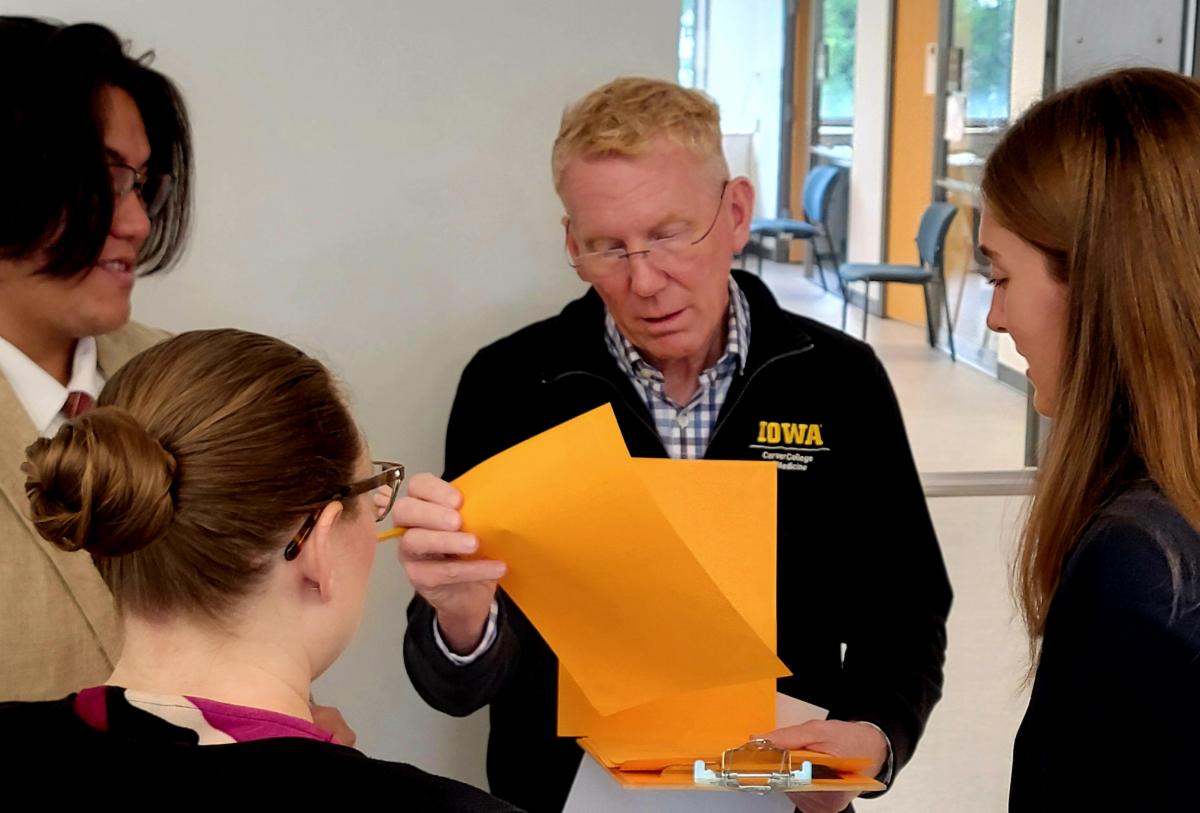
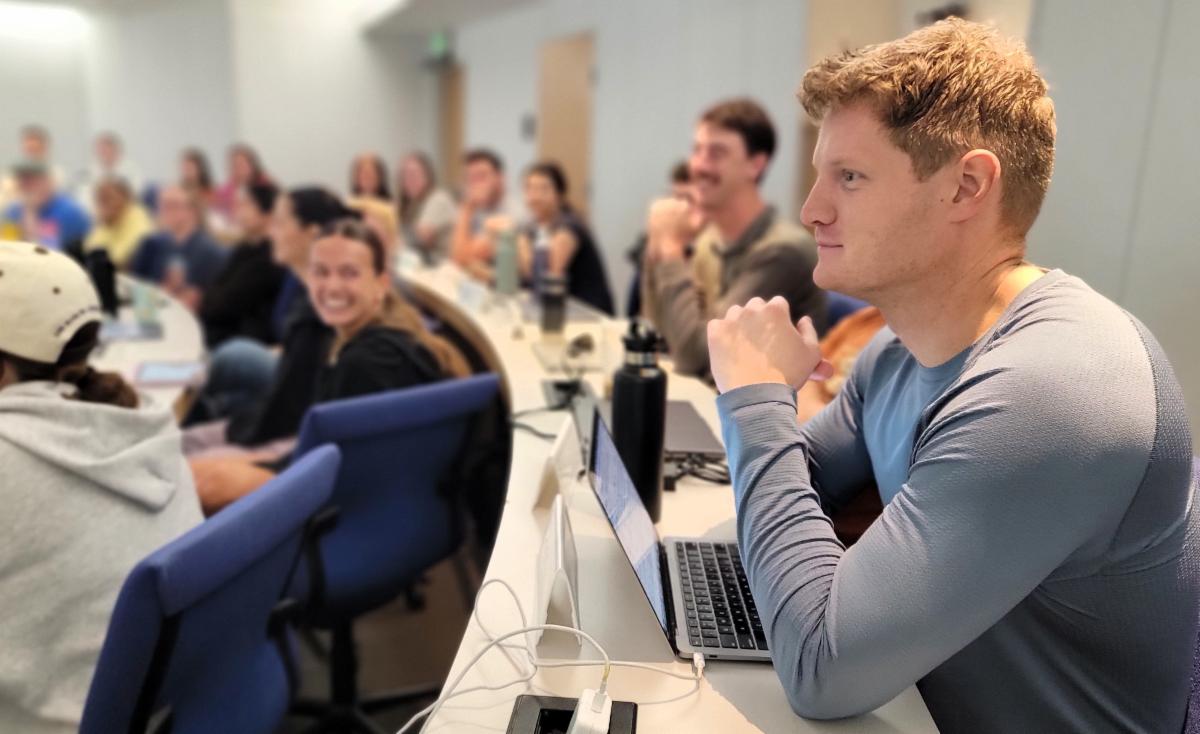
Nate Kramer (right) collaborates with staff and students on program planning and the continued development of clinical education experiences.
| | |
SNAPSHOT:
University of Iowa PA Students Compete at iScan26
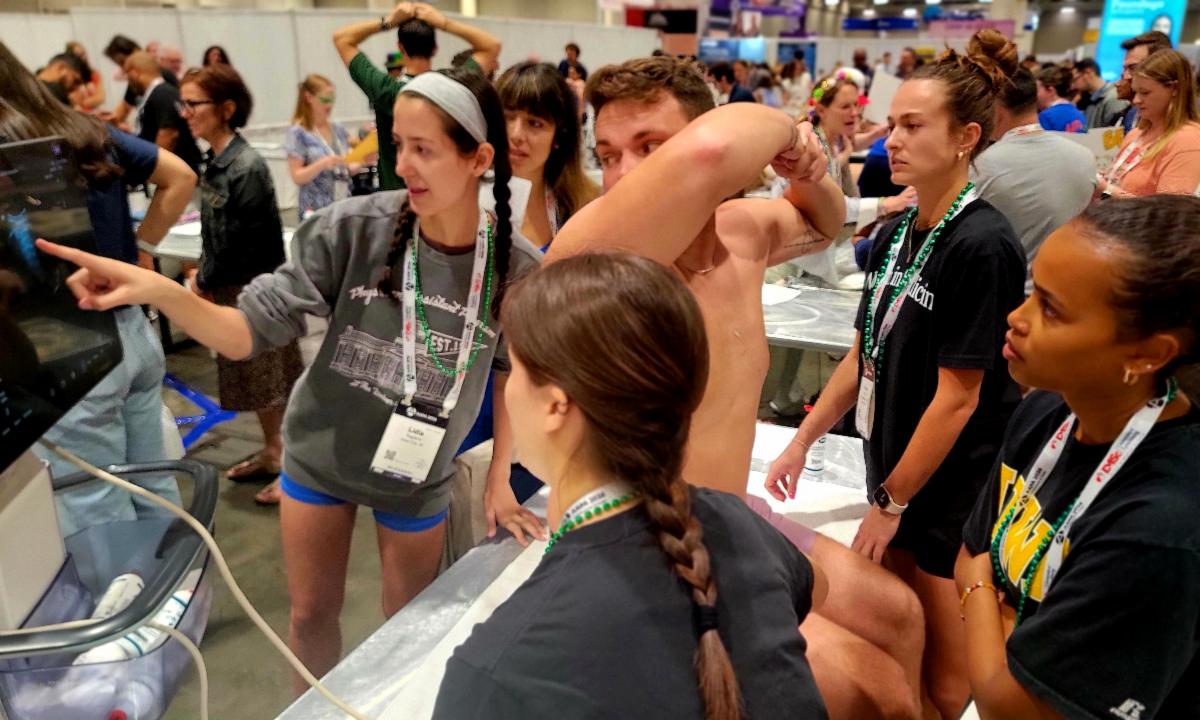
| Students Lidia Ragland, Kirsten Mahoney, Alex Fouts, Giana Michels, and Nia Tanui (above) represented the University of Iowa PA Program at iScan26, AAPA’s national point-of-care ultrasound competition in New Orleans, Louisiana. The team built on months of hands-on POCUS training and mentorship from Beverly DiCorso, MMS PA-C, and Professor Jeremy Nelson, and putting their ultrasound skills, clinical knowledge, and teamwork to the test on a national stage. | |
STUDENT FEATURE:
Lessons That Last: Students Reflect on Their Clinical Preceptors
| |
Clinical education is where knowledge begins to take shape in practice, and clinical preceptors are central to that transformation. Across specialties and clinical settings, they invite students into the work of patient care, challenge them to think more deeply, model the judgment and communication that cannot be learned from a textbook, and gradually entrust them with greater responsibility.
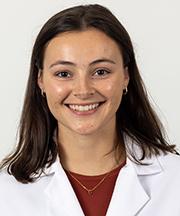
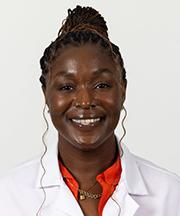
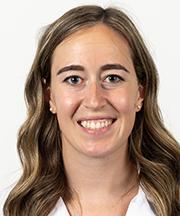
We asked six of our clinical-year PA students to reflect on a clinical preceptor who has made a meaningful impact on their education. Their responses highlight the many ways excellent clinical preceptors shape emerging PAs—not only through what they teach but through how they practice, lead, communicate, and care for patients. In their own words, our students share some of the lessons and moments that will stay with them long after the clinical rotations end.
| |
"Looking back on my first six months of clinical rotations, what stands out most is the way my preceptors made me feel as a learner. During my emergency medicine rotation, my preceptor consistently pushed me to the limits of my knowledge. There were no “easy” cases, no quick answers to my questions. Instead, she challenged me to think critically and work through problems independently, acting more as a guide than as a teacher. She was generous with praise and thoughtful in her corrections, helping me build confidence while teaching me to remain humble and open to growth. She instilled in me a mindset of lifelong learning and an unwavering commitment to my patients’ well-being. This foundation will stay with me wherever my career takes me." -- Bekah Jones, PA-S3
| |
"I would say the biggest impact I've had so far with rotations was with my emergency medicine preceptor. We had to deliver some difficult news to a patient, and my preceptor told me 'Giving hard news to a patient is hard but I would rather do it because I know I have the compassion to deliver the news and be there for the patient, compared to another person who may not have compassion'. That encouraged me, not only in that situation but my other rotations, too! I want to be that provider my patients can trust, in the good and the bad." -- Edwin Rojas, PA-S3
| |
"What set the inpatient internal medication rotation at UIHC apart for me was that my preceptors treated me as if I was truly a part of the healthcare team. Patients at UIHC can be really complex, and I had preceptors that would genuinely be interested in what I thought was going on and what additional tests or treatments we could try. Additionally, whenever I asked a question, their first response was, "What do you think?" versus just giving me an answer. It really helped me start to develop critical thinking skills, identify where I have gaps in knowledge, and realize that I know a lot more than I initially thought. It's something that I've taken forward in my other rotations and has significantly enhanced my learning." -- Chelsea Francisco, PA-S3
| |
"Dr. Bryan Blacker exemplified extraordinary communication skills and rapport with every patient. He entrusted me with the relationships that he has built over multiple years and stressed the importance of understanding a patient's context in pediatrics. Under guidance, he allowed me to lead difficult conversations regarding family dynamics and home environments, and he shared the importance of including psychosocial ICD10 codes in documentation. It reinforced what it means to care for the whole patient—treating illness, providing preventative care, and addressing social and economic barriers that are equally as important." -- Gabbi Bullard, PA-S3
| |
"Across all of my clinical rotations, but especially in reproductive endocrinology and infertility, I learned the importance of truly listening to patients before rushing to provide answers. Many patients arrived after years of searching for explanations, and I watched my preceptors create space for them to share concerns that had often been minimized or overlooked. Seeing the trust and relief that came from simply feeling heard reinforced that excellent patient care is about more than making the right diagnosis. It's also about validating patients' experiences and partnering with them in their care. It shaped the kind of PA I hope to become—someone who helps patients feel heard, respected, and empowered in their healthcare decisions." -- Jayla Jones, PA-S3
|
| |  | "My time working with Sam Sparrow and the other APPs in BMT really modeled the type of care I want to provide as a PA. During each clinic visit, Sam would turn the computer screen toward the patient and walk through that day’s lab results and disease markers. This was helpful for not only the patient, but for me as a learner, as it quickly allowed me to recognize patterns in the labs and pick up helpful ways to explain them to patients. What struck me most was how informed and engaged the patients were in their own care. While terms like 'CAR T-cell therapy' or 'bispecific antibodies' might sound alien to most individuals, these patients spoke about them like second nature thanks to the BMT team's emphasis on consistent, compassionate education. This experience reinforced for me the importance of quality patient education. When patients understand their disease and treatment, they're better able to participate in their care and navigate even something as overwhelming as cancer with greater confidence." -- Anne Cummings, PA-S3
| |
SNAPSHOT:
From PA Student to First Job: Solving the 1–3 Year Paradox
| |
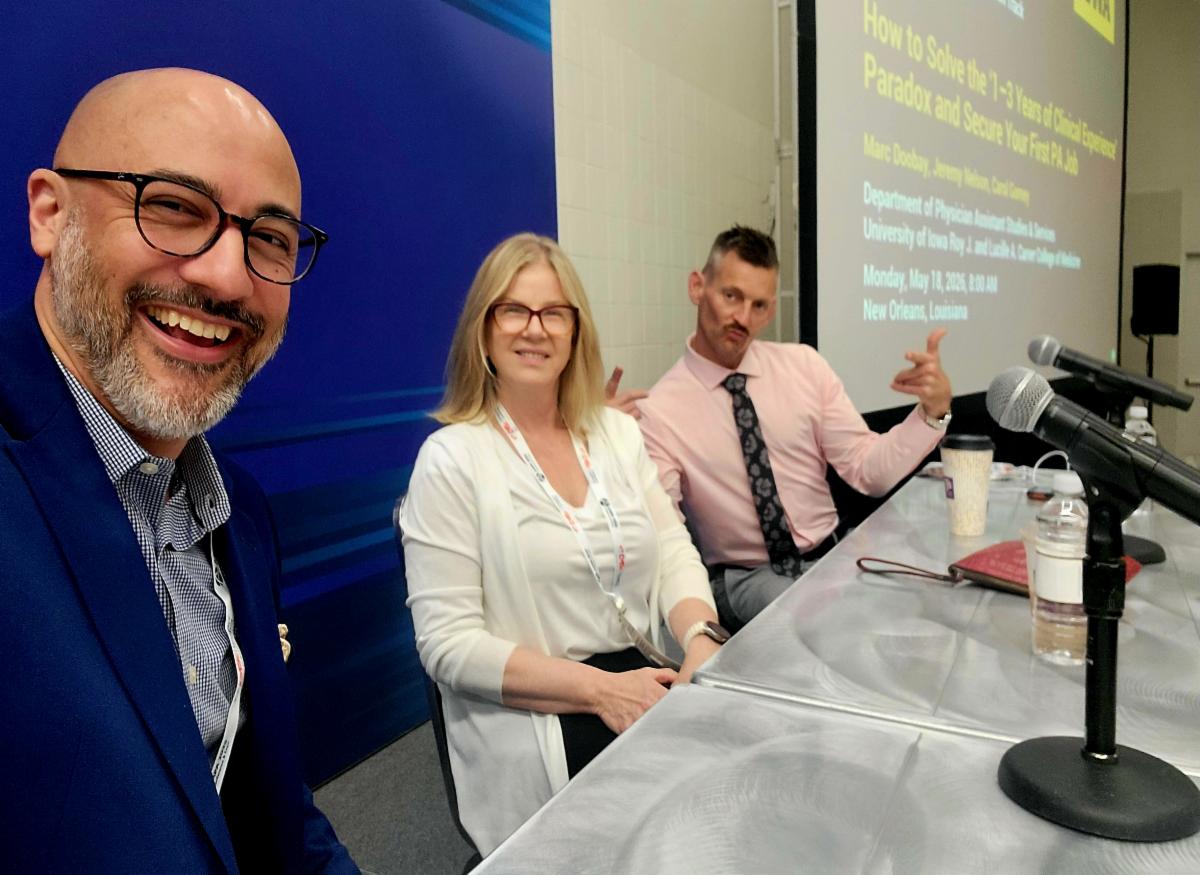
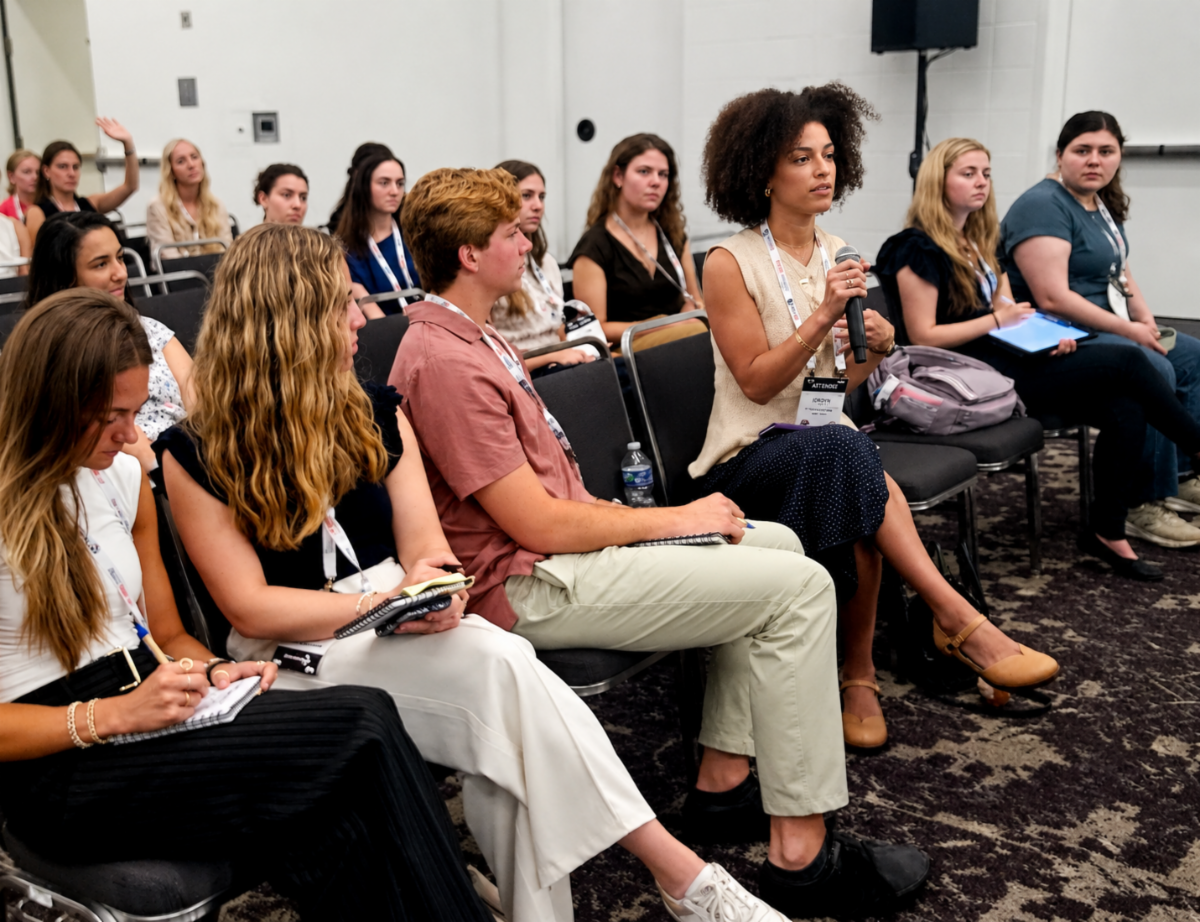
Professors Marc Doobay, Carol Gorney, and Jeremy Nelson (right) delivered their presentation "How to Solve the “1–3 Years of Clinical Experience” Paradox and Secure Your First PA Job" to 200 students at AAPA 2026 in New Orleans, Louisiana, helping PA students navigate one of the most common challenges in the transition from training to practice.
| |
PRECEPTOR FEATURE:
Building Confidence, Competence, and Connection: Jill Ferry’s Commitment to Clinical Education
Jill Ferry, MPAS PA-C CAQ-EM
Clinical Preceptor
For Jill Ferry, PA-C, clinical precepting is more than an additional professional responsibility. It’s an investment in the future of patient care.
Ferry has practiced at Myrtue Medical Center in Harlan, Iowa, since graduating from the University of Nebraska Medical Center PA Program in 1995. Her rural practice spans primary care, emergency medicine, inpatient care, newborn and obstetric rounding, surgical assisting, and procedural medicine. She also holds a Certificate of Added Qualifications in Emergency Medicine and serves as an instructor in advanced cardiac and pediatric life support.
That breadth provides PA students with an unusually comprehensive clinical experience. During a rotation with Ferry, students may move between a busy family medicine clinic, the emergency department, the hospital floor, and occasionally the operating or delivery room.
“I think we have a really good foundation here in Harlan for students to continue to learn and gain a solid rotation in multiple areas of medicine,” she said.
Ferry’s commitment to precepting also reflects the lasting influence of her own clinical education. As a PA student, she completed a three-month rotation at Myrtue Medical Center, where Scott Markham, DO, became one of her clinical mentors. More than three decades later, he remains her supervising physician, next-door office colleague, and close friend. Their relationship illustrates the enduring potential of clinical education: a student-preceptor partnership can become a lifelong professional collaboration and inspire mentorship of the next generation.
Ferry began precepting approximately five years into practice. What started with one or two students annually has grown to six to eight students each year from several universities. She considers watching students develop—from tentative newcomers into increasingly capable clinicians—one of the most meaningful parts of her work.
| |
“From the very first day they start with me through the end of their rotation, I see them grow closer to their professional goal,” Ferry said. “Giving them confidence that they’re going to be okay is rewarding.”
Her teaching style is supportive and intentionally active. Students are encouraged to ask questions, acknowledge uncertainty, investigate unfamiliar conditions, and return prepared to discuss what they’ve learned. For procedures, Ferry often follows a ‘see one, do one, teach one’ progression.
“I want you to learn something new every day,” she tells students. “I haven’t done my job if I haven’t taught you something new.”
Her approach is grounded in the continuity and trust that define rural primary care. Ferry describes caring for several generations within the same family—including patients she first met as children who now bring their own children to see her. She teaches students that excellent care begins with listening, careful documentation, evidence-based decision-making, and treating every patient as they would want a family member treated.
Just as importantly, Ferry works to create a psychologically safe learning environment. She remembers the anxiety of being a student entering an unfamiliar clinical setting and treats each student with the same patience and concern she would want extended to one of her own family members. Students should feel comfortable asking questions, she believes, while also arriving prepared, engaging constructively in the practice, and taking increasing responsibility for patient care.
The influence of that philosophy extends beyond individual rotations. One of her former students later joined Myrtue Medical Center as a PA and still displays a card Ferry gave her on the final day of her rotation from many years ago. It included reminders to listen, document carefully, and treat each patient with dignity.
For Ferry, moments like these capture the enduring purpose of precepting.
“It’s a part of my heart,” she said, “that I’m able to help instruct this next generation of medical providers.”
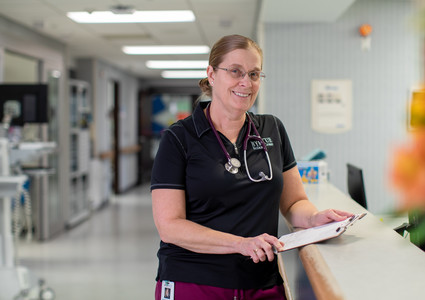
| Jill Ferry, MPAS PA-C CAQ-EM, (above right), brings decades of clinical experience—and a deep commitment to teaching—to her work with PA students at Myrtue Medical Center. | | |
VIDEO CLIP:
A Day in the Life of a PA Student
| |
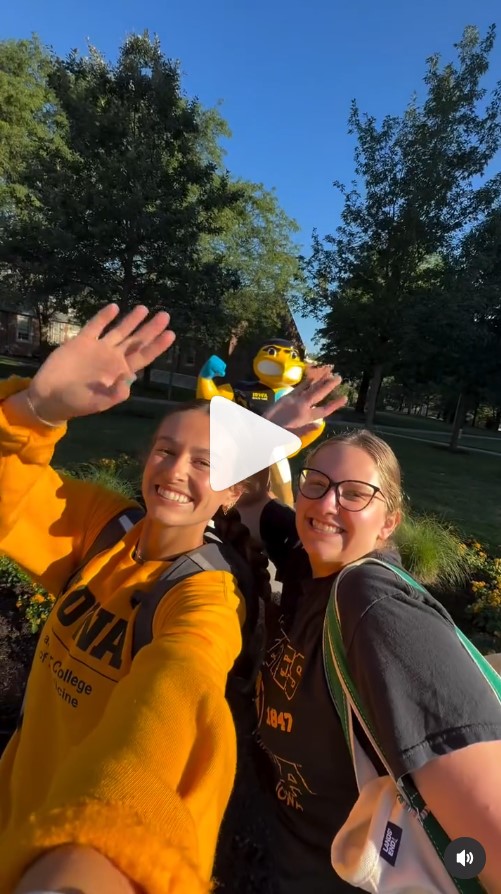
Follow student Giana Michels (right) through a day in the University of Iowa’s PA summer curriculum—from classroom learning to hands-on clinical skills and everything in between.
| |
NEW FACULTY INTRO:
Coming Full Circle: From Iowa PA Student to PA Educator
Nicole Bro, MPAS PA-C RDN
Clinical Assistant Professor
I’m a born-and-raised Iowan and Des Moines girl. I grew up in the Des Moines area and have spent my entire career there until now. I absolutely love Des Moines and will try to sell anyone on moving there, although Iowa City is pretty great, too.
I’m also a Cyclone at heart and attended Iowa State University, where I studied dietetics and French. My love of nutrition and cooking was my initial launching point into healthcare. After Iowa State, I completed the training required to become a registered dietitian through the University of Iowa’s Dietetic Internship Program. It was there that I first became interested in the PA profession after observing different healthcare roles.
I loved learning about nutrition and the patient relationships that develop through nutritional counseling, but I found that I wanted to be more involved in the diagnosis and treatment aspects of disease. I also really enjoyed learning hands-on procedures. After completing my internship and passing my credentialing exam to become a registered dietitian, I began working as an RD for the WIC program in Ames and Marshalltown while also beginning the process of applying to PA school. I was eventually accepted into Iowa’s PA program, and the rest is history.
| |
I’ve spent my career thus far working in nephrology and acute care, including both emergency medicine and urgent care, with the last three years spent working full-time in PA education. I remember beginning PA school and being so impressed with the faculty in our program. Even then, I made it a career goal to one day work in education. My favorite part of education is the relationships you develop with students and all the wonderful things you can learn from them.
I’m so excited to return to the University of Iowa’s PA program, the program that made me a PA, and I’m so grateful for the opportunity to work for the top PA program in the country.
| |
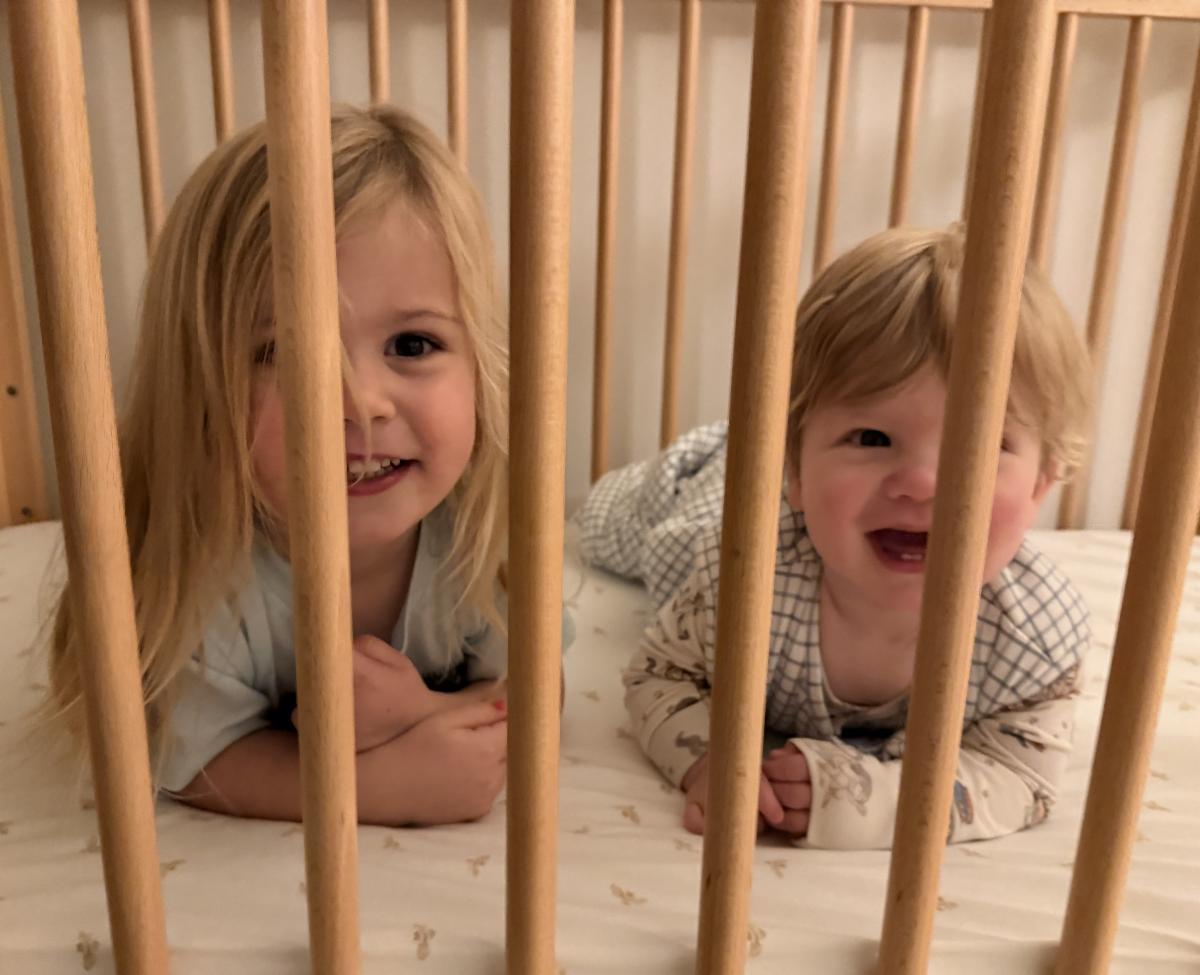
I currently live in Iowa City with my husband, Tyler; my daughter, Willa, who is 3.5; my son, Oliver, who is 1; our dog, Birdie; and our cat, Minnie. Outside of work, I love spending time with family and friends, running, cooking, going to concerts, watching movies and film — we just joined FilmScene as sustaining members — reading, and traveling whenever we get the chance.
My best advice for graduating PAs is to keep an open mind and look for a job where you will be supported and have good mentorship. Remember that the salary “number” is not everything. Take into account PTO, insurance premiums, and other benefits such as phone coverage and retirement contributions, as well as lifestyle. And remember that you have a life outside of work now, so take time to enjoy it.
| |
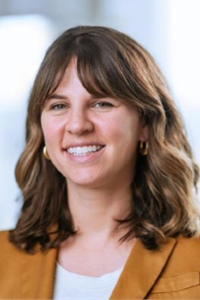
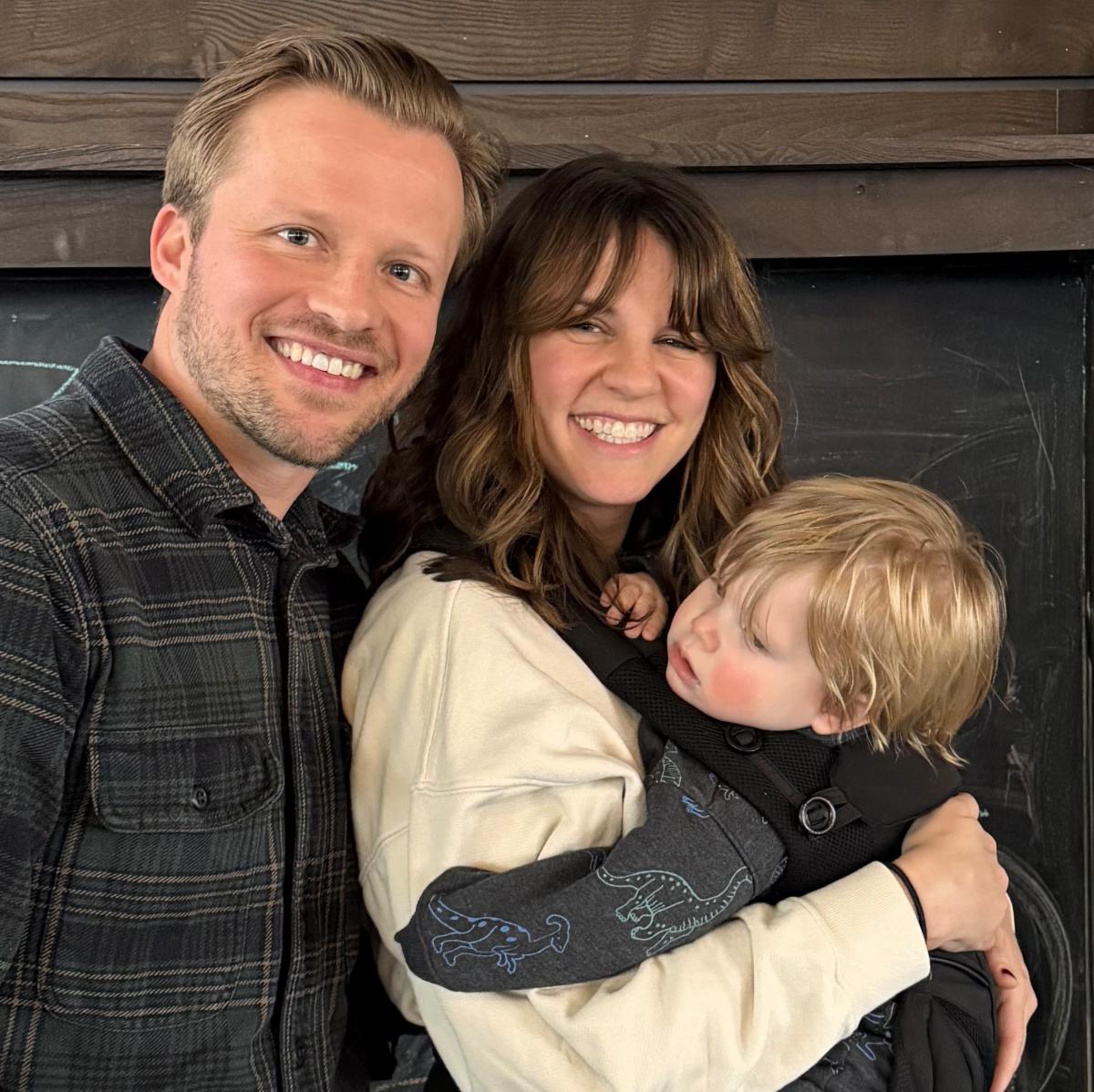
Professor Nickie Bro (top left) joins the University of Iowa PA Program faculty.
Professor Bro with her husband, Tyler, and son, Oliver, now 1 (middle right).
Oliver sharing an early sibling moment with his big sister Willa, now 3 (middle left).
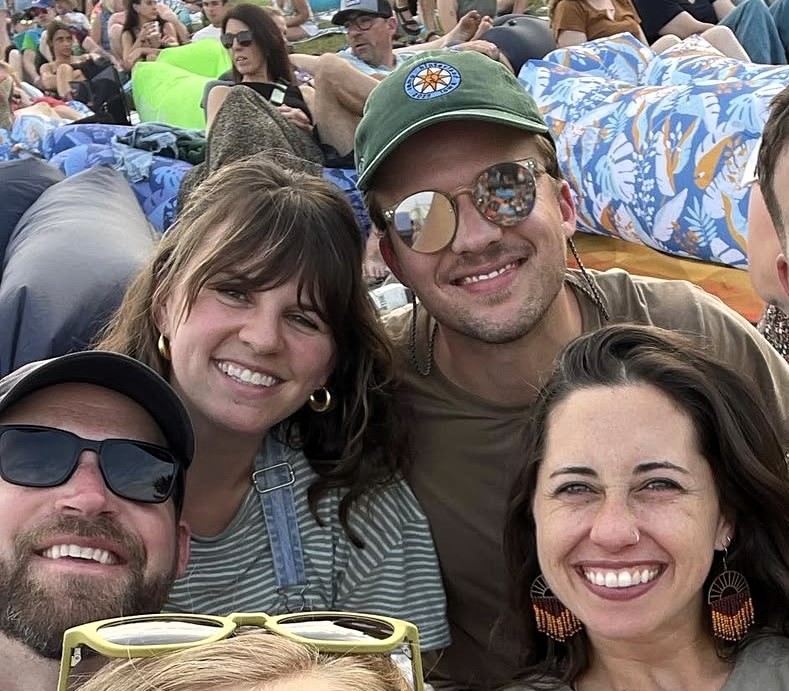
Professor Bro and Tyler enjoying an outdoor concert with friends (right).
| | |
CURRICULUM COLLAGE:
Summer in Practice: The Class of 2027 Builds Skills for Clinical Care
| For the Class of 2027, the summer curriculum offered an intentionally hands-on complement to the classroom, creating space to practice, refine, and integrate clinical skills before the next stage of training. Through procedural skills sessions, simulation, physical examination, and other applied learning experiences, students strengthened both technical proficiency and clinical confidence while learning alongside classmates and faculty. The summer was less about simply acquiring individual skills than about bringing all of it together—finding the intersection of knowledge, technique, communication, and judgment in preparation for increasingly complex patient care. | | | | |
Student Tristan Krause (above) responds to an instructor's question during lecture.
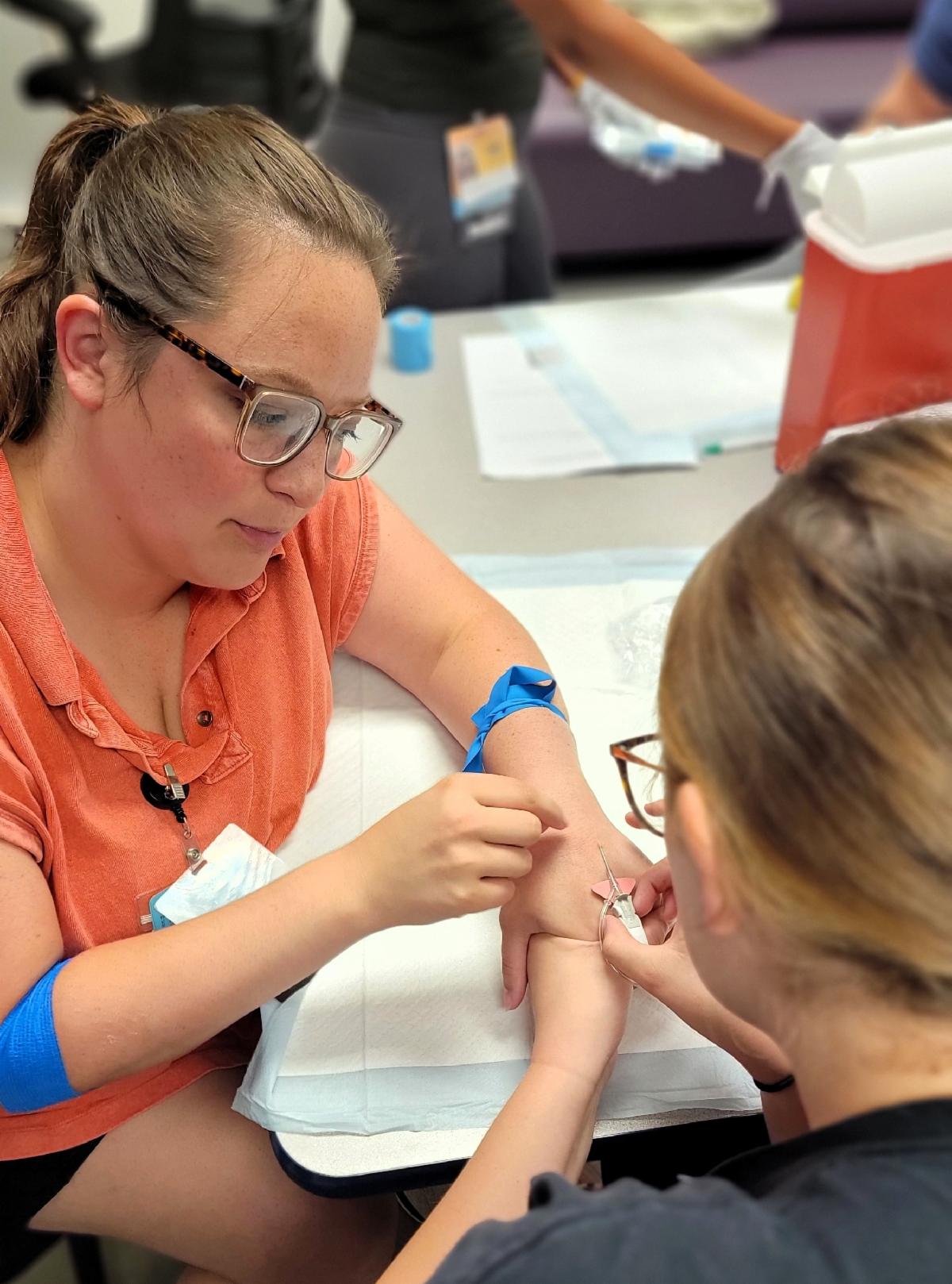
Student Madi Casey (left), who has previous experience in phlebotomy as a paramedic, guides a classmate on how to perform intravenous access.
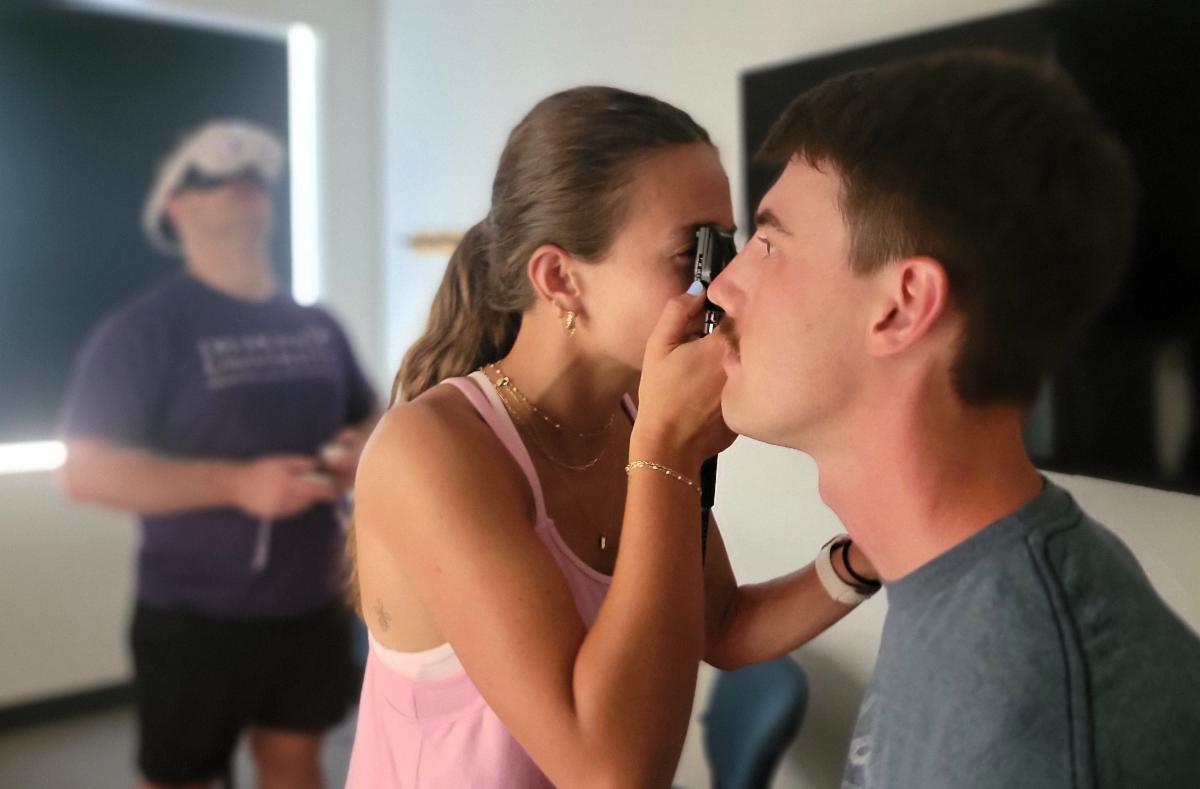
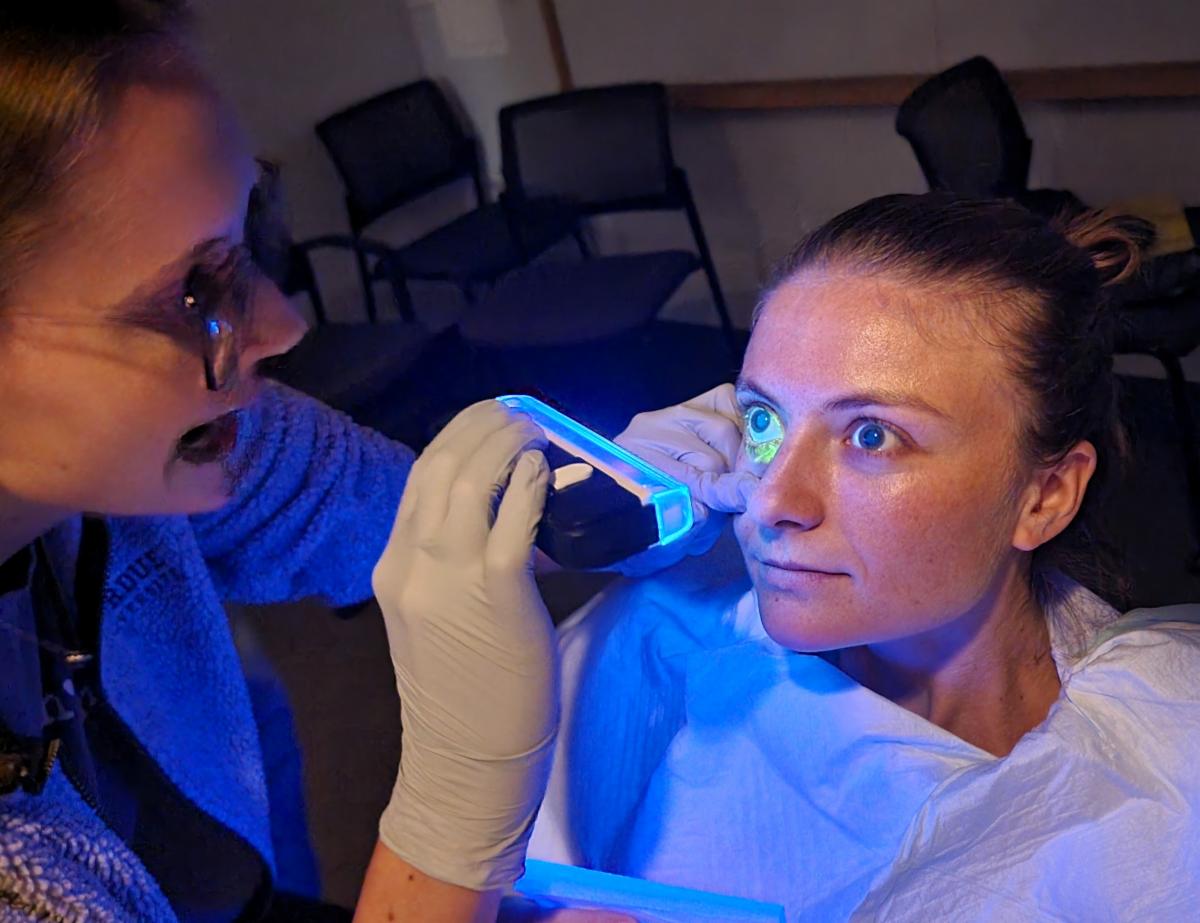
Student Megan Renner practices fluorescein eye stain on her classmate Kenzie Krehbiel (below).
| | |
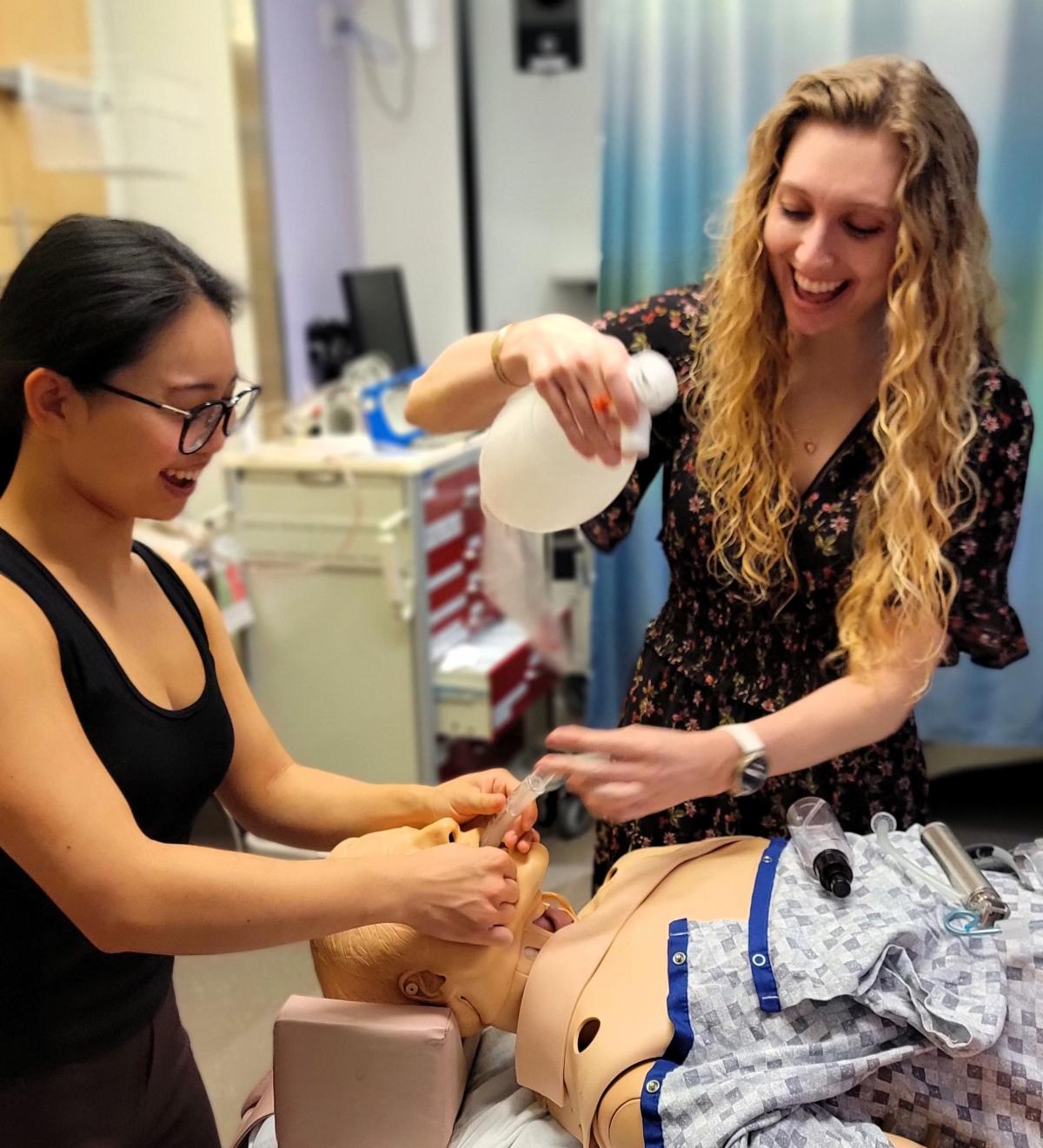
Instructor Beverly Dicorso, MMS PA-C, guides student Grace McGhee (right) on airway intubation during her training on Advanced Cardiac Life Support.
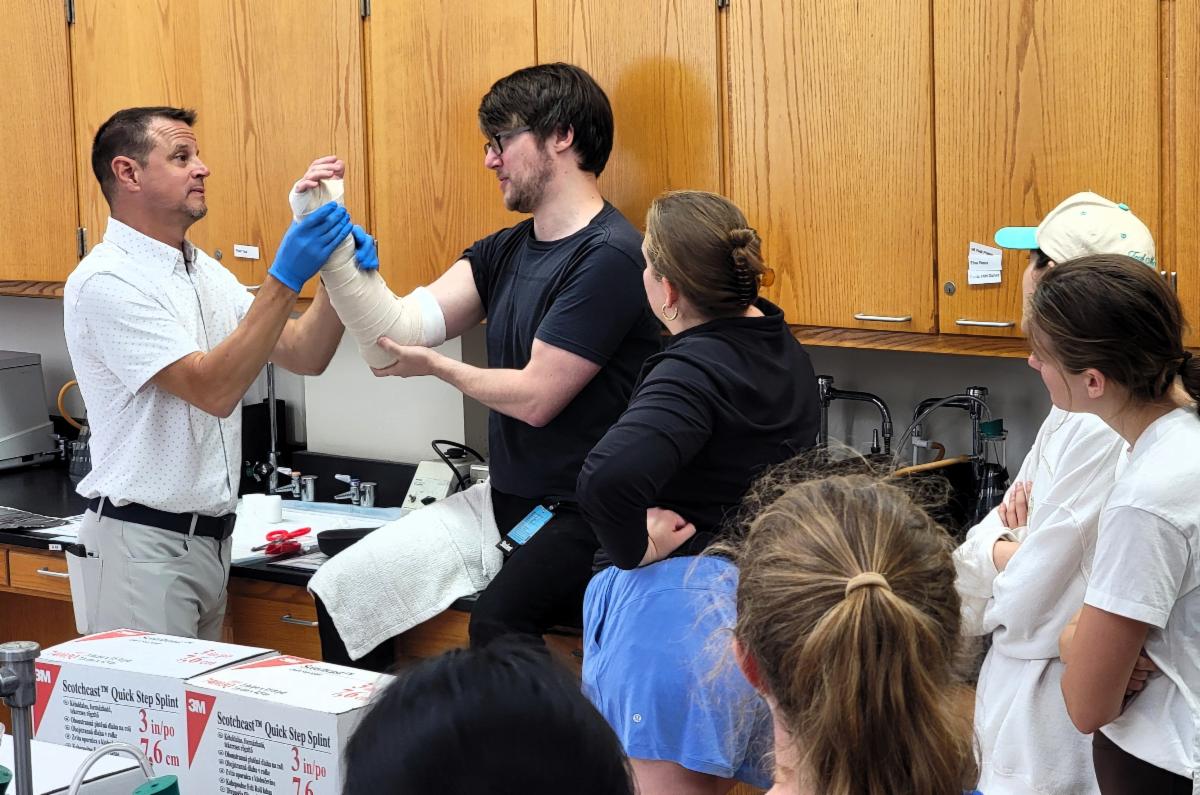
Instructor Jeff Cater, MPAS PA-C, demonstrates on student Jake Groh (below) on how to fit a sugartong splint
| | | | | |
Student Nidia Villalpando (left) practices her suturing skills in the Center for Procedural Skills and Simulation (CPSS) using a pig's foot skin simulation.
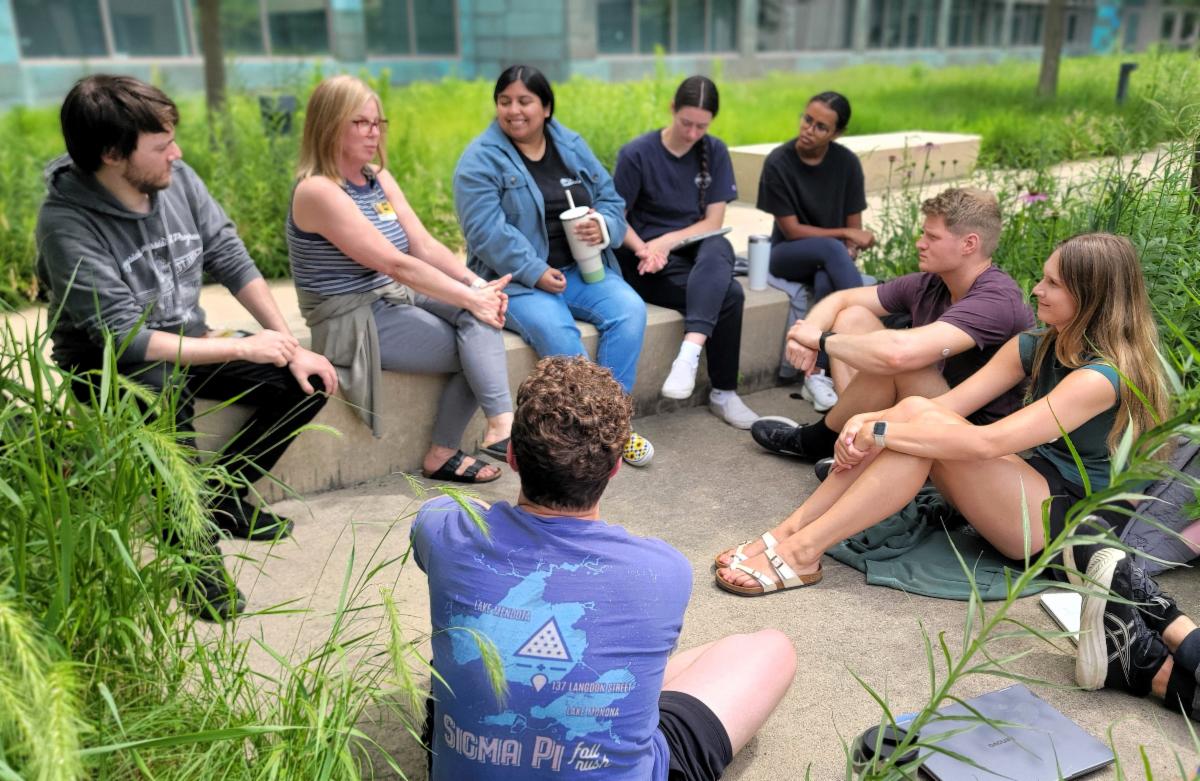
Professor Carol Gorney (below) facilitates an instructive small group conversation with students in the MERF courtyard.
| | |
|
Madi Casey (expected 2027) received the 2026 PA Moms Leadership and Advocacy Scholarship.
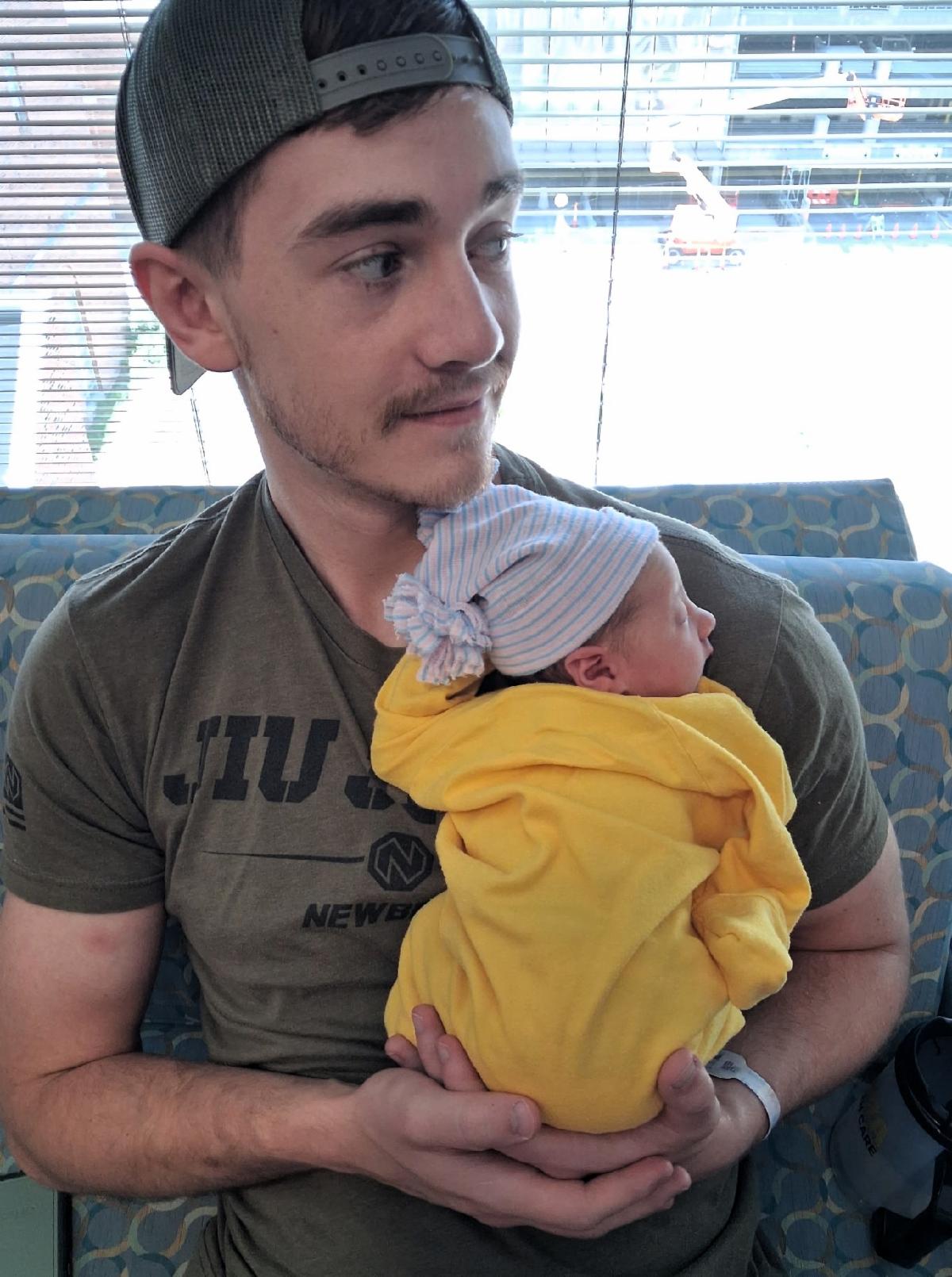
Brendan Roseberry (expected 2026) and wife Mallorie welcomed new daughter Murphy in July 2026.
Anne Cummings and Bekah Jones (expected 2026) were awarded the Daniel R. & Karen Struve Kollmorgen PA Award.
Edwin Rojas (expected 2026) was awarded the Marty Holmes PA Memorial Award.
Gabbi Bullard, Abby Crow, Calista Haasl, and Jayla Jones (expected 2026) were recognized by their peers with the Denis R. Oliver PA Student Recognition Award.
Jayla Jones, Edwin Royas, and Leo Davila (expected 2026) were selected to present "From Admission to the Workforce: Student Perspectives on Belonging in PA Education" at the 2026 National Commission on Certification of Physician Assistants (NCCPA) REPRESENT! Summit in Atlanta, Georgia, September 18–19, 2026.
| |
Olivia (Quinby) Van Vooren married William in June 2027.
Alysia (Horcher) Powers (2017) and husband Dan welcomed new daughter Lily in February 2026.
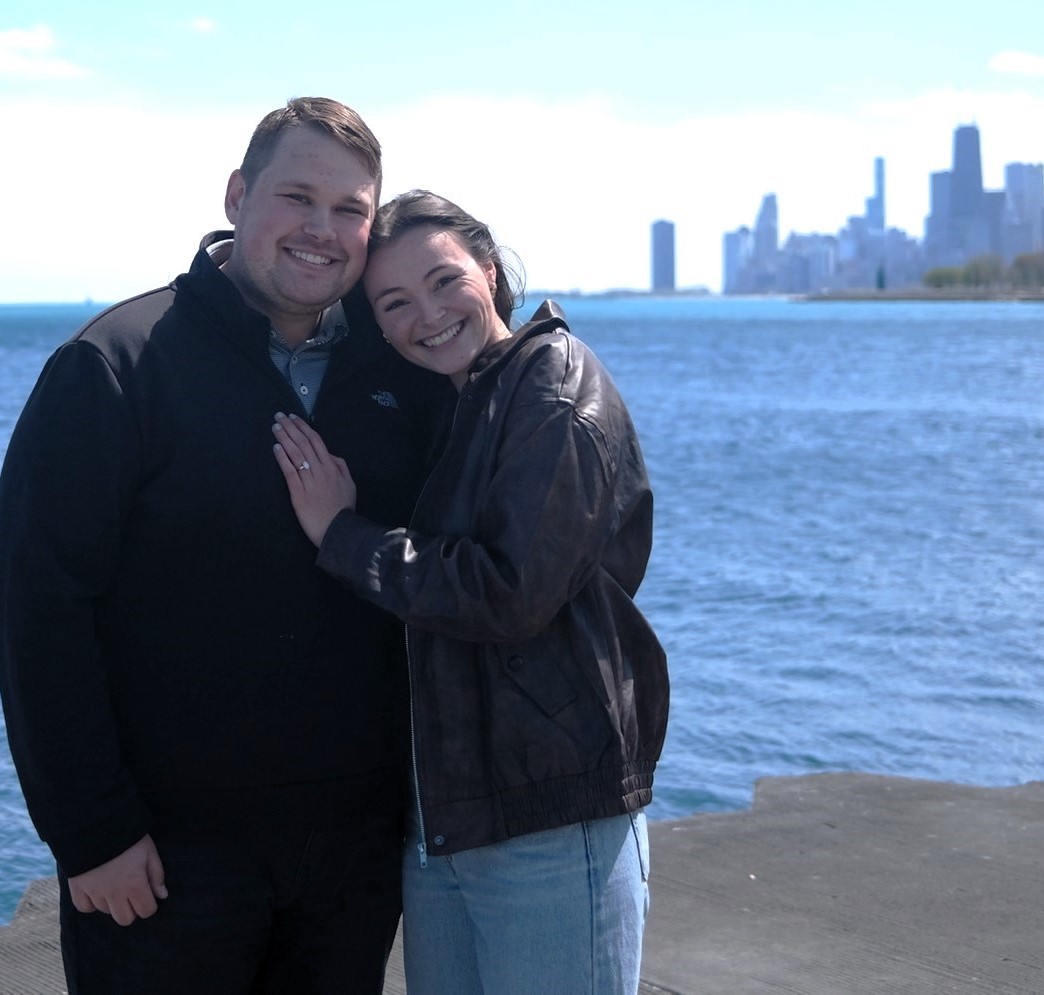
Gabbi Bullard (expected 2026) became engaged to Nolan in April 2026.
| |
Kyle Bos (2025) was elected Secretary of the Iowa Physician Associate Society (IPAS).
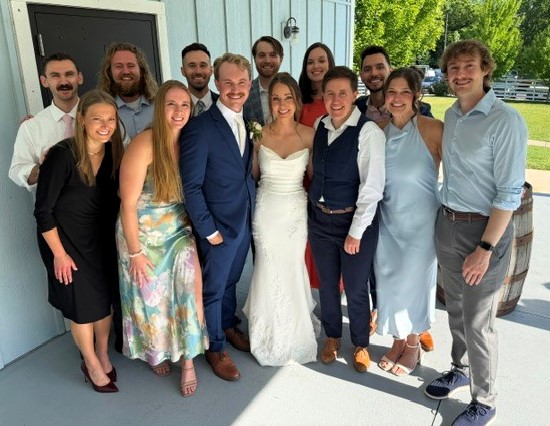
Izzy (Dreischmeier) Rosiejka (2023) married Alex in June 2026.Jami Hagemann (2020) was awarded the University of Iowa Physicians (UI) Advanced Practice Clinician of the Year Award.
| |
Andrew Klein (2018) and wife Kristin welcomed new daughter Gracelynn Ruth, in April 2026.
Marc Doobay (2011) received the inaugural 2026 Early Career Innovation in Medical Education Award from University of Iowa Health Care, and the 2026 Excellence in PA Advocacy and Leadership Award from Southern Illinois University School of Medicine. Also, he was elected as a Representative of the Iowa Physician Associate Society (IPAS) to the House of Delegates of the American Academy of Physician Associates (AAPA).
Ermei Yao (2008) of the Department of Internal Medicine, Division of Endocrinology and Metabolism at University of Iowa Health Care, was selected to receive funding and developmental support through the Tech Tycoon Showcase for her project, Updating the Metabolic Nutrition Report: From Clinical Need to Epic Build.
Carol Gorney (1990) was re-elected as a Representative of the Iowa Physician Associate Society (IPAS) to the House of Delegates of the American Academy of Physician Associates (AAPA).
| |
Student Gabbi Bullard (upper right) with her fiancé Nolan in Chicago, Illinois.
Izzy Rosiejka (upper left) and her husband Alex celebrate with classmates from the Class of 2023.
Student Brendan Roseberry (above) holds his daughter Murphy.
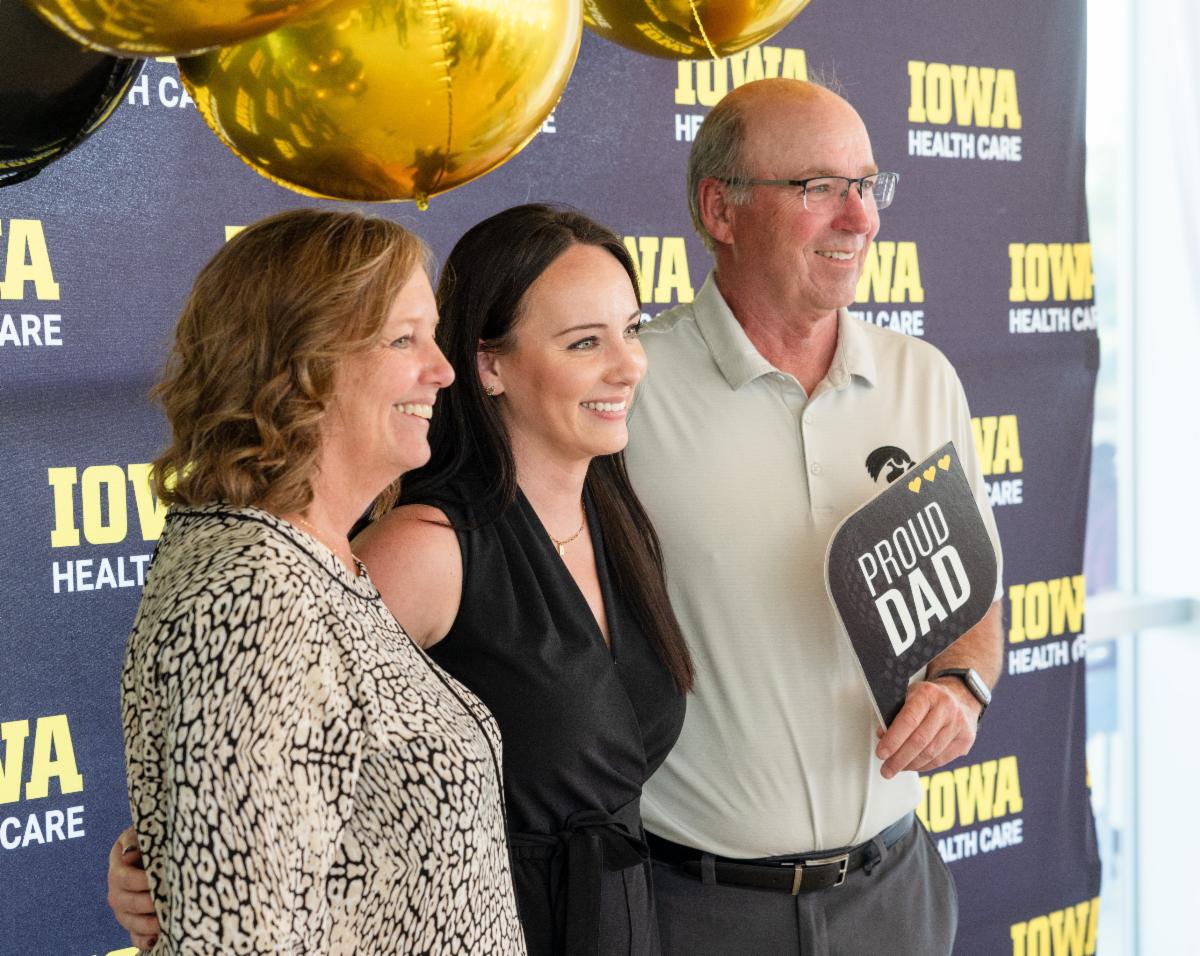
Jami Hagemann (left) with her parents at the University of Iowa Health Care Awards event in May 2026.
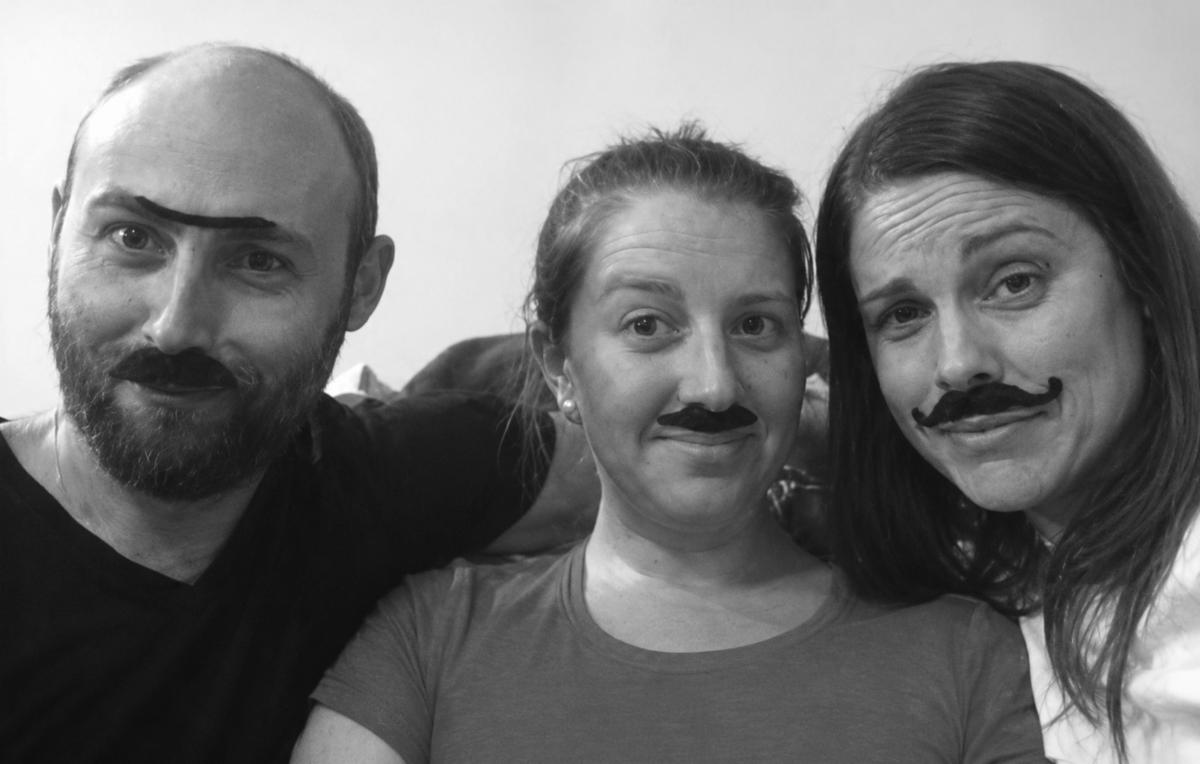
| | | | Do you recognize these members of the Hawkeye PA family? Click on the photo to reveal these members of the Class of 2015. | | |
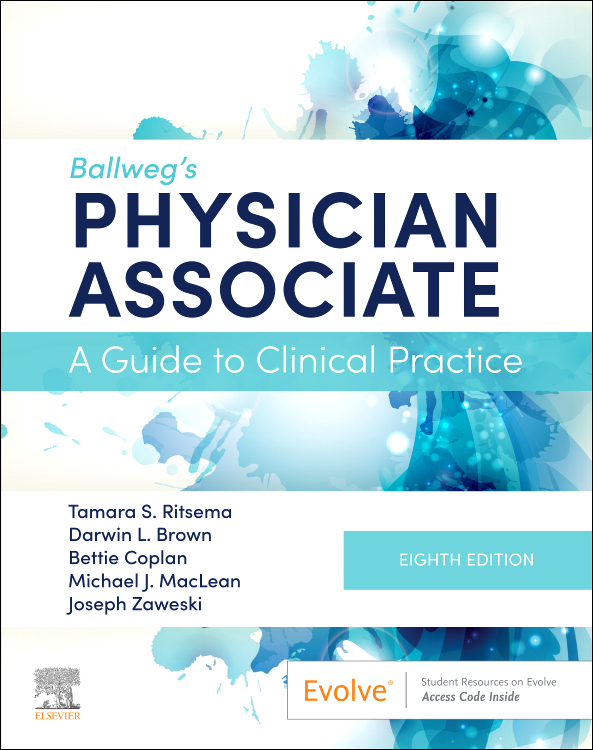
Brenneman AE, Doobay MF, Deloughery E. Chapter 33: Professionalism. In: Ritsema TS, Brown DL, ed. Ballweg’s Physician Associate: A Guide to Clinical Practice, 8th Edition. Elsevier: Saunders Co; 2026.
Brenneman AE, Lohenry K, Nelson JL, VanderMeulen SP. Chapter 3: Physician Associate Relationship to Physicians. In: Ritsema TS, Brown DL, ed. Ballweg’s Physician Associate: A Guide to Clinical Practice, 8th Edition. Elsevier: Saunders Co; 2026.
| |
Snyder JA, Lewia S, Beck DC, Kibe L, Min EA, Stilp C, Hills K, Asprey D. Institutional accreditation: Perspectives on transitioning to an entry-level professional doctoral degree for physician assistants/associates. J Physician Assist Educ. Published online May 13, 2026. doi:10.1097/JPA.0000000000000761
| We want to hear from you! Each quarterly newsletter will highlight our alums' life events. Please submit your good news—such as a new job, growing family, or big award. Thanks for being a part of our Hawkeye PA family! | | |
Would you like to be added to our UI PA Program newsletter e-mail list? Click HERE!
| | | | |