|
In 1970, the herbicide glyphosate was discovered and sold in commercial formulations such as Roundup. In 1996, Roundup manufacturer Monsanto created genetically engineered seeds that can withstand higher amounts of the herbicide, and the use of glyphosate increased tenfold. The chronology of the rise of glyphosates and the loss of phytoplankton lines up too closely to be coincidental.
Glyphosate is an enzyme inhibitor that causes cell death, damages cellular structures and disrupts biochemical processes, including respiration and photosynthesis. As a result, it is the most widespread and effective herbicide. In addition to agricultural and residential uses, glyphosate is used to clear invasive plants, powerline rights of way, transportation routes, and industrial yards. It has even been found toxic to particular biota, including algae, fungi, and bacteria. (Bacteria are a poorly understood yet vital part of ocean ecosystems.) Studies have shown commercial formulations like Roundup may be more harmful than glyphosate.
The third mitigating factor degrading the right whale’s habitat is warming water. Fearing an unstoppable rise of worsening climate change, many have forgotten that one cannot heat a cup of coffee with a hair dryer. To warm the coffee, the cup is placed on a hot plate. With the loss of vegetation and soils, along with dramatic increases in impervious surfaces and urbanization, more hot plates are warming more water reaching the sea than ever before.
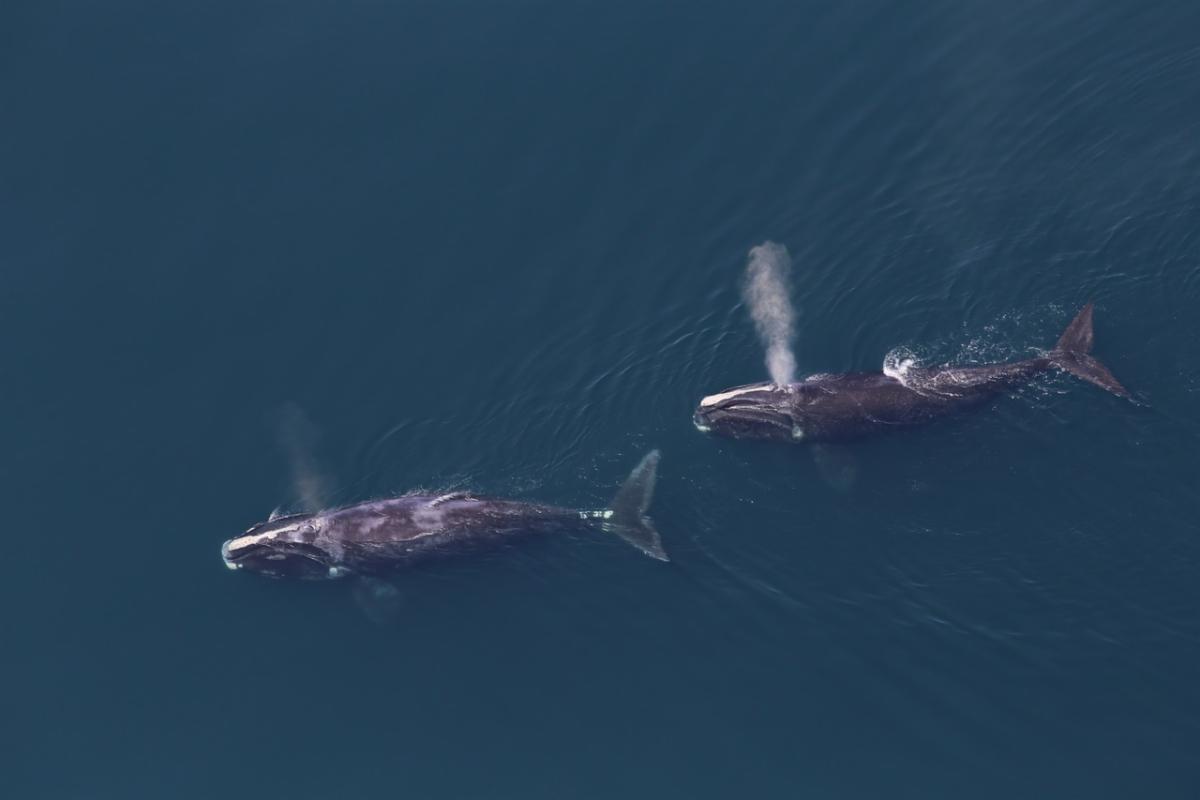
What’s happening on the land far from the sea harms the ocean ecosystems that right whale lives depend on. We have passed the tipping point where our collective actions have turned a growing right whale population into one in decline. But the good news is that we can be part of the solution.
We urge the federal government to create the Right Whale National Marine Sanctuary. This action would bring together all users and interest groups to better manage the sanctuary’s waters, surrounding ocean waters, and all the lands in the watersheds.
Right whales are magnificent iconic figures. Our concern for their welfare inspires more responsible actions, such as using less pollutants and practicing better stewardship of our lands. When we create more vegetation and soils holding more water, resulting in more plant growth and transpiration, it cools the microclimates around us and the waters flowing into the sea.
The Right Whale National Marine Sanctuary will only happen if all user and interest groups collaborate to better manage it. Instead of more regulations, we must better understand how our actions may harm or help the right whale population. Ecosystem management must be adaptive, comprehensive and robust, inspiring everyone to participate.
When savvy people work in concert with one another, the North Atlantic right whales will thrive.
|