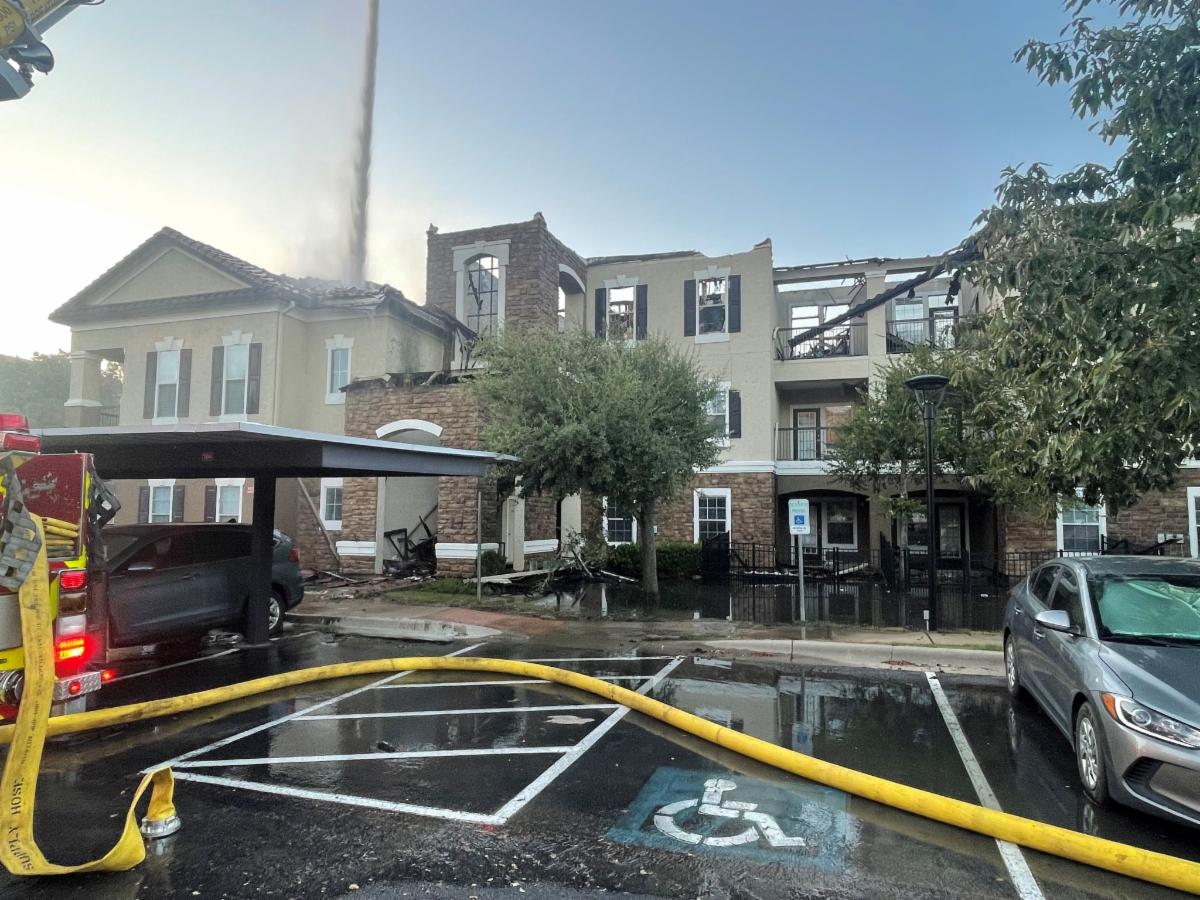
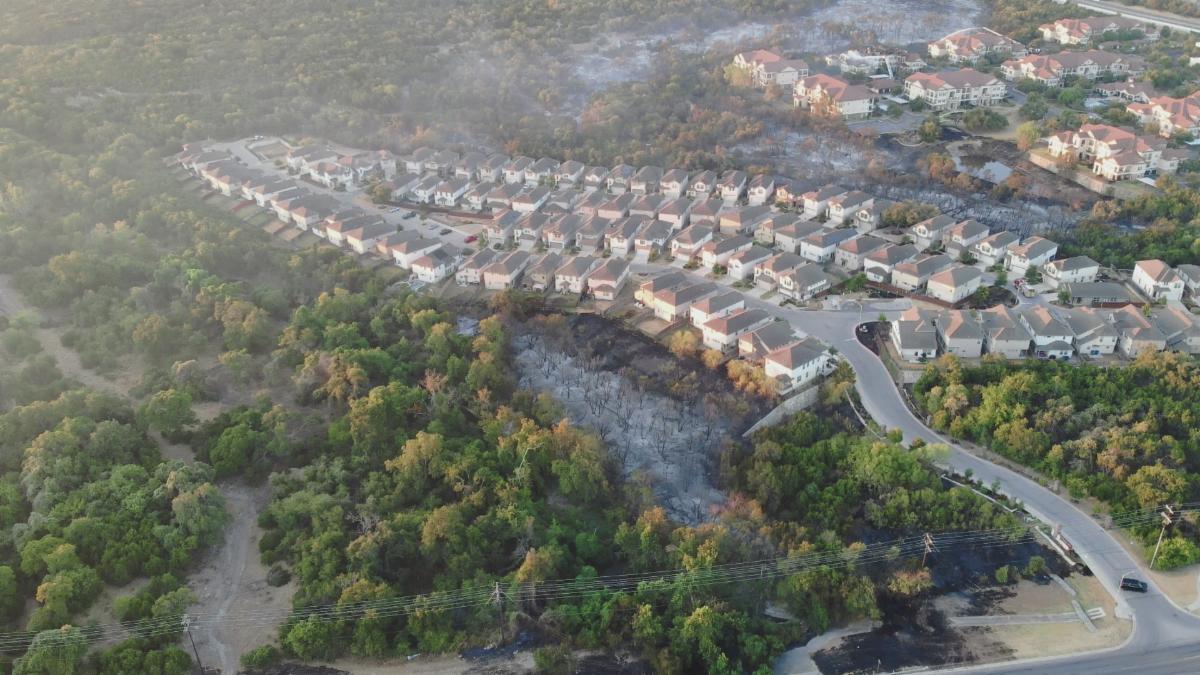
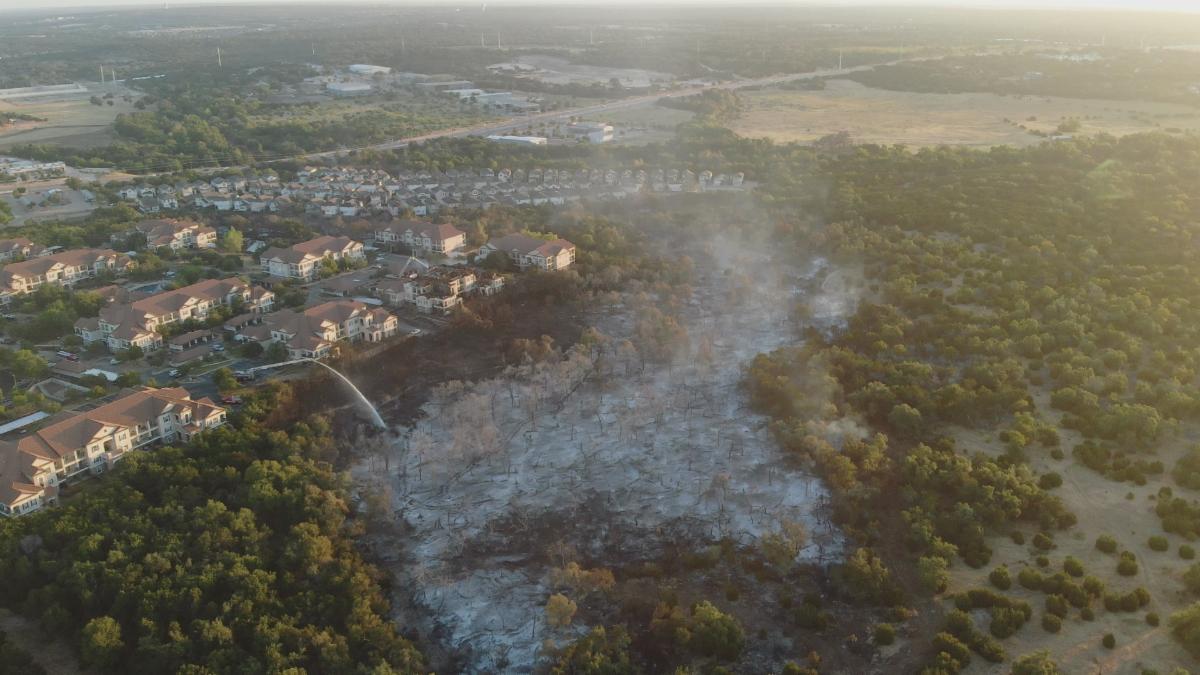
This remains an active scene. Please continue to avoid the area around Parmer Lane and Colonial Parkway as fire crews and vehicles will continue to work in the area for a significant time. Expect traffic delays.
|
|
What You Can Do To Reduce the Risk
-
Research around home destruction vs. home survival in wildfires point to embers and small flames as the main way that most homes ignite in wildfires. Embers are burning pieces of airborne vegetation that can be carried more than a mile through the wind, cause spot fires and ignite homes, debris and other objects.
- The combination of fire-resistant landscaping and fire-resistant building construction creates space around homes and other structures of value. We want flames to be as low to the ground and slow-moving as possible in this area.
- This area creates room for the wildfire to decrease in intensity as it comes closer to structures, increasing the chance of survivability without protection- and, if firefighters are able to be there, creates a safe area for them to operate
- Simple steps can be accomplished by anyone looking to reduce their risk: (not a complete list)
- Check areas where the wind naturally pushes leaves around your home. This is where embers are going to gather during a fire. Clear out dead plants and lower limbs, and debris in the gutters, under steps and porches, in garden beds, in corners, etc.
- Reduce vegetation in contact with, and near the structure, especially in front or under windows, vents, and wooden attachments (fences, decks, steps)
- Reduce ladder fuels under trees or near a structure, especially wooden or other non-resistant materials.
- Screen openings into the structure such as vents and eaves
- Protect wooden features in connection with the home by modifying the landscape around it or screening off the underside. Removing decorative features/plants and furniture when a fire is possible or evacuating. Don’t store flammable material under decks
- Check the roof, eaves and siding of a structure and fix any openings or small cracks where embers could gather.
- Residents and landowners should remember to include escape routes and evacuation planning in their preparation. Having driveways with enough clearance for emergency vehicles, an evacuation plan and kit, and multiple ways out of an area, when possible, are all beneficial for multiple types of disasters.
- Watering your yard while a fire is approaching, especially during drought water restrictions, can:
- Pull too much pressure from the municipal water system, making it more difficult for firefighters to refill their engines
- Create too much focus on having a green lawn, when embers are most important to protect your structure from
|
|
|
|
Conserve Water
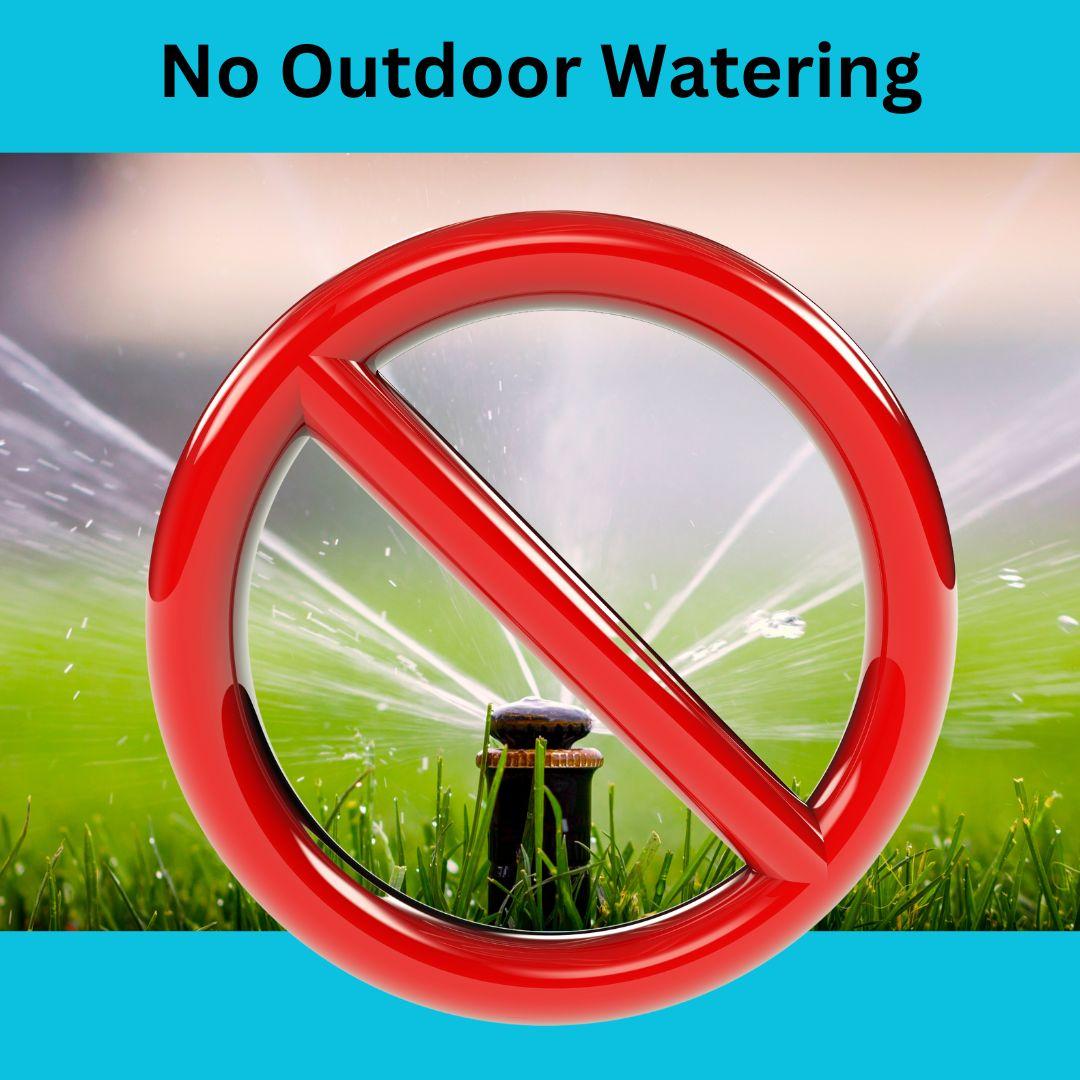
Due to increased demand from the Parmer Lane fire, please conserve water.
Effective immediately, no outdoor watering/irrigation Wednesday, August 9 through Friday, August 11.
|
|
How Can I Help?
We know our Cedar Park residents are compassionate and generous and that many of you want to help those who have been impacted by the fire. For those of you who would like to provide financial assistance, we are working with a local partner to set up donation opportunities. For more information, follow us on our social media channels.
|
|
|
|
|
|
|