|
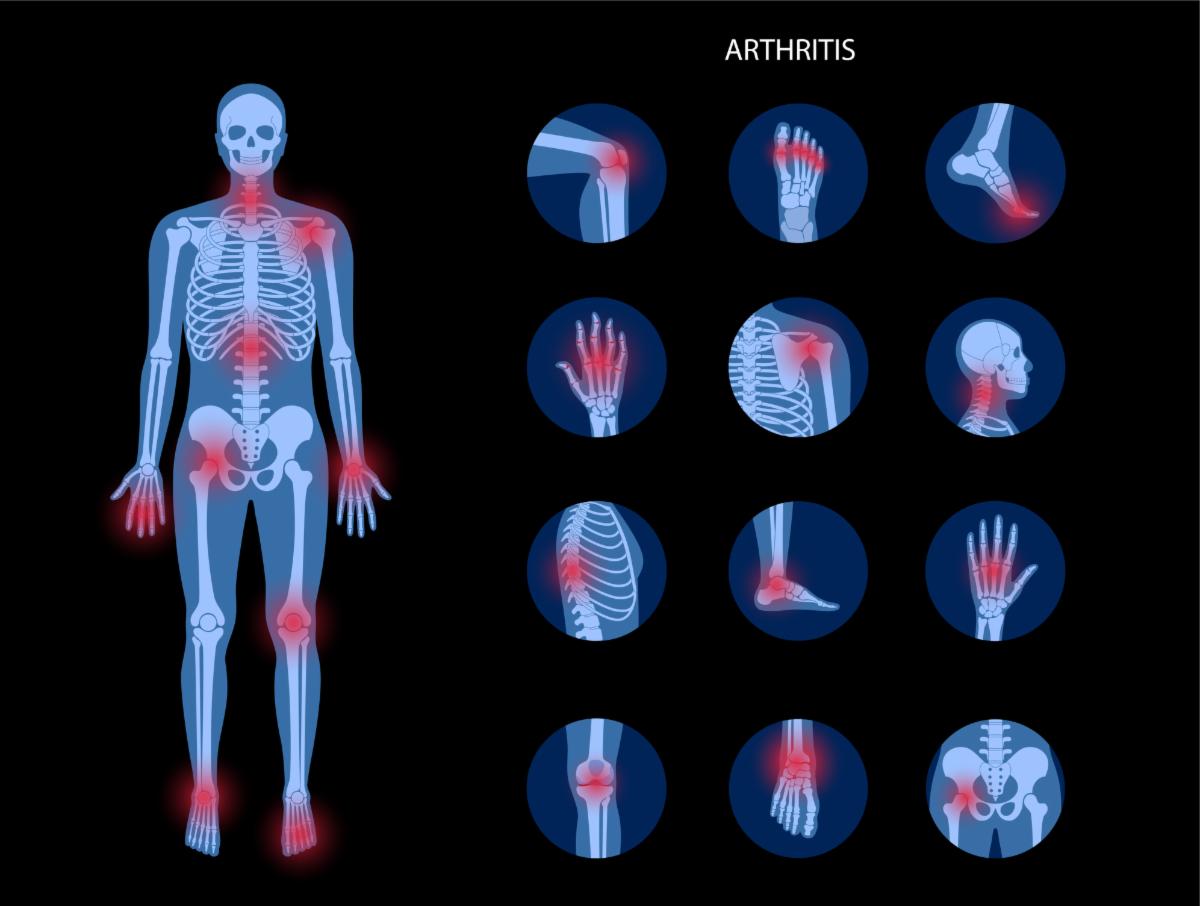
Arthritis is actually not one specific health condition, but a term for many conditions that affect your body’s joints, the tissues around your joints, and other connective tissues. There are more than 100 types of arthritis, the most common types being osteoarthritis and rheumatoid arthritis. Arthritis is quite common and affects 1 in every 5 adults in the United States and is the leading cause of work disability among adults according to the CDC. It’s most common in people age 50 and older, but arthritis can affect people of all ages.
Arthritis conditions typically cause symptoms like pain, swelling, tenderness, and stiffness in affected joints and can affect your ability to move affected joints. Most people develop arthritis later in life due to age as their joints wear down over time. The most common type of arthritis, osteoarthritis, develops due to the breakdown of cartilage in a joint over time through normal wear and tear. Other people may develop arthritis at any age because of damage to a joint due to an injury or accident, while others may develop arthritis due to a certain health condition. Rheumatoid arthritis (as well as juvenile idiopathic arthritis, ankylosing spondylitis, and psoriatic arthritis) is an example of an autoimmune health condition where the body’s immune system attacks itself, specifically the lining of joints which leads to inflammation, swelling, pain, and joint damage.
There is no cure for arthritis conditions so the focus of treatment methods is on managing symptoms and improving and saving joint function. Many people fear or assume after a diagnosis of arthritis that the only treatment available to them is surgery, but there are many more options available. In fact, surgery should generally be the last treatment option you need to consider if diagnosed with a form of arthritis. Treatment options range from exercise, physical therapy, weight loss, an anti-inflammatory diet, over-the-counter medications, prescription medications, injections, and even other alternative methods prior to surgery.
Exercise and physical therapy can be extremely effective methods of treatment for someone suffering with arthritis symptoms. Both can help to strengthen muscles around an affected joint to help reduce pressure and pain and stimulate your body to produce hyaluronic acid which helps to lubricate joints, also reducing pain. Both can also help increase the range of motion in an affected joint, making it easier to walk if the affected joint is a knee or hip for example. A physical therapist can help teach you what exercises may be most effective for you and help guide you to ensure you’re performing an exercise correctly and safely. If you’re exercising on your own, it’s most beneficial to opt for low-impact exercises like swimming, walking, using a stationary bike, or resistance training rather than an exercise like running. This way you don’t put unneeded stress on affected joints while you exercise. Either through exercise or by other means like diet changes, weight loss can also make a great impact on arthritis symptoms and progression.
The more you weigh, the more pressure and stress you put on your joints, especially for those considered overweight or obese. Losing weight can help relieve pressure on joints which can help relieve pain and slow the progression of joint damage. Through studies, it’s been estimated that losing 5 pounds equates to an approximately 20-30 pound reduction of pressure put on knee and hip joints. And while diet changes can help you to lose weight, they can also help to combat arthritic inflammation based on what you eat or avoid eating. An anti-inflammatory diet typically includes foods like omega-3 fatty acids like salmon and tuna, beans, nuts, green leafy vegetables, canola & olive oils, and more. The Mediterranean diet can be a helpful guide because it focuses on including anti-inflammatory foods while limiting red meat, fried foods, pre-packaged foods, baked goods, processed foods, and sugary foods from your diet. You should also make sure to drink enough water and stay hydrated as part of any healthy diet.
After being diagnosed with arthritis, you and your doctor can also talk about medical treatment methods in addition to lifestyle changes like exercise and diet. Some over the counter oral medications and topical creams can help relieve pain and help with swelling of joints like pain relievers and non-steroidal anti-inflammatory medications. Prescription medications can also help relieve pain and inflammation like corticosteroids, and DMARD medications (disease-modifying antirheumatic drugs) can help with autoimmune conditions to slow progression and help try to save joints from permanent damage. Besides medications, there are also injections that your doctor may recommend to help with pain relief and reduce inflammation like cortisone and hyaluronic acid. Other possible procedures, like radiofrequency ablation which is meant to interrupt pain signals, can be beneficial in alleviating symptoms but are not recommended to be done routinely or on a long-term basis.
If you are one of many adults that are diagnosed with and suffer from arthritis symptoms, there are a multitude of treatment options available that you can utilize to achieve pain free joint function without surgery. Talk with you doctor today about which ones may be appropriate for your type of arthritis and affected joints, or start by talking with your Curally nurse today.
|