|
Project Clean Air & San Joaquin Valley
Clean Cities & Communities Newsletter.
|
|
Trucking with Clean Fuels Conference
& Convoy 2024
| 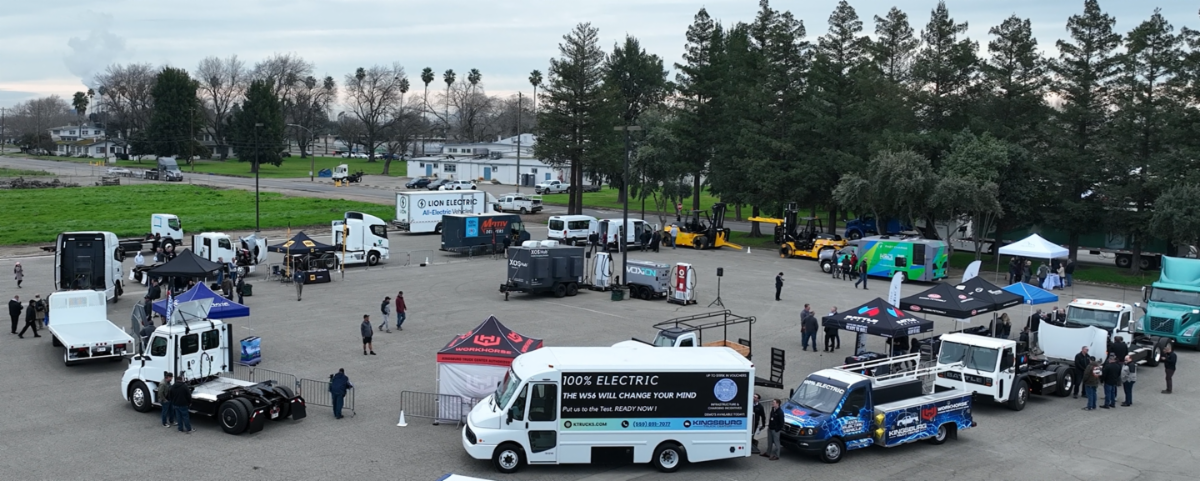 | |
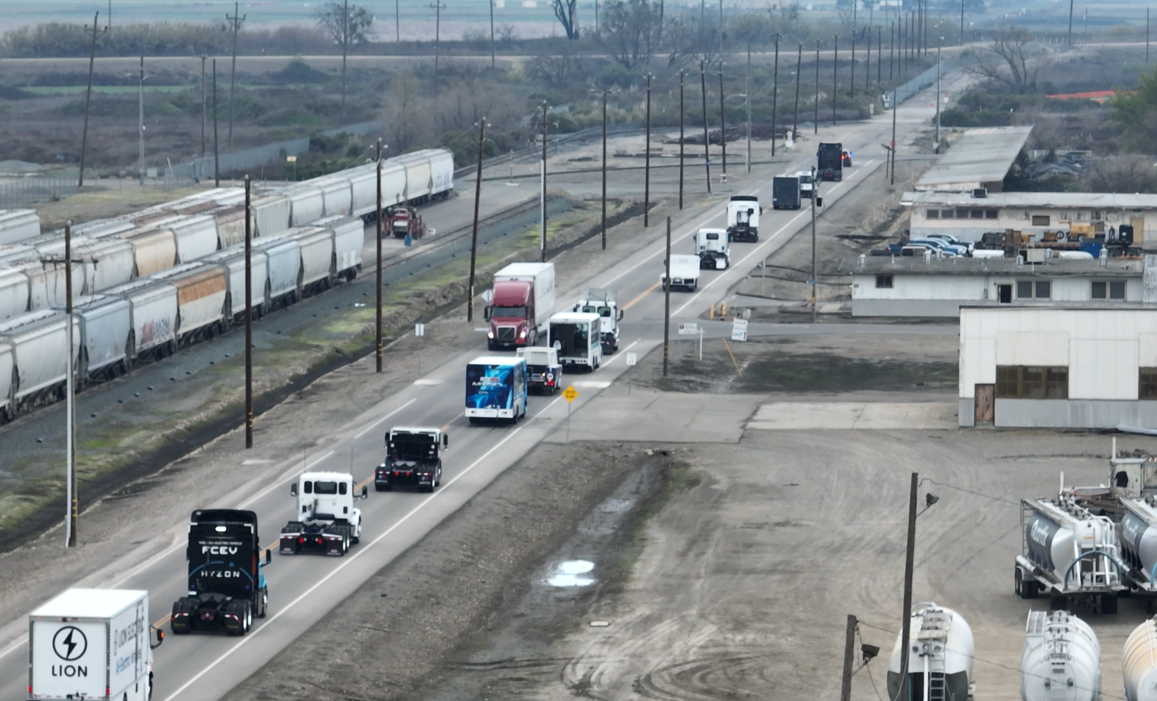
Amidst the buzzing anticipation of a greener future on the highways, the Trucking with Clean Fuels Conference energized the industry with profound insights, cutting-edge innovations, and dynamic discussions on the transformative potential of electrifying heavy-duty vehicles. Held on February 29, 2024, under the theme 'Leap into the Future' to mark the leap year, the event commenced with a Zero-Emission Convoy around the Port of Stockton, setting the tone for a day of forward-looking conversation.
The conference kicked off with an inspiring address by Kevin J. Lincoln, Mayor of Stockton, who welcomed attendees and set the stage for a series of engaging sessions. Throughout the day, various panels delved into crucial topics such as electrifying fleets, enhancing infrastructure, regulatory updates, incentives, and the promising frontier of hydrogen technology.
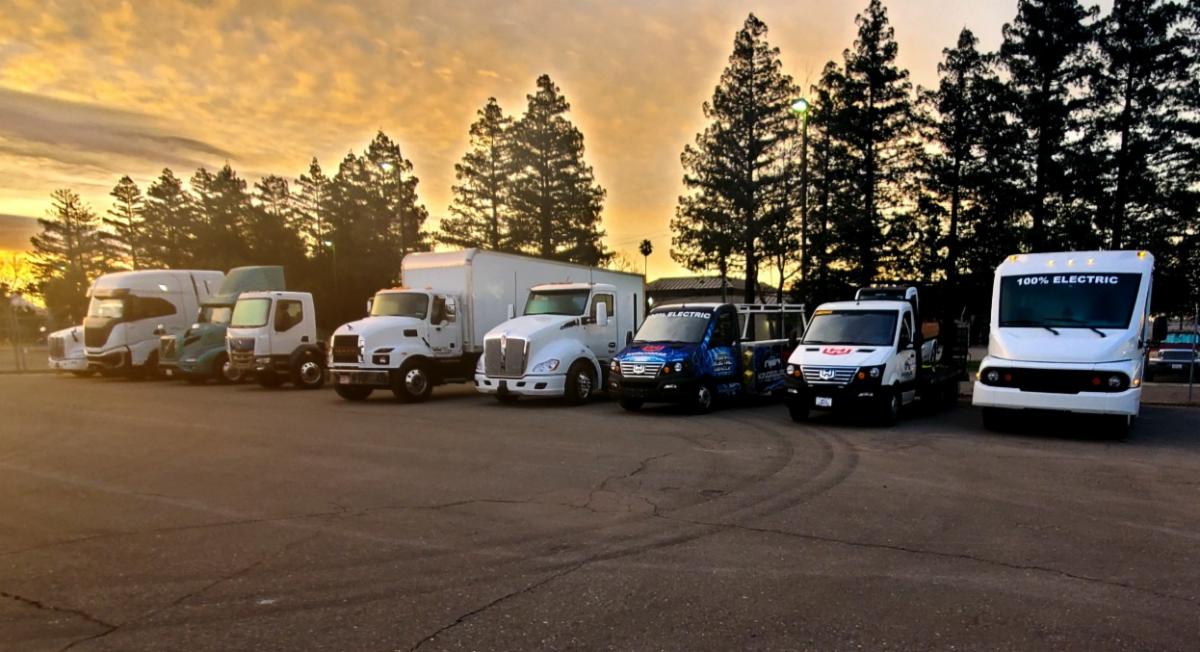
Under the huge canopy of a heated tent, twenty industry exhibitors and vendors eagerly interacted with stakeholders, delving into the aspects of zero-emission technologies. Meanwhile, outside showcased two dozen displays and vehicles, with several available for test drives, providing attendees with hands-on experiences of the latest advancements in clean transportation.
A heartfelt appreciation goes to the Port of Stockton for graciously hosting this electrifying event, providing an ideal setting for fostering collaboration and innovation. Additionally, we extend our sincerest gratitude to our esteemed sponsors, whose generous support has been instrumental in realizing the vision of the Trucking with Clean Fuels Conference, illuminating a path toward sustainability in the transportation sector.
If you are interested in supporting as a sponsor or exhibitor in the future, please contact us for the opportunity.
| |
RNG
Continued to Break Records Again in 2023
The Transport Project (TTP) and the Coalition for Renewable Natural Gas (RNG Coalition) jointly announced a significant milestone in the use of renewable natural gas (RNG) as a transportation fuel. In 2023, 79% of all on-road fuel utilized in natural gas vehicles was sourced from renewable sources, surpassing the previous year's record. RNG, derived from organic material found in agricultural, wastewater, landfill, or food waste, has proven capable of producing carbon-negative results when employed in on-road vehicles like trucks, buses, and collection vehicles. The California Air Resources Board's data indicates that the carbon intensity of California's bio-CNG vehicle fuel portfolio in its Low Carbon Fuel Standard program was carbon negative, further underscoring the environmental benefits of RNG. With RNG use growing by 16% in 2023 compared to 2022, and up by 92% from 2019 levels, a total of 675 million gallons of natural gas were used as motor fuel, with 531 million gallons sourced from renewable sources. Commercial fleets leveraging RNG-fueled trucks can achieve cost-effective carbon-negative transportation outcomes while meeting stringent emissions standards. Additionally, the expanding RNG supply, supported by numerous RNG facilities nationwide, offers consumers an increasingly affordable opportunity to decarbonize their transportation. RNG use in 2023 contributed to the displacement of 6.96 million metric tons of carbon dioxide equivalent (CO2e), emphasizing its role in reducing greenhouse gas emissions in the transportation sector. Read the whole article here.
| | |
80% of GHG's are associated with only 57 companies. | |
|
A recent study has unveiled the startling fact that only 57 companies, predominantly involved in oil, gas, coal, and cement production, are responsible for a staggering 80% of the globe's fossil CO2 emissions since the 2016 Paris climate accord. These entities, a mix of state-controlled corporations and multinational enterprises, stand as the primary drivers of the ongoing climate crisis, as revealed by the Carbon Majors Database, curated by esteemed researchers. Despite international commitments to slash greenhouse gases, the analysis demonstrates a concerning trend: the majority of these major producers actually escalated their fossil fuel output and emissions in the seven years following the historic Paris agreement, in stark contrast to the intended reductions.
Delving into the data of 122 of the most significant historical climate polluters, the study highlights a notable surge in production by both state entities and private-sector companies during this period. Noteworthy among these contributors are globally recognized names like ExxonMobil, Shell, BP, Chevron, and TotalEnergies, each linked to substantial shares of global emissions. Of particular concern is the rapid expansion of emissions from state and state-owned producers, notably in the Asian coal sector, counteracting stark warnings from bodies like the International Energy Agency regarding the imperative to curtail new oil and gas developments for the sake of global climate stability. Moreover, while several of these companies have announced net zero emissions targets, the study indicates an overall trajectory towards increased production rather than the necessary reduction in emissions. Read the full article here.
| |
California Leads the Way with 100,000 Public EV Chargers
Governor Gavin Newsom revealed that California has exceeded 100,000 public and shared private electric vehicle chargers statewide, following the recent approval of a $1.9 billion plan aimed at enhancing the state's charging and refueling infrastructure for zero-emission vehicles. This milestone, coupled with over 500,000 at-home chargers installed by Californians, underscores the state's commitment to accelerating the adoption of zero-emission vehicles. Notably, California saw a remarkable surge in zero-emission vehicle sales, which accounted for one in every four new cars sold last year, surpassing the state's ambitious goals. With at least 50% of the investment plan dedicated to benefiting communities disproportionately affected by pollution, the state aims to reach 250,000 public chargers in the coming years. Additionally, recent initiatives include Caltrans' groundbreaking Clean California transit project in Blythe and the grand opening of a truck charging depot, both supported by substantial state funding. This investment is part of California's broader $48 billion California Climate Commitment, which prioritizes clean transportation, including ZEV infrastructure. Moreover, Tesla's announcement to open its Supercharger network to non-Teslas marks a significant expansion of public access to fast, reliable chargers in the state, further enhancing the EV charging experience.
| | | |
TRANSITions 2024
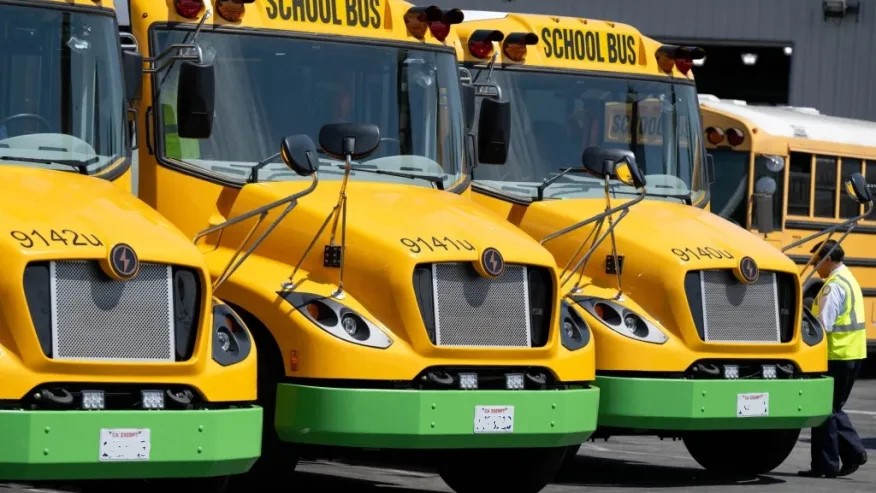
Are you wanting to electrify your bus fleet and keep ahead of the regulations? come join us at TRANSITions 2024. Held June 6, 2024, at the CTEC center in Bakersfield, there will be several panels on regulations, incentives, vehicles and many other discussions on how to charge toward the future. Contact us on how to score tickets.
| |
| |
A little about us and what we do | |
San Joaquin Valley Clean Cities Coalition (SJVCCC) is one of 75 other coalitions in the U.S. It serves nine counties in the San Joaquin Valley: San Joaquin, Stanislaus, Merced, Mariposa, Madera, Fresno, Kings, Tulare, and Kern Counties. The coalition's mission is to reduce air-polluting emissions in the transportation sector. SJVCCC obtains its goals through community projects like education, incentives, and infrastructure. It also facilitates implementing fleets to use alternative fuels such as Natural Gas, Hydrogen Fuel Cells, and Electric Motors. SJVCCC was established in the San Joaquin Valley in 1993 and continues to serve to this day. | |  |
Project Clean Air was created by a diverse group of individuals, businesses, and agencies who believe that find local, voluntary solutions to air quality sources can be more efficient, cost-effective, and popular than solving all issues with regulations. Our mission is to enhance our communities by improving air quality through education and collective action throughout the San Joaquin Valley. Over the past 30 years, our organization has worked to establish and to support new non-profits. Our award-winning programs continue to inspire and to demonstrate leadership on innovative solutions to air quality issues. | | |
Connect with us on Social Media | | | | |