|
Most people focus on color when choosing a deck stain, but understanding opacity is just as important. The level of pigment in a stain affects how much wood grain shows through, how well the surface is protected, and how the finish will age. Whether you're staining a deck, fence, or furniture, the right product protects your investment and enhances the natural beauty of wood.
Stain Opacity Levels Explained: From Natural to Full Coverage
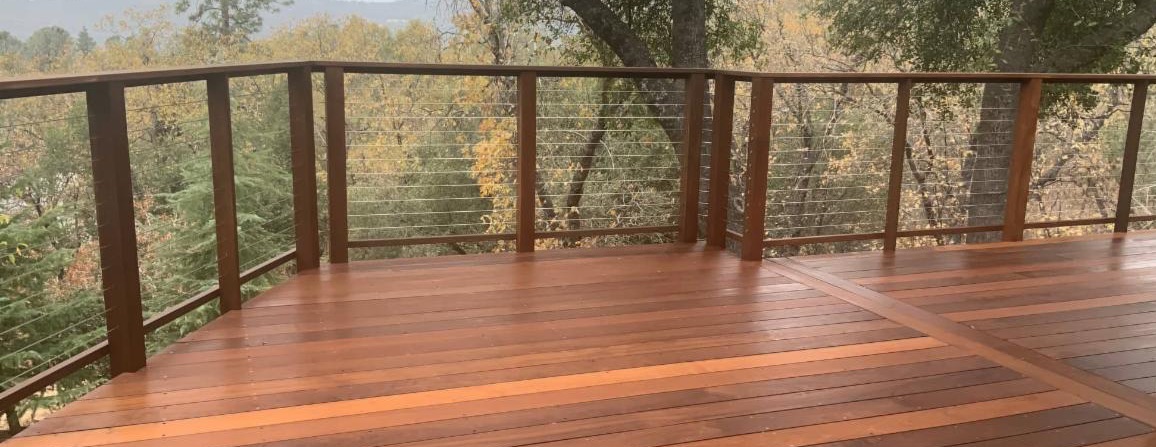
Wood stains come in four basic opacity levels: clear, transparent, semi-transparent, and solid. At the most natural end of the spectrum, clear and transparent stains offer minimal color but allow the wood's natural tones and grain to show through. These are ideal for showcasing high-quality wood like cedar or redwood, but they offer limited protection and typically need to be reapplied more frequently.
Semi-transparent stains add an influential layer of color while preserving wood texture and character. They’re versatile enough to work on both new and slightly weathered surfaces, making them a preferred option for decks, railings, and furniture.
On the other end are solid stains. These products act like paint, covering the wood entirely with opaque pigment. While they’re effective for hiding imperfections or color variations in aged wood, they obscure grain and can peel over time if not properly maintained.
Performance and Appearance: How Stain Type Affects Longevity
Opacity isn’t just about looks; it also impacts durability. Clear and transparent stains provide the least UV protection, so they’re best used on vertical or shaded surfaces. Semi-transparent stains strike a better balance by offering both color and protection. Their ability to penetrate the wood helps resist moisture, mildew, and sun damage for years. A solid stain may seem tempting if you’re working with surfaces that need full restoration, such as an old deck or fence. But before you go that route, consider the ongoing maintenance. Solid finishes often require complete stripping or sanding before re-coating. Ready Seal, by contrast, can be reapplied after a good cleaning, making it far easier to maintain.
Choosing the Right Stain Based on Wood Condition and Use Case
The best stain for your project depends on the condition of the wood and your long-term goals. If the surface is new or in good shape, a semi-transparent stain will highlight its natural texture and deliver a clean, consistent tone. This is especially useful on fencing, decks, and even decorative walls; projects where you want both form and function. For new projects, a semi-transparent stain like Ready Seal enhances the wood’s beauty while defending from the weather and elements.
Solid stains are used when dealing with heavily weathered wood, repaired sections, or mismatched boards. They provide full color coverage but completely mask the natural wood grain. These stains also require more rigid reapplication and may require sanding or stripping between coats.
FAQs About Wood Stain Options
Can I apply Ready Seal over a solid stain?
No. Semi-transparent stains like READY SEAL require bare wood to absorb them properly. If your surface has been painted or treated with a solid stain, remove the coating before applying a penetrating finish.
Does Ready Seal provide UV and moisture protection?
Yes. It’s formulated to resist water, reduce mold and algae growth, and protect from sun exposure. The darker the color of the stain, the more UV protection it will provide.
What type of wood works best with semi-transparent stain?
Semi-transparent stain works best when you want to highlight the natural character, grain, and variation in the wood. The more texture, contrast, and unique markings the wood has, the more visible and striking the final look will be with Ready Seal. Keep in mind that newer wood and older wood can absorb stain differently, which may affect the final color and overall appearance.
Does sun exposure affect stain color over time?
Yes. Prolonged sun exposure can gradually lighten and weather the appearance of a stain over time. Areas with more direct UV exposure may fade faster, while shaded areas typically retain their color longer. Regular maintenance coats can help keep the finish looking rich and consistent.
Can I use a semi-transparent stain in winter or humid conditions?
With the right surface preparation and weather conditions, Ready Seal can be applied in various climates. For climate-specific tips, check our seasonal resources like winterizing your home and outdoor spaces.
|