Welcome New ICS Board Officers! | |
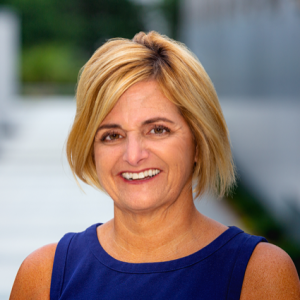
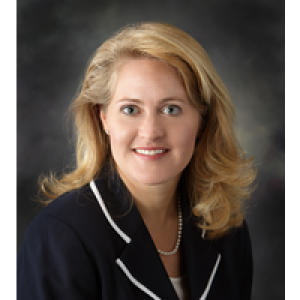
We are excited to announce our newest ICS Board Officers! These officers will be serving for the 2024-2025 term. We appreciate their service to guide our organization and help young children thrive! | |
|
Calvin Calhoun III
ICS Board of Directors Chair
Truist Bank
South Carolina
| |
JoKeitha Seabrook
Secretary
3FG Consulting
South Carolina
| |
Shimica Gaskins
Member At Large
GRACE/End Child Poverty CA
California
| |
Gary Glickman
Immediate Past Board Chair
G2 Advisory Services
Washington DC
| |
|
Loranne Ausley
Vice Chair
Former Florida State Senator
Florida
| |
Tami McKnew
Treasurer
Community Leader
South Carolina
| |
Ann Robinson
Member At Large
Bank of America
South Carolina
| |
Susan Shi
Chair Emerita
Community Leader
South Carolina
| |
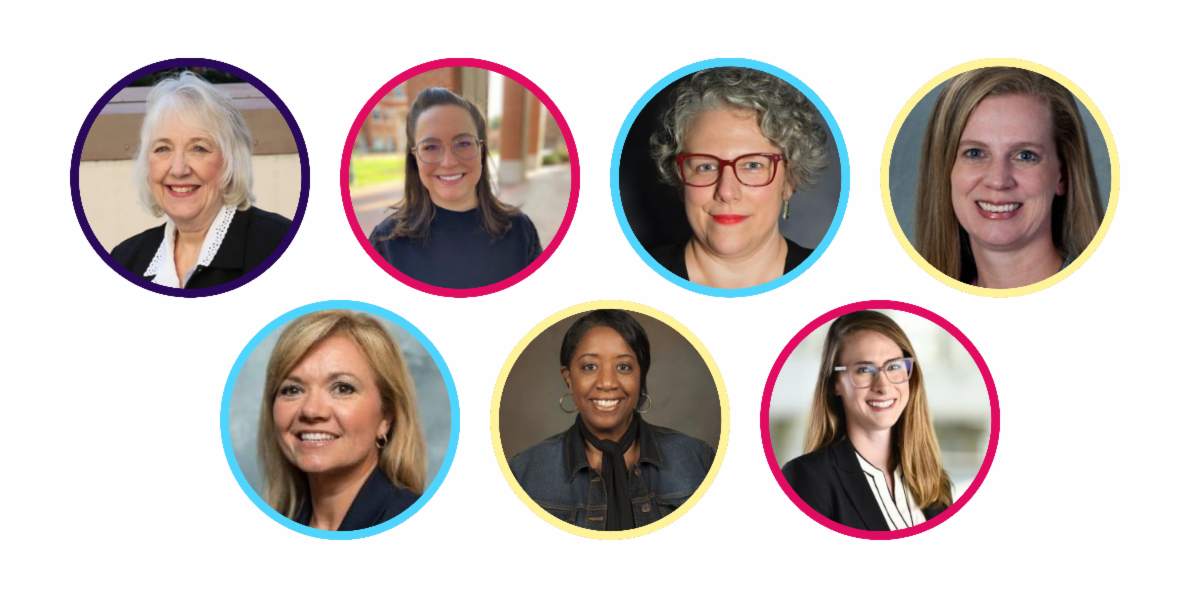
Meet the ICS Policy Research Fellows! | |
ICS Policy Research Fellows - Dr. Dolores Stegelin, Dr. Bryndle Bottoms, Dr. Ariel Ford,
Dr. Heather Googe, Dr. Erin Hamel, Dr. Veronica Parker, & Keller Ann Ruble.
| |
|
In 2023, ICS announced our first cohort of Policy Research Fellows. Fellows are distinguished professionals working in the field of early childhood well-being in a range of topic areas. They were selected by ICS for their commitment to the field, the diverse perspectives they bring, and their commitment to bringing research to practice and empowering the field.
A key goal of the Fellowship is to forge connections between researchers and practitioners, in order to strengthen the important work being done in the field of early childhood. Another aim is to share findings and perspectives with the broader field to build system-wide change.
Read our full blog post to learn more about each Fellow, including our Chair of Policy Fellows, Dr. Dolores "Dee" Stegelin. Dee is Professor Emerita of Early Childhood Education at Clemson University, and recently was recognized with the Kenelly-Voss Distinguished Emeritus Award for her significant contributions to her University, community, and society as a whole.
| 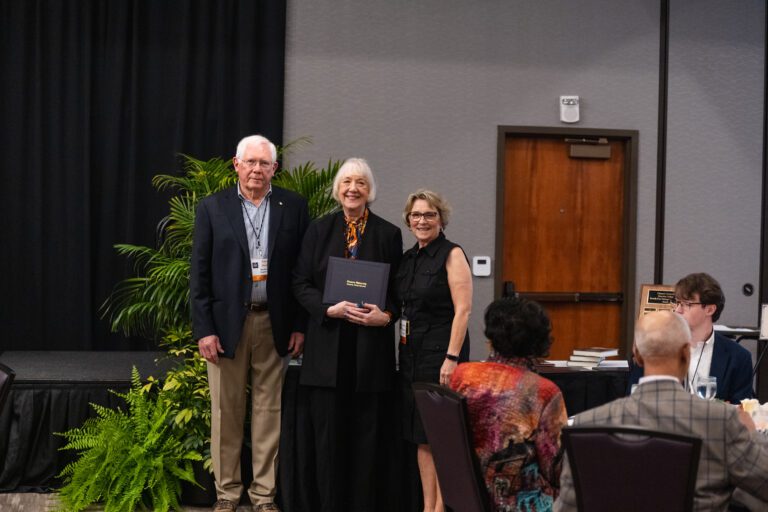 | |
Dr. Stegelin being presented with the
Kenelly-Voss Distinguished Emeritus Award at Clemson University.
| |
|
ICS-Supported Org Wins
"FUEL for 50" Grand Prize
| |
The FUEL for 50 Challenge offers financial and programmatic support to organizations that support young children in the New York City area. | |
|
Robin Hood Foundation has announced the Grand Prize winners of their FUEL for 50 Challenge. This innovative challenge has provided financial and programmatic support to 50 organizations over the last three years, to spur innovation in early learning for children living in poverty in New York City.
The Grand Prize winners are Chances for Children, FamilyCook Productions, and Forestdale. The winners each receive $1 million in financial support, as well as additional programmatic support.
ICS has a unique connection to this challenge: Our team of measurement and evaluation experts provided evaluation and programmatic support to Forestdale as part of this innovative challenge. Forestdale provides crisis assistance to families in the areas of parenting, prevention, fostering, material assistance, health, career, and educational support.
Learn more about our measurement & evaluation support for early childhood organizations.
Learn more about our work with FUEL for 50.
Robin Hood Foundation is New York City's largest local poverty-fighting philanthropic organization, and has provided over $10 million to the FUEL for 50 Challenge alone over the past 3 years. Learn more about Robin Hood's work.
| |
|
Upcoming Webinar:
Systems Change in Early Childhood
| |
|
Join the May 16 webinar on applying the Waters of Systems Change framework
to early childhood systems.
| |
|
Join the Early Childhood Developmental Health Systems (ECDHS): Evidence to Impact Center on Thursday, May 16, 4-5:30 PM EDT for the free webinar “Systems Change in Early Childhood Using the Water of Systems Change Framework.”
Presenters Melissa Passarelli, MA, associate director of implementation and system-building at Help Me Grow National Center, and Jennifer Splansky Juster, MBA, executive director at Collective Impact Forum, will introduce The Waters of Systems Change framework and how it can be applied to early childhood systems-building efforts. They will explore six interdependent conditions that vary from “explicit” to “implicit”:
- Structural Change (explicit): policies, practices, resource flows
- Relational Change (semi-explicit): relationships & connections, power dynamics
- Transformative Change (implicit): mental models
This webinar will help early childhood and health systems leaders – such as Title V; Association of Maternal and Child Health Programs; Early Childhood Comprehensive Systems; Maternal, Infant, and Early Childhood Home Visiting; Preschool Development Grant Birth Through Five; and similar program leaders – identify potential strategies for their work.
Registration for this free webinar is now open!
| |
|
Greenville News Article on
Child Care Crisis and Resources
| |
ICS helped catalyzed several initiatives and policies that are now taking effect to help address the child care crisis in South Carolina. | |
|
A recent article in the Greenville Journal spotlights the current childcare workforce crisis, and highlights several current solutions which ICS has had a long history of catalyzing and supporting.
It is increasingly difficult to attract and retain employees in the child care industry, in large part due to low wages and lack of benefits. The South Carolina Department of Social Services and the Palmetto Shared Services Alliance aim to change that. The DSS introduced a program called SC BOO$T in February to help increase wages for child care workers across South Carolina. The program provides one-time bonuses to individuals working in regulated DSS child care facilities using American Rescue Plan Act supplemental funds. The Palmetto Shared Service Alliance resource platform helps providers access affordable telehealth, dental, life and vision benefits for their employees.
ICS has deep and long-term connections to this work: ICS has been a proud member of the Palmetto Shared Services Alliance since its inception. ICS worked with Greenville First Steps in 2015 to propose a Shared Services model based on findings in other communities and have been thrilled to see its growth statewide to support childcare providers.
ICS is also a catalyst of the Early Childhood Common Agenda, whose group of advocates helped move forward early childhood-supportive policies across South Carolina - including the SC BOO$T program.
| | |
|
|
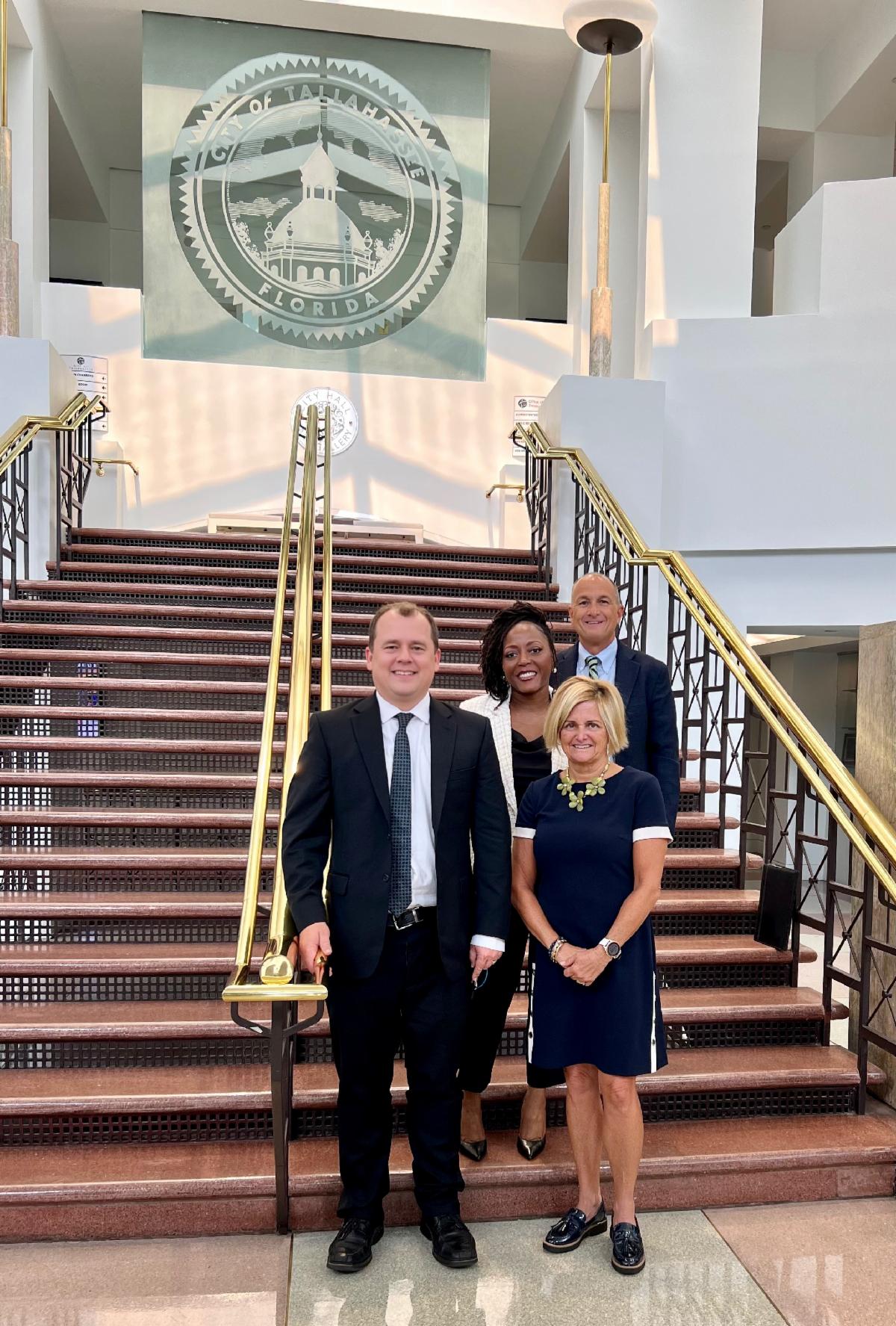
Pay for Success Financing (Tallahassee/Jacksonville, FL):
Our work is moving forward to support innovative early literacy and school readiness initiatives in Jacksonville and Leon County Florida, through the Social Impact Partnerships to Pay for Results Act (SIPPRA).
|
|
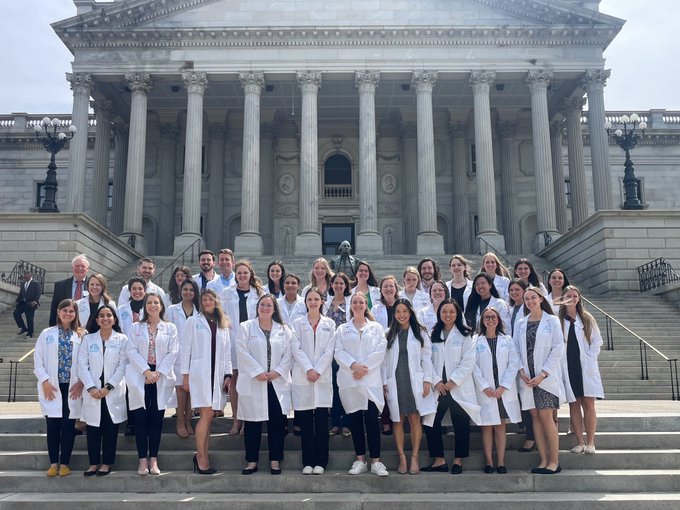
Pediatric Residency Training (Greenville, SC):
Coaching new doctors on how to harness their expertise and knowledge to help shape policies that support young children.
|
|
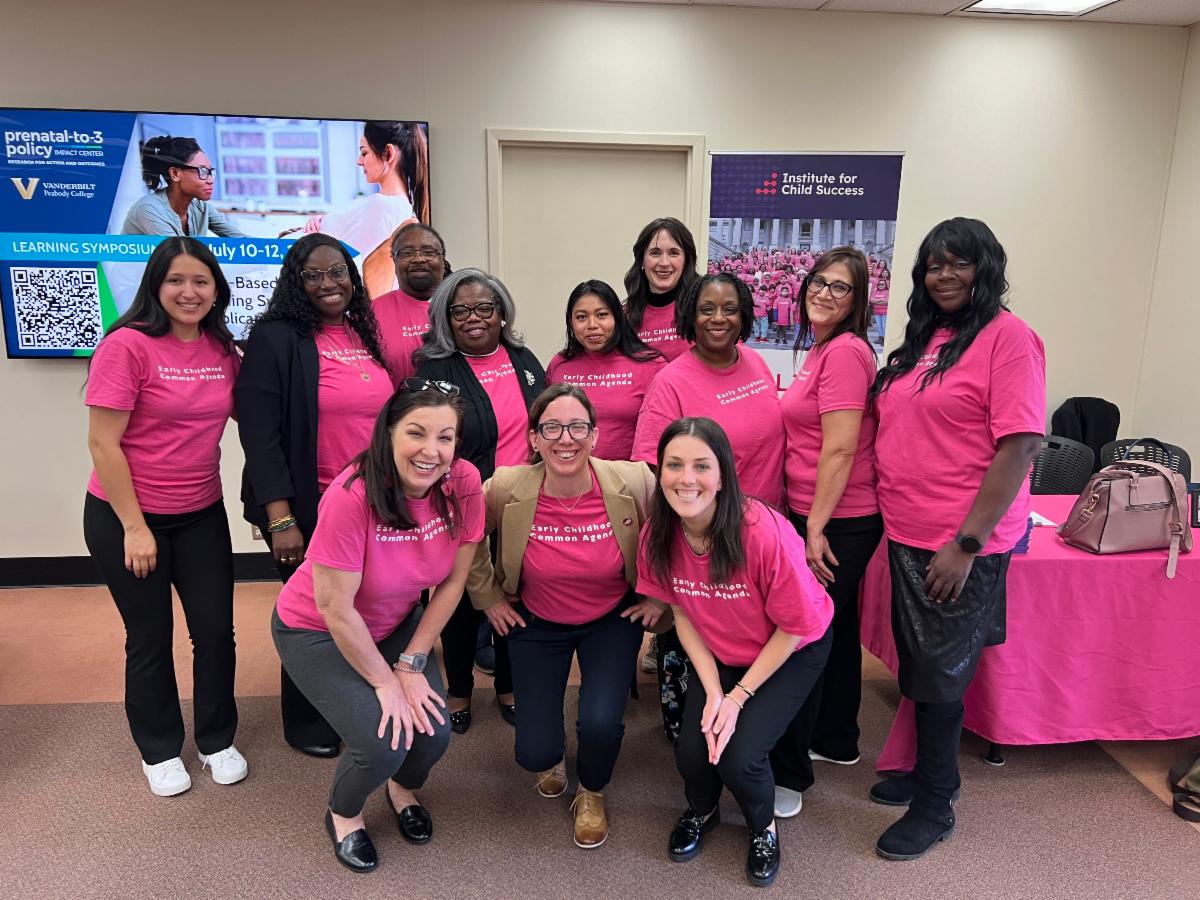
Legislative Session and Briefing (Columbia, SC):
Extremely well-attended session of lawmakers and ICS partners including the Prenatal-to-3 Policy Impact Center and the Early Childhood Common Agenda.
|
|
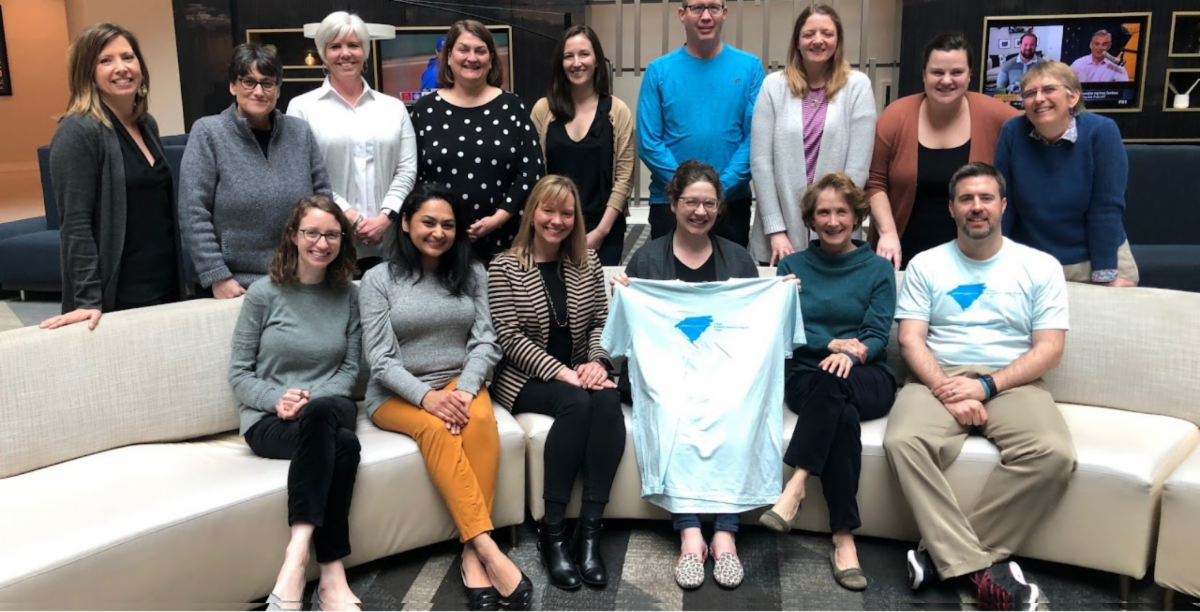
Carolinas Collaborative website:
ICS is creating a website for the Carolinas Collaborative, set to launch in May. This group, representing all 8 pediatric medical residency programs in the Carolinas, shares our mission to improve outcomes for children and to drive system-level innovation.
| |
|
ICS Team Spotlight:
Policy Research & Advocacy Support
| |
|
ICS offers a variety of services across the early childhood ecosystem. One area of our work is Policy Research - our award-winning team provides a range of policy research and advocacy support services.
ICS provides various early childhood policy research services, both through contracted projects and self-directed research. We are committed to applied policy research—conducting research which informs policymaking and studying policy to inform the research literature. ICS works with all levels of government as well as community-based organizations to understand which policies can help achieve their specific goals; how to carefully implement those policies to avoid unintended consequences; and how lessons learned can be used to continue to move the field forward.
ICS also provides support for advocacy to move from recommendations to reality. Advocacy support is tailored to the particular stakeholders, issues, and philanthropic and political landscape of each community. Advocacy support is not lobbying, but rather an opportunity to work with stakeholders to build a roadmap toward their goals, merging their expertise on local conditions and opportunities with our experience working on policy advocacy at local, state, and federal levels. Drawing from our work with communities across the country, we advocate for policies and investments that promote strong outcomes for young children and their families.
Here is a snapshot of several current projects:
-
South Carolina Early Childhood Common Agenda (ECCA): The ECCA is a coalition led by the Institute for Child Success, Save the Children Action Network, and the South Carolina Infant Mental Health Association. Together this group leads a coalition of dozens of community advocates dedicated to improving outcomes for young children (age 0-5) and their families. The ECCA is designed to present a united front on matters related to early childhood health, education, and family well-being to policymakers in South Carolina. In past years, dozens of organizations have signed on to the ECCA, resulting in significant wins at the South Caroline State House—including 4K expansion, Earned Income Tax Credit, and more.
-
Analysis of Evidence-Based Programs for Families of Color: Our team is leading work on a project to synthesize the outcomes demonstrated in evidence-based programs for different races and ethnicities. We strive to deepen our collective understanding of the evidence base for these interventions, including the contexts and families for whom they work best, so that we can collaborate in fostering an effective, equitable and strengths-based approach to recovery for families in the Carolinas.
-
Childcare Landscape Analysis: ICS is conducting an analysis of the childcare landscape in South Carolina, beginning with a deep-dive in Greenville County. This project will complement existing analyses of child care availability with a focus on geographic “hot spots” of need, as well as particular ages and schedules where there are gaps.
-
Expanding Doula Reach in Rural Areas: We are conducting quantitative and qualitative analysis on birth outcomes in rural areas of South Carolina, with a focus on the potential for doulas to help improve outcomes for families. A full report with recommendations for funders, government, health systems, and community groups will be released in coming months.
-
Child Food Insecurity in South Carolina: This project is focused on social determinants of health for children, starting with food insecurity. Over the first year, ICS will conduct a deep dive of access to nutrition support for families with children in existing programs in South Carolina and develop strategic recommendations to remove barriers.
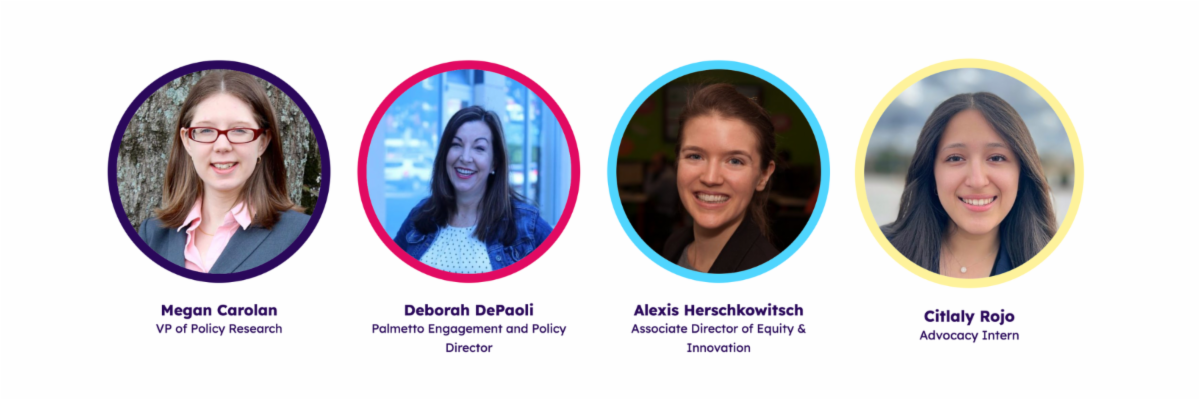
Contact Megan Carolan to learn more about our Policy Research, and Deborah DePaoli to learn more about our Advocacy Support.
| |
|
Interested In Our
Palmetto Docket Newsletter?
| |
|
Interested in learning about our early childhood projects and accomplishments in South Carolina? Sign up for our Palmetto Docket newsletter! Here's an excerpt from this past month's edition, focused on the child care crisis.
Sign up to receive the Palmetto Docket newsletter.
| |
|
Deep Dive - Childcare Committee Chair,
SC Chamber Highlight Childcare Needs
| |
|
The childcare crisis continues to worsen across the US,
for families and the childcare workforce alike.
Spurred by 2022 SC Department of Employment and Workforce study which found that 27% of unemployed South Carolinians named lack of childcare, or a need to stay with a child at home, a top barrier to reentering the workforce in 2023, the SC Legislature formed the Joint Special Committee on Childcare. This Committee is chaired by Senator Ross Turner (R-Greenville), to look into what the state can do to strengthen the current childcare network and expand access to quality childcare in our state.
The Committee began meeting in late 2023 and continues its work this year.
The Committee has been hearing from experts in early childhood and childcare to understand the crisis our state faces in more depth.
In a recent Op-Ed, Senator Turner was joined by the South Carolina Chamber of Commerce’s CEO, Bob Morgan, in shining a light on our state’s childcare crisis and calling for action.
The needs of our state are multi-dimensional around this issue. As the duo states, access to childcare is a major hurdle, but with some providers offering $12/hr wages, the workforce for childcare facilities has been hard to maintain.
Access is a huge issue in some of our more rural parts of the state where the number of facilities is dwindling.
Additionally, the average cost of childcare in a childcare facility for infants is a little over $9,000 per year - or 9% of our state’s median annual income for a married couple. This makes childcare a challenge for many families to afford in our state.
When you overlay these factors on top the demand for quality childcare, you get a more complicated look at access and affordability - higher quality means higher wages, which means higher costs, and further issues with access.
The Joint Special Committee on Childcare continues to meet over the course of this session and is expected to provide recommendations soon to the Legislature and Governor on how to begin tackling our state’s crisis.
ICS Resources on the Childcare Crisis
and Supporting Childcare Workers
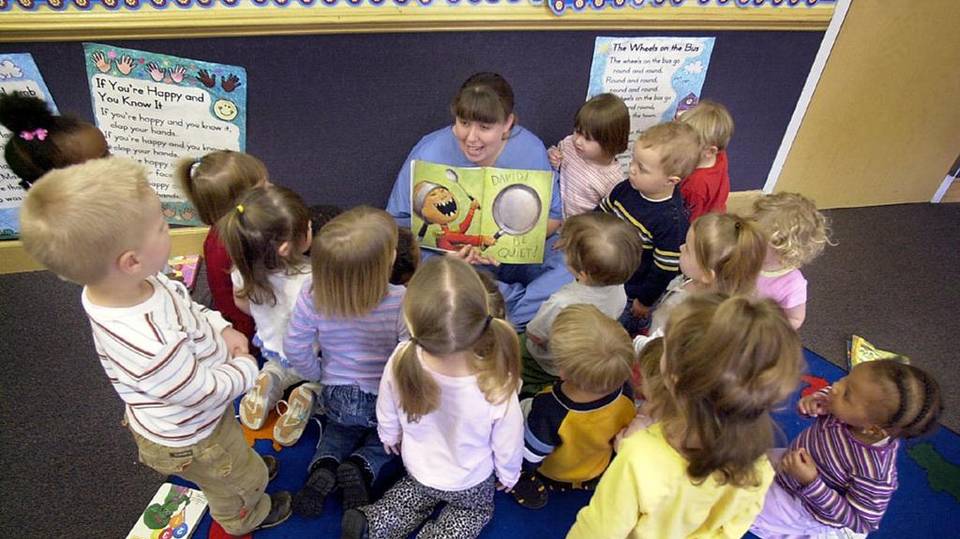
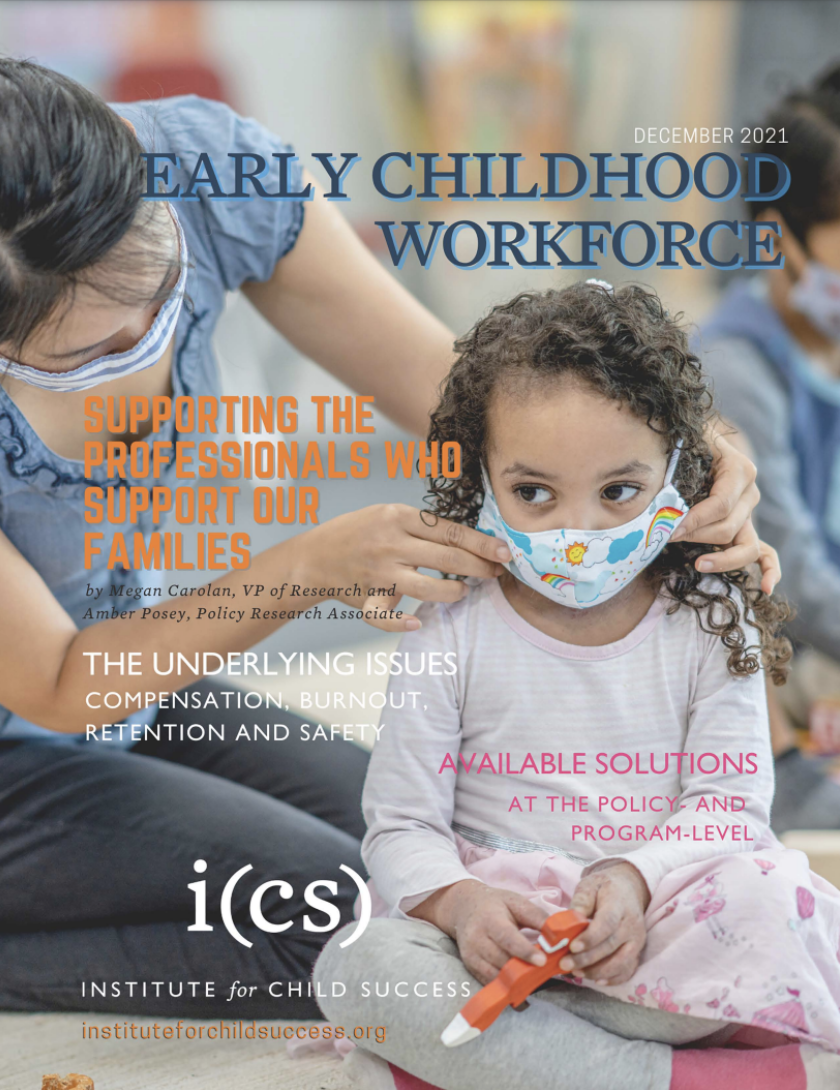
Our team has been dedicated to the issue of childcare for years - we have created several publications covering the challenges and opportunities currently facing the childcare sector in the US. Read our pieces here:
| |
|
Key contributing factors leading to the early childcare crisis:
- Childcare is unaffordable and inaccessible for working families
- Childcare centers are financially unsustainable
- Childcare centers face high rates of staff burnout & turnover
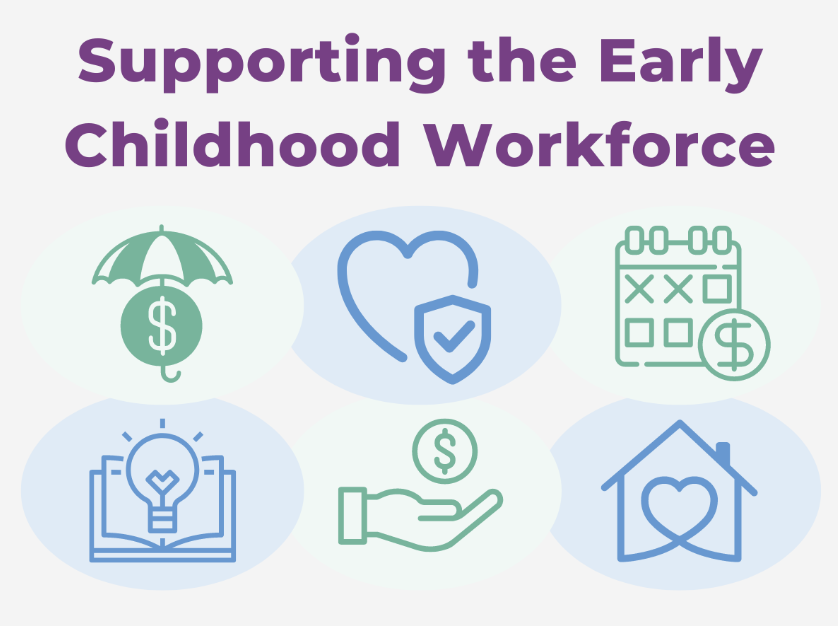
Key solutions to address these issues:
- Funding to support childcare centers and staff
- Offering paid parental leave, so parents can stay in the workforce
- Improving childcare compensation and conditions, to retain childcare workforce
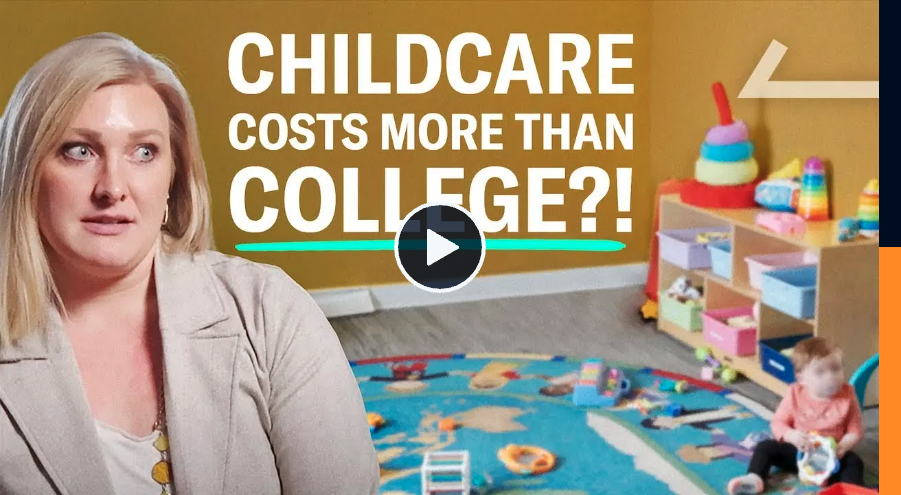
A recent video by More Perfect Union interviews early childcare directors and staff, as well as policymakers trying to address these challenges through policy change in Minnesota.
Watch the video here.
| |
|
ICS works on behalf of children from prenatal to age 8.
You can support our work by helping to
fund our research and advocacy.
| | | | |