BRHD Bi-weekly newsletter. February 24 of 2023.

Postpartum Resources

Photo of an infants hand cradled in a larger adult hand against a white linen background.

Expectant and new parents in our area have in-person and online resources to support them in pregnancy, birth, and beyond! All of these sessions/support groups are drop in, no registration needed, and completely free. You do not have to have an affiliation with the hospital or agency to participate. The sessions/support groups include: 


  • Breastfeeding support groups that meet in-person and online, promoting peer support and providing aid from Lactation Consultants. 
  • Parenting Support for Survival provides opportunities for parents to share tips and tricks about the first year or so of new parenthood. 
  • Birth Sisters of Charlottesville serve parents of color in our district, and have weekly “Mom and Baby Love Baths,”- a short, guided meditation for pregnant moms to relax and send love to their baby.   
  • Postpartum Support Virginia offers virtual and in-person groups in our area and around the state for moms who need emotional support. 


All of groups are free and open to any expectant or new parents, no matter where you live!

Virginia’s Nuclear Power Stations Transition from Siren Warning System to the Integrated Public Alert and Warning System

Photo of Dominion Energys North Anna Power Station

Effective February 1, 2023, those living within an approximate 10-mile radius of Dominion Energy’s North Anna Power Station (NAPS) and Surry Power Station (SPS) will no longer hear siren alerts in the event of an emergency. Dominion Energy has now transitioned to utilizing the Integrated Public Alert and Warning System (IPAWS), which has two methods for alerting the public to an emergency at the nuclear power stations. 


The first method is Wireless Emergency Alerts (WEA) that will be sent to cell phones. The second method, Emergency Alert System (EAS), notifies television and radio broadcasters who, in turn, share messaging through television and radio channels. 

Wireless Emergency Alerts

Have you heard of a Wireless Emergency Alert (WEA)? WEAs are short, emergency messages from authorized federal, state, and local public alerting authorities that can be broadcast from cell towers to any WEA‐enabled mobile device in a locally targeted area. By partnering with wireless providers, the Federal Emergency Management Agency (FEMA) and the Federal Communications Commission (FCC) use WEAs to enhance public safety and emergency communications. 


WEAs can be sent to your mobile device when you may be in harm’s way, without the need to download an app or subscribe to a service. WEAs are messages that warn the public of an impending natural or human-made disaster. The messages are short and can provide immediate, life-saving information. Types of WEAs include: 

  • Presidential Alerts 
  • Imminent Threat Alerts  
  • Public Safety Alerts  
  • America's Missing: Broadcast Emergency Response (AMBER) Alerts  
  • Opt-in Test Messages  


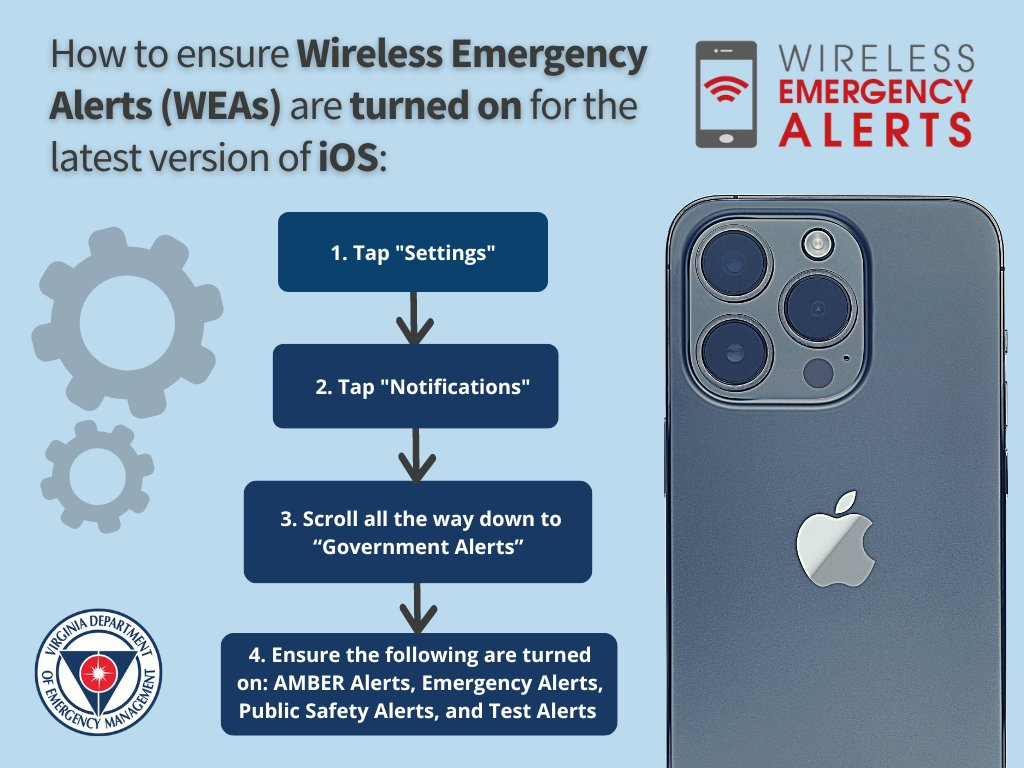
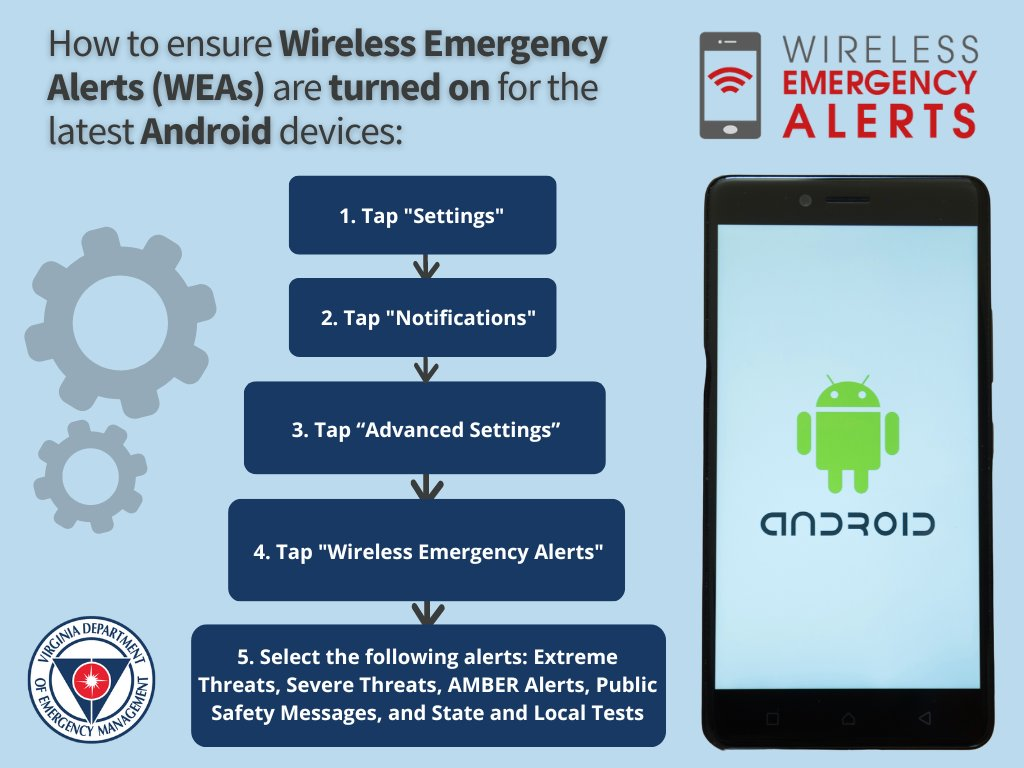
To ensure your WEA alerts are turned on for your cell phone, please follow the pictured steps below for iOS or Android devices. If you need additional assistance, contact your local emergency services department or your cell phone provider. To learn more about the different types of emergency alerts, visit FEMA’s Wireless Emergency Alerts webpage.

Instructions on how to ensure Wireless Emergency Alerts are turned on for iOS devices.
Instructions on how to ensure Wireless Emergency Alerts are turned on for Android devices.

COVID-19 Bivalent Booster Clinics in March

Have you received a bivalent COVID-19 booster vaccine yet? If not, we have a number of clinics coming up in March! Visit VASE+ and search by zip code to find an appointment near you. 


  • Charlottesville/Albemarle Health Department 
  • Every Wednesday in March (3/1, 3/8, 3/15, 3/22, 3/29) 
  • 2:00 – 5:00 PM 
  • Fluvanna County Health Department 
  • Friday, March 3 
  • 2:00 – 5:00 PM 
  • Greene County HD Health Department 
  • Tuesday, March 7 
  • 2:00 – 4:30 PM 
  • Nelson County Health Department 
  • Tuesday, March 21 
  • 2:00 – 5:00 PM  
  • Louisa County Health Department 
  • Friday, March 24 
  • 2:00 – 5:00 PM 
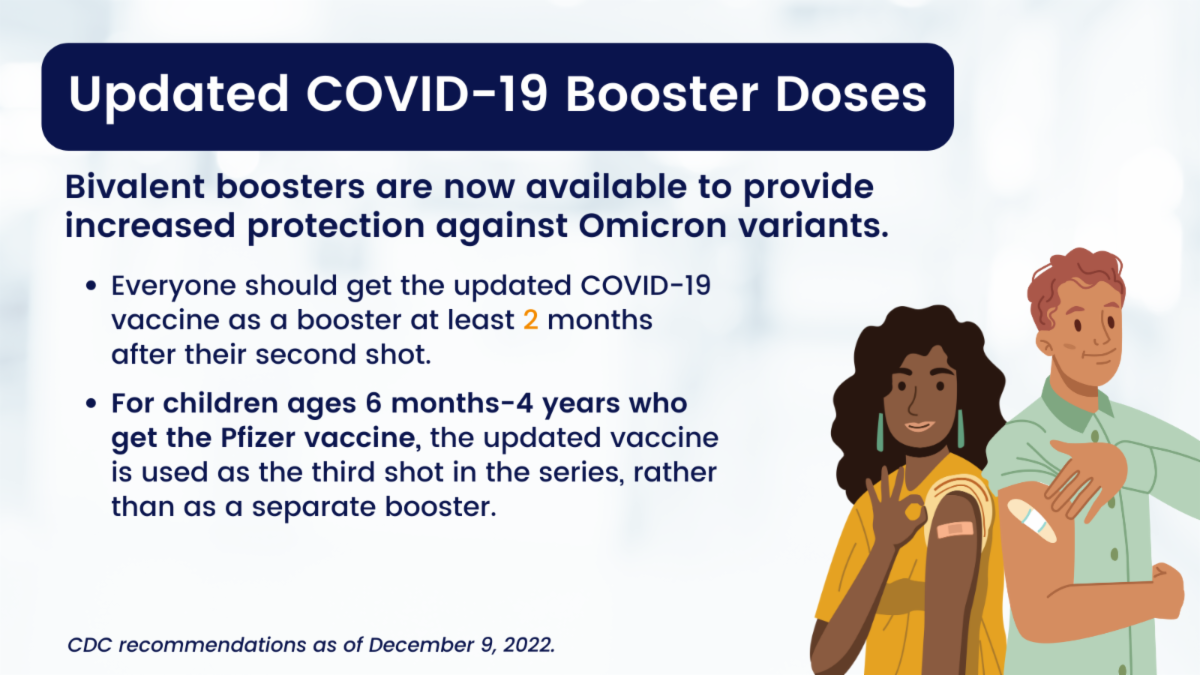
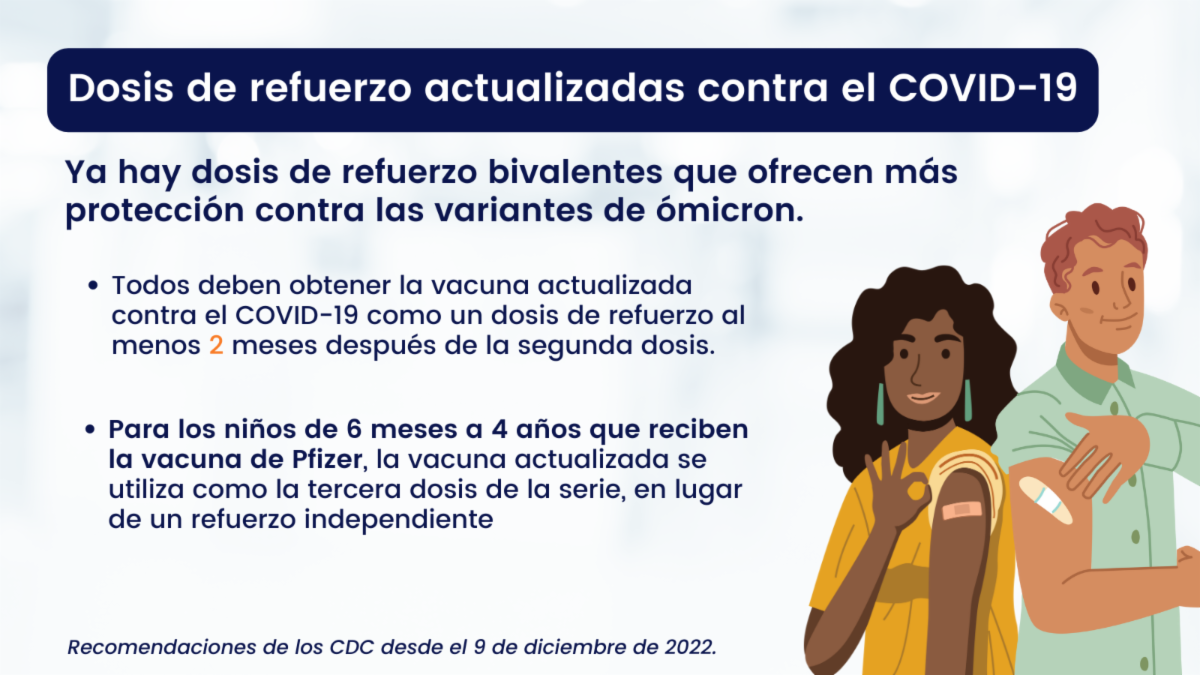
Updated COVID-19 Booster Doses. New boosters are now available to provide increased protection against the Omicron variant.
Dosis de refuerzo actualizadas contra el COVID-19. Ya hay dosis de refuerzo bivalentes que ofrecen más protección contra las variantes de ómicron.

Norovirus Prevention

Hearing about a “stomach bug” making the rounds? You may be dealing with a norovirus. Noroviruses are highly contagious, and often cause vomiting and/or diarrhea. One sick person can shed billions of norovirus particles- only a few of which are needed to make someone sick. You can catch norovirus by: 

  • Having direct contact with an infected person 
  • Consuming contaminated food or water 
  • Touching contaminated surfaces and then putting your unwashed hands in your mouth 


Unlike some other viruses, noroviruses are not killed by hand sanitizer. Practice proper hand washing techniques with soap and warm water, especially: 

  • After using the toilet or changing diapers 
  • Before eating, preparing, or handling food 
  • Before giving yourself or someone else medicine 


Did you know? The virus can stay in your feces for more than two weeks after you begin feeling better, so maintaining proper hand-washing hygiene is essential to preventing further spread. To learn more, visit the CDC’s About Norovirus webpage.

Prevent norovirus- wash your hands.
JOIN THE BRHD MAILING LIST ⟶
Facebook  Twitter