|
|
School Wellness Weekly
May 5, 2021
|
|
Only in the Big Apple: Part 2
It's Teacher Appreciation Week!
|
|
This week, school districts across the country get a chance to highlight and thank educators during Teacher Appreciation Week, Monday, May 3 to Friday, May 7. Here in the Big Apple, we're honored to say thank you to each of our NYC educators who continue to keep the well-being of our students front and center by teaching high-quality, standards-based PE and Health Education.
Continuing the fanfare from last week's issue (opens in new window), we're excited to share a detailed profile of each of the Big Apple Award Physical Education finalists in this special issue of School Wellness Weekly. Find out why each of these educators love to teach PE and how they deliver high-quality lessons to their students:
- Jennifer Bernstein, P.S. 186 Dr. Irving A. Gladstone (20K186)
- Joann Cucich, Susan E. Wagner High School (31R460)
- Alexander Faba, P.S. 125 Ralph Bunche (05M125)
- Sasha Roopchand, The Brooklyn Green School (16K898)
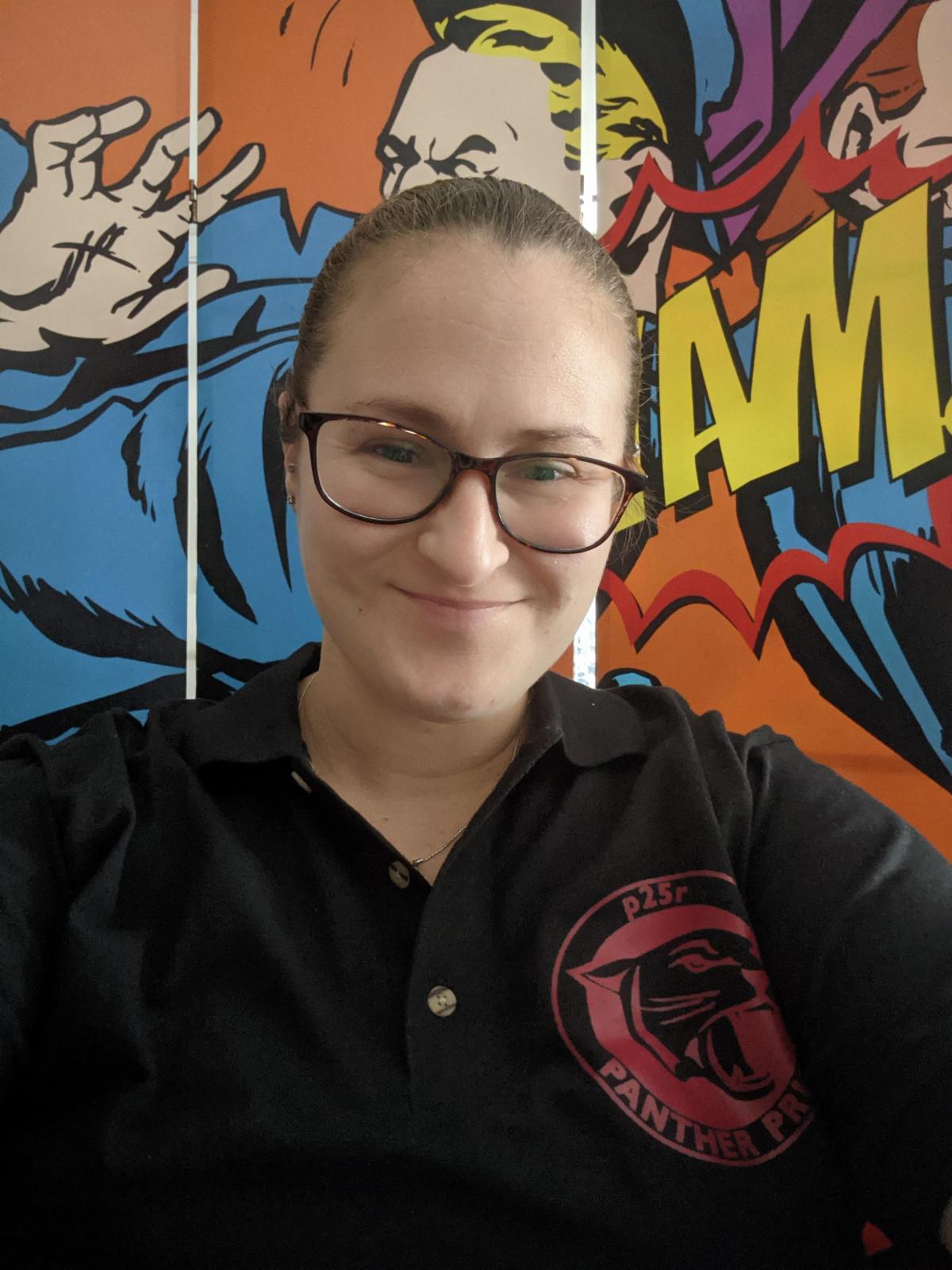
- Christina Semey, South Richmond High School I.S./P.S. 25 (75R025)
The Big Apple Awards (opens in new window) is an annual Citywide recognition program that celebrates teachers who go above and beyond to serve our students and families. Continue to read School Wellness Weekly and follow us on Twitter for the announcement of the winners in June.
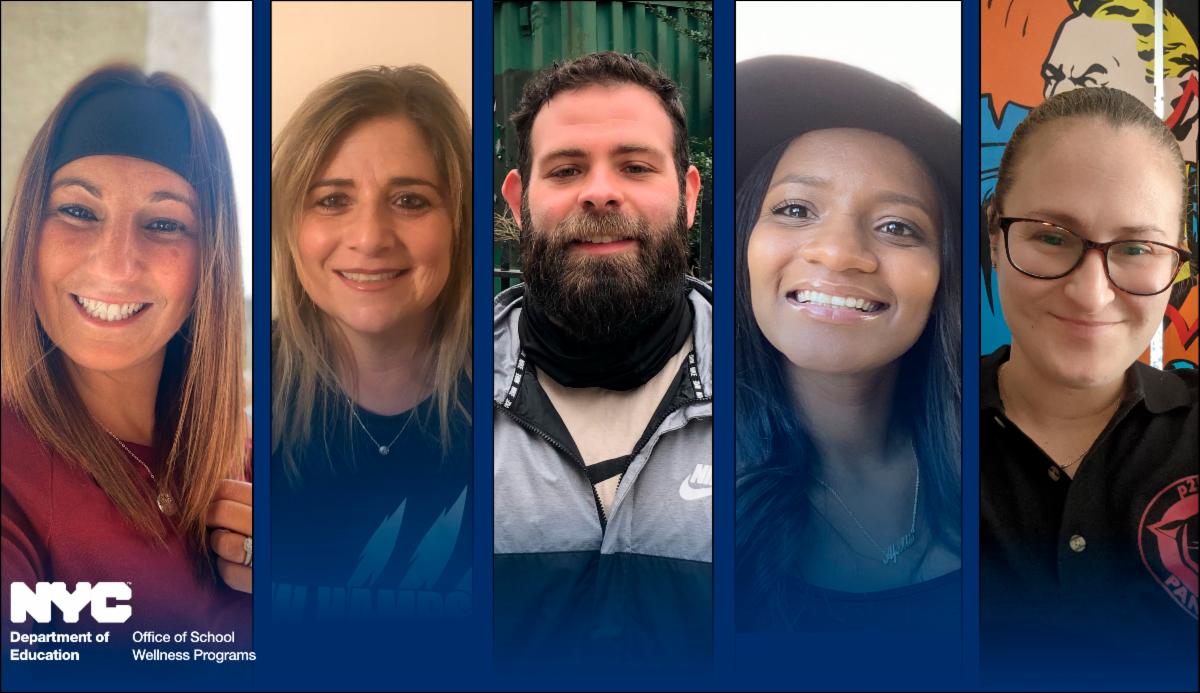
Photos (left to right): Jennifer Bernstein, P.S. 186 Dr. Irving A. Gladstone, 20K186; Joann Cucich, Susan E. Wagner High School, 31R460; Alexander Faba, P.S. 125 Ralph Bunche, 05M125; Sasha Roopchand, The Brooklyn Green School, 16K898; Christina Semey, South Richmond High School I.S./P.S. 25, 75R025
|
|
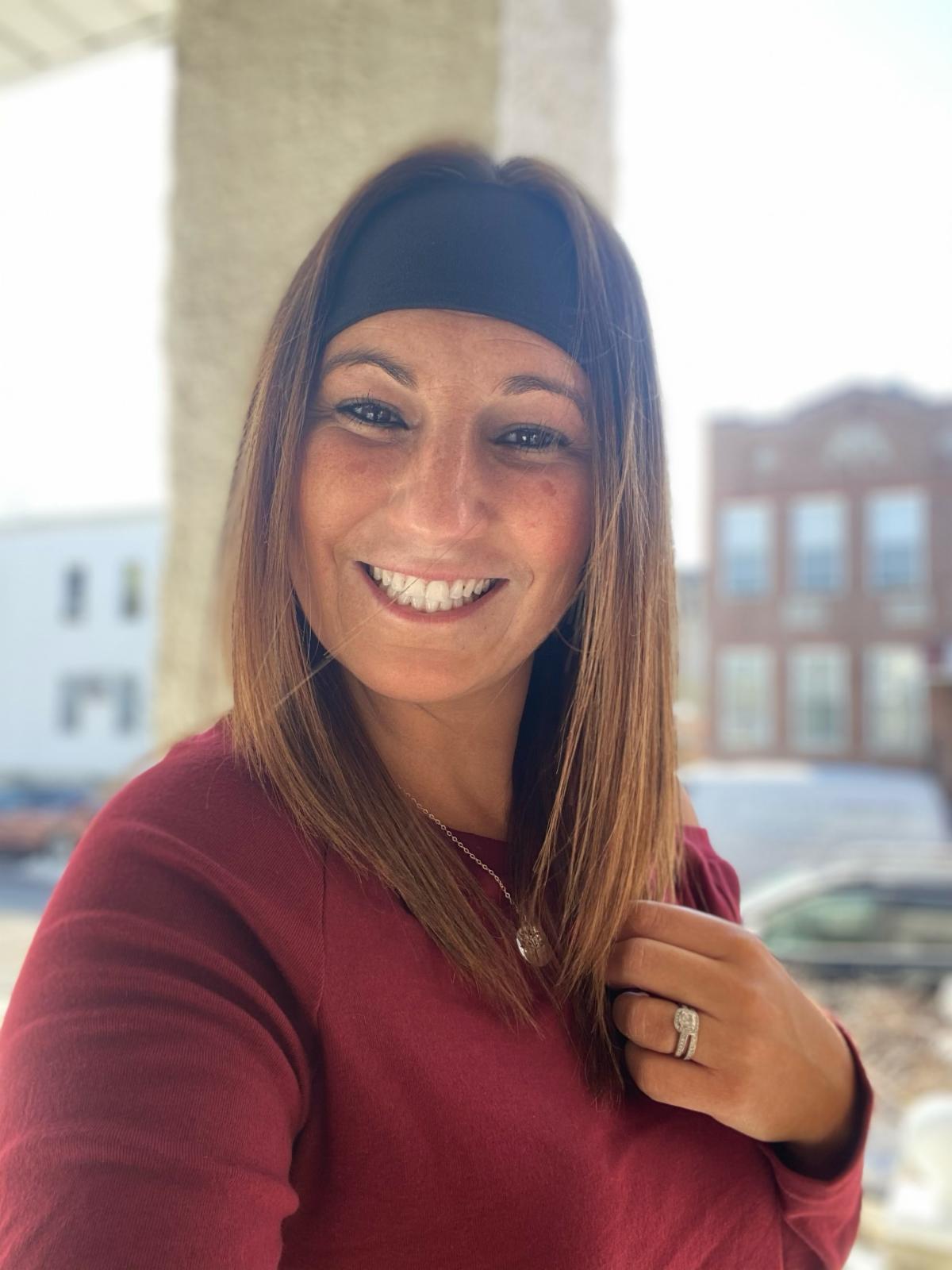
Jennifer Bernstein, P.S. 186 Dr. Irving A. Gladstone, 20K186 |
|
How do you connect with your students and their families to keep them motivated and engaged in PE?
I make my fitness lessons/activities easily accessible from the student’s home. I set up Google classrooms for all my classes so that ALL my students have a place to go for resources, activities, games and health topics while being safe at home. In addition, I host virtual wellness sessions after school to engage the whole family around physical activity and health. Finally, I created a Remind app account to constantly be in contact with parents about upcoming events. I also use it to send daily challenges, such as Plank wars, to encourage movement at home.
How have you continued to be inspired, and inspire your students, during COVID-19 and blended learning?
I always aspire to make my lessons fun, active and collaborative. I had to figure out a way to do my job, hold true to my ideals but now also, and possibly most importantly, keep my kids and their families safe. I needed to think outside the box and find ways to teach new interesting topics. In order to do so, I began applying for a bunch of grants over the summer to receive different types of equipment that my students would be excited about and can share safely. For example, this year I brought cardio drumming, floor hockey and even bike riding curriculums to my school.
How have you adapted your instruction to meet changing schedules and students' needs during the pandemic?
I went from being Ms. Planner to Ms. Flexible. Instead of planning a whole year of lessons out in the summer, I started to plan week by week. I went from paper and pencil to PowerPoints and videos. Having my entire curriculum be accessible remotely was the absolute best way to keep my lessons connected and my students connected. I needed the students who did not see me to get the same opportunities as their peers. I created videos of myself teaching a full lesson and shared them with my colleagues who taught remote-only students. I taught the foundational skills in new creative ways, which in turn made me learn more about myself as an educator. For example, I learned how to use jump bands. I never knew how one piece of equipment could be used to teach so many different skills, such as jumping and landing, balance, or following a sequence.
What lessons have you learned, or hurdles have you had to overcome?
I have learned that the only way to grow is to get out of my comfort zone. I rarely used technology when I taught PE in the past, but this pandemic has shown me that technology plays an important role in the success of students today. For example, I had to learn how to make and share videos, use new platforms such as Google Classroom, inventive ways to stay in contact with parents, and create and share PowerPoints. My interactive PowerPoints and videos helped enhance my lessons and make them flow more efficiently, giving my students more time to practice. Another hurdle was when I lost my gymnasium a few months into the school year. I had to learn how to be more creative with my lessons in smaller spaces. For example, I cut pool noodles to use as drumsticks in classrooms to teach cardio drumming.
Do you have any success moves or best practices to share?
Be MORE than just the “gym teacher.” I take pride in the efforts I take to make connections and relationships with my students, their families, and even my staff. I sometimes eat lunch with my students in the cafeteria, play outside during recess, visit the talent show—heck, be in it if I can! Another way to connect is to host physical activity and wellness events that parents and fellow staff like to attend. Going to other staff events is important also. I join committees, start clubs or teams. Show everyone how much you love what you do. When others see the passion inside of you, they in turn want to have what you have. The Remind app and Google Classroom truly helped me to connect with families and students on a daily basis. I learned so many parents’ names and got insight into my students’ lives at home. I learned what my students need and was able create lessons and videos to help them achieve new goals at home.
If you could share with your fellow teachers one instructional resource that has helped you most in the past year, what would it be?
I used many great resources this year: TeachHub, The PE Specialist, OPEN [Online Physical Education Network] and SHAPE. The one instructional resource I found myself always visiting was “Teachers Pay Teachers.” Nothing inspires and motivates me more than other physical educators sharing their best practices. Whenever I go to this site and see what others have created, it lights a fire inside of me to do better.
Also, reach out to fellow PE teachers on social media and in Professional Learning Communities, or to staff members at the Office of School Wellness Programs. The best resource out there is each other. Be supportive of one another and share materials, struggles, fears, and best practices that you have learned. Teaching is more dynamic and changing than ever before, and we are one another’s best resource of information. Start creating your network. It is the best tool you will have at being successful.
|
|
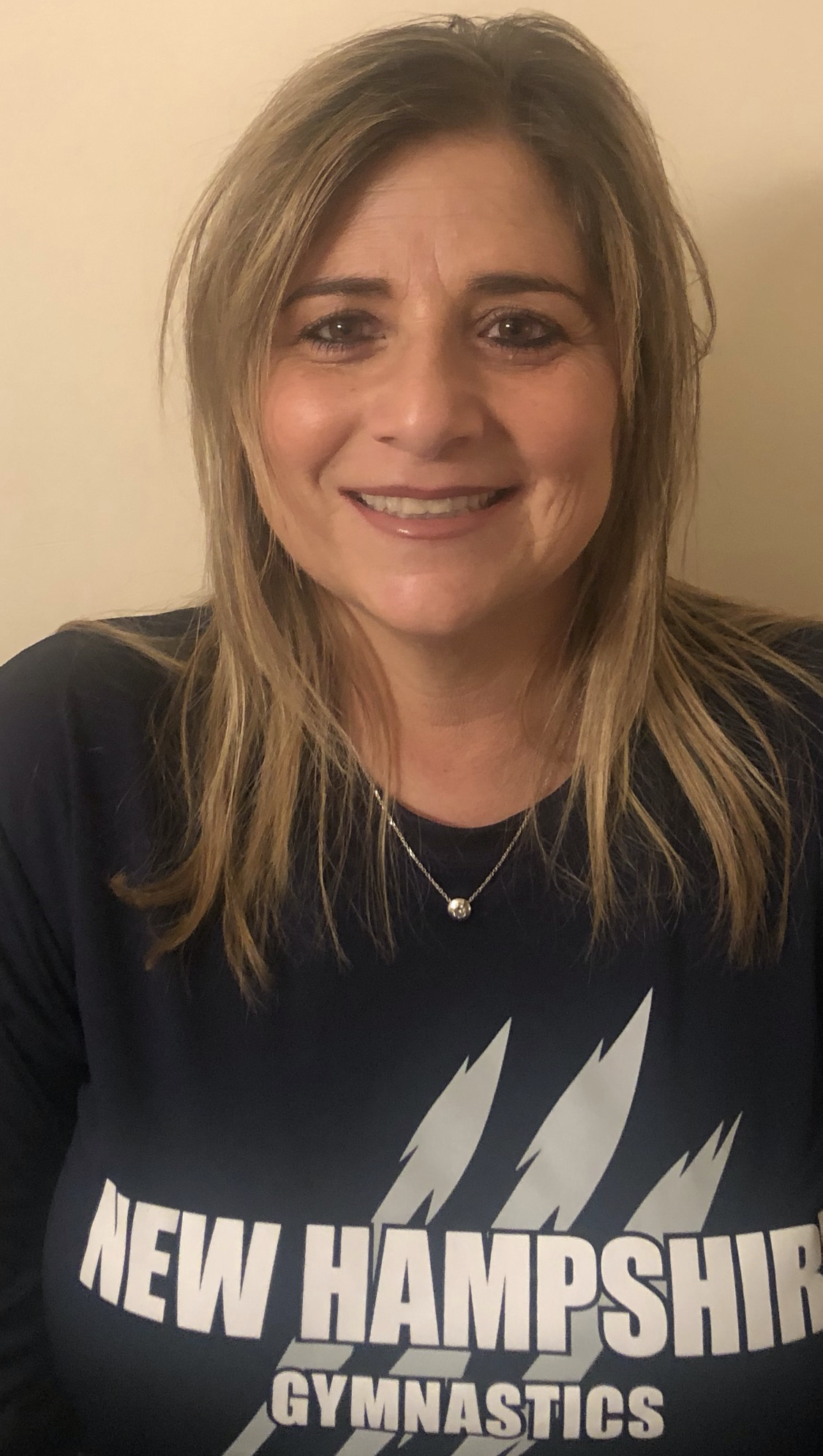
Joann Cucich, Susan E. Wagner High School, 31R460 |
|
How do you connect with your students and their families to keep them motivated and engaged in PE?
I create an environment that allows for exploration and choice. Providing students with guided options and how they would like to learn the material is just as important as the content. This keeps them engaged and motivated in my Physical Education lessons.
How have you continued to be inspired, and inspire your students during COVID-19 and blended learning?
Inspiration during COVID-19 can be challenging. If students believe they can do something, they will be motivated to try it. Each day, I begin my lesson with a positive mindful meditation, which leads us into the mood meter for the day. Creating this positive mindset inspires the students not only through the lesson but the whole day.
How have you adapted your instruction to meet the changing schedules and students' needs during the pandemic?
Traditional Physical Education instruction has changed through the pandemic. Meeting student's needs via Zoom is more challenging than seeing them in the gymnasium. We often speak about their emotional/mental health needs so they can adjust to this new way of life.
What lessons have you learned, or hurdles have you had to overcome?
The use of technology has been one of the biggest hurdles that I have had to overcome. Physical Education is defined as education of, by, and through movement. Doing this through a computer screen has changed the way a traditional Physical Education lesson looks.
Do you have any success moves or best practices to share?
A move that has helped me is to keep the class friendly, firm, and consistent.
If you could share with your fellow teachers one instructional resources that has helped you most in the past year, what would it be?
Padlet is an instructional tool that has helped me throughout this past year. It helps keep all students engaged, as they are required to post their work and have their peers give feedback.
|
|
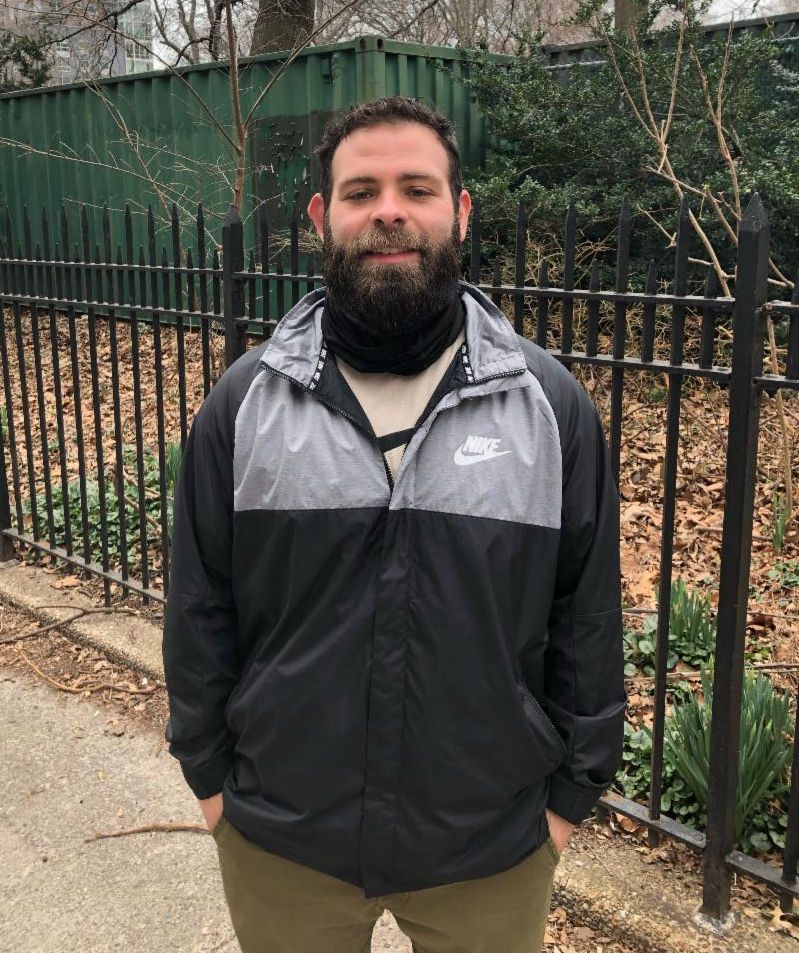
Alexander Faba, P.S. 125 Ralph Bunche, 05M125 |
|
How do you connect with your students and their families to keep them motivated and engaged in PE?
Connecting and motivating students begins with building relationships with each individual. Taking time to build trust and understanding in each student as a whole permits the purest learning outcomes and lessons full of passion and motivation. I have developed a strong physical education community with both my online and in-person students influenced by one another's energy to move, learn, and stay healthy. We stay motivated together by participating in online and in-person challenges and activities that can be done individually and with family members/friends. We share discussion questions, daily activities, and open posts where students and families can talk and learn about the topics or just share what they have been doing to stay active and healthy. We strongly advocate that you are responsible for your own body, so take good care of it.
How have you continued to be inspired, and inspire your students, during COVID-19 and blended learning?
My inspiration stems from building the once non-existent PE program at P.S. 125 to what it is today. Students have become more inspired than ever to share their PE work with their peers and interact with one another. Students are inspired when they understand the effect that meaningful hard work can have on our bodies and character. I make sure my lessons connect these topics and continue to build our PE community. I am lucky to share my school’s belief that we should strive to create equal learning opportunities for all children through play and exploration.
How have you adapted your instruction to meet changing schedules and students' needs during the pandemic?
During the pandemic I have implemented more lessons on the affective domain to help develop and improve students’ character and personal growth. We have focused on topics such as teamwork, leadership, followership, mindfulness, and problem-solving: influential learning experiences that students will use as they progress throughout life. I also introduced more individual lifetime activities like cycling, rock climbing, gymnastics, and yoga to promote interesting new things while staying socially distanced.
What lessons have you learned or hurdles have you had to overcome?
I’ve learned the importance and influence that a school community has on its members. Being so close-knit, our school community was able to de-stress and provide students with the best possible learning environment. Students, teachers, families, and many more helped P.S.125 succeed through hard work and great leadership. Going back and forth from remote to in-person teaching was a hurdle I’ve overcome.
Do you have any success moves or best practices to share?
The most important practice relates to timing of the lessons. Instead of making sure you complete the lesson and get everything done, prioritize students' understanding and interpretation of the lesson. Taking more time than expected to thoroughly teach is more influential than a packed lesson with little understanding. The pace of learning changes daily, but the quality of instruction remains constant. Strive to teach the most effective lessons regardless of time.
If you could share with your fellow teachers one instructional resource that has helped you most in the past year, what would it be?
The SHAPE America site has been an unbelievable PE resource I have learned to use and love. My students really enjoy the daily activity calendar that we use both as an instant activity and a fun interactive resource to keep up with our daily health. SHAPE also provides lessons from other PE teachers around the country and allows you to connect and share ideas to create the most efficient learning environment.
|
|
Sasha Roopchand, The Brooklyn Green School, 16K898 |
|
How do you connect with your students and their families to keep them motivated and engaged in PE?
A community agreement my scholars and I have always shared was the ability to evolve and adapt. We understand that there are times where things may not go the way we want them to. To ensure that our scholars had a smooth and successful transition to remote learning, our school community needed to have all-hands-on-deck. We communicate to our scholars and families through email, Skedula, Remind, text messages, and phone calls. Working from 8:00 a.m. to 2:00 p.m. no longer exists. And that’s okay! During this time, our scholars need us more than ever! It takes a village, and through effective communication, we are able to support our scholars and their families.
How have you continued to be inspired, and inspire your students, during COVID-19 and blended learning?
I had to redesign my delivery of content. There’s truly no right or wrong way of doing this. Instead, it is about meeting your scholars and their families where they are and helping them get to where they need to be. We open up each class session with a mental health check-in. During class, scholars are engaged in a fitness physical activity, such as HIIT, TABATA, or This or That workouts. Following our warm-up, scholars are introduced to our lesson of the day and activities. Friends and family members are encouraged to participate in all physical activities with scholars. Office hours are held every day and scholars are welcome to come as needed.
How have you adapted your instruction to meet changing schedules and students' needs during the pandemic?
Brooklyn Green School scholars have the opportunity to participate in physical activities and further their learning with a variety of courses offered. In addition to PE and Health Education, some of these include High School Sports Readiness (enrichment course), virtual cooking classes with Common Threads (elective), Peer Health Exchange’s Mental Health asynchronous module, and Girls on the Run.
What lessons have you learned or hurdles have you had to overcome?
The biggest lesson I’ve learned so far is, “Control what you can. All else is what it is.” I started off the school year stressing out about cameras being on and how I will be able to provide feedback and track student engagement. I quickly learned that cameras being on is out of my control. It is encouraged but not mandatory. I reminded myself that there is just a lot going on. We do not know everyone’s situation or surroundings and because of the unknown, it is important that we are mindful and compassionate. I valued my rapport with my scholars more than anything else.
Do you have any success moves or best practices to share?
There are a ton of resources out there that support physical education and health education instruction. Use what is necessary to meet the needs of your students and for them to experience success. I use YouTube, FlipGrid, Google Slides, and PollEverywhere daily. I am also HUGE on partnerships and love bringing new programming to my scholars. The best piece of advice I have for everyone is to not reinvent the wheel. Do what you can when you can and all else will come. If we are not taking care of ourselves, we are unable to show up every day for our scholars. And now more than ever, they need us!
|
|
Christina Semey, South Richmond High School I.S./P.S. 25, 75R025 |
|
How do you connect with your students and their families to keep them motivated and engaged in PE?
Making a connection with my students and their families was always important to me. I like to start the year off with a positive phone call or message home to the parents. Over the last few years, I have used Classroom Dojo to keep open communication with parents. When the pandemic hit, Classroom Dojo became a prime source of communication. I teach a very diverse population; working off a virtual platform allowed me to use more visuals and made it easier to translate directions into different languages when needed. Hip Hop Public Health helped keep my students and families safe during the pandemic with their catchy songs and resources.
How have you continued to be inspired, and inspire your students, during COVID-19 and blended learning?
My students inspire me daily. From the beginning it was a challenge to get them to log in to their Google Classrooms because it was something they never did before—for some students with a disability, that process is a bigger challenge. I needed my students to feel welcome and that they were in the safest space possible, whether it was in person or remote.
When you can connect with a child who has a disability virtually in a world where so much was uncertain, it gives you this drive to want to keep going. Not only was I able to engage non-verbal students remotely, but some were even thriving on this digital platform. I saw this as an opportunity to improve my teaching, and I tried to create a seamless platform that included in-person students and virtual students. The progress I saw in my students, and the feedback I got from their parents, inspired me to use a more interdisciplinary approach.
How have you adapted your instruction to meet changing schedules and students’ needs during the pandemic?
Over the last year the heart of my instruction stayed the same but content needed to change. I needed to provide an environment where both in-person and remote students could have a safe space to share their feelings. It was almost impossible to teach PE in any standard way this year, so I pulled from every resource in my toolbox. I focused on including all five domains of health. The way I perceived the needs of my students changed from “I need to keep them physically moving” to “I need to keep them alive.” More and more students were losing motivation and struggling emotionally as this year went on. The more real-world connections that I was able to pull into my lessons, the more engagement I received from my students.
I needed to strip everything down to rules that were inclusive and unbiased for all, while telling my students we no longer had a space to play in. I did this by using the classroom matrix that was established the year before as our main focal point for behavior and rules. Once a safe space within the classroom was created, it was time to find activities that they could participate in indoors under all CDC guidelines. I used an interdisciplinary approach to incorporate Math into my classes.
What lessons have you learned or hurdles have you had to overcome?
No matter how prepared I thought I was, I never would have expected that I would no longer have access to a gym, but I knew my students needed me. Every time I hit a groove, there was a new challenge, a new cohort or another school closure. I learned I had to be adaptable and to just “be there” for my students. I had to wake up each day and give it my all even if it was just two students in front of me in person or on the computer.
Do you have any success moves or best practices to share?
I would not have been as successful as I was this year without using a lot of different online sites, for example, New York Road Runners, Fuel Up to Play 60, Everfi, Online Physical Education Network, and SHAPE America.
If you could share with your fellow teachers one instructional resource that has helped you most in the past year, what would it be?
The instructional resource that helped me the most this year is the Between the Bells program from To Write Love on Her Arms, a nonprofit mental health organization that has been around for the last fifteen years and has shaped my teaching in so many ways. This resource comes with student booklets, posters, and bracelets, and served as a living, breathing document that we referred to weekly, if not daily. It was the start of many conversations with my students about their feelings and mental health in a year where conversations and human connections were needed most. I would like to think this one resource has the potential to save several lives. It is the work that we do “Between the Bells” that makes a successful class.
|
|
|
|
|
|
|