Michigan State University Extension

Blueberry Newsletter - Blueberry Bites


View From The Field

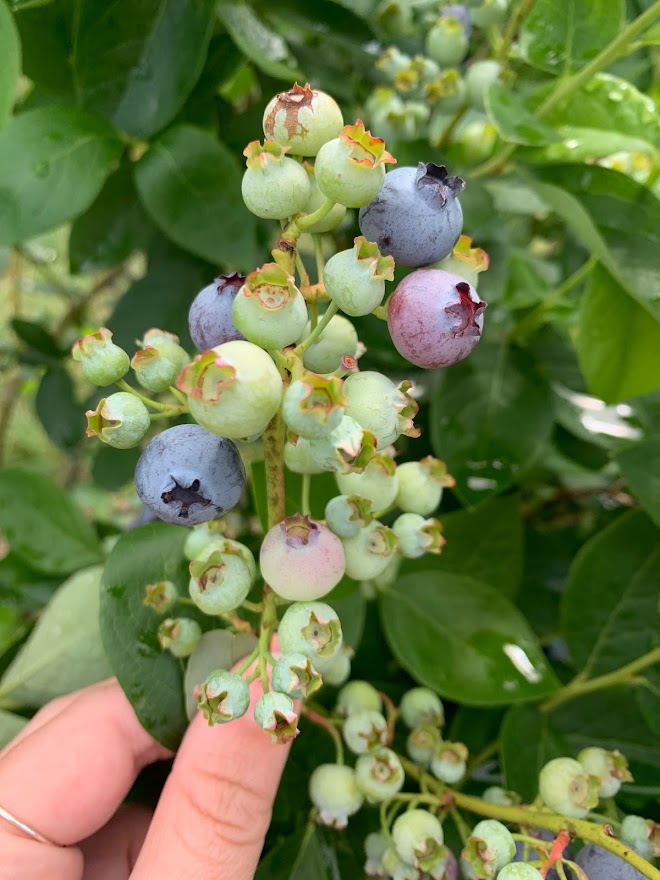
Bluejay - Paw Paw

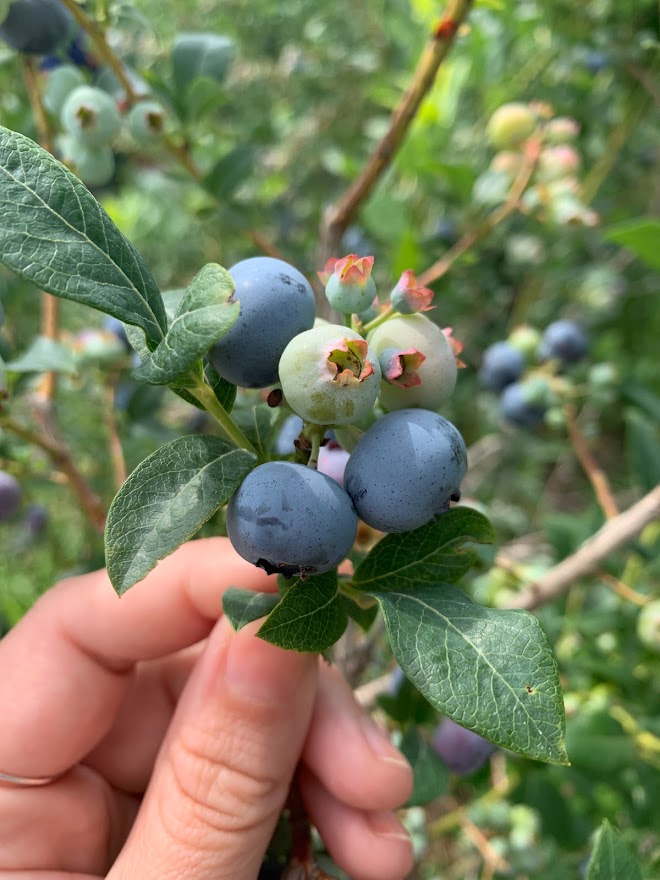
Bluecrop - Paw Paw

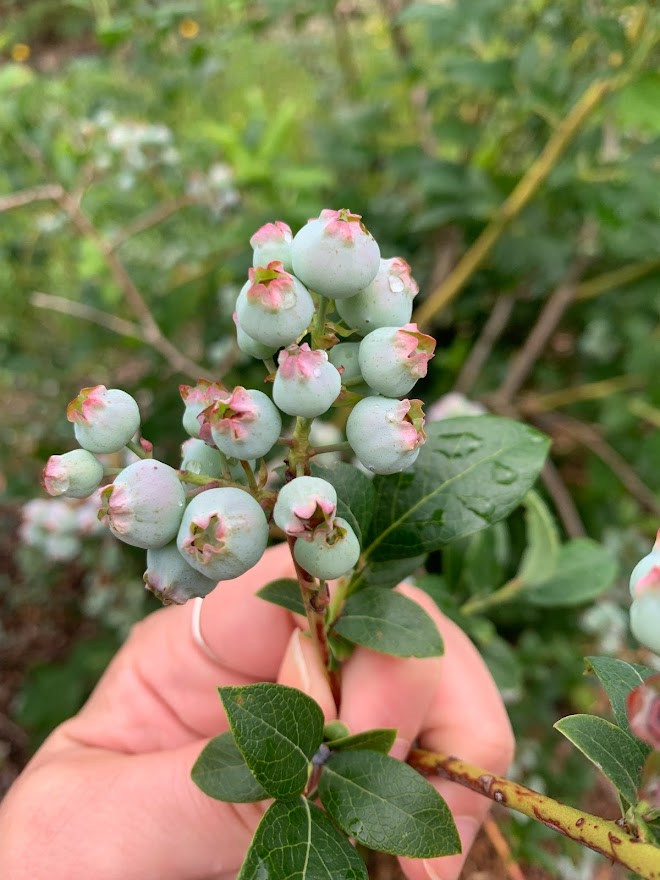
Bluecrop - Fennville

Upcoming Events

What?

When?

Where?

Blueberry Field Day

September 6, 10-3

Trevor Nichol's Research And Extension Center

Fruit and vegetable growers may (still) be eligible for pandemic funds until July 14th


Fruit and vegetable growers may still be able to get funds using the PARP and ERP programs; the application deadline has been extended until July 14th. Farmers who had a 15% or more drop in revenue in 2020 can get most of that difference back under PARP, unless they already got that amount from other pandemic programs.


PARP is a good program for farmers who did not get caught up from other COVID-19 programs, often specialty crops growers. However, it is a complicated program to navigate. Please contact Chris Bardenhagen at 231-866-1959 or bardenh1@msu.edu, or another member of the MSUE Farm Business team to help you determine whether it makes sense to apply, or contact your local FSA office directly. Read more below!

Fruit and vegetable growers may be eligible for additional USDA pandemic funds for a limited time

Horticulture Update


Harvest is here! Most growers are reporting good crop loads due to the nice weather during pollination. However, the dry weather experienced during the weeks after bloom is likely the cause for the green fruit drop that we have noticed in ‘Draper’ at a few farms. This seems to have occurred even when calcium chloride spray programs have been utilized. The initial size and quality of first pick ‘Duke’ berries seem high compared to last year. The first ripe berries are appearing in ‘Draper’. Overall, 2023 yields are expected to be higher than 2022. 

Insect Update


With blueberry harvest underway, the insect management focus is on keeping blueberry maggot and spotted-wing Drosophila under control. BBM has been active for a few weeks in SW Michigan unmanaged sites, so monitoring traps should be checked weekly to determine whether it is active at your fields. For SWD, the recent rains are expected to help this insect increase, though trap catches remain relatively low. As fruit continues to ripen in fields and in wild habitat, we expect SWD to pick up, so keep monitoring this pest and refer to MSUs E154 for effective and registered insecticide options.

Disease Update


Rain this week can drive fruit rot diseases (I.e. Anthracnose Fruit Rot, Alternaria Fruit Rot and Botrytis Fruit Rot). Preventative fungicide applications can play a crucial role at this moment (e.g. FRAC codes 3, 7, 9, 11, 12, 17 and 29).  Please be mindful of preharvest interval on various products. Also timing irrigation practices to coincide with natural dew formation is important.  


As we begin harvesting, remember to harvest fruit quickly and ideally under dry conditions. Also, once fruit has been cooled, ensure that it remains cool during shipment/delivery. Sharp rises in temperature will cause significant moisture to form on fruit. 

Don't Guess, Test!


Growers have been submitting samples to the diagnostic clinic that range from stem blights to viral symptoms. Remember the Michigan Blueberry Commission has a program to subsidize any testing through MSU Plant & Pest Diagnostics. Click below to get more information about how to submit a sample. 

Diagnostic Testing Form 

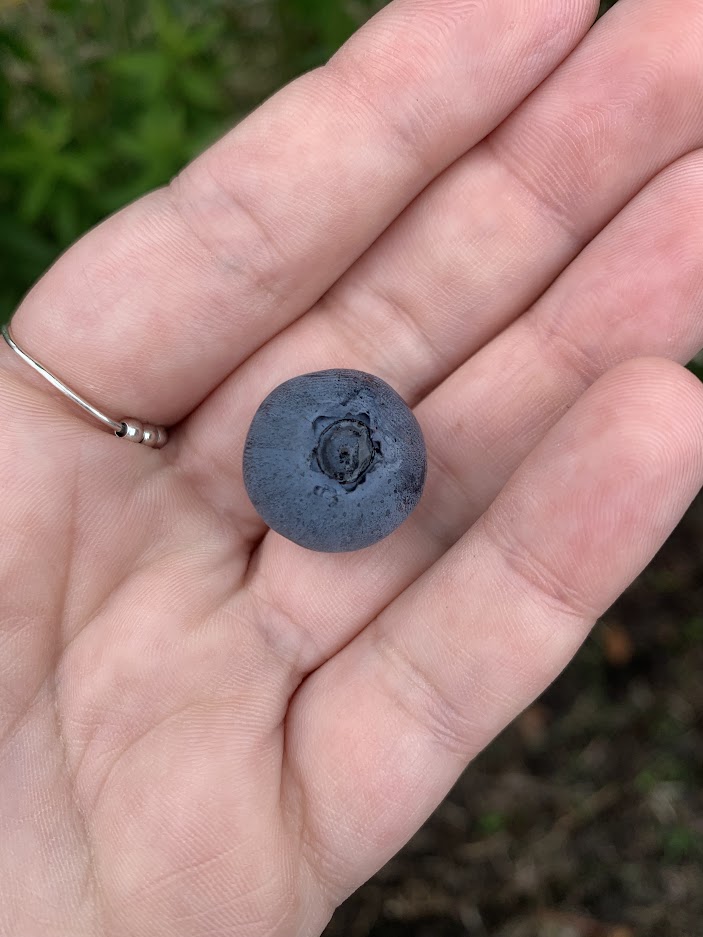
Pictured here is a blueberry with blueberry mosaic virus. While this virus test is still in the works, many other virus tests are able to be screened by the lab!

Blueberry Bites is compiled by Cheyenne Sloan, Blueberry and Small Fruit Educator

Contributors: Rufus Isaacs, Tim Miles, Josh VanderWeide, Cheyenne Sloan


Questions? Comments?

MSUE Small Fruit Educators

Blueberry and Small Fruit Educator - Cheyenne Sloan

Small Fruit Educator - Carlos Garcia Salazar

MSU is an affirmative-action, equal-opportunity employer, committed to achieving excellence through a diverse workforce and inclusive culture that encourages all people to reach their full potential. Michigan State University Extension programs and materials are open to all without regard to race, color, national origin, gender, gender identity, religion, age, height, weight, disability, political beliefs, sexual orientation, marital status, family status or veteran status.