Volume 2 | No. 14 | July 27, 2026 | | | |
In This Issue
Thank you for reading our newsletter and for your continued interest in Mainspring’s work. We are grateful for the encouragement and support that allow us to keep moving forward. This issue contains important updates and news about projects now underway.
Inside, we share information about upcoming screenings and events, the return of Desert Utopia, and efforts to preserve and catalog the Andrew Geller Archive. We also explain how our Amazon Wishlist can assist with that work and how votes through MyGivingCircle may help Mainspring qualify for grants. Other articles explore Litchfield County’s modern architecture, motion picture history, and Antonio Corsi’s connection to the celebrated sculpture The End of the Trail. This issue also includes an urgent appeal, and the response it receives will help determine our production's future.
| |
Why Architecture Documentaries Become More Valuable Over Time
Architectural documentaries often gain importance as the years pass. Buildings are altered, neglected, or demolished, while the people who designed and inhabited them may no longer be available to share their memories. A film preserves their voices alongside images of structures as they existed at a particular moment.
With time, interviews that once seemed contemporary become firsthand historical testimony. Location footage may provide the clearest surviving record of a building before renovation or loss. Even details that appeared ordinary during production can later become useful to historians, preservationists, and architects.
As scholarship develops and public interest changes, older documentaries can also introduce overlooked work to new audiences. Their value extends beyond their original release, becoming part of the historical record they were created to document.
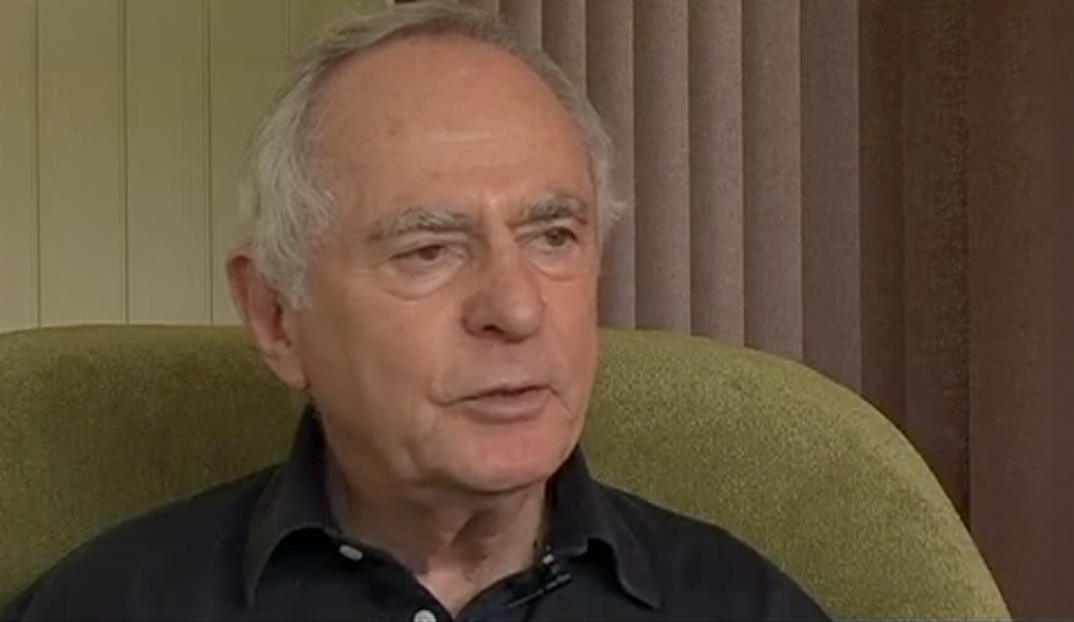
| | Architect Donald Wexler, as seen in the 2005 documentary Desert Utopia: Midcentury Architecture in Palm Springs | | | |
Time to Throw Up the Bat Signal
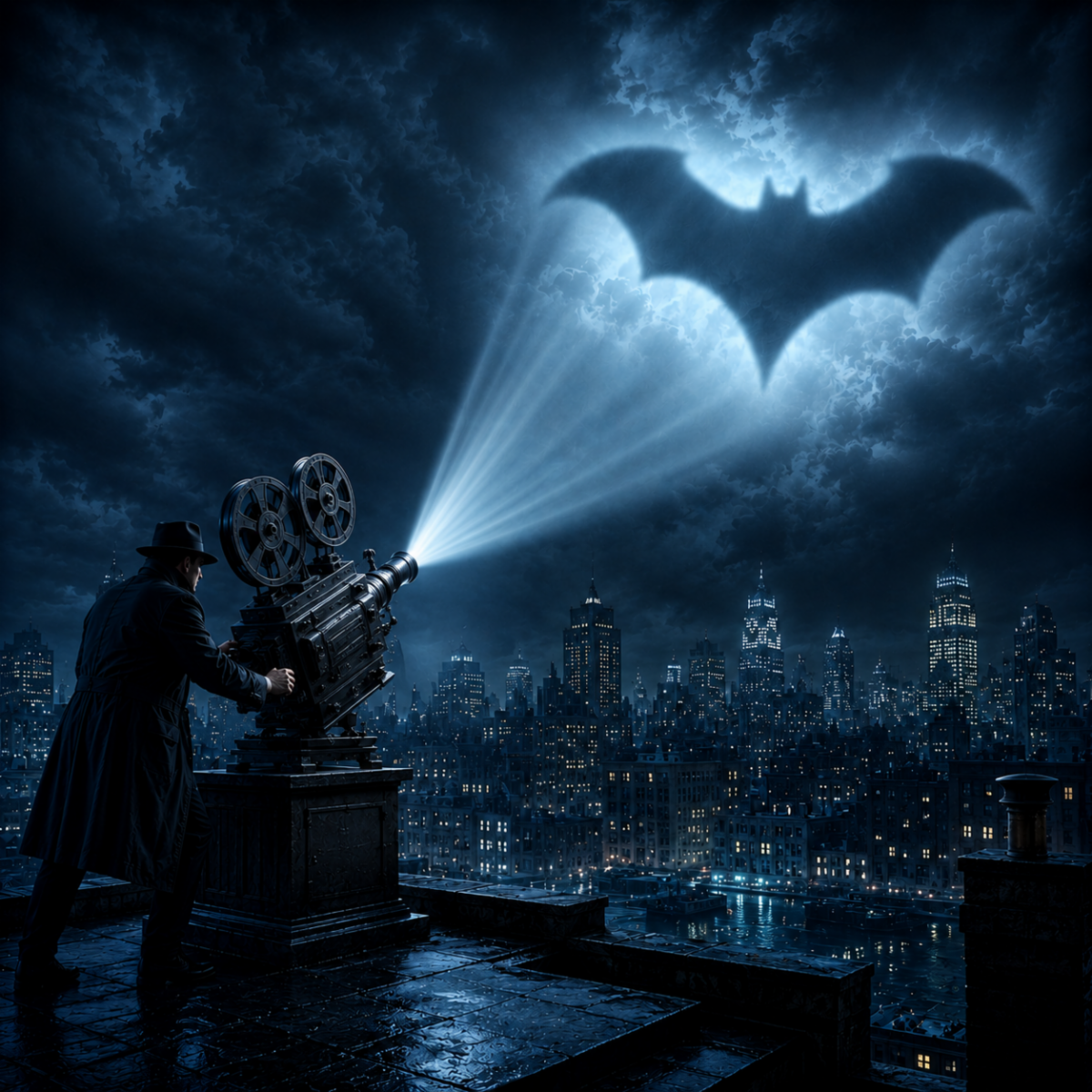
As one Mainspring supporter recently put it, it is time to “throw up the bat signal.” Mainspring is a nonprofit organization sustained largely by voluntary donations, along with residual income from film screenings and streaming services. Right now, donations have slowed to a minimum, even as two major documentary projects are well into production.
Both films have made significant progress, but completing them will require funding. Editing, archival work, licensing, and other production costs cannot move forward without support. We are asking everyone who has valued Mainspring’s films and mission to consider making a contribution now.
This need is urgent. Your support can help bring these important projects across the finish line and ensure that Mainspring’s work can continue. Use our PayPal donation link or any of the donation methods listed at the end of this newsletter.
| |
Celebrating Litchfield County's Modern Architecture
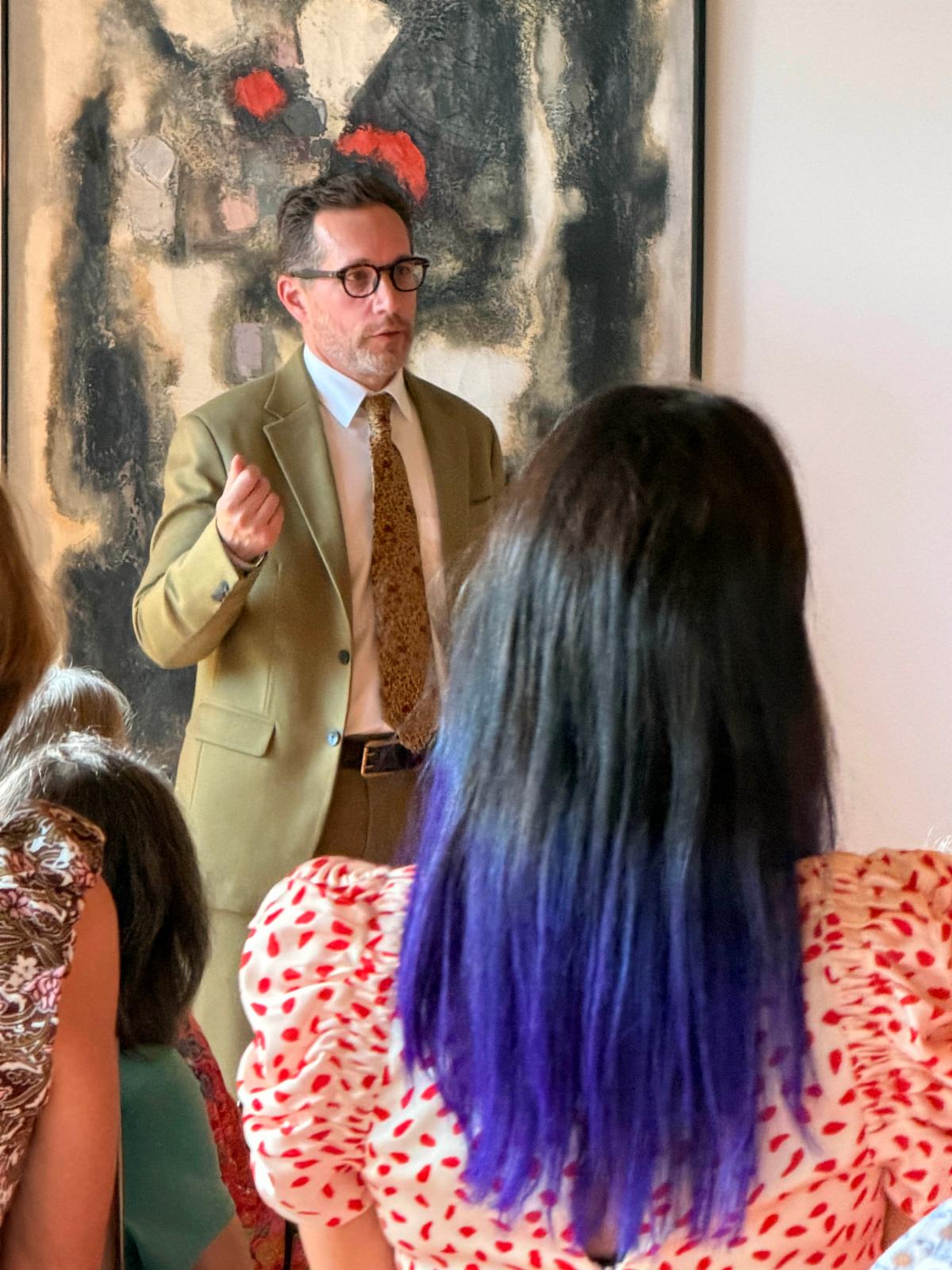
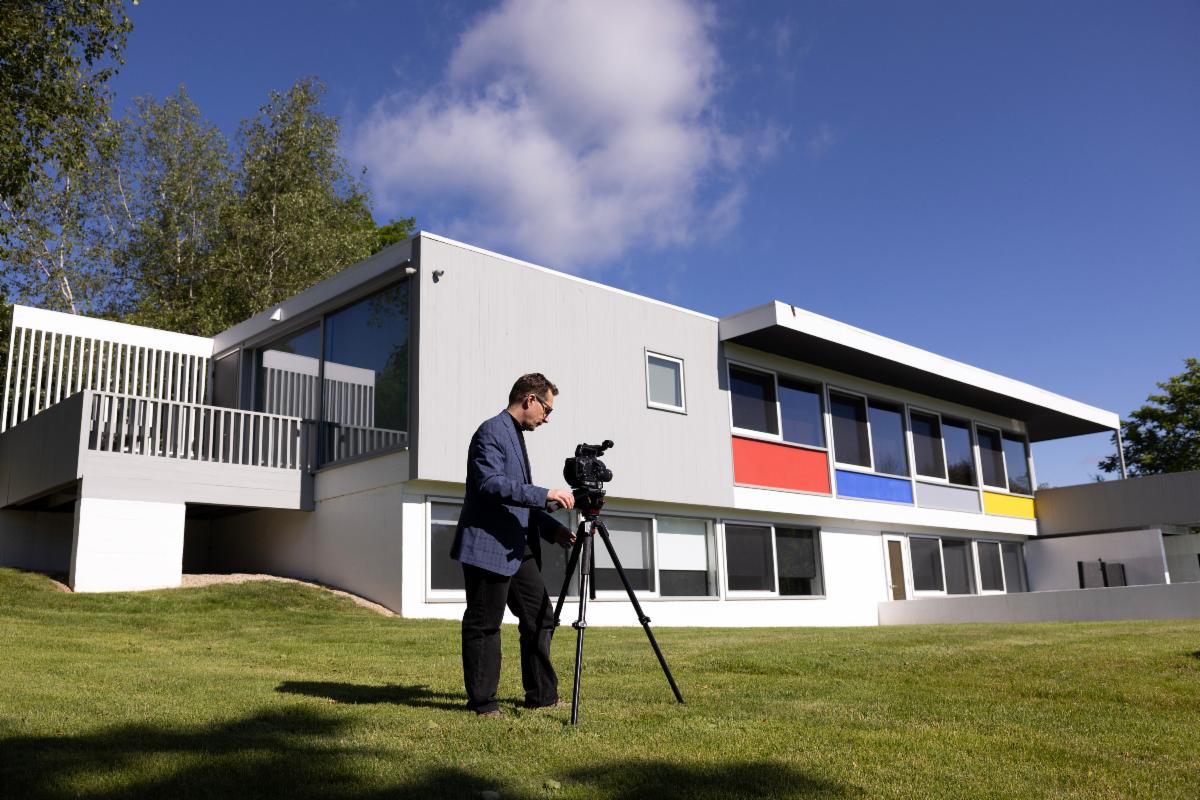
On July 10, 2026, Mainspring director Jake Gorst spoke at a fundraising event for the Oliver Wolcott Library in Litchfield, Connecticut. Held at the celebrated Gagarin House, designed by Marcel Breuer in 1956, the evening brought attention to Litchfield County’s remarkable concentration of culturally significant modern architecture.
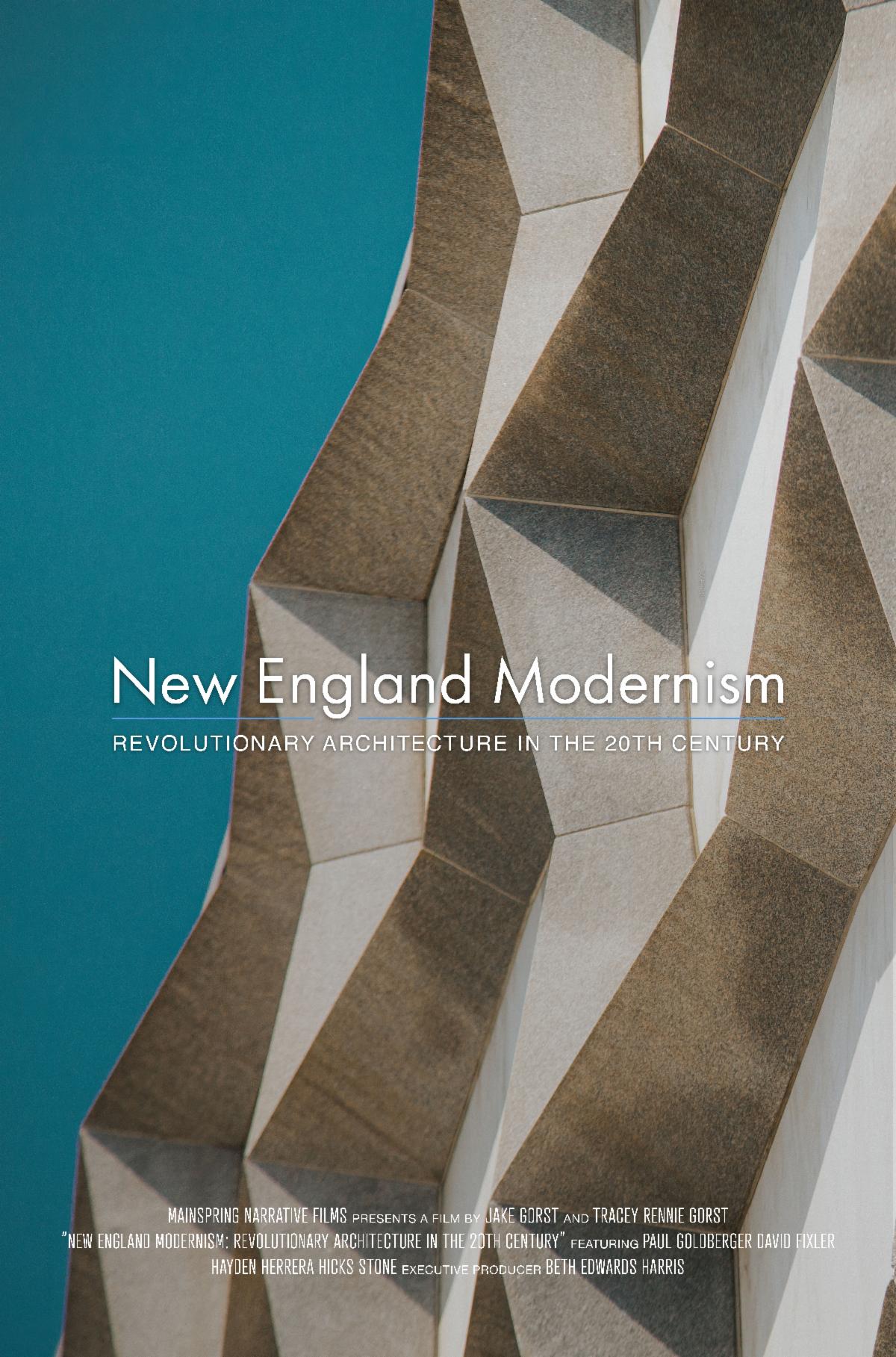
Gorst encouraged guests to recognize how rare it is for one community to contain so many important twentieth-century modern houses. The county includes work by Breuer, John Johansen, Eliot Noyes, Edward Durell Stone, Andrew Geller, Richard Neutra, Herbert Beckhard, and other notable architects. He also presented a clip from Mainspring’s documentary New England Modernism, illustrating the region’s architectural history and the importance of preserving it.
Gorst followed Ágnes Anna Sebestyén, art historian and curator at the Hungarian Museum of Architecture, who traced Breuer’s early years in Hungary, his work with the Bauhaus, and his influential career in the United States.
| | | | |
Help Us Qualify for Grants
This past month, Mainspring Narrative Films registered with MyGivingCircle, a platform that awards grants to charities, nonprofits, and community organizations throughout the year. To qualify for a grant, Mainspring must receive at least 2,000 votes from supporters.
Supporters can cast one free vote each week at https://mygivingcircle.org/mainspring-narrative-films-inc. Donations made through the portal also increase Mainspring’s total, with every dollar donated counting as one vote. Monthly giving may generate additional votes.
MyGivingCircle distributes $500,000 in grants annually. Votes for charities that do not win may carry over into the next round. Please use only a valid email address, since duplicate or false accounts are removed before grants are awarded. Every legitimate vote brings Mainspring closer to eligibility and improves our chances of receiving essential production support for our future documentary films.
| | |
Googie
October 7-11, 2026
Architecture Film Festival Rotterdam
Details coming soon
October 13-17, 2026
Architecture & Design Film Festival
New York, New York
More details and dates for other cities coming soon
New England Modernism: Revolutionary Architecture in the 20th Century
September 3, 2026
Oliver Wolcott Library
Litchfield, Connecticut
Details to come
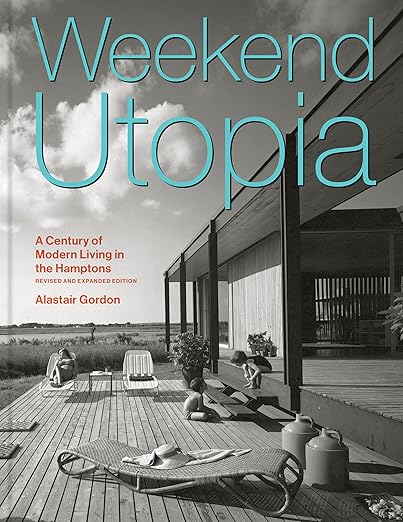
LI Modern: Funky Modernist: Andrew Geller
August 23, 2026, 3 PM-4:30 PM
Lecture by Alastair Gordon
LongHouse Reserve
133 Hands Creek Road
East Hampton, NY 11937
If you would like to sponsor an event please reach out to us at info@mainspringnarrative.org.
| | | | |
Help Preserve the Andrew Geller Archive with Our Amazon Wishlist
Packing and preserving the Andrew Geller archive requires the right materials. We need BOX USA square mailing tubes, measuring 37 by 3 by 3 inches, to safely store architectural drawings, blueprints, and other oversized documents. These corrugated tubes will help us continue organizing the archive and bringing its contents to the Paul Rudolph Institute for Modern Architecture in New York, where the materials are being scanned, indexed, and preserved for future research.
Anyone who purchases a pack through our Amazon Wish List will be listed in the thank-you credits of Goldfinger Geller Rudolph. The boxes will also appear in the film as we document the archive being unpacked and the drawings being scanned at the Institute, offering viewers a closer look at how these important materials are preserved.
| |
Cataloging the Geller Archive
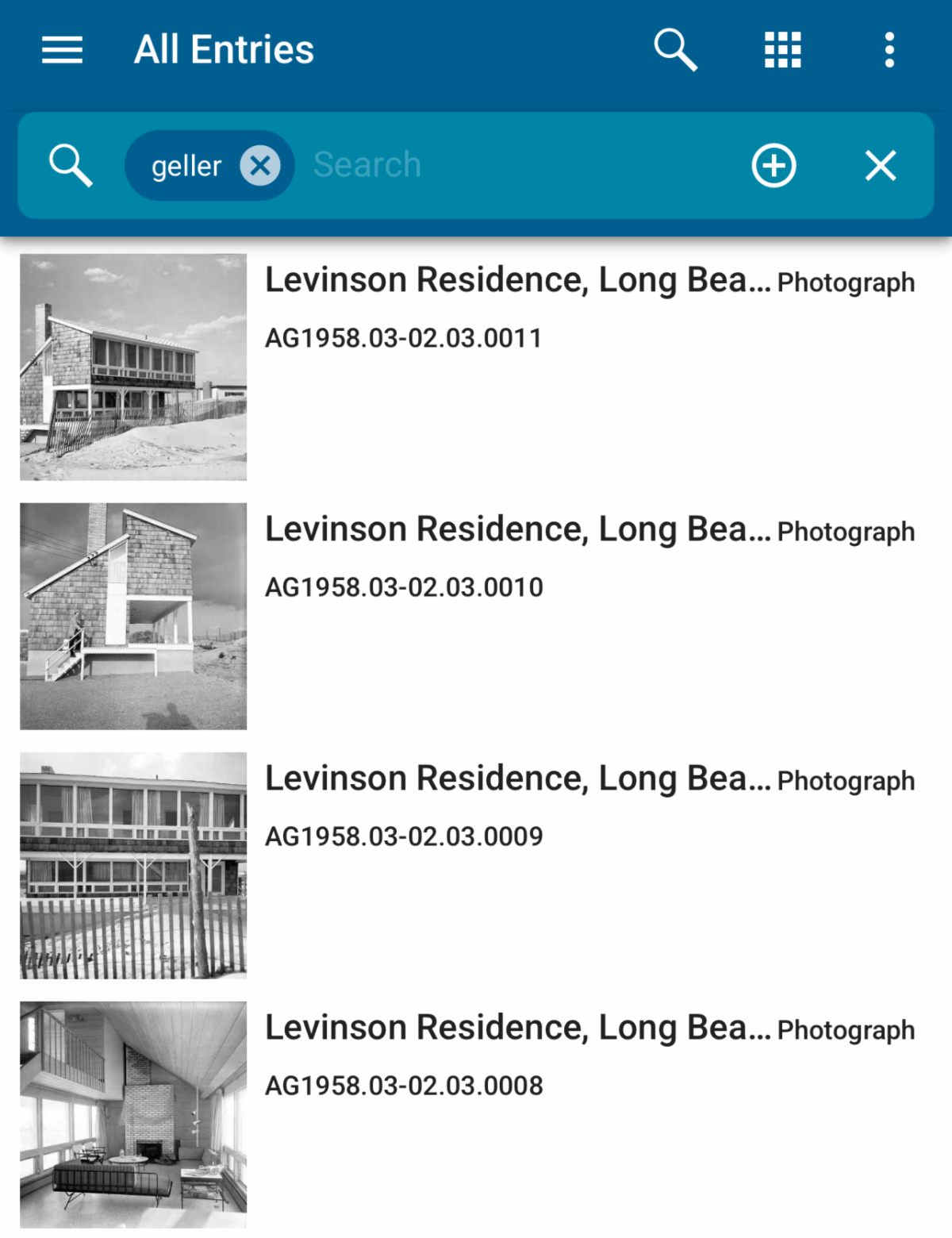
As materials from the Andrew Geller archive arrive at the Paul Rudolph Institute for Modern Architecture, staff members scan or photograph each item before adding it to CatalogIt. The collection includes drawings, photographs, correspondence, periodicals, models, and other objects connected to Geller’s life and work.
The Institute is also using the platform to catalog materials from the archives of Myron Goldfinger and Paul Rudolph. CatalogIt is a cloud-based collections management system that allows records to be viewed and updated from phones, tablets, or computers. Its image-centered interface helps staff identify objects, while multiple users can collaborate with customized access levels.
The platform can also link items to related people, places, materials, and historical events. Reports, printable labels, and internal QR codes further support the Institute’s long-term preservation and research efforts.
| | |
| | |
PLEASE NOTE!
Due to an upcoming surgery, director Jake Gorst will be unable to join architectural historian Alastair Gordon at LongHouse Reserve in East Hampton on August 23, as announced in a previous newsletter. Jake is disappointed to miss the event, but encourages anyone who can attend to do so. Alastair’s lecture, “LI Modern: Funky Modernist: Andrew Geller,” begins at 3 p.m. and will offer a lively, insightful look at Geller’s imaginative architecture and enduring influence. Jake expects to spend several weeks recovering while continuing his research, writing, and production work from home. He plans to resume in-person events sometime in September.
| | | | |
The Return of Desert Utopia
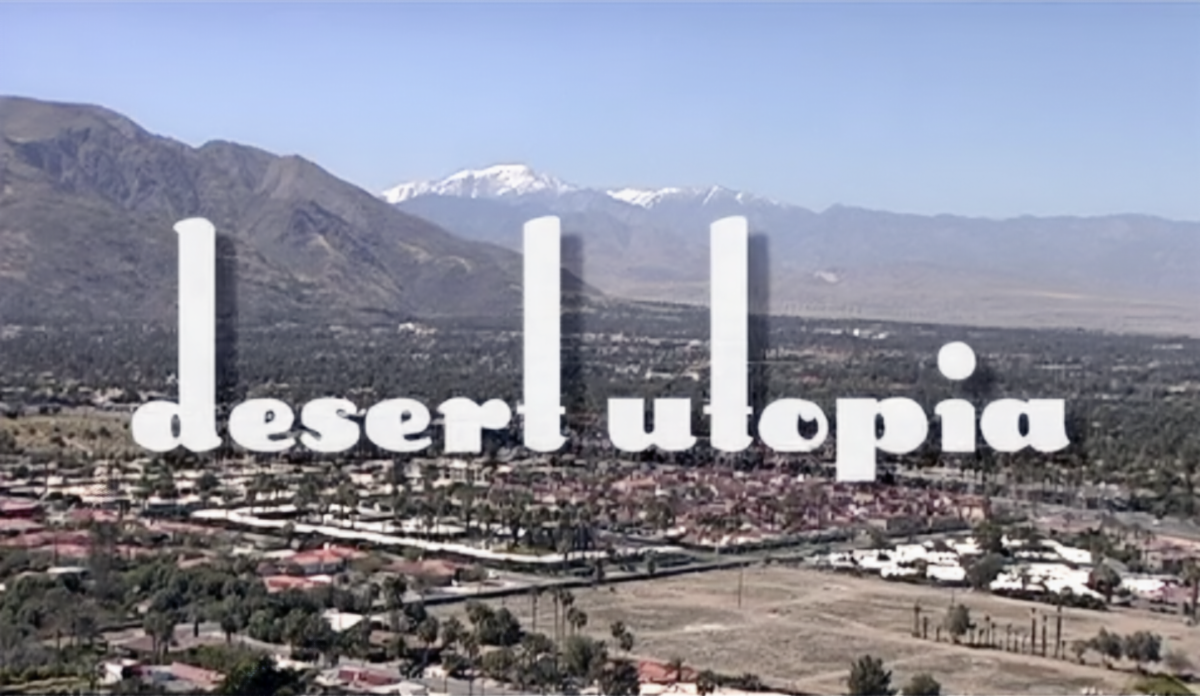
Mainspring Pictures is currently remastering the 2005 Design Onscreen documentary Desert Utopia: Midcentury Architecture in Palm Springs. The film is being carefully upscaled to 4K, allowing its architectural photography and interviews to reach audiences with renewed clarity. New screenings are being planned for 2027 and 2028. When the film premiered at the Annenberg Theater in Palm Springs in 2005, the event sold out, and a second screening was quickly added to meet demand. In the years since, “Desert Utopia” has remained influential, inspiring many to purchase midcentury homes and undertake sensitive restoration projects throughout the greater Palm Springs area.
| |  | |
Movie Film Perforations
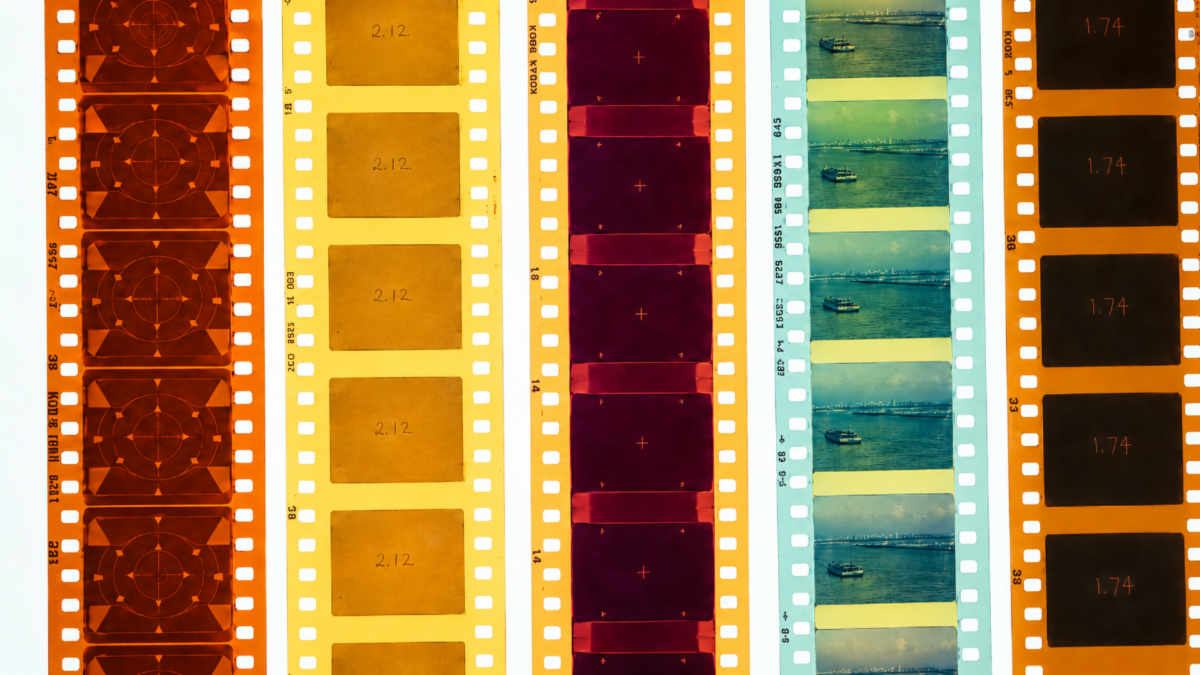
Perforations became essential when inventors needed photographic film to move through a camera without slipping. In 1888, French inventor Émile Reynaud patented his Théâtre Optique, which advanced a perforated band of hand-painted images. Soon afterward, William Kennedy Laurie Dickson, working in Thomas Edison’s laboratory, applied the principle to flexible celluloid film. Sprocket teeth engaged evenly spaced holes, advancing the strip a precise distance and holding each frame steady during exposure. Dickson’s system used 35 mm film, cut from wider Eastman stock, with four perforations beside each frame. This arrangement became the foundation of the international 35 mm motion picture standard.
| | |
Antonio Corsi and The End of the Trail
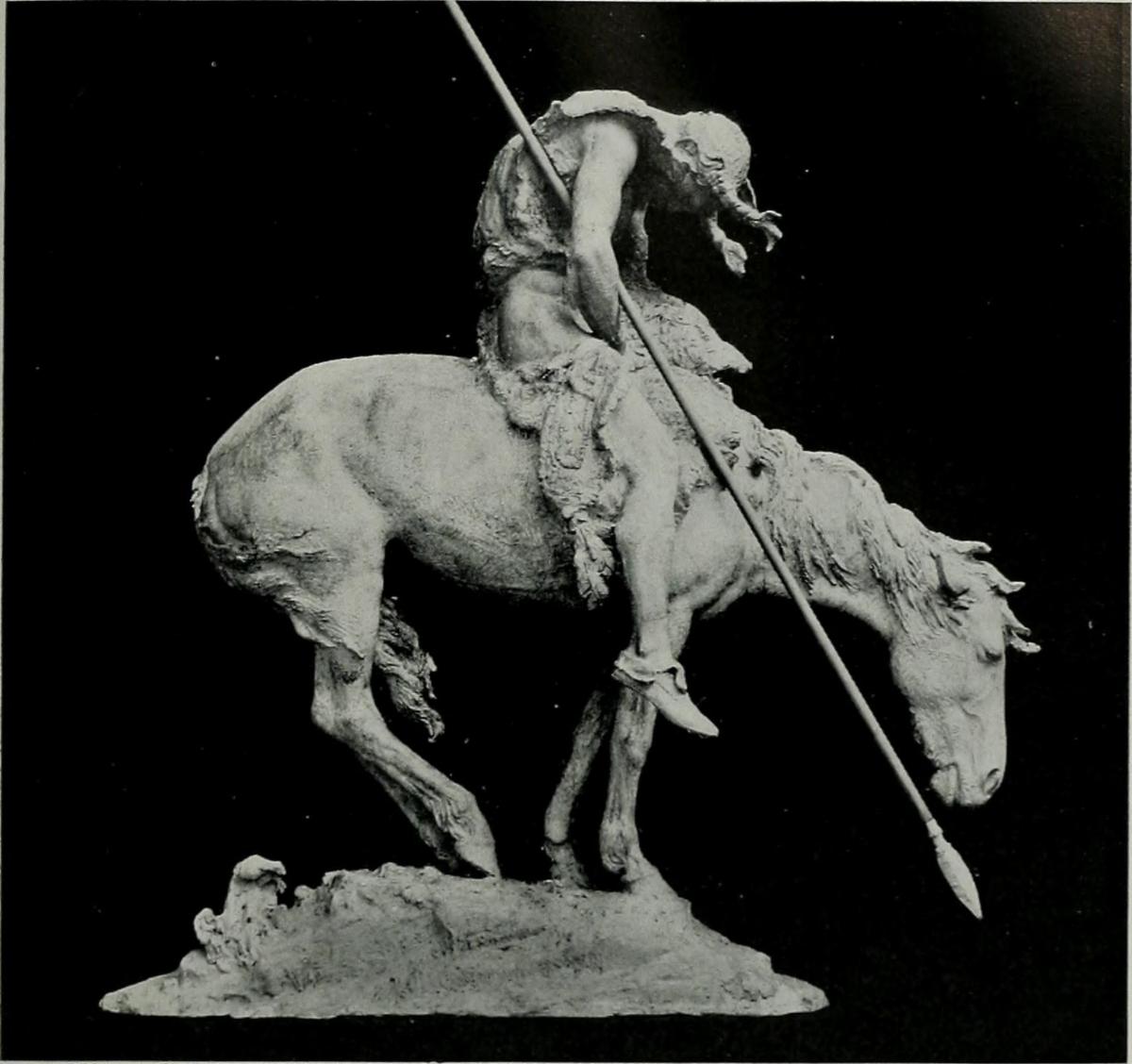
During the first decade of the twentieth century, while living near Washington Square, Antonio Corsi posed for sculptor James Earle Fraser. Those studies contributed to the composition that became The End of the Trail.
Corsi’s connection to the work was noted during his lifetime. In The McKinley Home Record on October 15, 1921, Florence Collins Porter wrote:
“The old organ grinder was none other than Signor Antonio Corsi, a noted interpreter of fully one hundred characters and who posed for the family statue, ‘The End of the Trail,’ exhibited at the San Francisco Exposition and now seen in nearly every home in the land.”
Fraser’s monumental sculpture was exhibited at the 1915 Panama-Pacific International Exposition. Its image of an exhausted Native American rider became one of the best-known representations of the American West. Both admired and debated, the sculpture remains an enduring symbol of displacement, loss, and the consequences of westward expansion.
Click here for more information about the upcoming Corsi film!
| | | Support the Power of Storytelling with Mainspring Narrative Films | | | | Mainspring Narrative Films is dedicated to preserving history, celebrating culture, and inspiring change through compelling documentary storytelling. As a 501(c)(3) nonprofit, our mission goes beyond filmmaking—we strive to educate, engage, and empower audiences while spotlighting stories that might otherwise go untold. | |
When you donate to Mainspring, you’re not just funding a film; you’re investing in the preservation of knowledge and heritage. Your support helps cover essential costs like research, production, and outreach, ensuring our films reach diverse audiences. It also allows us to take on unique projects, such as our recent exploration of modern architecture in New England, which bring overlooked topics to light.
By donating, you become a part of our mission to create meaningful change through stories that matter. Together, we can keep independent filmmaking alive and impactful. Join us in making a difference—your contribution truly counts.
| | Recent Supporters Include | | |
Devin Colman
The Community for Greater New Haven
Mark Davis and William Kopelk
Jamie Geller Dutra
Fidelity Charitable
Shelley and Ronald Friedman
Hamptons20thCentury
Jim Hilby
Susan Horowitz
Thomas Lavash and Christopher Budd
Paul Lorton Jr.
Charles Mallory
James and Linda Mchenry
Tina Miller
Palm Springs Modernism Week
The William H. Pitt Foundation
George Smart
Peter Swanson and Robert Gregson
US Modernist
We are so grateful. Thank you!
| | | | |