PROGRAM AND REGISTRATION NOW AVAILABLE!


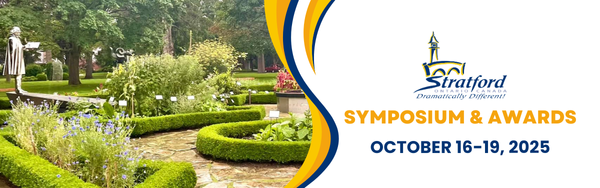
Join Us in Stratford, Ontario for the 31st Communities in Bloom Symposium & Awards!


Stratford, a founding CiB community with over 30 years of history, provides a stunning backdrop for this celebration. Renowned for its cultural vibrancy, picturesque gardens, and rich history, Stratford offers something for everyone. Stroll along the scenic Avon River, explore award-winning parks and trails, and enjoy the warm hospitality of a city that embodies the CiB spirit.


Don’t miss this opportunity to connect, learn, and be inspired as we honour the communities making a difference in greening and beautifying the world around us. See you in Stratford!

HOST HOTEL: 


Best Western Plus The Arden Park Hotel

552 Ontario Street

Stratford, Ontario N5A 3J3

Phone 519-275-2936 Fax 519-275-2938 

Reservations please call: 1-877-788-8818


When reserving, please specify “Communities in Bloom” room block

Group room rate : $249.00- $329.00 CAD per night plus applicable taxes


Accommodations are limited in Stratford due to the popular theatre scene. Book early to avoid disappointment!


Reservation deadline : June 15th 2025


THANK YOU TO OUR EVENT SPONSORS 

AND LOCAL VENDORS

CiB TESTIMONIAL

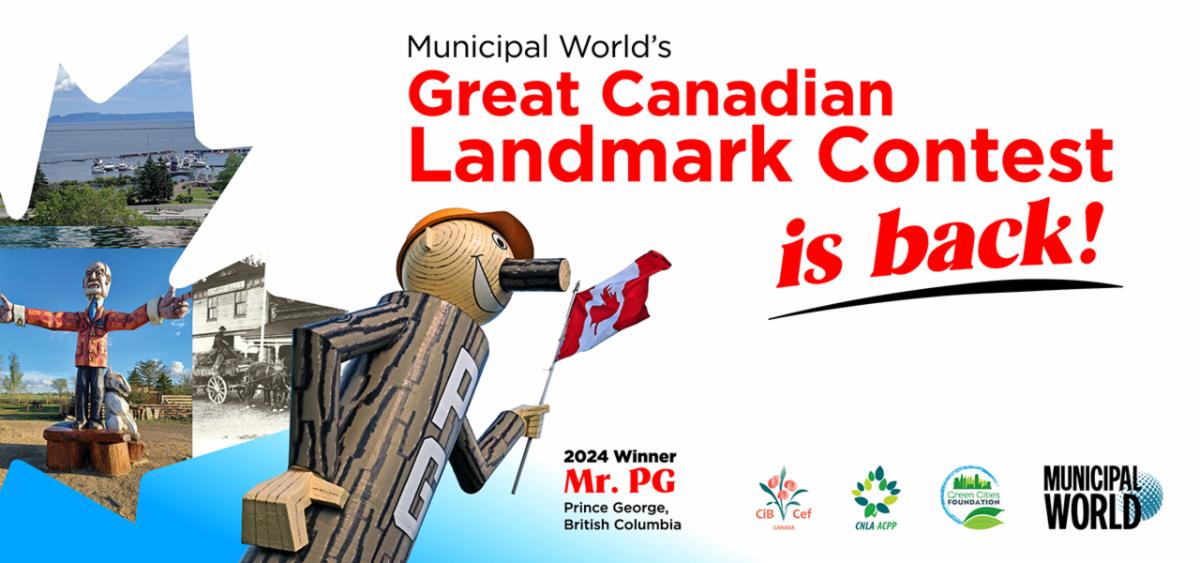
GREAT CANADIAN LANDMARK CONTEST

We’re incredibly proud to be part of Municipal World's Great Canadian Landmark Contest! Get ready to showcase your hometown pride and celebrate the places that make Canada shine!


Now in its second year, this exciting contest invites you to share your favourite #landmarks and help put them on the map. Let’s show the world what makes Canada so special.


Submit your entries by August 15th and don't forget to cast your vote! The winner will be announced at the Symposium & Awards in Stratford!

2025 GRO FOR GOOD PROGRAM


2025 Grant Recipients


Interfaith Food Bank Society of Lethbridge AB 

Project name: Interfaith Learning Garden


Hammond River Angling Association NB   

Project name: HRAA's Edible Food Forest


South and Central Health Foundation NL  

Project Name: Green Thumb Gardening Program


Rural Community of Alnwick NB  

Project Name: Alnwick Community Garden


Strathmore High School AB  

Project Name: Fruitful Futures


Congratulations on receiving the 2025 Gro for Good grant. We can't wait to see how your community gardens comes to life!

SOUPALICIOUS

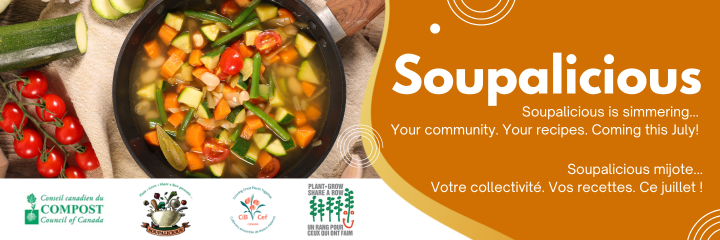
Soupalicious is simmering… and it smells amazing! This July, we're teaming up with the Compost Council of Canada, Soupalicious, and Plant • Grow • Share a Row to serve up a heartwarming celebration of edible gardens and community spirit. Got a garden-to-bowl soup recipe? We want to hear from you — stay tuned for more information!

6 STEPS TO A SUSTAINABLE VEGETABLE GARDEN

1.Choose crops with short shelf lives to reduce food waste

Did you know vegetables and fruit make up 45% of Canada’s food waste? Growing your own ensures fresh harvests when you need them, instead of spoiled vegetables in the fridge or grocery store. Growing crops with short shelf lives like baby leaf lettuce, spinach, arugula, cilantro, parsley, or dill goes a long way to reducing waste.


2. Choose crops commonly sold in packaging to reduce plastic use 

Did you know plastic food packaging makes up 1/3 of all plastic packaging in Canada? Crops commonly packaged in plastic like English cucumber, cauliflower, herbs, and strawberries can easily be grown at home.


3.Grow by seed to eliminate plastic in the garden

Starting seeds at home by direct sowing or seed starting indoors can eliminate the plastic pots and peat produced when you purchase from the store – and save you money. Ditch plastic by exploring earth-friendly tools such as soil blockers, hemp fibre cubes, CowPots, coco coir, potmakers or re-using toilet paper rolls and empty yogurt containers.


4.Grow organically without pesticides

Instead of reaching for organic or synthetic pesticides at the first sight of pests like aphids or spider mites, you can plan ahead for natural pest control by inviting predator insects into your garden through companion planting.

Adding umbelliferous flowers and herbs, such as cilantro, dill and yarrow which produce scores of tiny nectar-rich flowers on an umbrella-shaped plane, can attract beneficial insects that eat pests. 


In addition, a trap crop such as nasturtium that is highly attractive to pests can be planted near, but outside, of your vegetable garden to help you monitor levels of pests in your garden and provide a bank of food for predator insects.

Physical barriers such as floating row cover can exclude pests like cabbage moths from your brassicas to prevent damage, naturally. 


5.Grow organically without synthetic fertilizers 

Rather than showering plants with synthetic fertilizers which provide big boosts to foliar growth only short term and long term harm the network of roots, microbes and soil below ground, we can build living soils where plants thrive. 

No-till gardening increases carbon, soil structure and microbial life, and decreases weeds. We can plant directly into compost or manure added on top of garden beds.


Adding leaf mulch in the fall and planting cover crops such as fall rye, buckwheat, or fava beans when crops are finished ensures there is habitat and roots in the ground for soil life. 


Create your own compost with a backyard compost pile, bokashi composter in the kitchen, or worm composter for natural fertilizers.


6.Practice Water-Wise Gardening

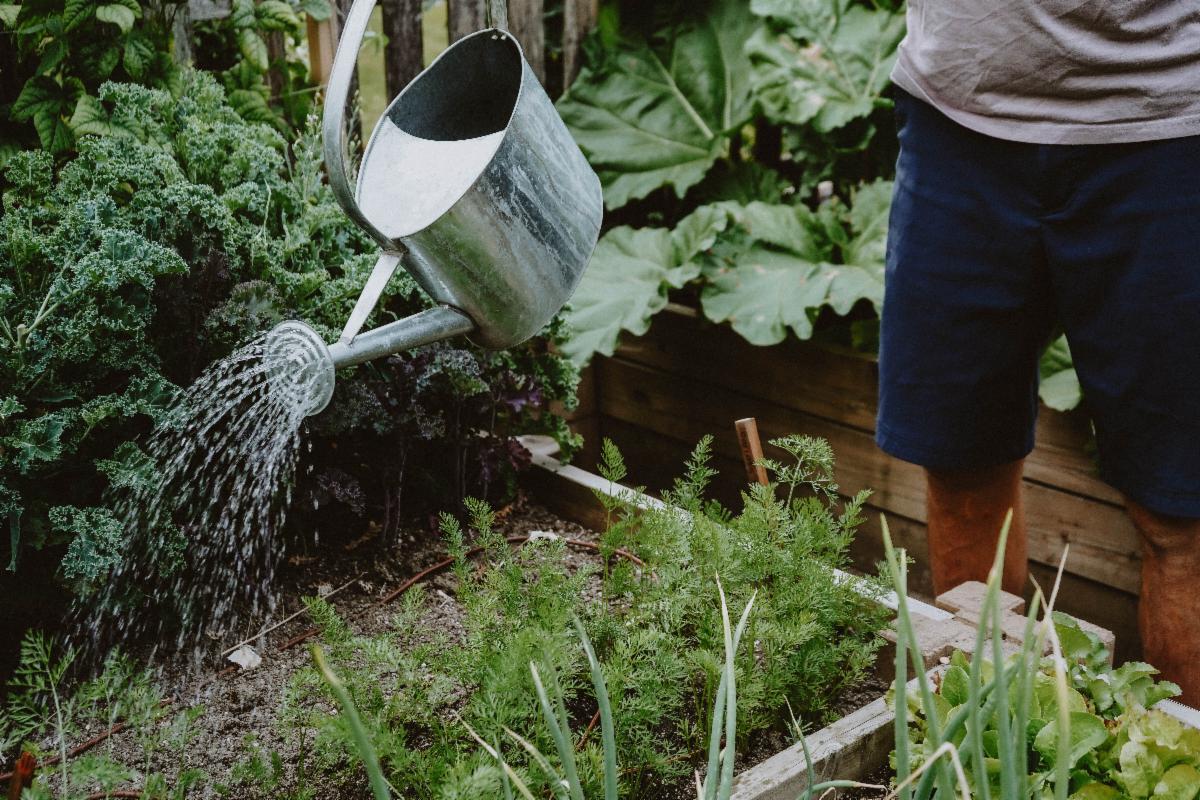
Water early when soil is coolest for less evaporation. Water less frequently, but more deeply to encourage deep roots. Water the soil, not plants to reduce evaporation. Mulch to help conserve water in the soil.

You can take it a step further by capturing water in dedicated rain barrels. Or experiment cycling or storing water with hydroponics or self-watering reservoirs.


Thank you West Coast Seeds for being a Bronze Bloom sponsor

at our 2025 symposium!

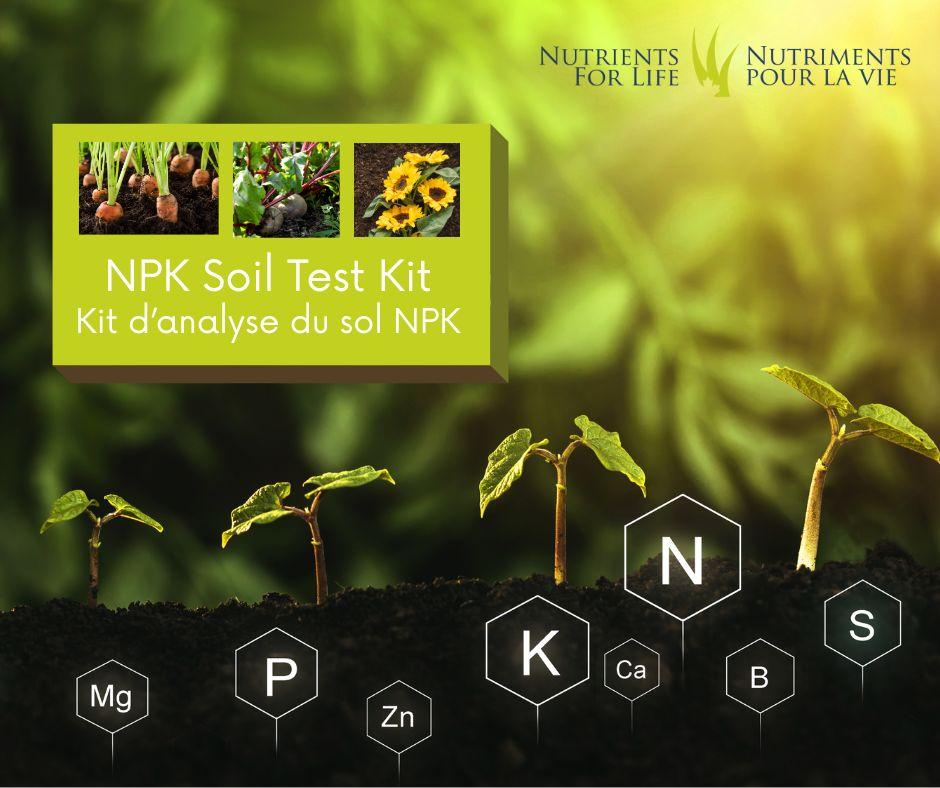
NUTRIENT RICH SOIL!

Nutrients for Life is celebrating Communities in Bloom’s year of the edible garden. Growing and cooking produce that is nutritious helps us to be healthy. Some key nutrients our garden produce provides us are nitrogen, phosphorus and potassium. Nitrogen helps to build body tissues and muscles; phosphorus makes bones and teeth strong and assists in energy storage in our cells.

Potassium works to regulate fluid levels in our body as well as transport electrical impulses along nerves.


What is the ultimate source of these nutrients? Soil.


Plants take in nutrients from the soil. They require 17 different nutrients/elements in order to grow to their potential. Many of these are the same nutrients we require to be healthy. Nitrogen, phosphorus and potassium are nutrients plants need in large quantities (macronutrients). Plants access these nutrients from the soil via their roots.


To keep our soil healthy and with the ability to provide enough nutrients for next year’s crop, we need to ensure that nutrients are replenished to the soil before the next growing season. Gardening sustainably means practicing the 4R Nutrient Stewardship (4Rs) which ensures we put the right amount and type of nutrient at the right time and in the right place. This all starts with testing your

soil to see which nutrients are present and what may be missing. Then choosing the source that you will use to replenish the nutrient(s) such as compost, manure or fertilizer.


Have you tested your soil lately?


Nutrients for Life would like to give you an opportunity to keep your garden soil healthy and productive. Download the activity sheets (available in both official languages) and share them with your youth, complete them and enter to win a Soil Test Kit (Value $65). You must submit 5(five) completed activity sheets to be able to enter the draw.


Deadline is June 13th, and the winner will be contacted by June 30th, 2025.

#GREENMYCITY GRANT

Congratulations to the first group of recipients for the 2025 #GreenMyCity program! These outstanding projects span across Canada and reflect a strong commitment to connecting plants and people for a greener, healthier, urban climate. More exciting announcements to come as additional projects are finalized—stay tuned!

As a proud CiB community, Bruderheim welcomed volunteers and Town staff who came together last July to plant 37 trees as part of a #GreenMyCity project. Located in the recreation area of the Bruderheim Agricultural Society grounds, this popular community park now features more greenery, shaded spaces, and improved habitat for local wildlife!


The Green Cities Foundation is now accepting #GreenMyCity project applications for 2026!

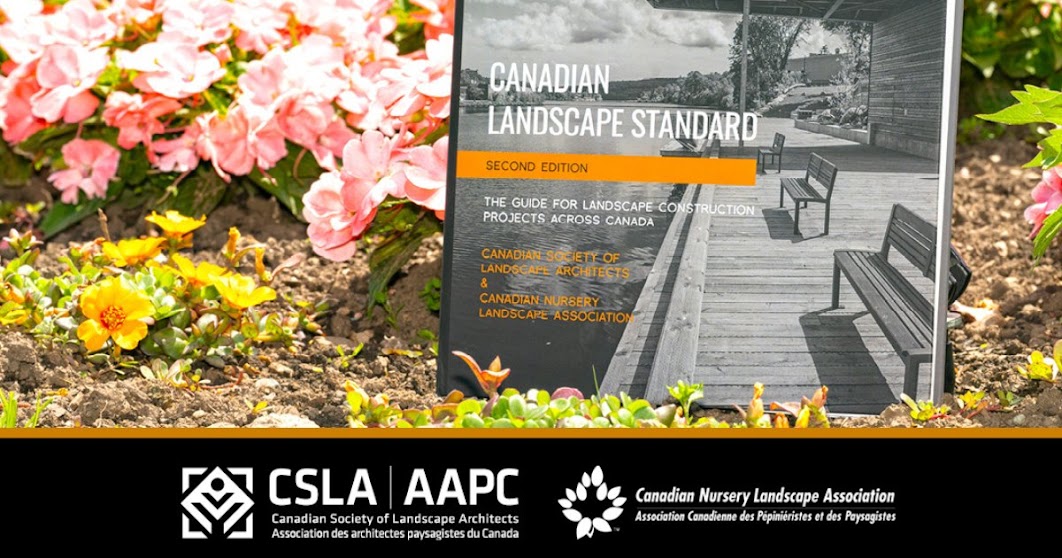
CANADIAN LANDSCAPE STANDARD - SECOND EDITION

THE GUIDE FOR LANDSCAPE CONSTRUCTION PROJECTS ACROSS CANADA

Completely revised and enhanced, the CLS is an indispensable tool to the success of any landscape project that is designed, built and maintained to this nationally recognized standard. 

ALWAYS TOGETHER ROSE

COMING TO MARKET IN 2026

FCM

FCM’s Annual Conference and Trade Show is almost here! We’ll be in Ottawa on the trade show floor May 29–June 1. A special shout-out to Desert Planters by Equinox, who has generously agreed to share a booth with Communities in Bloom this year. Their support means so much to us, and we’re excited to team up together and make this event even more memorable. Make sure you visit our booth—we’re here to help your municipality with tools and innovative ideas.

Do you have a great volunteer you'd like us to celebrate?
Send the information to bloom@cib-cef.com and we'll feature them in an upcoming e-News, or on Social Media!
 
 
Facebook  

If you have any questions, please contact: 

Sonia Parrino

Program Specialist

1-514-694-8871

 bloom@cib-cef.com 

 
Facebook  Instagram  Twitter  Youtube  
Communities in Bloom is made possible by the generous support of our
sponsors and partners. We wish to thank them for their contribution
to the quality of life and civic pride in Canadian communities. 
Major Sponsor
Founding Sponsor
National Sponsors
Partners
You are receiving this email from Communities in Bloom, a national non-profit organization with charity status. For comments or questions, please contact us at