View this email in your browser

 
Gaples Institute logo
The words "Rhapsody in Blue" appear on a background of animated blueberries

You’ve no doubt heard the advice to "eat the rainbow"—because the colorful pigments in foods offer a variety of health benefits. But blue and deep red foods deserve special attention.

Even if you already know that foods like blueberries are good for you, there's much more to explore—including other surprising foods with unique health-promoting properties and simple, delicious ways to add them to your diet.

What's Special About Blue (and Deep Red) Foods?

Many blue and deep red foods owe their hues to anthocyanins, a group of natural plant compounds. These striking pigments have a wide range of potent biologic properties. Anthocyanins set in motion a chain of chemical reactions that helps arteries to relax and widen, allowing more blood flow to vital organs.


Anthocyanins can also help tamp down inflammation and limit the buildup of toxic chemical byproducts that can damage cells. They also nourish beneficial bacteria in our gut that contribute to a healthy microbiome. 


How Might These Foods Benefit Your Health?

 
Heart overlaid with a teetering caution symbol

Reducing Heart Risks

Four or more servings per week of blueberries and strawberries were linked to a 34% lower risk of heart attack.

 
Brain with gears turning to symbolize thinking

Preserving Your Brain Health

In a long-running study, people in the highest anthocyanin intake group had a 76% lower risk of developing Alzheimer’s disease and related dementia than those in the lowest-intake groups. Blueberries are among the foods emphasized in the MIND diet, shown to slow cognitive decline in aging. 

Body silhouetted against pulsing red circular background

Easing Inflammation After Exercise

Consumption of anthocyanin-rich foods, including blueberries and tart cherries, was associated with a significant decrease in circulating markers of inflammation after exercise.


High-Anthocyanin Foods

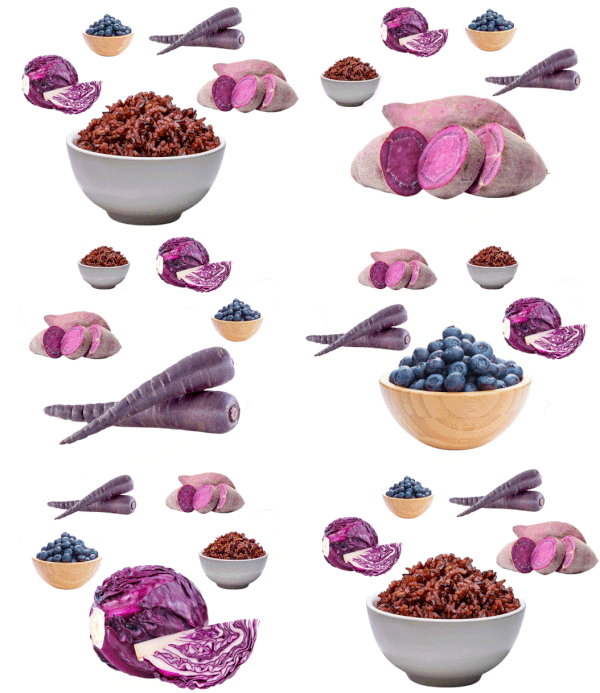
Animated carousel of purple carrots, red cabbage, purple rice, purple potatoes, and blueberries

Berries are among the most familiar sources of anthocyanins, with blueberries the clear leader. Blackberries also provide substantial amounts, followed by raspberries and strawberries.


Beyond berries, several surprising foods contain appreciable amounts of anthocyanins. Did you ever wonder why some carrots, potatoes, and cabbages are purple? It’s all about anthocyanins.

Some purple rice varieties are also rich in anthocyanins. One example is Riceberry, a deep purple whole-grain rice from Thailand (thanks to Dr. Walter Willett for bringing it to our attention!). A cross between jasmine rice and a local purple variety, it has a slightly sweet flavor and a soft, pleasantly chewy texture. Try it in a grain bowl or as a colorful alternative to your usual rice.

Frozen Berries Hold Their Own

Frozen berries are often less expensive than fresh and can reduce food waste because portions can be used as needed while the rest remain frozen. The good news is that blueberries retain their anthocyanins even after three months of frozen storage. They’re also a convenient addition to smoothies—no thawing needed.

Blended Berries Still Deliver

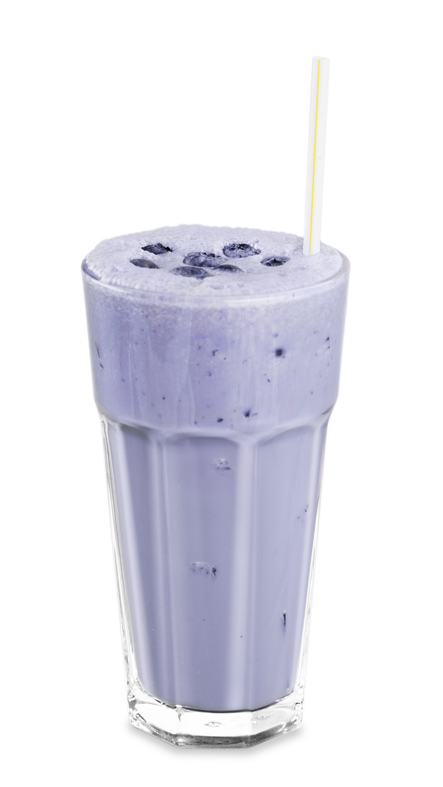
A frosty glass full of blueberry smoothie

Good news for smoothie lovers: blending blueberries may help release their anthocyanins during digestion. Research shows that blended blueberries released more of these beneficial pigments during digestion than chewed whole blueberries. Together with the evidence that freezing preserves substantial anthocyanin levels, this makes frozen blueberries an appealing option for smoothies.


Go Blue!

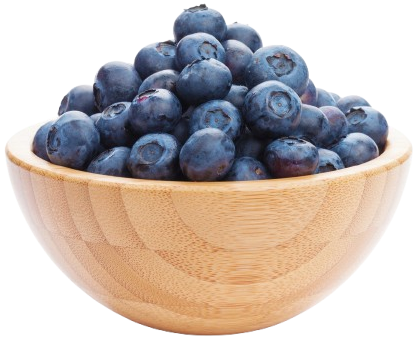
Serving of blueberries in a bamboo bowl

Aim for a cup of blueberries most days of the week, either fresh or frozen: a great addition to breakfast, mixed into a smoothie for lunch, or as an after-dinner dessert. You’ll be making a big step forward for better health…and deliciously at that!

Personal Note from Gaples Institute Executive Director, Dr. Devries:


At the University of Michigan (my alma mater), medical students include blueberry picking as part of their incoming student orientation. What a great start to their medical training and the perfect way to Go Blue!


Anthocyanin Splendor

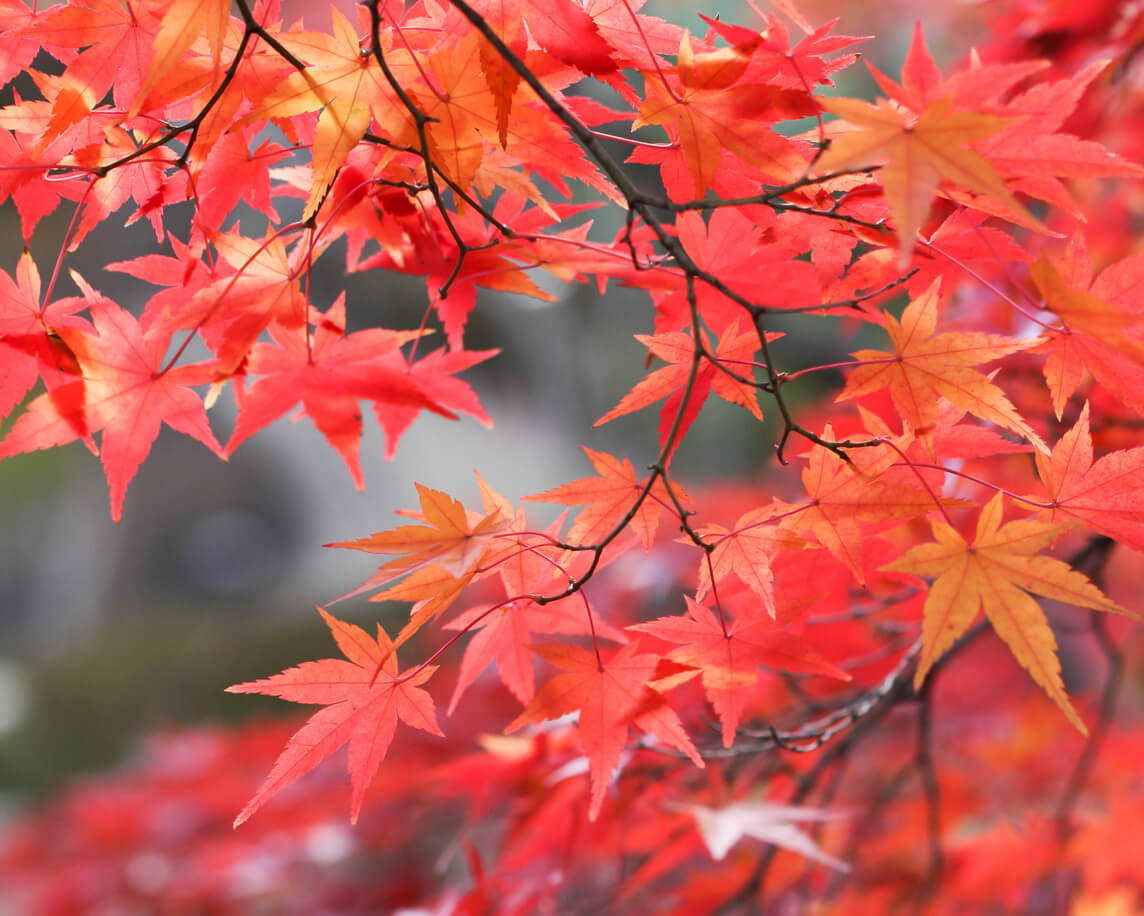
Tree branch with vibrantly colored fall leaves

Humans aren't the only ones who benefit from anthocyanins! During the fall season, chlorophyll production slows and leaves become less able to use sunlight, making them more vulnerable to its damaging effects.


During this vulnerable period, many trees produce anthocyanins that help protect their leaves from sun damage, creating striking red and magenta foliage.

 
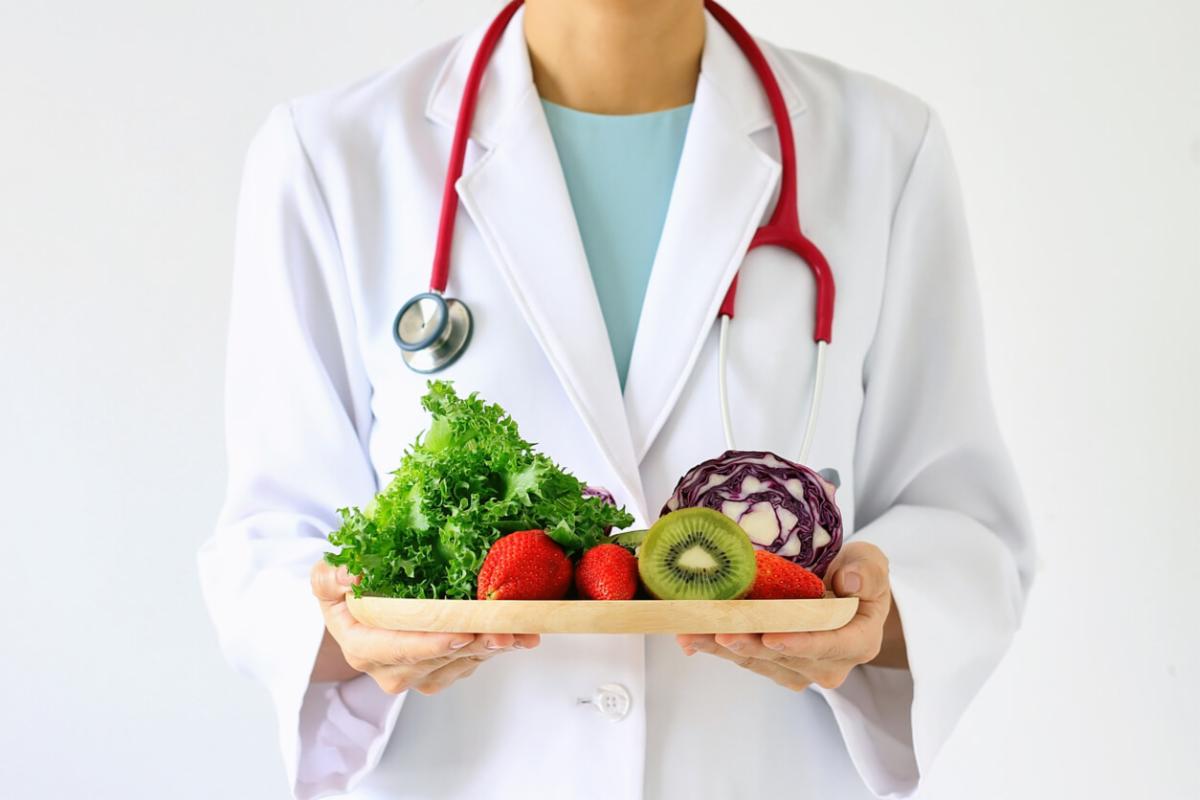
Cardiologist holding a tray of colorful fruits and vegetables

Gaples Institute Gains Ground in Cardiology Fellowships


In addition to its widespread adoption by medical schools, the Gaples Institute’s nutrition course for health professionals is now being used in nine cardiology fellowship training programs: 


  • Harvard's Brigham and Women’s Hospital
  • University of Michigan
  • University of Rochester
  • Northwestern University
  • Georgetown University
  • Emory University
  • University of Florida
  • Kaiser Permanente (Los Angeles)
  • Loyola University


Diet is central to heart health, yet nutrition has historically received limited attention in cardiology training. It’s encouraging to see this progress!


Follow us on social media for news and tips on healthy nutrition and lifestyle!

Facebook  LinkedIn


The Gaples Institute logo, alongside the words: "A physician-led educational nonprofit devoted to advancing the role of nutrition and lifestyle in healthcare."

Home | Donate | Contact Us