Fall 2026 Quarterly Newsletter


Dear Friends,


As our second year of universal screening continues, we have so much to be thankful for.


The impact we’re seeing across California began with the patience, generosity, and trust of our research partners—and with the teachers who welcomed us into their classrooms, shared their experiences, and helped us learn. We are also deeply grateful for the State of California’s renewed investment in Multitudes, which allows us to continue offering our platform at no cost to California public schools.


At the heart of our work is something very simple: we are here to support teachers. We want to make their work a little easier by providing meaningful information, practical tools, resources, and support to help every child on their journey to becoming a reader.


We hope you’ll continue learning alongside us. Your experiences, questions, and feedback help us improve and ensure that what we build truly reflects the teachers, children, families, and communities we are here to serve.


We wish you and your communities a warm and joyful fall season.


Francesca Pei, COO Multitudes


Strengthening Your Practice


Register for Fall and Winter Webinars Below:

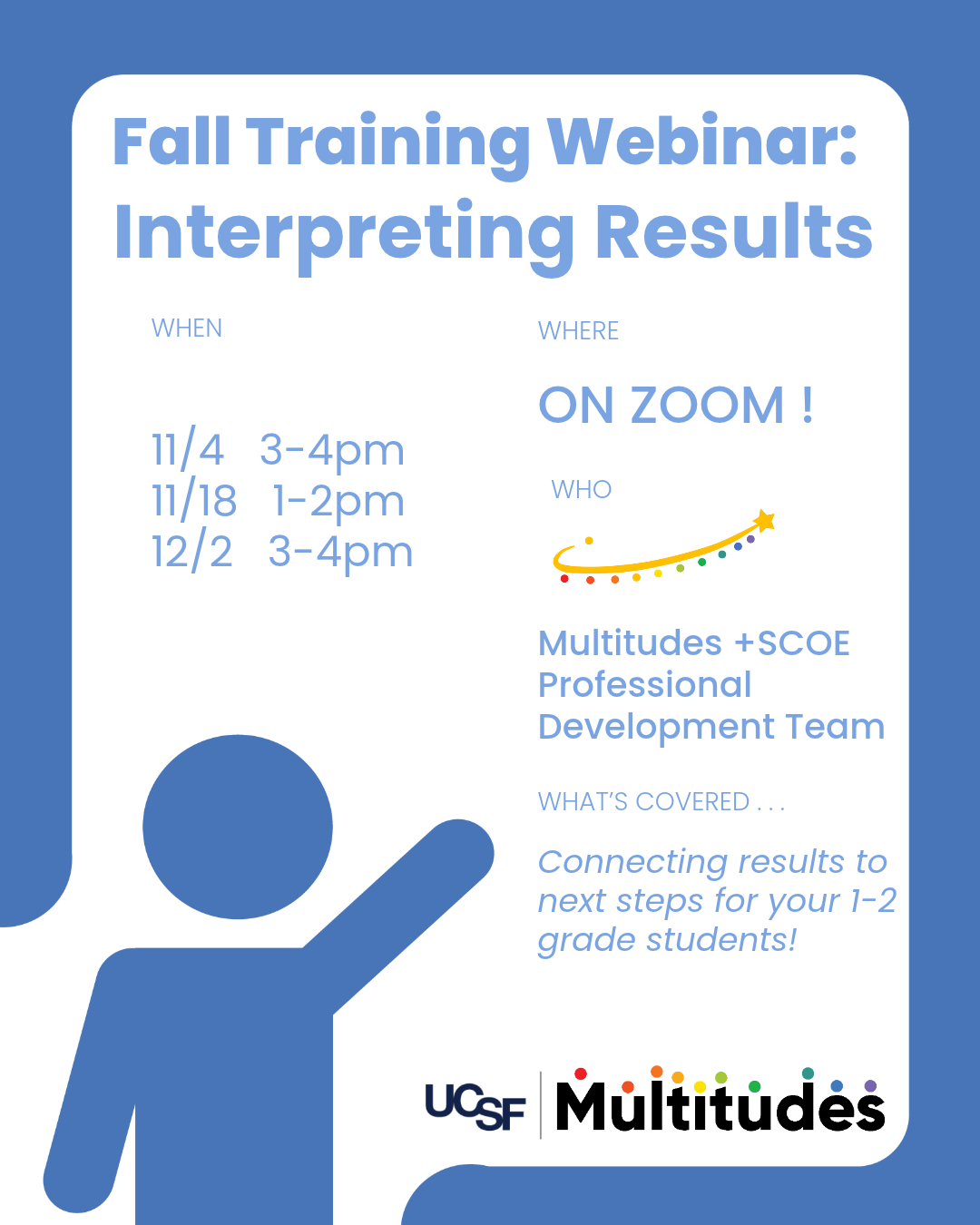
Interpreting Results November 4, 3pm

Interpreting Results November 18, 1pm

Interpreting Results

December 2, 3pm

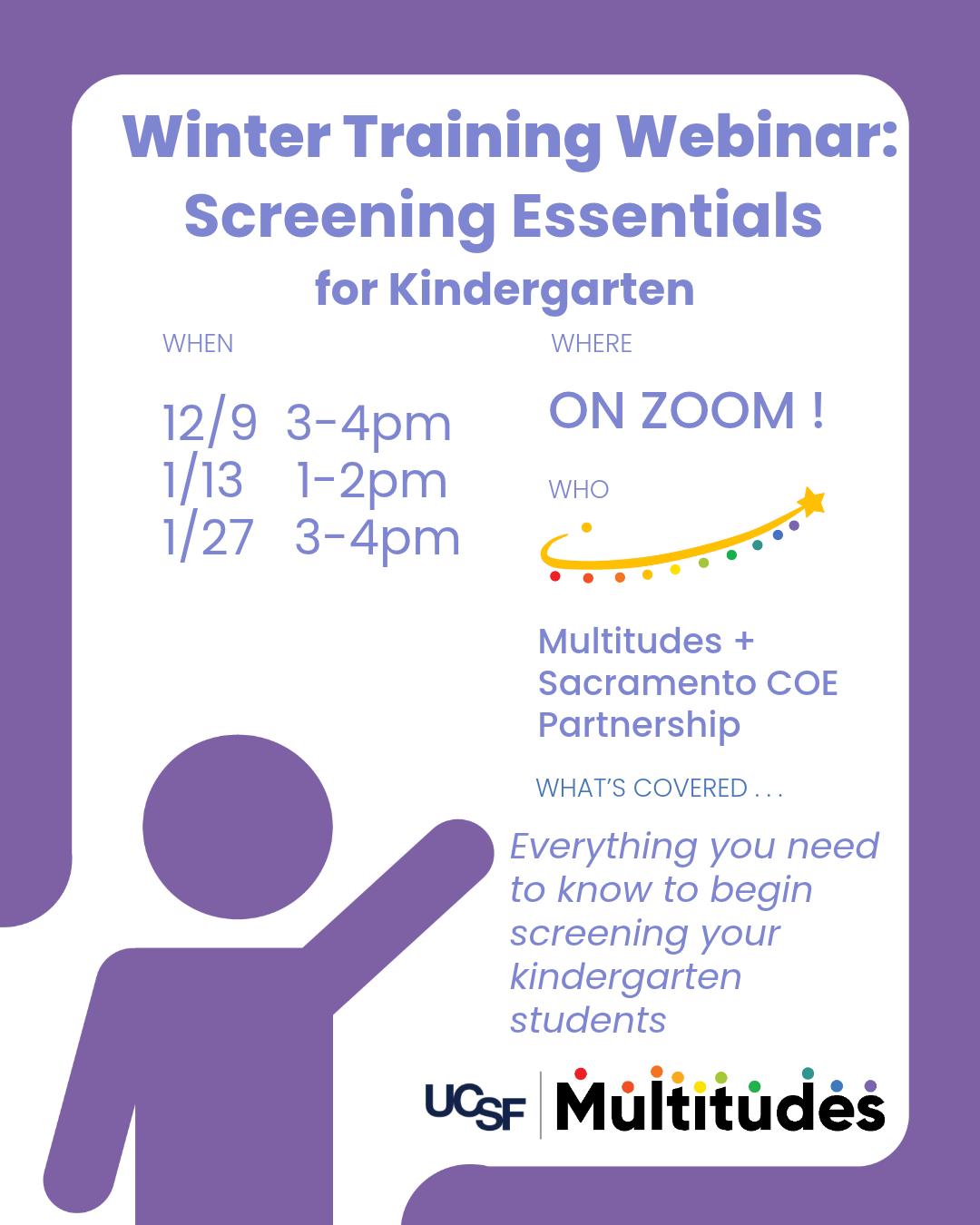
Screening Essentials for Kindergarten

December 9, 3pm

Screening Essentials for Kindergarten

January 13, 1pm

Screening Essentials

for Kindergarten

January 27, 3pm


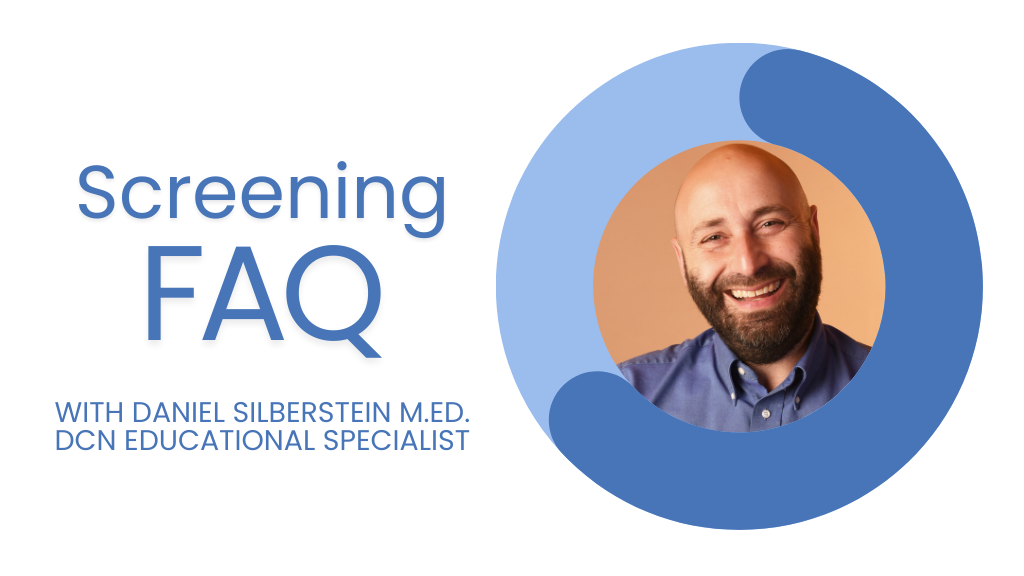
FAQ From the Field

Daniel Silberstein is an Educational Specialist with the Diagnostic Center of Northern California (DCN-CDE) and a former Director of Oakland Unified School District's Reading Clinic. With over 20 years in special education and literacy intervention, and through his work with the California Dyslexia Initiative, he shares knowledge and practice guidance for educators. Watch this space!

____________________________________________________


Q: If a student was screened in kindergarten using UCSF Multitudes and was not identified as "at risk," do they still need to be screened in first and second grade? Why?


Thank you for asking this important question about the Reading Difficulties Risk Screener (RDRS) screening process. Yes, the student must be screened in first and second grade, even if they were screened in kindergarten and identified as "not at risk."


Here is why, from both a legal compliance standpoint and a developmental perspective.


Annual Screening Requirement: Under EC 53008(e), local educational agencies (LEAs) serving students in kindergarten, grade 1, and grade 2 must assess each pupil annually in each of those grade levels. A prior screening result in kindergarten does not exempt a student from being screened in subsequent grades.


Literacy Development Across Grades: Reading development and the skills assessed change from kindergarten to grade 1 and again from grade 1 to grade 2. This is one reason annual screening across all three grades is important. Kindergarten screening focuses on early predictors like letter-name knowledge, phonological awareness, and rapid automatized naming (RAN), while first-grade screening measures more advanced, integrated skills such as real-word decoding, and orthographic processing. In grade 2, additional skills such as spelling are assessed. A student may demonstrate sufficient early readiness in one grade but show a specific challenge as literacy demands increase in the next grade.


Universal screening provides valuable insights for every student, wherever they are on their reading journey. First and second-grade data gives teachers an updated understanding of each student’s foundational reading skills, helping them tailor core instruction to each student’s current skill profile.


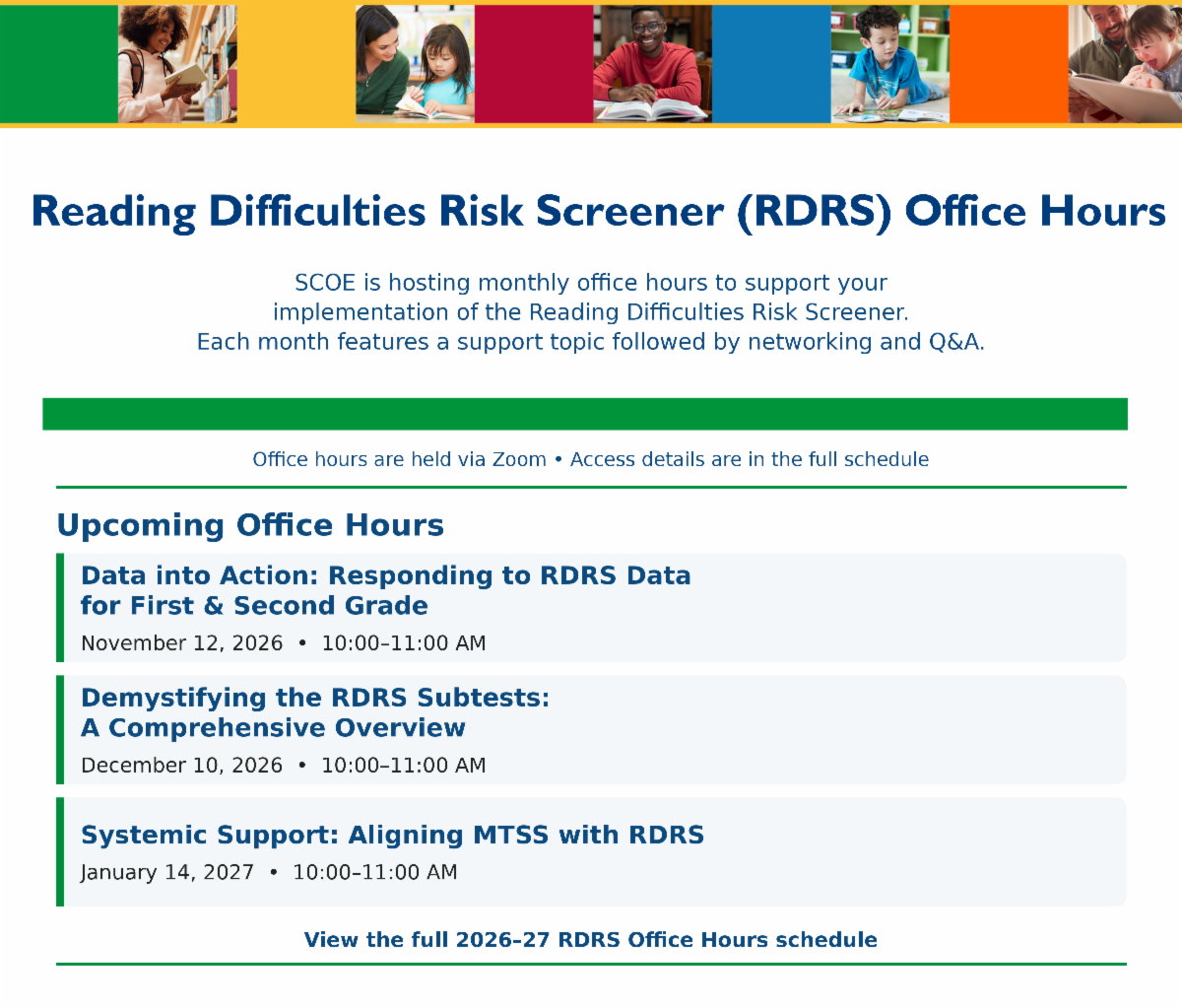
Multitudes + SCOE Partnership

Partner Spotlight

From Mandate to Meaningful Action: Lessons from Elk Grove


In 2025–26, Multitudes partnered with Elk Grove Unified School District, the fourth-largest district in California, as it launched universal screening districtwide. With more than 63,000 students representing approximately 120 languages, Elk Grove prepared approximately 600 teachers across 44 elementary schools to screen roughly 12,000 students.


Led by Robin Taylor, Elementary ELA Program Specialist, Elk Grove involved teachers, coaches, administrators, and specialists in evaluating and piloting screeners with students. The district was drawn to Multitudes’ research base and approach to linguistic diversity—and wanted a screener that would add to, rather than duplicate, the literacy data it already collected. The decision to choose Multitudes was unanimous.


Elk Grove integrated Multitudes training into existing training days and provided teachers two half-days of substitute coverage during which to screen their students. Multitudes worked with Robin and her team to tailor professional learning and next steps to Elk Grove’s curricula, resources, and MTSS supports.


“We didn’t want this to be just another compliance exercise,” Taylor explained. “We wanted the results to be actionable—to connect what we were learning about students to the assessments, resources, and interventions we already had in place.”


For Patty Tong, Coordinator for Curriculum and Professional Learning, implementation also required clear communication. Her team worked across departments and with educators and families to build understanding of why screening mattered, what the results meant, and what should happen next.


The partnership was iterative, too. Elk Grove’s experience and feedback helped Multitudes refine parent-facing reports, data exports, and communication systems—making information easier to access, understand, and act on.


“We both wanted this rollout to be the best it could be,” Tong said. “It’s not only about listening to each other, but taking action and being willing to do what it takes.”


These lessons continue to shape year two in Elk Grove—and our work with districts of all sizes.


Every district brings unique students, systems, and priorities to universal screening. Multitudes works with you to help make implementation meaningful. Interested in what that could look like in your district? Contact us to learn more.


Research Spotlight


Building Assessment Literacy in Preservice Teacher Training


A new pilot collaboration between UCSF Multitudes and California State University, Northridge (CSUN) is bringing hands-on literacy screening into preservice teacher preparation.


This fall, teacher candidates in a new early literacy course led by Dominic Grasso, Assistant Professor of Elementary Education and Director of the LA Times Literacy Center, will learn about universal screening and administer Multitudes with elementary-age students. The pilot builds on a toolkit developed by the Multitudes professional learning team to help faculty incorporate literacy screening into teacher preparation.


The work is part of a larger effort at CSUN to redesign literacy coursework for future teachers. Alumni surveys identified assessment literacy—including understanding the purposes and uses of different types of assessment—as an area where graduates wanted stronger preparation.


The pilot provides a model for bringing literacy screening into teacher preservice programs across the CSU system and beyond.


Resource Spotlight


New Resources for Parents and Caregivers!


Parents and caregivers are essential partners in a child’s learning. Part of our mission is to help families understand what universal screening is for, make sense of their child’s results, and know what they can do next. In response to feedback from the first year of universal screening in California, we’ve streamlined the parent-facing reports generated by our platform and expanded our online resources for parents and caregivers.


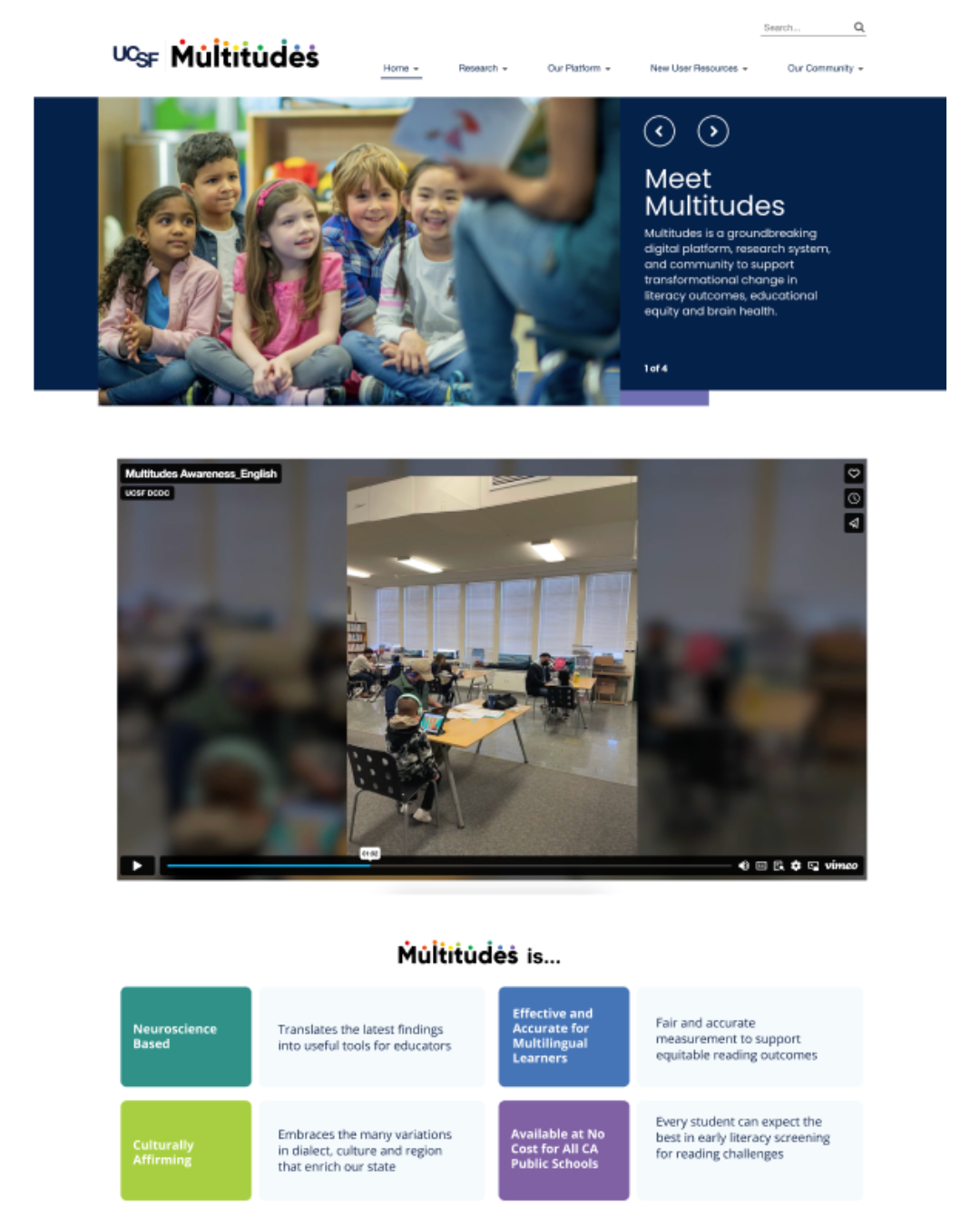
Visit the Multitudes website under Parents and Caregivers. This site is growing. If you have suggestions for additional content, please email multitudesinfo@ucsf.edu!

Recent Publications


Building Fairer Reading Screeners for Multilingual Children

by Julian Siebert, et al.


Identifying children who may struggle with learning to read early enough to provide support is important, but reading screeners need to work well for children from different language backgrounds.


Read more here

Predicting Item Difficulty in English and Spanish Elision Tasks

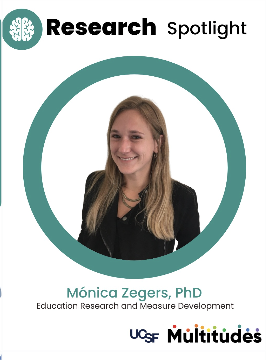
by Mónica Zegers, et al.


Learning to recognize and manipulate sounds in words is a key part of early reading development. What makes these tasks more or less difficult for children working in English and Spanish?


Read more here


Research Opportunities

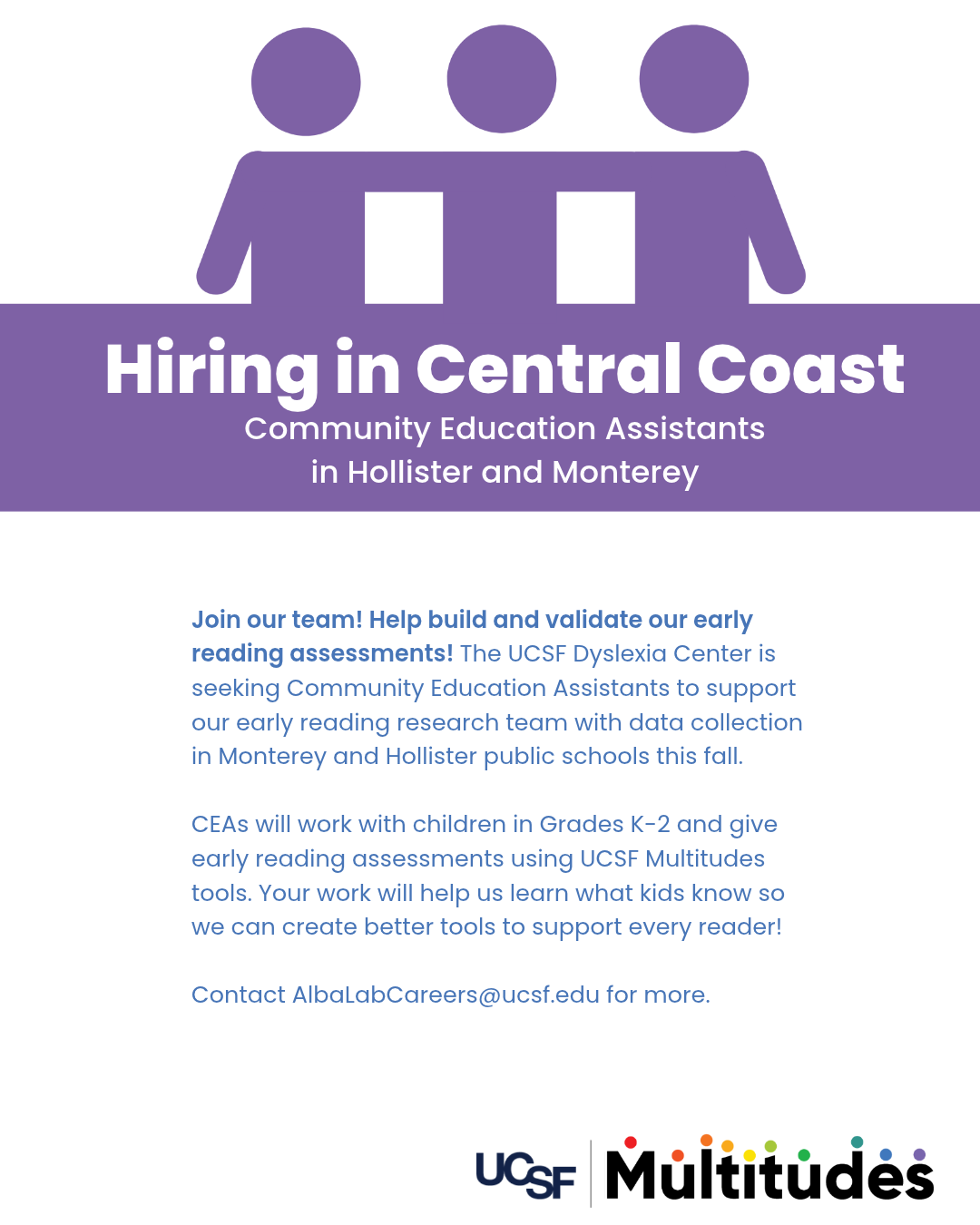
Help us shape the future of assessment in California! Multitudes is building new tools to support educators and students. Our research suite features progress monitoring, TK, and third-grade measures that we hope to launch in 2027-2028. Please let us know if your school would like to participate.


Job Opportunities with Multitudes


Staying Connected


Facebook  Instagram  LinkedIn