|
"We're all just walking each other home."
—Ram Dass
Greetings!
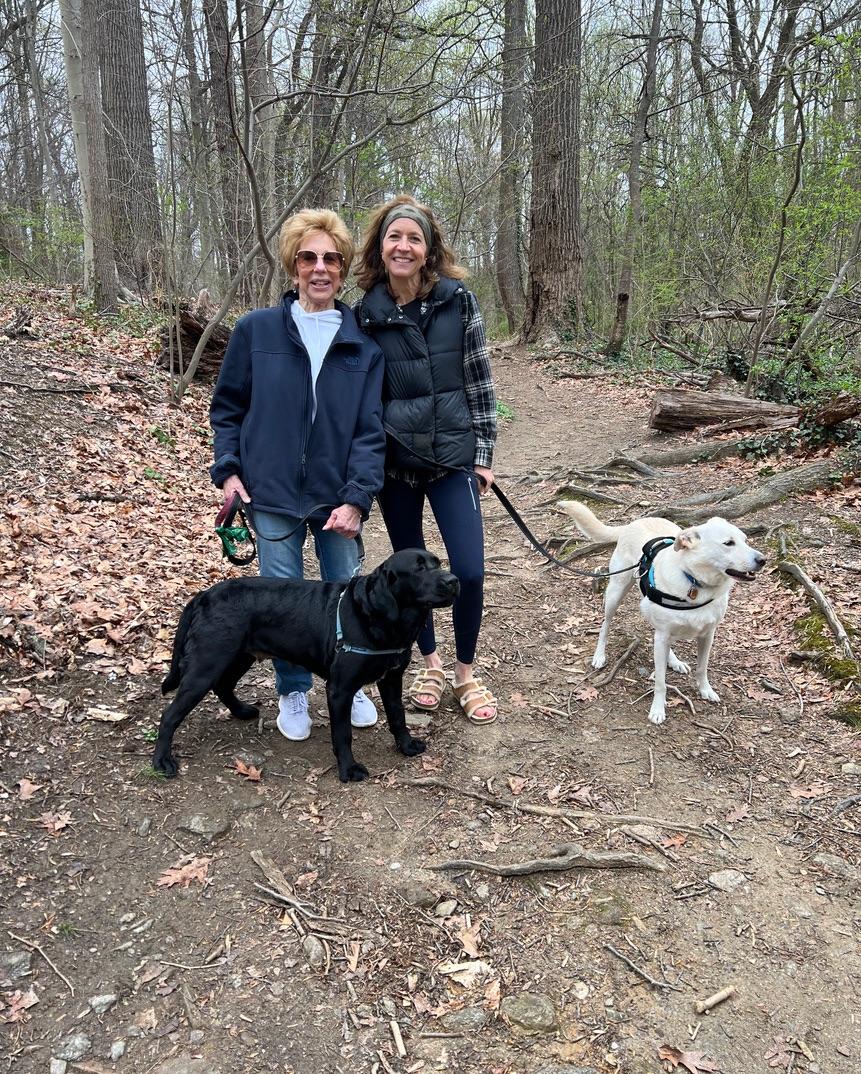
On one of our Sunday walks early this summer, I noticed that my mother's posture looked a bit crooked and suggested she see someone about her scoliosis. The X-ray revealed something unrelated and quite unexpected: a mass in her lungs. Over the intense weeks of medical appointments that followed, we learned that she had lung cancer. Shortly thereafter, the doctors discovered that the cancer had metastasized to her brain, and that those quickly growing lesions required a combination of laser and invasive surgery.
After eight weeks, with enormous good fortune and gratitude, my mom is back to her mobile, social, and fabulous 84-year-young self. Her lung cancer is now being treated through medication, and with the best medical support, a positive attitude, and a lot of luck, we are hoping that this approach will be all she needs. Through this experience, I've been learning lessons about receiving. One lesson came into sharp focus recently on my yoga mat.
| | |
What I'm Practicing: Reaching for that Block
Last week, I found my way to a gentle yoga class, exactly what my body needed after an unusually stressful summer. As we moved into downward facing dog, the teacher offered an option: place a block under each hand, if you wish.
I have come into down dog thousands of times, almost always with my palms flat on the mat. On this particular day, I reached for the blocks. My shoulders softened. My breath lengthened. A pose I knew by heart suddenly felt spacious, and I felt profoundly held.
At the close of class, our teacher invited us to feel the support of the earth beneath us and the sky above us. Lying there, I realized support surrounds us at every scale: in two small foam blocks, in the people who love us, and in the ground that holds us each day. Our work is to notice it and to receive it willingly.
| | |
What I'm Living: A Circle of Support
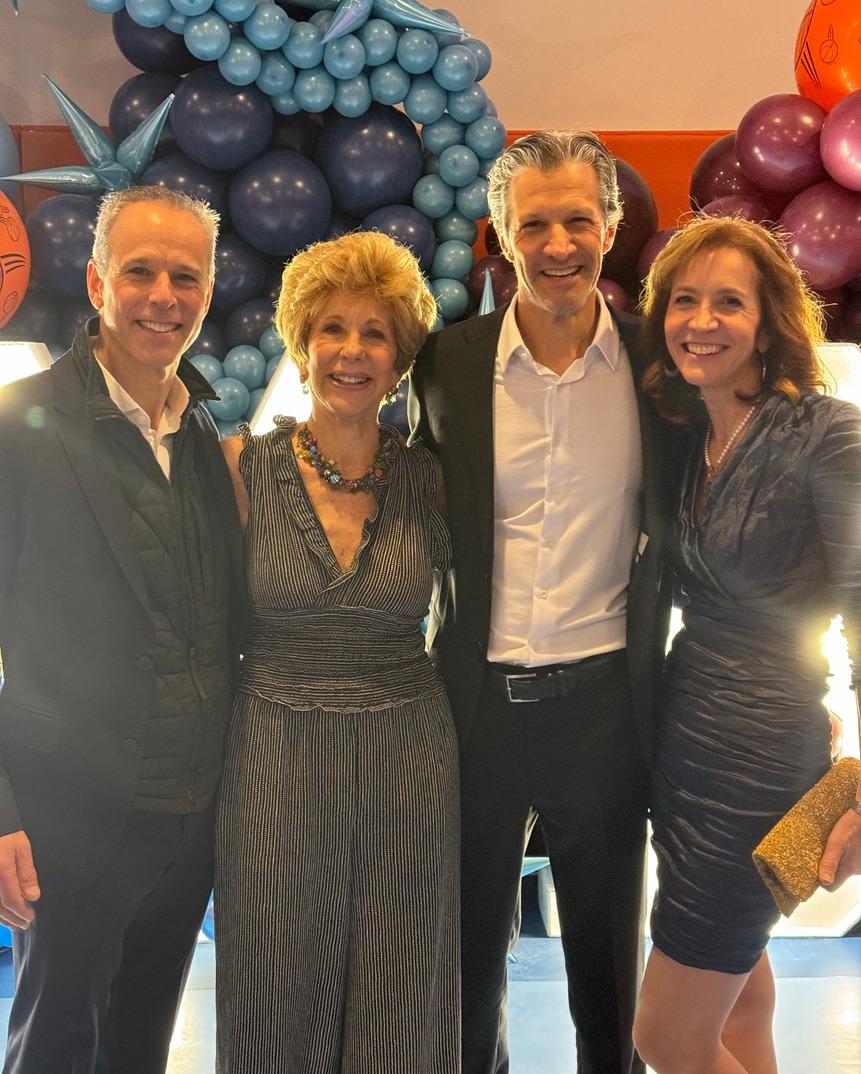
This summer, the people who love us showed up in the form of my brothers and sister-in-law. As the only daughter and the only child living nearby, the story that I told myself was that I would carry the bulk of Mom's care: the many appointments, the medical navigation, the daily coordination. What unfolded instead surprised and humbled me.
My brother Andy flew in from San Francisco twice in three weeks. He took the lead on Mom's online accounts and bills, and he harnessed AI tools to help all of us understand her medical situation with greater clarity. My brother Eddie drove in from North Jersey again and again to take Mom to her doctor's appointments, ready to help whenever and however was needed. And my sister-in-law Amy was the one who showed up and recognized that Mom's cognitive functioning was askew, and she got her to the ER when it mattered most, essentially saving her life.
Beyond our family, dear friends widened the circle. Some opened doors to medical expertise and offered wise counsel, and many others simply checked in, reminding me how deeply I was held.
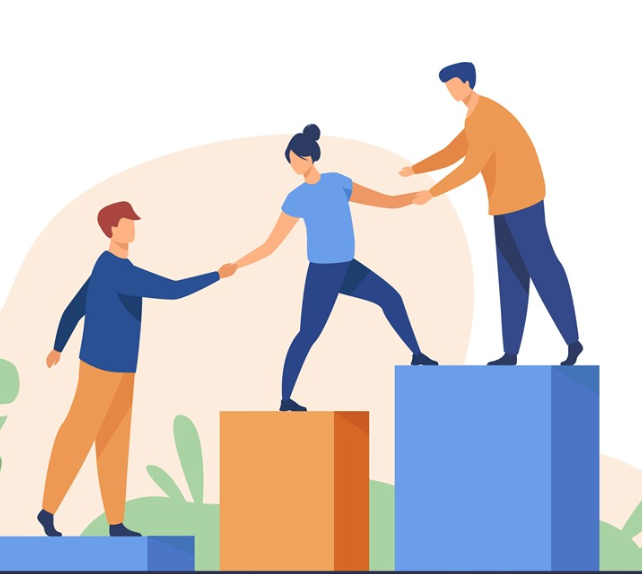
Each of them offered a block before I thought to ask, and each placed it exactly where it was needed. My part was to receive their help with open arms so that we operated as a team, for my mother and for myself. I'm learning that receiving is its own discipline, one that asks for humility and trust, and one that deepens the bonds between us.
| | |
What I'm Reading: The Gift of Receiving Help
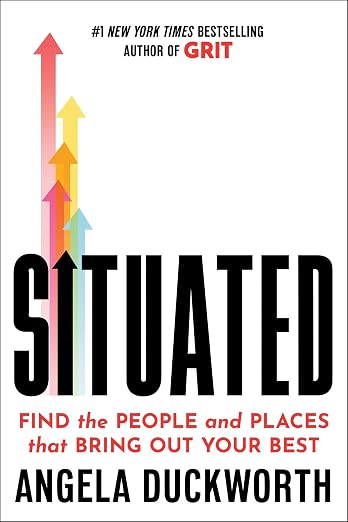
Fellow Philadelphian Angela Duckworth's new book, Situated: Find the People and Places That Bring Out Your Best, builds on her landmark work on grit with a deeper insight: perseverance matters, and the people and places surrounding us matter just as much.
In a recent New York Times essay, Duckworth describes snorkeling off Miami with her then 86-year-old mother when the two were swept away by the current, and her mother lost consciousness. Duckworth kicked with all her strength until she realized her effort alone would fall short. Holding her mother's head above the waves with one arm, she waved the other and shouted for rescue. Help arrived. Fast forward, and her mother recently celebrated her 91st birthday.
Duckworth writes that every high achiever she has studied credits a wide circle of supporters. The research backs her up: seeking help supports higher achievement, and a strong support network predicts better mental health. She also names what psychologists call the illusion of self-sufficiency, our tendency to overlook how much of what we know we learned from others.
Reading her essay, I thought of my brothers and my sister-in-law. In Duckworth's language, my family changed my situation. As they stepped in, I welcomed each offer of help and found the strength to stay present for my mother and to care for myself along the way. Surrounded by their care, I had far more to give my mother than my grit alone could supply. I am certain, even without asking, that each of my siblings found joy in being on the team.
"Research shows we consistently underestimate how happy it makes others to lend a hand."
— Angela Duckworth
| | |
What I'm Applying: Support in Family Philanthropy
What I witnessed in my own family, I see often in my practice. Many families arrive with a strong sense of self-sufficiency. Wealth creators in particular have often built businesses, raised children, and steered complex decisions largely on their own. What they often discover is that each family member brings distinct gifts: one has a head for systems and finances, another offers steady presence, another sees what others miss.
The most vibrant family philanthropy makes room for all of those gifts. When a family invites each member to contribute in their own way, and when each member feels free to lean on the others, their giving grows richer and their relationships grow stronger.
"If you want to go fast, go alone.
If you want to go far, go together."
— African proverb
| |
What I'm Wondering: What is Your "Block"?
As autumn has blown in, I offer a few questions for reflection:
- Where in your life are you holding a pose on your own, when a little support could bring more ease?
- What support is arriving for you right now, and how might you welcome it more willingly?
- What unique gift could you offer someone in your family or community this season?
A small suggestion, a pair of blocks, a brother on a plane, a sister-in-law waiting eight hours in the ER: a little support can go a long way. I'm grateful to welcome it in.
| | |
Essential Leadership
Essential Leadership works with individuals and families to crystalize their values, magnify their voice, and create their vision for how they will positively impact the world.
What is essential? .
When you identify what is really essential to you, you can eliminate everything else, and make the execution of what really matters as effortless as possible. Knowing what is essential is the disciplined pursuit of less. It allows you to channel your time, energy and effort toward making the highest possible contribution to what really matters.
Why leadership?
When you know your essence, you will identify what speaks to your soul. You rise as a leader in your own sphere of influence, even if you never saw yourself as or aspired to become a "leader" in the traditional sense of the word. You align your passions, your purpose, your life. When you are clear about your vision and strategies for action, you can become a potent force for good. In doing so, you will motivate and inspire others to engage in that vision.
| | | | |