Convention 2023

Tuesday, September 19

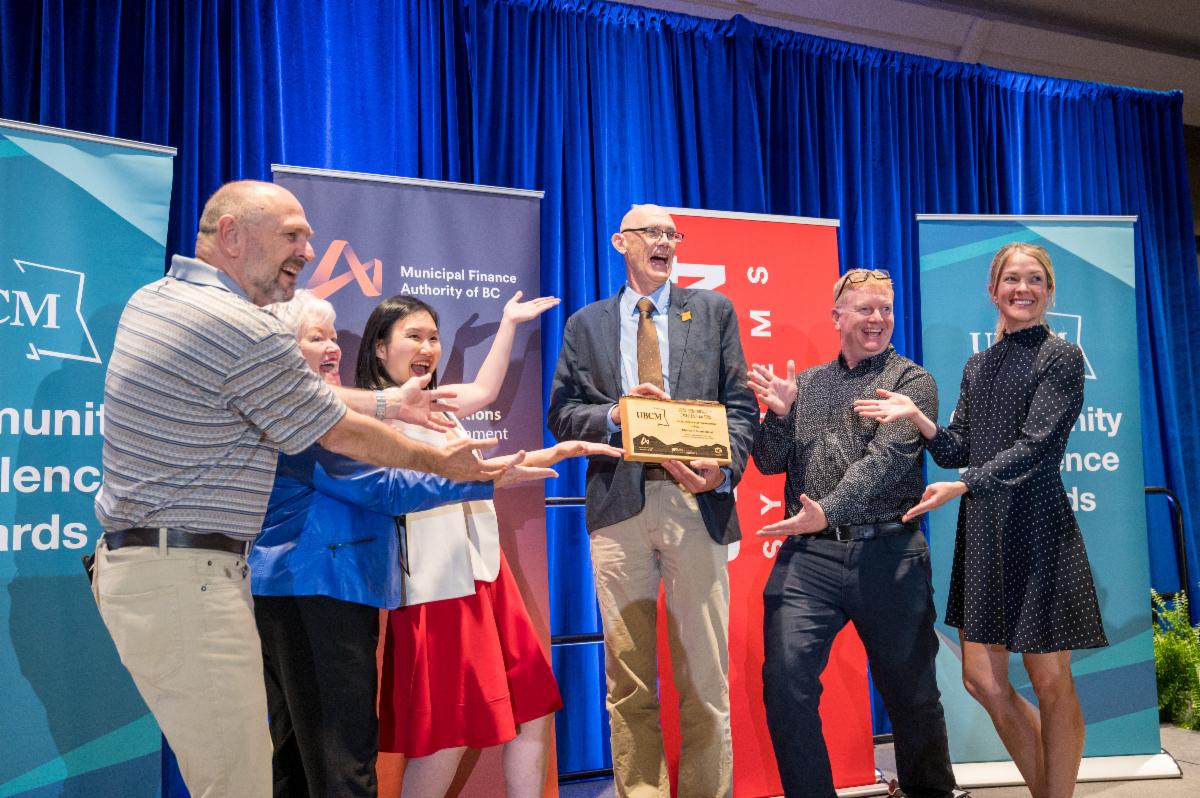
Congratulations to UBCM Community Excellence Awards winners, and a deep thank you for their work that makes their communities so strong.


View photos of the award winners and the rest of Convention here.


Join the conversation online at #UBCM23

New emergency management legislation

coming October 3

New emergency management act legislation will come to the legislature on October 3, Minister Bowinn Ma confirmed at UBCM Convention. We asked her if local governments can expect a framework to build capacity and fund additional responsibilities under the new Act. Here’s what she had to say. 

UBCM delegates heard from Ministry of Emergency Management and Climate Readiness representatives in a Provincial policy session focused updates to the Emergency Program Act, to come to the Legislature this fall. 


The current Emergency Program Act has not been updated since 1993 and in the Provincial policy session Tuesday, Minister Bowinn Ma recognized that the existing Act is not keeping up with new challenges. Communities are “facing new disasters while still recovering from previous disasters,” she said.


The Ministry had discussed pausing the work out of respect for the catastrophic emergency events this summer faced by many of BC’s communities. However, Ma told delegates there is a sense of urgency to advance the work because, “Climate change is not waiting.” 


The Ministry is seeking input from local governments and First Nations that will directly inform the new regulatory approach for local authorities and post-emergency financial assistance. Engagement will be open from the end of September until the end of 2023 on the Ministry website. 


To close out the session, delegates were invited to meet with EMCR staff in a world café setting to discuss local government priorities and challenges related to emergency management and the new regulation. Ma said that we need to “work together, supporting one another, as it’s going to take all of us” to respond to natural and climate emergencies that will continue to affect BC in the coming years. 

‘Smoke is here to stay, we need to learn to live with it’ says BC CDC scientist

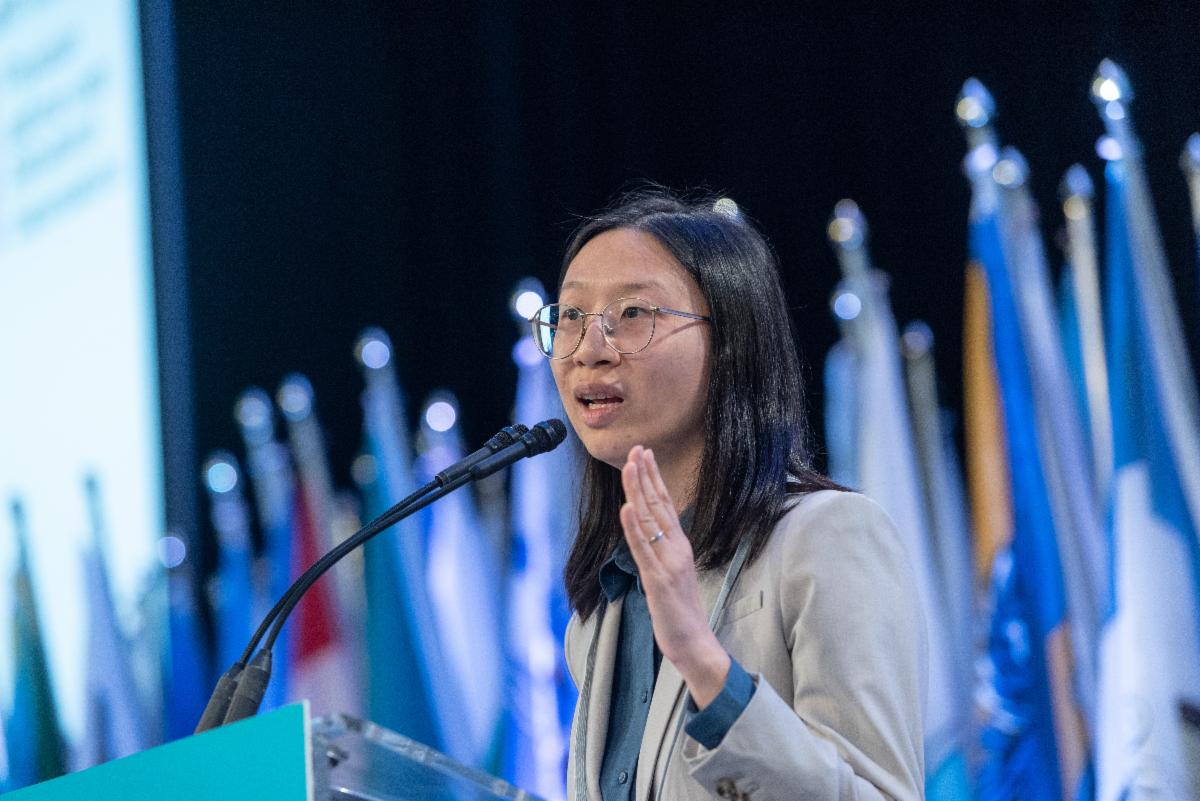
The plenary on the health impacts of wildfire featured Angela Yao, a senior scientist with the BC Centre for Disease Control. She focused on the physical impacts of smoke exposure, primarily respiratory, but focused on what communities can do to minimize exposure.


“Smoke is here to stay. We need to learn to live with it,” she said. In the past, improvements to air pollution have been made by controlling the source of pollution. But we have far less control over smoke, which is but now the largest contributor to extreme air pollution in BC. “So, what is our strategy? I believe the key is to prepare communities and individuals to reduce exposure.”


Some strategies to reduce exposure include: 

  • Buildings with adequate air filtration and ventilation.
  • Portable HEPA filters—including the DIY filters made of box fans and furnace filters that work almost as well as commercial filters.
  • Preparation before the wildfire season.
  • Alternatives and contingencies for outdoor events when the air is smoky.


Armel Castellan, a warning preparedness meteorologist with Environment and Climate Change Canada, underscored Yao’s points when he spoke of the trajectory of climate change. “This is not a new normal. I don’t ever want to hear the term ‘new normal’ from any of you,” he told the crowd of local leaders. “We are on a trajectory. Several years from now, this summer will seem tame.” 


One action he pointed to is a pilot program to install small air quality sensors around the country, to contribute real time data on air quality, which can help people plan to avoid bad air as much as possible.


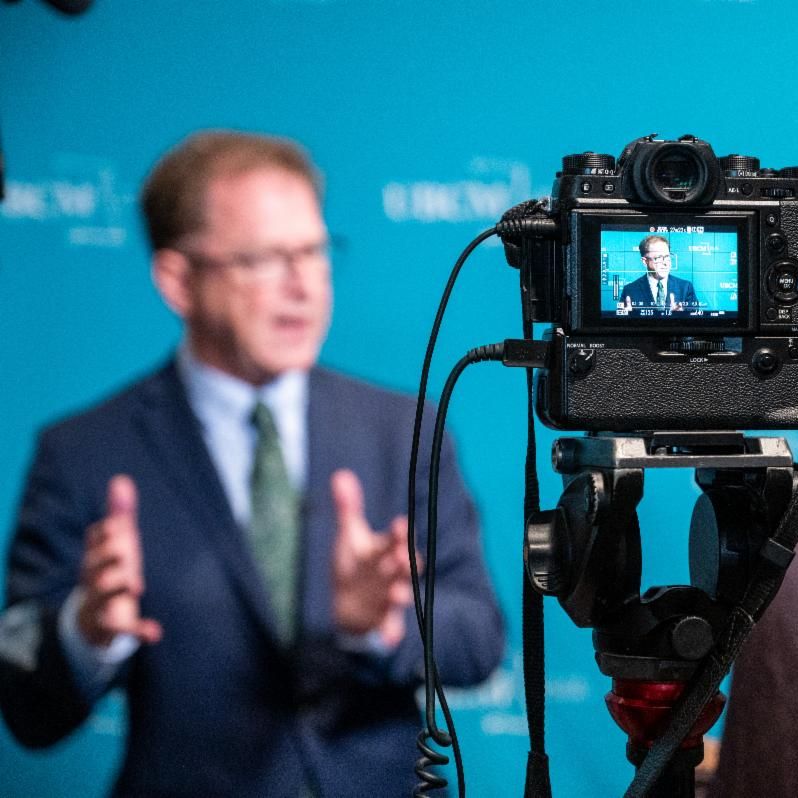
Health Minister Adrian Dix talked about wildfire evacuations in long-term care facilities. 


“Almost 1,000 people in long-term care were evacuated this year, and we have no expectation that this will not happen again,” he said. The majority of people in long-term care have dementia, making the decision to evacuate profoundly difficult. On top of that, “every health care worker helping maintain stability for patients are themselves facing the same smoke, the same evacuation alerts, the same risk to their own homes.” 

Watch clips of speakers and delegates on our 2023 Convention YouTube.  


  • Mike Harcourt & Graham Bruce on strengthening democracy
  • Hlidax John Kerval on developing Indigenous emergency response plans
  • Trish Mandewo, UBCM 1st Vice President on unique challenges women in leadership face as they discussed at the Beyond the Barriers event. 

BC United Unveils wildfire policy

Earlier today, Kevin Falcon, Leader of the Official Opposition, released a set of reforms to wildfire policy that would be implemented by a BC United government.

Coming Up

Resolutions voting starts Wednesday morning. Special resolutions include calls for more support services for drug users across the province, expanded exemptions to the decriminalization trial, increased police training funding, health equity for rural and remote communities, and changes to the 911 service delivery in BC. Review the Resolutions Book and late resolutions (in Policy Book 1) here or in the UBCM 2023 Event app.


The trade show opens Wednesday morning. Visit exhibitors between 10:30 am and 5 pm Wednesday and Thursday.

UBCM in the News

The Vancouver Sun highlighted local government concerns with wildfire mitigation and climate adaptation. Black Press wrote about the province’s commitment to speed up provincial approvals in development processes.


Copyright, Union of British Columbia Municipalities 2023