|
How GLP-1 Weight‑Loss Drugs Are Changing Restaurant Menus in 2026–27
By late 2026, the restaurant industry has entered a new era shaped not by a fad diet or fleeting wellness craze, but by a pharmaceutical revolution. GLP‑1 weight‑loss drugs—Ozempic, Wegovy, Mounjaro, and Zepboun+d—have become mainstream, influencing how millions of Americans eat, spend, and think about food. These medications, originally developed for diabetes management, work by slowing digestion and reducing appetite, leading users to consume fewer calories and feel full faster. The ripple effect across restaurants has been profound.
What began as a subtle shift in portion sizes and menu labeling has evolved into a structural transformation of menu engineering, pricing strategy, and even the psychology of dining out. By 2026–27, operators are no longer asking if GLP‑1 drugs will affect their business—they are asking how deeply they must redesign their offerings to stay relevant.
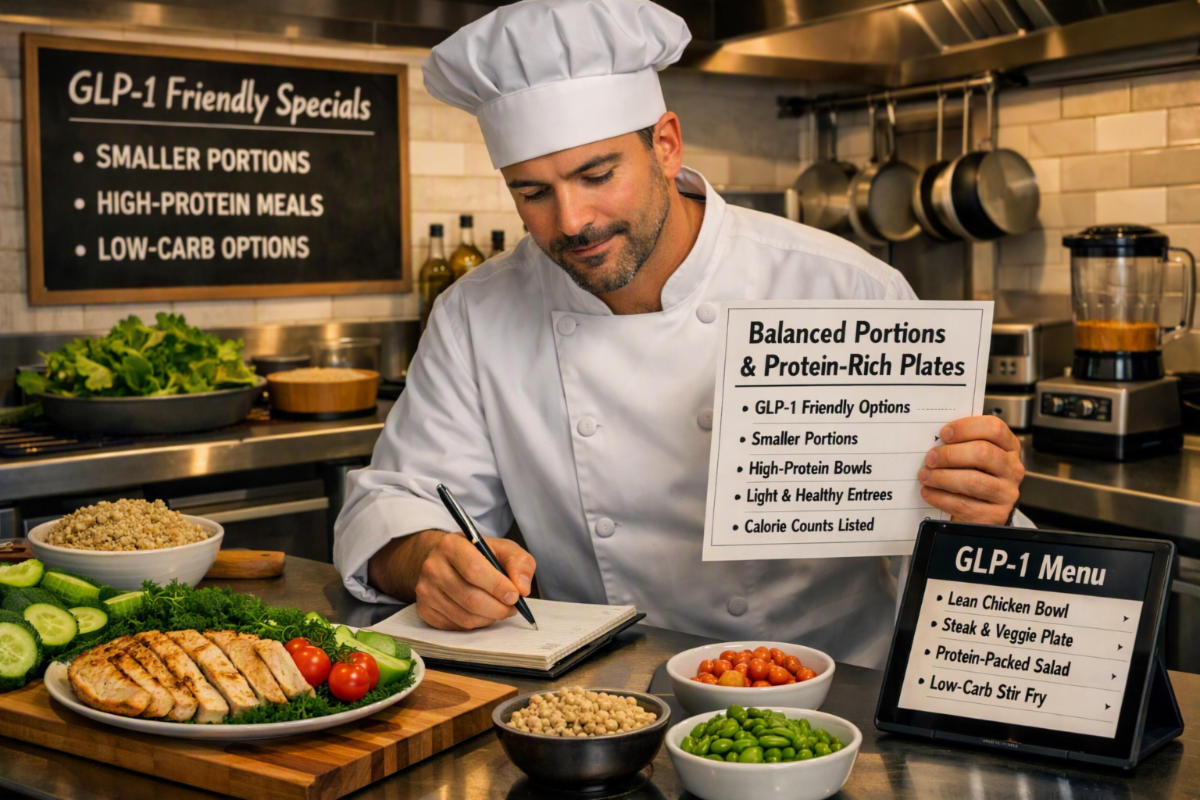
The first visible change has been the rise of smaller portions and “lighter” menu sections. For decades, the restaurant industry thrived on abundance—supersized entrées, shareable appetizers, and indulgent desserts. But GLP‑1 users, who make up more than 20 percent of U.S. households, simply don’t eat that way anymore. They prefer smaller plates that satisfy without excess, and they are willing to pay for quality over quantity. Chains such as Olive Garden and Cheesecake Factory have introduced scaled‑down versions of their most popular dishes, while independents are experimenting with half‑portion entrées and customizable bowls.
The psychology of value has shifted: diners now......Read More
|