Henri Émile Benoît Matisse came to art comparatively late in life at the age of 30, which should give us all hope for our not-yet-realized dreams. He was recovering from a bout of appendicitis when his mother brought him art supplies to keep him occupied. Matisse made his reputation as the principal protagonist of Fauvism (from the French
fauves
, or “wild beasts”), the first avant-garde movement at the turn of the twentieth century. Fauvism freed color from a purely descriptive role and instead employed it for expressive and emotional effect
.
Matisse’s mature style emphasized flattened forms and decorative, repetitive patterns. Later in his life, when abdominal cancer made it impossible for him to paint or sculpt, Matisse created cut paper collages with the help of his assistants. Although these works started out small, they eventually became murals the size of whole rooms.
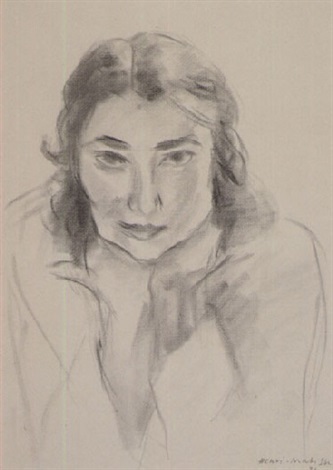
This work from
Ooh La La: French Works from the Riley Collection
may
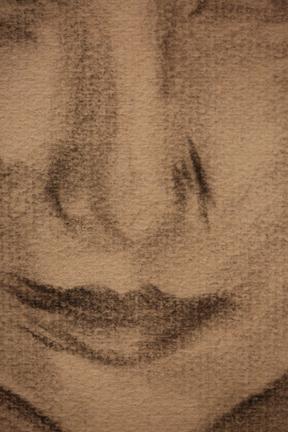
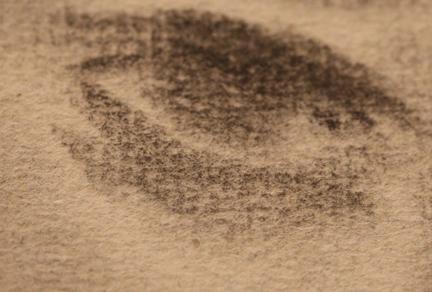
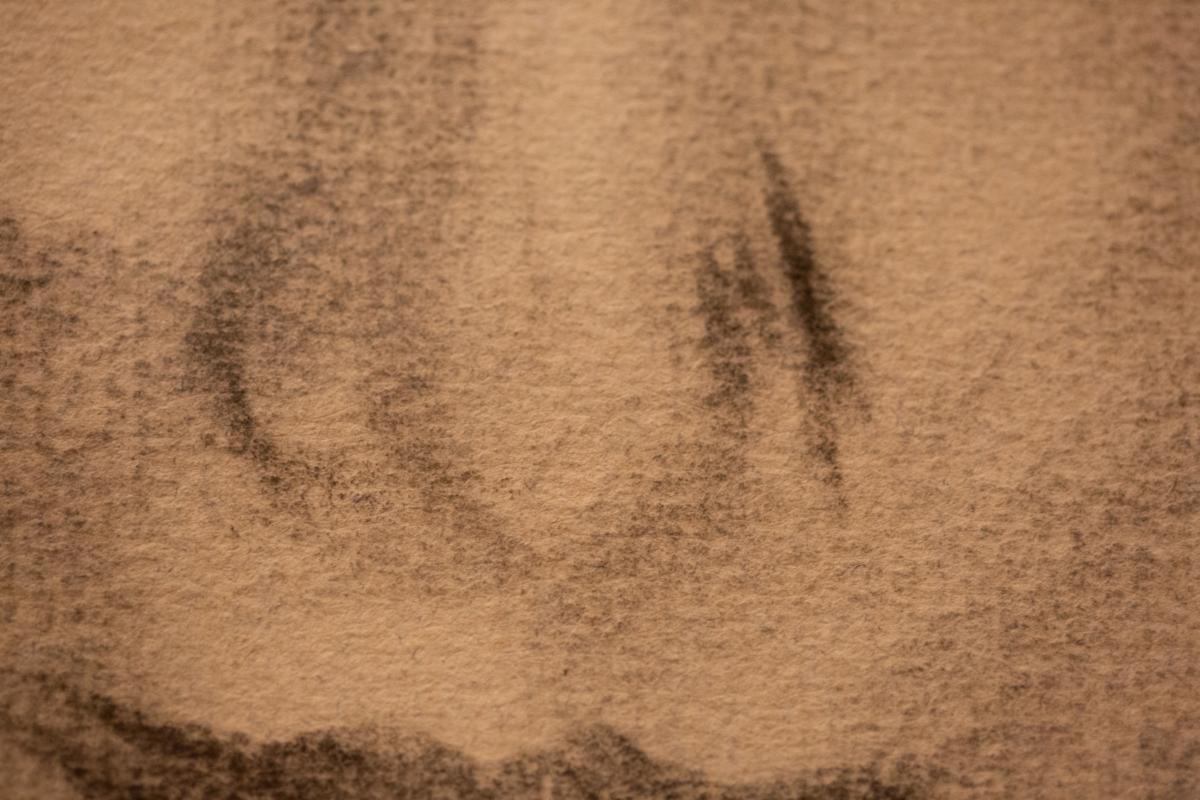
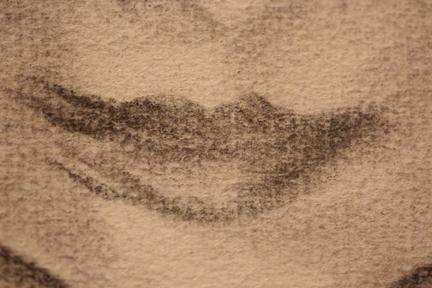
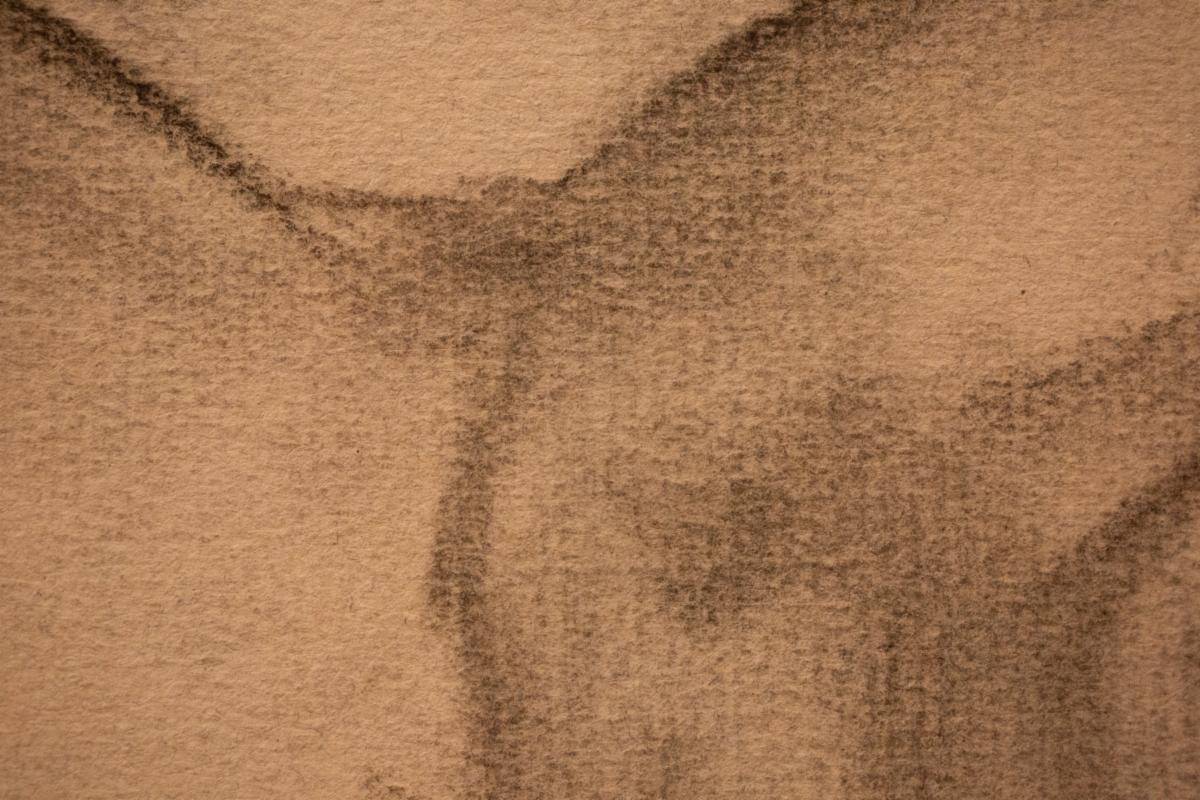
be a depiction of the artist’s daughter Marguerite, who was always one of Matisse’s favorite models. He painted many works of her throughout her life, documenting her growth from a precocious, wide-eyed child to the mature, confident woman whose exact and retentive eye for her father’s work made her invaluable for a generation of art history scholars. Marguerite would have been 37 in 1931, the approximate age of the woman depicted. This, plus the dark eyes, thick hair, and fine bone structure of this work that match Marguerite’s features, make a compelling case for identifying this work as one of Marguerite. Regardless of the identity of the sitter, this drawing is a great example of Matisse’s facility with line. The confidence of his strokes and mastery of the charcoal smudges come together to create both a person and personality in just a few brief lines. Although Matisse is considered a master of color,
Buste de femme
shows that he was also a genius with line.
--Associate Curator Kate Kunau