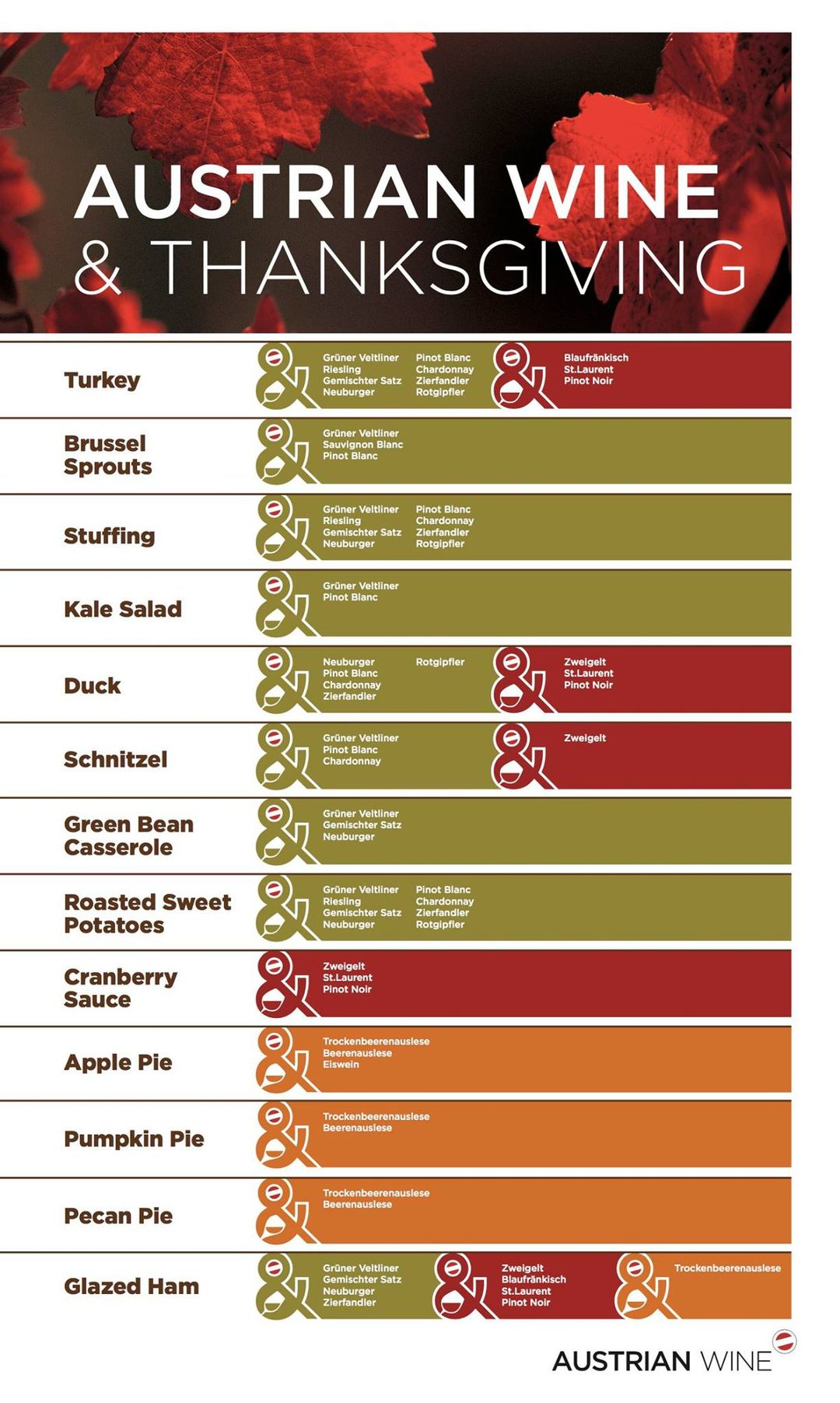
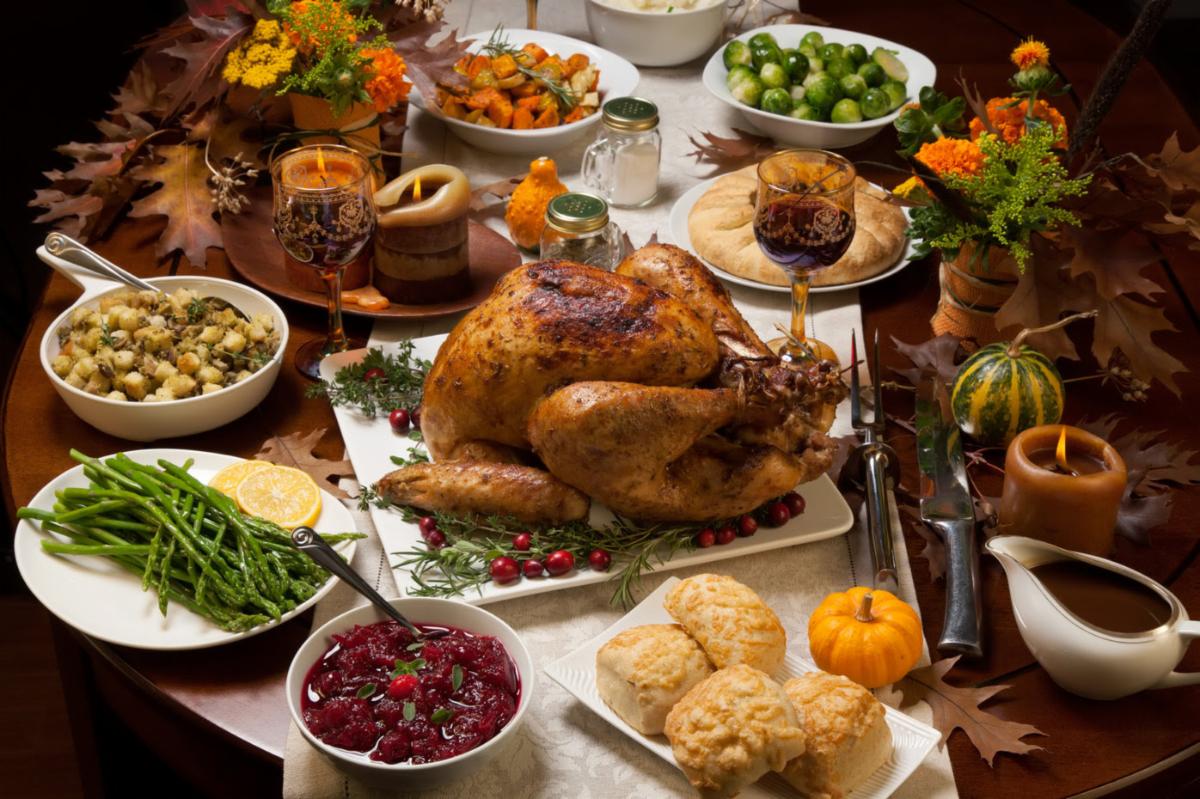
I love Riesling with the Thanksgiving meal... | |
|
KING OF WHITE WINES THAT IS MOST FAMOUSLY GROWN ALONG THE DANUBE
| |
|
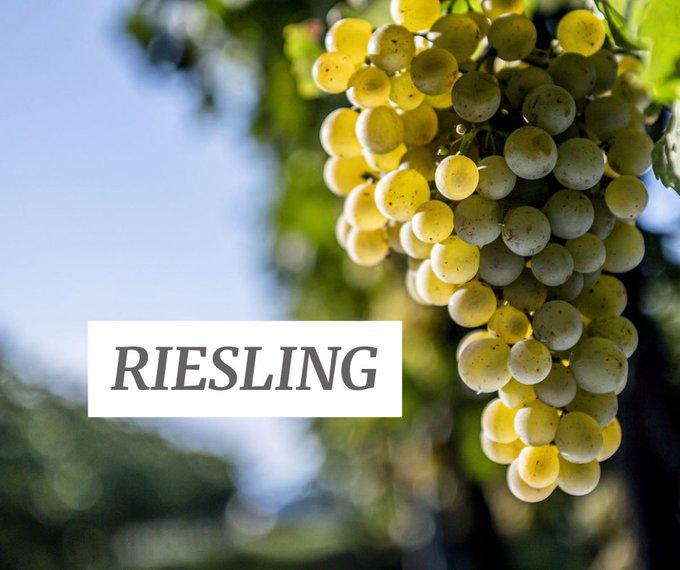
Riesling
This variety was brought from the Rhine to the Danube in Austria and is now - next to the Grüner Veltliner - the most important white wine variety in the Wachau. In premium vineyard sites, especially in the wine growing regions Wachau, Kremstal, Traisental, Kamptal as well as Wien (Vienna), Wagram and Weinviertel, the Riesling yields highly ripe grapes because it is a late-maturing variety.
only 4.6% of total area under vine is Riesling
Grüner Veltliner is almost 33%
| | |
|
|
Tasting from 24.06.2024: Peter Moser
Pale yellow green, silver reflections. Delicate yellow peach, a hint of mango and citrus zest, inviting bouquet.
Juicy, elegant, nuances of white stone fruit, fresh acidity, mineral lemon finish, passionfruit in the aftertaste.
91pts.
| |
|
|
|
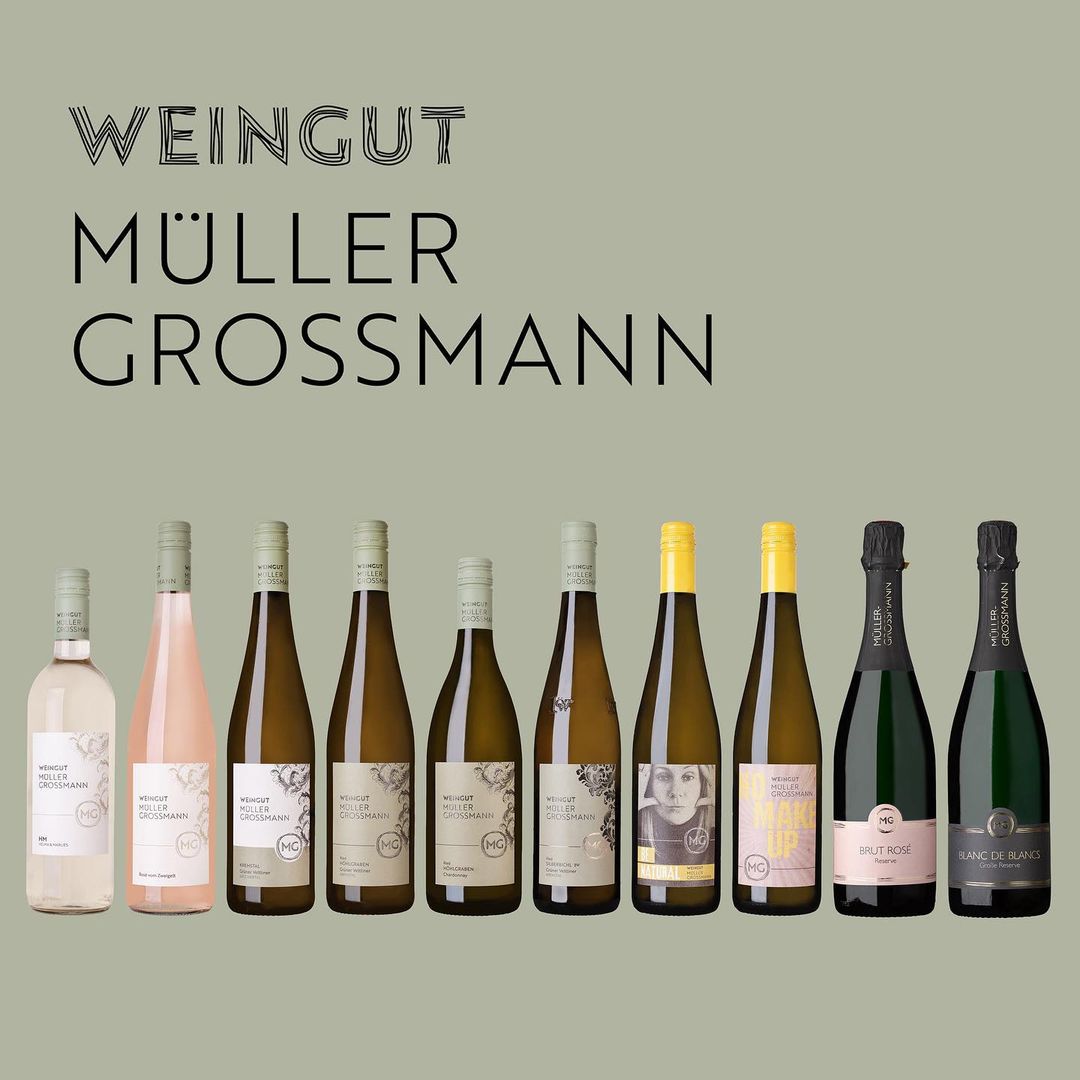
Muller-Grossman - NEW
A family history
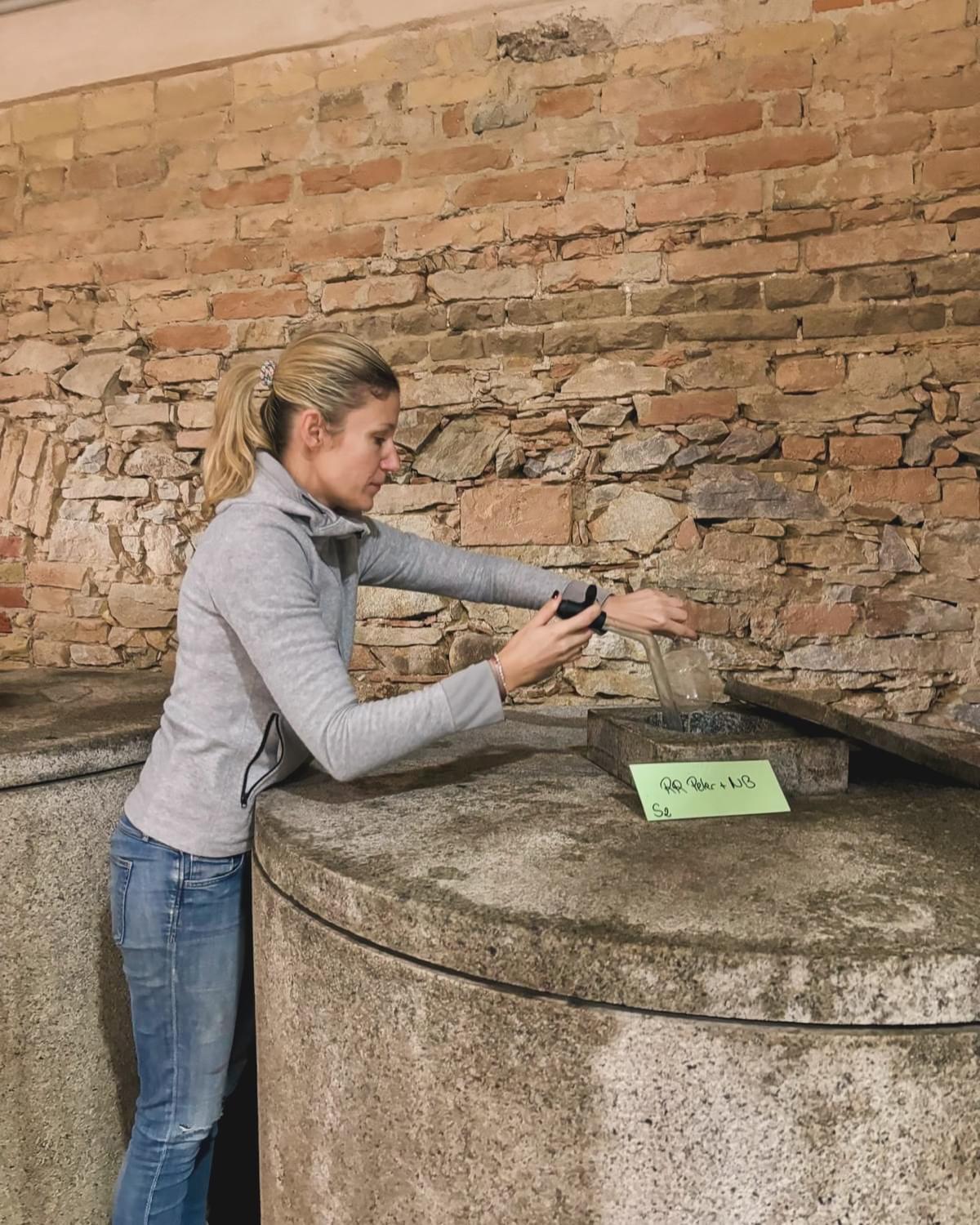
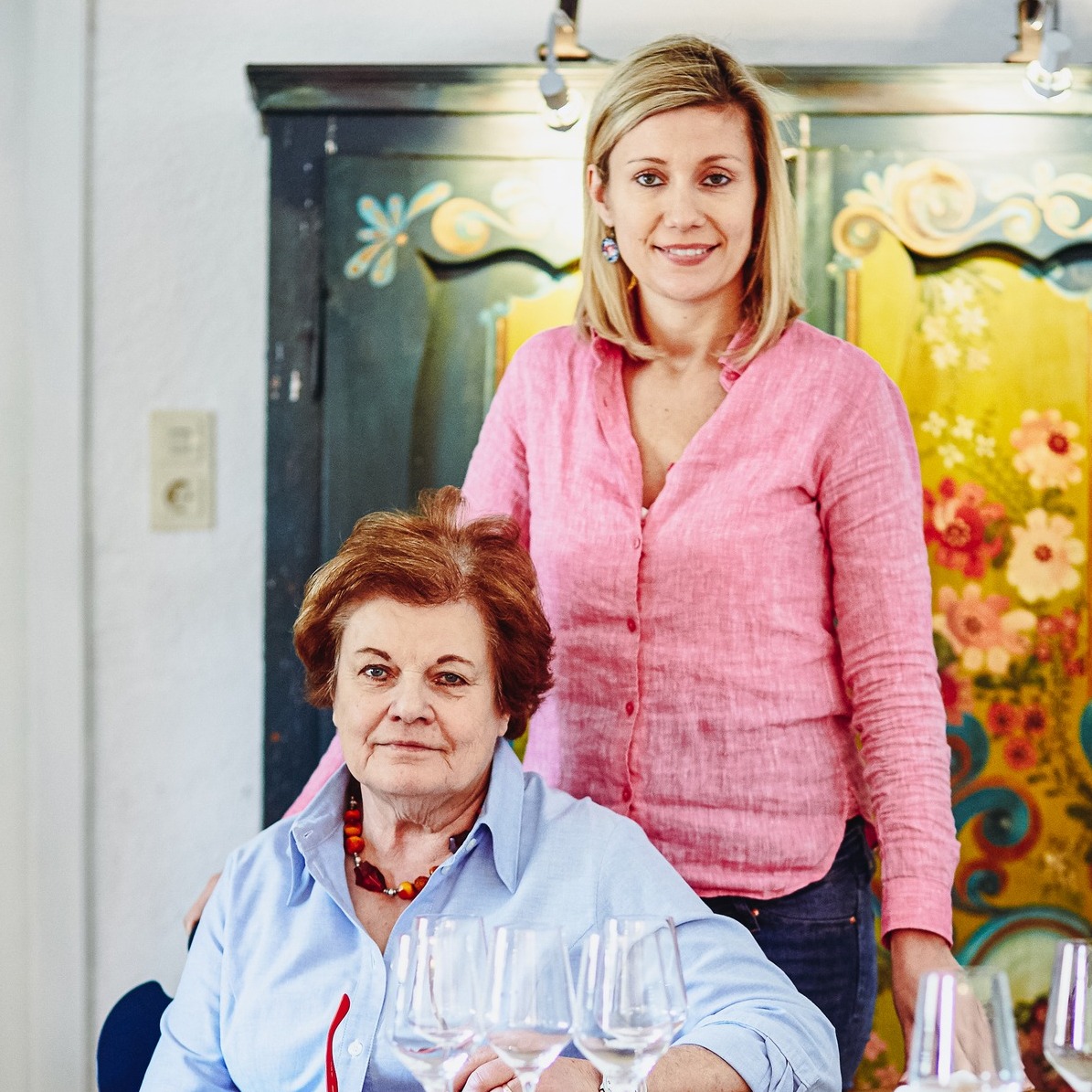
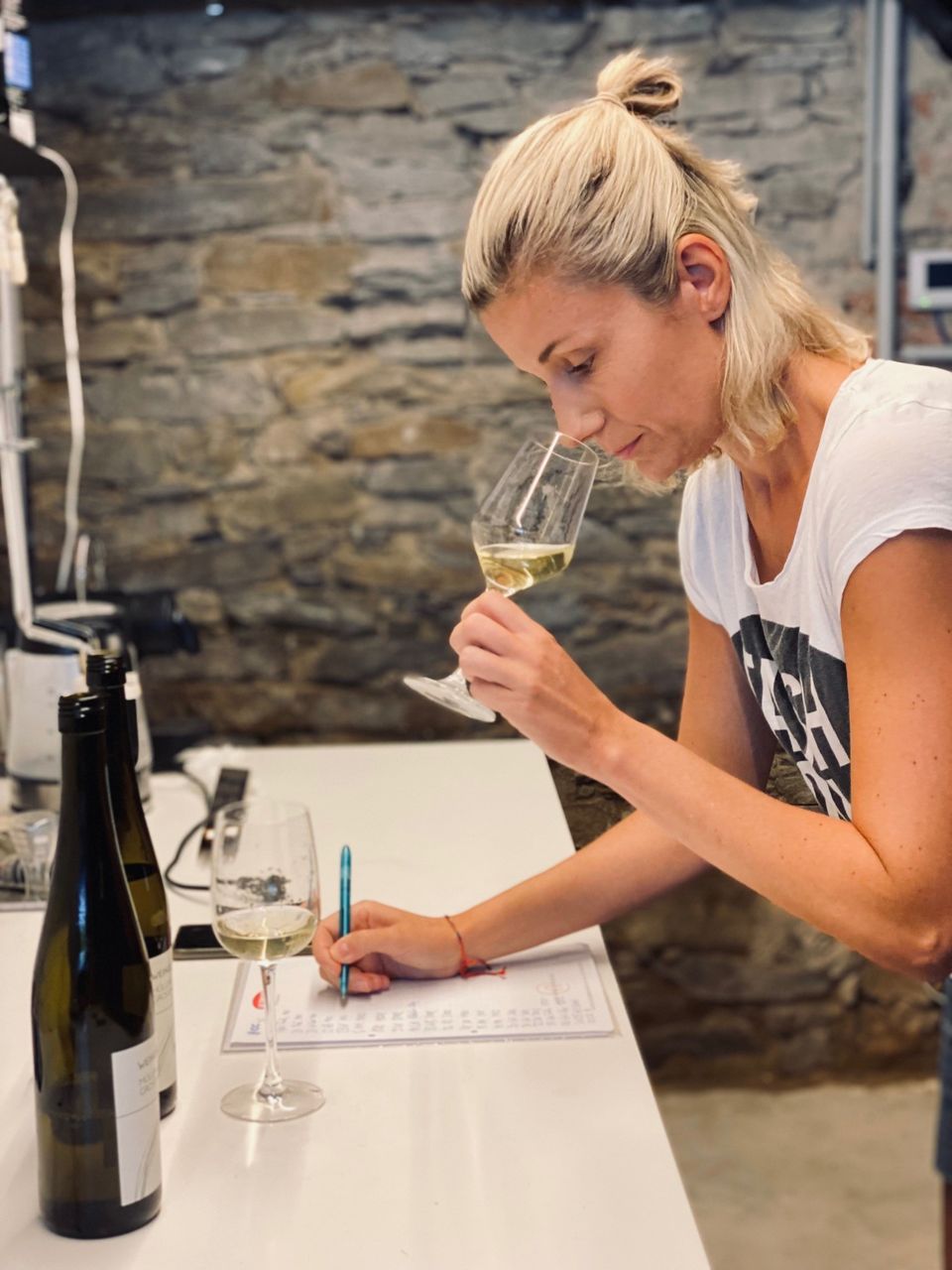
Helma Müller-Grossmann, the humorous and passionate winemaker, senior boss and grandmother, has run the winery since 1986 with great commitment, but never doggedly – which was probably one of the reasons for her popularity. Tradition meant a lot to her – from this point of view she also saw the entry of her daughter Marlies into the business in 2009 – as a continuation of her tradition. Sadly, Helma passed away suddenly and too early in February 2023.
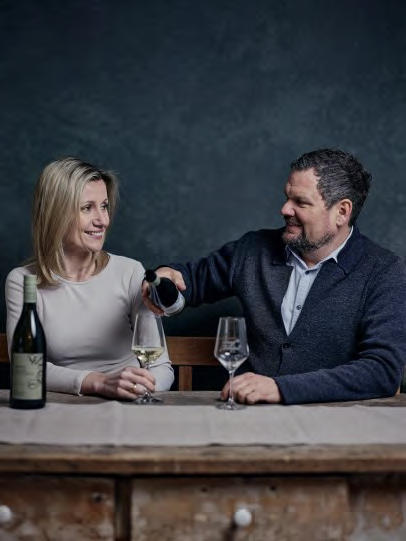
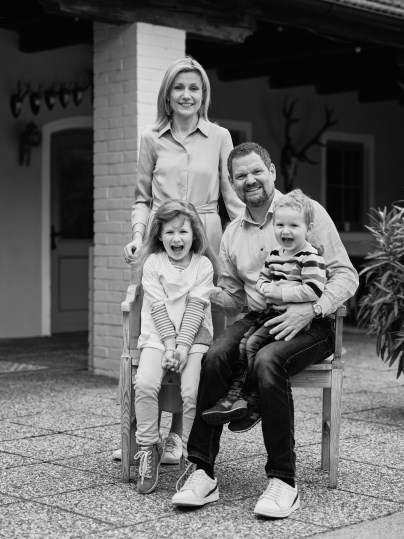
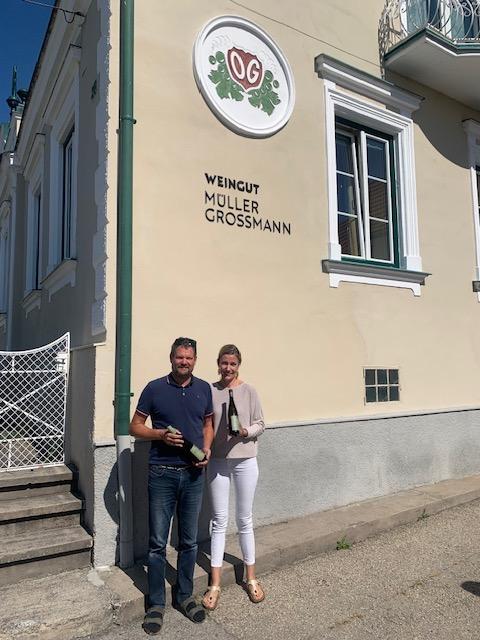
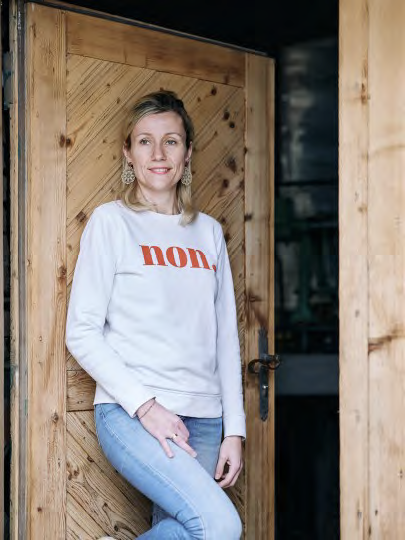
Marlies Hanke, our winemaker of the present, runs the winery. She developed the wines and the business steadily over the last 10 years. Her husband Florian works full time in the interior design industry, but supports quietly on the side and his ideas are noticeable in many places. On the one hand, fashion trends win the two a lot – but for Marlies and Florian, tradition and origin must never be lost in them either.
And when they are not busy with wine, their children Anna and Otto, as well as their dog Bruno, keep the family busy.
| | | |
Atmosphere to feel good
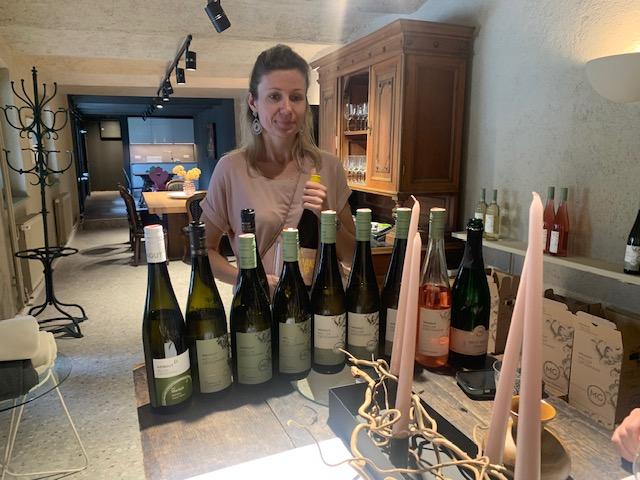
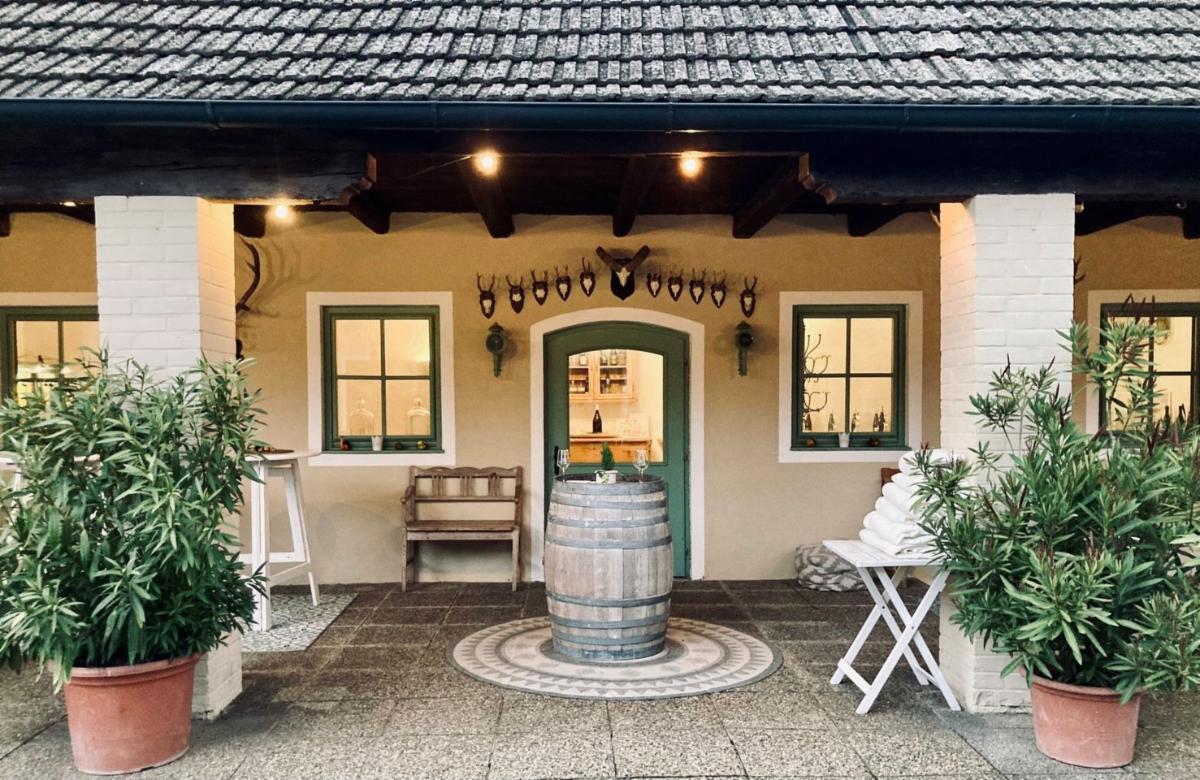
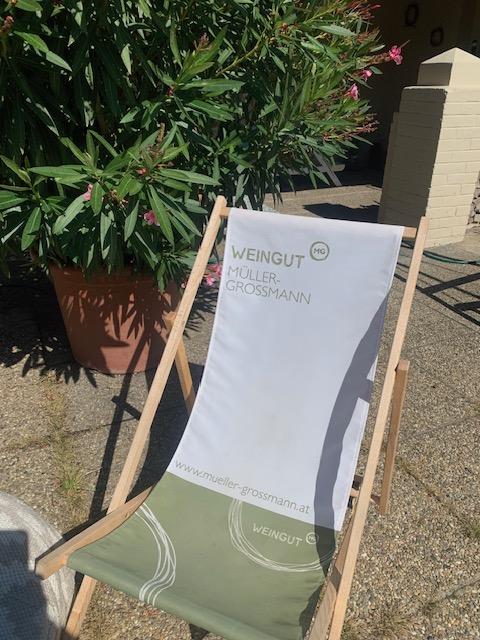
The courtyard in Lindengasse has always been the meeting place and invites you to linger. The family’s main house is located there, and tastings take place there.
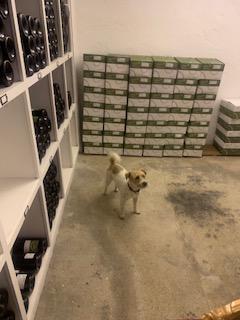
As soon as you enter the courtyard, you are loudly greeted by Bruno the dog, who is just expressing his joy. In any case, it’s worth a visit.
| |
| |
|
Life in the cycle of nature
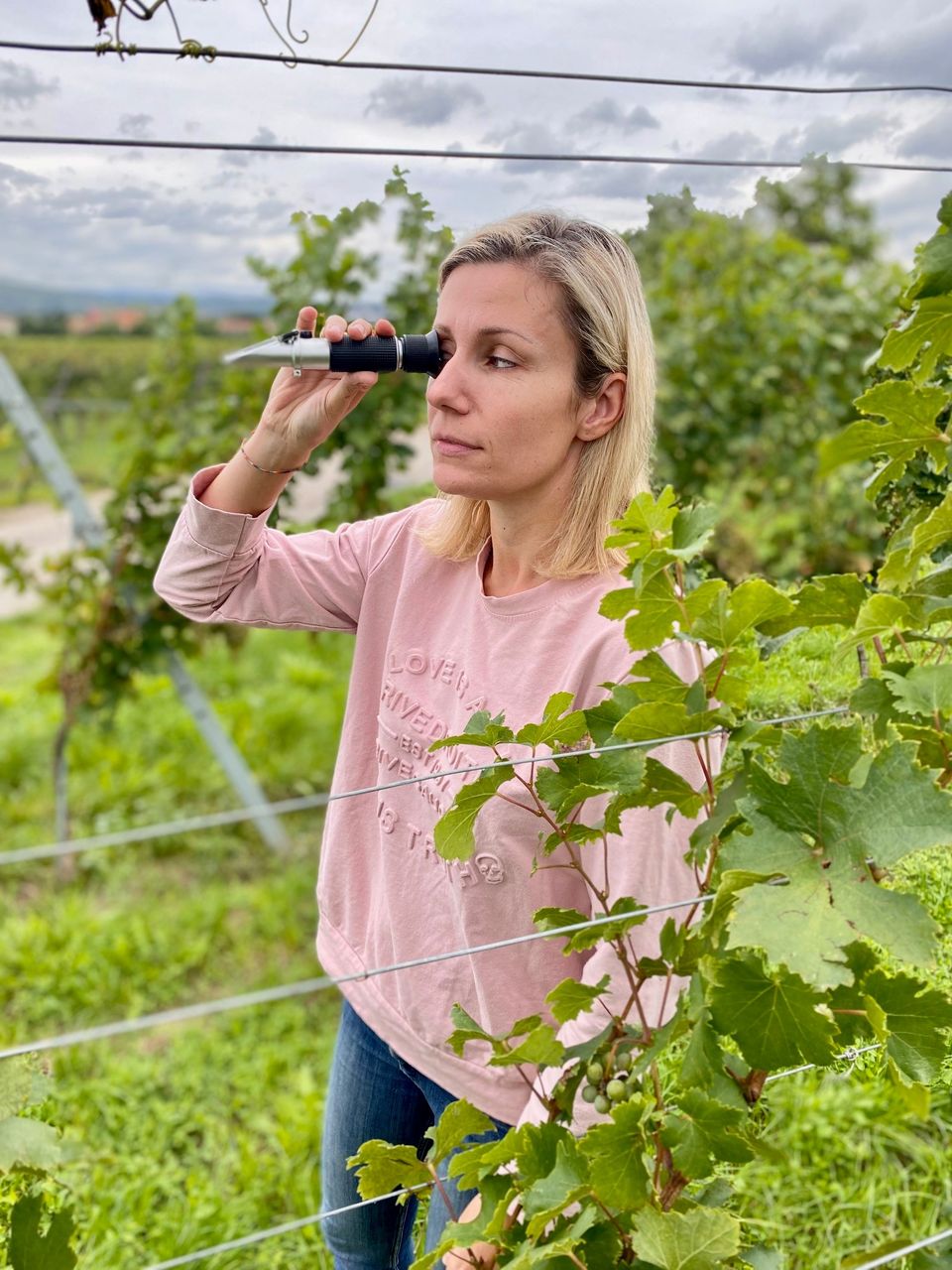
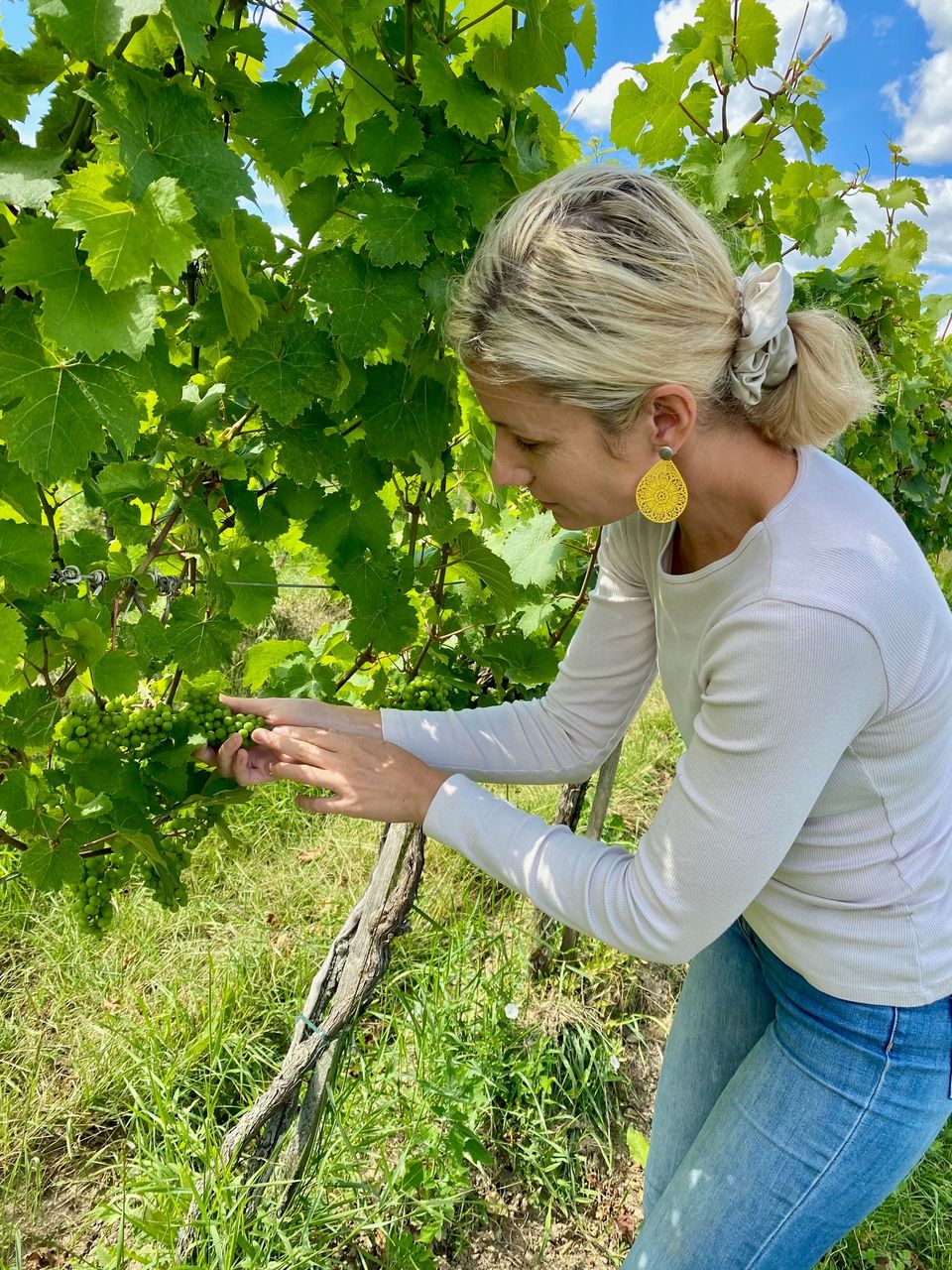
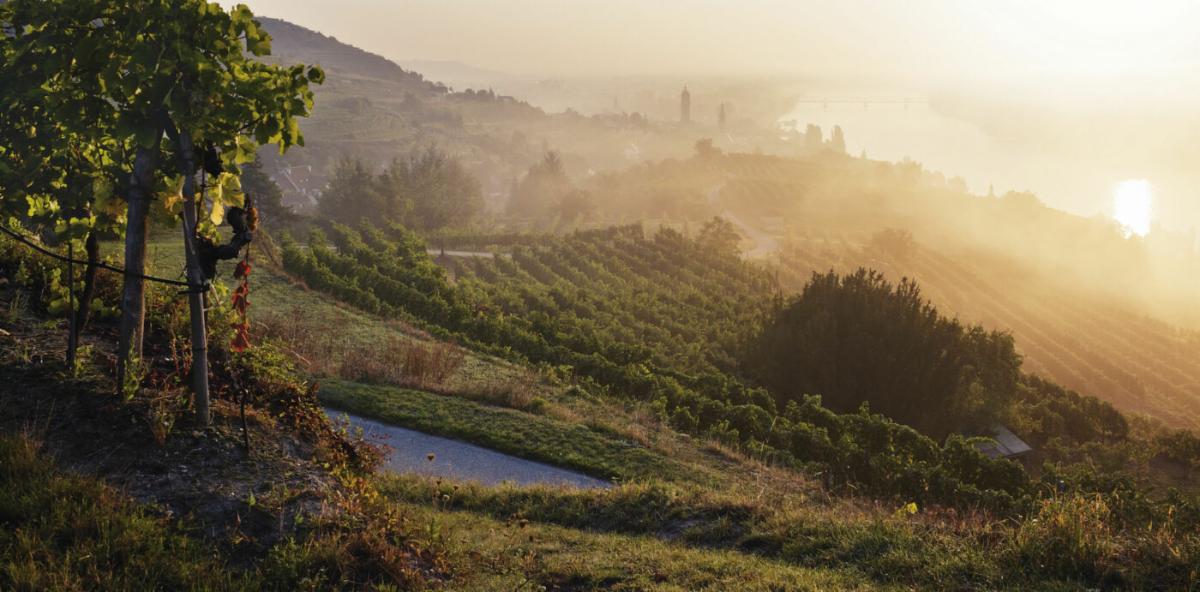
The southern Kremstal is a very versatile wine-growing region. This is also thanks to the great variety of soils – and the natural interplay of warm days and cool nights. Where rather cool, moist influences from the nearby Waldviertel meet warm, dry ones from the Pannonian lowlands, juicy, finesse-rich white wines, especially Grüner Veltliner and Riesling, grow on the gravel and loess soils. These vineyards are exclusively farmed organically.
| |
In conversion to organic & certified sustainable
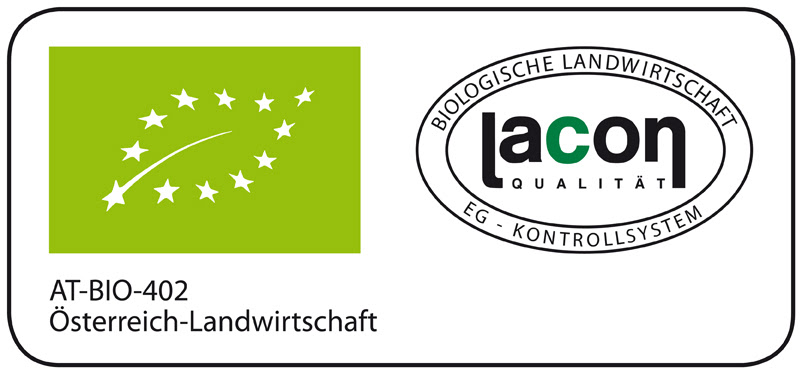
In the summer of 2021, the organic control contract was signed and the winery is now in conversion to organic farming. This process takes three years, after which they are a certified organic farm.
For many years, sustainability has been an important topic in agriculture – increasingly also in viticulture. This raises the question: “What does sustainable viticulture that produces high-quality wine look like in terms of ecology, economy and social components?” The farm has undergone this certification process and year after year receives the certificate for “Sustainably Produced Wine from Austria” from the inspection body Lacon GmbH. The labels also bear this information.
| |
| |
|
Where the wine is made
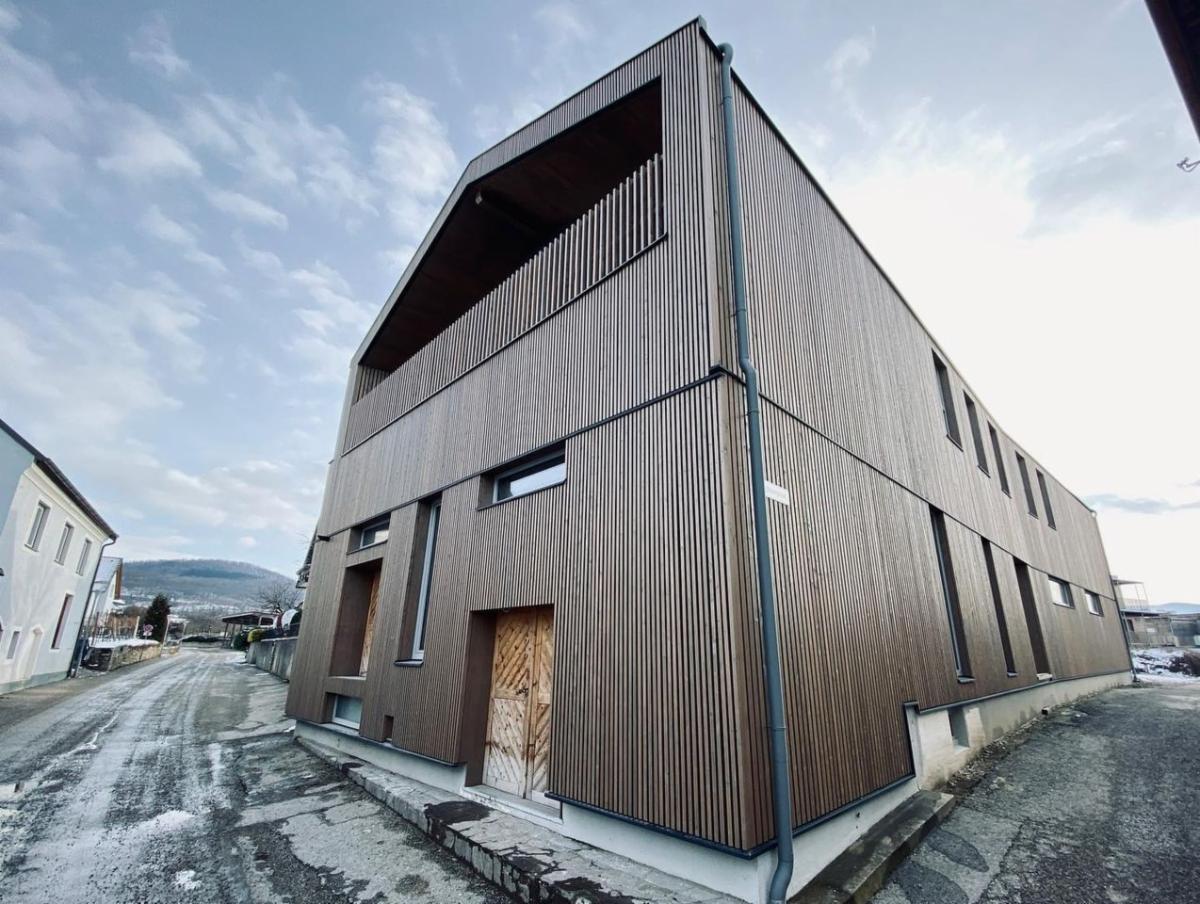
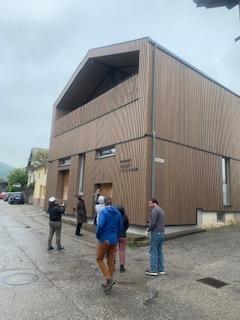
Wine has been made in the traditional and underground wine cellar in Fuchastraße for more than 90 years. Natural room cooling and natural yeasts are two arguments that led to the renovation of this traditional building. And simply the fact that old things are worth preserving and a new building on a greenfield site would not correspond to the long-standing tradition and is not always the better way.
The wine cellar was extended to include a warehouse and offers more flexibility in production. The shape of the building, as well as the wooden façade, should fit nicely into the townscape and represent the combination of tradition and modernity.
| |
Perfection in the wine cellar
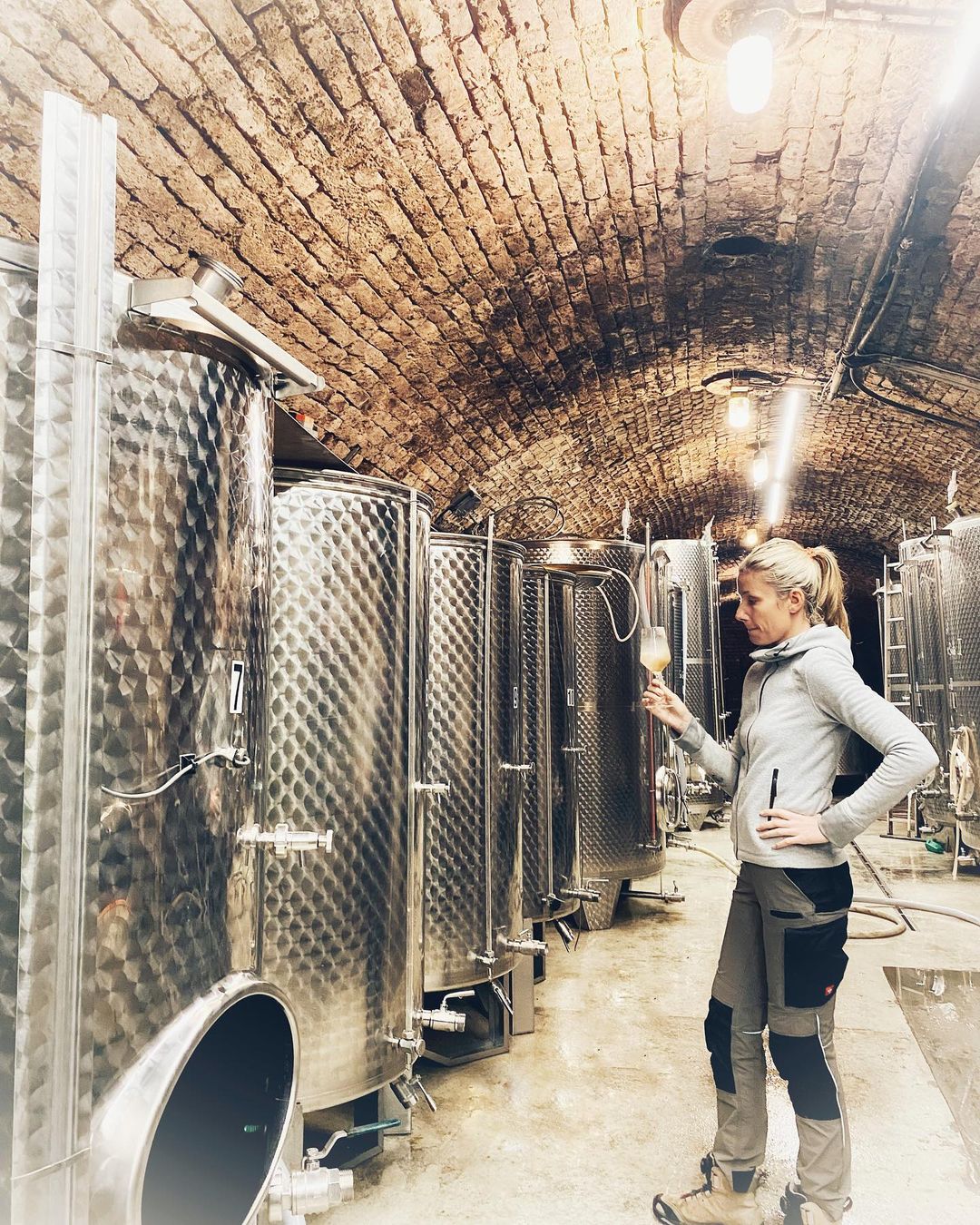
As we all know, quality begins in the vineyard. Only wonderful grapes can produce wonderful wine. The perfection takes place in the wine cellar. Here we work according to the principle ‘less is more’.
The traditional wine cellar offers ideal climatic and microbiological conditions for the fine-tuning of the wines.
Every year, a part of the site wines – very much in large bottles – is reserved for our vinotheque. There they have the opportunity to develop wonderfully. If you are interested, please ask for our rarities or special vintages.
| |
|
|
|
|
Kremstal
THE HIGH CULTURE OF WINE
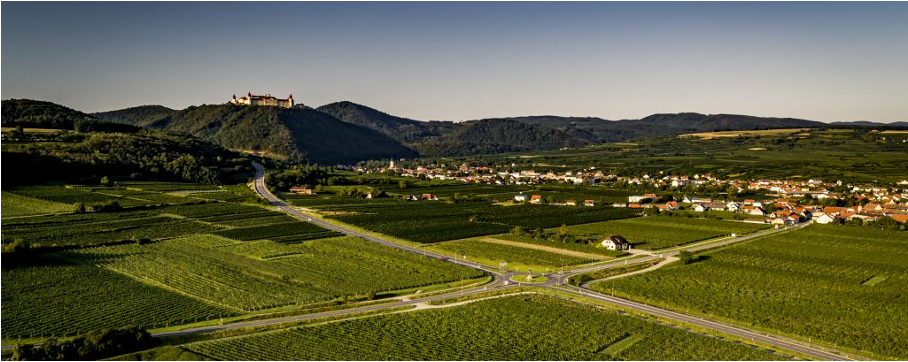
The vineyards in the Kremstal are divided into three distinct areas: the historic city of Krems, whose western “Stein” district borders directly with the Wachau, the Krems valley, with its thick loess nappes to the east, and finally, the small wine villages south of the Danube clustered around the imposing Göttweig Abbey. Since 2007, the Kremstal DAC designation has been synonymous with spicy Grüner Veltliner wines and elegant, mineral-driven Rieslings, which are not only produced in a fresh, classic-to-middleweight style, but also as dense Reserve wines.
check out this Kremstal video
| | | | |
|
|
The 2023 vintage certainly put Austrian winemakers through their paces. Dry spells, challenging damp periods and, in some places, severe storms meant that a lot of painstaking work was required in the country’s vineyards. However, all the hard work was rewarded with a glorious autumn. Expressive, dense and well-balanced white wines can be expected, as well as the next brilliant red-wine vintage. Furthermore, winemakers were once again able to produce significant volumes of Eiswein.
read more......
| | |
|
|
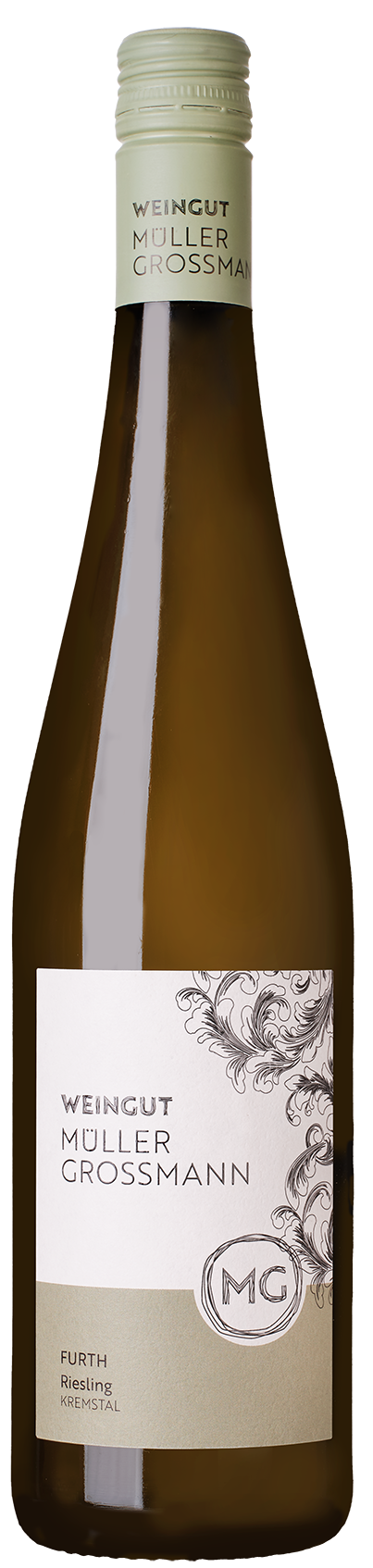
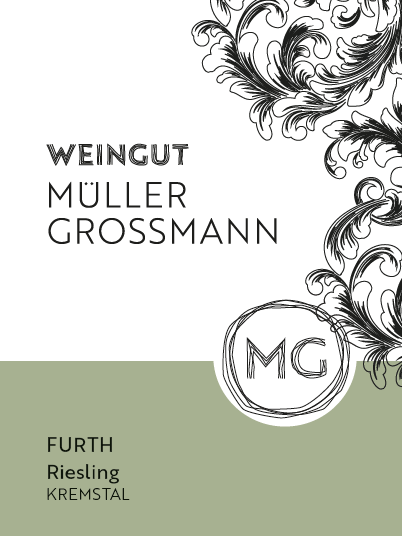
Weingut Müller-Grossmann
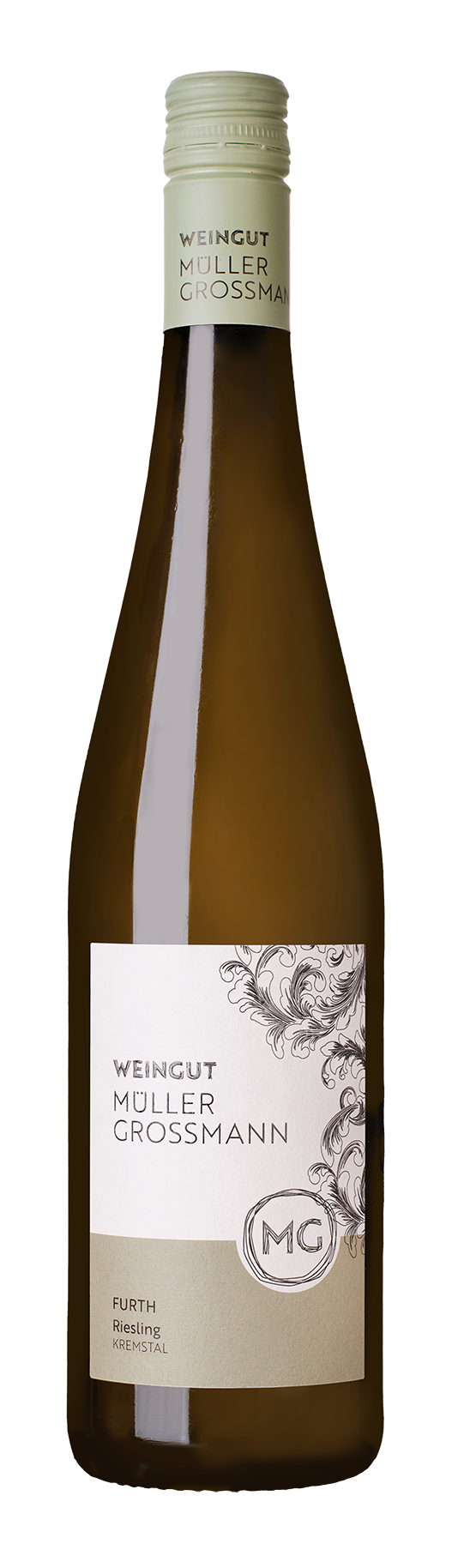
Riesling Furth
Kremstal DAC 2023
The Furth village wine is grown below Göttweig Abbey. Here, the Danube valley opens out and the terraced landscape extends into a plateau with a thick layer of loess soil and deposits of Danube gravel. The proximity to the Danube and the warm Pannonian climate yield fruity, full-bodied wines with a delicate spiciness.
Juicy scent of vineyard peach, ripe apricot, clear melt extract, integrated acidity, classic Riesling, powerful, long-lasting
| |
|
Your Passport to Austrian Wine
Austrian wine is immensely popular and a perennial favorite of sommeliers throughout the world. Austrian wines are known for their wide diversity of styles, aromas, and terroirs.
Klaus Wittauer – KWSelectionLC
703-624-6628
| | | | |