|
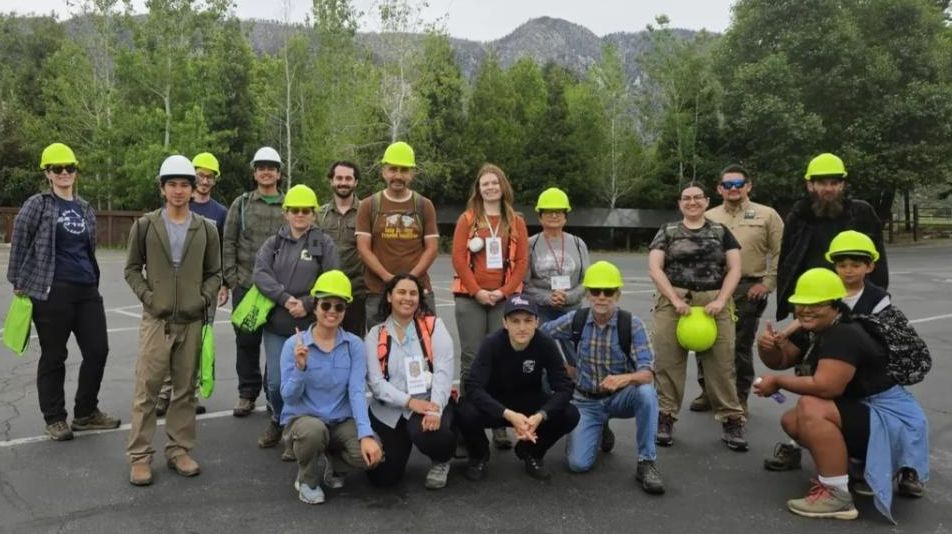
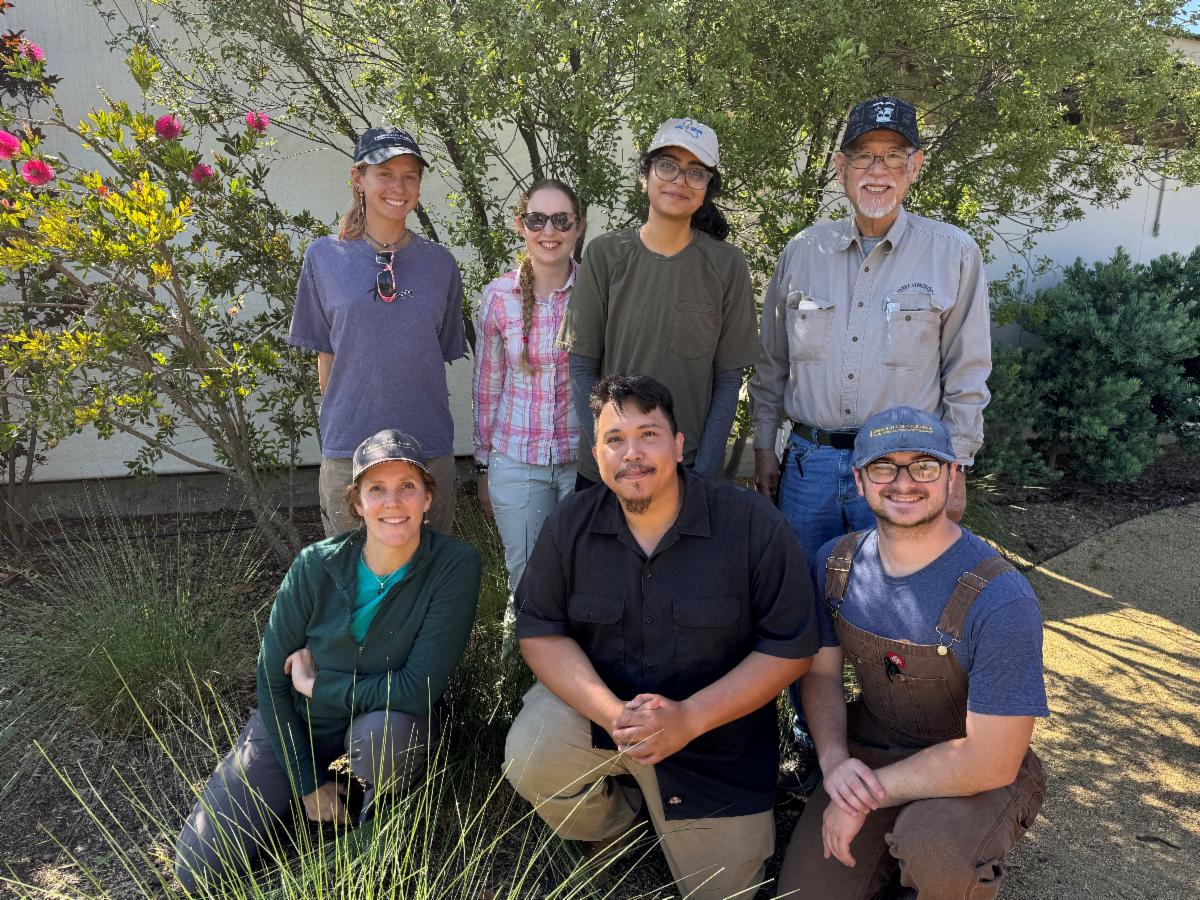
Left to right, top row: Elle Overs, Jennifer Shedden, Saathvika Deshpande, John Kabashima
Bottom row: Beatriz Nobua-Behrmann, Cristian Burgos, David Landis
Hi, I'm Beatriz Nobua-Behrmann, the Urban Forestry and Natural Resources Advisor for Orange and Los Angeles Counties. I’ve been with UC ANR since 2017, first as a Research assistant, and as an Advisor since 2019.
What does a "typical" day look like for you?
There’s really no such thing as a “typical” day in my work (and that’s one of the things I love most about it!). Some days, I’m out in the field checking trees for signs of invasive pests like the goldspotted oak borer or Asian citrus psyllid, setting traps to monitor Argentine ants and yellowjacket wasps, or testing new, low-impact strategies to manage tree pests in urban landscapes. I’m fortunate to have a fantastic team (pictured above) that handles much of the fieldwork, and their support makes this work possible.
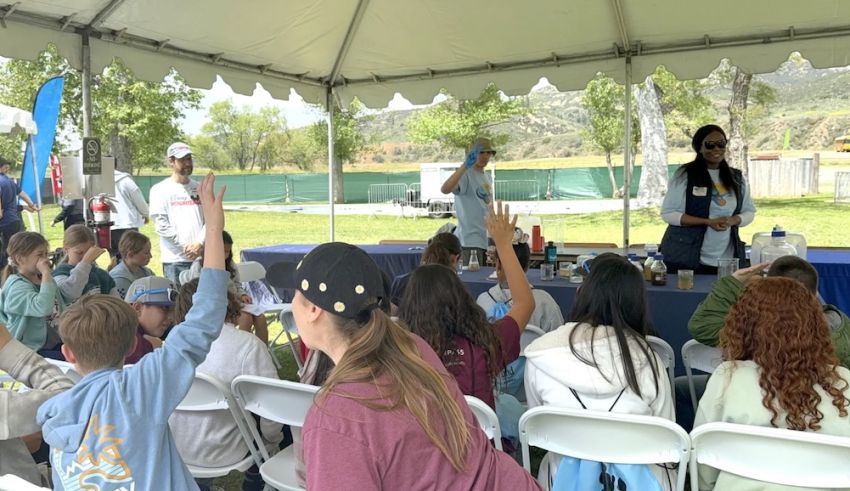
Other days, I’m collaborating with city staff, researchers, and state agencies across California to create science-based plans for managing invasive species like the invasive shothole borers. I also spend a lot of time making sure our research reaches the people who need it, through workshops for arborists, landscapers, and park staff, or community outreach in partnership with UC Master Gardeners and California Naturalists. One of the most exciting recent projects is the GSOB Blitz, which we launched this June. It’s a volunteer-driven effort to track goldspotted oak borer infestations across Southern California. We had a great response: people were excited to participate, learned how to identify signs of infestation, and collected valuable data from across the region. Seeing that kind of community engagement and impact is one of the most rewarding parts of what I do.
What part of your work are you most excited about or proud of right now?
What I’m most excited about right now is how our research is helping improve how invasive pests like the invasive shothole borers (ISHB) are managed in urban areas. We’ve developed science-based management guidelines that are now being used in places like Orange County parks. These include practical steps like monitoring for early signs of infestation, removing severely affected trees, and using targeted treatments only when necessary. It’s rewarding to see how research can lead to real, on-the-ground solutions that help protect valuable trees, reduce reliance on pesticides, and slow the spread of the pest.
More recently, I’ve been studying how infestations progress over time, and the results have been encouraging. In areas where best practices are in place, many lightly infested trees are starting to recover on their own. This is the first time we’ve been able to clearly document that tree recovery is possible, something we hadn’t seen at scale before. That finding gives us a more hopeful outlook: it shows that we can not only manage infestations more effectively, but also help trees survive and bounce back. Of course, we still lose some along the way, which is why preventing the spread of the pest remains essential. But knowing that recovery is possible with the right approach is a big step forward, and it’s something I’m proud to contribute to.
What’s your favorite fruit/vegetable we grow at SCREC?
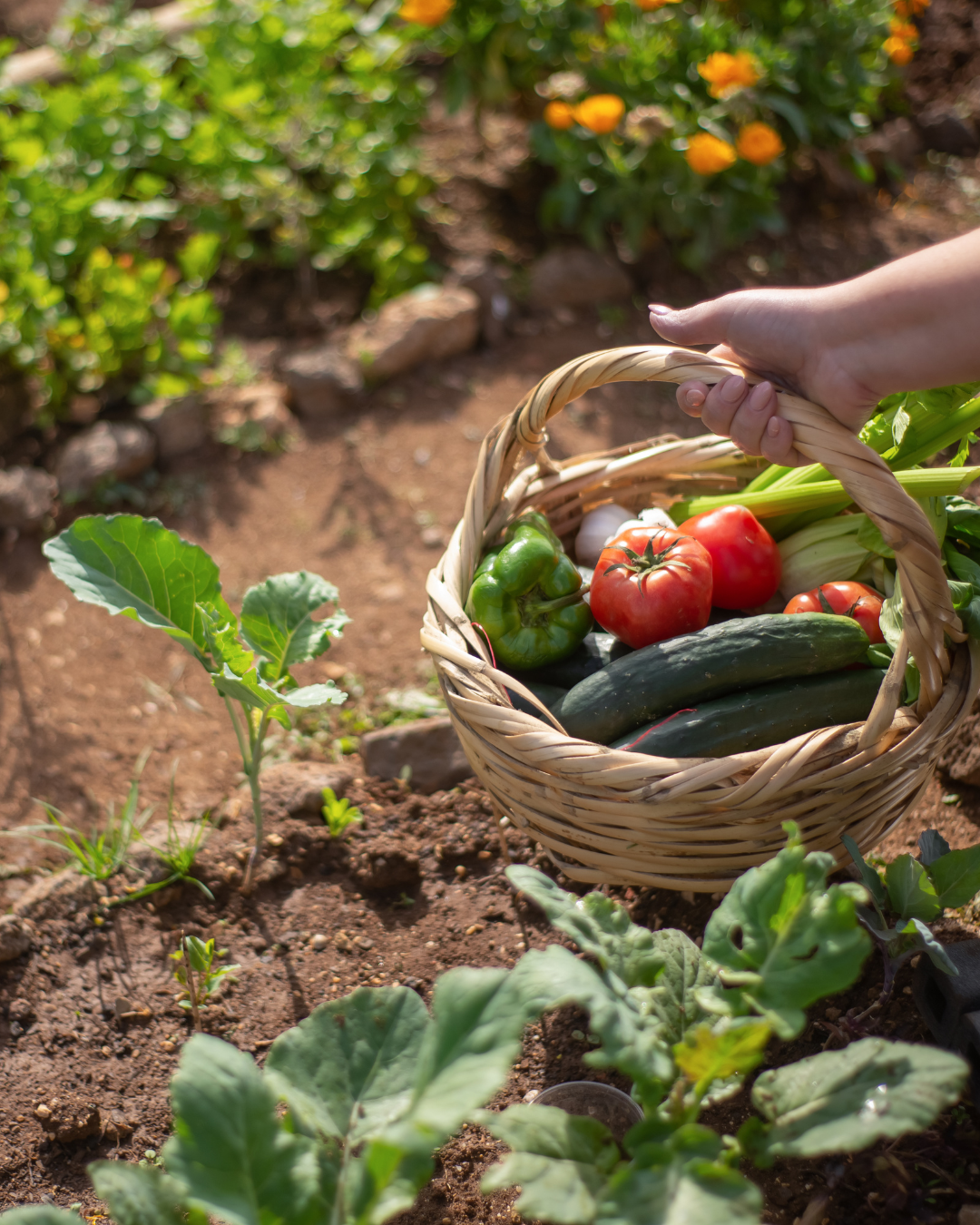
There’s so many delicious things being grown at the SCREC, it’s hard to pick! But the avocados, persimmons, and pineapple guavas are among my favorites. It’s always a treat when the Master Gardeners place them in the shared produce bins.
Here are a few website where people can find more information about invasive tree pests, how to manage them, and how to prevent their spread:
|