AZFO Newsletter August - September 2026
| | |
Arizona Field Ornithologists (AZFO)
AZFO is an organization of birders and ornithologists
dedicated to increasing the knowledge of the changing status, identification, and distribution of Arizona's birdlife.
| | | | |
AZFO Annual Meeting --Register Now!
| |
|
Hosted at Pinewood County Club in Munds Park, Flagstaff, AZ
Sept 18-20
If you have not yet registered for your chance to connect with Arizona’s birding community, to hear the latest in research findings, and to celebrate the work being done to better understand birds across the state----
the time is now!
Time to firm up your plans and register while you still can!
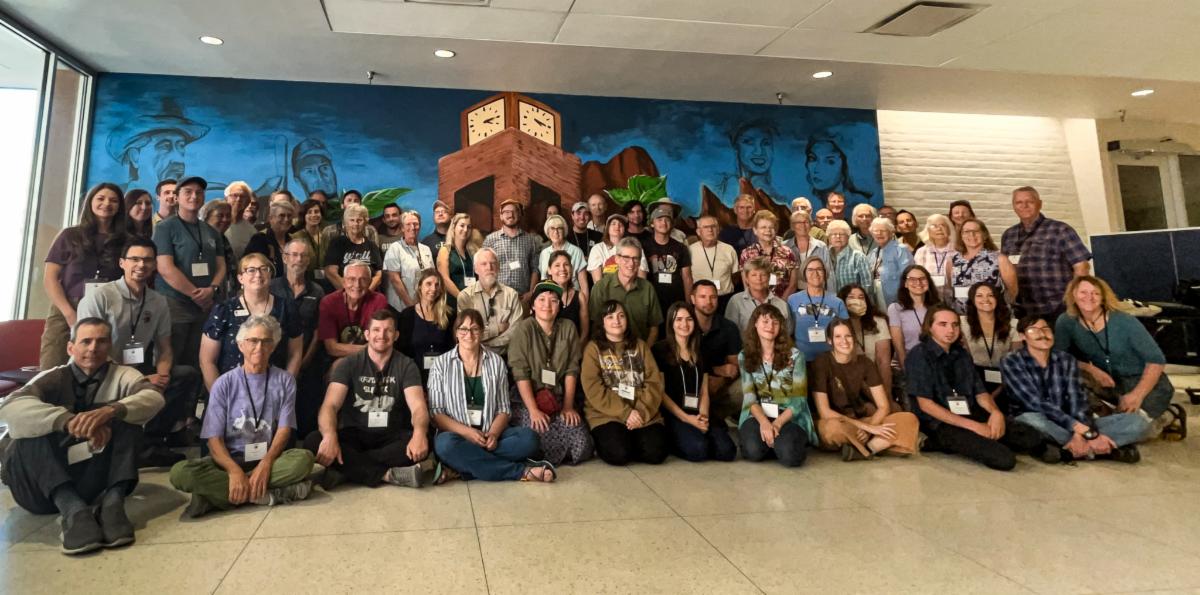
Attendees can look forward to presentations from local researchers, keynote speaker Dr. Jeff Foster of No. AZ University, raffles, book sales, bird quizzes, opportunities to get involved with AZFO, and time to socialize with old friends and birders
from all around Arizona. You'll be able to get AZFO logo gear, T-shirts, and a special 2026 meeting T-shirt at our sales table.
The meeting weekend also includes expert-led field expeditions, giving attendees the chance to explore the area, look for local specialties, practice bird identification, and enjoy birding with others. A separate link to register for field trips will be sent to all who have signed up for the meeting.
Lodging, mostly Air B&B-type rentals, is available in Munds Park or you can find more options in Flagstaff, nearby.
See you there!
| | | | |
$250 Youth Scholarship Available
Thanks to the generous support of Desert Rivers Audubon Society, Maricopa Bird Alliance, and Prescott Audubon Society, AZFO is offering $250 youth scholarships to help young, aspiring ornithologists to attend the AZFO Annual Meeting. Application deadline extended to August 20!
Click here HERE to learn how to apply.
| |
|
Call for Papers and Posters
AZFO is now accepting abstracts for oral presentations and for posters for the 2026 Annual Meeting.
Abstracts are due Tuesday, August 25, 2026 and should be sent to Board2@AZFO.org. Visit our website for full submission guidelines, including abstract formatting, poster size, and contact details.
To learn more about submitting a paper or poster,
CLICK HERE.
| |
|
Gale Monson Research Grants Now Open
Each year, AZFO provides up to two $1,000 awards to qualified applicants seeking to conduct field research focused on Arizona's birds. We recognize grant awardees each year at our annual meeting. Interested researchers can learn more on our website HERE.
| |
|
Achievement Award Nominations Open
Do you know someone who has made a meaningful impact on Arizona’s birding community? AZFO is accepting nominations for its Achievement Award, which recognizes individuals who have helped advance knowledge and appreciation of Arizona’s birds through field work, publications, long term studies, youth mentorship, public education, or other lasting contributions. Review the full nomination details HERE.
| |
|
AZFO Goes to the SE AZ Birding Festival
This past weekend, we had a great time visiting with everyone who stopped by our AZFO table at the Tucson Bird Alliance's SE AZ Birding Festival. We talked with old friends, AZFO members and supporters, and many birders new to AZFO and what we do. We hope to see many of you again at our annual meeting in September!
| | | | AZFO eBird Gaps Project : | | Help Look for Purple Martins, Cassins’s Sparrows, and Crested Caracaras! | | |
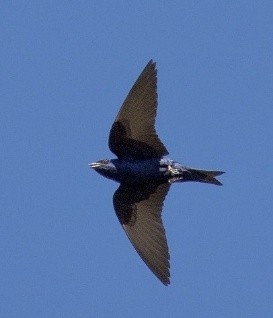
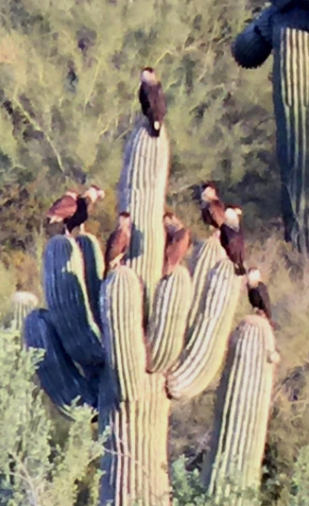
Our next AZFO field expedition will be in the Cactus Forest area, Pinal County, on Saturday, August 22. This is one of our eBird Gaps underbirded areas and includes a lush saguaro forest and upland grasslands. There are three species that we particularly want to learn more about: Desert Purple Martin, Crested Caracara, and Cassin’s Sparrow. Martins have been reported feeding at earthen cattle tanks, and we now want to determine their nesting locations and a sense of their distribution in the area. Interested participants should contact Doug Jenness to join a team. Check the AZFO website for information and a map of the Cactus Forest Area.
| | |
AZFO Virtual Suggestion Box
Do you have an idea for an eBird Gaps project or perhaps a Field Expedition destination? AZFO welcomes your suggestions. Just drop your ideas into this virtual suggestion box: Contact@AZFO.org.
Thanks for your thoughts!
| | |
What’s in a Cowbird Name?
by Diana Herron
On two of my most recent birding excursions, I saw both Brown-headed and Bronzed Cowbirds and got to thinking about their common names. I consulted my old Peterson western field guides. In the 1941 first edition of A Field Guide to Western Birds, there are entries for Common Cowbird (Molothrus ater) and Red-eyed Cowbird (Tangavius aeneus). In the 1961 second edition, there are entries for Brown-headed Cowbird (Molothrus ater) and Bronzed Cowbird (Tangavius aeneus). In the late 1960s taxonomists moved the Bronzed Cowbird from the genus Tangavius to Molothrus.
In my opinion, the name change from Common (a rather dull name) to Brown-headed Cowbird was a big improvement, since the male does have a brown head. However, I think that Red-eyed Cowbird is a preferable name to Bronzed Cowbird. Although the bird does have a bronze sheen, Red-eyed Cowbird is more descriptive and refers to a very important field mark.
There is one other cowbird species in the United States, the Shiny Cowbird, a South American species that expanded into the Caribbean and southern Florida. Farther south, in Central and South America, three more cowbird species occur: Screaming Cowbird, Giant Cowbird, and Bronze-brown Cowbird, depending on the taxonomy used. Can you imagine what those are like?
In the 1941 Peterson field guide there are many other fascinating common names for birds. For example, do you know what a Desert Sparrow is? Or a Pileolated Warbler?
| |
|
AZFO Supports Young Birders United!
Young Birders United is a nationwide association of young birders' groups and programs, and they are hosting a virtual conference on August 29th. To read more and to register, go to AZFO.org.
| |
| | |
Arizona Birds: Communal Roosting of the Crested Caracara in Arizona
Researchers documented five communal roosts of Crested Caracaras in Arizona’s Santa Cruz Flats, with roost use much higher from November through March than during the warmer months. The study suggests winter agricultural activity may provide important food resources for these birds, while reduced irrigation, development, and other landscape changes could threaten the habitats and prey concentrations they rely on.
Article Link
| | | | |
Arizona Birds: Our Online Journal
Species of the Month
| | |
July:
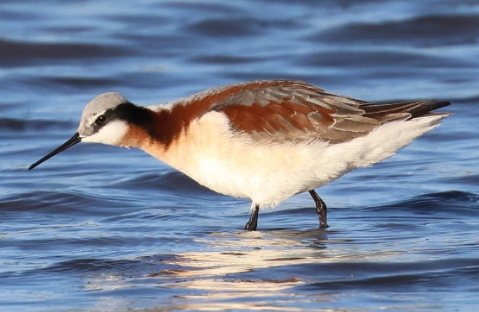
Wilson's Phalarope
Photo by Tonie Hansen
Wilson’s Phalaropes are unusual shorebirds known for reversed breeding roles, with the more colorful females mating with one or more males before departing while the males incubate the eggs and care for the young. During migration, these highly aquatic birds often feed by spinning in circles to create small vortices that bring food to the surface, and they can be seen passing through Arizona in both spring and fall. Although the species remains widespread, Wilson’s Phalaropes depend heavily on a small number of saline lakes during migration, making habitat loss and water diversion a growing conservation concern.
| |  | |
August:
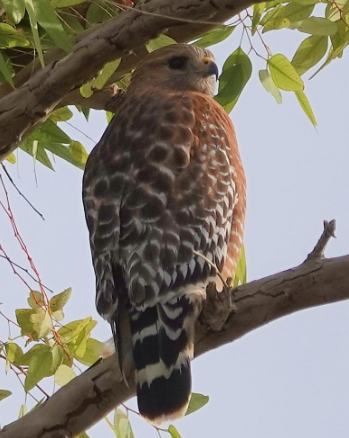
Red-Shouldered Hawk
Photo by Henry Detwiler
The Red-shouldered Hawk is a relatively recent arrival to Arizona, but since its first documented nesting attempt in 1970, it has become an annual winter visitor and established localized breeding populations in parts of the state.
Most often found in wooded riparian areas, this striking hawk is known for its rusty-red coloration, bold black-and-white wing pattern, and distinctive high-pitched call.
| | | | | |
| |
| | | |