|
Six Questions. Collective Wisdom.
1. How do you build trust?
Key themes: Deep listening • Consistency and follow-through • Relationships • Curiosity and humility
Participants emphasized that trust grows through intentional relationships and everyday actions. Being present, listening to understand, honoring commitments, and taking time to know one another create the foundation for trust.
"Go SLOW (Slow is the new fast)"
The takeaway: Trust isn't built in a single interaction. It's cultivated through consistent care, curiosity, and connection.
2. How do you create space for all voices?
Key themes: Intentional listening • Inclusive participation • Equity and representation • Belonging
Listening emerged again as essential, alongside the importance of creating multiple ways for people to participate. Participants encouraged us to notice who is missing, center marginalized voices, and recognize that not everyone communicates or processes in the same way.
"Who should be here? Who is missing? Who decided?"
The takeaway: Inclusion requires more than inviting people to the table. It means paying attention to whose voices are heard, valued, and able to influence what happens next.
3. What helps you stay curious across difference?
Key themes: Openness to new perspectives • Stories and questions • Compassion • Willingness to be uncomfortable
Participants described curiosity as a willingness to step outside familiar experiences, ask questions, and learn from others' stories. They also named shared humanity, compassion, and even being rested and nourished as ways to sustain curiosity.
"Getting out of my bubble and opening my eyes and ears"
The takeaway: Curiosity is a practice. It asks us to remain open, embrace learning, and sometimes stretch beyond our comfort zones.
4. What is giving you hope?
Key themes: Young people • Community and connection • Kindness • Collective action • Creativity
Hope was found overwhelmingly in people. Participants named young people, strong communities, acts of kindness, creative expression, and people showing up to make a difference. Many found hope in the possibility of collective change.
"Young people give me hope. They see what is not working and will have agency to change it!!"
The takeaway: Hope is not simply something we feel. It is something we nurture through relationships, care, and action.
5. What leadership practice strengthens a team?
Key themes: Open communication • Transparency • Consistent connection • Trust and belonging
Participants highlighted practical leadership behaviors: regular check-ins, open communication, honest feedback, listening, and leading by example. Transparency was a particularly strong recurring theme.
"Trust is the foundation of a strong team"
The takeaway: Strong leadership is practiced in everyday moments. How we communicate, listen, and follow through shapes team culture.
6. What helps people feel they belong?
Key themes: Being seen and known • Genuine interest • Intentional inclusion • Acceptance and authenticity
Belonging was described through simple but meaningful experiences: being greeted by name, having someone remember your story, being invited into conversation, and feeling safe to be yourself.
"Name is known and they are greeted with joy"
The takeaway: Belonging grows when people experience being seen, heard, welcomed, and valued for who they are.
What Does Our Collective Wisdom Tell Us?
Looking across all six questions, five interconnected themes stand out.
1. Relationships are at the heart of our work.
Whether discussing trust, leadership, belonging, or hope, participants consistently returned to the importance of human connection. Relationships are not separate from the work of nonprofit organizations; they are central to how that work happens.
2. Listening is one of our most powerful practices.
Listening appeared across nearly every question. Not simply hearing, but listening to understand, learn, and recognize the experiences of others. It is a practice that strengthens trust, inclusion, and collaboration.
3. Small, intentional actions make a difference.
Remembering a name. Asking a thoughtful question. Following through. Making space for someone who hasn't spoken. These reflections remind us that organizational culture is shaped through everyday interactions.
4. Inclusion requires both care and intention.
Participants emphasized welcoming others and honoring individuality, while also calling attention to whose voices are missing or marginalized. Meaningful inclusion requires both strong relationships and intentional practices that address barriers to participation.
5. Hope lives in community and collective possibility.
Perhaps the most encouraging finding is that participants see hope in one another. In young people, community leaders, creativity, kindness, and people working together to make things better.
From Wisdom to Practice
These reflections offer more than a collection of good ideas. They invite us to consider how our values show up in our everyday work.
As nonprofit professionals, leaders, volunteers, and community partners, we navigate complex challenges, competing demands, and an ever-changing world. Yet the wisdom shared here points toward practices that remain within our reach.
We can listen more deeply. Make room for different perspectives. Follow through on commitments. Notice who is missing. Create spaces where people feel they belong. And find hope in what we can accomplish together.
A question to carry forward:
What is one small, intentional practice you can strengthen to build more trust, belonging, or hope in your team or community?
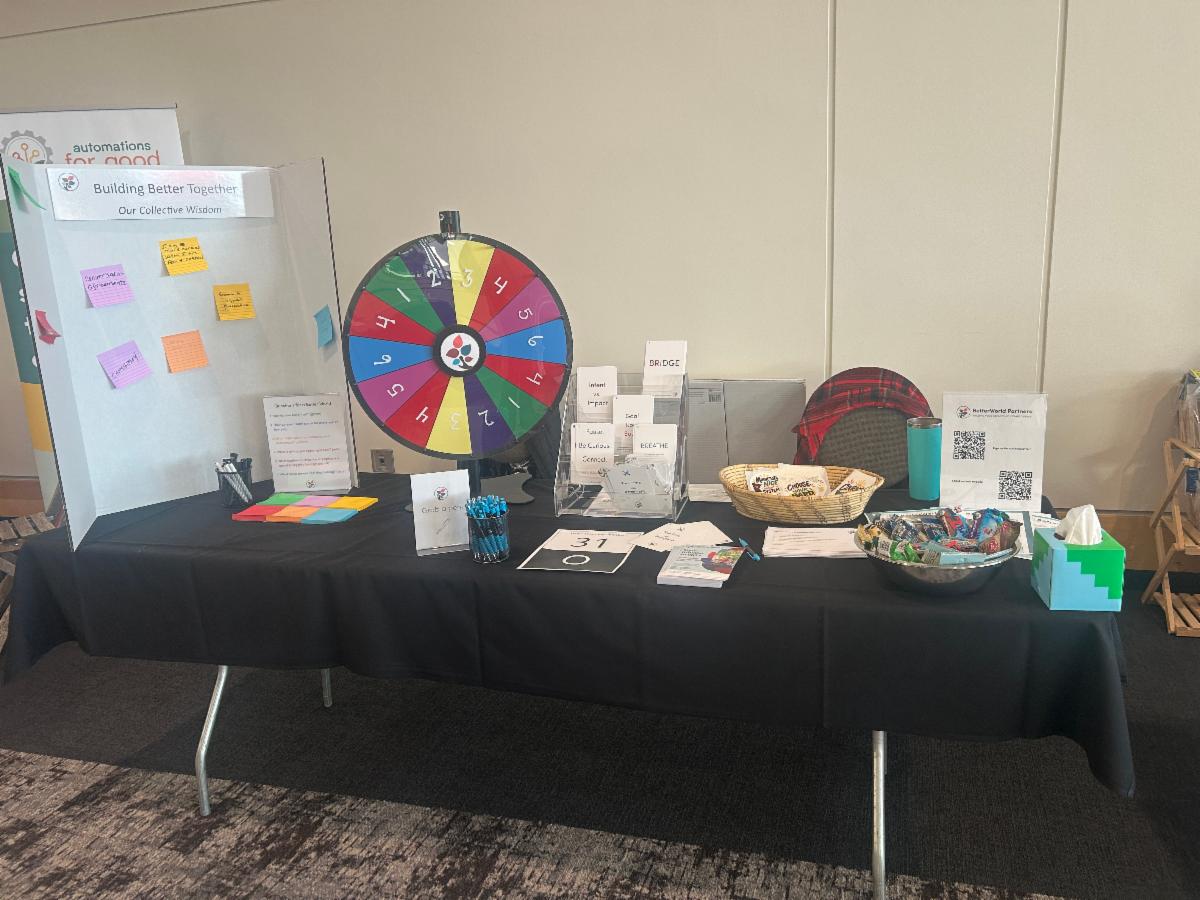
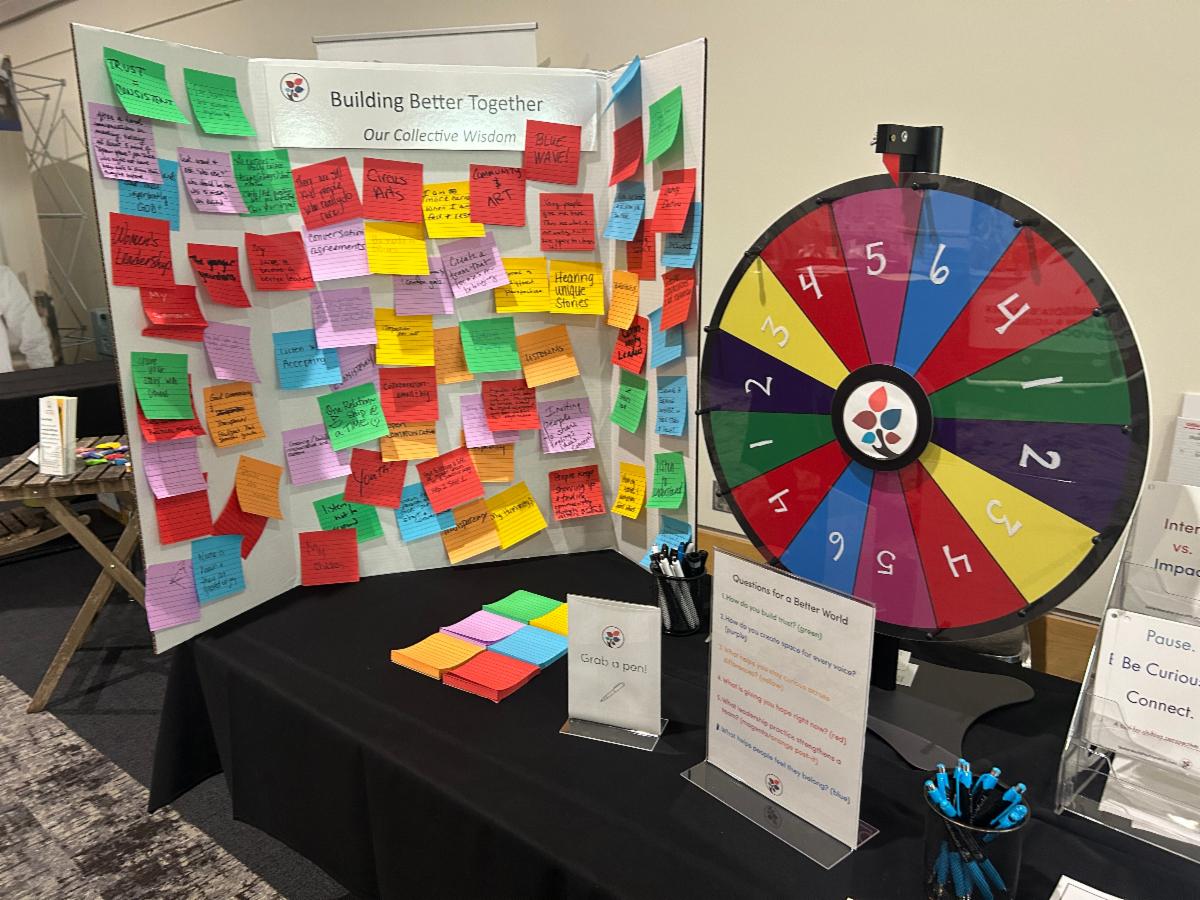
Thank you to everyone who contributed to the Wisdom Wall. Your reflections remind us that wisdom lives throughout our communities—and grows when we share it.
With appreciation,
Athena and Julia
BetterWorld Partners
About these reflections: This summary draws from 105 written responses across six questions at the 2026 Minnesota Council of Nonprofits conference. Themes represent patterns in participants' contributions, not a representative survey of conference attendees or Minnesota nonprofits.
|