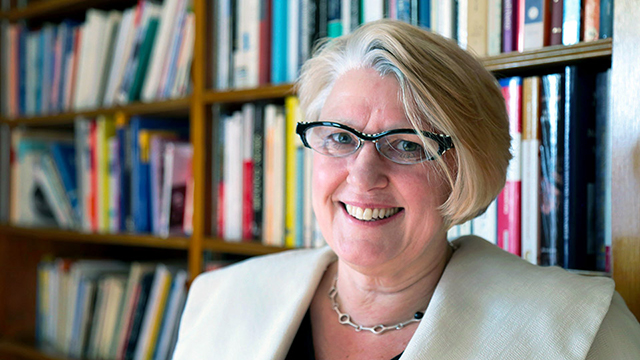
A Florida bill that would prohibit discussions of sexual orientation and gender identity in kindergarten through third grade public school classrooms has made its way toward the desk of Gov. Ron DeSantis. Mount Holyoke College President Sonya Stephens writes that the bill dubbed by opponents, the “Don’t Say Gay” bill, is less about protecting students than it is about fueling America’s political divide. The Florida bill is part of a nationwide trend as 15 similar bills now move through other state legislatures. Stephens notes that Republicans have found linking divisive issues of race, sexual orientation and gender identity to parents’ concerns about what their children are being taught in public schools is an effective means to win at the ballot box—as Gov. Glenn Youngkin’s recent victory in Virginia indicates. Not only do these bills undermine the real progress LGBTQ people have made in our society over the past 50 years, Stephens writes, but they also further erode trust in some of our most dedicated and undercompensated public servants: school teachers and administrators.
Pictured: Mount Holyoke College President Sonya Stephens
|
|
|
Bunker Hill Community College President Pam Eddinger had a heartfelt message for the New England lawmakers gathered last week for NEBHE's Legislative Advisory Committee (LAC) meeting: Rather than return to the pre-Covid state of affairs, we need to strengthen each leg of the “three-legged stool” of community college success: students’ financial stability, learning inside the classroom, and wraparound support services on campuses. NEBHE held the first in-person meeting of its LAC since the pre-pandemic days of 2019, this one, a hybrid affair at Lasell University and via Zoom. A panel discussion on “Doing the Most with the Least: How State Policymakers Can Support Wellbeing, Belonging and Success at Community Colleges for an Equitable Pandemic Recovery" featured Eddinger, along with: Sara Goldrick-Rab, founder of the Wisconsin HOPE Center for College, Community and Justice; Linda García, executive director of the Center for Community College Student Engagement at the University of Texas at Austin; Alfred Williams, president of River Valley Community College in New Hampshire; Audrey Ellis, director of institutional effectiveness at Northern Essex Community College in Massachusetts; and Eudania Aquino, a Student Ambassador at Northern Essex. Here, NEBHE's Rachael Conway, who manages the LAC, distills five takeaways .
|
|
|
President Joe Biden signed into law a $1.5 trillion government spending bill for fiscal year 2022 that provides $3 billion for higher education. The overall legislation includes $1.5 billion for thousands of earmarks, including more than 200 earmarks for higher education projects. The bill, however, does not include the $20 billion for the president’s proposed Title I Equity Grant program and cuts his $15.5 billion request for funding of the Individuals with Disabilities Education Act by $2.2 billion. ... Rep. Jahana Hayes (D-Conn.) called her proposed School Shooting Safety and Preparedness Act bill (H.R. 5428) a “plea to keep our children safe”. ... Senate HELP Chair Patty Murray (D-Wash.) urged the Biden administration to further extend the payment pause on student loans until at least 2023. ... Read the latest from NEJHE's DC Shuttle, featuring national news drawn from our friends at the New England Council.
|
|
|
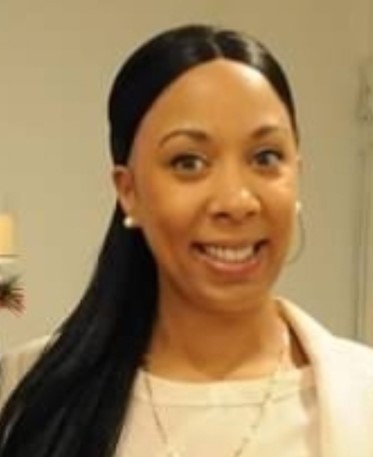
Worcester City Manager Edward M. Augustus Jr. announced he will step down in May after eight years leading New England’s second largest city. Augustus is credited with the city’s recent economic growth, including the development of Polar Park, home of the Worcester Red Sox, the minor league baseball team formerly based in Pawtucket, R.I. The city has been criticized for slow progress on racial equity, marked by the short tenures of three different chief diversity officers in the six years since the post was created. … The most recent to hold that job, Stephanie Williams, was appointed this month to the newly created role of chief diversity executive at Mount Wachusett Community College, which has campuses in Gardner, Leominster, Fitchburg and Devens. ... See more on these and other changes in NEJHE's Comings and Goings tally of new appointments in New England higher ed and beyond.
Pictured: Stephanie Williams
|
|
|
Tidbits from the NEJHE Beat ... |
|
|
Brief items from the "NEJHE Beat"—that unique constellation of issues connected to higher education and also to social justice, economic and workforce development, regional cooperation, quality of life, academic research, workplaces and other topics that together say "NEJHE."
|
|
|
Recently from The New England Journal of Higher Education
|
|
|
The Supreme Court will hear two cases this fall that could bar colleges and universities from using race as a factor in admissions. Diversity is critical to the spread of ideas and learning. Yet past affirmative action bans decreased Black student enrollment by as much as 25% and Hispanic student enrollment by nearly 20%. And while the bans discourage minority applicants, they don't result in academically better student bodies. One recent study showed SAT math scores among groups of accepted students tended to drop after such bans. Higher education attorney Chelsie Vokes explains why colleges need to prepare now for the day, coming perhaps as soon as next spring, when the Supreme Court outlaws race-conscious college admissions.
|
|
|
The rules around compensation for college athletes has changed. Players still cannot be paid directly for their play. But, like pro athletes, they can license and profit off their name, image and likeness (NIL). And as with any change involving big-money sports, bigger-money commercial opportunities, popular celebrities and the law, the new playing field "will open opportunities for the crafty and nimble, along with traps for the greedy and unwary," writes Iciss Rose Tillis, an attorney at the firm of Hall Estill and former WNBA and Duke University basketball player. Tillis and her coauthor, Hall Estill colleague Jon A. Epstein, say it's too early to predict all those opportunities and traps, but offer some issues to consider as institutions and students grapple with the strange new world of NIL.
Pictured: Attorney Iciss Rose Tillis playing for Duke
|
|
|
NEBHE seeks two college students (juniors, seniors or grad students) to work and learn as Communications Interns with The New England Journal of Higher Education (NEJHE) and NEBHE's strategic communications. Responsibilities include drafting content posted to the NEBHE website, writing news releases, assisting with soliciting and editing NEJHE commentary by staff and outside contributors, creating and editing video clips and helping with social media and email communications. Students with federal work-study funds preferred.
|
|
|
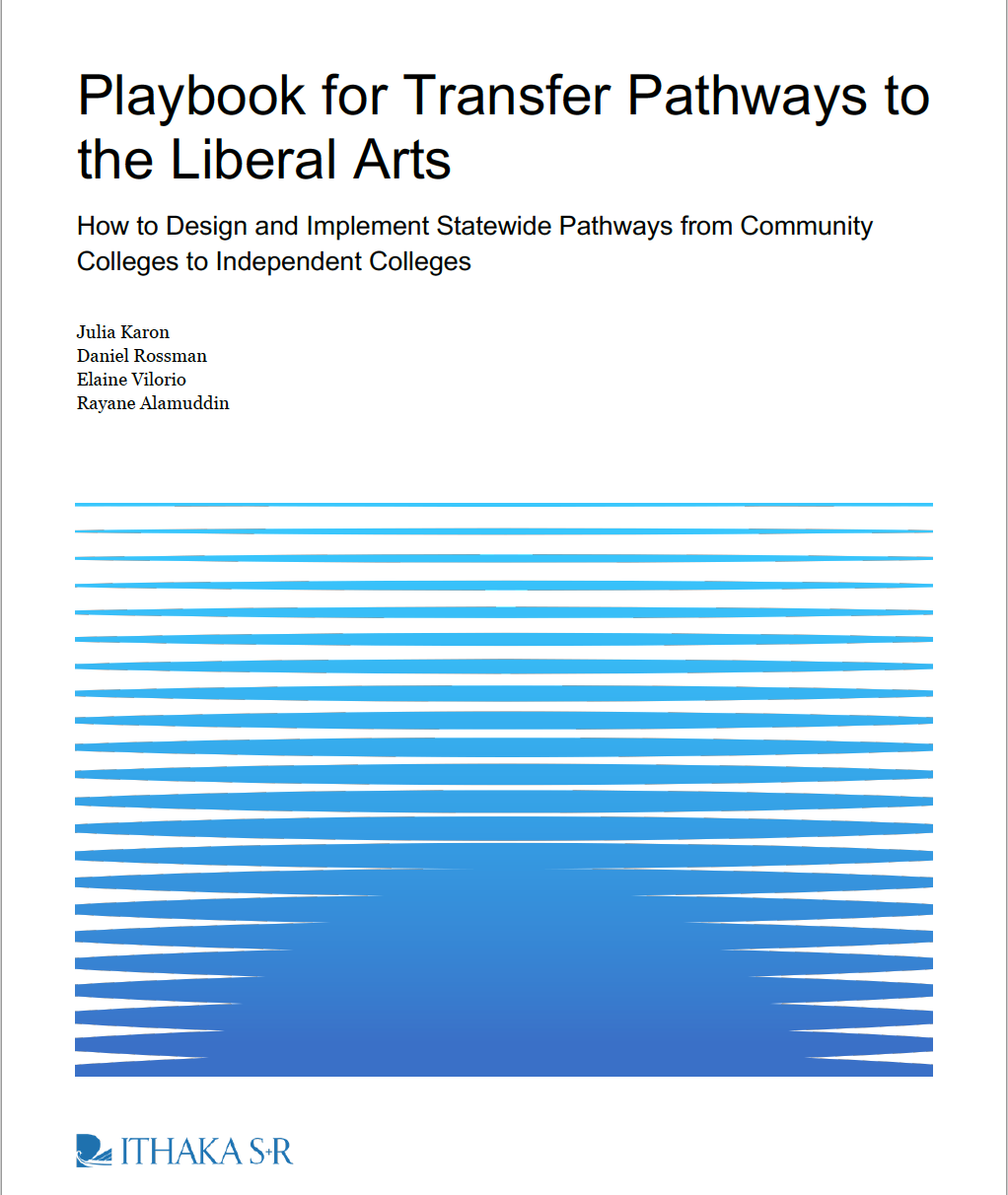
Ithaka S+R released the "Playbook for Transfer Pathways to the Liberal Arts: How to Design and Implement Statewide Pathways from Community Colleges to Independent Colleges," a toolkit that seeks to help independent four-year colleges design and implement transfer pathways open to all community college students in their state and to ensure consistency in transfer expectations across participating independent colleges. The playbook is a resource to advance the goals of Transfer Pathways to the Liberal Arts, an initiative co-sponsored by the Teagle Foundation and Arthur Vining Davis Foundations to develop statewide transfer pathways from community colleges to independent colleges in 20 states. As the playbook notes: "NEBHE made sure to collaborate and hold conversations with multiple actors across the region, including public four-year institutions, state associations of private colleges, state government officials, individual independent colleges, and students. Choosing project goals that appealed to public institutions and state agencies in particular alleviated some of the tension that might have arisen due to declining enrollments in the region and solidified the public sector’s commitment to collaborating on the New England Transfer Guarantee."
|
|
|
Tech talent is critical for Connecticut’s economic competitiveness and fostering the long-term growth of multiple critical technology-driven industries. In January 2022, Connecticut employers posted 10,129 unique job opportunities across 16 software development-related occupations, according to the labor market firm Emsi. This is a 93% increase from the number of jobs posted in the same month a year earlier. Moreover, 88% of these most recent postings listing an educational requirement call for a bachelor’s degree. In February, NEBHE and the national Business-Higher Education Forum (BHEF) launched an initiative to better align Connecticut's businesses and higher education institutions to bolster the state's workforce and help Connecticut residents find high-quality jobs in tech-enabled professions. For more on their 18-month Tech Talent Accelerator initiative and associated grants, please visit here or contact Sheridan Miller at smiller@nebhe.org.
|
|
|
NEJHE NewsBlast is a summary of NEJHE content and other news around NEBHE prepared weekly by NEJHE Executive Editor John O. Harney and emailed every Wednesday to opinion leaders and practitioners. When responding to NEJHE content, please make sure that your remarks are relevant, courteous and engaging. Individuals are responsible for their comments, which do not represent the opinions of the New England Board of Higher Education. We urge commenters to briefly note their occupational or other interest in the topic at hand. Please refrain from offensive language, personal attacks and distasteful comments or they may be deleted. Comments may not appear immediately. Thank you for staying engaged.
|
|
NEJHE NewsBlast is sponsored by
|
|
For more information about partnering with NEBHE, click here
or send an email message to our events coordinator Marla Phippen.
|
|
© 2020 New England Board of Higher Education |
|
|
|
|
|
|
|