🌱 WEDNESDAY WEEKLY 🌱

This week: what happened when Zena flooded, erosion and turbidity, and a reason to shop at Hannaford in Hurley this month.

STEWARDSHIP · CLIMATE


The Floodplain Did Its Job


Last week's downpours sent water coursing through Zena Cornfield, and ZCF Steward and Stream Steward Muriel Stallworth was paying attention. She flagged it first; she also connected us with fellow Stream Steward Evan Neuman, who had already been out documenting the flooding for the program—our people 🥰.

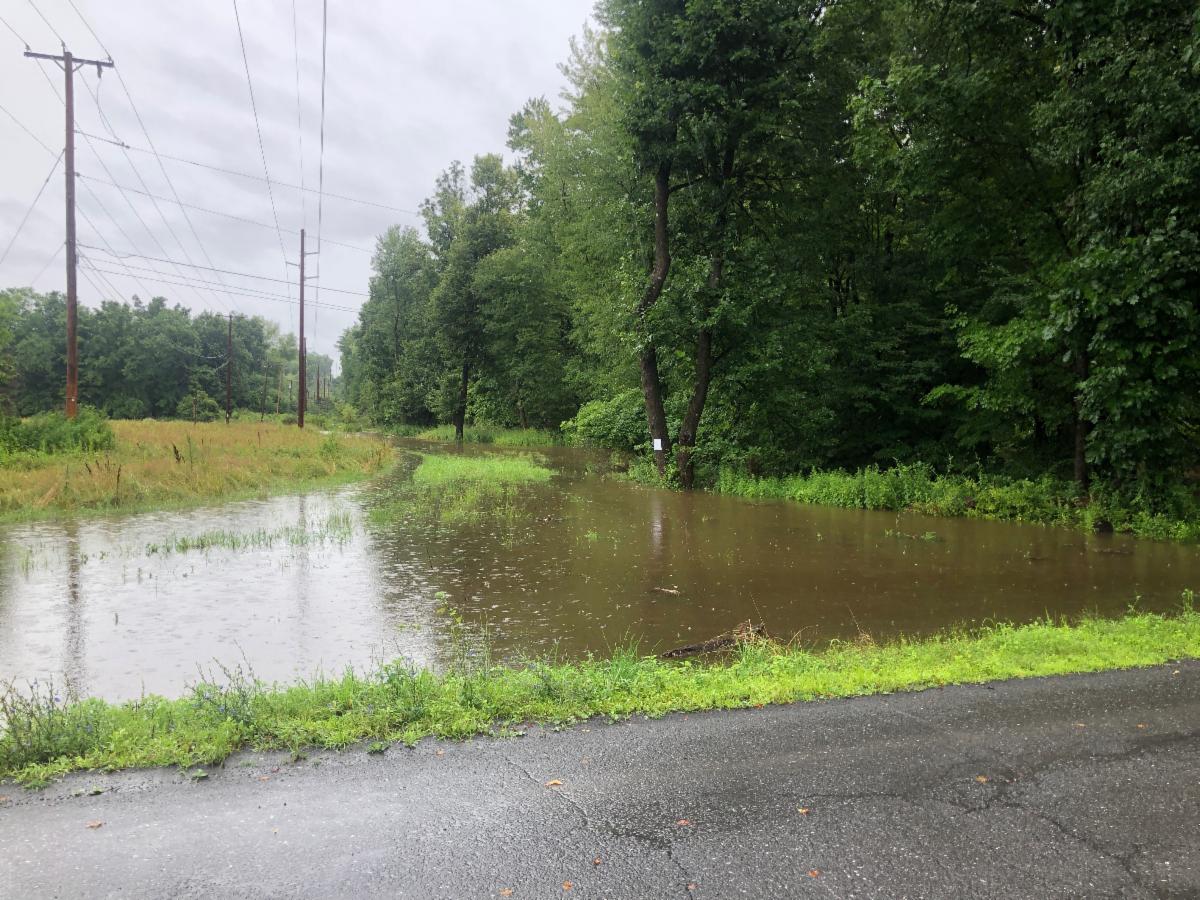
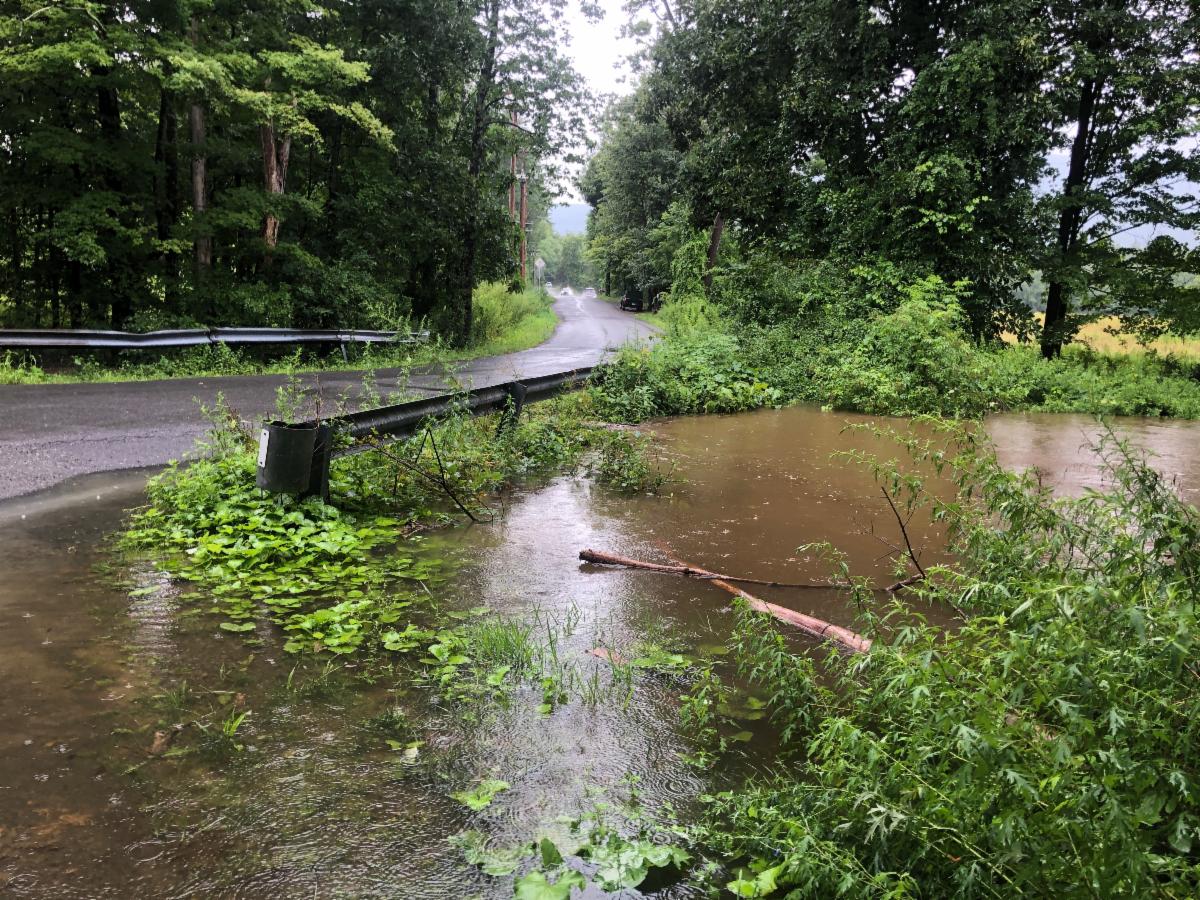
What the photos show is striking: the Fontyne Kill at the Gitnick Road bridge, water at the guardrail, the floodplain full and brown. What happened next was more striking: it drained. Quickly.

Land Acquisition and Stewardship Manager Melissa, who has been walking the preserves alongside our Land and Stream Stewards, had a clear read on what the photos were telling her: the floodplain was working well to help slow and absorb the excess flood waters. And our riparian buffer shrubs will only make it more effective as they continue to grow.


Here's the thing about a floodplain "absorbing" water: it's not acting like a sponge, soaking the flood up. It's spreading out the flood's energy rather than the water itself, giving it a non-erosive path to travel instead of tearing through the landscape. The shrubs help the same way: they don't soak up the flood, they slow it down and spread it out.

They're still young. They'll only get better at this as they grow.


Flooding is frightening, and the storms we've been getting aren't abstract; they're arriving with more frequency and force than most of us grew up expecting. A floodplain that drains quickly, stewards who notice and document what they see, shrubs that will only get better at their job as they grow—that's not abstract either. This is what WLC protects, and this is how it works.


The Fontyne Kill is a tributary of the Sawkill. Want to help us map it? →


[Image 1: Zena Cornfield from Gitnick Road. Photo: Evan Neuman.]

[Image 2: The Fontyne Kill at the Gitnick Road bridge. Photo: Evan Neuman.]

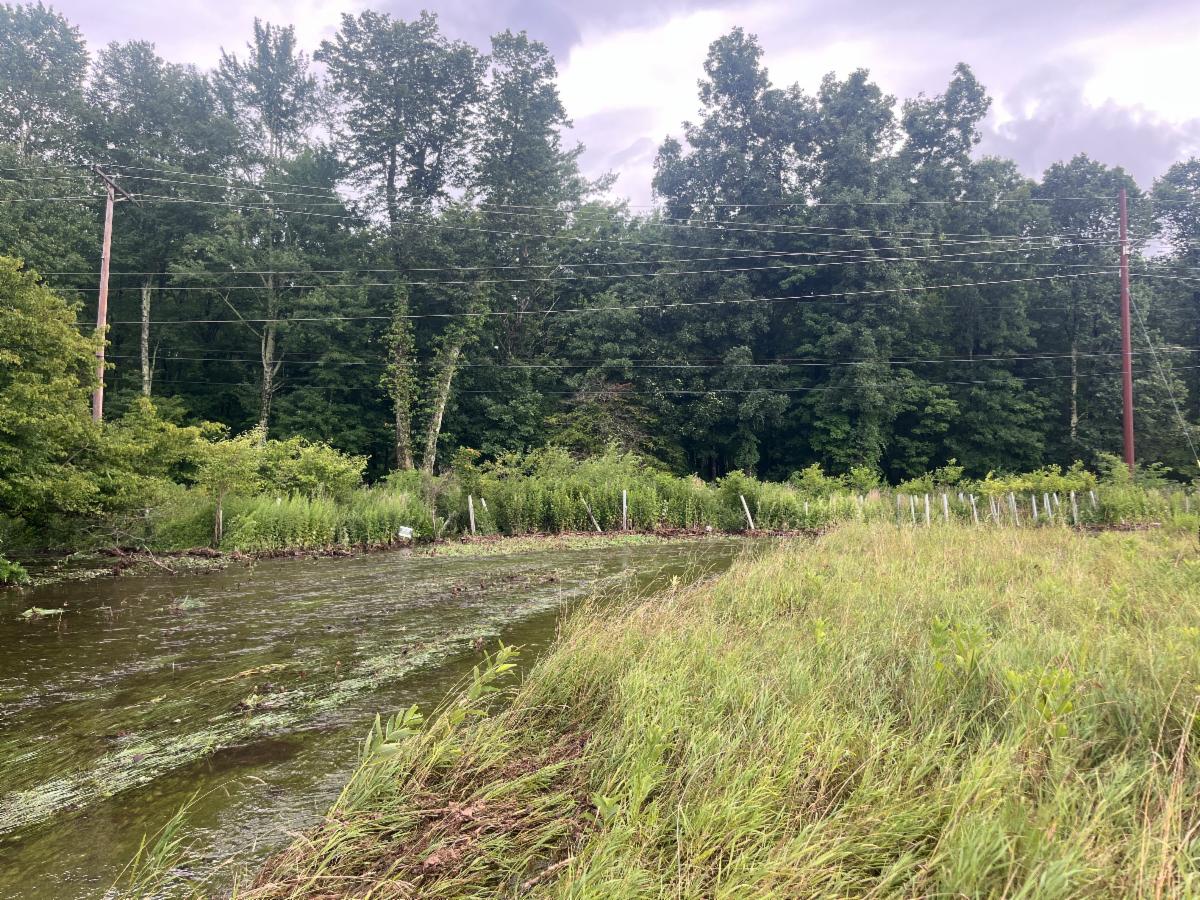
[Image 3: The riparian buffer planting area along the streambank—those white tubes are protecting the young shrubs. Photo: Muriel Stallworth.]

KNOW YOUR WATERSHED · ECOLOGIES OF WATER


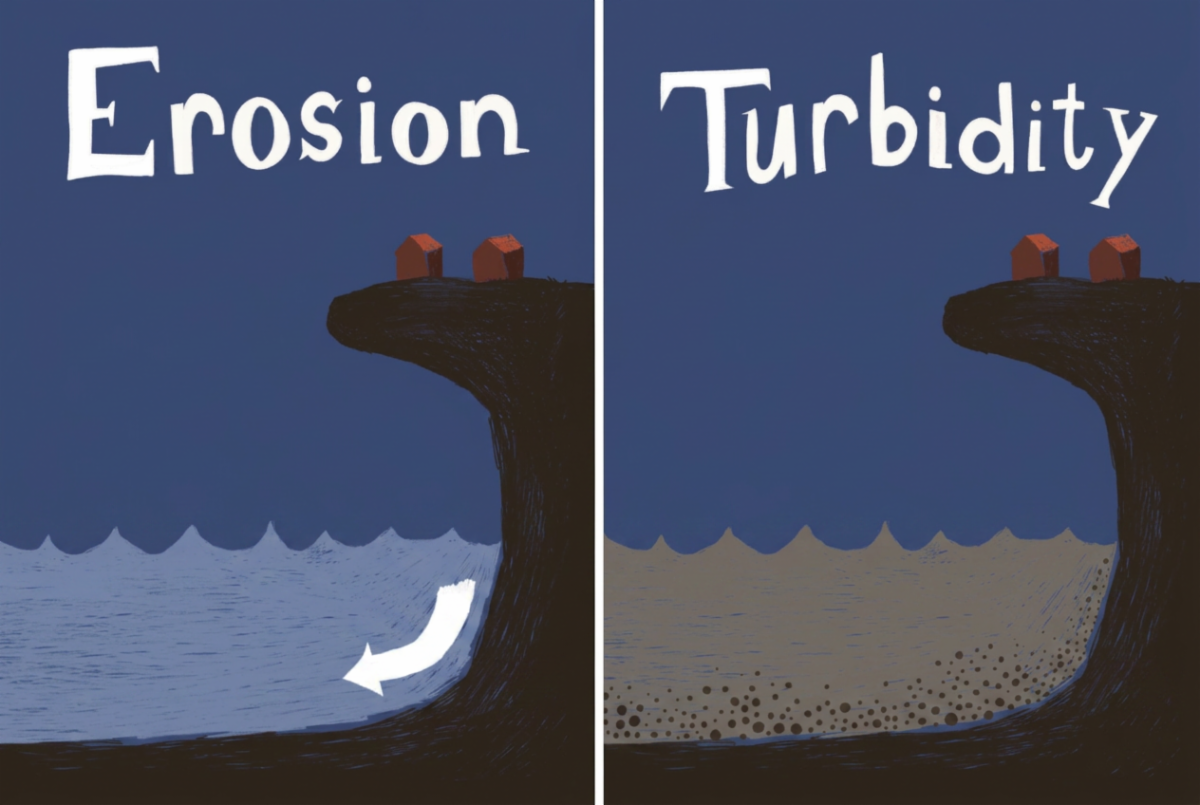
Erosion and Turbidity—Or, What Those Photos Were Actually Showing You


You just saw it in the photos above: the Fontyne Kill running brown, the water at the guardrail, the floodplain full. That brown color has a name: turbidity, the cloudiness of water caused by tiny suspended particles of soil that have been picked up and carried along by the current. It looks dramatic, and it is; but understanding what causes it, and what slows it down, is also the key to understanding why the riparian buffer shrubs we have been planting at Zena Cornfield matter as much as they do.

Erosion is the process of soil being worn away and carried off by water, wind, or gravity—and along streams, it happens fastest when banks are bare or disturbed. In the Hudson Valley, heavy rains, steep slopes, and clay-rich soils mean that unprotected streambanks can erode quickly, especially after storms and snowmelt. When that soil washes into streams, it creates the turbidity you saw: suspended particles that block sunlight, clog fish gills, smother insect habitat, and raise water temperatures. High turbidity makes it harder for sensitive species like mayflies and stoneflies to survive (if you recall from last month, we learned how these macroinvertebrates act as bioindicators, telling us about water quality before any other measurement does—they're also the ones we documented with Frank Beres at Zena Cornfield this past weekend).


Riparian buffers are strips of native trees, shrubs, grasses, and wildflowers planted along streambanks. Their roots hold soil in place, slowing bank collapse; their leaves and stems reduce surface runoff from roads, lawns, and fields, giving water time to soak into the ground instead of rushing straight into the stream. As WLC board member Duncan Schmitt puts it, a vegetated buffer works less like a sponge and more like a karate move: it absorbs and disperses the flood's energy rather than the floodwater itself, giving water a non-erosive path to travel instead of tearing through streambanks. Over time, a well-planted buffer acts like a living filter and a stabilizing net. In the Hudson Valley, native species like willows, red osier dogwood, spicebush, river birch, elderberry, and sycamore thrive along streams—they withstand floods, winter cold, and local wildlife; they grow quickly enough to stabilize banks; and they provide food and shelter for birds and insects. Even a narrow strip of vegetation along a stream can reduce erosion, improve water clarity, and keep local waterways cooler, cleaner, and more resilient.


For homeowners, unstable streambanks are not only an ecological problem, but also a practical one. Erosion can undermine yards, gardens, driveways, and trails near streams. Sediment and pollutants carried into the water can lead to downstream flooding, reduced water quality, and expensive damage to wells or septic systems. A healthy, vegetated riparian buffer is one of the best ways to protect both local ecosystems and your own land, which is why we keep planting them.


Evan's photos are a before. Our shrubs are still growing into their after.

COMMUNITY · LOCAL


$2.50 Gets You a Bag and a Donation to WLC


If you're like me, you have trouble deciding which of our fantastic Hannafords to shop at when you're looking for yogurt and seltzer. This month, the answer is West Hurley.


Hannaford at 295 State Route 375 has selected Woodstock Land Conservancy as the August beneficiary of their Community Bag Program. Pick up a $2.50 reusable Community Bag at that location and $1 comes directly to WLC. Tell your neighbors!

Your donations help us continue our work to protect and preserve open lands, forests, water resources, scenic areas and historic sites in Woodstock and the eastern Catskills.


With environmental groups large and small facing unique challenges, we need your support now more than ever. Every dollar makes a difference.


Support WLC today with a financial gift and consider adding us to your estate plan.

Our EIN number is 22-2950482.

2025 Environmental Organization - 1st Place

2026 Environmental Organization - 1st Place

2026 Environmental Advocate/Activist - 1st Place

Facebook  Instagram  Youtube