DEAR FRIENDS,


I've been thinking a lot lately about what makes people actually listen when we're trying to communicate something important. Whether it's a DOT announcing a road closure or a project team hosting a public meeting, the challenge is the same: how do you break through the noise and connect with real people?

Turns out, the answer might be simpler than we think. Show up as human. Be a little bold. And meet people where they are, both literally and figuratively.


In this issue, we're diving into three big ideas that can transform how you communicate:


  1. Getting playful with messaging. Utah DOT is joking about budgets. Washington State's excavators are having "brunch with the girlies" (spoiler: it's concrete). And their followers? They're eating it up. We'll show you why a little personality might be your secret weapon.
  2. Preparing for the worst. Crisis prep is all about preparing for the unexpected. Nobody does that better now than Virginia’s DOT, having experienced one of the worst weather-related disasters in the blizzard of 2022. We'll share what VDOT learned and how you can pressure-test your own plans before disaster strikes.
  3. Making engagement actually work. How do you get people to show up to public meetings or fill out surveys? We used geofencing and targeted ads to double survey responses for Kentucky's Long-Range Statewide Transportation Plan. We break down what worked so you can consider it for your next project.


Whether you're trying to stop the scroll, prep for a crisis, or just get more people in the room (or on your survey), this issue has practical strategies you can use right now.

Kind Regards,

Mimi Rasor, APR

President


Stop the Scroll: How Making Social Media Fun Can Get You More Followers

Have you checked out what’s happening with state DOT social channels around the country and in our own backyard? If you’re expecting dry statistics and mundane project updates, think again.


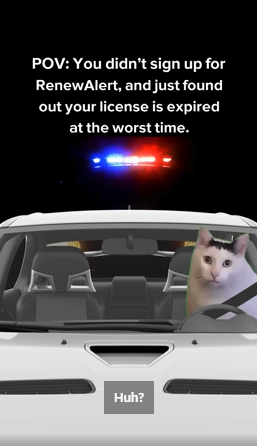
Traditionally “just the facts ma’am” entities are loosening up their social media, and the results speak for themselves. Take this creative reel from ODOT about the Ohio State Fair, or this hilarious video from KYTC about safe driving in deer season (or as they’d say, “Deer be deering”). Looking across the country, Utah DOT isn’t afraid to get cheeky about budget needs and Washington State DOT’s excavators are having “brunch with the girlies” (the brunch in question being concrete). Their followings are large, engaged and dedicated because of their efforts.

Adding personality to your expectedly matter-of-fact social media page might build a following faster than you expect. When people are entertained while being informed, you build credibility and positive word of mouth. The people driving on your roads and stuck in your construction traffic are, well, people. If you can show them with a little bit of humor that there’s a person behind the agency, they might cut you some slack on a project delay or even come to your aid next time your project is getting flack.


That said, there is always risk attached to more casual social media posts. Be sure to weigh the risks and benefits of each and ask yourself: does this fun post do more harm to my image than good? Is this the time and place for something fun? Still, social platforms favor the bold, and so will your followers. Don’t be afraid to show the creative, quirky, fun and human side of your project, department or agency. That’s how you stop the scroll.

Crisis Communications: A Critical Tool for Transportation Leaders


When winter storms paralyze major highways, the response extends far beyond snowplows and salt trucks. Transportation departments serve as public servants and communications agents, ensuring people stay safe and reach their destinations when it matters most. Yet as Virginia learned during the January 2022 blizzard, operational excellence means little without effective crisis communications.


The storm that dropped up to 11 inches of snow created a 24-hour nightmare on I-95, stranding hundreds of motorists after a multi-vehicle crash. While VDOT had pre-treated 2,000 lane miles and operated at emergency Level IV status, rapid snowfall, COVID-19 staffing shortages and power outages that disabled traffic cameras created a perfect storm of communication issues. The April 2022 after-action report revealed improvements were needed to support situational awareness and public messaging.


VDOT's response transformed preparedness standards. They now host an intensive two-day annual summit bringing together first responders and communications experts for education and hands-on tabletop exercises. In groups of five, participants tackle realistic scenarios like, "You have a media interview in 10 minutes. Get prepped and ready." This pressure-testing builds muscle memory for actual emergencies.


Actionable steps to prep for crisis:

  1. Establish crisis communication protocols before emergencies strike, including backup systems when primary tools fail.
  2. Brainstorm the types of scenarios you could encounter and group them into categories.
  3. Determine who the decision-makers are who need to be at the table in the event of those types of crises (shoot for seven or less).
  4. Conduct regular tabletop exercises involving decision-makers across operations, communications and emergency responders.
  5. Develop redundant communication channels for reaching the public during power outages or system failures.
  6. Invest in real-time data collection tools to maintain situational awareness during rapidly evolving events.
  7. Provide education to stakeholders and ongoing crisis communications training for staff at all levels who interact with media or public.


Rasor’s own crisis communications planning for clients includes planning just like this, including tabletop scenarios for some of our larger public works clients in 2026.


When infrastructure projects matter and lives depend on timely information, preparedness isn't optional, it's essential public service.

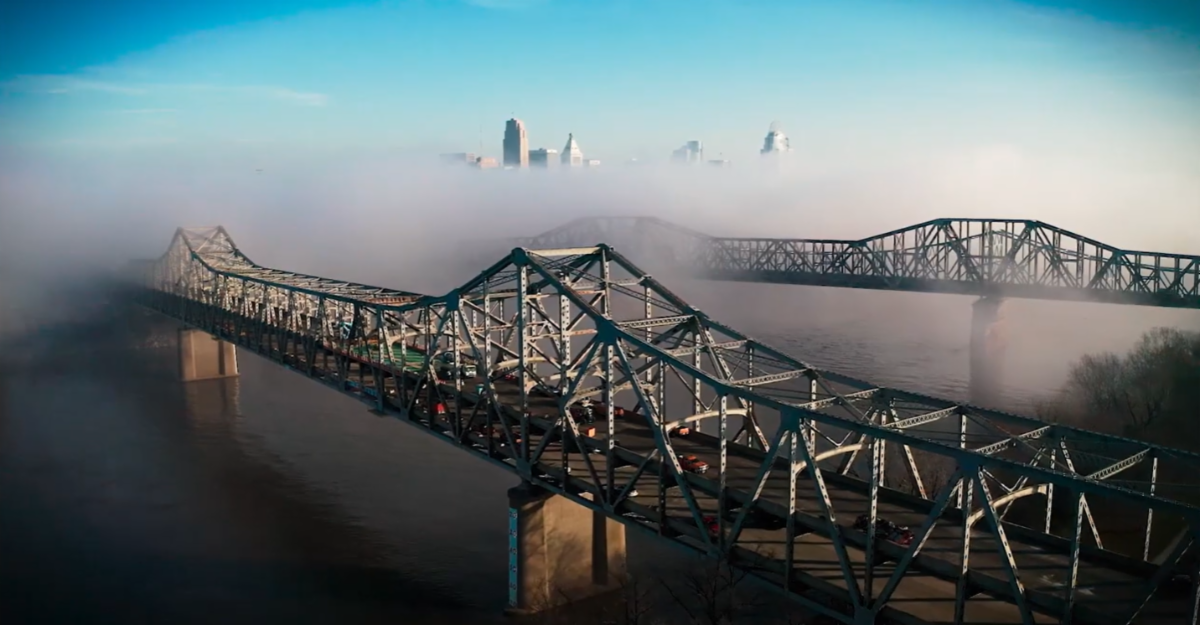
No one could have predicted the fire on the Brent Spence Bridge in 2020, but crisis communications helped the team react quickly, implement communications tools and keep the region informed while repair work was underway. 

Practical Tips for Improving Engagement for Your Public Meetings and Surveys

You’ve spent months – or maybe even years – in the planning phases for a transportation project. You’re ready to host a public meeting to communicate next steps, educate the public and gather critical input. You’ve got a survey drafted and ready to send. How do you make sure your target audiences are given the opportunity to attend, get involved and give feedback?


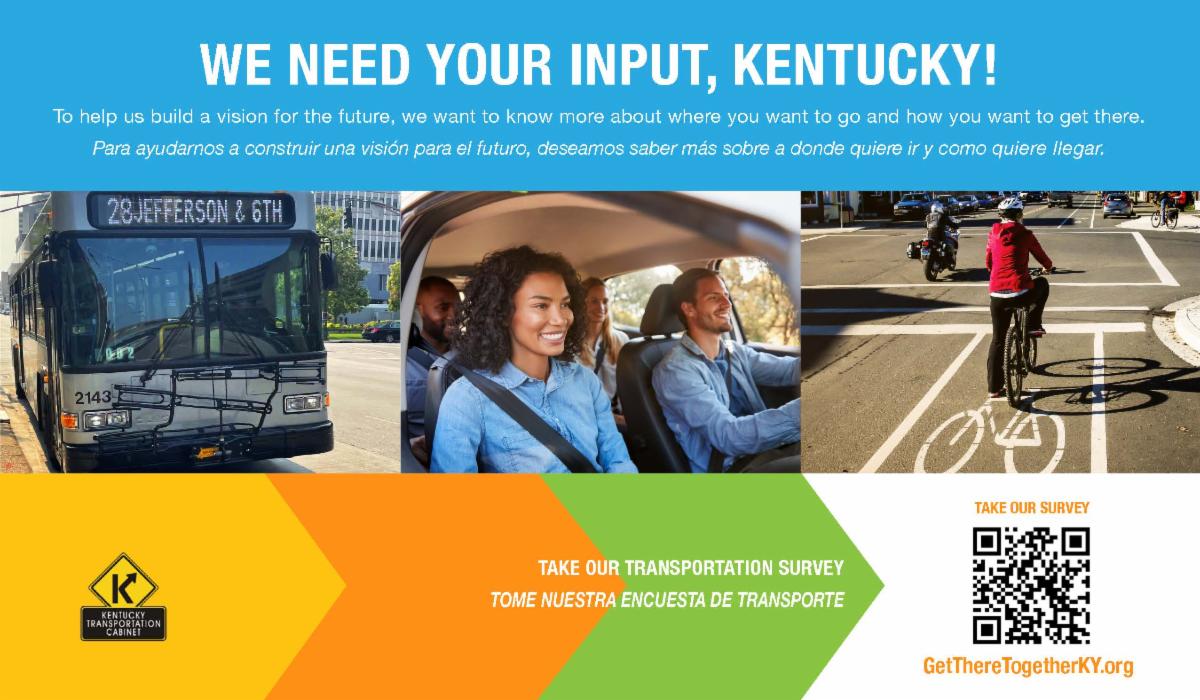
Getting the messaging right and using multiple channels to make people aware of surveys and public meetings are the foundations for success. For example, take the Kentucky Long-Range Statewide Transportation Plan. Our team used paid social media advertising, along with geofencing tactics, to reach counties that were underrepresented in public survey responses. In two weeks, each of four targeted ads generated 700-1200 website visits and had an average reach of 44,000 people. These targeted communications doubled the number of survey responses received to more than 8,000.


Effective notifications are equally vital for public meetings. The bulk of the budget for hosting a public meeting goes towards communications and messaging, and rightly so. Krysti Barnhill, a senior account executive at Rasor, offers these public meeting notifications tips:

  • Send communications in a variety of formats to reach every audience.
  • Give the public enough notice to plan attendance, but not so much that they forget.
  • Make sure you send a media release to amplify your message through regional outlets.
  • Start notifications at least two weeks before the event, sending reminders until the day of the event.


Going the extra mile to reach audiences effectively can make all the difference when it comes to communicating with the public, and having a thorough notification plan can help you do just that.


Have a New Business Teaming Request?


Thank you for thinking of us for your project partnering needs. We're happy to work with you to provide relevant materials and experience and/or project approaches. Please try to contact us well in advance of submission date so we have the best opportunity to meet your needs.


Please reach out directly to our New Business Development manager Elyn Buscani Elyn@GoRasor.com and Mimi Rasor Mimi@GoRasor.com. 

STAY CONNECTED
Instagram  Facebook  LinkedIn  X