|
If you've ever been in a video meeting, you've had this experience: Someone's lips move, and a fraction of a second later, you hear the sound of their voice. That millisecond of being out of sync, that delay between when a sound enters a system and when it comes back out again, is called latency, and it's something Michael Dessen has been studying for more than a decade.
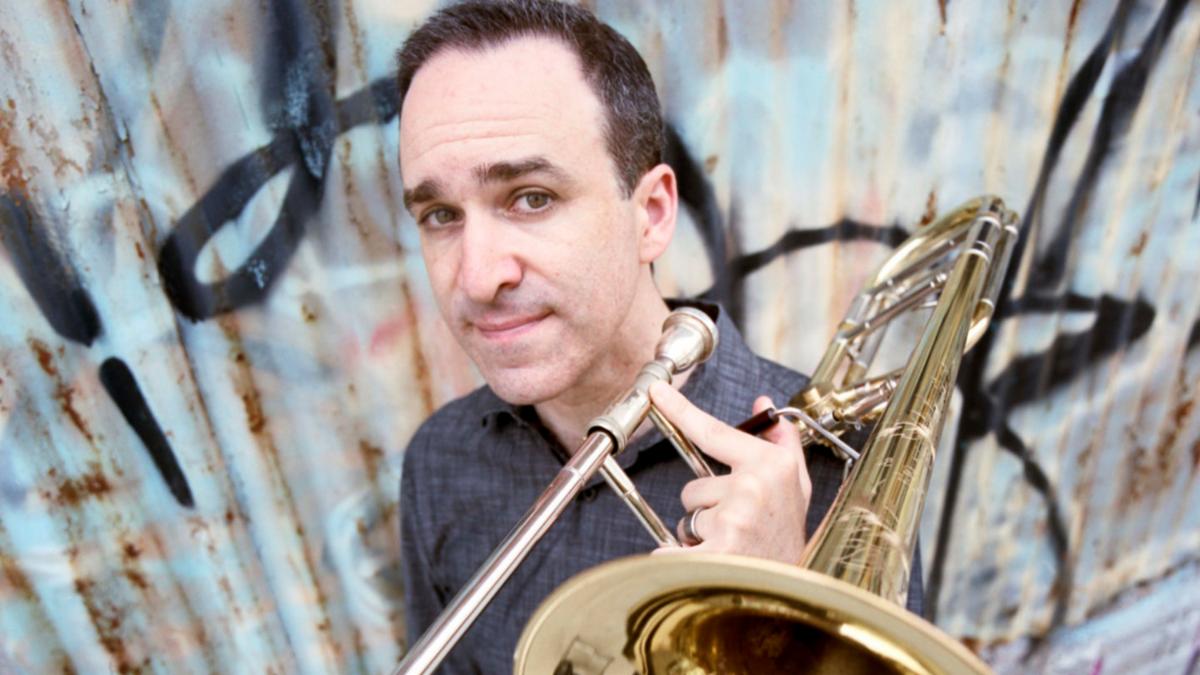
Dessen – composer, trombonist, bandleader and professor at UC Irvine – has been performing networked musical performances, "telematic" music, for years, creating live concerts via the internet with musicians from around the globe. He understands better than most how to work with that effect, and how reducing that latency gap can lead to better online performances. And now, suddenly, with every concert hall in the nation boarded up, that knowledge is very, very useful.
"I was doing (telematic music) before and will do it afterwards" he says. "It was never intended by any of us to replace live music making. We were not doing this work in case there was going to be a pandemic."
But now that there is one, musicians are having to find new ways of practicing their craft. That's bringing a lot more attention to the thorny technical aspects of coordinating a musical performance where the players are spread out across miles, the world of Dessen's expertise.
"Telematic music and networked music performance are the two terms that have emerged over past two decades to talk about musicians performing together from different geographic locations," Dessen says.
|