|
You can do a meaningful inspection without ever getting on the roof. In fact, we'd strongly recommend staying off it unless you're trained to be up there — pitches vary, surfaces can be slick, and a misstep can cause both injury and additional damage. Here's what our friends at Arrington Roofing say you can assess from the ground, from your gutters, and from inside your attic.
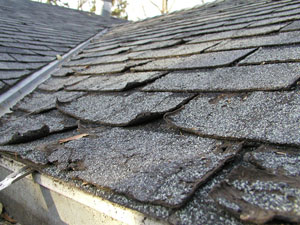
Shingles: Walk the perimeter of your home and look at each roof section from the ground. Binoculars help. You're looking for shingles that are missing, curling at the edges, or noticeably darker in patches — that darker, flat appearance often means granules were knocked off by hail impact. If you see it in one small spot, it might be isolated. If it's spread across multiple sections, that's worth a closer look by someone who knows what they're doing.
Gutters: Check for granule buildup — that fine, sandy material that collects at the downspout or along the gutter floor. Some of that is normal as a roof ages. A big deposit right after a storm means shingles took a hit. While you're there, check whether the gutters have pulled away from the fascia anywhere, and make sure water has a clear path out. Gutters holding water against the roofline will eventually rot the wood behind them.
Attic: Go up there on a clear day and turn the lights off. If you see daylight coming through the roof deck, water can come through the same way. Check the underside of the decking for stains or soft spots, and look along the rafters and insulation for any signs of moisture or mold. While you're up there, take note of airflow — proper attic ventilation has a direct effect on how long your shingles last. A hot, poorly ventilated attic degrades them from underneath, which most homeowners don't realize until it's too late.
Fascia and soffit: Walk the exterior and look at the boards running along the roofline. Press gently on any area that looks soft or discolored — wood rot at the fascia usually means water has been sitting somewhere nearby, either from a flashing issue or a gutter that hasn't been draining properly. Pest activity around those gaps is also worth noting; once there's an opening, things find it.
What to leave to a professional: Flashing details around chimneys, skylights, and pipe penetrations; the ridge line; and any close inspection of shingle surfaces for hail bruising or fracture are all things that need someone on the roof who knows what they're examining. These are also the spots most likely to fail and hardest to evaluate accurately from the ground.
When You've Found Something Worth Calling About:
Not everything you find is cause for alarm. A handful of shingles displaced by wind, a gutter section that needs re-securing, a small flashing gap — those are standard repairs. Caught in spring, they're quick fixes.
It's when you start seeing patterns that it's time to call someone. Granule loss in multiple areas, storm damage showing up across different sections of the roof, or water staining in more than one spot in the attic — those aren't isolated maintenance issues. A professional inspection will tell you whether what you're seeing points to a specific storm event (which matters for an insurance claim) or general wear over time. Either way, you'll know what you're actually dealing with instead of guessing.
|