|
Each season in our academic calendar carries its own energy—and summer is no exception. This summer, our students stepped into a curriculum created exclusively for them: an immersive, hands-on experience that honed procedural skills, sharpened clinical thinking, and strengthened professional identity—lessons laying the foundation for a lifetime of learning and practice.
In this edition, Professor Marc Doobay offers an inside look at the summer curriculum, capturing the energy and collaboration that happen when faculty and students work side by side to turn knowledge into confident practice.
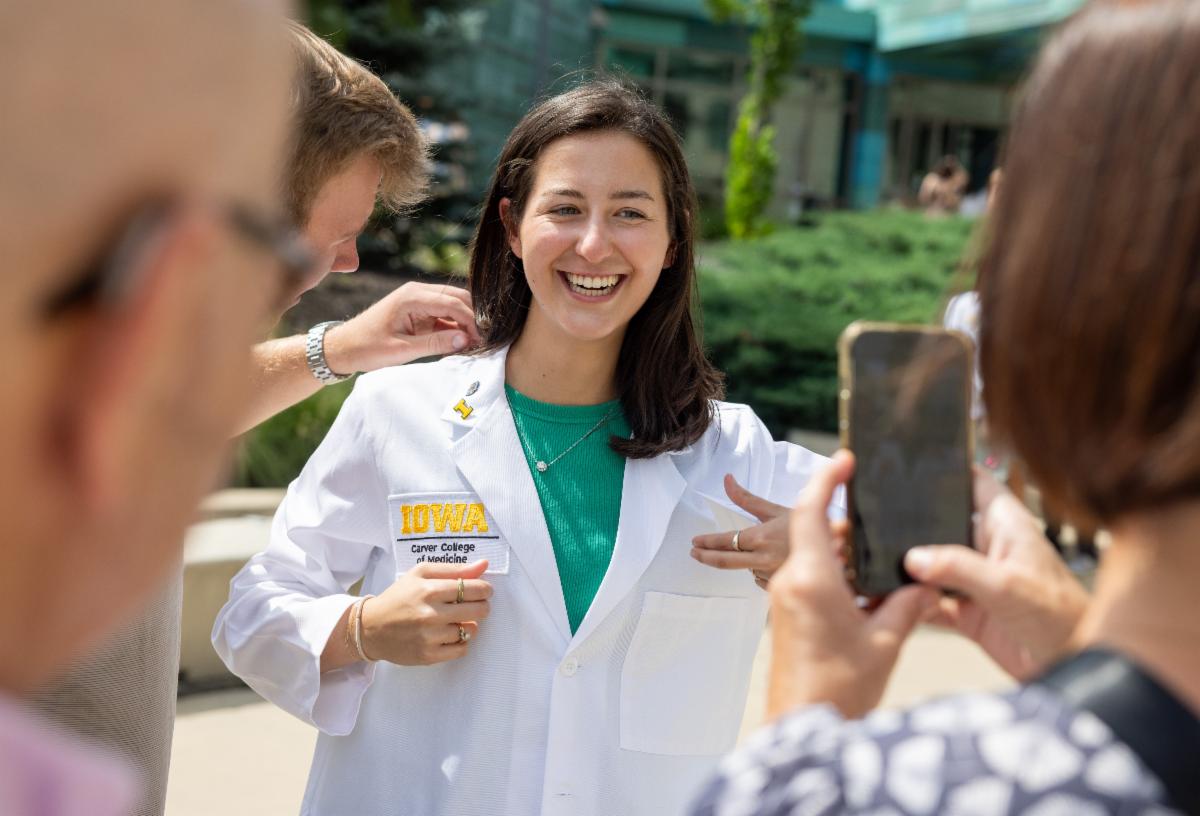
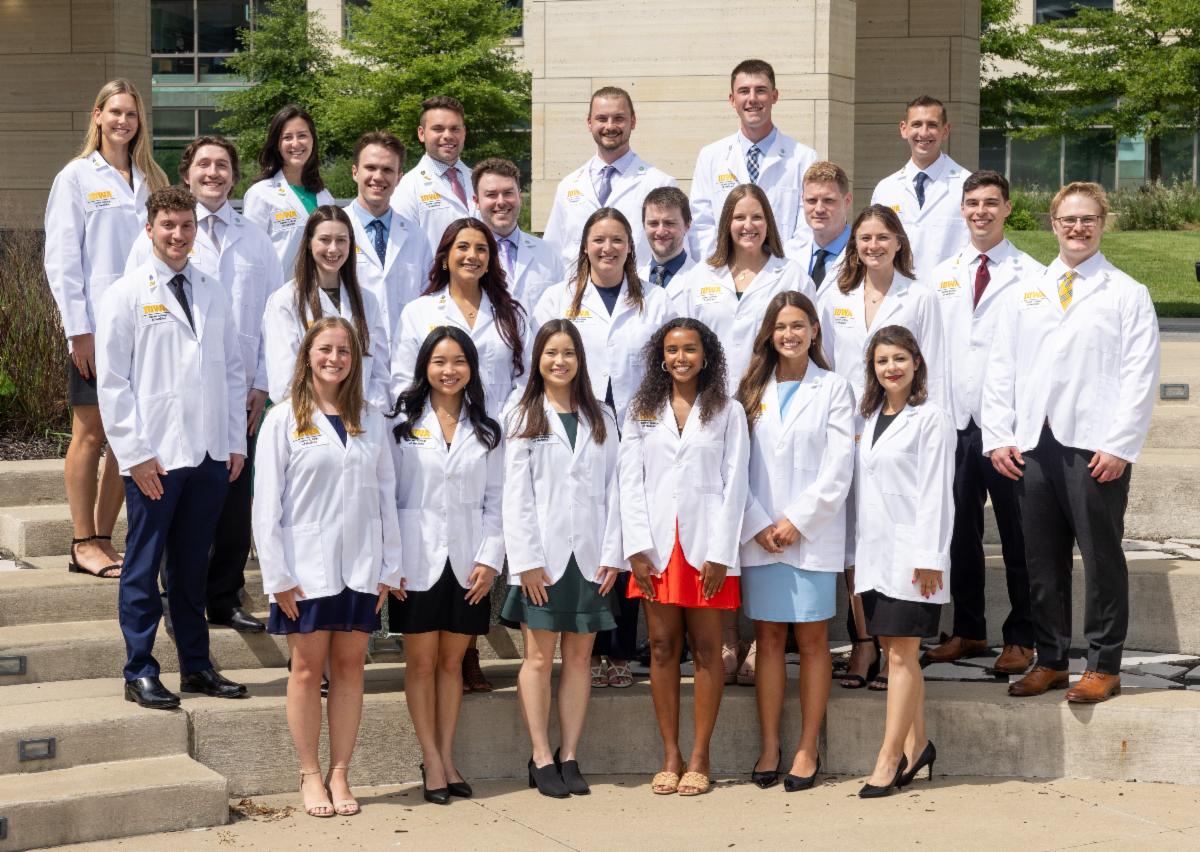
We also celebrate the arrival of the Class of 2027. Just last week, they donned their white coats for the first time—a milestone that honors both their commitment to the PA profession and the trust patients will soon place in them.
Our featured alum profiles highlight two early-career PAs who each completed a postgraduate APP residency program, expanding their expertise and influence in patient care. Their paths show how the drive to grow, serve, and lead in our profession continues long after graduation.
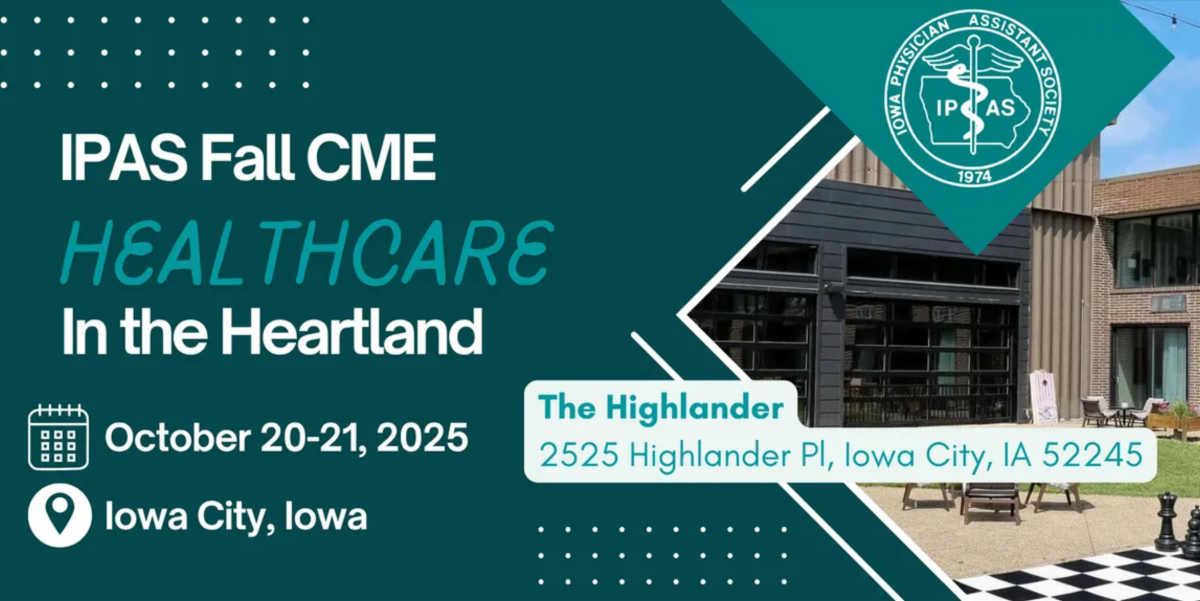
Looking ahead, the University of Iowa PA Program will also host a special celebration of its recent #1 ranking by U.S. News & World Report in conjunction with the upcoming IPAS Fall Conference. Details will be shared soon, and we look forward to marking this milestone with our program alums, students, and other healthcare colleagues.
Together, these stories reflect our shared mission: to prepare PAs whose growth continues at every stage of their careers, grounded in lessons that endure. With each new season, we recommit to shaping clinicians ready to meet the challenges and embrace the opportunities ahead.
Anthony Brenneman, MPAS PA-C
Program Director and Clinical Professor
University of Iowa PA Program
| | | | |
Class of 2025
The Class of 2025 has a few months of clinical rotations remaining before graduation this December. They will return to campus for their 3rd Quarterly Meeting in September to take the Physician Assistant Clinical Knowledge and Assessment Tool (PACKRAT), complete Objective Structured Clinical Exams (OSCEs), and attend professional development training.
| | | | |
Class of 2026
Over the summer, the Class of 2026 sharpened their clinical skills through hands-on labs, interprofessional workshops, and real-world case simulations. Also, they studied radiology, EKGs, ACLS/BLS certification, and advanced physical exam skills. Soon, the students will be studying Mechanisms of Health and Disease IV (MOHD4), Clinical and Professional Skills III (CAPS3), and Medicine and Society III (MAS3).
| | | | |
Class of 2027
The Class of 2027 attended their White Coat Ceremony on August 7th. During orientation, the students participated in the UI Challenge Course, now in its 10th year as part of the introduction to the UI PA Program. This has allowed students to establish early skills in team-building, including strengthening communication, cooperation, and problem-solving skills. Soon, the students will be studying Foundations of Cellular Life, Human Gross Anatomy, Medicine and Society I (MAS1), and Clinical and Professional Skills I (CAPS1).
| | |
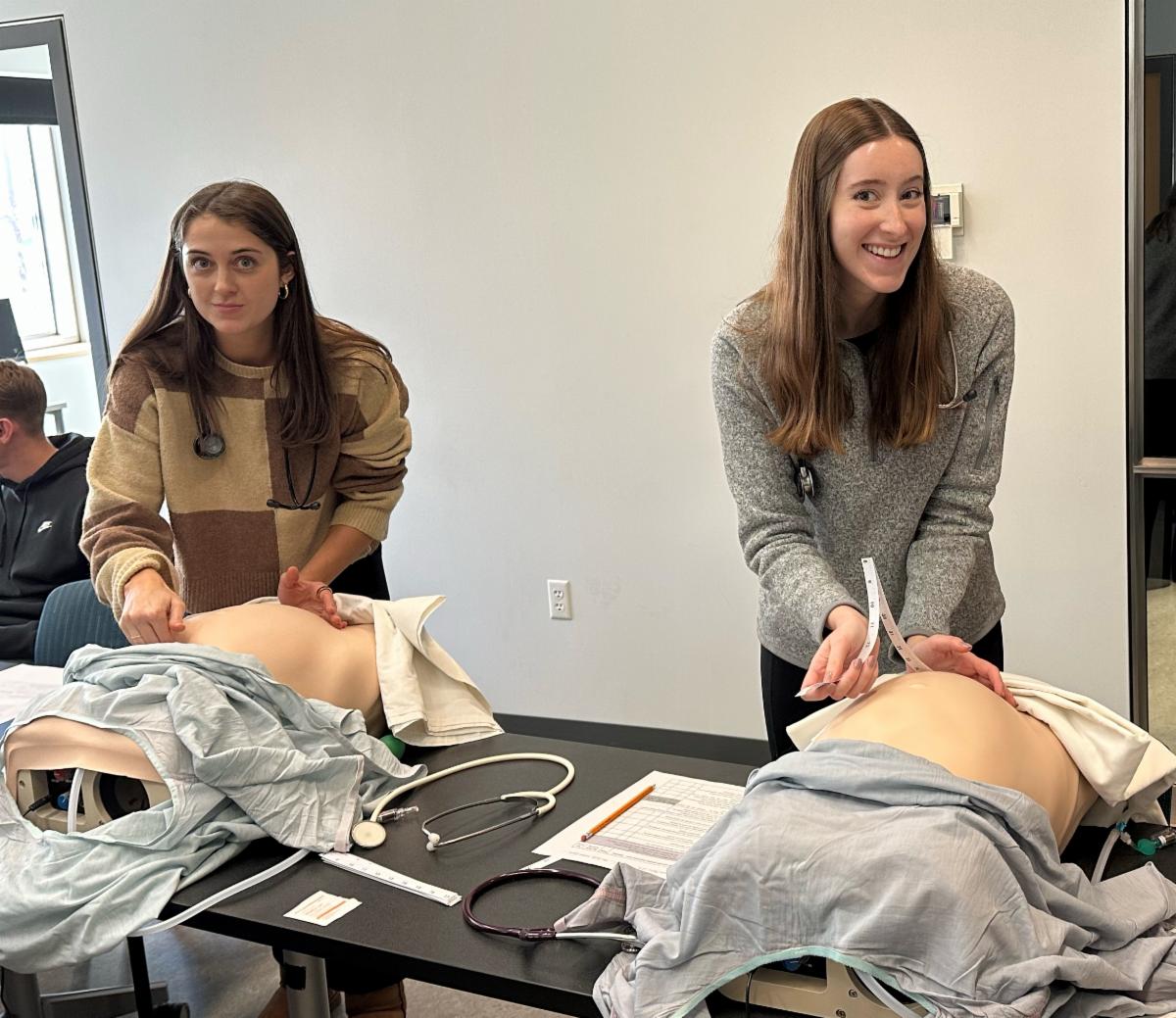
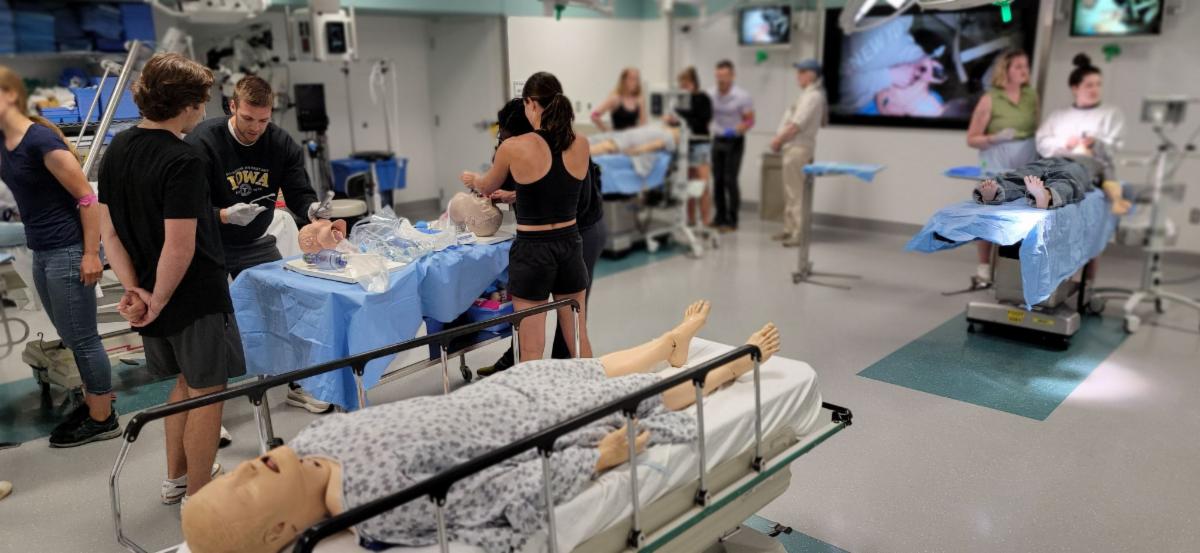
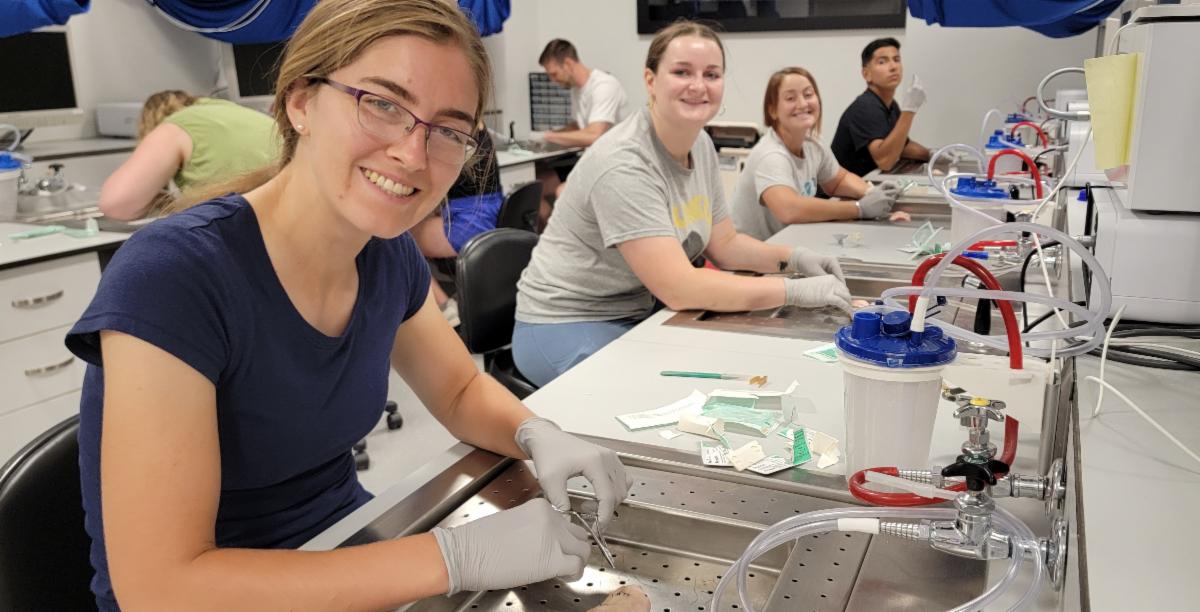
Students Allie Oetinger and Anna Cole (top) practice measuring uterine fundal heights on simulators.
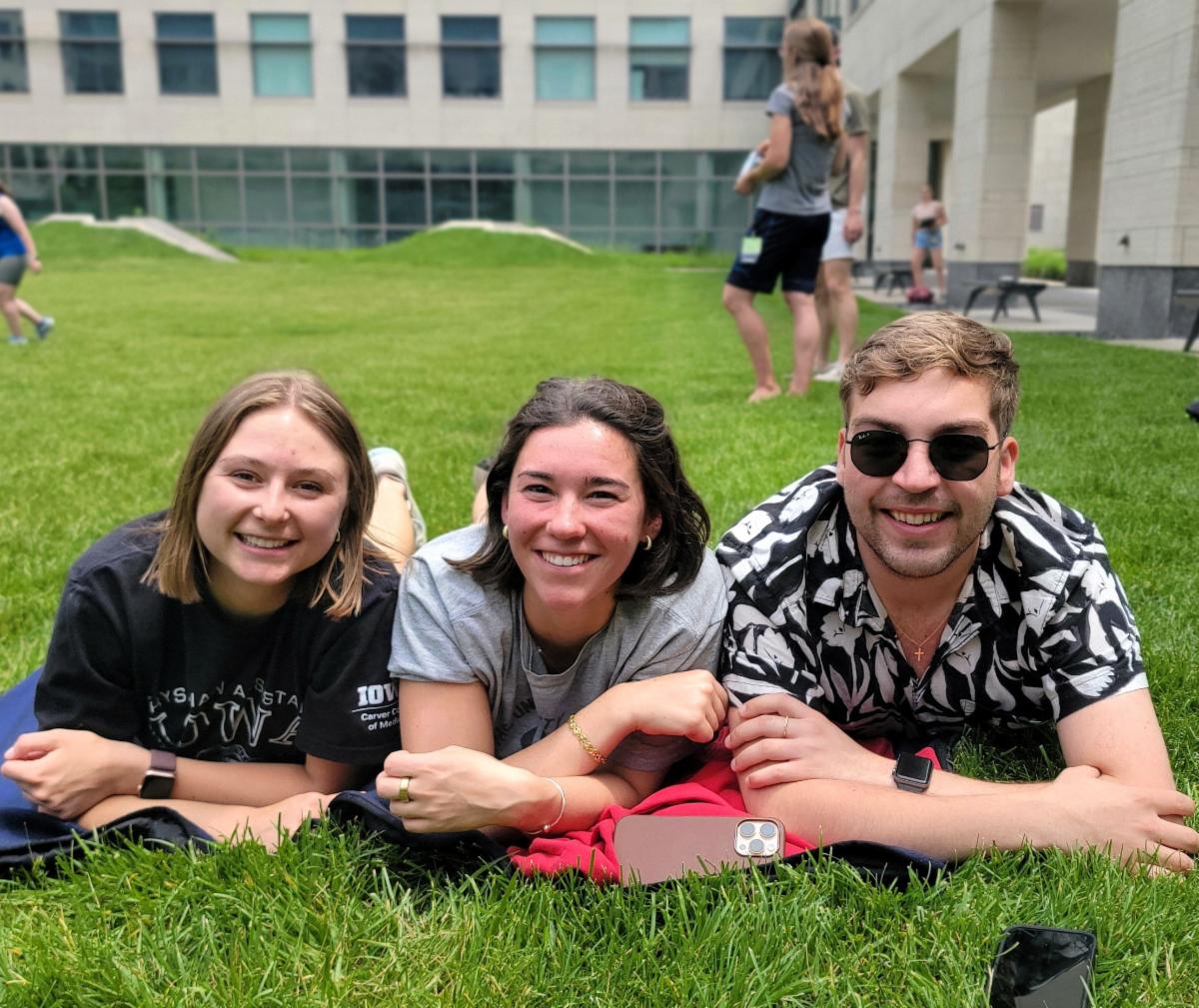
Students Calista Haasl, Emily Mazzeo, and Harrison Parker enjoy the summer sun in the MERF courtyard between classes.
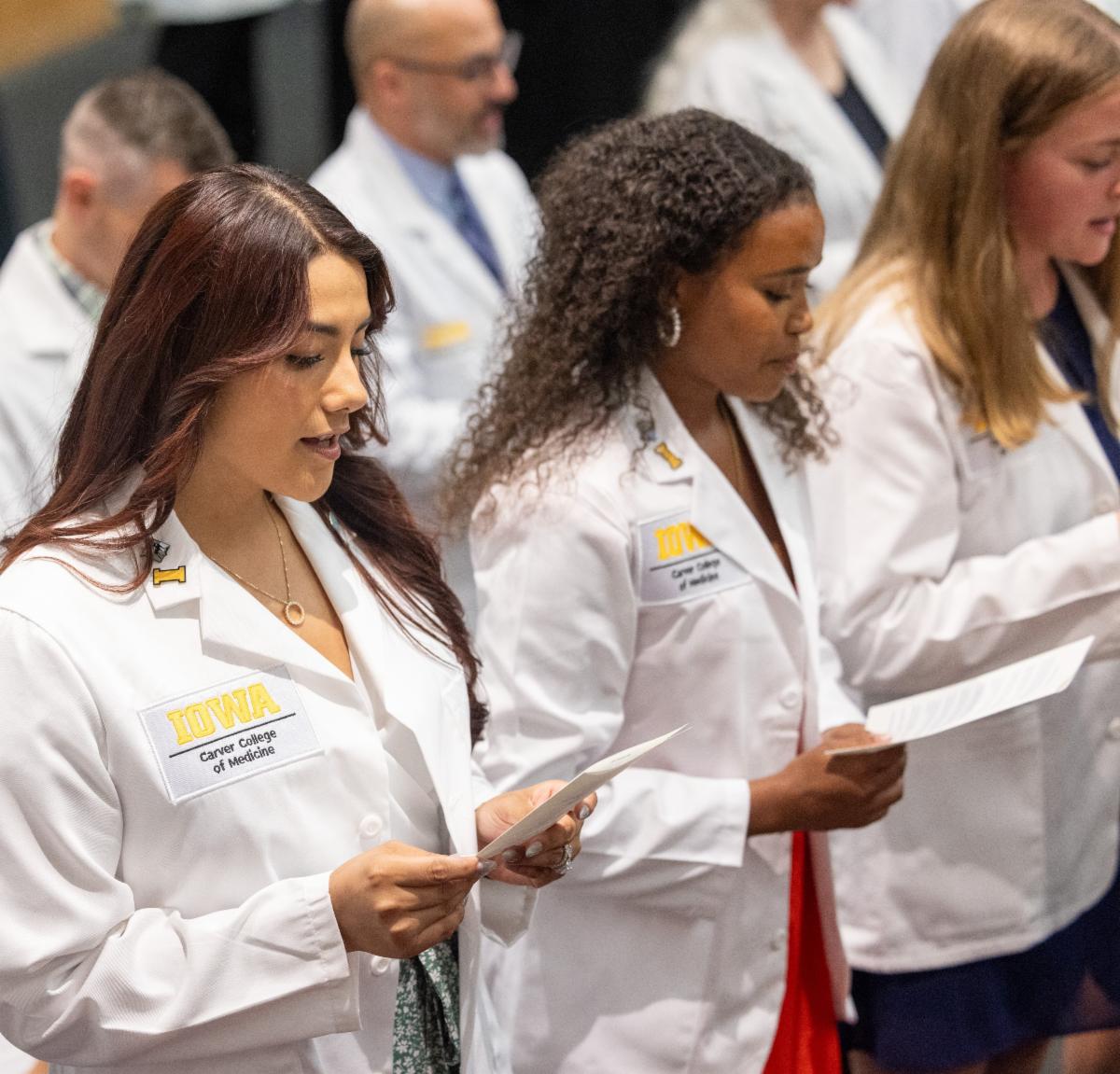
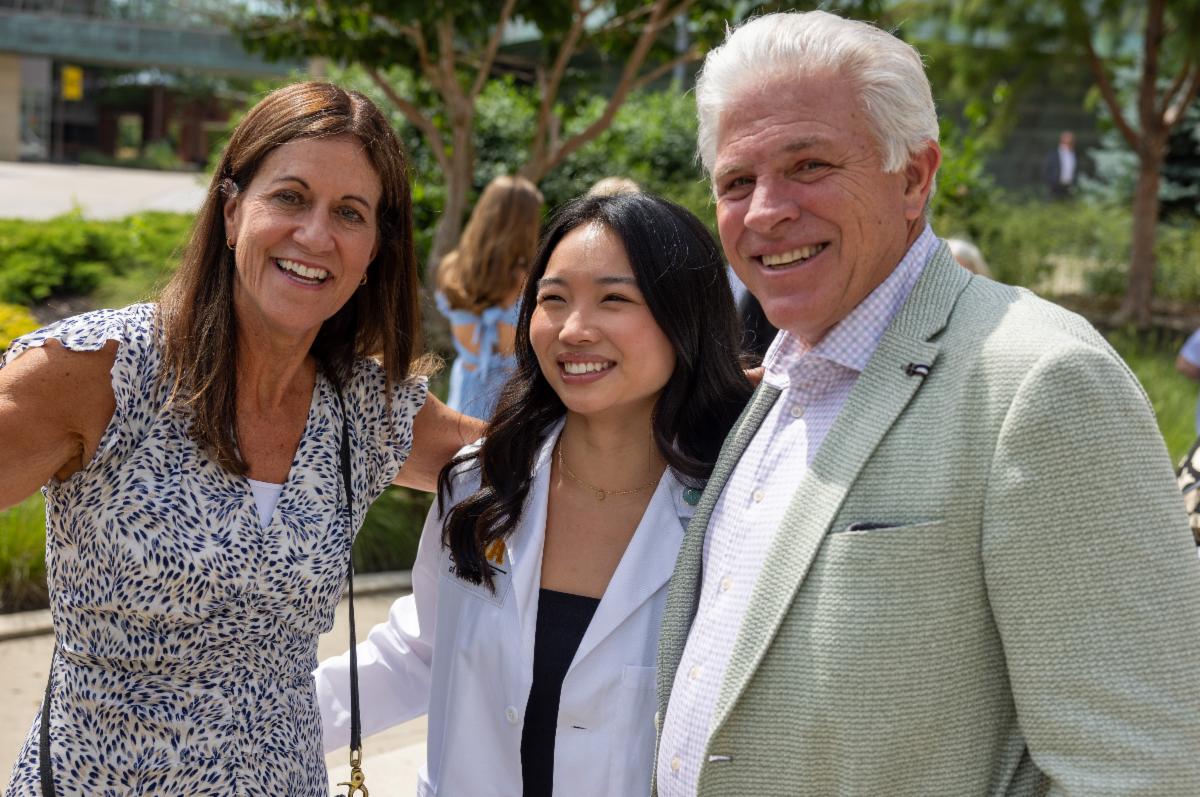
Students Nidia Villalpando, Nia Tanui, and Kelly Rose (bottom) recite the Physician Assistant Oath during the UI PA Program White Coat Ceremony on August 7, 2025.
| | |
FACULTY FEATURE:
Training our future PA colleagues
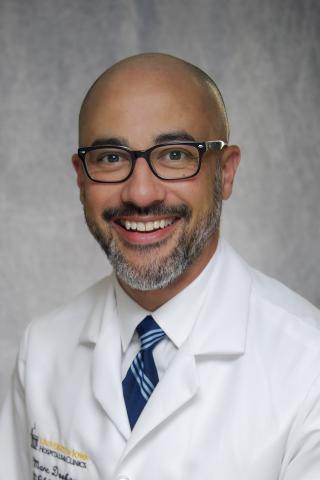
Marc Doobay, MPAS PA-C DFAAPA
Clinical Assistant Professor
Director of Didactic Education
I love summertime with our PA students. This is when their curiosity and commitment to becoming competent, compassionate clinicians are on full display. They approach every challenge with intention, lift one another, embrace feedback as an opportunity, and demonstrate a level of growth every day that is inspiring.
During the summer, our PA students step into a curriculum that’s uniquely their own—crafted just for them, apart from the shared coursework they complete alongside their MD colleagues throughout the other elements of their didactic training. It’s an intensive, hands-on curriculum that builds clinical skills and cultivates collaboration. Our summers are about helping students see the bigger picture. They’re reminded that great PAs live in balance: evidence-based and empathetic; decisive leaders and strong partners; skilled and adaptable. These dualities aren’t contradictions—they’re the hallmarks of our profession.
| |
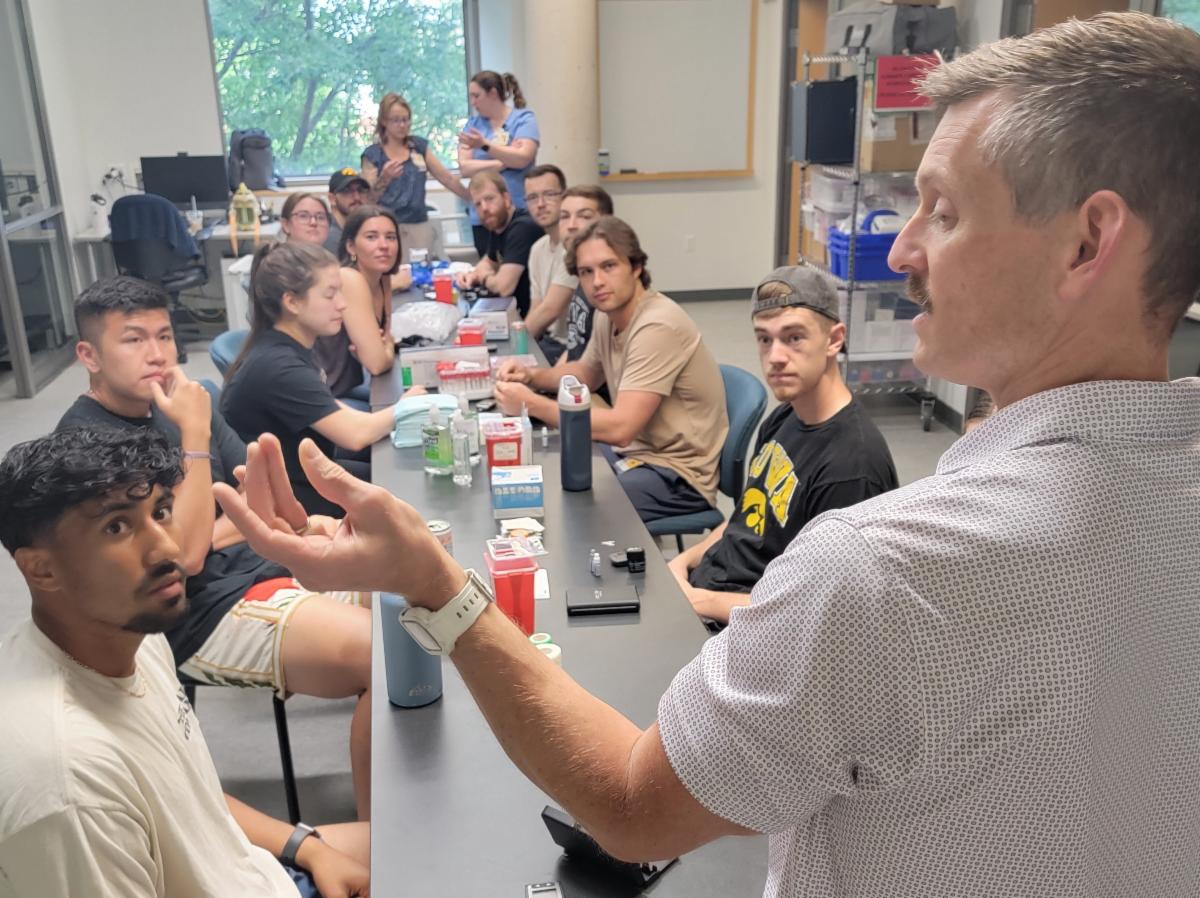
This year’s summer term was both rigorous and dynamic, blending high-yield skills training with innovative approaches to professional growth. Students rotated through procedural workshops—intubation, urinary catheterization, wound repair, phlebotomy, splinting, and more—culminating in a spirited “Hunger Games”-style championship. They debated ethical questions and explored professionalism through our Cinemeducation series. They engaged in a gamified laboratory medicine curriculum that turned test ordering and interpretation into a friendly but challenging competition.
We balanced procedural work with rigorous diagnostic training. In EKG, students advanced beyond rhythm recognition to interpret findings in a clinical context and identify patterns that guide urgent decision-making. Radiology training emphasized a systematic approach to image review across modalities, honing the ability to detect even subtle abnormalities. Journal club-style discussions sharpened their evidence-based clinical practice.
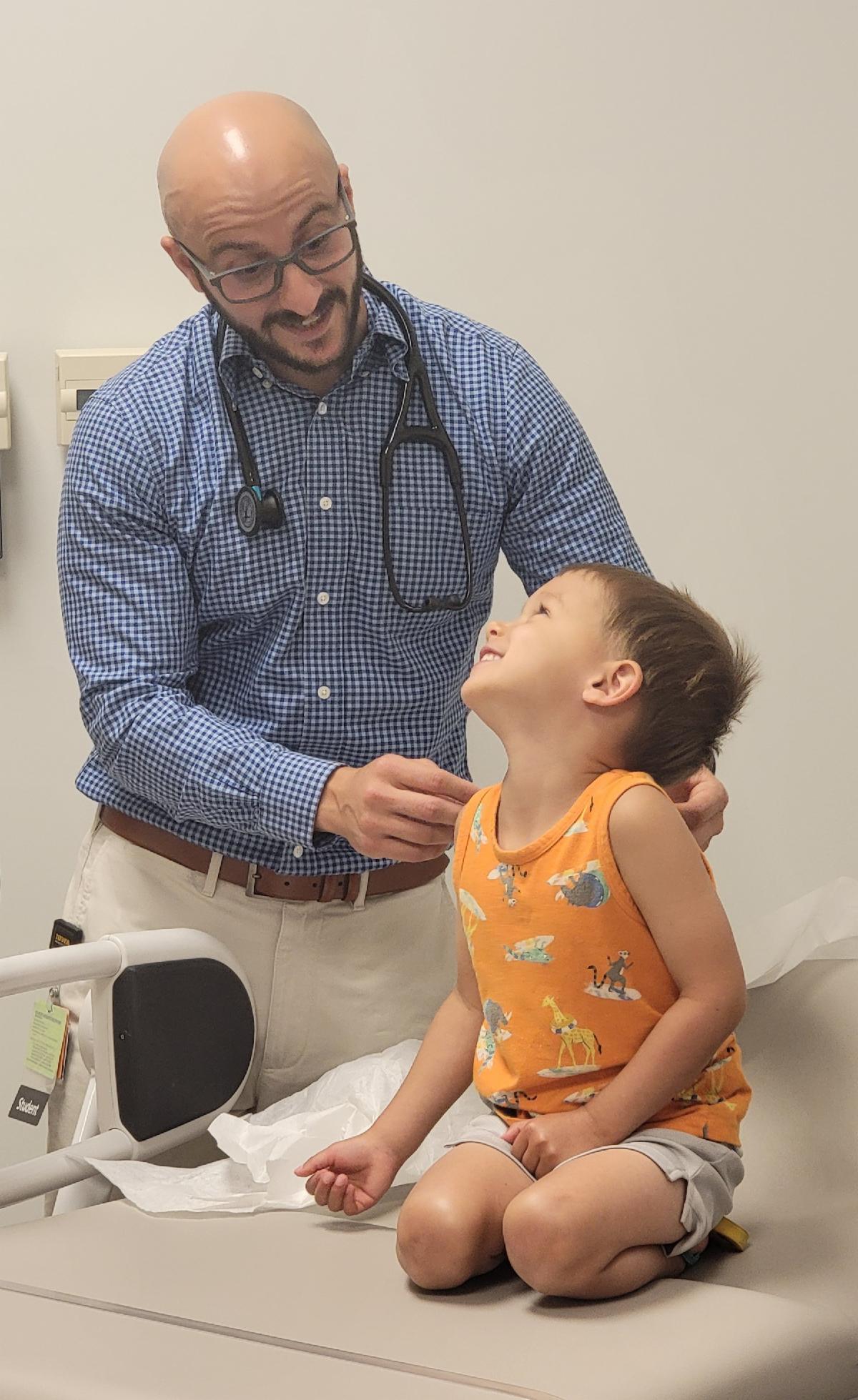
In partnership with colleagues across the healthcare system, students participated in simulations mirroring real-world teams, learning to communicate effectively, coordinate care seamlessly, and contribute meaningfully to shared decision-making in fast-paced clinical settings. Pediatric exam training was made memorable by a lively cohort of toddlers, while simulated patients guided trauma-informed sexual history-taking. Community volunteers living with disabilities offered firsthand perspectives on inclusive, patient-centered care, underscoring the social origins of many health determinants and the importance of cultivating trust within diverse communities. PA Seminar shifted the focus to the profession itself—examining current issues, legislation, and other forces shaping PA practice—and prepared students to engage thoughtfully with the evolving healthcare landscape.
| |
Additional training included advanced POCUS and ACLS, end-of-life communication in our “Death Café,” and an Escape Room–style formative assessment that challenged students to combine clinical reasoning with collaborative problem-solving to “escape” the summer term.
Looking back on the past several weeks, what stands out to me isn’t just what was accomplished—but the way our students experienced it. Through every element of the curriculum, they were surrounded by faculty, staff, and healthcare partners who modeled the kind of professional cooperation we hope they’ll carry forward: intentional, respectful, and patient-centered. And our students rose to meet that example—working together, thinking critically, and caring deeply.
As Generation-Z learners, our students gravitate toward experiential learning that is immersive, relevant, and collaborative—and this summer’s design met them where they are. They learn best when actively engaged, with immediate opportunities to apply new knowledge and receive real-time feedback. They value transparency in expectations, the “why” behind every activity, and the chance to connect learning to tangible patient outcomes. By integrating simulation, gamification, peer-to-peer teaching, and authentic patient interactions, we created a curriculum that not only leveraged their tech-savvy, interactive preferences but also pushed them to navigate ambiguity, adapt in real time, and reflect meaningfully on their performance. These approaches honor their desire for agency in their own education while fostering the adaptability and resilience that clinical practice demands.
Altogether, our students learned many clinical skills over the summer, but perhaps more importantly, they realized a way of working, of showing up for patients and each other, a community. I hope—more than anything from this summer—that’s what they carry with them into their future clinical practice.
| |
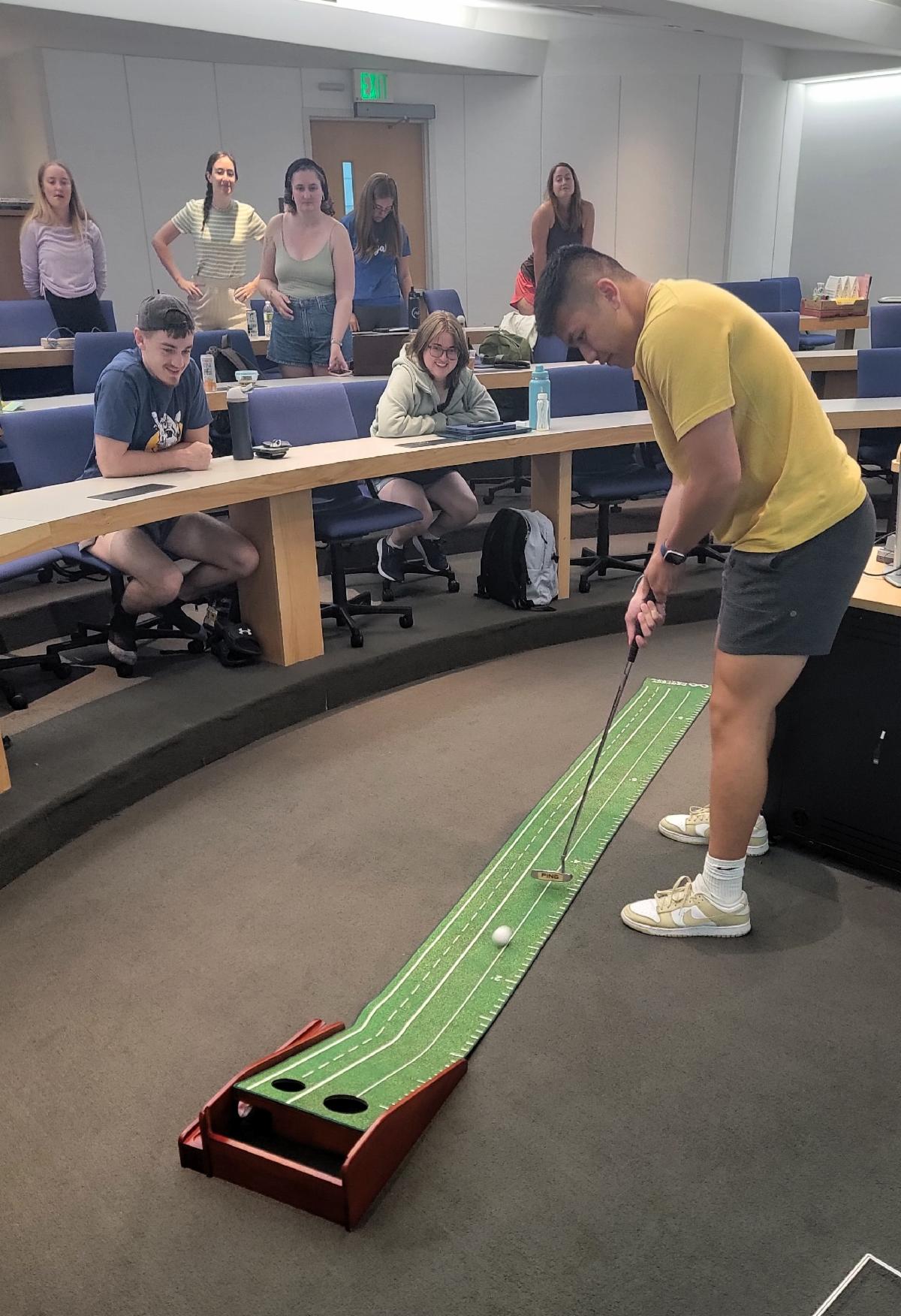
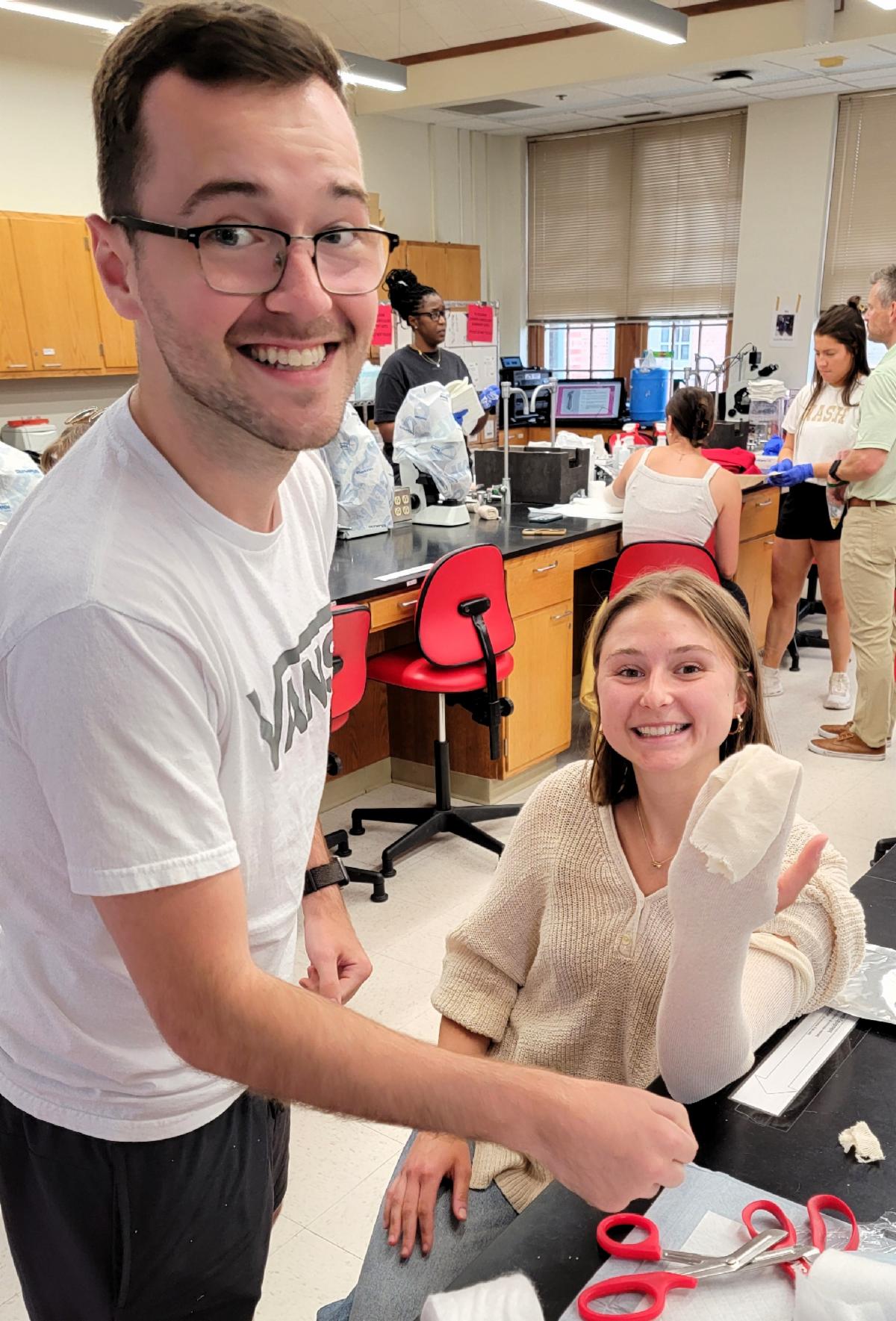
Student Justin Yem (above right) attempts a winning putt as part of a clinical laboratory medicine training. Students Jake Lee and Calista Haasl (above left) practice fashioning a splint during a procedural skills workshop.
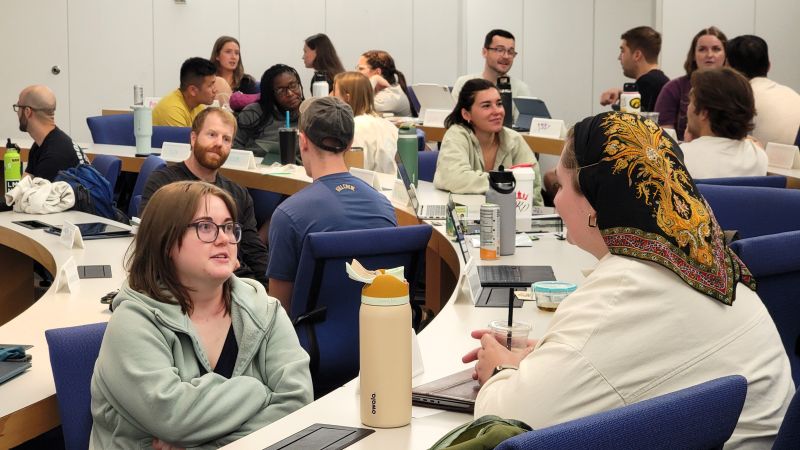
Students (above) practice motivational interviewing techniques during the summer curriculum.
| |
|
ADMISSIONS:
Please welcome the Class of 2027!
| Join us in welcoming the incoming Class of 2027, the 54th cohort of the UI PA Program! The newest cohort of PA students at the University of Iowa brings together a vibrant, diverse, and exceptionally accomplished group of individuals from across the country and beyond. The Class of 2027 includes athletes, researchers, EMTs, and lab technologists—with experiences ranging from firefighting and flight medicine to global health and clinical research trials. | |
While their stories are distinct, what unites them is a commitment to service, curiosity about medicine, and a desire to grow into compassionate and skilled providers. Many of our new students have worked in rural and underserved settings, embraced challenging academic pathways, and stepped into leadership roles both personally and professionally. For some, the path to PA school began with family ties to healthcare. For others, it was forged through direct patient care, life-changing mentorship, or a deeper call to make a difference.
| |
From the mountains of Colorado to the coastlines of California, from small towns in Iowa to bustling cities along the coasts, the Class of 2027 reflects a wide geographic and experiential range. This year’s class includes first-generation college graduates, NCAA athletes, musicians, military veterans, and students who have studied and served abroad. They’ve worked in ICUs, ERs, primary care clinics, and cancer centers. Some bring backgrounds in Spanish language, neurobiology, and kinesiology—others come with graduate degrees, entrepreneurial spirit, or firsthand experience translating research into clinical application.
| |
What’s clear from their applications is that they are more than future providers—they are thoughtful collaborators, enthusiastic learners, and individuals who know how to lead with empathy. They’ve cared for pediatric patients, older adults, veterans, and communities impacted by health disparities. They’ve learned to navigate the pressures of healthcare, adapt in times of crisis, and find purpose in moments of uncertainty. Now, they begin a new chapter together in Iowa City.
| |
As they embark on the challenging and rewarding path of PA education, we are thrilled to welcome the Class of 2027 to the University of Iowa. We can't wait to see how they shape our community—and how, in time, they’ll shape the future of healthcare.
| |
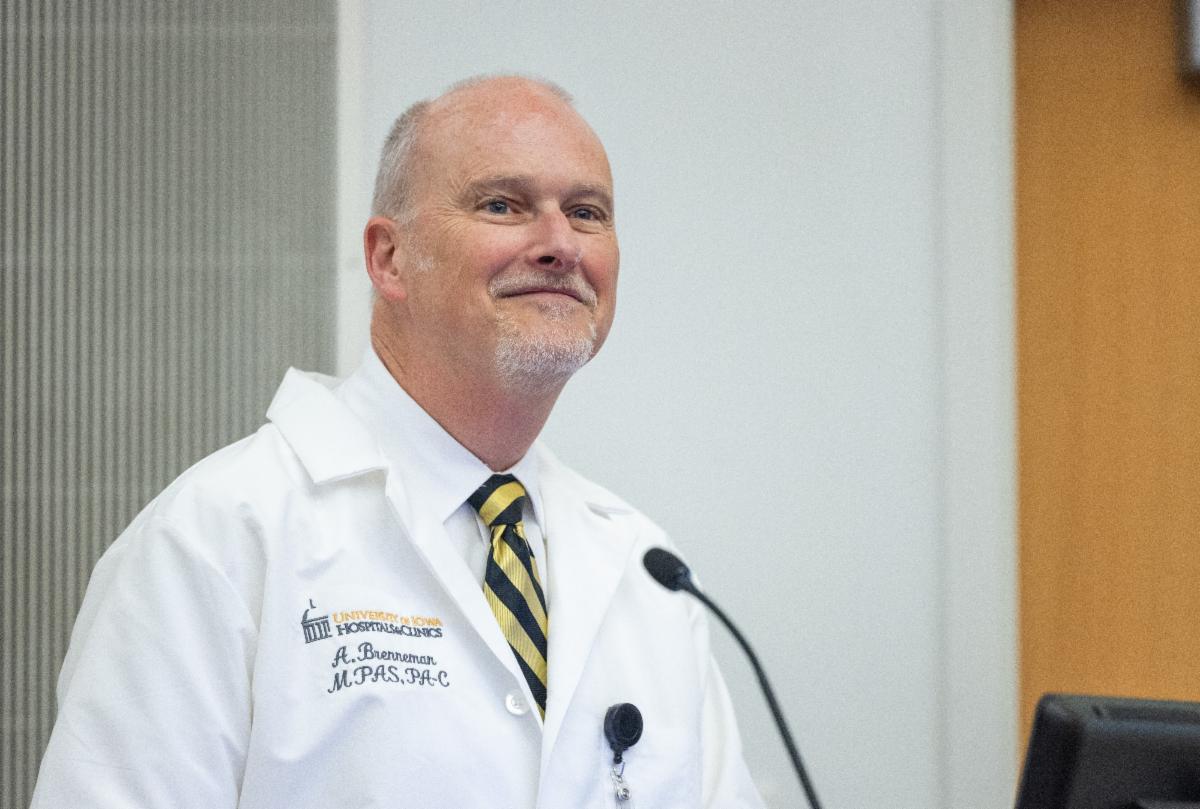
Professor Anthony Brenneman (above left) welcomes students and their families and friends to the UI PA Program White Coat Ceremony on August 7, 2025.
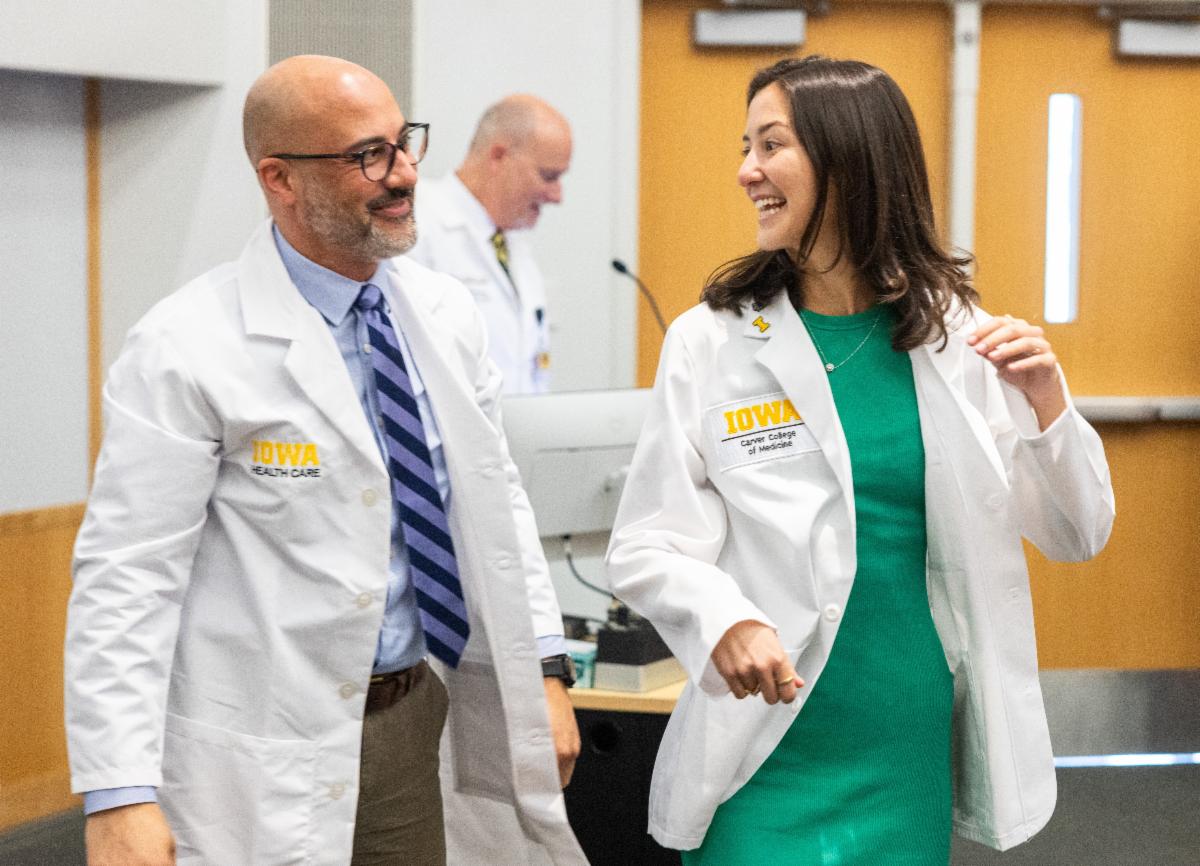
Student Lidia Ragland (above right) receives her white coat from Professor Marc Doobay.
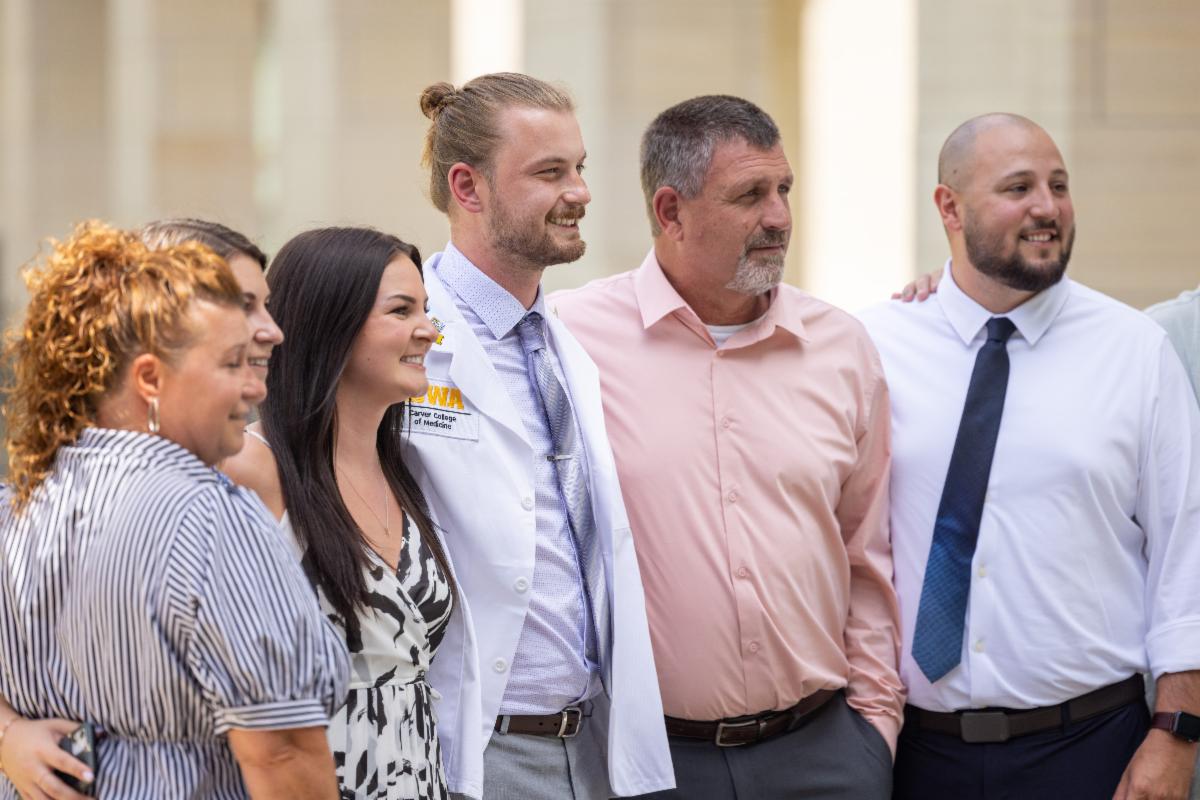
Students Colby Potts (above left) and Grace McGhee (above right) celebrate with family and friends.
| | |
SNAPSHOT:
Students prepare for clinical rotations
| |
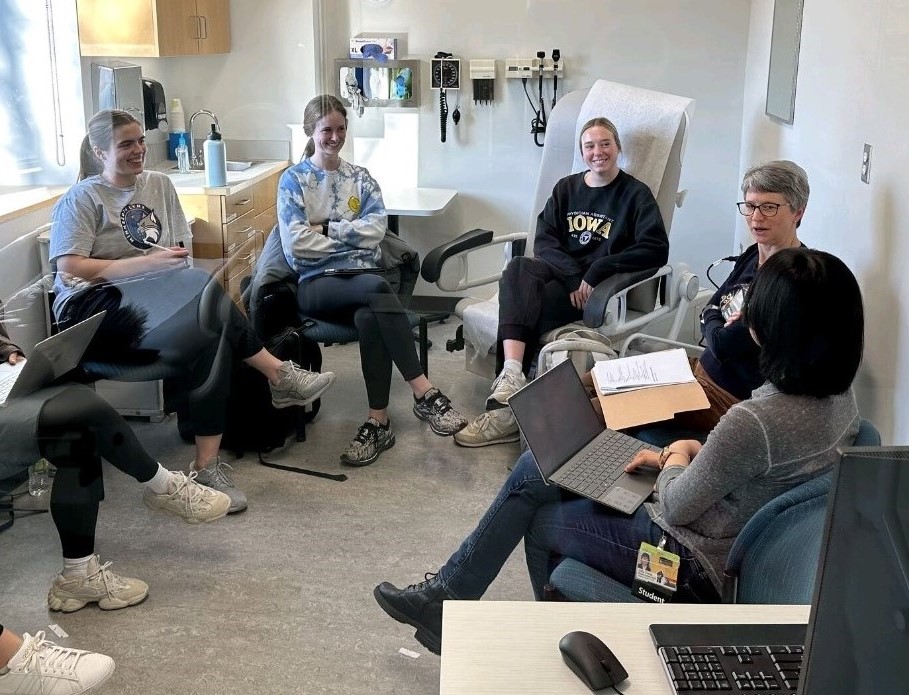
Professor Leslie Veit (right) of the UI Department of Family and Community Medicine, coaches students Kaia Porter, Fiona Roehrs, Kaitlyn Severson, and Julie Vuong on delivering clear, confident oral presentations to their clinical preceptors ahead of upcoming rotations.
| | |
ALUM FEATURE:
“A pivotal moment for me”: How a FM residency shaped one PA’s future
Michelle Bresingham, MPAS PA-C
graduation year: 2023
specialty: Family Medicine
Graduating from the UI PA Program in 2023, Michelle Bresingham was well-prepared to step into clinical practice. Equipped with a strong foundation in evidence-based medicine and hands-on training, she sought to further refine her skills and expand her clinical expertise. Her decision led her to the Family and Community Medicine APP Residency Program, a rigorous and immersive training experience under the direction of Leslie Veit, MPAS PA-C—a Clinical Associate Professor and 1997 graduate of the UI PA Program. Michelle shared her reflections on the challenges, growth, and invaluable takeaways from her residency year.
| |
Michelle approached her postgraduate training with intention, recognizing residency as a way to elevate her clinical capabilities. “I knew I wanted to start my career in an environment that emphasized strong mentorship and hands-on training,” she explains. “This residency provided the structured support and high-acuity experiences that aligned with my long-term goals.”
The program immersed her in a variety of complex cases, deepening her ability to manage chronic disease in a way that will serve her well in community practice. “I gained extensive experience managing highly complex patients, which will be an asset as I move into primary care.”
When asked whether she learned more in her residency than she would have in a standard job, Michelle confidently said yes. “I probably got two years’ worth of experience in one year,” she explains. The structured rotations in specialties such as dermatology, geriatrics, inpatient medicine, and sports medicine gave her a breadth of knowledge that most first-year PAs wouldn’t acquire so quickly. “When I tell interviewers that I’ve spent dedicated time in these areas, it definitely makes me stand out.”
One of Michelle’s most defining moments came when a mentor pointed out how much she had grown in just six months. “There was a moment when I had a patient with multiple complex issues, and I developed a highly detailed plan for them really efficiently,” she recalls. “My attending reminded me that six months earlier, I would have been overwhelmed with this level of care. That was a pivotal moment for me.”
While residency came with challenges—including an initial steep learning curve and administrative inefficiencies—Michelle values the experience. “It’s important to learn what kind of system you thrive in and what kind of support you need,” she says. “I now know the right questions to ask in job interviews to ensure I land in the best possible work environment.”
| |
Michelle is now preparing to transition to practice in the Chicagoland area, where she hopes to apply the skills she developed during her residency. She remains passionate about family medicine and is particularly drawn to patient education and chronic disease management.
She also sees a future in teaching. “Seeing how much energy people poured into my training makes me excited to give back someday,” she says. “Whether it’s mentoring students or taking on a precepting role, I know I want to contribute to PA education in some way.”
For PA students considering residency, Michelle emphasizes the importance of truly understanding one’s goals. “If you want a strong foundation in diverse clinical areas and structured mentorship, it’s a great option,” she says. “But make sure to ask the right questions to find a program that aligns with your needs.”
Looking back, Michelle would do all of it over again. “This experience shaped me into a better clinician and gave me the added confidence I needed,” she says.
| |
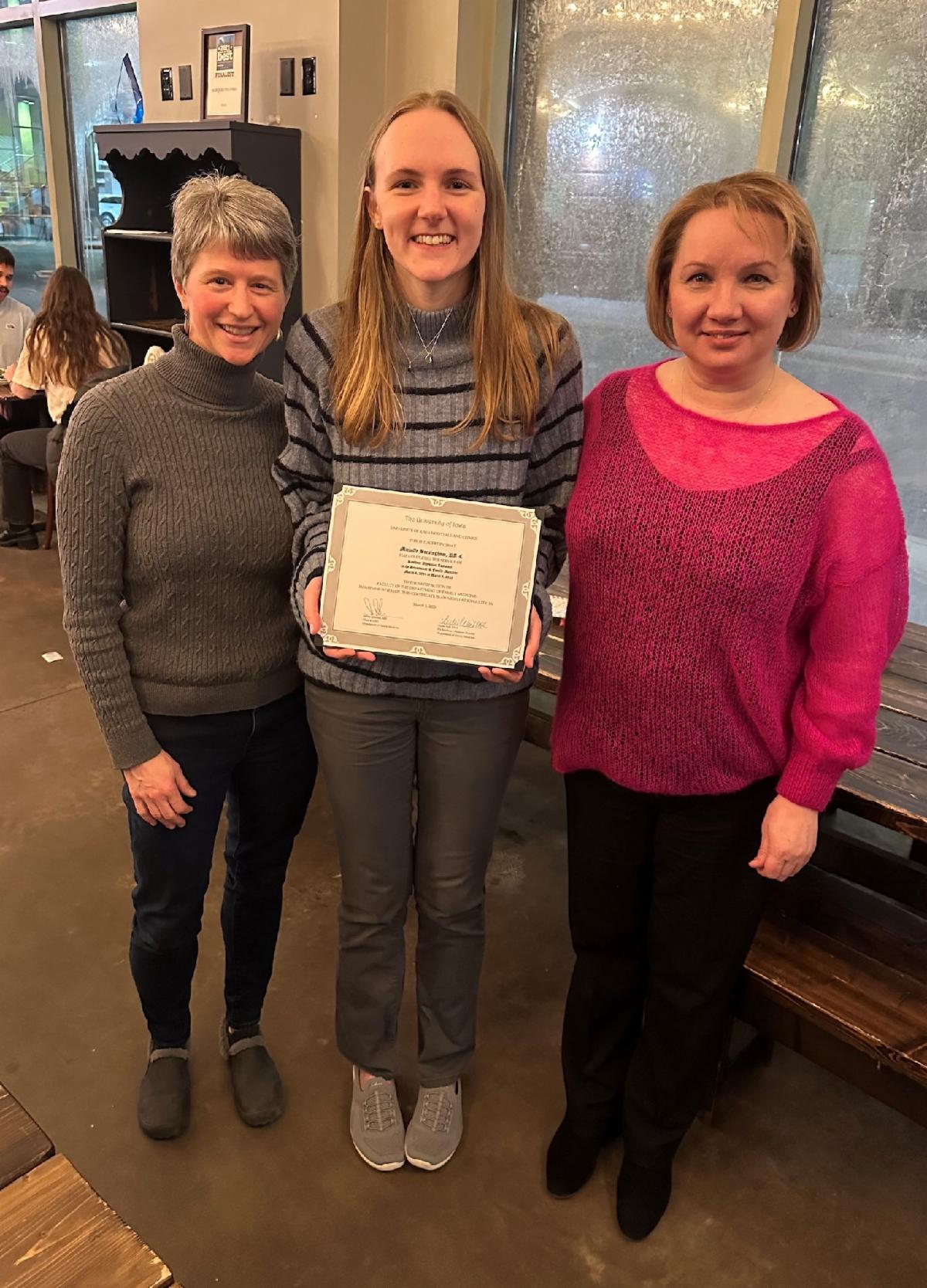
Michelle Bresingham, MPAS PA-C (above left) with Professor Leslie Veit, Program Director, and Dr. Yulia Matveeva, Medical Director of the UI Family Medicine APP Resident Program.
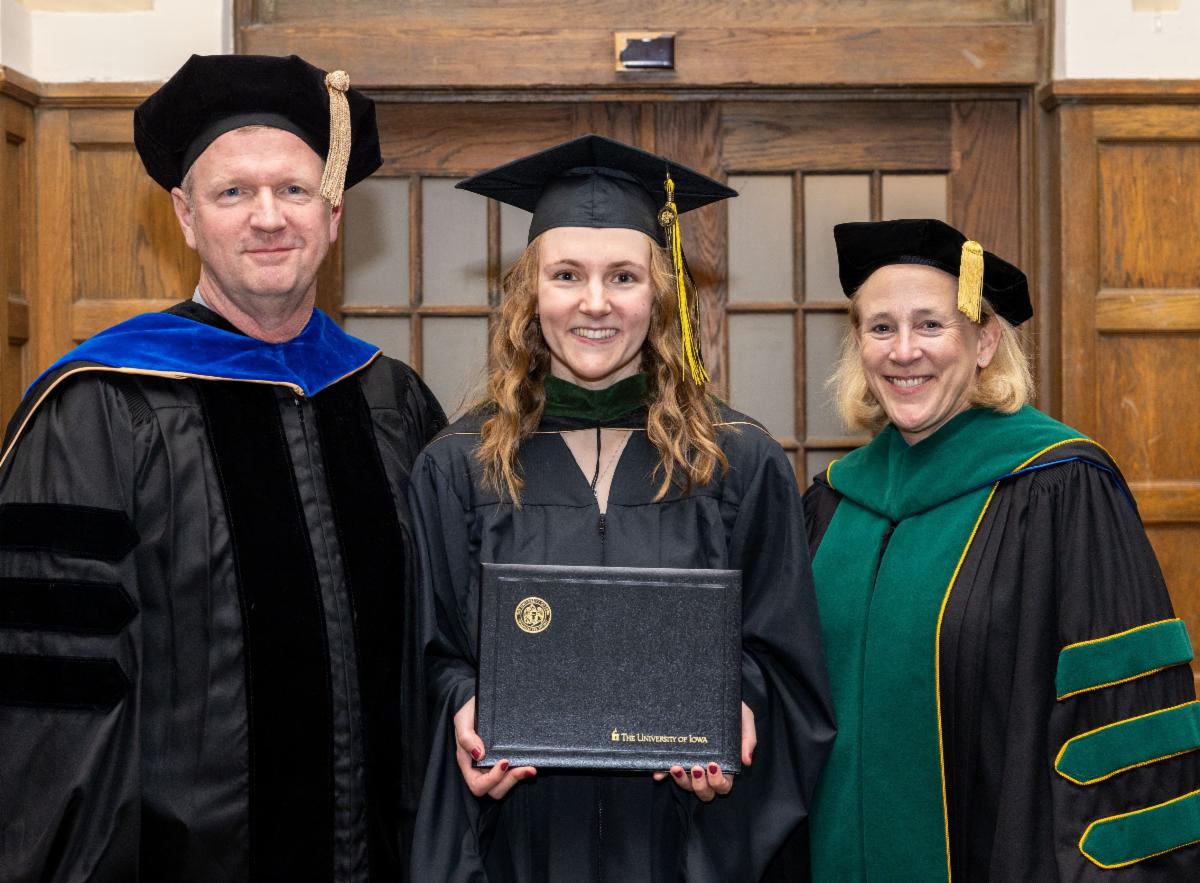
Bresingham (above right) receiving her master's degree hood from Dr. David Asprey and Dr. Denise Jamieson, Vice-President for Medical Affairs & the Tyrone D Artz Dean in the Carver College of Medicine.
| |
SNAPSHOT:
Helping turn houses into homes
| |
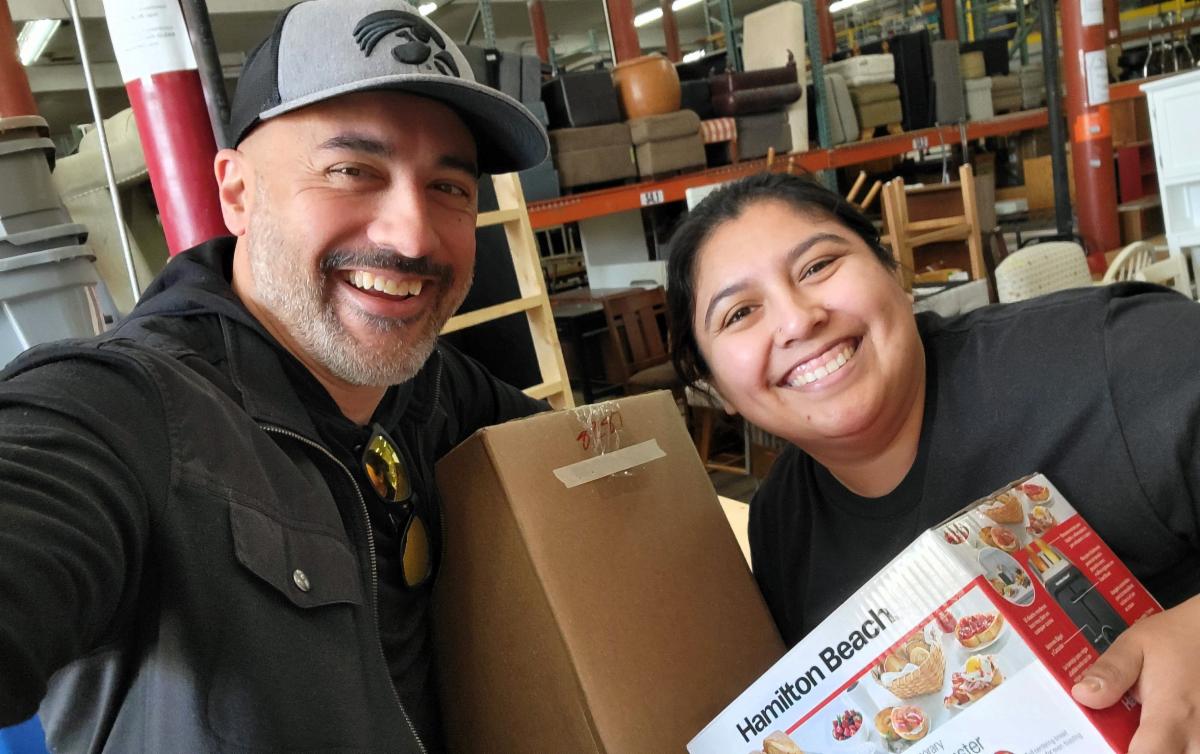
PA student Elsa Zuniga and Professor Marc Doobay (right) joined the Carver College of Medicine’s Mixed Race in Medicine (MRM) student interest group at Houses into Homes in April 2025, helping furnish and set up homes for individuals and families transitioning from being unhoused.
| |
ALUM FEATURE:
“I’ve come a long way”: Lessons from the frontlines of an EM residency
Mark Schmidt, MPAS PA-C
graduation year: 2023
specialty: Emergency Medicine
| |
After graduating from the UI PA Program in 2023, Mark Schmidt knew he had received a strong clinical education. “I think they did a great job,” he said. “We had ultrasound clinics, abscess simulations, suturing workshops—the hands-on stuff really stuck with me. That set me up to pick things up quicker in residency.”
Still, he recognized a need for further training before entering practice independently. “I thrive in structured learning,” Schmidt said. “After doing my emergency medicine rotation, I realized how much more there is that I wanted to see. I wanted more experience under my belt before being totally on my own.”
That realization led him to pursue an Emergency Medicine PA Residency at the University of Iowa, one of the nation’s longest-standing PA residencies. The program is directed by Nathaniel Shekem, PA-C MPAS, a Clinical Associate Professor and 2014 graduate of the UI PA Program.
“I always had an inkling I’d do this,” Schmidt said. “When I worked in the ER as a nursing assistant, I saw what the PA residents were doing. That planted the seed.” He chose an 18-month program for its broader learning opportunities. “The program includes an emphasis on didactic learning,” he explained. “We have off-service rotations—ICU, rural EM, toxicology, ortho, anesthesia. They’re really invested in your learning.”
| |
Clinical highlights have been numerous, including a textbook case of Guillain-Barré Syndrome in a pediatric patient. “I realized the patient’s symptoms were progressing—weakness moving up the legs, urinary difficulty. I thought, ‘Wow, this is actually straight out of the textbook.’”
The residency hasn’t been without personal challenges. “The ER gets overwhelming. There are a lot of patients and not enough beds. You have to be compassionate but also efficient,” Schmidt reflected.
| |
Now preparing to move to Madison, Wisconsin—where his partner is beginning an anesthesia residency—Schmidt is looking for roles that blend urban trauma care with rural emergency medicine. “I want to keep my skills up in both settings. Working in one spot all the time can feel monotonous, and I really value variety.”
He also hopes to return to teaching. “I’ve had so many great teachers. I’d love to give back and help train the next generation of emergency medicine PAs.”
Schmidt credits mentors like Shekem and Professor Marc Doobay for shaping not only his clinical style but also his broader professional identity. “Before PA school, I never really had a mentor,” he reflected. “But watching how Marc interacted with us as students—and especially how he approached patients in simulations with finesse—really stayed with me. He treats everyone with such humanity—with a judgment-free, patient-centered approach. I try to model my own practice after that.”
Schmidt also emphasized his strong connection with Shekem, describing their personalities as closely aligned. “Nathaniel has been one of my biggest mentors. Like Marc, he makes patients feel like they’re the center of attention and consistently emphasizes compassionate, individualized care. That really inspired me.”
His advice to current PA students? “For some who want to see very high-acuity patients, get strong procedural experience, and quickly build confidence in Emergency Medicine—I’d recommend a residency. The experience you gain in a short time is invaluable.”
| |
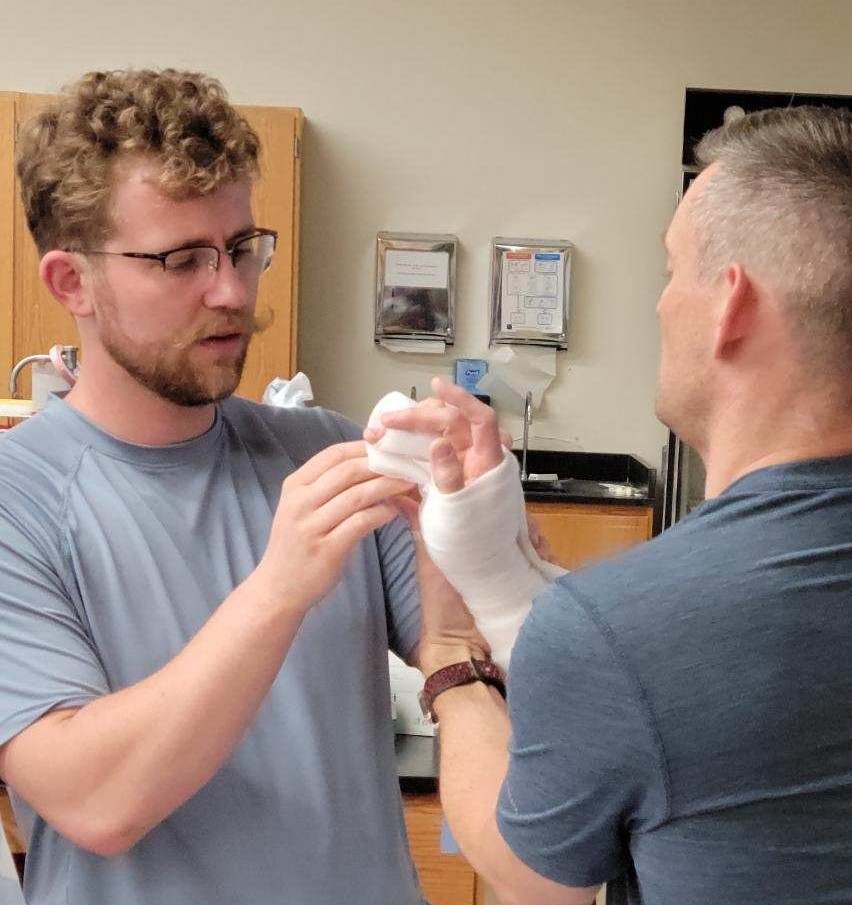
Mark Schmidt, MPAS PA-C (top right) fits Professor Jeremy Nelson with a splint during his training in the UI PA Program.
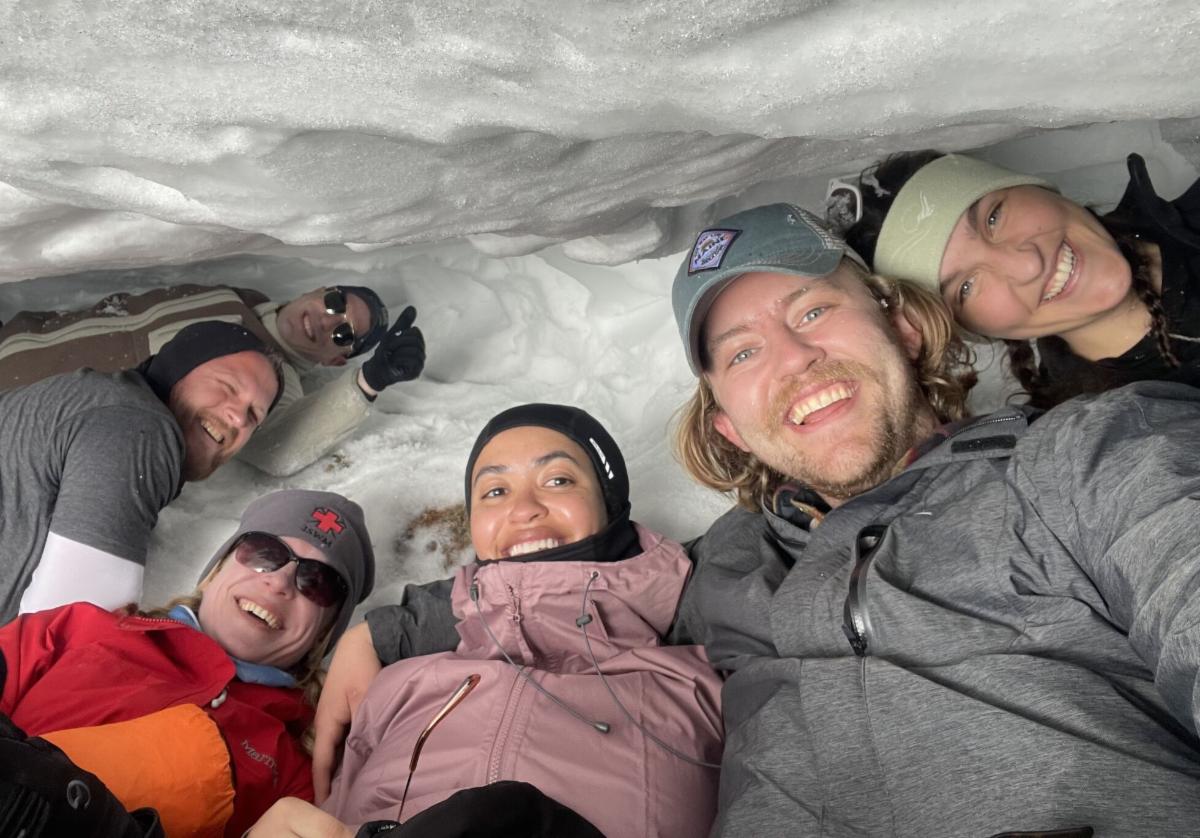
Schmidt (middle left) with co-residents in an ice cave while participating in the wilderness medicine rotation.
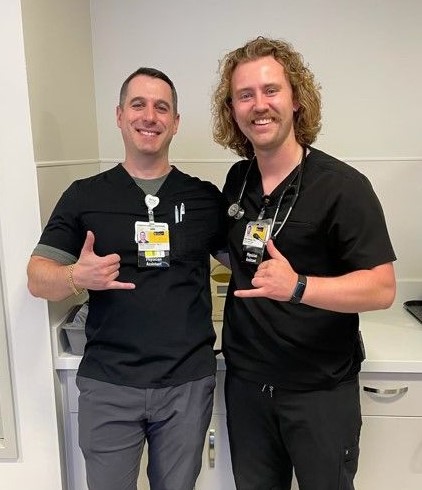
Schmidt (bottom right) with co-resident Bryan Fleischman, PA-C EM-CAQ MBA NRP.
| | |
SNAPSHOT:
Students and faculty share tips for student success at AAPA 2025
| | |
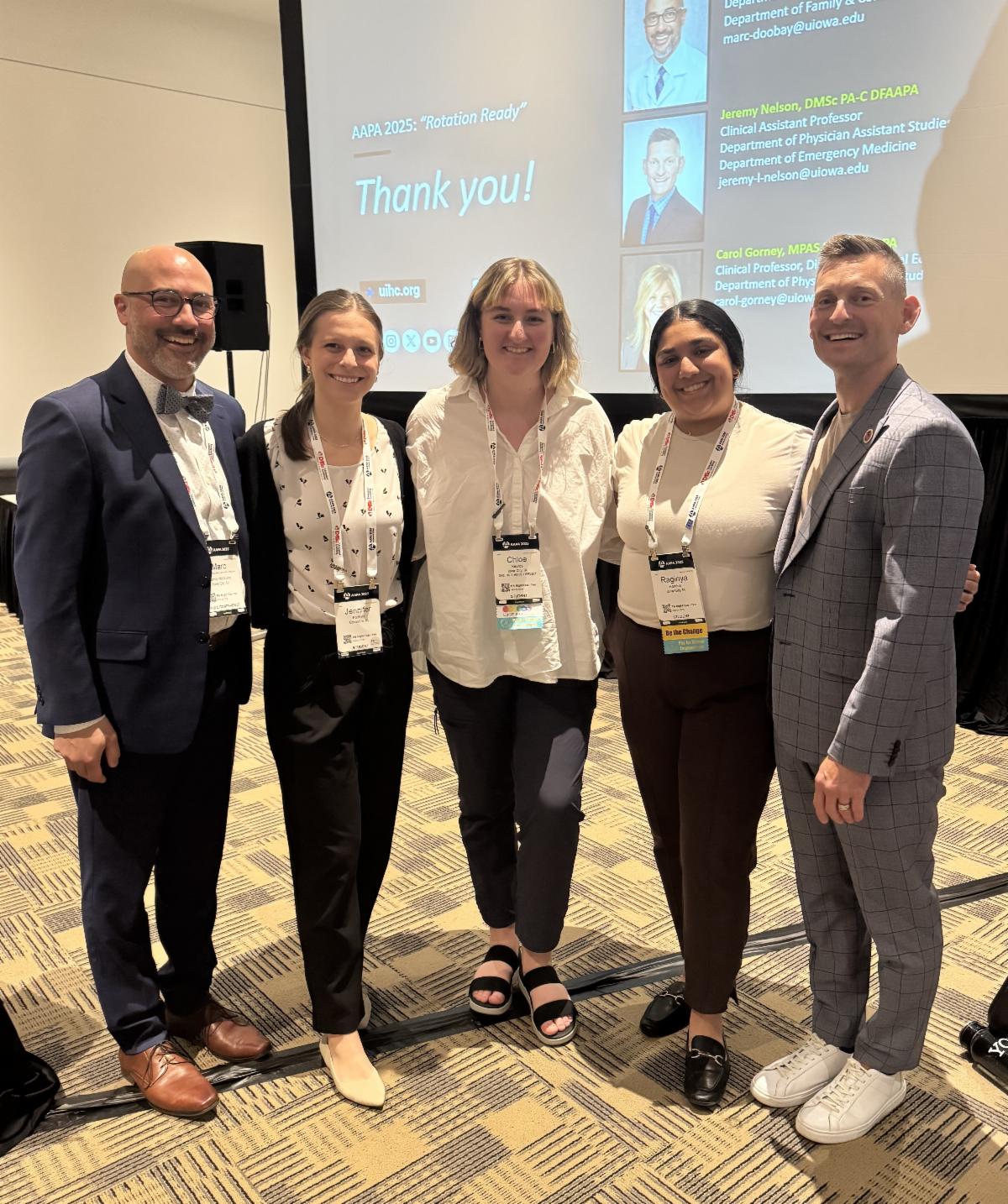
Students Jen Pochyly, Chloe Kepros, and Raginya Handoo joined Professors Marc Doobay, Jeremy Nelson, David Asprey [not pictured], and Carol Gorney [not pictured] (right), at AAPA 2025 in Denver, Colorado, on May 19, 2025. Together, they presented “Rotation Ready: Navigating Your Clinical Training with Confidence, Competence, and Connections” to a crowd of more than 200 students and faculty, sharing practical strategies to help PA students thrive during their clinical rotations.
| |
CURRICULUM COLLAGE:
Bringing everything into focus: Scenes from the summer curriculum
| | |
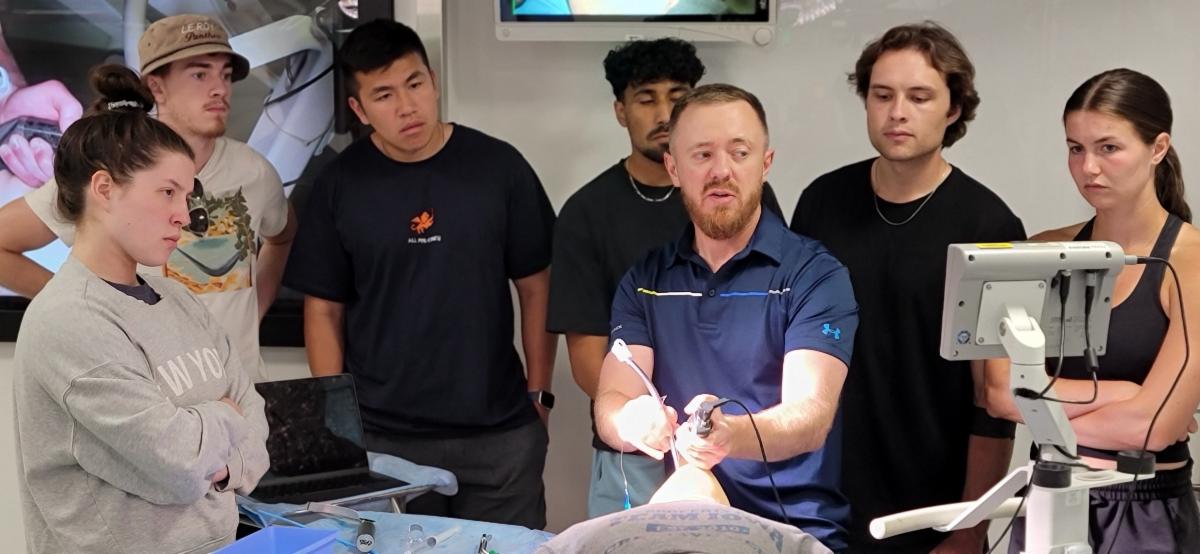
Greg Reiter, MPAS PA-C (top), demonstrates proper airway intubation on a simulator.
Professor Jeremy Nelson (above) instructs students on venipuncture during a procedural skills workshop.
Student Ben Miller (right) practices performing a physical exam on a toddler in the MERF Clinical Suites.
Students (below) practice airway management in the Center for Procedural Skills and Simulation.
| | | | | |
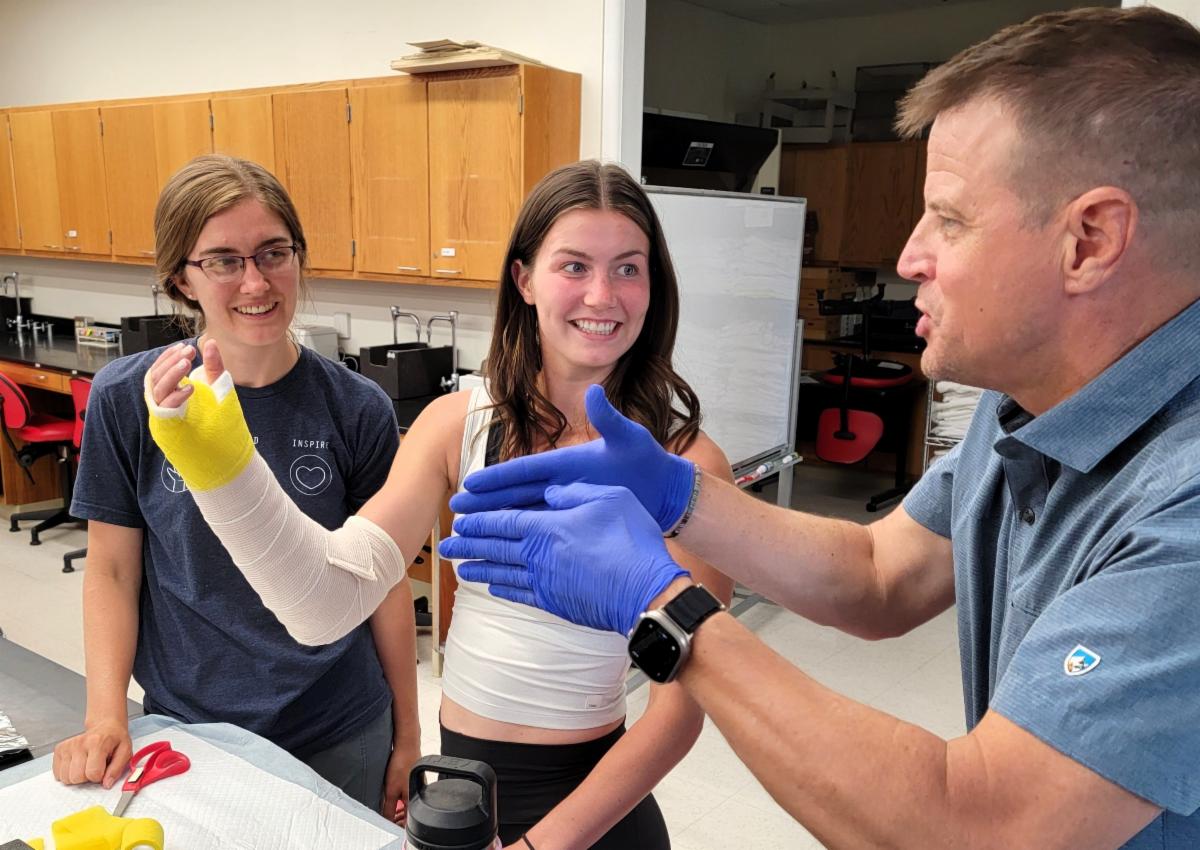
Students Bekah Jones and Lily Schwen (left) receive instruction on splinting techniques from Jeff Cater, MPAS PA-C.
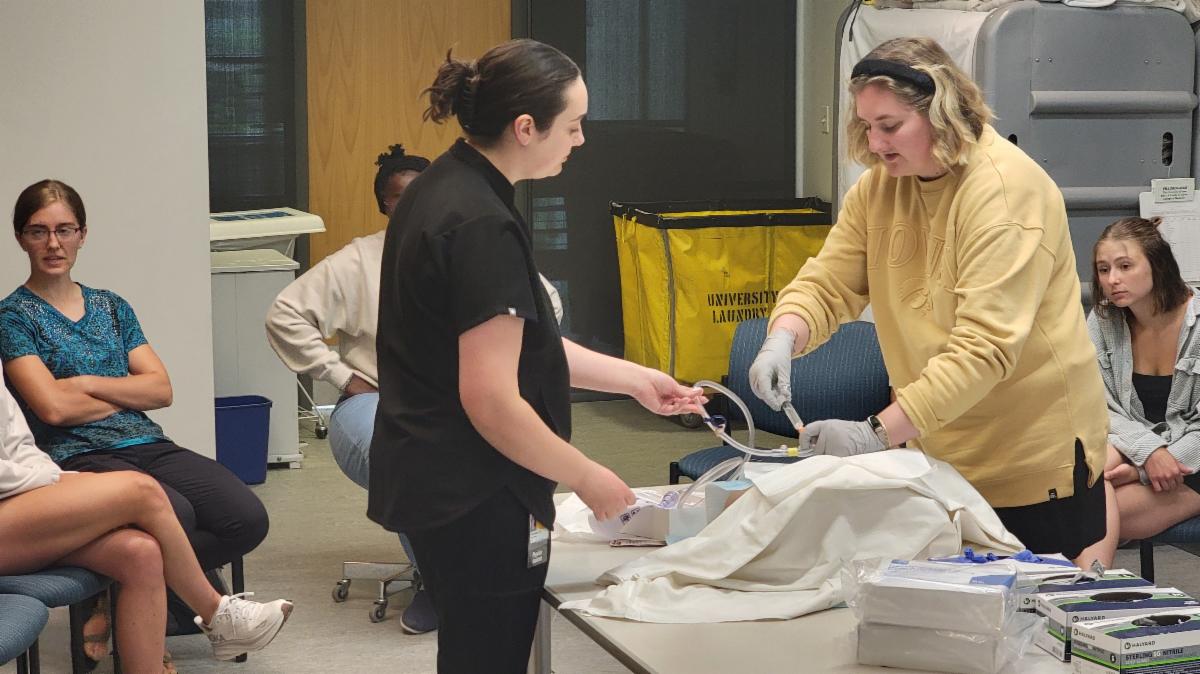
Student Chloe Kepros (below) practices urinary catheterization on a simulator with direction from Alex Koch, MPAS PA-C.
| | | | |
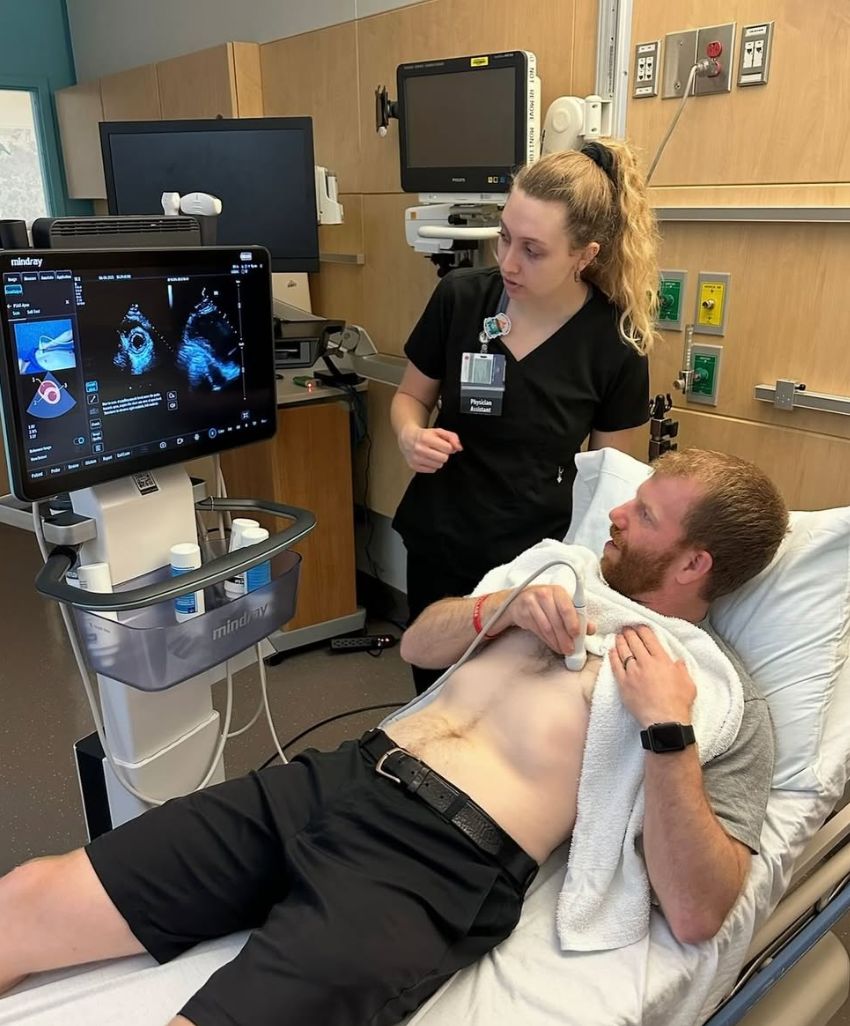
Student Cole Reese (left) learns POCUS from Beverly DiCorso, MMS PA-C.
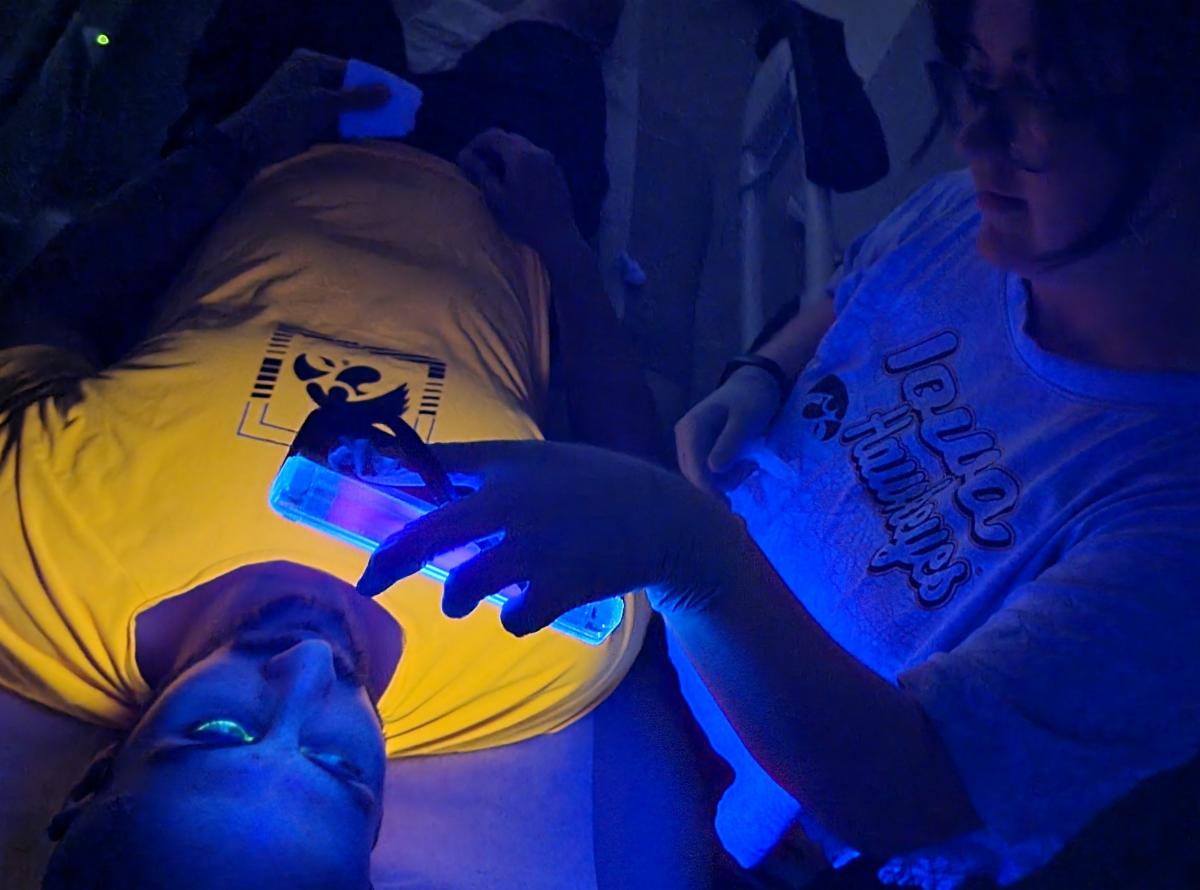
Students Kyra McIntosh and Ben Miller (above) evaluate for corneal defects using fluorescein eye stain.
Students Bekah Jones, Abby Crow, Chelsea Francisco, and Leo Davila (below) practice suturing on a pig foot skin simulation.
| | |
|
Kyra McIntosh (expected 2026) was selected for the Physician Assistant Education Association (PAEA) 2025-2026 Student Health Policy Fellowship.
Edwin Rojas (expected 2026) was awarded the Physician Associates for Latino Health (PALH) 2025 Student Scholarship.
Faith Anton (2024) and Ryan Noble (2023) became engaged on May 5, 2025.
Hailey (Saunders) Larson (2022) welcomed baby Noah Cordell on May 5, 2025.
Jenny Reid (2022) welcomed baby Beckham Lee on January 29, 2025.
Jami Hagemann (2020) published a research article titled "Normal physiologic carboxyhemoglobinemia of neonate masquerading as carbon monoxide poisoning" in the American Journal of Emergency Medicine in June 2025.
Lyndsey Niebuhr (2018) married Dominic Buhlmann on June 20, 2025.
Nicole (Meyer) Bro (2017) was elected Treasurer of the Board of Directors for the Iowa Physician Assistant Society (IPAS).
Kaitlin (Breitbach) Carr (2015) welcomed baby Joseph Daniel on August 5, 2025.
Nathaniel Shekem (2014) was awarded the UI Graduate Medical Education (GME) 2025 Excellence Interprofessional Education Award.
Leslie (Novak) Veit (1997) was elected Director-at-Large of the Board of Directors for the Iowa Physician Assistant Society (IPAS).
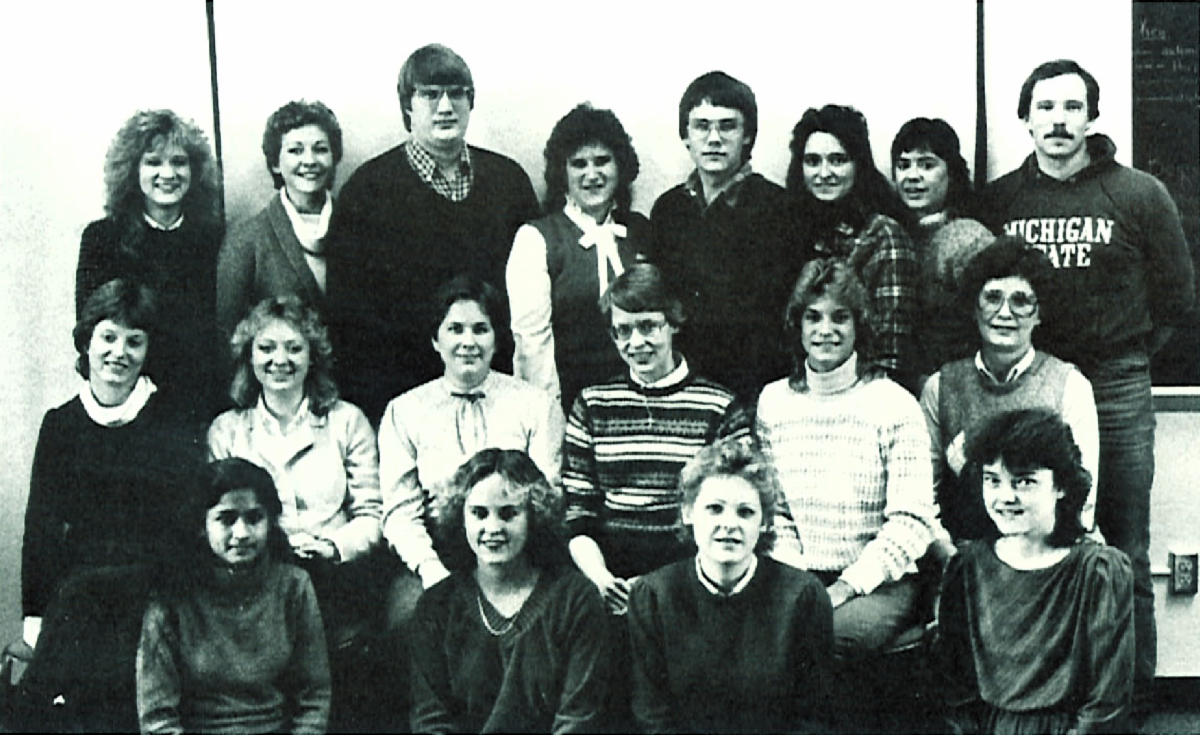
| Faith Anton, MPAS PA-C, and Ryan Noble, MPAS PA-C (above), celebrate their recent engagement. | | | | Do you recognize any of these members of the Hawkeye PA family? Click on the photo to reveal these members of the Class of 1985. | | |
McQuillan MA, Asprey D, Brown D, Quincy B, Snyder JA, Sivahop J. Do physician assistant professional doctorate missions and learning outcomes align with the physician assistant professional competencies?. J Physician Assist Educ. 2025;36(1):e34-e41. doi: 10.1097/JPA.0000000000000642
Snyder JA, Quincy B, Sivahop J, Asprey D, Brown D. Analysis of institutional financial stability and physician assistant program accreditation outcomes. J Physician Assist Educ. Published online June 17, 2025. doi:10.1097/JPA.0000000000000680
Howsare DR, Peterson EA, Doobay MF, Shaw NA. Are tympanostomy tubes more effective than medical management for preventing recurrent acute otitis media in children? Family Physicians Inquiries Network. Evidenced-Based Practice. Published online June 25, 2025. doi:10.1097/EBP.0000000000002459
| We want to hear from you! Each quarterly newsletter will highlight our alums' life events. Please submit your good news—such as a new job, growing family, or big award. Thanks for being a part of our Hawkeye PA family! | | |
Would you like to be added to our UI PA Program newsletter e-mail list? Click HERE!
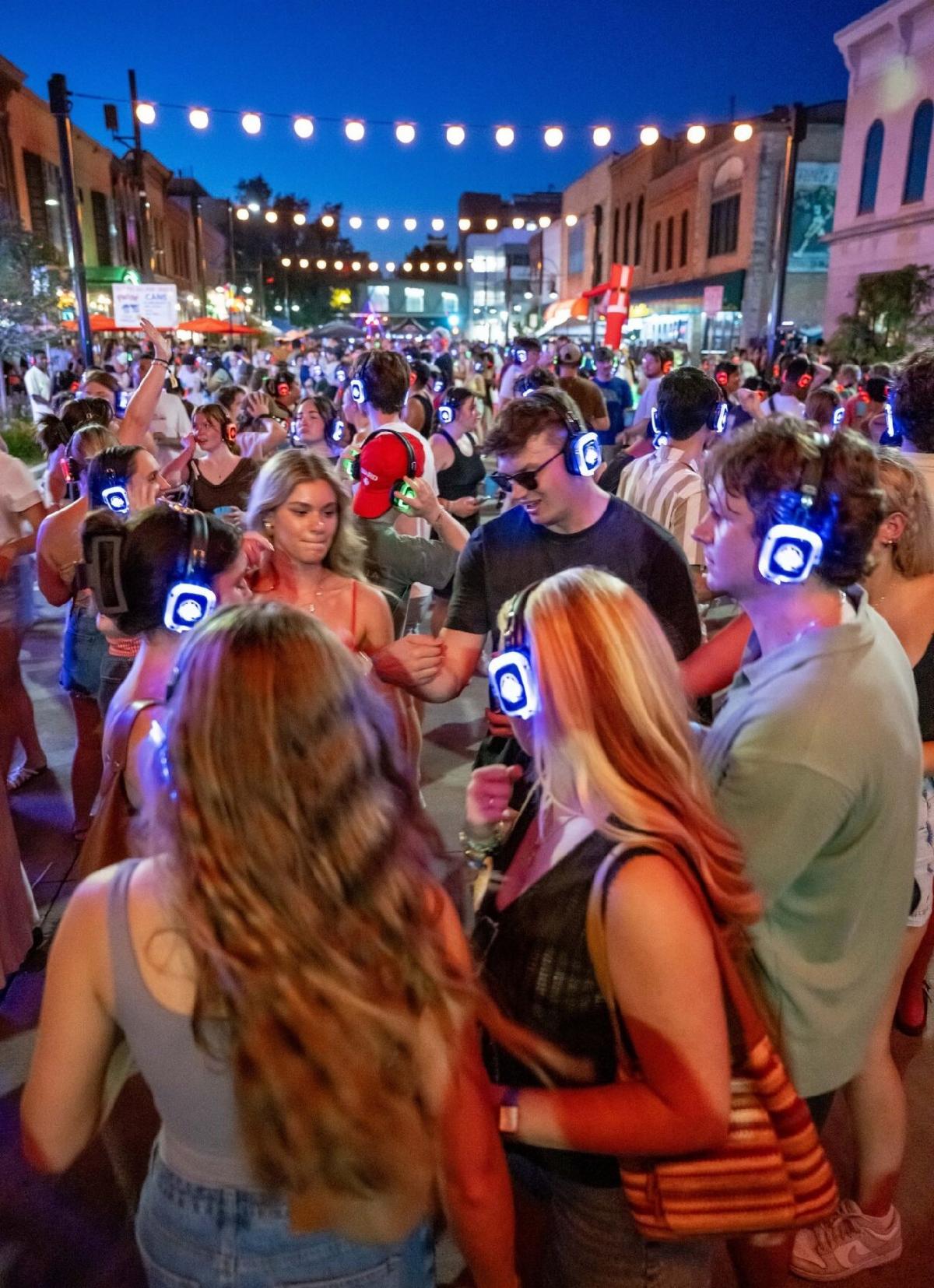
| | Iowa City locals danced at a silent disco during a downtown block party on June 28, 2025. | | | | |