Vol. 26 | June 2024 – 3 minute read

 
CRU banner.jpg

Custom AI Applications for The Clinic

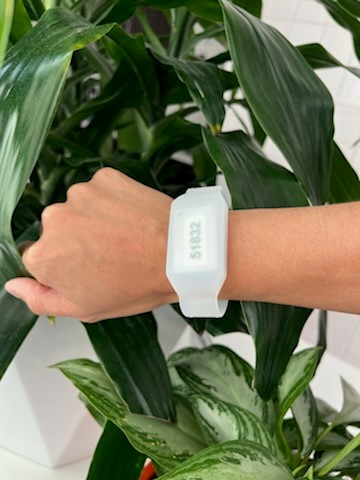
A team in the MAIA lab that includes Steve Jiang, Ph.D., Yulong Yan, Ph.D., David Sher, M.D., and Eric Chambers, M.B.A., are applying cutting-edge artificial Intelligence (AI) in their routine clinic practices. Specifically, they have developed an innovative AI-driven sensor-based Real-Time Location System (RTLS). This system offers a cost-effective solution for streamlining clinical workflows, enhancing safety and improving the overall patient experience. By enabling precise location tracking of patients, equipment, and clinicians, the system addresses critical pain points in health care settings. The team is eager to collaborate with researchers and clinicians interested in integrating advanced AI technology into their operations. The AI-based tracking tool monitors patient movements within the clinic, synchronizing medical charts and initiating task lists on iPads as patients enter treatment rooms. It also helps to refine clinical scheduling by recording the duration of treatments.

Currently, there are 18 applications of this AI technology successfully implemented in Radiation Oncology Programs at the Harold C. Simmons Comprehensive Cancer Center, with additional developments underway.


The team is actively seeking partnerships with clinics to further the application of this technology in both research and clinical contexts. For inquiries, please contact Dr. Jiang at Steve.Jiang@UTSouthwestern.edu.


eIRB Update

The Human Research Protection Program is thrilled to announce the upcoming launch of UTSW ETHOS (Electronic Tracking and Human research Oversight System), our new electronic IRB system. The new system has been designed to streamline the submission and review process for all users. Researchers can expect enhanced efficiency, improved communication methods, and supported compliance with regulatory standards.


These enhanced features in the eIRB system will:

  • Allow submissions of all types of projects, including Non-Regulated Research (NRR) and Non-Human Research (NHR) applications. NHR applications will receive an auto generated letter at the completion of the application.
  • Eliminate most Word (e.g., Form B, Form G, etc.) documents as attachments as the application has been updated to request the information directly in the application.
  • Improve modification requests by allowing study teams to summarize changes and access the study to directly modify the sections that are affected by the change.


Stay tuned for more details on the new system and upcoming training dates as we prepare for the rollout.


Email eIRB@UTSouthwestern.edu with comments, questions, or feedback.


Introduction to Epic Cosmos


Introduction to Epic Cosmos: June 25, 11 a.m.-12:15 p.m.

In person and virtual


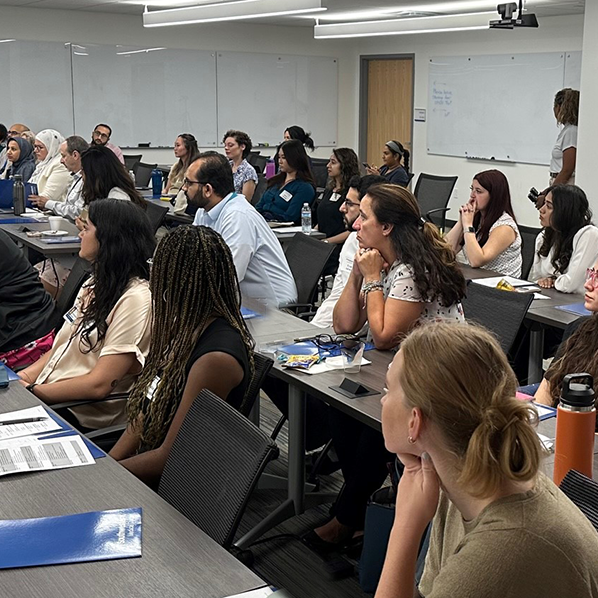
Don’t miss this informational session that over 100 of your colleagues have already registered to attend.


Cosmos is a data analytic and modeling tool that effectively combines data from over 24 million patient records across more than 300,000 clinics and 1,400 hospitals, and over 9 million rare disease patient records. The data can be represented and modeled in dashboard and SlicerDicer-like interfaces. UT Southwestern launched Cosmos in August 2023 and we are now inviting our research community to use this powerful tool. Join us to learn how Cosmos can advance your research and empower you to create tailored treatment plans for your patients.


Event Highlights:

  • Introduction to Cosmos
  • New User Registration
  • Open office hours with Epic TS
Register Today
 

Important Dates and Upcoming Events

Master of Science in Clinical Investigation – June 30 Deadline 

The O’Donnell School of Public Health has added the Master of Science in Clinical Investigation (MSCI) and a certification in Clinical Investigation programs to its offerings. The MSCI program is flexible, allowing students to pursue their degree either part-time (18-36 months), or full-time (18 months). The certification can be completed in 12-18 months. The ideal candidates have been trained in the medical sciences or have relevant scientific backgrounds and are seeking to deepen their knowledge of research design and methodology. The program prepares investigators for academic or industry careers in clinical and translational research.  


Scholarships are available, and UT Southwestern also offers tuition reimbursement per policy EMP-305 (requires on-campus network connection or VPN).


Apply by June 30 to be considered for the fall 2024 cohort.

Optimizing Your Multisite Research with REDCap*

Conducting multisite research presents unique challenges. REDCap, a secure web-based platform, can streamline many aspects of your multisite clinical trial, improving efficiency and data quality. This seminar will explore how REDCap can empower multisite research investigators and their teams throughout the research life cycle, from protocol development to data collection and analysis.


Community Health Screening Events*

Our CTSA Program Community Engagement group holds free screening pop-ups at local venues in cooperation with community nonprofit organizations. Events offer free screening for common conditions that are prevalent in our communities and often go undetected. Early detection may allow lifestyle changes to reduce risks of disease and improve treatment outcomes.


  • June 22, 9 a.m.-1 p.m., Health and Yoga Festival. Location: Radha Krishna Temple


Join Us! For queries about the Community Health Volunteer Training Program, contact Saundra.Pennington@UTSouthwestern.edu


*Sponsored by the UT Southwestern CTSA Program

Share Your Feedback
Facebook  LinkedIn  X