FEATURED STORIES:
2018 Water Quality Results
The Return of the MAC
2019 State of the Bay Photo Contest
Dredged Hole
Recommendations
|
|
Most of Tampa Bay Meeting Water Clarity Goals
Old Tampa Bay continued to lag behind other bay segments in water quality in 2018, likely due to a persistent summertime bloom of a nuisance alga that has recurred annually there for over a decade.
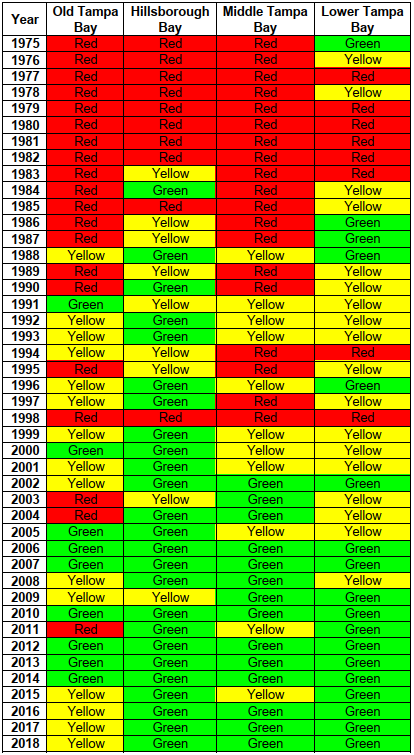
The annual report card prepared by the Tampa Bay Estuary Program (TBEP) concluded that while all 4 major bay segments had sufficient water clarity to allow sunlight to penetrate to the bay bottom and support the growth of underwater seagrasses, Old Tampa Bay once again exceeded its average annual target for chlorophyll-a. This indicator describes the amount of microscopic algae in the water column and can contribute to shading and die-offs of seagrasses.
The elevated concentrations were primarily due to a potentially toxic alga,
Pyrodinium bahamense,
which has been observed in Old Tampa Bay almost every summer since the early 2000s. Separate algal bloom events -
Tripos hircus
(a non-harmful alga) in Hillsborough Bay and
Karenia brevis
(the harmful red tide organism) in Lower Tampa Bay - also contributed to increases in chlorophyll-a for those bay segments. However, these two segments and Middle Tampa Bay remained below established targets which, if exceeded, would indicate problems for seagrass.
Both average visible light penetration and year-to-year algae abundances are critical water quality indicators in Tampa Bay. The yearly results are compared to established targets and summarized in a simple report card with a red, green and yellow color system. "Green" means a bay segment is meeting both measures of water quality on average over the year, while "red" means it is not meeting either of them. "Yellow" indicates that an area failed to meet either chlorophyll or water clarity targets for the year - which is the case with Old Tampa Bay in 2018 (Figure I). When water quality does not consistently meet established targets, local resource managers work to address the causes of the decline.
“Although water quality in Old Tampa Bay slightly improved in 2018, recurring summertime algae blooms continue to present challenges for resource managers," said TBEP Executive Director Ed Sherwood. "In addition, the extensive red tide bloom experienced along the Southwest Florida coast and into Lower Tampa Bay underscores that our coastal communities need to continue to be vigilant in reducing nutrient pollution that fuels these events and harms both the estuarine environment and coastal economy.”
Improving water quality throughout the bay has been critical to a nationally-recognized recovery of seagrasses that is viewed as the foundation of a healthy Tampa Bay. Since surpassing the restoration goal of 38,000 acres of seagrass in 2014, seagrasses in Tampa Bay have remained relatively stable. Aerial photographs taken during winter 2017-2018 show a slight (2.5%) decrease in seagrass coverage from the 2016 estimate, for a total of 40,618 acres. While minor variations in annual acreage should be expected in a healthy seagrass system such as this, TBEP and partners continue to monitor seagrass extent in the estuary. Of note, the most recent estimates were developed prior to the extensive red tide event that plagued the region throughout 2018. Newer estimates will be developed from aerial photos during the winter of 2019-2020.
The data used for the report card are collected monthly by the Environmental Protection Commission of Hillsborough County, from 45 sampling stations throughout the bay. Analysis methods and open-source code to reproduce the annual assessment can be found
HERE
|
|
The Return of the MAC
Existing members of the Manatee Awareness Coalition and those interested in joining are invited to reconvene and determine its next steps.
Formed by the Tampa Bay Estuary Program (TBEP) in 1998, the Manatee Awareness Coalition (MAC) has been a leader in promoting science-based manatee protection efforts in Tampa Bay. Made up of local government officials, utility companies, scientists, and representatives of boating interests, the group has utilized innovative educational programs to achieve its goals. Among the MAC’s accomplishments:
- Coordination of the 3-year Tampa Bay Manatee Watch Program, which trained citizens to engage and educate boaters on manatee-friendly boating practices.
- Developed recommendations for a network of manatee speed zones by the Local Rule Review Committee for Tampa Bay
- Created “Bay-Friendly Boater Kits” and recognized eco-friendly neighborhoods through the “Manatee Friendly Neighborhood program.”
In an effort to build on these accomplishments, the TBEP is inviting the group's members to reconvene after its brief lull and determine the next steps.
As we imagine you might be aware, the timing of this reestablishment coincides with the many recent news articles spotlighting the nearly record-breaking number of manatee deaths in 2018.
An article in the Tampa Bay Times
noted that red tide, cold stress, and speeding boats were responsible, resulting in a total of 804 deaths for the year (just 14 shy of the 2013 record). These findings are highlighted further
by
another piece in the Center for Biological Diversity
. To help the group understand the current state of the species in Tampa Bay, Research Administrator Andy Garret of the Fish and Wildlife Conservation Commission will provide a brief presentation at the meeting.
We invite all existing members and those interested in joining to consider attending a meeting at the Tampa Bay Regional Planning council next month (May). To determine the most convenient meeting date, we suggest entering your availability into the doodle poll linked to below by April 25th. Based on the submissions, we will decide on a time and send out an email blast to the MAC email list members. If you are interested in joining the list, please feel free to email
joe@tbep.org
. We’re looking forward to continuing the valuable work the MAC has been responsible for in the past and hearing your ideas about the future.
|
|
2019 State of the Bay Photo Contest
Every three years the Tampa Bay Estuary Program releases a "State of the Bay" report highlighting the restoration, community engagement and education efforts of the program and its many partners. The report is distributed to a network of community members and environmental resource professionals in the region.
This year, TBEP is seeking submissions from the artistic community to be embedded within the report. The 1st, 2nd, and 3rd place winners will have their work featured across our social channels, in the report itself, and will receive a framed page from the report that features their work
(
did we mention a cash prize as well!!!
)
. We encourage both amateur and professional photographers from the Tampa Bay region to participate by sending us high quality (300+ DPI) photos that relate to one of these 4 themes of Tampa Bay (wildlife, recreation, restoration, and education). Submissions will be judged by our Community Advisory Committee.
Interested? Just include your name, equipment used, location, and theme in your submission, emailed directly to
Joe@tbep.org
.
You can also register
HERE
to stay updated on the contest and latest news. We look forward to your participation.
|
|
Resource Managers Finalize Recommendations for Dredged Hole Restoration
Four dredged holes - Bay Point, MacDill Docks, Fort DeSoto, and Culbreath South - may be targeted for future restoration activities according to a new report released by the Tampa Bay Estuary Program. These recommendations come after several years of work completed by the TBEP and partners from the Environmental Protection Commission of Hillsborough County, the Florida Wildlife Research Institute, and the US Army Corps of Engineers.
The project, which looked at a total of eleven different holes, revisited the same methods used in a
similar 2005 study
. Bathymetric surveys, sediment analysis, benthic characterization, fisheries population assessment, and a recreational fishing guide survey were used to understand the current condition of each hole and objectively determine whether restoration activities would be beneficial.
There are about 40 dredged holes of varying sizes within Tampa Bay. Some of the holes, which were created as a result of development and dredging practices prior to 1970, serve as unique habitat enjoyed by commercially and recreationally-important fish species, while others are plagued by poor water quality and low dissolved oxygen. Options for restoration addressed within this study include partial or complete fill to minimize toxic sediments, improve dissolved oxygen, and increase seagrass habitat.
Broad community support is necessary for any of these projects to move forward. Additional planning and consultations with interested user groups and appropriate permitting agencies will be conducted before any work to improve Tampa Bay is performed at the holes.
|
|
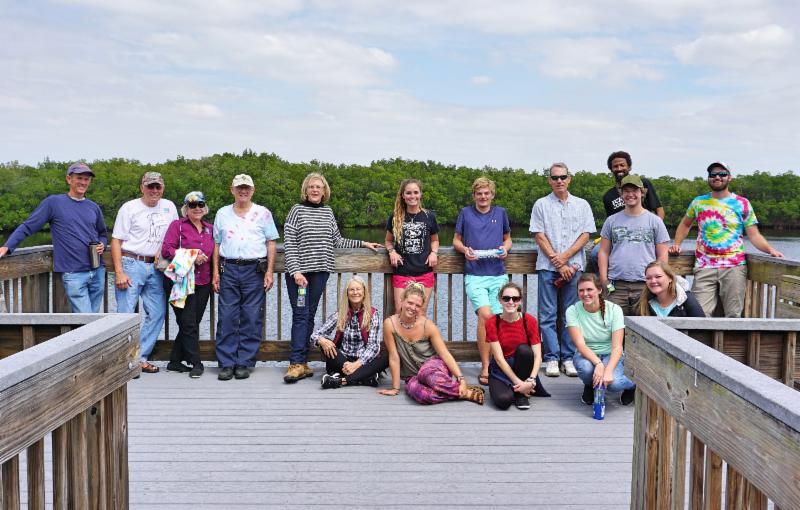
Our Community Advisory Committee (CAC) enjoyed a quick nature walk before their March meeting. Interested in joining? Contact
misty@tbep.org
for more info.
|
|
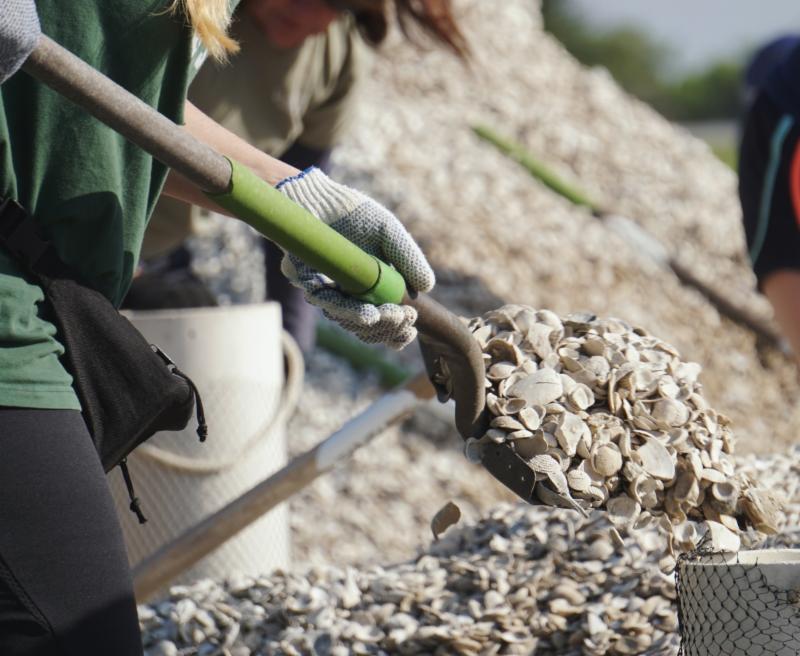
Tampa Bay Watch, TBEP, and FWC staff and volunteers came together to package, transport and place bags of fossilized shells on the shoreline of Macdill Airforce base, aiding in its road to recovery
.
This project was funded through the
TAMPA BAY ENVIRONMENTAL RESTORATION FUND
.
|
|
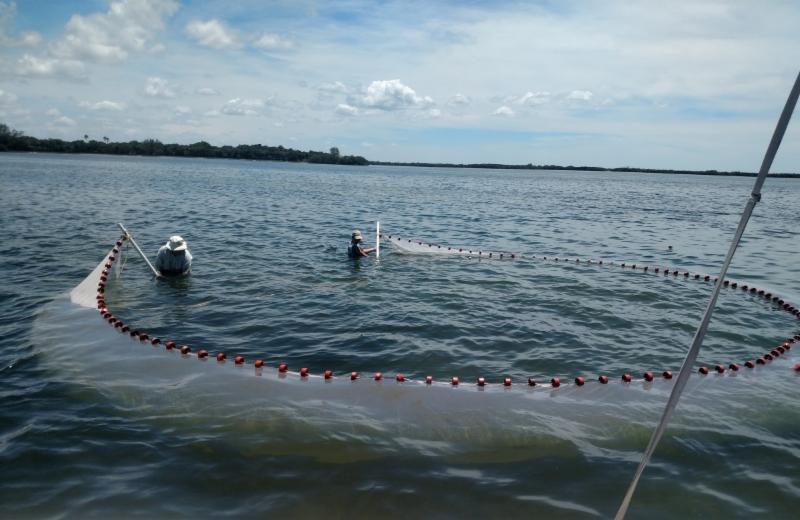
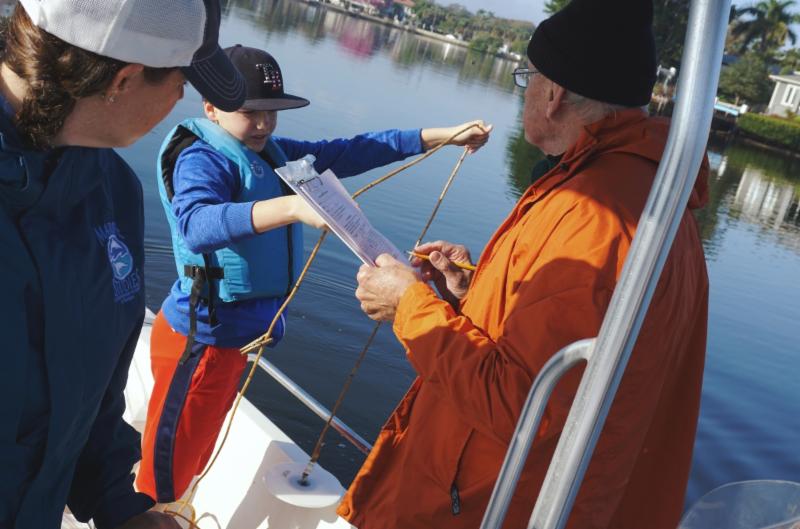
The Coffeepot Bayou Watershed Alliance (one of our Bay Mini-Grant recipients) teamed up with the Canterbury Marine Science program to collect water quality data. Check out the video at the bottom of this page for a closer look!
|
|
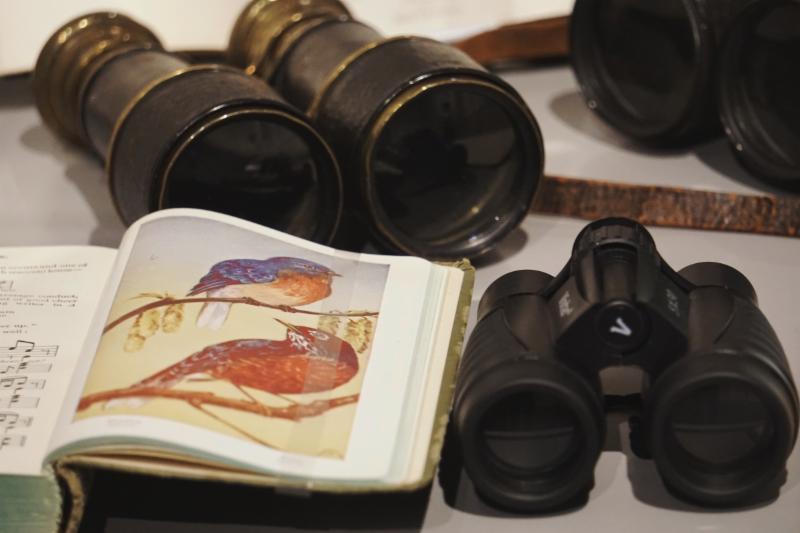
The Tampa Bay History Center hosted comprehensive collection of avian artifacts highlighting the evolution of conservation efforts in Tampa Bay. We stopped by to capture the carefully curated showcase entitled
"A History of Conservation: A Bird's Eye View."
|
|
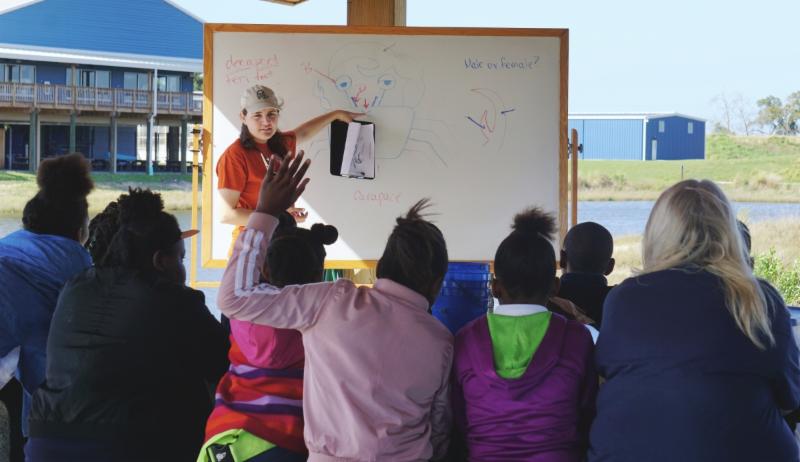
The Florida Youth Conservation Centers Network in Apollo Beach invited students to come study the marine and coastal ecosystems, cultivating good stewardship behaviors and conservation literacy concepts along the way. We're honored to have provided funding for this program through our Bay Mini-Grants.
|
|
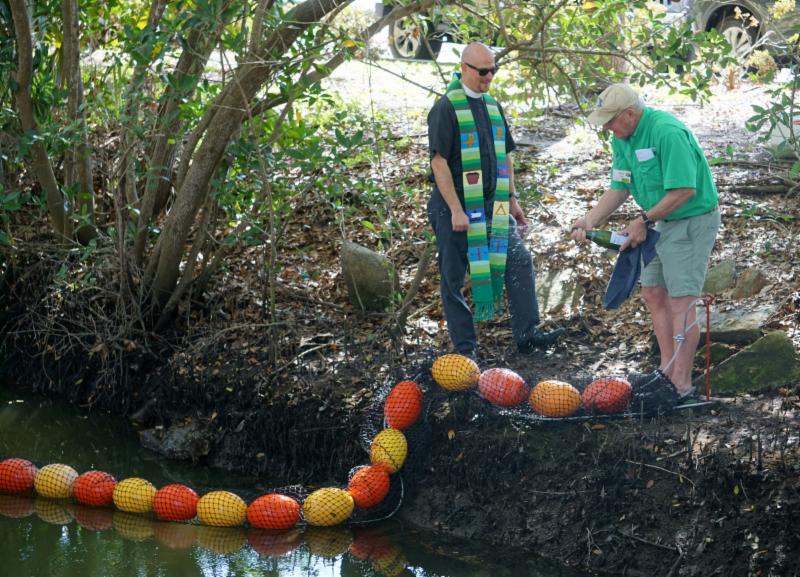
Wanda the WATERGOAT was installed and christened at Turtle Creek near Coffeepot Bayou. WATERGOATs do a great job of protecting the bay's watershed from free flowing trash and debris by catching it in its net before it can reach a larger body of water. Volunteers are always encouraged to maintain these by helping clean them out periodically. Contact
Joe@tbep.org
for more info.
|
|
COMING UP!
Give-A-Day for the Bay at Safety Harbor Resort and Spa
When
:
Sat, May 11, 9:00am - 12:00pm
Where:
105 N Bayshore Dr
Description:
Join the City of Safety Harbor, Tampa Bay Watch and Tampa Bay Estuary Program for a planting event at the Safety Harbor Resort and Spa. Did you come out for the planting last year? If so, you'll be excited to see how the area looks now. For this event, we'll be working along the shores of the Waterfront Park to install plants that will support the newly installed living shoreline.
|
|
About the Tampa Bay Estuary Program
The Tampa Bay Estuary Program is an intergovernmental partnership dedicated to restoring and protecting Tampa Bay, Florida's largest open-water estuary. The TBEP is one of 28 "Estuaries of National Significance" designated by Congress.
Our Policy Board is comprised of representatives from Hillsborough, Manatee, Pasco and Pinellas counties; the cities of Tampa, St. Petersburg and Clearwater; the Southwest Florida Water Management District; the Florida Department of Environmental Protection; and the U.S. Environmental Protection Agency.
|
GOT 3 MINUTES?
Your valuable input and opinions will help us better understand our community and make some important decisions. Thanks in advance!
|
|
Bay Mini-Grant Feature
The Coffeepot Bayou Watershed Alliance teamed up with the Canterbury School marine science program to collect water samples and enjoy the sights along the way.
|
Produced by Joe Whalen
Joe@tbep.org
727.893.2765
|
|
|
|
|
|
|
|