|
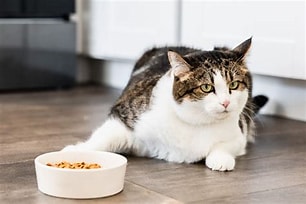
Newsletter - September 2024 6 Reasons Why Your Cat Is Not Eating and What To Do
By Jennifer Grota, DVM.
Your cat’s eating habits give you some insight into how they’re feeling, so it’s important to pay attention.
If your cat’s not eating, you need to find out the cause. Here are some of the more common reasons why a cat won’t eat and some recommendations to get your feline family member back on track.
Not sure whether to see a vet?
Answer a few questions about your pet's symptom, and our vet-created Symptom Checker will give you the most likely causes and next steps.
Check your pet’s symptom
Why Is My Cat Not Eating?
Loss of appetite in cats can have many causes. If your cat won’t eat, some causes may be evident through a physical exam, while others may require diagnostic tests like blood work or imaging such as X-rays or an ultrasound.
If your cat has had a poor appetite or simply won’t eat for more than a day or two, take them to the veterinarian to find out the cause.
This is considered a medical emergency. Many serious consequences can occur in cats that go without adequate nutrition.
Here are some possible reasons why your cat is not eating.
1. Your Cat May Be Sick
Upper respiratory infections can cause loss of appetite in cats.
When your cat has a stuffy nose, it’s harder for them to smell their food, and they may not eat as a result. If this happens, you may need to rely more heavily on wet foods, especially those that have strong aromas.
If your cat won’t eat their usual wet food, try switching the flavor or texture to see if that helps. Heating up canned food can also make it tastier for a cat that might not be feeling their best.
Call your veterinarian if you notice any of the following symptoms:
· Lots of sneezing
· Runny eyes
· Runny nose
While some infections are viral and may not need medication, antibiotics are sometimes needed to resolve a bacterial infection and help your cat feel better.
Other nasal diseases can impact your cat’s sense of smell and appetite as well, including nasal polyps or tumors. Tumors affecting the nose can also be painful and make your cat reluctant to eat.
2. Your Cat May Have a Dental Issue
Similarly, many diseases of the mouth can make cats stop eating altogether.
Cats can develop tartar and gingivitis, as well as inflammation in other tissues of the mouth that can be painful. Cats can also develop cancerous tumors in the mouth.
Clues to watch for include:
· Bad breath
· Drooling
· Bleeding from the mouth
3. Your Cat May Have a Gastrointestinal Issue
There are many gastrointestinal issues that can cause decreased appetite in cats, including:
· Obstruction or foreign body ingestion
· Cancer
· Pancreatitis
· Inflammatory bowel disease
· Constipation
· Nausea
Nausea may also be caused by diabetes or kidney disease (both of which can also cause vomiting and changes in thirst and urination) or medications (such as antibiotics or chemotherapy).
Cats that are nauseous may seem interested in food, but then refuse it. They may also drool, drop food while eating, and lick their lips often.
4. Your Cat May Have Congestive Heart Failure
Congestive heart failure can result in coughing, fatigue, and difficulty breathing, both of which can make your cat less interested in eating.
In addition, medications or a new food that’s prescribed for heart disease may affect your cat’s appetite, especially if the new food is a different flavor profile or texture than what your cat is used to eating.
5. Your Cat May Be Recovering From an Illness or Hospital Stay
Some cats will develop a food aversion, most commonly after an illness or hospital stay. Such cats associate a particular food with feeling sick or with the stress of hospitalization, and then refuse to eat that food.
It may require some ingenuity and trial and error to discover what your cat is willing to eat if a food aversion develops.
You can also ask your vet about a recovery or urgent care diet, which densely packed in calories. These diets are fed in small amounts so your cat gets the nutrients they need to recover.
6. Your Cat May Be Experiencing Stress, Anxiety, or Depression
Cats have emotions, too, and there can be several emotional or behavioral causes of loss of appetite. For example, losing a family member can cause some cats to stop eating due to anxiety or depression.
Stress or anxiety can also be caused by changes in the home environment. These changes may seem insignificant, but they can cause a lot of stress for cats and stop them from eating normally.
Such changes include:
· Construction inside or outside the home
· Adding a new family member
· Rearranging resources (food, water, litter boxes)
· Social conflict with other animals in the household
· New smells or odors
Why Is My Kitten Not Eating?
Kittens are normally weaned and eating solid food between 6 and 8 weeks of age. Here are some reasons why your kitten may not be eating their food.
1. Your Kitten May Still Be Learning What They Like to Eat
Once they start transitioning to solid food, kittens should be exposed to different food types and textures so they learn what they prefer. If your newly weaned kitten won’t eat, the solution could be as simple as switching kibble or adding liquid to soften the food.
Offer wet food and dry food with different textures and shapes (pate, stew, broth, triangular kibble, round kibble, etc.). You can also try to make the food more appetizing so that the transition is easier; a cat’s appetite is strongly driven by their sense of smell.
Make sure that any wet food that you feed your kitten is room temperature or slightly warmer; warming wet food up increases its aroma and appeal.
2. Your Kitten May Have an Upper Respiratory Infection
Upper respiratory infections are not unusual in kittens and can cause decreased appetite due to nasal congestion, fever, or fatigue. Just like with adult cats, contact your veterinarian if your kitten is sneezing or has runny eyes or a runny nose.
3. Your Kitten Might Have Eaten Something They Shouldn’t Have
A kitten’s natural curiosity sometimes gets them into trouble. Kittens have been known to eat string, tinsel, hair ties, and other objects that can get stuck in their stomach or small intestines—a serious medical emergency.
Never let your kitten play with any objects they could eat. Surgery is sometimes needed to remove the item, so call your veterinarian right away if you suspect that your kitten has eaten an object or if their decreased appetite is accompanied by vomiting.
4. Your Kitten May Be Intimidated by Another Pet
While many kittens are outgoing and resilient, some shy kittens may be intimidated by other furry family members during mealtime. Give your kitten a safe place to eat where they won’t be chased or bothered by other cats or dogs in the family.
If your kitten won’t eat for more than one day, call your veterinarian to schedule an exam. The sooner you determine the cause, the sooner your little one will be back to normal.
How To Get a Cat To Eat
Because cats as a species are quite good at hiding when they are in pain or not feeling well, it’s important to pay attention to any changes in your cat’s habits, especially when it comes to eating.
There are many treatment options for the loss of appetite in cats, but the treatment depends on the cause.
If there is a health issue, your cat may need:
· Antibiotics
· Surgery (in the case of disease)
· A diet change
· Hospitalization and fluid therapy
· Medication to treat nausea or to stimulate the appetite
If your vet determines that your cat is healthy, but is just a picky eater, follow these tips:
· Try feeding your cat foods with different textures, flavors, or shapes
· Warm up wet foods if they have been refrigerated.
· Buy only as much dry food as your cat will eat in a month, as some foods will go stale or become rancid if the package has been open for more than a month.
· Adding a small amount of water or low-sodium chicken broth to dry food to help make it smellier (and therefore tastier)
When To Go to the Vet
Contact your veterinarian if your cat hasn’t eaten for two days or if your kitten has not eaten for one to two days.
All cats, especially those that are overweight, can develop a serious disease called hepatic lipidosis if they stop eating, so prompt action is important.
Hepatic lipidosis occurs when the body does not have enough fat or calories in the diet. The body will then use fat from the liver for energy. Hepatic lipidosis is very serious and is often life threatening.
Take your cat to the vet immediately if their loss of appetite is accompanied by:
· Vomiting
· Diarrhea
· Lethargy
· Difficulty breathing
· Yellowing of the skin or eyes
It’s always best to know what is normal for your cat and to watch for signs that your cat is not eating so you know when to seek help.
Diane recommends either Dasuquin or NuJoint DS from NutVet labs. You can order Dasuquin from Chewy.com or the NuJoint DS directly from NuVet labs using Diane’s code: 82416
Diane also recommend NuVet Plus as a general all around great vitamin for your pet. You can use the code and info below to order:
For your convenience, you may order directly from the manufacturer by calling
800-474-7044 and using Order Code #82416 or ordering online at www.nuvetlabs.com/82416 . You can also save an additional 15% and assure you never run out of NuVet by choosing the “AutoShip” option at check out.
Another helpful tool is CBD oil--Diane recommends :
HempMy Pet™ Information
Founded in 2015 and headquartered in Longmont, CO, HempMy Pet is a vertically integrated hemp oil production company using strictly organic farming methods, creating only the highest-quality human grade formulations for pets.
With over 30 years of experience in cannabis cultivation and dietary supplement manufacturing, HempMy Pet grows all our own hemp right here in the US.
HempMy Pet makes cultivar-specific full-spectrum hemp oil productsfor pets. It is the ONLY CBD label for pets that has been Clinically Studied and proven effective at treating pain in dogs by independent Veterinarians.
HempMy Pet is Vertically Integrated. This means we grow our own hemp and handle the entire process from seed to sale right here on our Colorado farm.
HempMy Pet is Organic. Both the ingredients and the farm itself is fully organic and in the process of being officially certified. (Our founders started the very first certified organic hemp farm here in Colorado and are doing it again.)
HempMy Pet is Cultivar-Specific. We use one type of hemp (cultivar-specific) grown specifically for its medicinal properties. If it works for you and your pet today you can be assured the next time you buy it is the same product.
HempMy Pet is Full-Spectrum. This means we have the full complement of CBD compounds plus so much more, including beneficial terpenes and yes, even trace amounts of THC for what is known as the ‘entourage effect’ for maximum effectiveness.
HempMy Pet uses Human Grade Manufacturing. All production and manufacturing meets human-grade standards and while we do not market to humans, we do have plenty of customers who also use it, give it to their kids, etc.
HempMy Pet is Veterinarian Recommended and has been used in authentic clinical studies for its effectiveness on pain and inflammation associated with arthritis, etc.
HempMy Pet takes their Corporate Social Responsibility (CSR) seriously and fundamentally embodies a generous, give-back mentality with regular support for rescues, shelters, canine cancer research, and more
https://hmpclick.com/hempmypet
Use the links below to order or investigate Hemp My Pet website and enjoy 20% off your purchase!
https://hmpclick.com/hempmypet
https://hmpclick.com/hempmypetdianeshop
________________________________________
Diane is not accepting any new clients
Animal Communications- performed 1 session of up to 5 questions, additional questions charged at $10 per question
With Email to Client on pet's responses- $50
With Email on pet's responses plus phone call to Client - $75
Distance Healing- performed 1 session
Energetic Assessment = free
Healing Touch for Animals Distance healing session with email to Client - $50
Healing Touch for Animals Distance healing session with email and phone call to Client -$75
Custom Bach Flower Essence - $30 includes shipping
Effective January 1, 2020 --
Animal communication and healing hours and days of service :
Tuesday 4-8pm ONLY
Wednesday 4-8 pm ONLY
PLEASE NOTE---No animal communication/healing will be performed outside the days and times listed above
You can purchase A Tail of Hope's Faith at www.balboapress.com and go to their bookstore or from the other on-line retailers
OR JUST CLICK ON THE LINK
http://bookstore.balboapress.com/Products/SKU-000686623/A-Tail-of-Hopes-Faith.aspx
http://www.amazon.com/Tail-Hopes-Faith-Diane-Weinmann/dp/1452599920/ref=sr_1_1?s=books&ie=UTF8&qid=1426634962&sr=1-1&keywords=a+tail+of+hope%27s+faith
http://www.barnesandnoble.com/w/a-tail-of-hopes-faith-diane-weinmann/1120917969?ean=9781452599922
Want more information on what I do---look for me at: http://www.loveofanimals.com
NOTE:
A portion of the proceeds of the book will go to the Parma Animal Shelter to help find forever homes for the animals residing there so please buy many, many books! I have attached the book trailer for your viewing pleasure on the left side panel! Enjoy!
Disclaimer:Always remember to consult with a certified professional before attempting to practice any form of medicine. The techniques presented are designed to enhance the healing process and are not intended to replace conventional medical or veterinary healthcare. I do not provide medical diagnosis, prescribe medications or perform surgery. Seek licensed veterinary care when indicated.
Note: Technical medical information and recommendations provided by Dr. Becker DVM, not Diane Weinmann who is not a licensed vet nor does she diagnose.
Love, Light and Animal Kisses,
Diane Weinmann
|