Product Design | Audio Electronics | Acoustics | DIY | Audio Innovations
|
|
US Food and Drug Administration Finalizes Rules for Over-the-Counter Hearing Aids |
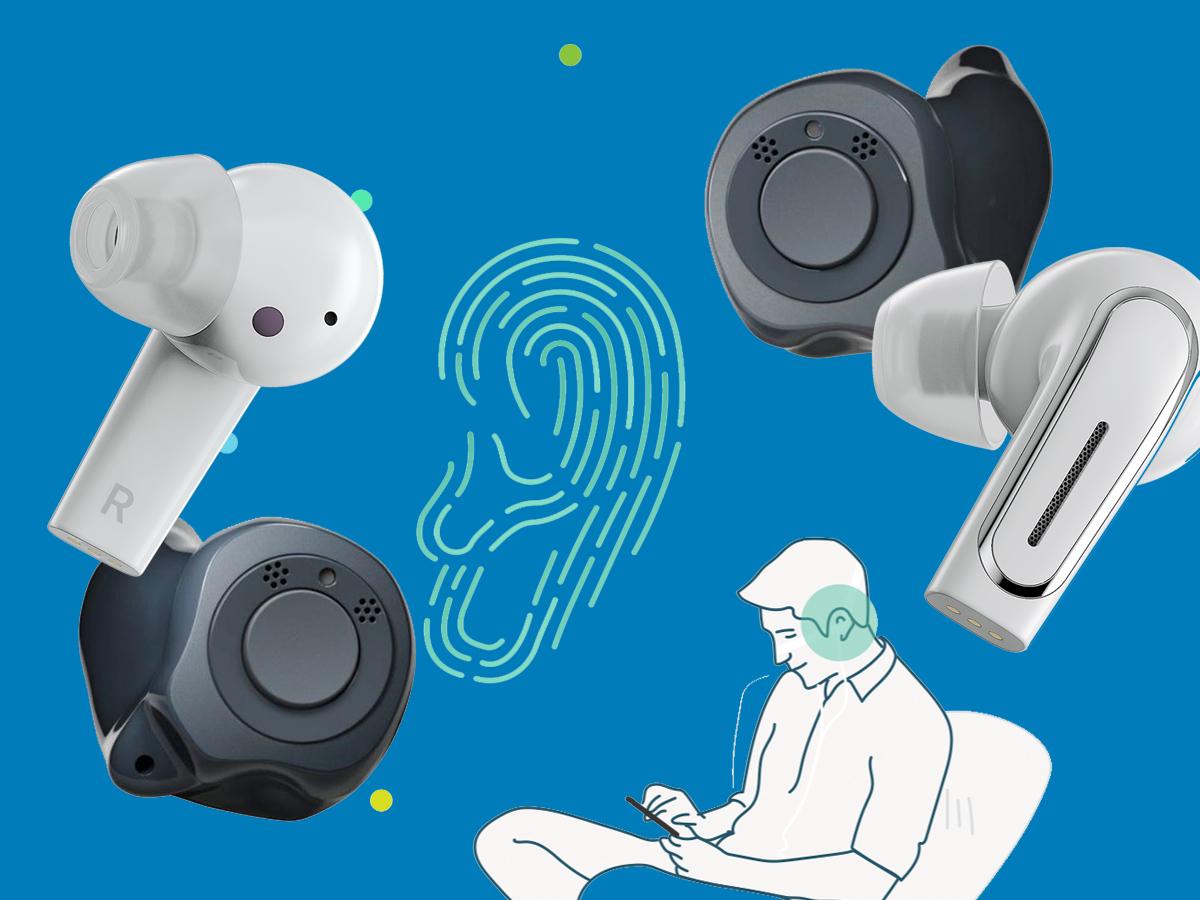
Five years after the original OTC hearing aid act was signed into law on August 18, 2017, the US Food and Drug Administration (FDA) issued a final rule establishing Over-the-Counter (OTC) hearing aids. The FDA also issued the final Regulatory Requirements for Hearing Aid Devices and Personal Sound Amplification Products, clarifying the differences between hearing aids, which are medical devices, personal sound amplification products, and the new category of OTC hearing aids, which can be purchased directly from stores or online. Learn More Here
|
|
|
|
|
GN Announces Jabra Enhance Plus Will Enter OTC Hearing Aid Category |
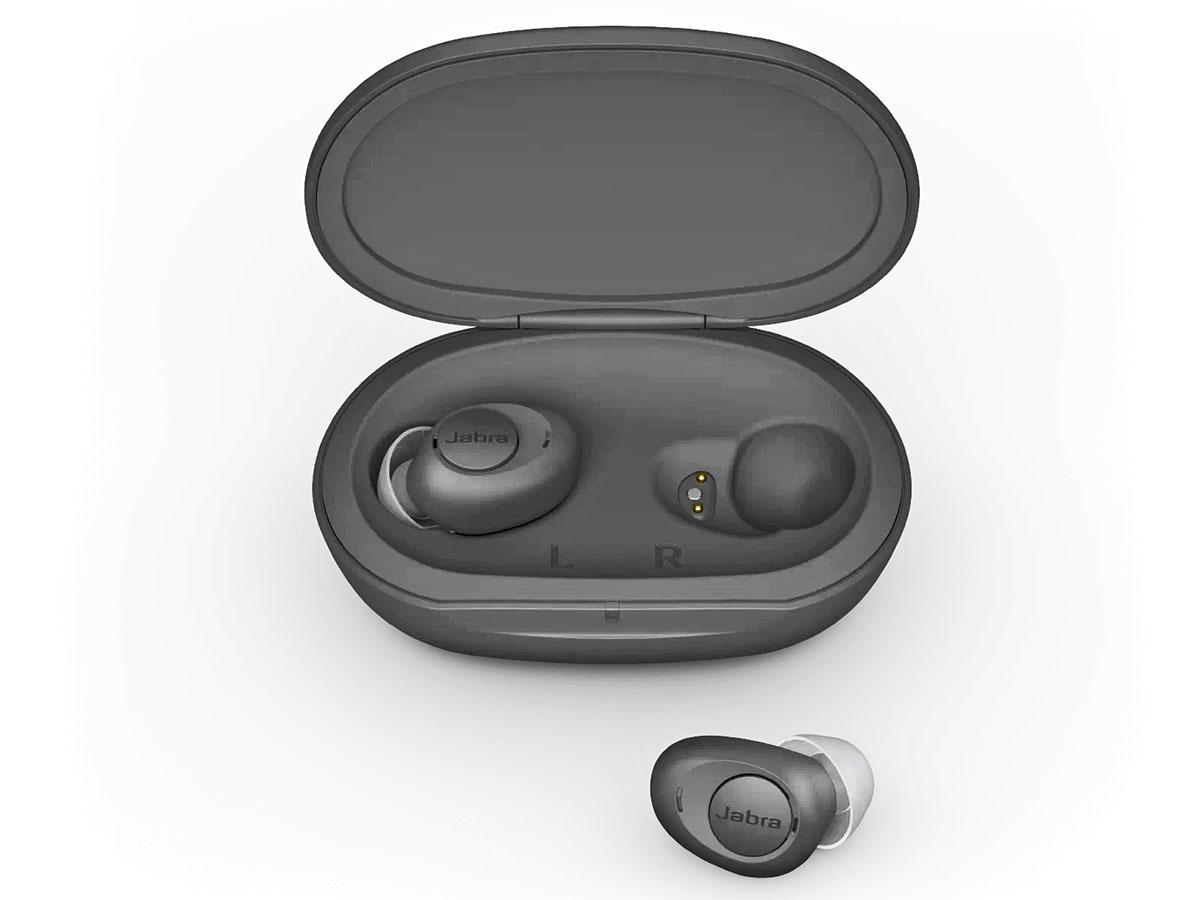
Following the FDA release of the anticipated Over-the-Counter (OTC) hearing aid regulations, with intent to increase access for people with untreated hearing loss, the GN Group immediately announced its support to that ambition. The market leading group that owns hearing aid brands Resound and Beltone, together with Jabra, the communications and all-in-one hearing enhancement consumer brand, announced that it will seek to register its Jabra Enhance Plus technology - unveiled in 2021 and launched already in 2022 - as an OTC product . Read More
|
|
First Bluetooth LE Audio Product on the Market Is from Sennheiser and Is a TV Transmitter Solution |
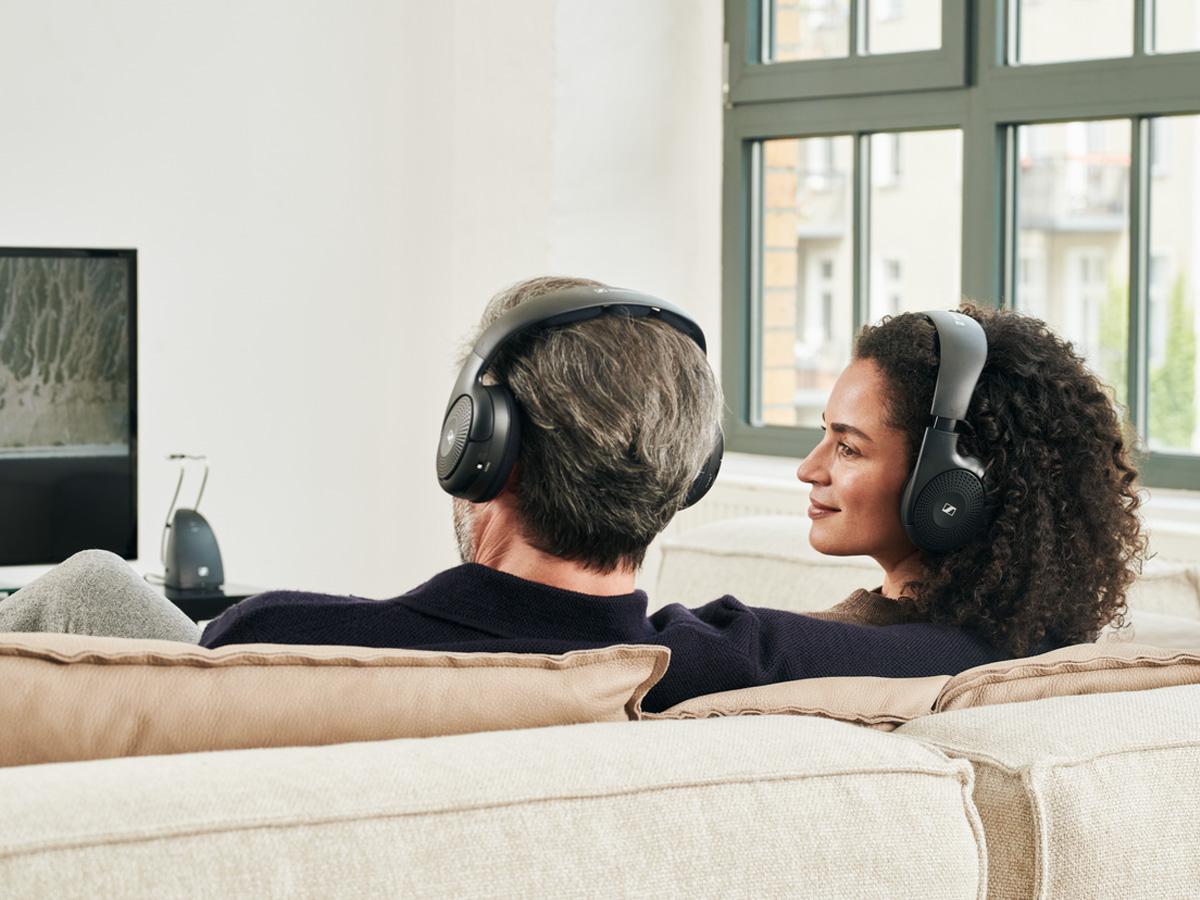
Sennheiser - or better said, Sennheiser Hearing, the consumer division of Sonova - has leveraged the latest Bluetooth LE Audio technology and LC3 codec to update its TV Listening product portfolio. The Sennheiser RS 120-W wireless on-ear headphones are the first in the market to support the updated Bluetooth specifications and offer no less than three different sound modes, working with advanced LE audio transmission to enhance one of the oldest concepts in the brand's portfolio. Read More
|
|
|
|
|
Asahi Kasei Microdevices Licenses Automotive Active Road Noise Cancellation (ARNC) Technology from Silentium |
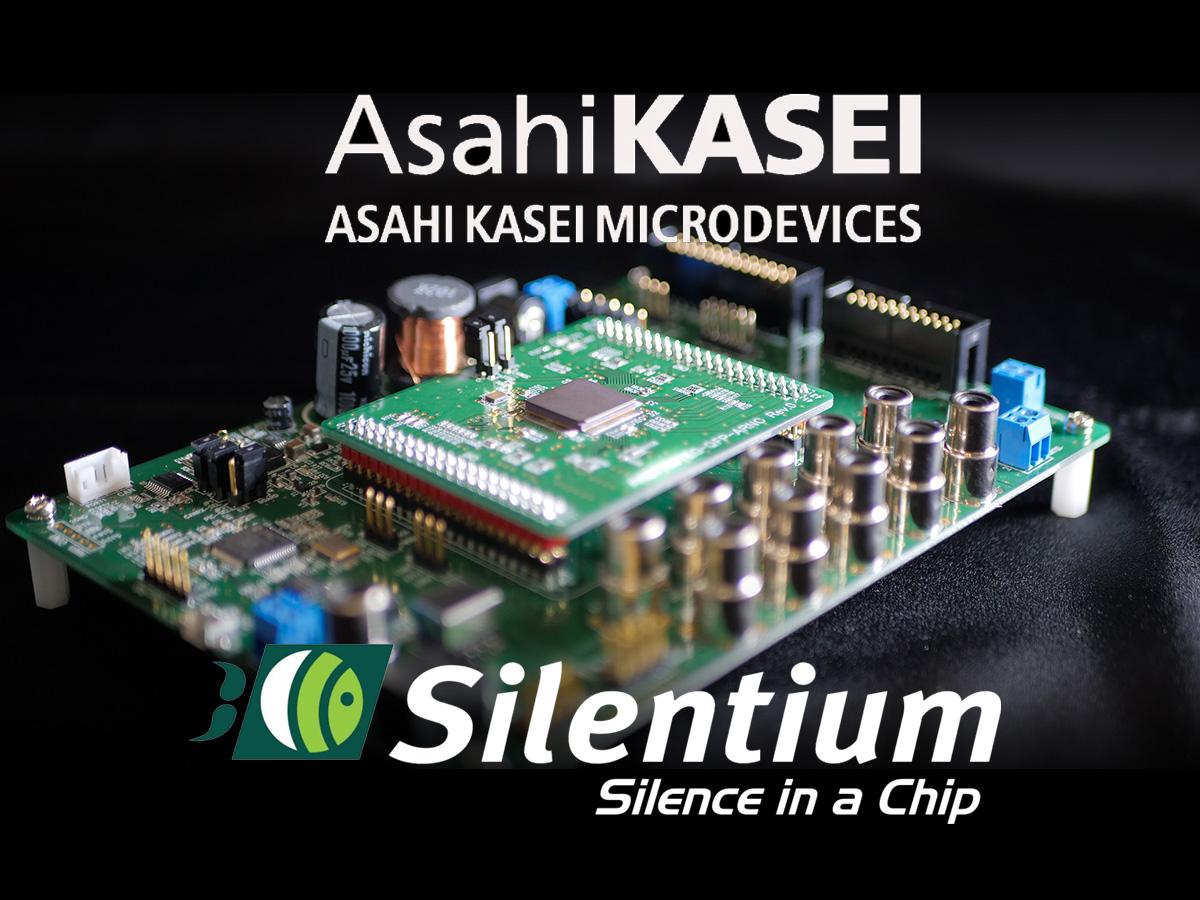
Following a period of more than a year working together in development, Asahi Kasei Microdevices (AKM) has entered into a license agreement with Israel-based Silentium for automotive Active Road Noise Cancellation (ARNC) technology. Silentium’s Quiet Bubble software technology will be incorporated into one of AKM’s audio voice processors for distribution worldwide. Sample shipments are scheduled for the fourth quarter of 2022. Read More
|
|
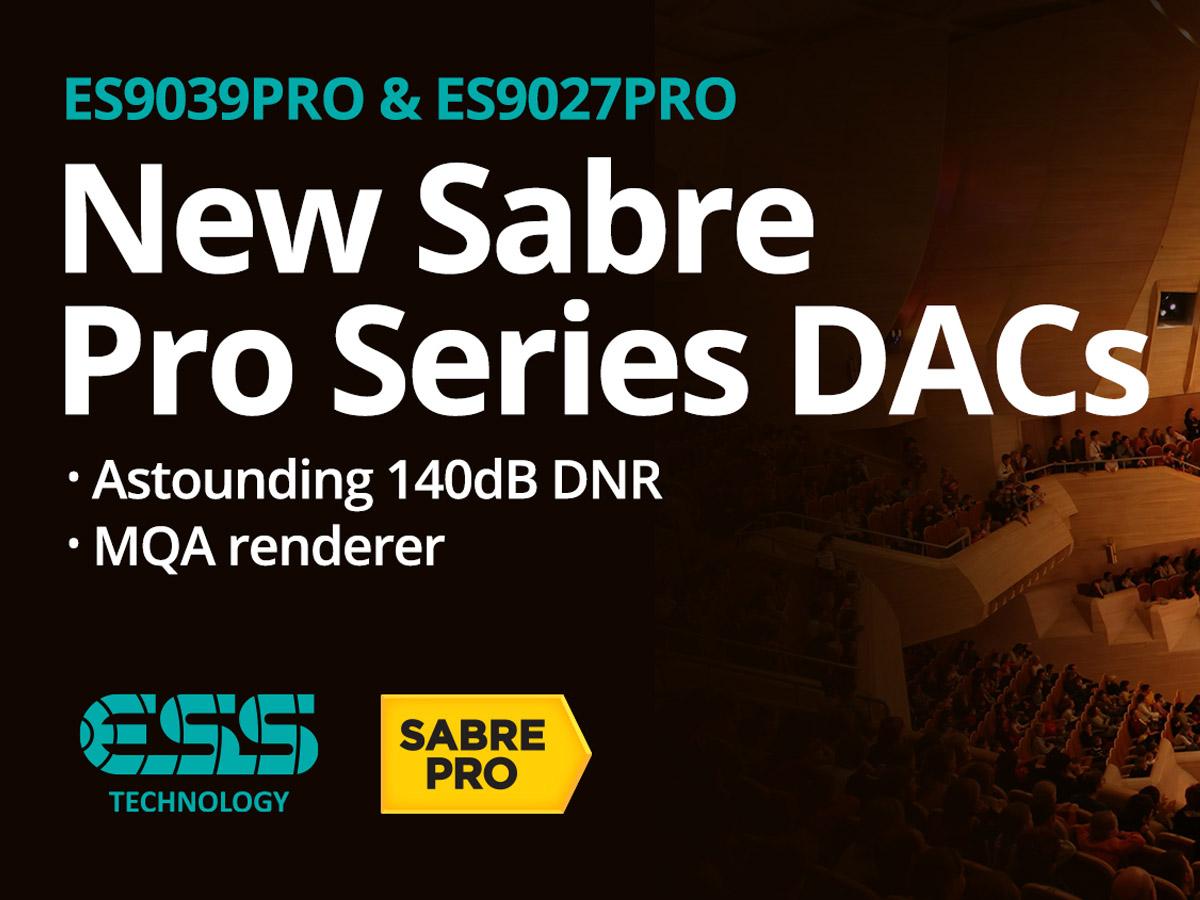
ESS Technology Launches New High Performance 32-bit Audio Multichannel Digital-to-Analog Converters |
Audio semiconductor devices specialist ESS Technology has launched four new Sabre PROfessional Series digital-to-analog converters (DACs), setting the company's benchmark for consumer and professional audio applications. The new converters are the flagship ES9039MPRO and the ES9039PRO, together with the cost-effective ES9027MPRO and ES9027PRO eight-channel DACs. The M models feature a stereo MQA renderer. And targeting cost-sensitive applications that need improved performance, ESS also launched the new ESS ES9017 eight-channel DAC. Read More
|
|
|
|
|
EISA Announces 2022-2023 Awards - All the Audio Product Highlights |
The Expert Imaging and Sound Association (EISA) revealed the winners of its 2022-2023 Awards. With the consumer electronics industry still recovering from the pandemic effects, and some manufacturers emerging in the market lead after capitalizing on the changing environment, the awards show some predictability but also some surprises. This year celebrating its 40th anniversary, the EISA Awards recognize the most innovative, cutting-edge products. Read More
|
|
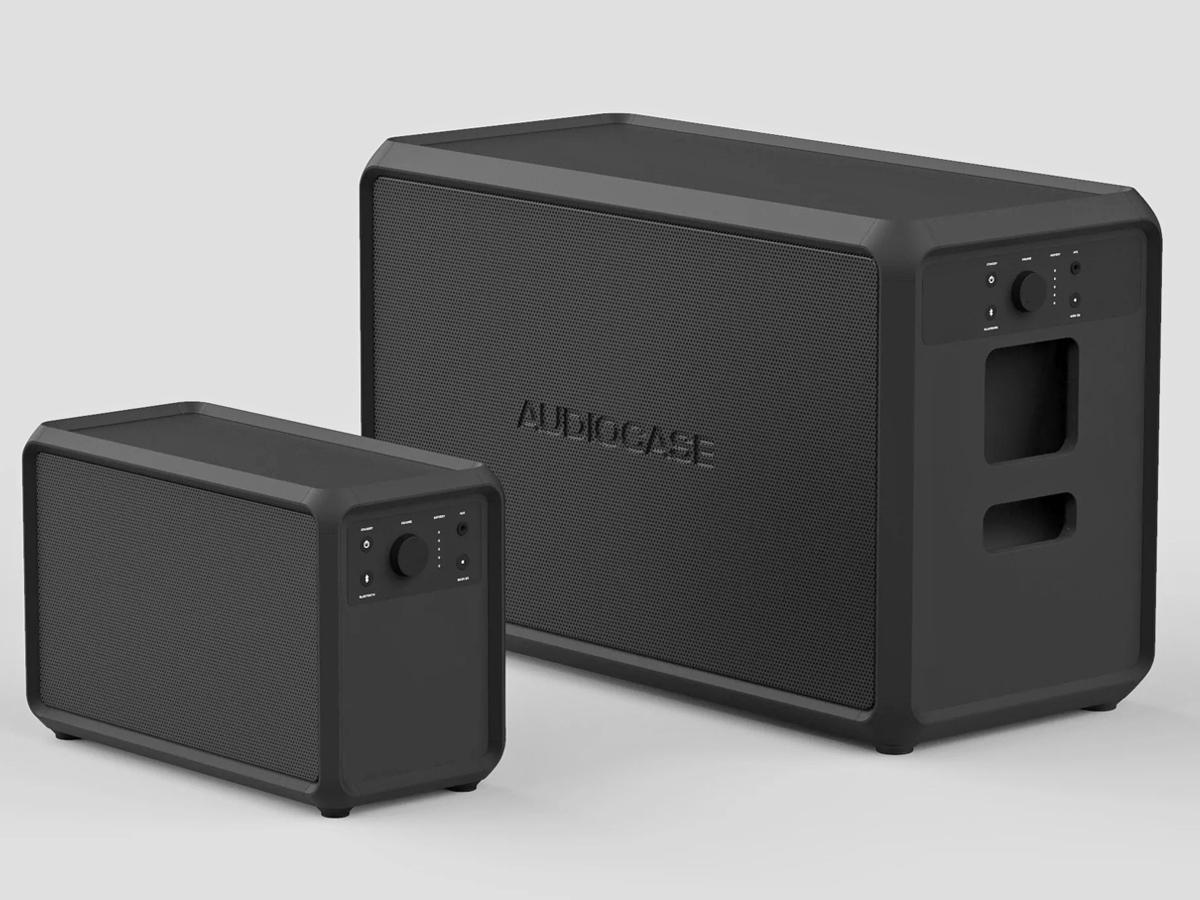
Audiocase Makes a Case for All-in-One Portable Speakers |
What is it with Denmark and innovative speaker companies? After Soundboks becoming a global sensation with ridiculously large "portable" party speakers, now there's another Danish startup ready to disrupt the home audio space with a unique approach, which in their case, makes complete sense. Launching on Kickstarter, Audiocase is promoting the ultimate all-in-one portable speaker, home audio system, practice amplifier, PA system, and karaoke machine. Actually, make that two. A big and a large(r) speaker. Read More
|
|
|
|
|
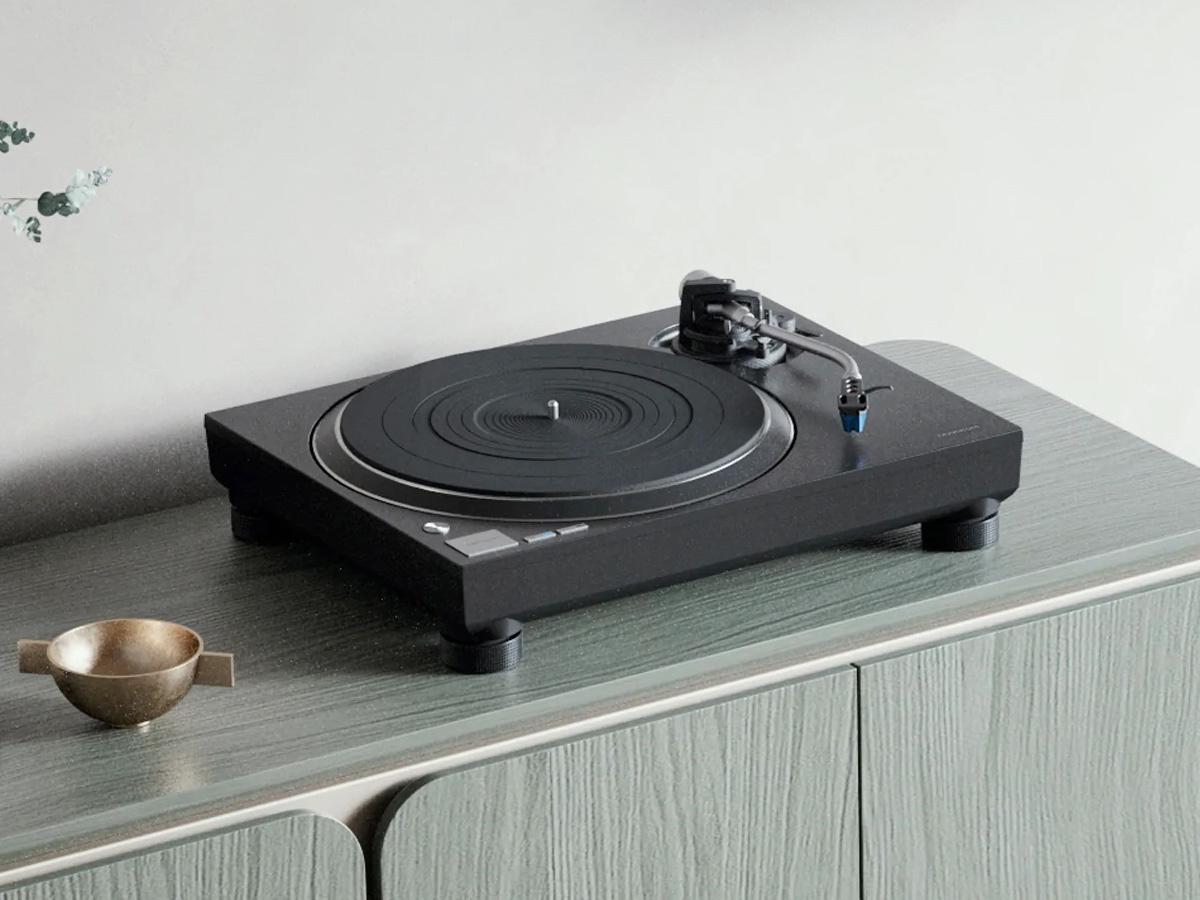
Technics Announces SL-100C Entry-Level Direct Drive Turntable |
Technics announced the availability of its new SL-100C Direct Drive Turntable. Featuring the iconic characteristics of Technics turntables, such as the coreless direct drive motor and a high-precision S-shaped aluminum tonearm, it comes in at an even more affordable price point - $999.99 - than the highly acclaimed SL-1500C, which uses the same direct drive construction. To deliver a cost-effective solution without significant compromise, the new SL-100C comes with an on-board pickup cartridge – the Audio-Technica VM95C . Read More
|
|
PSB Speakers Expanded Flagship Synchrony Series Now Available Worldwide |
PSB Speakers launched a new generation of its Synchrony speaker series to global markets. The latest edition of PSB’s flagship series consists of the B600 bookshelf speakers, as well as the T600 and T800 towers. Originally launched in 2021, and regarded as PSB’s most advanced speaker line to date, the Synchrony Series delivers performance and value, featuring woven carbon fiber cones, and titanium dome tweeters in low-resonance cabinets with rear-firing ports for each woofer, and integrated IsoAcoustics GAIA II isolators. Read More
|
|
|
Guest Editorial
Franz Dugand
(CEVA)
|
Bluetooth Product Development
Unmute the World with Auracast Broadcast Audio
|
|
|
If you’ve ever noticed how many people are wearing headphones in the street or on public transport, you won’t be surprised that audio has become the biggest market for Bluetooth.
The recently published market update from the Bluetooth Special Interest Group (SIG) forecasts that Bluetooth audio streaming device shipments will grow at a 7% CAGR to reach 1.8 billion annually by 2026, with earbud shipments growing by a factor of three in that time.
|
|
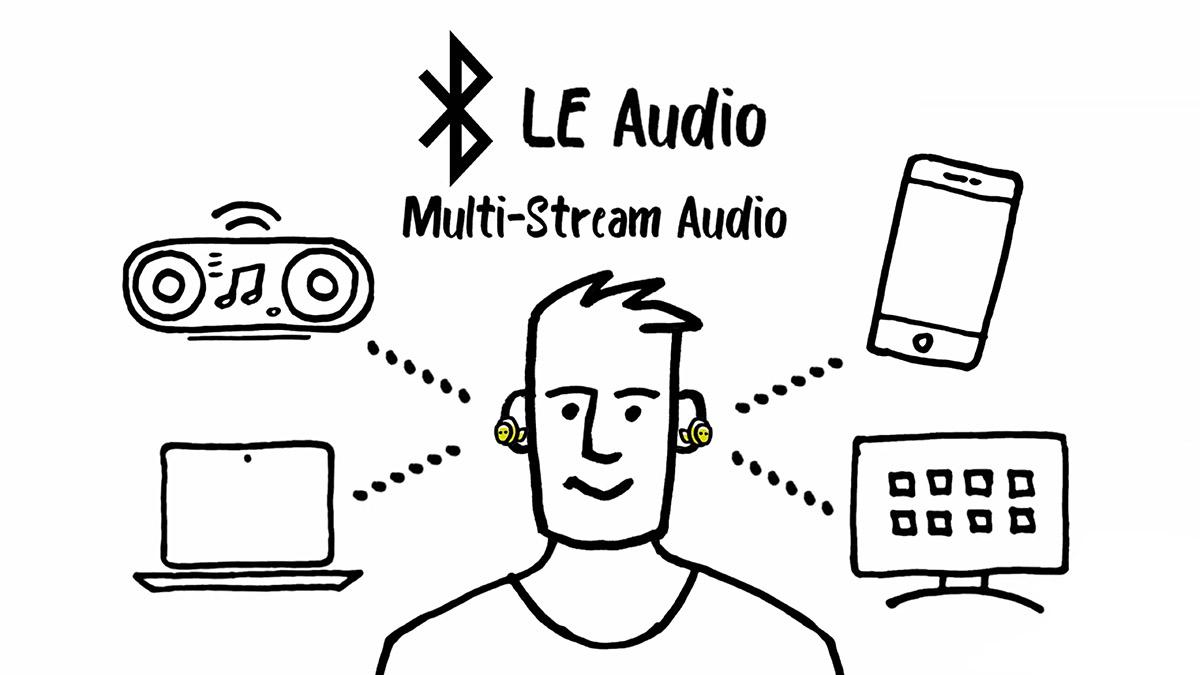
The updated Bluetooth LE Audio introduces Multi-Stream Audio to enable the transmission of multiple, independent, synchronized audio streams between an audio source device, such as a smartphone, and one or more audio sink devices (e.g., true wireless stereo earbuds) |
|
While Bluetooth dominates the consumer wireless audio market, it has some limitations – it doesn’t have native support for audio streaming to true wireless stereo (TWS) earbuds, and it is only a one-to-one technology, with no capabilities to broadcast audio to multiple devices. With TWS set to be the biggest market for Bluetooth in audio, expected to reach 850 million units shipped annually by 2026, this is a problem for device vendors.
Now, these issues have been addressed by the Bluetooth SIG, in its recently announced Auracast standard. This new audio sharing standard, based on the Bluetooth Low Energy (LE) Audio broadcasting specification, enables a single Auracast transmitter device, such as a smartphone or TV, to broadcast one or more audio streams to an unlimited number of Auracast receiver devices, such as TWS earbuds, speakers, or hearing aids.
Previously known as Bluetooth Audio Sharing, Auracast is set to transform the shared audio experience. It will open up significant new opportunities for innovation, including personal and location-based audio sharing.
Potential use cases include flight-specific audio broadcasts at an airport, multiple TV channels being shown in a gym, or multi-language options at a museum. Anywhere there is a TV in a public space, Auracast will make it easier to hear what is being shown – which will often be as simple as just scanning a QR code on the wall with your phone. You’ll also be able to easily share music, or audio from a movie you’re watching, with your friends.
For people with hearing loss, audio in public spaces can be broadcast directly to Bluetooth hearing aids and cochlear implants. This provides a high quality, affordable alternative to traditional inductive loop systems.
|
|
The release of Bluetooth LE Audio now introduced a new Bluetooth capability – Auracast broadcast audio – that enables an audio transmitter to broadcast to an unlimited number of nearby Bluetooth audio receivers, enabling public locations – including airports, museums, and conference halls – to deliver audio experiences that will enhance occupant and visitor satisfaction and increase audio accessibility. |
|
Bluetooth Audio Variants and Auracast
In today’s Bluetooth audio solutions, everything is based on point-to-point links: with one source device using Bluetooth to stream audio to one "sink" or recipient device, which could be a mono or stereo headset, for example.
The older Bluetooth "Classic" standard can support a data rate of up to 3Mbps. For voice quality audio, for example for phone calls, the hands free profile (HPF) is ideal, while the A2DP profile delivers higher quality for music, when desired.
With TWS earbuds becoming so popular, device vendors have a problem: Bluetooth Classic does not natively support TWS. This means the vendor requires some proprietary technology for the TWS earbuds, such as packet forwarding or sniffing. These techniques do not make optimum use of the data bandwidth available, and typically mean one of the earbuds is connected to the audio source, and then either forwards the audio to the other earbud, or exchange link parameters with the other earbud so that it can also receive the same audio directly from the source.
Instead, the more recent LE Audio specification (based on Bluetooth LE) now natively supports TWS, and specifically can provide dual stream audio – where both earbuds are connected directly to the phone or other audio source. Dual stream is the best technical solution in terms of minimizing power consumption and latency.
Auracast is based on the LE Audio specification, which is built upon the Bluetooth 5.2 Isochronous Channels feature. By 2026, Bluetooth LE is expected to account for 43% of total Bluetooth shipments, and will be dominant in headsets, hearing aids, and hearables. To ensure backwards compatibility with the huge installed based Bluetooth Classic devices, the remainder of the market is likely to be Bluetooth Dual Mode, which includes compatibility with both Classic and LE.
LE Audio brings interesting new capabilities, that Auracast takes full advantage of: lower power consumption, synchronized multichannel audio (for stereo, or surround sound such as 5.1), and support for one-to-many audio broadcasting. CEVA has contributed to the evolution of the Bluetooth standard and has licensed its Bluetooth LE and Dual Mode technologies, including Auracast solutions, to major semiconductor companies and OEMs for various applications including wireless headsets, TWS earbuds, hearing aids, smart watches, speakers and microphones.
|
|
CEVA's RivieraWaves Bluetooth 5.3 IP family supports Auracast broadcast audio, enabling an unlimited number of Auracast receiver-compliant devices such as TWS earbuds, headphones, hearing aids, and wireless speakers to simultaneously receive audio broadcast from one or several Auracast transmitter devices. |
|
Designing with Auracast
To enable the broadcast capability of Auracast, there is an additional software layer, called the Generic Audio Framework, which sits on top of the existing Bluetooth LE protocol stack. This additional layer is a collection of services and profiles required for broadcast audio.
The Auracast transmitter device does not need to know which receiver devices are connected to it. The objective is to make everything as simple as possible for the consumer, and access to Auracast may be from a straightforward menu, possibly shown on your phone’s home screen.
For more recent devices, such as high-end smartphones, it will be possible to upgrade the device’s software to support Auracast. Additionally, to enable audio sharing with older Bluetooth Classic devices, it is possible to use an Auracast bridge, which has an A2DP receiver on one side, and an Auracast transmitter on the other side.
Auracast is a new specification, so it is not yet clear how quickly it will roll out, and when Auracast audio streams will be available in public places – although it’s reasonable to expect this will start to happen within a year or so.
Benefits of an Auracast Platform
For OEMS looking to add Auracast support, the challenges and technical issues can be problematic, and successful implementation is likely to be difficult and complex. Expertise is required in both the Bluetooth and audio domains, and it can be challenging to design a product that has both high audio quality and low power consumption.
Audio is an area where consumers are likely to be sensitive to any minor product imperfections – for example, if the left and right audio in your earbuds is not properly synchronized, you will notice immediately, and the listening experience is no longer so enjoyable. Achieving good synchronization is not easy, requiring accurate timing information, and the ability to cope with clocks in the left and right earbuds that drift apart as they run at very slightly different frequencies.
Vendors need to minimize latency to 20µs or less, as above this, listeners start to notice a difference, which translates into the listener thinking the sound is now coming from a different direction. 3D audio is another potentially tricky application, as head movement must be tracked with very low latency, so the sound can respond to the listener’s movement.
To overcome any technical challenges, as well as to reduce time to market and cut risks, it can be beneficial to work with an IP provider who can offer a turnkey solution. For instance, CEVA’s latest RivieraWaves Bluetooth 5.3 IP family now supports Auracast. CEVA offers both Bluetooth LE and Dual Mode IP platforms, including baseband controller, radio and full software protocol stack, compliant with Bluetooth 5.3, Classic Audio, LE Audio, and Auracast. |
|
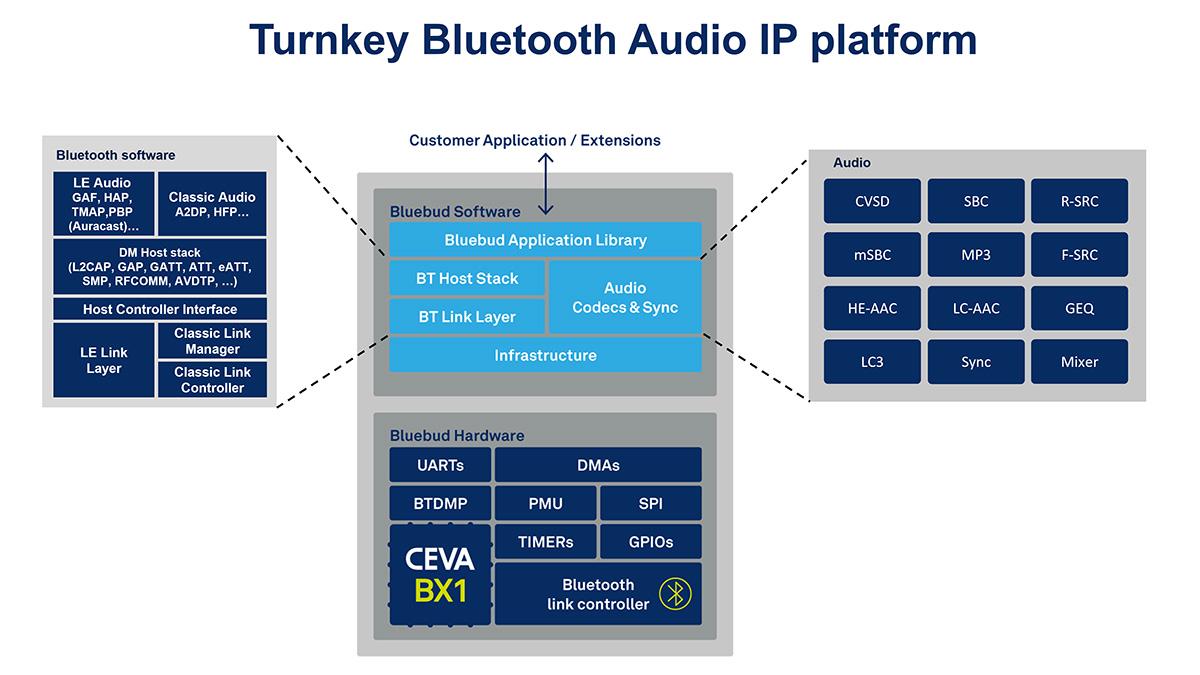
As an integrated hardware and software IP platform, CEVA designed Bluebud as a turnkey hardware and software platform that is particularly well suited to support developers and brands in dealing with TWS earbuds, and support Auracast broadcast audio applications.
|
|
Also, to simplify the development of wireless audio devices, CEVA’s Bluebud Bluetooth audio turnkey platform combines Bluetooth, audio, and sensing IPs in a single, integrated solution. To make it suitable for TWS earbuds and hearing aids, it includes a comprehensive list of audio codecs, including LC3, (m)SBC, CVSD, AAC, MP3, voice processing algorithms such as ClearVox for noise reduction and echo cancellation, WhisPro for speech recognition, and MotionEngine Hear for Spatial Audio and motion sensing (which is an important part of the user interface for earbuds and other hearables with no buttons or screen).
Conclusion
Auracast is a big step forward for Bluetooth audio, and promises to be convenient for users, and capable of delivering high audio quality. It fully supports TWS earbuds, and its broadcast capabilities will enable new applications. Consumer products that support Auracast are expected to be available by the end of 2022.
While implementing Auracast is likely to be complex, using a turnkey platform can reduce risk, accelerate time to market, and cut development costs. With the platform handling Auracast, an OEM can concentrate on the differentiators of their product.
|
|
Franz Dugand is the Senior Director of Sales & Marketing, Wireless IoT BU at CEVA. Franz Dugand is in charge of expanding the CEVA Bluetooth, Wi-Fi, UWB and NB-IoT product lines into various market segments such as mobile, consumer electronics, gateway, healthcare, automotive, industrial, and other IoT applications. |
|
Haptic Devices for Augmentation, Entertainment, and Wellness
By Mike Klasco
|
|
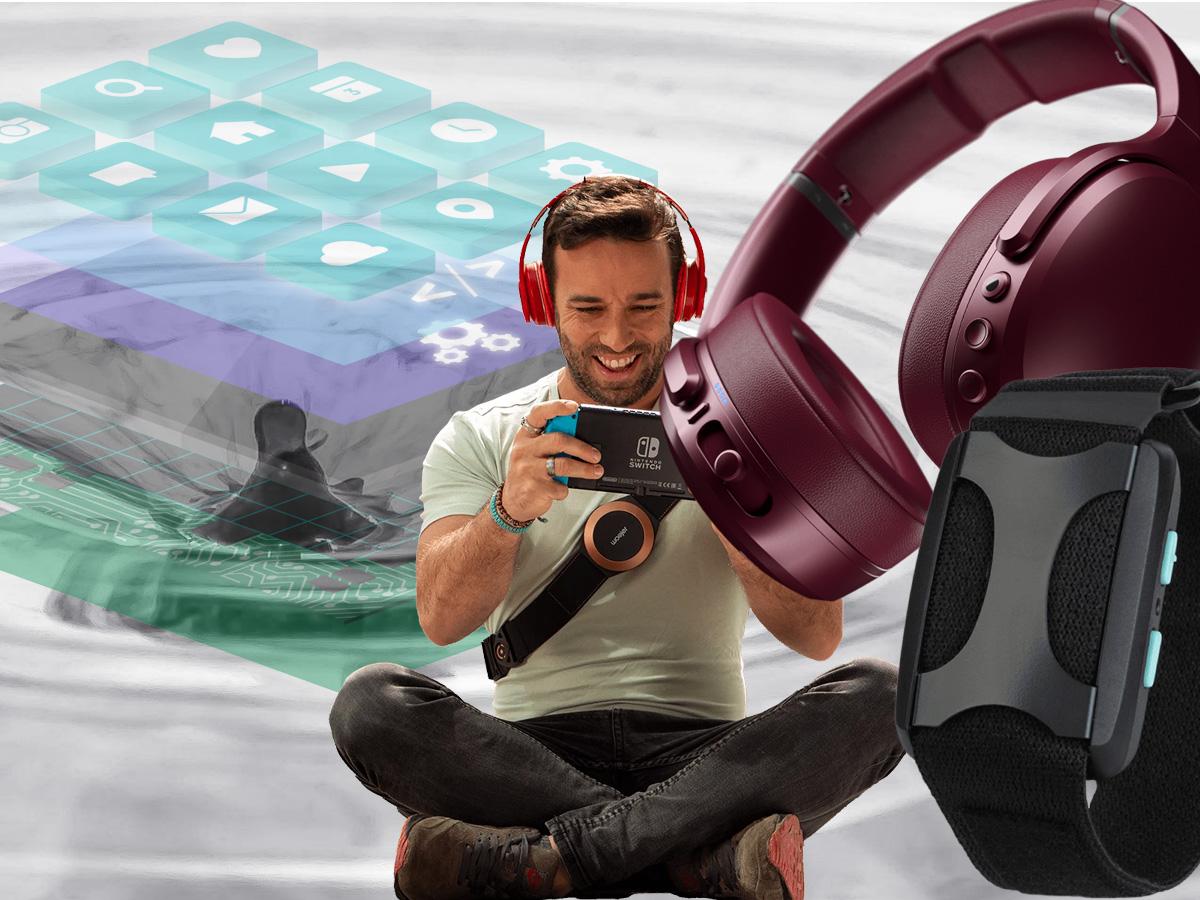
Expanding on previous articles about bass shakers and motion platforms, this article from Mike Klasco (Menlo Scientific) looks at exciting evolutions in haptic transducers and actuators that are being used in a growing number of applications - all of which depend upon audio sources for input. The ability to interact with the world through vibration and touch is central to all of our lives, and now increasingly so. Examples include binaural beats and vibrations used as therapy and wellness concepts, embedded home theater approaches, vibrational chairs and seats, dream pillows, haptic belts, vests, headphones, and even shoes. As Mike Klasco explains, the music and the auditory fields encompass not only airborne sound energy, but also structure-borne energy, which is perceived by our haptic senses. The ability to interact with the world through vibration and touch is central to all of our lives, and now increasingly so. This article was originally published in audioXpress, February 2022. Read the Full Article Now Available Here
|
|
Voice Coil Speaker Patents |
A Different Concept Loudspeaker
By James Croft
|
|
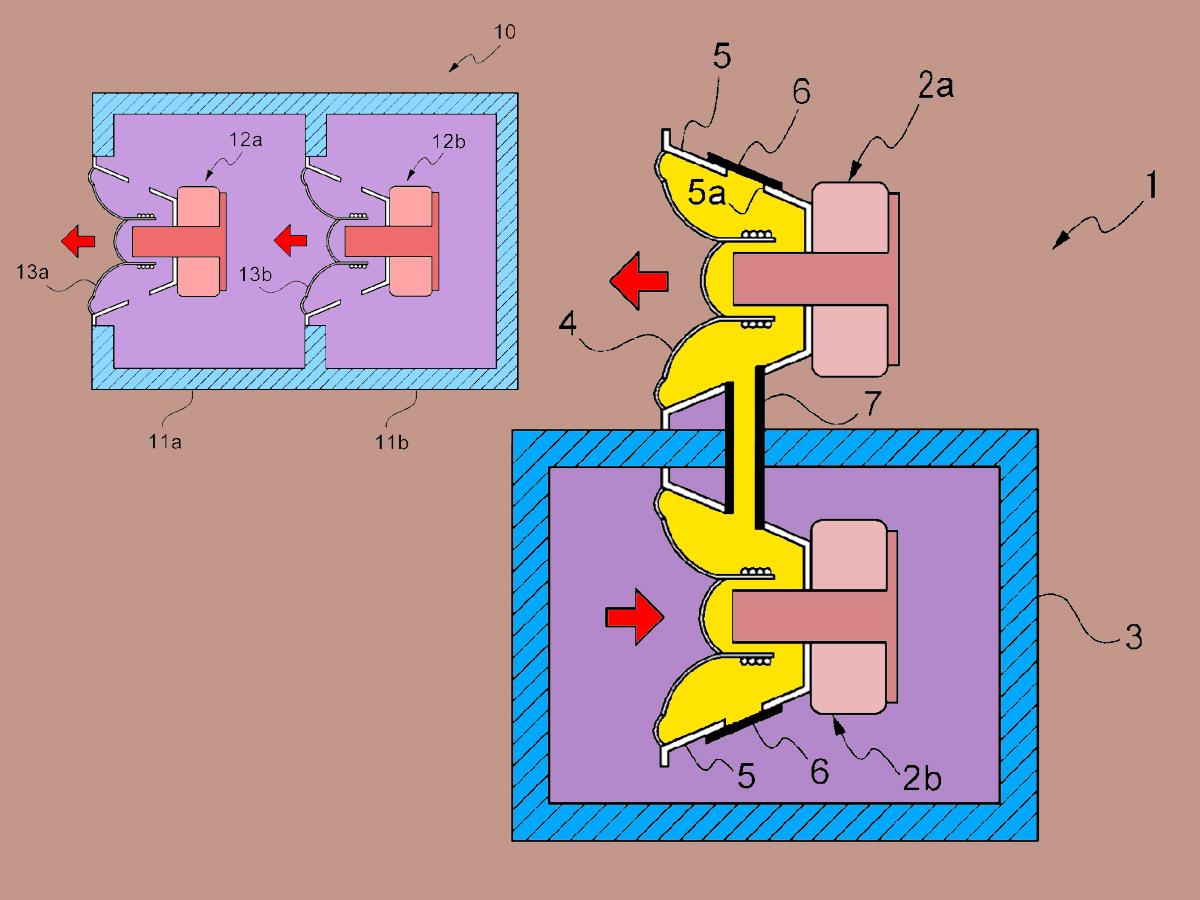
In this article, James Croft reviews a generic “Loudspeaker” concept patent, granted to Teppei Yamada, of Tokyo, Japan, on behalf of Zorzo Co., Ltd. and which describes a somewhat surprising concept of a loudspeaker that includes a hermetically sealed enclosure, with a driver outside of an enclosure and a second driver inside, with a pipe communicating between the two drivers. The second driver is configured to output a signal of opposite phase to that of the first driver. This article was originally published in Voice Coil, September 2016. Read the Full Article Now Available Here
|
|
Audio Product Design | DIY Audio Projects | Audio Electronics | Audio Show Reports | Interviews | And More
Don't Have a Subscription?
|
|
Industry News & Developments | Products & Services | Test Bench | Acoustic Patents | Industry Watch | And More
|
|
Advancing the Evolution
of Audio Technology
audioXpress features great articles, projects, tips, and techniques for the best in quality audio. It connects manufacturers and distributors with audio engineers and enthusiasts eager for innovative solutions in sound, acoustic, and electronics.
Voice Coil, the periodical for the loudspeaker industry, delivers product reviews, company profiles, industry news, and design tips straight to professional audio engineers and manufacturers who have the authority to make powerful purchasing decisions.
The Loudspeaker Industry Sourcebook is the most comprehensive collection of listings on loudspeaker material in the industry. Purchasers and decision makers refer to the guide for an entire year when making selections on drivers, finished systems, adhesives, domes, crossovers, voice coils, and everything in between.
© 2022 KCK Media Corp. All Rights Reserved.
|
|
|
|
|
|
|