Power Brief


June 2025 | 406


Hurricane Season is here and could impact energy prices

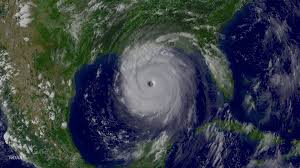
The 2025 Atlantic hurricane season has arrived. The season runs from June 1 to November 30. It is forecast to be above average in activity. Multiple meteorological agencies are warning of an increased chance of early-season storm development. Notably, Colorado State University is projecting:

  • 17 named storms
  • 9 hurricanes
  • 4 major hurricanes (Category 3 or higher)

Hurricanes Can Disrupt Energy Markets

Severe weather doesn't just threaten physical infrastructure — it can significantly impact energy prices, particularly in storm-prone areas like the Gulf Coast and Southeast. For example, Hurricane Harvey (2017) disrupted natural gas production and led to electricity price spikes across ERCOT, the Texas power grid.

How Hurricanes Drive Up Energy Costs

  • Damage to infrastructure: Power plants, substations, and transmission lines may be damaged or taken offline.
  • Fuel supply disruption: Hurricanes often halt natural gas production and oil refining in the Gulf of Mexico, a major source of U.S. fuel.
  • Shutdowns at coastal facilities: Natural gas, coal, and nuclear plants may temporarily shut down, cutting supply.
  • Pipeline outages: Disruptions to gas pipelines and processing plants can cause fuel prices to surge.
  • Higher generation costs: Power plants that rely on gas — especially in Texas, Louisiana, and Florida — see costs rise sharply during fuel shortages.

Why Consider Locking in Rates Now

Given the potential for storm-related price spikes and supply disruptions, locking in an electricity rate and contract ahead of hurricane season can help protect your portfolio.


If we have not evaluated your portfolio, now is a good time before peak storm risks begin.


Weather

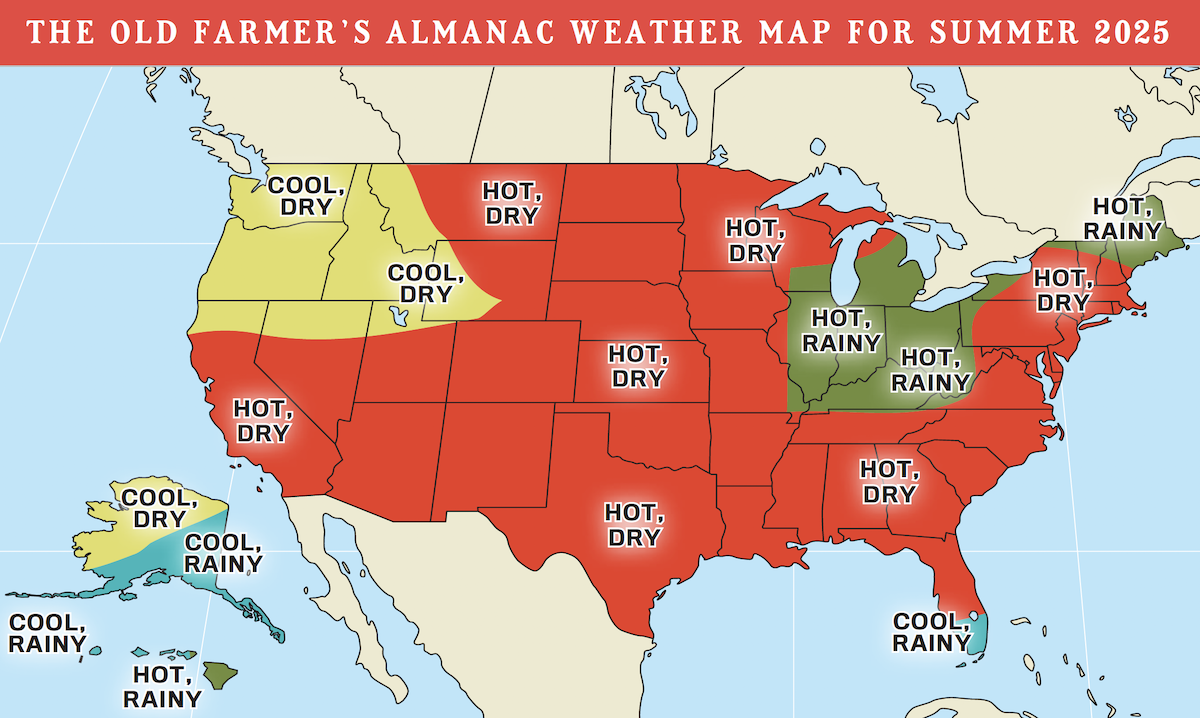
Predictions indicate a gradual buildup to record-breaking heat. June temperatures will be new normal in most regions (Though not all), meaning the summer heat won't surge too quickly.


However, July and August will bring above-normal temperatures across most regions, with only a few exceptions. Given recent rends, we wouldn't be surprised to see record-breaking heat.


How Hot Will It Be

Last summer, we experienced one of the hottest summers on record, with a nationwide average temperature of 73.8 which is 2.5 above normal. The summer of 2025 is shaping up to be just as intense, expect hotter-than-normal temperatures across most of the U.S, except for the Northwest and Southern Florida.


With all these heat waves the demand on electricity will be much higher keeping our rates up.


U.S. electricity prices continue steady increase

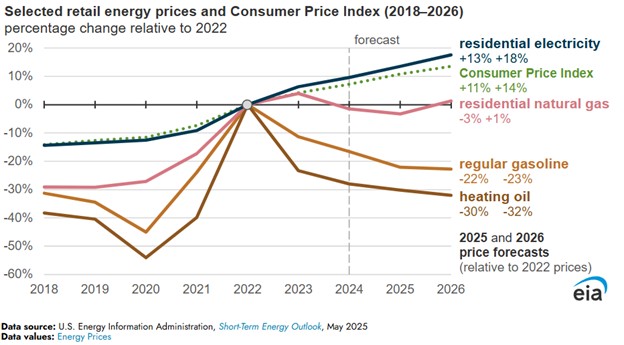
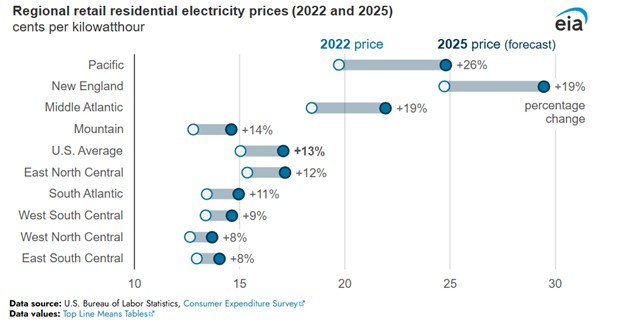
Retail electricity prices have increased faster than the rate of inflation since 2022, and the Energy Information Administration (eia) expects them to continue increasing through 2026, based on forecasts in the short-Term Energy Outlook. Parts of the country with relatively high electricity

prices may experience greater price increase than those with relatively low electricity prices.


Overall, U.S. energy prices rapidly increased from 2020 to 2022. Since 2022, nominal prices for many fuels have declined. Electricity prices, though, have continued to steady increase.


Electricity prices include more than the cost of generating electricity

Retail electricity prices include the cost of generating, transmitting, and delivering electricity to ultimate customers, as well as taxes and other fees, in recent years, electric utilities have increased capital investments to replace or upgrade aging generation and delivery infrastructure, among other factors. Between 2013 and 2023, electricity prices closely tracked inflation, but we expect increase in electricity prices to outpace inflation through 2026.


Utility spending on electricity distribution has surpassed spending on electricity transmission and production. The generation-related portions of retail electricity typically lag changes in wholesale spot prices o electricity generation fuels such as natural gas and coal depending on the customer contract agreement.


If you read this far

If you read all the way to the bottom and want to know more please do not hesitate to contact us with any questions at Rkreitz@energyeas.com


You can also visit our website


www.Energyeas.com


And keep a look out for Energy update conference for our clients.

LinkedIn
X Share This Email
LinkedIn Share This Email

Who is Energy Advisory Service

At EAS, we specialize in helping businesses like yours reduce energy costs through customized energy procurement strategies.


As a trusted energy broker with deep market expertise, we simplify the complexities of the energy landscape—securing competitive rates and flexible contract terms tailored to your needs.


Our solutions are built to save you time, optimize energy usage, and most importantly—drive meaningful cost savings for your business.

Are you in a City Aggregation, is it good?

Electricity aggregation in cities - often called community choice aggregation (CCA)- is a program allowing cities or towns to combine the buying power to purchase electricity in bulk. If you are in the North East or California your communities may be in these programs.


Electricity aggregation comes with both advantages and disadvantages. Here's a breakdown of the "goods and bads" to help you understand the trade-offs.


✅ Goods

1. Lower Electricity Rates

Cities can negotiate better bulk rates than individuals can on their own.


2. Clean Energy Options

Cities can choose to buy more renewable energy (like wind or solar). helping reduce carbon footprints


3. Boosts Green Jobs

Large demand for renewables can stimulate local clean energy industries and infrastructure development.

❌ Bads

1. Savings Aren’t Guaranteed

Prices may not always be lower than the utility’s default rate—especially in volatile markets. Some aggregations overpromise savings early on.

2. Limited Customer Awareness

Many residents don’t realize they’ve been opted in or don’t understand how the program works. Confusion about who provides service or who to contact in outages or billing issues.

3. Administrative Complexity

Cities may not have the expertise or resources to manage it well.

4. Opt-Out Burden

Residents are often automatically enrolled and must take action to opt out, which some view as invasive or paternalistic.


5. Risk of Market Manipulation

If not well-regulated, aggregations could be influenced by special interests or vendors with profit motives.

Poor contract negotiations can lock communities into bad deals.


Contact Us and we will be happy to review your communities and let you know if you are in an aggregation and the details around it.


Eligo Energy Oh, LLC Growing

Eligo Energy OH, LLC is acquiring a book of Ohio electric customers from New Wave Energy, LLC


Specifically, New Wave Energy, LLC is assigning "Certain" of its Ohio electricity supply customer contracts to Eligo Energy, OH, LLC, with such certain contracts including customers located in the AEP Ohio, Dayton Power & Light, Duke Energy Ohio, and FirstEnergy Ohio service areas.