|
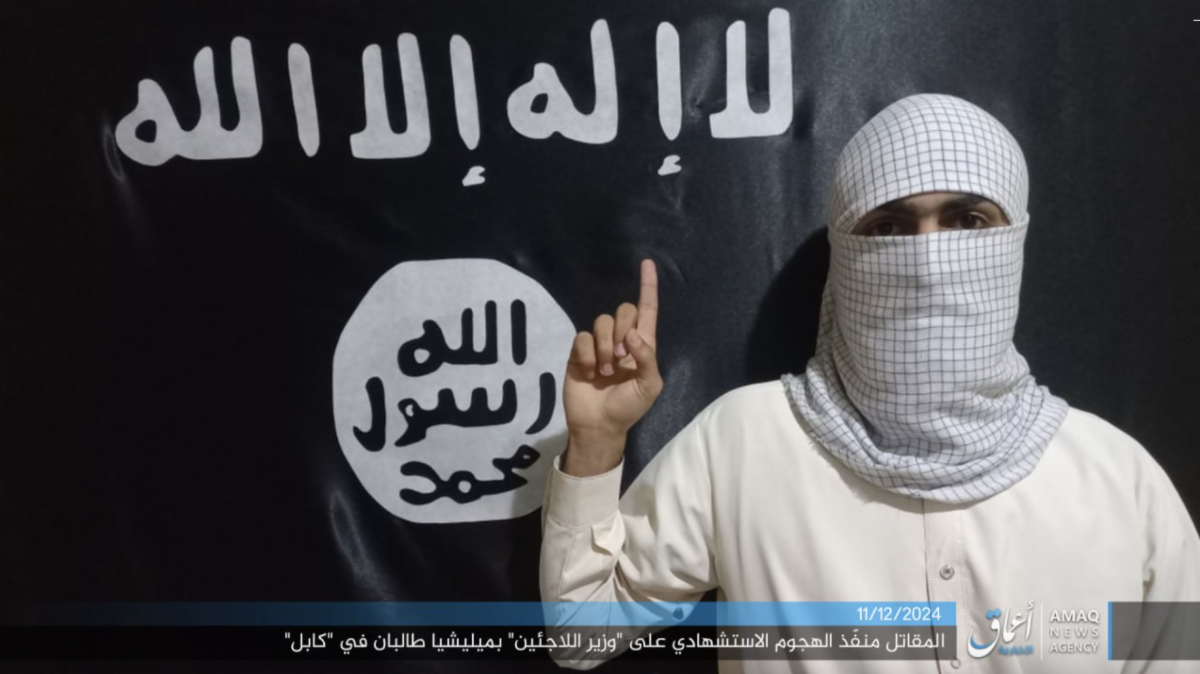
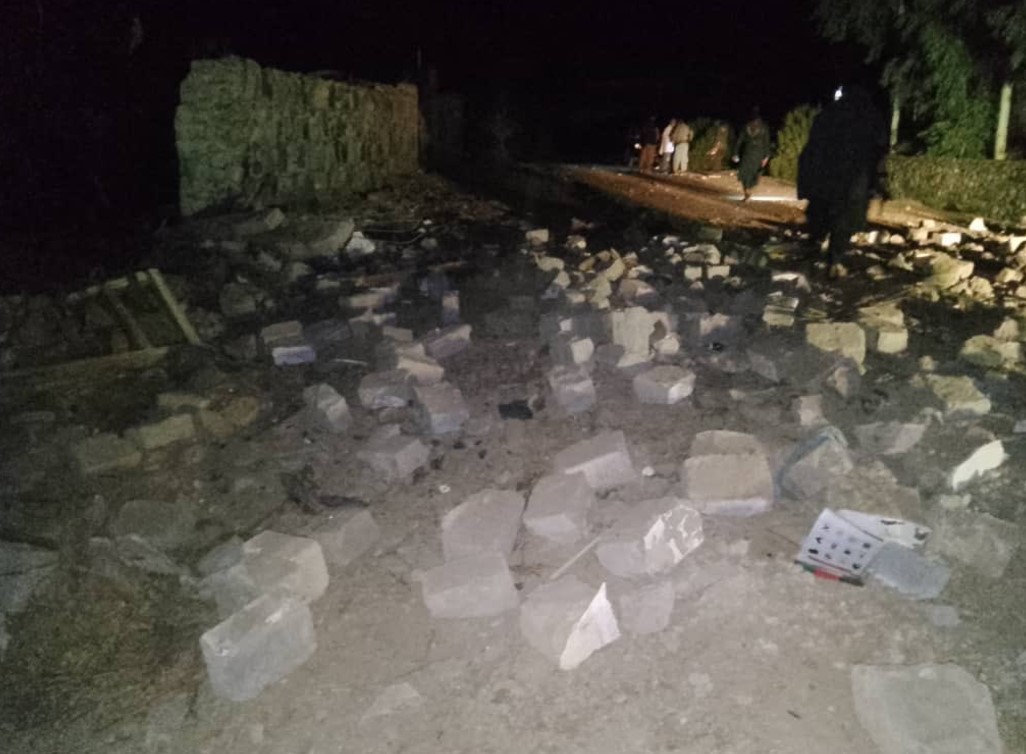
On 11 December 2024, the suicide bomber Abu Uthman al-Khorasani detonated an explosive device inside the Ministry of Refugees and Repatriation in Kabul, Afghanistan. The explosion killed Haji Khalil-ur-Rehman Haqqani, the acting Minister of Refugees and Repatriation for the Islamic Emirate of Afghanistan (IEA), along with at least six others. Earlier in the day, Khalil Haqqani attended an Economic Commission meeting chaired by Mullah Abdul Ghani Baradar but returned to the ministry after lunch. The attacker, disguised as a refugee seeking assistance with documentation, exploited a fabricated excuse of a steel rod in his arm to bypass the metal detector, smuggling explosives into the heavily guarded facility.
A High-Value Target
Haji Khalil-ur-Rehman Haqqani, a senior figure within the Taliban and the Haqqani Network, was designated a “global terrorist” by the U.S. in 2011, with a $5 million bounty on his head. Known for blending militant strength with political acumen, Khalil Haqqani represented a critical pillar of the Haqqani Network’s influence over the Taliban’s internal and external affairs. His assassination signals not only the loss of a significant leader but also a substantial weakening of the Haqqani Network, which has historically held a powerful position within the Taliban regime.
ISKP’s Escalating Threat
The assassination signifies ISKP’s intent to dismantle the Taliban’s leadership structure and deepen fractures within the regime. ISKP’s ability to carry out such a bold attack within a high-security government facility guarded by Zadran tribesmen demonstrates its growing sophistication and reach. Beyond its immediate operational success, the attack carries significant psychological weight, as it highlights the Taliban’s inability to protect its leadership, further undermining its claim of stability and governance.
This attack also aligns with ISKP’s broader strategy of portraying the Taliban as religiously compromised collaborators of the West. Several recent propaganda pieces, for example, from ISKP’s Voice of Khurasan, accused the Taliban of betraying its anti-Western stance by cooperating with U.S. forces in operations against ISKP in Nangarhar and Kunar provinces. Such narratives resonate with segments of Afghanistan’s population, bolstering ISKP’s recruitment efforts while further discrediting the Taliban among hardline supporters.
Internal Taliban Divisions
Khalil Haqqani’s assassination comes at a time when internal divisions within the Taliban are becoming increasingly pronounced. Speculation about a rift between Supreme Leader Hibatullah Akhundzada and Sirajuddin Haqqani, Khalil’s nephew and Interior Minister, has intensified. These tensions are fueled by differences in governance priorities, with the Haqqani faction advocating for pragmatic policies aimed at international recognition and economic stability, while Akhundzada’s ultraorthodox faction emphasises a rigid and doctrinal approach. Akhundzada’s controversial policies, such as the ban on girls’ education, have aligned him ideologically closer to ISKP, further exacerbating internal dissent.
The loss of Khalil Haqqani significantly weakens the Haqqani Network’s leverage within the Taliban’s power dynamics. Historically, the Haqqani Network has balanced militant prowess with political influence. Still, this assassination exposes the network’s vulnerabilities and threatens its ability to maintain its position as a key power broker. This fragmentation could destabilise the Taliban further as competing factions seek to consolidate power, undermining the regime’s stability.
Strategic Implications for Afghanistan
The pressure from ISKP’s ongoing attacks could also exacerbate the rift between the Taliban’s pragmatists and ultraorthodox factions, with Akhundzada potentially using this opportunity to align his policies more closely with ISKP’s hardline vision. Such a shift would not only heighten internal tensions but also risk radicalising Afghanistan’s governance further, potentially creating a more favourable environment for transnational terrorism.
From a global perspective, ISKP’s ‘resurgence’ raises critical concerns about Afghanistan’s potential to revert to a haven for extremist organisations. The Taliban’s inability to secure its leadership and territory undermines its claim of effective governance and heightens the risk of Afghanistan becoming a launchpad for international terrorist operations. This scenario mirrors the pre-9/11 environment, where Afghanistan served as a breeding ground for global terror.
Conclusion
The assassination of Khalil Haqqani by ISKP marks a turning point in Afghanistan’s internal dynamics. It exposes critical vulnerabilities within the Taliban’s security apparatus while highlighting the growing threat posed by ISKP. Beyond the immediate implications of Khalil’s death, this suicide bombing signals the start of a broader shift in Afghanistan’s landscape, with the potential to deepen internal divisions, destabilise the regime, and create opportunities for ISKP to expand its influence.
| | |
TRAC Insight: How Somalia’s Security Vacuum Created a Prime Environment For Al-Shabaab Exploitation | |
|
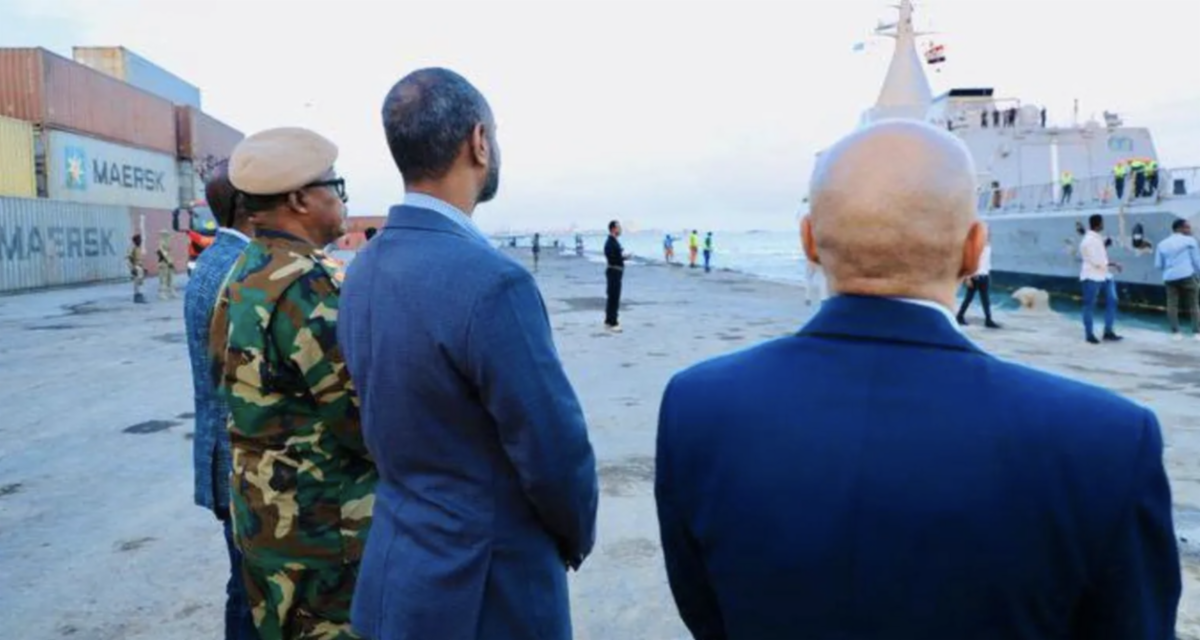
Al-Shabaab continues to consolidate its power across Somalia, carrying out consistent and increasingly deadly attacks on military, government, and civilian targets. The group's expansion has been fueled by Somalia’s internal distractions, including political disputes and territorial tensions with Ethiopia. Ethiopia's controversial maritime deal with Somaliland, which includes plans for a naval base near Berbera, has sparked outrage in Somalia. Perceiving the agreement as a direct assault on its sovereignty—since Somalia considers Somaliland to be under its jurisdiction—this political fallout has left Somalia vulnerable to exploitation by extremist groups.
Al-Shabaab Exploits Regional Instability
Amidst the Somali government’s focus on territorial disputes, Al-Shabaab has taken full advantage of the security vacuum. The group’s recruitment efforts have surged, with attacks serving to destabilise the government and as propaganda to draw recruits. Al-Shabaab continues to build its credibility as a shadow government, enforcing its influence through Kangaroo Courts and punishing dissenters while rewarding loyalists. These judicial structures also control populations and ensure compliance with their governance, further entrenching their hold over strategic areas.
Infiltration of Somali Institutions
Al-Shabaab’s strategic infiltration into Somali military and governmental institutions has amplified its operational effectiveness. The group has reportedly gained insider intelligence, enabling it to stage devastatingly precise attacks. Recent scandals, such as the promotion of former Al-Shabaab members within Mogadishu’s police force and the dismissal of top officials for links to militants, highlight this deep infiltration. Additionally, concerns have been raised about Al-Shabaab training militants for potential airline hijackings, underscoring the broader regional and international security implications of its growing strength.
The Peacekeeping Transition and Security Vacuum
The African Union Transition Mission in Somalia (ATMIS), which succeeded AMISOM, is in the final stages of withdrawing its forces, aiming to transfer full security responsibilities to Somali forces by December 2024. However, this withdrawal has inadvertently created a significant security vacuum, allowing Al-Shabaab to refocus its efforts on Somali forces. Over the past six months, the group has shifted its attacks from international forces to Somali troops, exploiting the reduced presence of African Union troops. Al-Shabaab’s ability to capitalise on this vacuum highlights the Somali government’s struggle to secure its territory and protect critical infrastructure independently.
Egypt-Ethiopia Rivalry Adds Complexity
Further complicating Somalia’s security landscape is the ongoing Ethiopia-Egypt rivalry. Ethiopia’s involvement in Somaliland and disputed construction of the Grand Ethiopian Renaissance Dam (GERD) have escalated tensions with Egypt. In response, Egypt has reportedly sent weapons shipments to Somalia, likely to strengthen ties with the Mogadishu government and counter Ethiopia’s influence. These developments heighten regional instability and provide Al-Shabaab with opportunities to exploit fragmented political alliances and weakened state capacities.
Al-Shabaab's Financial Resilience
Al-Shabaab’s financial resilience is a cornerstone of its survival and expansion. The Kismayo-Dhobley corridor remains the group’s most lucrative smuggling and taxation route, facilitating trade between Somalia and Kenya while generating substantial revenue. In addition to taxation on vehicles and goods, Al-Shabaab’s illicit sugar trade has proven highly profitable, even as the group adapts to shifts in global supply chains. The group's taxation policies, seen as more predictable than the Somali government’s, have bolstered its image as a viable alternative governing authority in areas under its control.
Conclusion
Al-Shabaab’s resurgence underscores the dangerous interplay between Somalia’s political fragility, regional disputes, and waning international support. The group’s ability to adapt, infiltrate, and exploit domestic and regional instability has enabled it to maintain its insurgency while expanding its influence. Unless Somalia and its regional allies address the root causes of instability—such as internal corruption, cross-border vulnerabilities, and the withdrawal of international forces—Al-Shabaab’s growing strength will continue to undermine efforts to stabilise the region.
| |
(Photo) Anarchist Groups Organize Fight Weekend to Counter Neo-Nazi Combat Sports Movement, Noth Carolina, United States | |
|
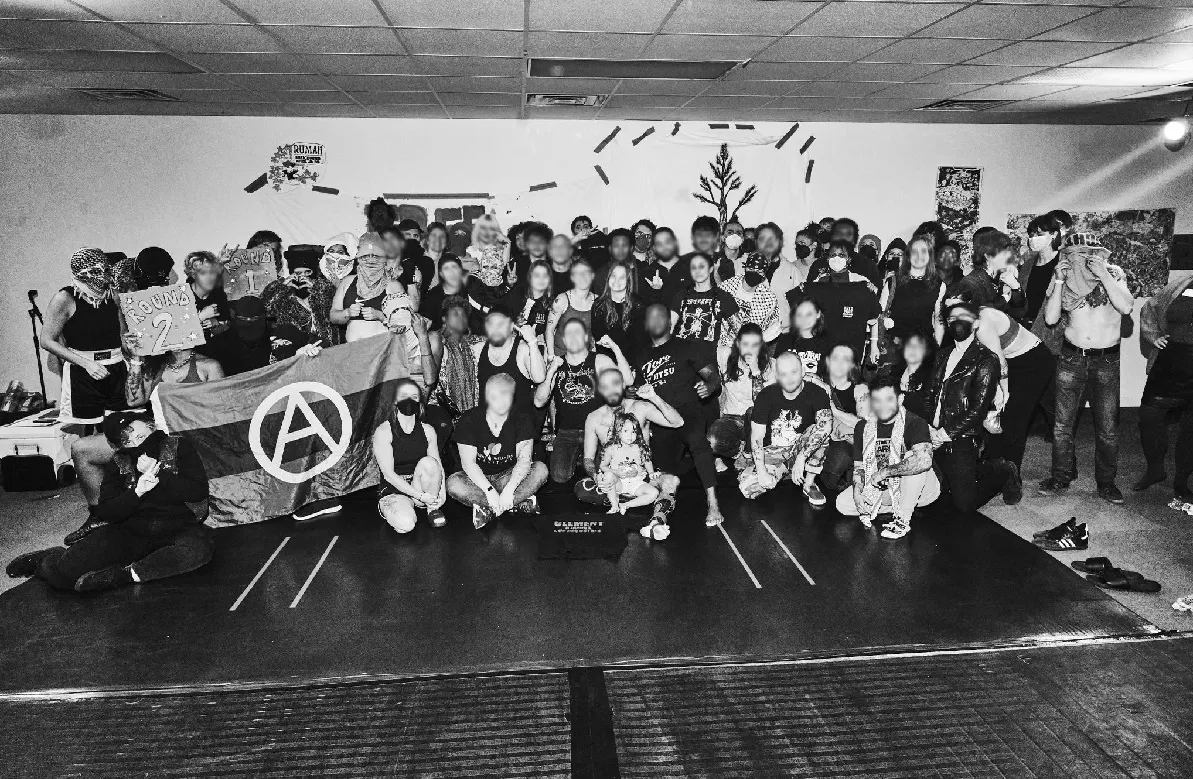
From 18 to 20 October 2024, anarchist groups in North Carolina hosted a Fight Weekend that blended combat sports with revolutionary politics, emphasising solidarity and support for political prisoner Michael Kimble. The event was both a fundraiser and a strategic act of cultural reclamation, showcasing a determined response to the far-right's co-opting of combat sports as a tool for ideological reinforcement.
The weekend opened with a community-oriented welcome cookout featuring a letter-writing station to engage with incarcerated activists, face-offs between fighters, and a tribute to a retired professional MMA fighter from the anarchist movement. The central event, "Fight Night," was held at the Raleigh United Mutual Aid Hub and featured 12 bouts across disciplines like jiu-jitsu, Muay Thai, and boxing. Approximately 150 attendees gathered to raise over $3,000 for Kimble’s post-release fund, demonstrating organisational strength and financial solidarity within the anarchist community.
This event is particularly significant as it directly counters a growing trend among neo-Nazi and white nationalist groups, such as those associated with "Active Clubs," who have embraced combat sports to build ideological cohesion, physical discipline, and community ties. These far-right groups often weaponise traditionally masculine activities like boxing and MMA to further exclusionary and supremacist narratives. By appropriating combat sports in this way, neo-Nazi groups aim to cultivate a hardened, militarised subculture aligned with their beliefs. The anarchist-led Fight Weekend directly challenges this co-opting of combat sports, reframing it as a space for anti-fascist and anti-racist organising. By emphasising inclusivity and solidarity, the event sought to dismantle the far-right’s narrative of combat sports as inherently tied to white nationalist masculinity. Organisers framed their use of combat sports as a reclaiming of a communal activity that can unite people across racial, cultural, and political lines in opposition to hate-driven ideologies.
Prominent figures within white nationalist groups expressed frustration and outrage at what they perceived as anarchists infiltrating and "corrupting" a space they have long used to advance their ideological agenda. The far-right’s reliance on combat sports to reinforce their political and cultural values is central to their efforts at recruitment and identity-building. The anarchists' use of the same tactics to foster unity and inclusion highlights the vulnerability of the far-right's grip on this domain. It reflects a growing recognition within the left-wing activist community of the importance of physical preparedness and strategic cohesion in opposing far-right extremism.
The anarchists' ability to adapt neo-Nazi tactics for their purposes demonstrates a willingness to challenge the far-right on multiple fronts, not just ideologically but also in the arenas they have sought to dominate. By leveraging combat sports as a unifying force, anarchists are not only countering the narratives perpetuated by white nationalist groups but also reshaping how physical discipline and community can be harnessed for progressive and inclusive causes.
| |
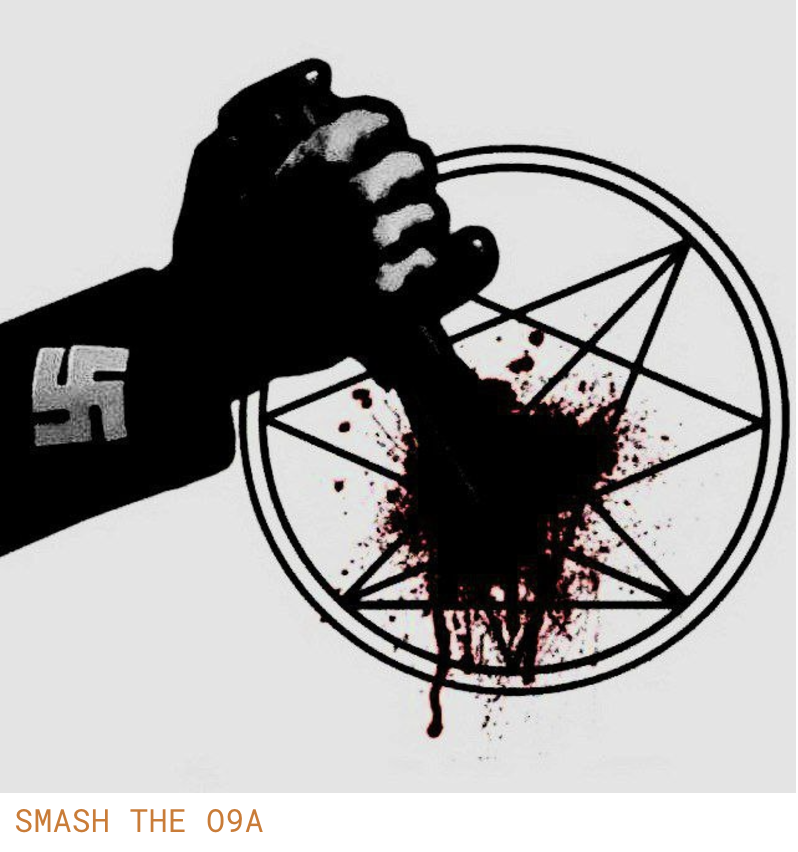
(Poster / Right Wing Extremism) Neo-Nazi Satanists & Injekt Circulate Stochastic Posters Indiectly Threatening Each Other | |
|
The escalating conflict between the far-right InJekt Division and the satanic neo-Nazi Order of Nine Angles (O9A) has entered a new phase, marked by back-to-back releases of aggressive propaganda. On 4 December 2024, InJekt Division circulated a poster titled “Smash the O9A” that vividly depicted a dagger stabbing into the O9A pentagram, accompanied by blood splatter and a swastika armband. This poster served as a rallying cry for the group's campaign against O9A, portraying itself as a purist vanguard of neo-Nazism, rejecting the "corruption" brought by satanic elements into the far-right ecosystem. The dramatic visuals and hostile messaging were designed to provoke and incite retaliatory violence, consistent with the stochastic nature of InJekt’s propaganda strategy.
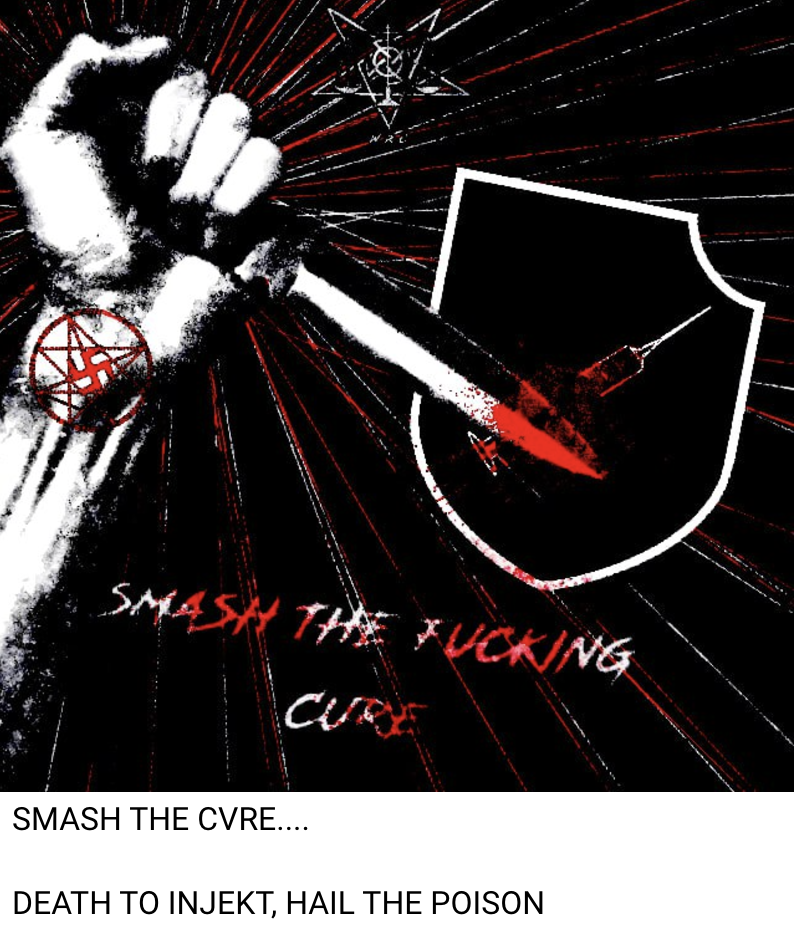
In direct response, on 5 December 2024, O9A adherents released their counter-poster titled “Smash the Cure – Death to Injekt, Hail the Poison.” This poster featured InJekt Division’s syringe motif being violently struck down, framed by overtly satanic and Nazi imagery. The aggressive slogan signalled an unequivocal rejection of InJekt’s purity narrative and escalated the rhetorical and symbolic conflict. This exchange underscores how rival extremist factions utilise propaganda not only to assert ideological dominance but also to incite operational hostilities, raising the spectre of real-world violence between these groups.
This tit-for-tat exchange highlights the growing fragmentation within the far-right ecosystem, where ideological purity tests increasingly turn groups against each other. Both posters reflect the dangerous potential of stochastic propaganda to mobilise violence, suggesting that this conflict could spill over from rhetoric into confrontations.
| |
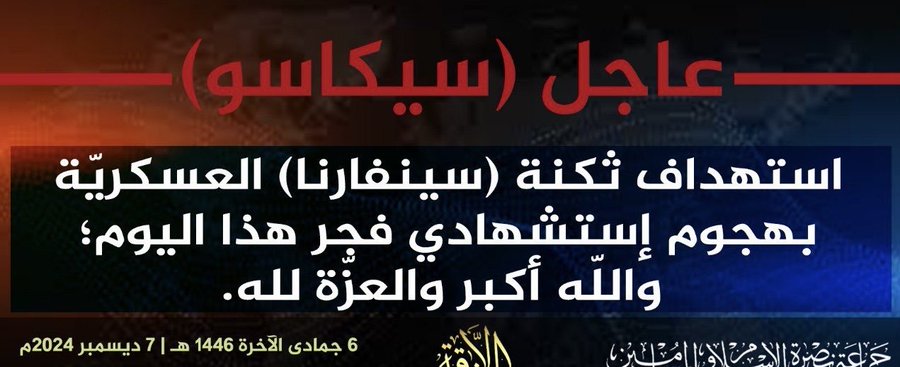
TRAC Incident Report: Jama’at Nusrat al-Islam wa al-Muslimin (JNIM) Militants Target a Military Base in a Suicide Bombing, Sikasso, Mali | |
|
On 7 December 2024, Jama’at Nusrat al-Islam wa al-Muslimin (JNIM) claimed responsibility for a rare martyrdom operation targeting a military base in Mali's Sikasso region. While JNIM frequently conducts attacks in Mali, suicide bombings are an uncommon tactic for the group, highlighting the strategic significance of this particular operation. Details on the attack remain limited at this time, but given the use of a suicide bombing, it is almost certain the base sustained casualties and material damage.
Although periodic, JNIM’s operations in the Sikasso region are less frequent than their activities in other areas of Mali. However, the group's strategic presence near the border with Burkina Faso is notable. This area provides JNIM with a gateway to expand its influence into neighbouring countries such as Ivory Coast, Ghana, Togo, Benin, and Niger, where it seeks to further its territorial and ideological reach. Burkina Faso’s geographic location is a strategic hub for these cross-border ambitions.
The 7 December attack stands out, given the group’s reporting for November 2024, which included only three martyrdom operations. This suggests that suicide bombings remain a rare and carefully reserved tactic for JNIM, employed for operations deemed strategically critical or symbolically potent. The decision to utilise a suicide bomber in Sikasso points to the group’s focus on disrupting Malian military capabilities and asserting its presence in a region of growing strategic importance. It may also indicate an escalation in their operational planning, possibly aiming to project strength in light of regional counterterrorism efforts.
| |
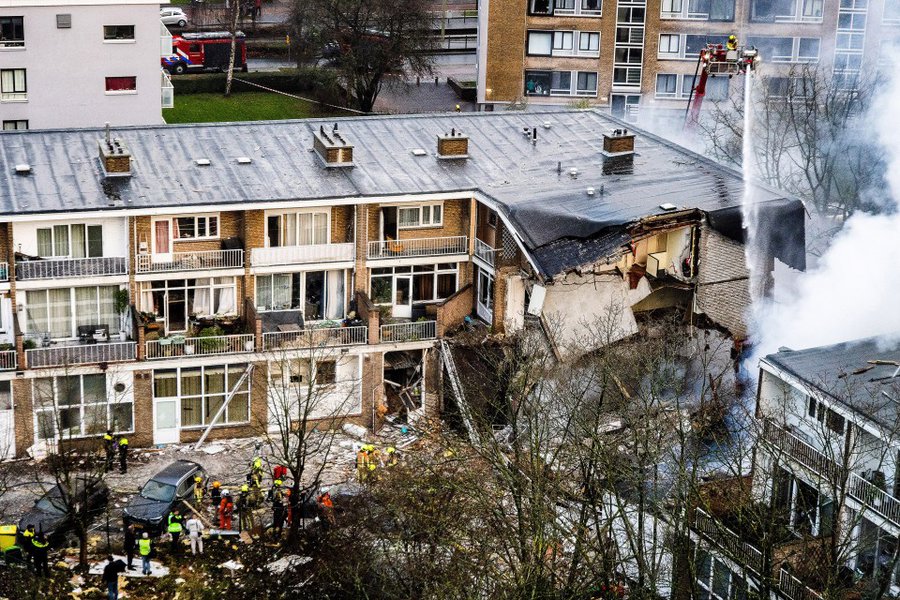
TRAC Incident Report: Suspicious Explosion Hits a Three-Storey Apartment Building, Causing the Collapse of Five Residences, Tarwekamp, The Hague, Netherlands | |
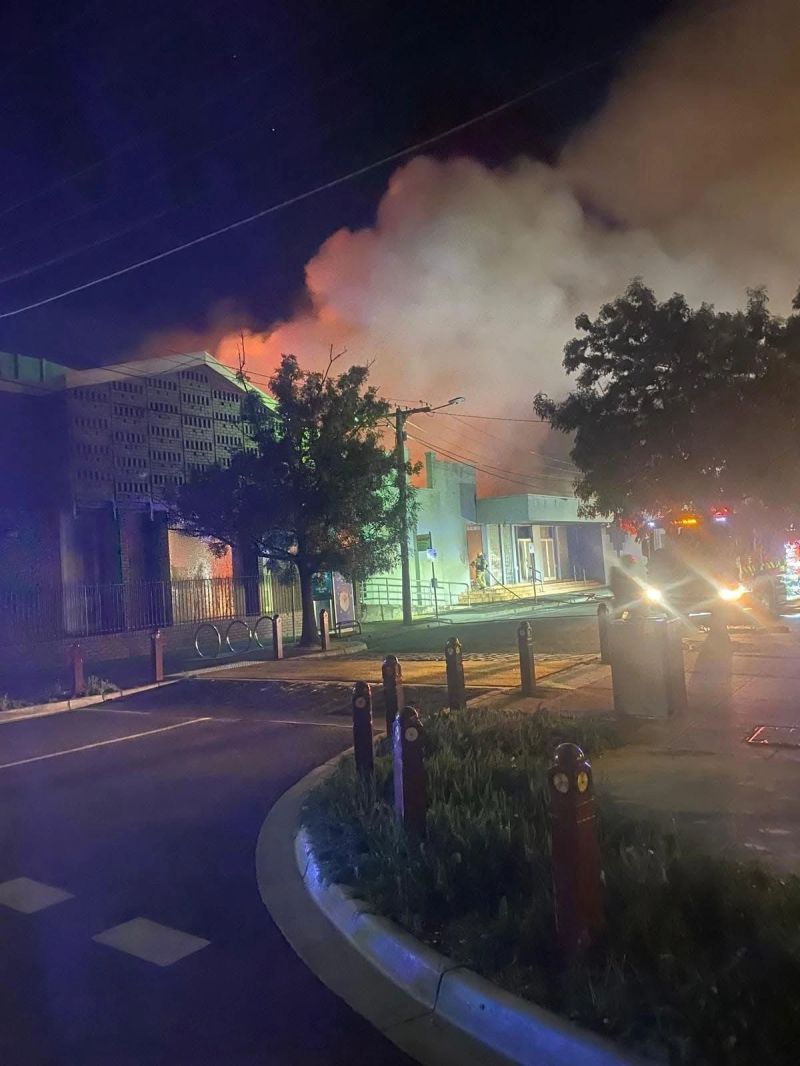
TRAC Incident Report: Masked Antisemites Target Addas Israel Synagogue in an Arson Attack As Jews Were Praying Inside, Ripponlea, Melbourne, Australia | |
TRAC Incident Report: Suspected Tehreek-e-Taliban Pakistan (TTP) Militants Use Explosives to Blow Up the House of Former Local Afghan Taliban Official Qari Khalid in Kunar, Afghanistan | | | | |