JULY 20, 2026

CONTRIBUTIONS HELP PAY FOR THE WEBSITE, CONSTANT

CONTACT, AND DUES TO ATTEND CLUBS TO HEAR

SPEAKERS. THANK YOU FOR YOUR CONTINUED SUPPORT!

We Have an Agreement! A Win for Maricopa County Voters


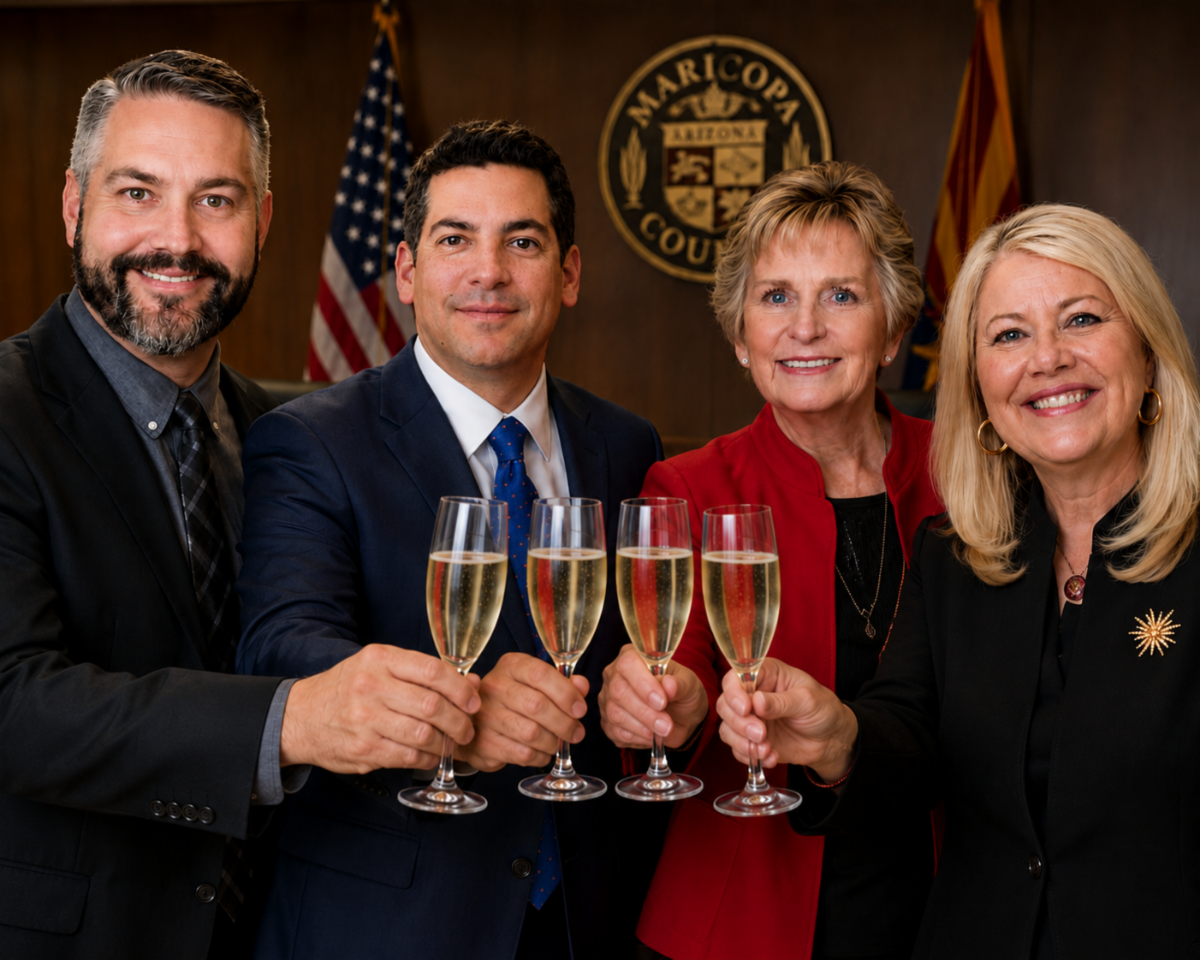
We have an agreement!


After months of lawsuits, court rulings, appeals, accusations, and uncertainty, the Maricopa County Recorder and the Board of Supervisors have reached a settlement.


This is a win for the voters of Maricopa County.


I am greatly appreciative of Recorder Justin Heap, Chairwoman Kate Brophy McGee, Supervisor Debbie Lesko, and Supervisor Thomas Galvin for helping bring this dispute to an end.


On Tuesday, July 14, 2026, the Maricopa County Board of Supervisors held a special meeting to consider the settlement agreement. Recorder Heap had signed the agreement prior to the meeting.


My thoughts

This is a win-win. The Maricopa County Board of Supervisors got much of what it wanted, the Recorder got much of what he wanted, but most importantly, the voters of Maricopa County received the best possible outcome. The costly litigation is over, uncertainty has been reduced, and both sides can finally move forward and focus on the important work of administering our elections.


I believe most people in Maricopa County breathed a collective sigh of relief when the settlement was announced. Well, almost everyone.


Sadly, a handful of social media agitators and influencers seem determined to keep the fight alive. They are already trying to spin the agreement as a victory for one side and a defeat for the other. Yet both Recorder Justin Heap and members of the Board of Supervisors have publicly described this agreement as a win-win and expressed appreciation for mediator Judge Christopher Coury and the more than 25 hours of work that went into reaching a resolution.

Some people simply are not happy unless they are attacking others, being petty, or creating chaos. That is unfortunate, because this should be a moment when we acknowledge that compromise worked.


As you read this article, I hope you understand that I am genuinely happy for everyone involved. I have given Recorder Heap plenty of grief in the past when I believed criticism was warranted. Today, however, I have nothing but praise for him and the Board members who worked to reach this agreement. They put the voters of Maricopa County first—and that deserves recognition.


How we got here

On July 14, Supervisor Debbie Lesko made the motion to approve the settlement, and the motion was seconded by Supervisor Thomas Galvin. Supervisor Steve Gallardo voted no. Supervisor Mark Stewart was not in attendance and did not call in to vote.


The agreement was reached after more than 25 hours of mediation and ends the litigation between the Recorder and the Board. The appeal will be dismissed, and the agreement sets aside the previous court rulings involved in the dispute.


Under the settlement, the Recorder will remain responsible for early voting, while the Board of Supervisors retains responsibility for same-day and emergency voting.


One of the largest changes involves election technology.


Approximately $15 million in one-time funding already within state and county budget resources will be moved to the Recorder's Office, allowing the Recorder to build a separate election IT system. The Board will retain the existing system. For now, the two offices will co-own the current system while the transition takes place.


This agreement provides something Maricopa County desperately needs: certainty.

Supervisor Lesko thanked Judge Christopher Coury, who served as mediator, and called on everyone involved to work together moving forward.


Supervisor Thomas Galvin also thanked Recorder Heap for signing the agreement and recognized the attorneys involved in reaching the settlement. Galvin pointed out that lawsuits are rarely good for government operations and expressed relief that everyone can now get back to work. He also called on the Arizona Legislature to clarify election laws so future disputes over responsibilities can hopefully be avoided.


Chairwoman Kate Brophy McGee said the settlement will allow Maricopa County elections to run smoothly moving forward. She expressed hope that the agreement will provide much-needed clarity for both the Recorder and the Board—but, most importantly, for voters. She also thanked Judge Coury for his work.


Supervisor Steve Gallardo was clearly unhappy with the settlement and the events leading up to it. Gallardo criticized the courts' involvement and the requirement that the Board follow the 12-point plan. He accused Heap of being willing to accept fewer election responsibilities and suggested the Recorder wanted to do the minimum.


Gallardo also criticized Heap's use of America First Legal and raised concerns about what he views as a "hyper-partisan" Recorder's Office. He specifically referenced partisan social media posts by Sam Stone during business hours. Gallardo, who began his career in the Recorder's Office, made it clear he continues to have serious concerns about the direction of the office.


All sides gave a little. All sides gained something.


Recorder Heap will have the resources and authority to build his own IT system and oversee early voting. The Board retains same-day and emergency voting responsibilities. The appeal is dismissed. The lawsuits end. Election officials can return their focus to administering elections.


That is what a settlement is supposed to do.


This is a win-win agreement, but the biggest winners are the voters of Maricopa County.

We should all be happy that this dispute has been resolved. Now it is time for the Recorder and the Board of Supervisors to work together, administer our elections, and rebuild confidence with the voters they serve.


We have an agreement. Let's move forward.

Should Arizona Raise the Gas Tax


Republicans are right to be cautious about raising taxes. Arizona families already face increasing costs for housing, groceries, insurance, utilities and transportation. However, fiscal responsibility is not simply about opposing every tax increase. It also means making sure the infrastructure our residents and businesses depend upon is adequately funded.


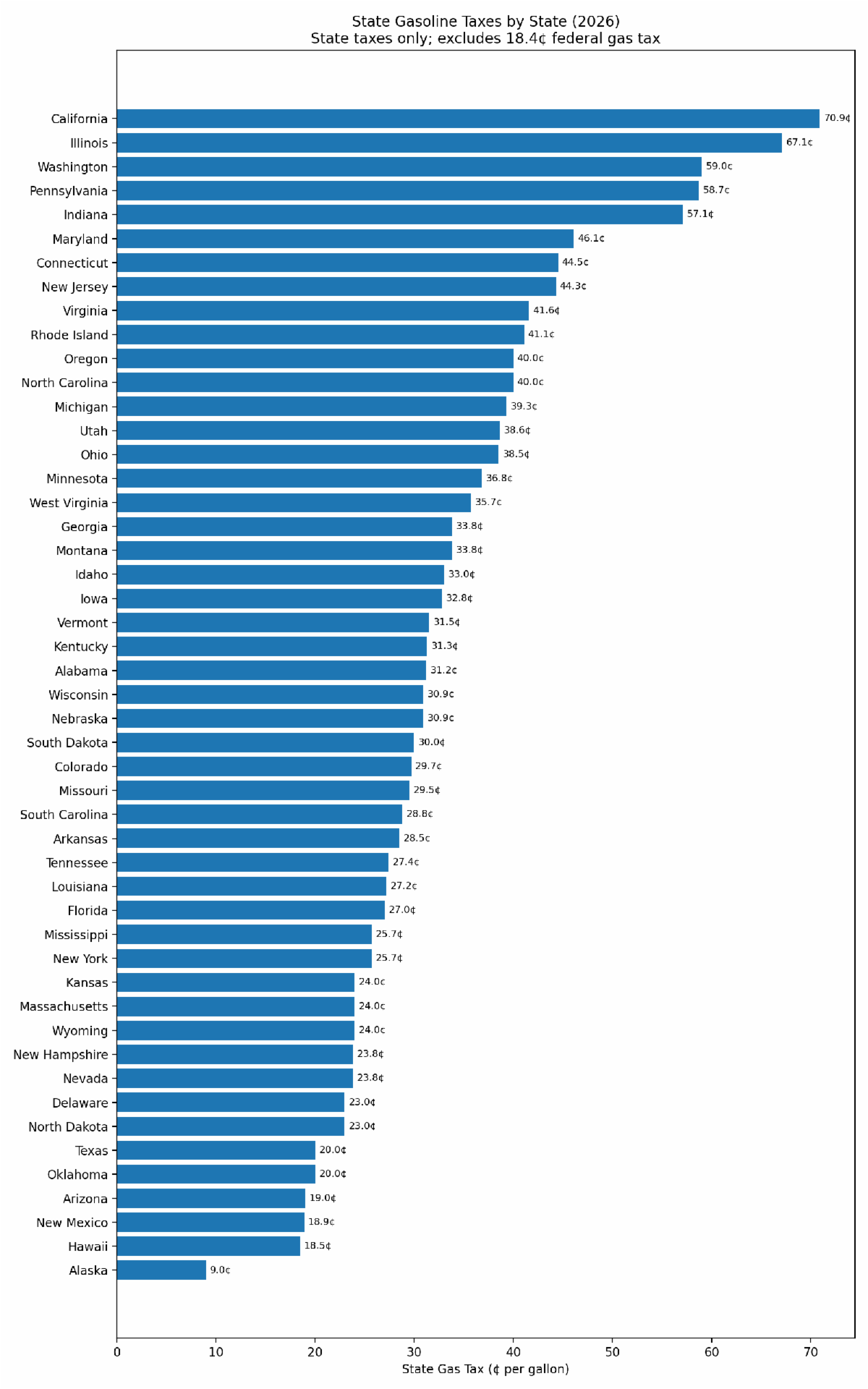
Arizona’s gasoline tax is among the lowest in the nation. The state imposes an 18-cent-per-gallon motor-fuel tax, along with a separate one-cent environmental fee commonly included in state comparisons, bringing the total to approximately 18 cents per gallon with a one cent underground storage tank excise tax. Depending on how taxes and fees are counted, Arizona ranks approximately 46th or 47th among the 50 states—placing it among the four or five lowest-tax states in the country. Recent excise-tax comparisons list only Alaska, Hawaii and New Mexico below Arizona.


Arizona’s basic gasoline tax has not been increased since 1991. During that time, the costs of asphalt, concrete, labor, equipment, land and road construction have risen dramatically. Arizona’s population has also grown, putting more vehicles on roads that require continual maintenance, widening and reconstruction.


The question is not whether Arizonans will pay for transportation infrastructure. The question is how we will pay for it.


The Texas and Oklahoma Warning

Texas and Oklahoma also maintain relatively low gasoline taxes, but both states rely heavily on toll roads and turnpikes to help finance transportation projects. Texas now has approximately 872 miles of open toll facilities, 12 toll-road operators and an extensive network of tollways and dynamically priced express lanes, especially in the Dallas–Fort Worth area.


Texas created regional mobility authorities that can finance, build, operate and maintain transportation projects, including tolled highways. Oklahoma has similarly used turnpike revenue and bonds backed by toll collections to finance portions of its transportation system.


As someone who lived in Texas for many years, I do not want Arizona to follow that path.


In the Dallas–Fort Worth area, commuters using common suburban toll routes may pay approximately $5 to $15 per day simply to travel to and from work. Based on roughly 20 commuting days each month, that can translate into toll expenses of $100 to $300 per month—and potentially more for longer commutes or dynamically priced express lanes.

That is far more expensive than a modest gasoline-tax increase.


Consider a driver who purchases 50 gallons of gasoline per month. Raising Arizona’s tax by five cents per gallon would cost that driver approximately $2.50 per month. That is a significant difference from receiving a monthly toll bill of $100, $200 or $300.


A Reasonable, Conservative Approach

Arizona should begin a serious discussion about increasing its gasoline tax from 18 cents per gallon to perhaps 22 or 23 cents. This would still leave Arizona among the states with the lowest fuel taxes in the nation.


Any increase should come with firm protections. The additional revenue should be constitutionally or statutorily dedicated to road construction, pavement preservation, bridge repair, congestion relief and other direct transportation needs. It should not be diverted to unrelated government programs.


Lawmakers should also consider mechanisms ensuring electric and alternative-fuel vehicles contribute fairly to roadway maintenance. Gasoline-powered vehicles should not eventually bear the entire responsibility for financing roads used by every type of vehicle.


A modest increase is not an endorsement of unlimited taxation. It is a recognition that roads are not free. They must be constructed, repaired, widened and maintained.


Arizona can either collect a few additional cents when drivers purchase gasoline, or we can gradually move toward the Texas model, where commuters may pay tolls every morning and every evening just to get to work.


The lower-tax option for most Arizona families may actually be a small increase in the gasoline tax—not a future filled with toll roads, fluctuating express-lane prices and monthly toll bills.

It is time for Arizona leaders to begin that conversation.


Something to think about:

According to national driving averages, the typical driver purchases about 46 gallons of gasoline each month. If Arizona increased its gas tax by 5 cents per gallon, the average motorist would pay just $2.30 more per month—less than the cost of a cup of coffee. While the impact on individual drivers would be relatively small, the statewide benefit would be substantial. A five-cent increase would generate an estimated $225 million in additional annual revenue dedicated to maintaining, repairing, and expanding Arizona's transportation infrastructure. Rather than relying on toll roads or allowing road conditions to deteriorate, a modest gas tax increase would provide a stable and predictable funding source while keeping Arizona's fuel taxes among the lowest in the nation.

Tuesday Is Primary Election Day—Make Your Voice Heard


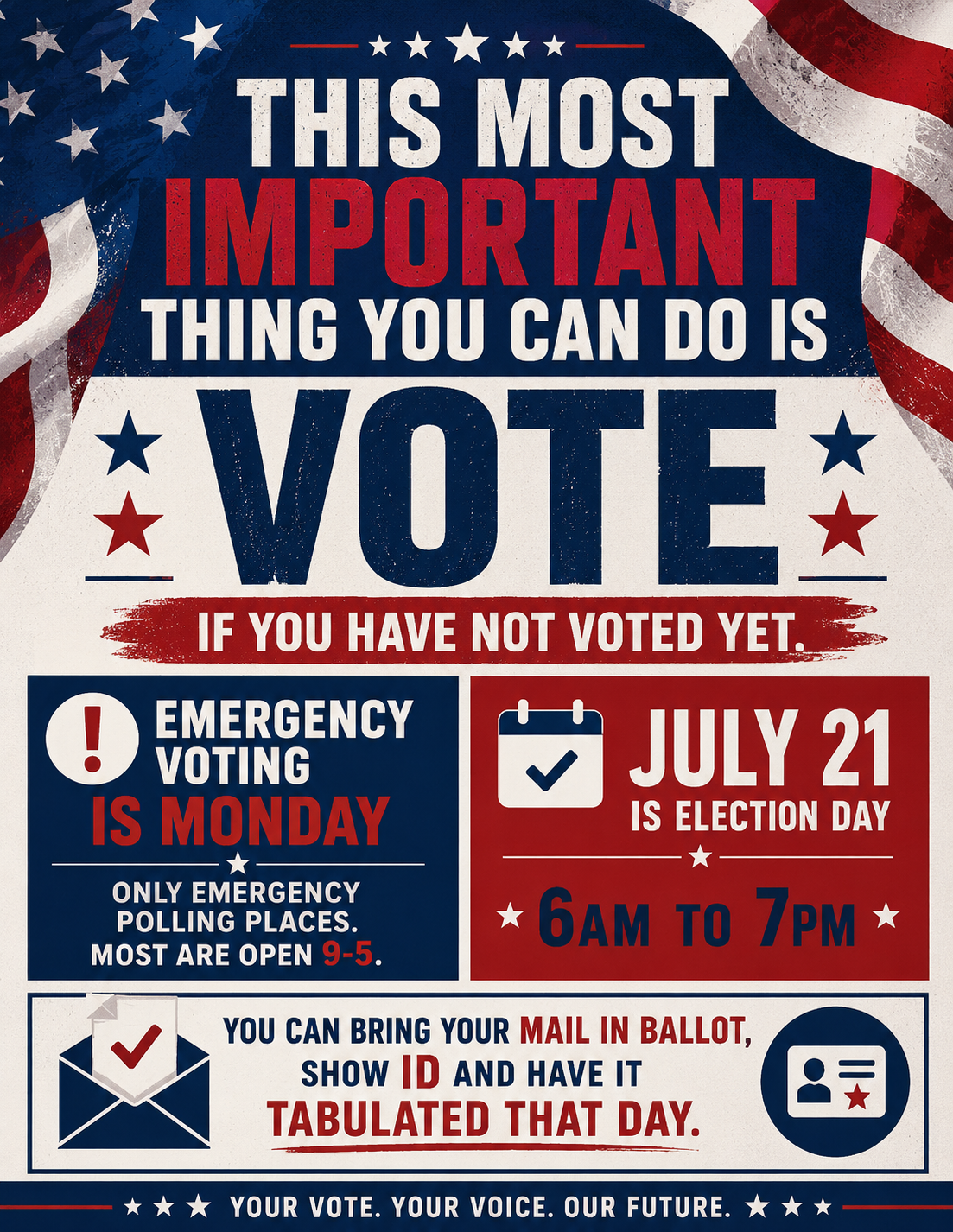
Tuesday is Primary Election Day, and polls will close at 7:00 p.m. If you have not yet voted, now is the time to make a plan and make your voice heard.


This election also brings a new process for voters who still have their mail-in ballot. Instead of simply dropping off your completed early ballot and waiting for it to go through the signature verification process, voters now have another option.


You can bring your mail-in ballot and envelope to a voting location, show your identification, and have the envelope stamped. You can then remove your ballot and have it tabulated at the voting location.


Why does this matter?


This process is designed to help provide election results sooner. By verifying the voter at the voting location, the ballot does not have to go through the traditional signature verification process after Election Day. The goal is to reduce the number of ballots waiting to be processed and counted in the days following the election.


For years, Arizonans have expressed frustration over waiting days—or sometimes longer—for final election results. This change is an important step toward speeding up the process.


But voting in this election is only part of the job.


I am asking everyone reading this article to do something simple: approach your friends, family members, neighbors, and coworkers and encourage them to register to vote.


We all know people who share our values and complain about the direction of our communities, our schools, our state, and our country—but they are not registered or they simply do not vote.


Now more than ever, we need like-minded people to register, become informed, and participate in our elections. Elections are decided by the people who actually show up and cast a ballot.


Vote Tuesday. Then help register the next voter.


Our future depends on participation.

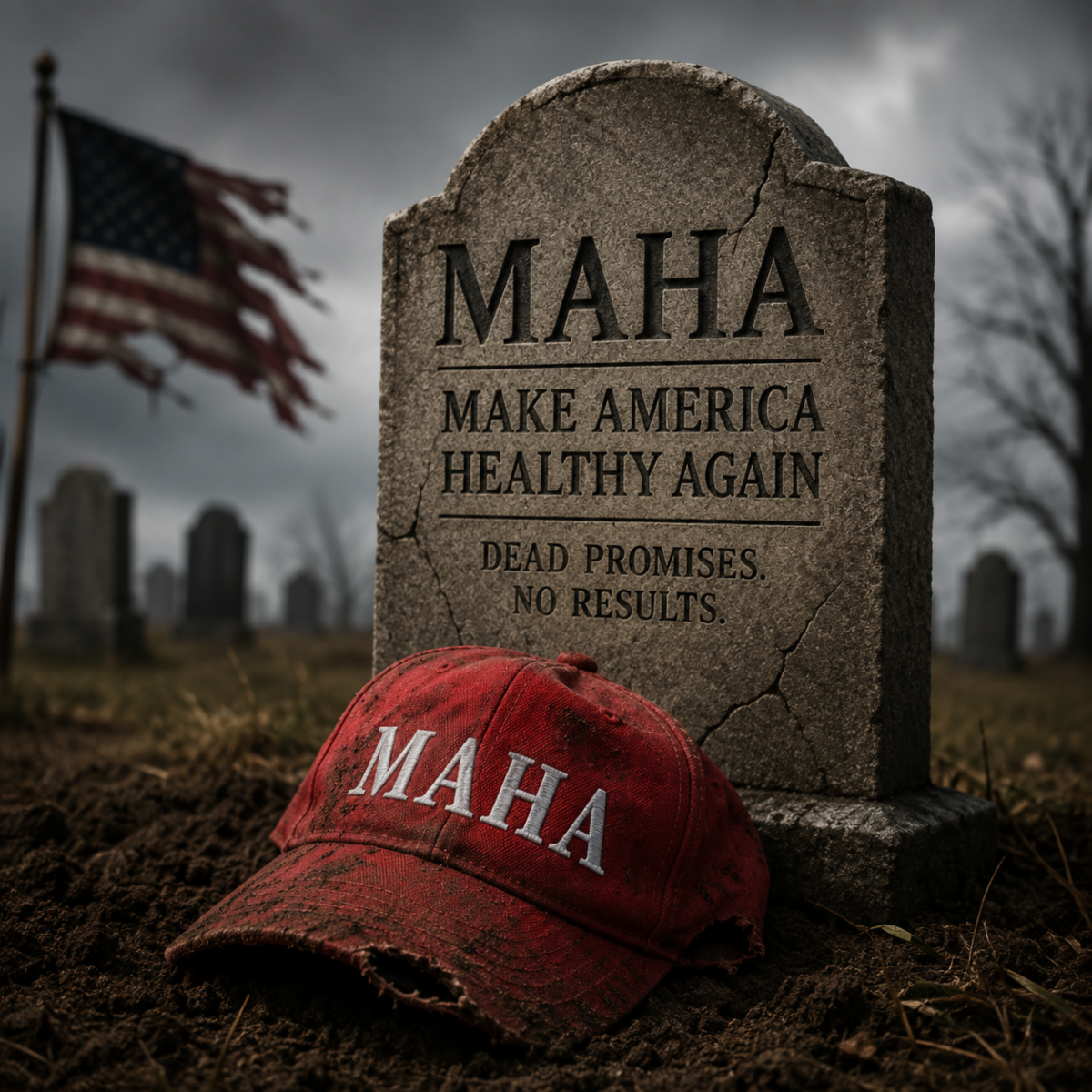
MAHA Is Dead


I strongly believed in Make America Healthy Again. I was MAHA before MAHA was a movement. My oldest son is now 41, and I chose not to vaccinate my children. My children were born with the help of a midwife, and I did not take them to routine “well visits.” Long before conversations about chemicals and additives became mainstream, my family was already paying attention. I have grown my own produce and eaten beef raised on my family's ranch throughout my life. We have always been concerned about food dyes, artificial additives, and what we put into our bodies. For me, healthy living was never a political slogan or a trendy movement. It was simply how I was raised and how I chose to raise my family.


I believed we were finally going to ask the hard questions about why Americans are so sick. Why are cancer rates so high? Why is chronic disease everywhere? Why are our children struggling with obesity and diabetes? What is in our food, our water, and the chemicals we are exposed to every day? MAHA promised to challenge Big Pharma, Big Food, chemical manufacturers, and the government agencies that have protected the status quo for decades. I wanted to believe it, but I am done making excuses. MAHA is dead.


Look at Kentucky and Iowa. Kentucky has one of the highest cancer incidence rates in America. Iowa ranks near the very top and is experiencing a troubling cancer trend. These are also states with enormous agricultural industries and significant pesticide exposure. Iowa alone uses more than 53 million pounds of pesticides annually, according to recent reporting. The state's cancer researchers are studying farmers, pesticide applicators, and their spouses to better understand possible links between specific pesticides and cancer.


Glyphosate should be front and center in that discussion. Glyphosate is the active ingredient historically associated with Roundup and one of the most widely used herbicides in American agriculture. The International Agency for Research on Cancer has classified glyphosate as “probably carcinogenic to humans.” The EPA disagrees and maintains that glyphosate can be used safely according to its approved label.


Follow the farmers, examine the cancer clusters, test the water, study long-term exposure, and compare counties with heavy glyphosate use to counties with little use. Find out why cancer is increasing in Iowa while much of the nation has seen different trends. Recent analyses have mapped heavy glyphosate use and cancer clusters, while Iowa researchers continue examining possible connections between pesticides and specific cancers. These findings do not prove glyphosate is the sole cause of Iowa's cancer problem. Cancer is complicated. However, there are enough red flags to demand action. Isn't that exactly what MAHA was supposed to do?


Instead, the pesticide industry keeps winning. MAHA supporters pushed for tougher scrutiny of glyphosate, yet the Trump administration has supported domestic glyphosate production and its solicitor general urged the Supreme Court to hear Monsanto's case involving Roundup litigation. The EPA has also faced criticism over decisions involving controversial pesticides. Where is MAHA?


EPA Administrator Lee Zeldin promised a formal MAHA agenda. Nearly eight months later, it still has not materialized. The EPA now describes MAHA as an ongoing effort rather than a single agenda. Even MAHA activists are openly frustrated. A movement built around urgency appears to have been swallowed by the same Washington bureaucracy it promised to challenge.

Then there is Casey Means. Dr. Means was one of the most recognizable voices associated with the MAHA movement. President Trump nominated her to serve as Surgeon General, but her nomination stalled in the Senate. President Trump eventually withdrew her nomination, and she was never confirmed. Trump replaced her with Dr. Nicole Saphier, his third nominee for Surgeon General. As of July 2026, the position remains unfilled.


Think about that. A movement supposedly dedicated to completely changing the health of America cannot even get a Surgeon General confirmed. The promised EPA MAHA agenda has disappeared. Glyphosate remains protected. Pesticide manufacturers are stacking up legal and regulatory victories. Questions remain about chemicals in our food and water. Americans are still sick, cancer rates remain alarming, and we are supposed to keep cheering because someone says the words “Make America Healthy Again”?


I am a Republican. I voted for President Trump three times, and I supported MAHA. However, I refuse to become the type of voter who criticizes Democrats for failures and then makes excuses when Republicans do the same thing. A slogan is not a policy. A commission is not a result. A report is not action, and a social media post is not reform. We need laws changed not declorations made.


MAHA voters were promised a revolution in American health. We were told powerful corporations would finally be challenged. We were told chronic disease would become a national priority. We were told someone would finally ask why Americans are sicker despite spending more on healthcare than almost anyone else in the world. Instead, we are watching the same Washington game of delays, studies, promises of another report, and powerful industries continuing to win while government moves on to the next news cycle.


Meanwhile, in places like Iowa and Kentucky, doctors, researchers, farmers, and families are asking why cancer rates are so high. They deserve answers. If glyphosate is safe, prove it with aggressive, independent, long-term research. If it is contributing to cancer, stop protecting it. If farmers need alternatives, invest in developing them. That is what MAHA should have been.


Movements are judged by results, not slogans. MAHA promised to put America's health ahead of corporations, lobbyists, and political convenience. It has failed. MAHA is dead. The only question now is whether the voters who believed in it are willing to admit it.

Political Violence Is Never the Answer


Over the past seven months, I have watched my city - Surprise and Phoenix change dramatically. What began as opposition to a proposed federal ICE detention facility in Surprise has, in some cases, escalated into acts of intimidation, confrontation, and criminal conduct. Regardless of where someone stands on immigration policy, we should all be able to agree that political violence has no place in our communities.


When the federal government announced it had purchased a warehouse in Surprise with plans to convert it into an ICE detention facility, protests began almost immediately. For months, demonstrations took place outside the site and at nearly every Surprise City Council meeting. Peaceful protest is a constitutional right and an important part of our democracy. However, when protests cross the line into violence or criminal activity, they undermine the very cause they claim to support.


Protests have taken place throughout the greater Phoenix area, at times disrupting traffic, affecting normally quiet neighborhoods, and interrupting residents' daily routines. While many demonstrations have remained peaceful, some incidents have crossed the line. In Sun City West, eggs were thrown at vehicles arriving for a Republican club meeting. According to witnesses, the individual throwing the eggs was holding an anti-ICE sign. Regardless of political beliefs, acts of intimidation and property-related misconduct have no place in civic discourse. Peaceful protest is a constitutional right, but targeting people because of their political views is unacceptable and only deepens the divisions within our communities.


On May 20, federal prosecutors announced charges against a 19-year-old Avondale man accused of attempting to set fire to the ICE facility in Surprise. According to the U.S. Department of Justice, the defendant allegedly used a propane tank to break a window and ignite a fire inside the building. If convicted, he could face up to 20 years in federal prison and a $250,000 fine.


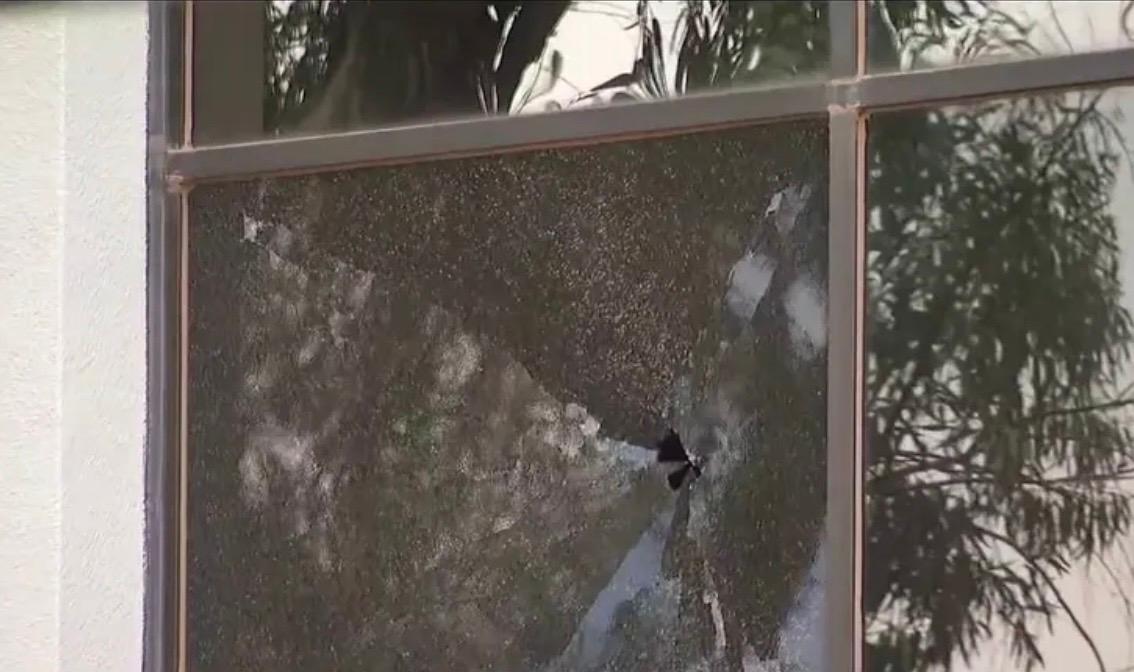
More recently, on July 14, shots were fired at an ICE Enforcement and Removal Operations building in Phoenix. Fortunately, no one was injured, but the FBI has opened an investigation into the shooting.


Earlier this year, protests outside the ICE Phoenix Field Office also resulted in the reported assault of an ICE officer and an arrest after tensions escalated.


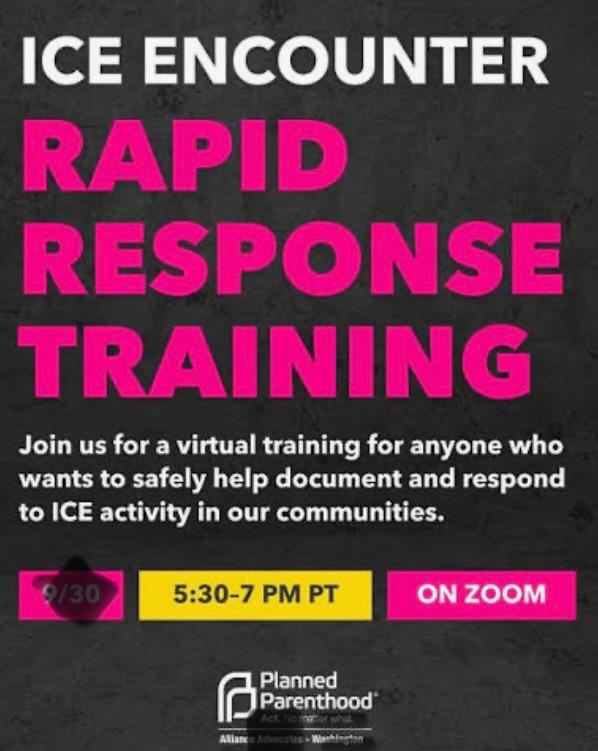
I am also concerned by organizations that provide what they call "rapid response" training for immigration enforcement activities. (more information below) While many organizations describe these programs as teaching people about their legal rights or how to observe enforcement actions, But it teaches participants go beyond lawful observation and interfere with officers performing their duties, confrontations can quickly become dangerous for everyone involved. Law enforcement officers and protesters alike can be placed in situations where split-second decisions have life-changing consequences.


Arizona Attorney General Kris Mayes' comments regarding ICE and Arizona's Stand Your Ground law also generated significant controversy earlier this year. Her remarks were interpreted by some as encouraging violence against ICE agents, an interpretation she strongly rejected. She later released a public statement saying that she supports law enforcement and that the idea she wanted officers harmed was "wrong, offensive, and an outright lie."


We should also avoid broad-brush accusations. Not all Republicans think alike, and not all Democrats think alike. Most Americans—regardless of party affiliation—reject violence as a means of advancing political goals. Unfortunately, the actions of a small number of extremists often dominate the headlines and deepen the divisions within our country.


This is a time for leaders of every political persuasion to speak clearly and consistently. Violence, vandalism, assaults, and intimidation should be condemned no matter who commits them or what cause they claim to represent. We cannot demand civility from one side while excusing misconduct by the other.


Most importantly, we should pray for all law enforcement officers who put themselves in harm's way every day. Whether they wear the uniform of local police, the sheriff's office, state agencies, or federal law enforcement, they deserve to return home safely to their families. We can have passionate disagreements over policy while still respecting the rule of law and rejecting political violence in all its forms.


Rapid Response Is Becoming a Deadly Response


Let’s talk about something uncomfortable. In recent confrontations involving ICE, people have lost their lives after situations escalated to the point where federal agents used deadly force. The political response is predictable. The left immediately declares the deceased a hero. The right immediately defends the agents and, too often, responds with sarcasm or celebration. Meanwhile, the temperature in this country continues to rise.


Many organizations on the left offer what they call “rapid response training.” The stated purpose is often to observe, document, and respond to immigration enforcement activity. However, we have also watched activists physically show up at enforcement scenes, surround vehicles, block movement, confront agents, and attempt to disrupt ICE operations. There is a difference between peacefully observing law enforcement and inserting yourself into an active enforcement operation.


That difference can be deadly.


Names like Renee Good, Alex Pretti, Lorenzo Salgado Araujo, and Joan Sebastian Guerrero are now chanted at protests and held up by activists as symbols of resistance. The left views their interference as righteous. Many truly believe they have a moral duty to protect people from ICE and physically resist what they consider an unjust immigration system.


But here is the question no one on the left seems willing to seriously address: How many people have to die before these organizations reconsider the tactics they are teaching and encouraging?


If you train people to rush toward law enforcement operations instead of away from them, someone will eventually get hurt. If you teach activists to block vehicles, surround agents, follow enforcement teams, or physically interfere with arrests, you are creating an environment where a split-second decision can end a life. These are armed federal agents conducting enforcement operations. This is not street theater. This is not a TikTok video. Actions have consequences.


I also believe the mainstream media contributes to the problem. Too often, these incidents are initially reported almost exclusively through the viewpoint of activists. Headlines focus on the person who was shot while the circumstances leading to the confrontation are buried several paragraphs into the story. Words matter. Context matters. The public deserves the entire story before being told who is a hero and who is a villain.


Social media is even worse. Countless accounts appear designed for one purpose: keep people angry, afraid, and engaged. Outrage generates clicks. Anger generates donations. Fear gets people into the streets. Every video is edited, captioned, and shared to reinforce the political beliefs of the intended audience.


On almost any Saturday, you can find protests throughout Phoenix and surrounding communities condemning ICE, calling agents Nazis, and saying horrible things about our country. The imagery has also changed. Protesters who once appeared uncomfortable carrying the American flag are now prominently displaying it. Signs proclaim “Protect Our Vote,” even as some activists oppose efforts to verify citizenship and eligibility in our elections. In my view, the messaging has changed because the old messaging was not working. The ideology has not necessarily changed with it.


You can protest. You can vote. You can contact Congress. You can challenge government action in court. You can stand on a sidewalk with a sign and scream until you lose your voice. That is America.


But physically interfering with an active law enforcement operation is different.


At the same time, those of us on the right need to examine our own behavior. When someone dies, it is not funny. It is not an opportunity for a meme, a sarcastic post, or a victory lap. A human life has been lost. Their family will grieve. Their children, parents, spouses, and friends will live with that loss long after social media has moved on to the next outrage.


We cannot condemn the left for dehumanizing ICE agents while we dehumanize the people confronting them.


I do not know exactly how we lower the temperature in America, but I know it will require changes from both sides. Organizations on the left must stop encouraging tactics that place activists in direct physical confrontation with armed federal agents. They must ask whether their “rapid response” programs are protecting people or placing lives in danger.


The right must stop celebrating tragedy. We can support law enforcement, defend ICE, and demand that our immigration laws be enforced without mocking the dead.


The loss of life is always sad, no matter who the person voted for, what sign they carried, or what cause they believed in.


There has to be a better way.


And if we truly care about saving lives, perhaps the first step is to stop training people to run toward a confrontation that can turn deadly in seconds.

Thank you,

Lisa Everett


www.patriotnheels.com


Follow me on:

X - @patriotnheels

Facebook - @patriotnheels

Instagram - @patriotnheels