|
Invitation to Training Event
Use of AI in Wireless Networks Design
دعوة لحضور برنامج تدريبي متقدم
إستخدام الذكاء الصناعي في تصميم الشبكات اللاسلكية
| |
Join us in the vibrant city of Istanbul from November 25 to December 6, 2024, for unparalleled training on the transformative use of AI in wireless network design! This event promises an exciting opportunity for professionals eager to elevate their expertise in a rapidly evolving industry. As we delve into cutting-edge innovations and explore the future of wireless technologies, participants will not only gain invaluable skills but also foster connections with like-minded individuals passionate about empowering client success and driving growth. Don’t miss out on this chance to be at the forefront of a revolution that redefines the wireless landscape—secure your spot today and be part of the change! | |
|
Course Outlines - 10 Days
These outlines cover fundamental concepts, design principles, security considerations, troubleshooting, and the use of advanced technologies like AI in wireless networks.
Module 1. RF & Wireless Fundamentals
- Introduction to RF & Wireless Communications
- Basics of radio frequency (RF) and wireless technology.
- Historical evolution of wireless communications.
- RF spectrum overview: frequency ranges and their applications.
- RF Signals and Modulation Techniques
- Characteristics of RF signals: wavelength, frequency, and amplitude.
- Analog and digital modulation schemes (AM, FM, PSK, QAM).
- Signal propagation: attenuation, reflection, diffraction, and absorption.
- RF Components and Devices
- Transmitters, receivers, antennas, amplifiers, and filters.
- Role of antennas in RF systems, types of antennas, and their characteristics.
- Basic circuit design principles for RF devices.
- RF Propagation and Path Loss Models
- RF propagation in different environments: free space, urban, and indoor.
- Path loss models: Free Space Path Loss, Hata Model, and Okumura Model.
- Link budget analysis and its importance in RF planning.
- RF Safety, Testing, and Measurement
- RF safety standards and regulations.
- RF testing tools: spectrum analyzers, network analyzers, and power meters.
- RF measurement techniques and performance optimization.
Module 2. Design of Wireless LANs (WLANs)
- Fundamentals of WLANs
- Introduction to WLAN standards (IEEE 802.11 family).
- WLAN components: access points, controllers, clients, and antennas.
- WLAN architectures: standalone vs. centralized vs. cloud-based.
- WLAN Planning and Design Principles
- WLAN site surveys: predictive, passive, and active surveys.
- Coverage and capacity planning.
- Channel planning, interference management, and frequency reuse.
- Security and Quality of Service (QoS) in WLANs
- WLAN security mechanisms: WEP, WPA, WPA2, WPA3.
- Implementing QoS in WLANs: traffic prioritization and bandwidth management.
- WLAN performance optimization strategies.
- WLAN Troubleshooting and Case Studies
- WLAN troubleshooting tools and techniques.
- Common WLAN issues: interference, channel overlap, and client connectivity.
- Case studies: Designing WLANs for different environments (offices, schools, public hotspots).
Module 3. Design of Wireless WANs (WWANs)
- Introduction to Wireless WAN Technologies
- Overview of wireless WANs (2G, 3G, 4G, 5G).
- Differences between cellular and non-cellular WWANs.
- WWAN components and architecture.
- Wireless WAN Planning and Deployment
- RF planning and coverage prediction for cellular networks.
- Capacity planning for high-density deployments.
- Backhaul considerations: wired vs. wireless options.
- WWAN Security and Management
- WWAN security challenges and solutions.
- Network management and monitoring tools.
- Managing network upgrades and expansions.
- Advanced WWAN Design Strategies
- Designing for IoT, smart cities, and machine-to-machine (M2M) communication.
- Introduction to 5G network architecture and design principles.
- Case studies of WWAN deployment in urban and rural areas.
Module 4. Use of AI in Wireless Design
- Introduction to AI in Wireless Communications
- Basics of AI, ML, and their applications in wireless networks.
- AI’s role in enhancing network performance and efficiency.
- Key AI techniques used in wireless design (supervised, unsupervised, reinforcement learning).
- AI for RF Planning and Optimization
- AI-driven predictive models for RF propagation.
- AI applications in path loss modelling and network coverage prediction.
- Dynamic channel allocation and interference mitigation using AI.
- AI for Network Management and Security
- AI for real-time network monitoring and anomaly detection.
- AI-driven security measures: intrusion detection and response.
- AI for automated network configuration and self-healing networks.
- AI Use Cases and Future Trends in Wireless Design
- AI use cases: autonomous networks, adaptive beamforming, and cognitive radio.
- AI applications in 5G and beyond.
- Ethical considerations and challenges of AI in wireless design.
| |
|
Use of AI in Wireless Networks Design
Divan Taksim Istanbul
25 November - 06 December 2024
Join us in the vibrant city of Istanbul from November 25 to December 6, 2024, for unparalleled training on the transformative use of AI in wireless network design! This event promises an exciting opportunity for professionals eager to elevate their expertise in a rapidly evolving industry. As we delve into cutting-edge innovations and explore the future of wireless technologies, participants will not only gain invaluable skills but also foster connections with like-minded individuals passionate about empowering client success and driving growth. Don’t miss out on this chance to be at the forefront of a revolution that redefines the wireless landscape—secure your spot today and be part of the change!
| |
Our Professional Engineering Services
We Will Help You Build Wireless Networks That Works
Connecting People, Places, and Things
| |
| Site Surveys | RF Coverage Design | Training | | Deployment Supervision | 5G/4G/WiFi | Project Management | | Provisioning | Testing & Commissioning | Ekahau / Atoll / MIST | | |
Plan Your Professional Telecom & IT Training | |
البرامج التدريبية المتقدمة في الإتصالات السلكية واللاسلكي ونظم المعلومات
| |
Select the Training Location | |
أماكن ومقرات التدريب حول العالم | |
| Dubai
دبي | Istanbul
إسطنبول | Tunis
تونس | Cairo
القاهرة | | Casablanca
الدار البيضاء | Amman
عمان | Jeddah
جدة | Doha
الدوحة | | Lagos
لاجوس | Kampala
كمبالا | Kampala
كمبالا | Nairobi
نيروبي | | Toronto
تورنتو | Vancouver
فانكوفر | Montreal
مونتريال | Calgary
كالجاري | | New York
نيويورك | Los Angeles
لوس أنجلوس | Las Vegas
لاس فيجاس | San Fransisco
سان فرانسيسكو | | London
لندن | Roma
روما | Paris
باريس | Barcelona
برشلونة | | Kuala Lumpur
كوالا لمبور | Mumbai
مومباي | Bangkok
بانكوك | Jackarta
جاكرتا | | |
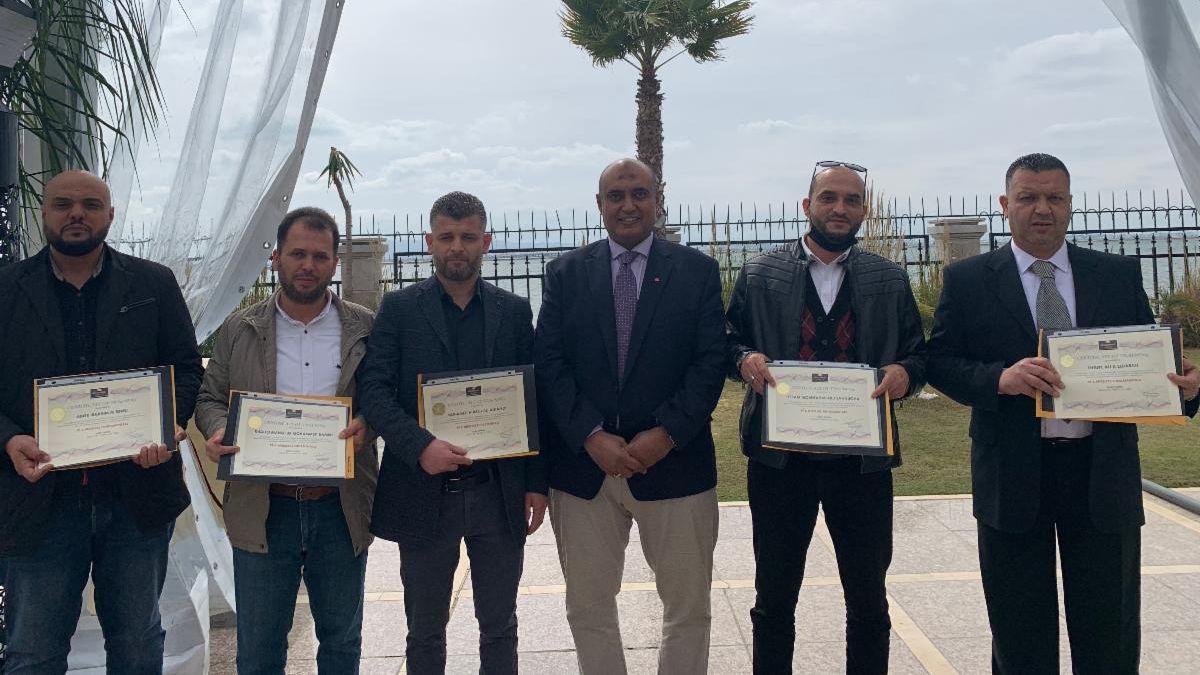
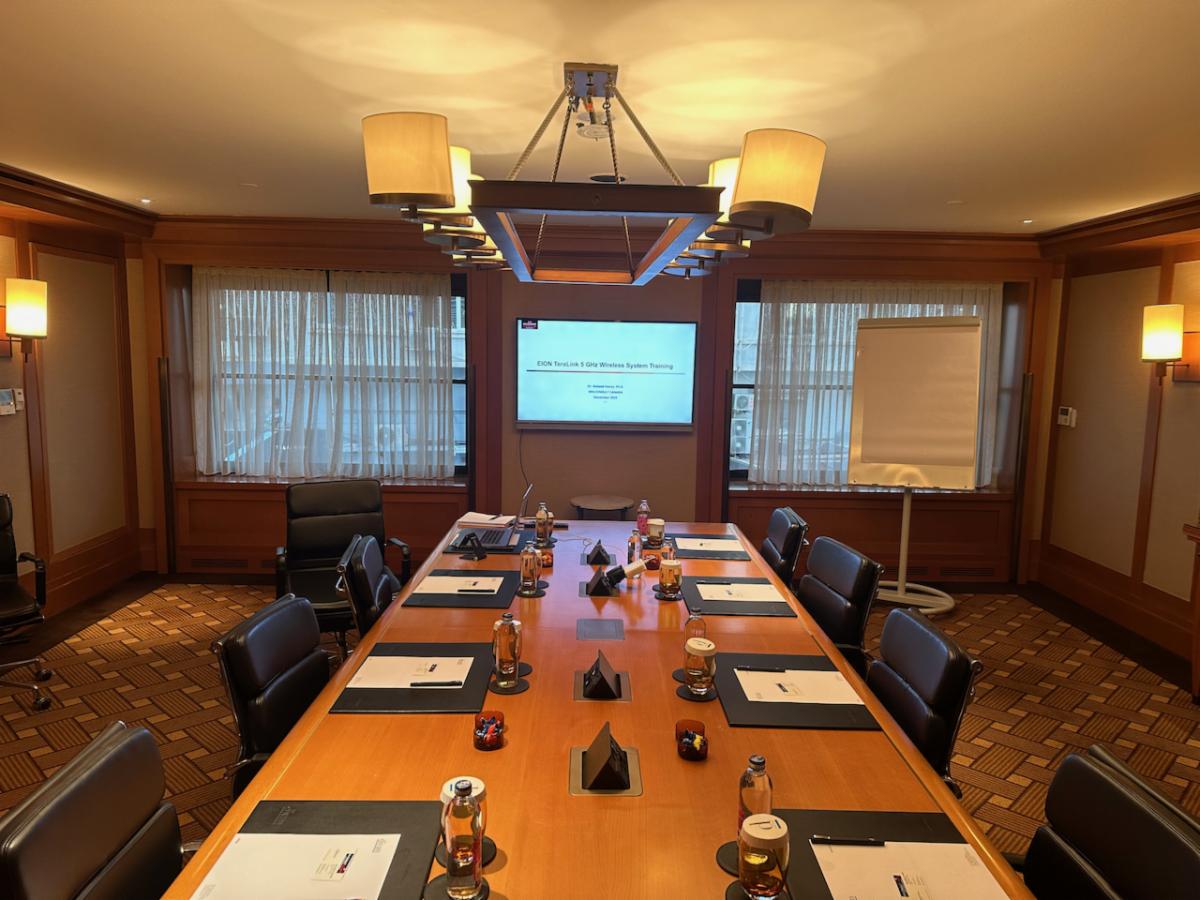
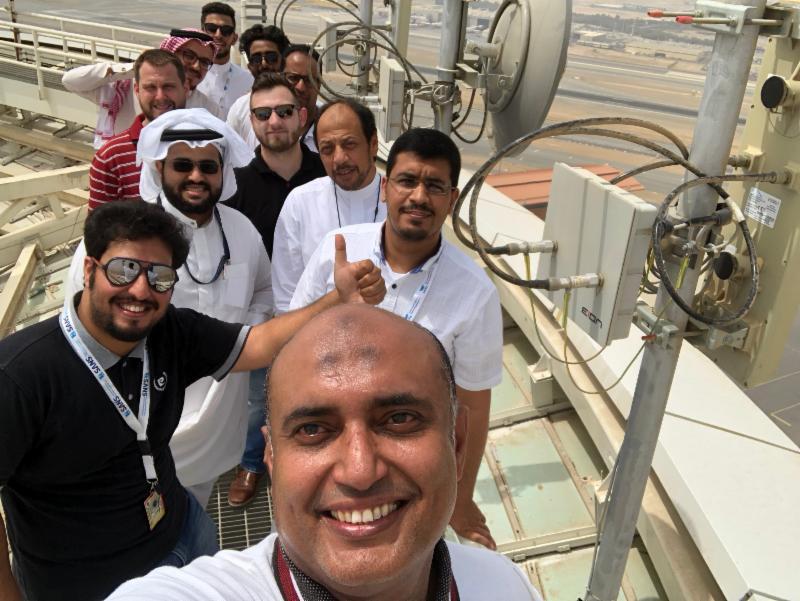
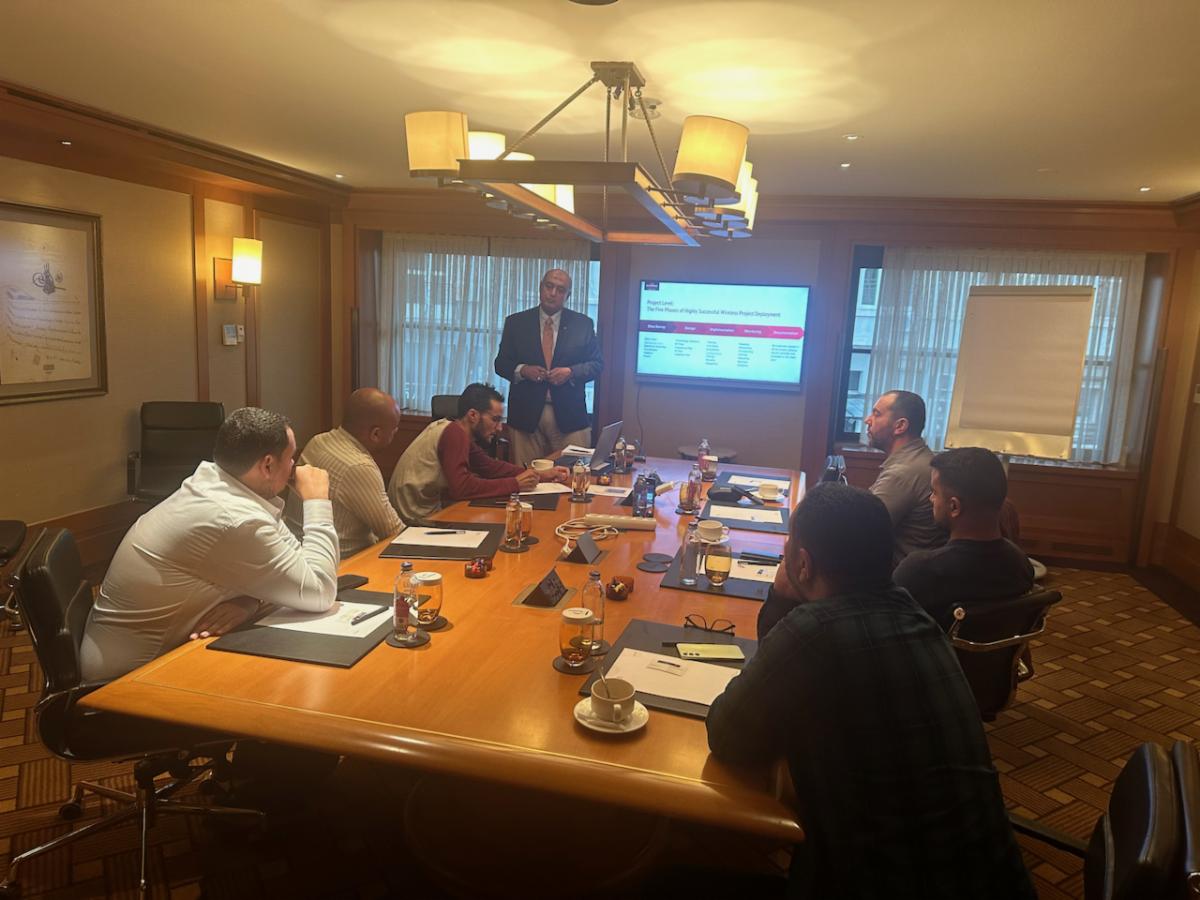
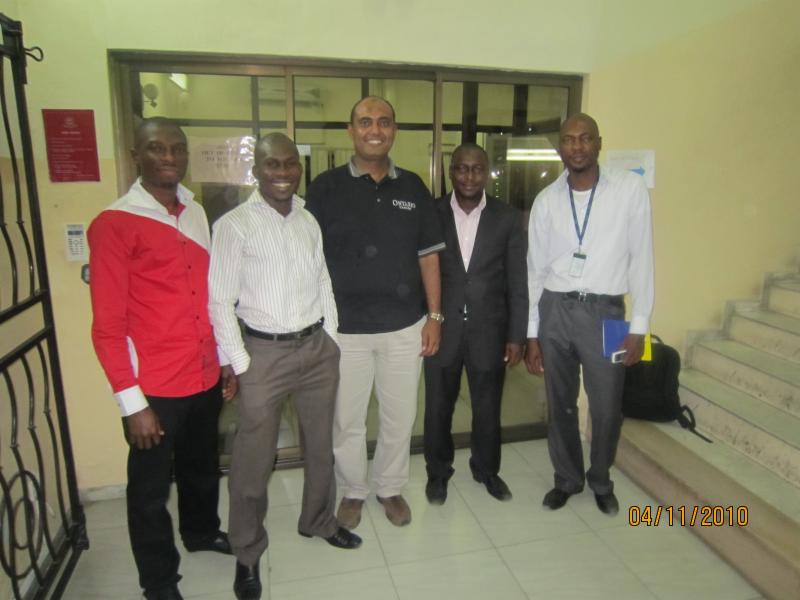
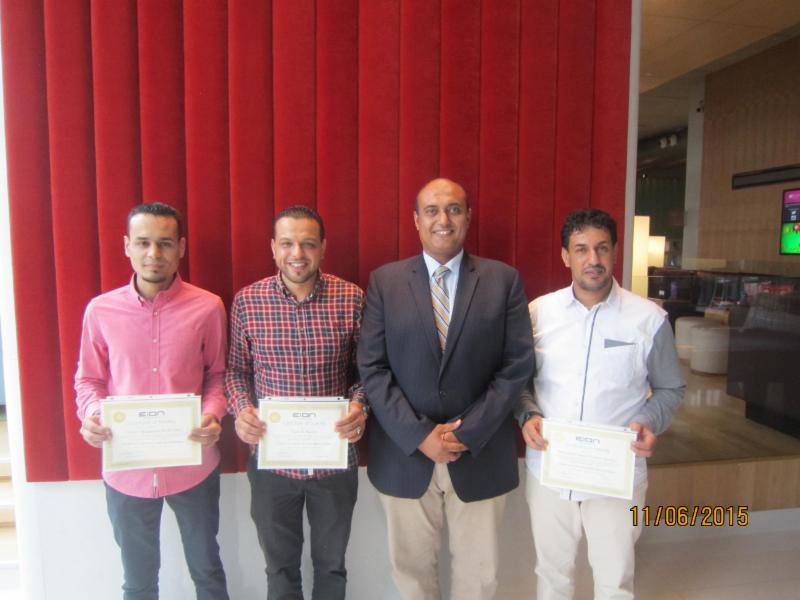
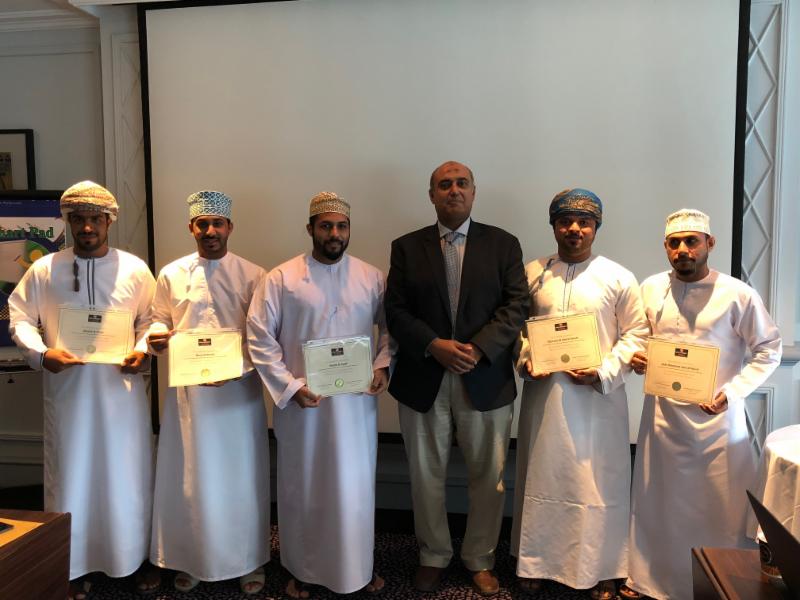
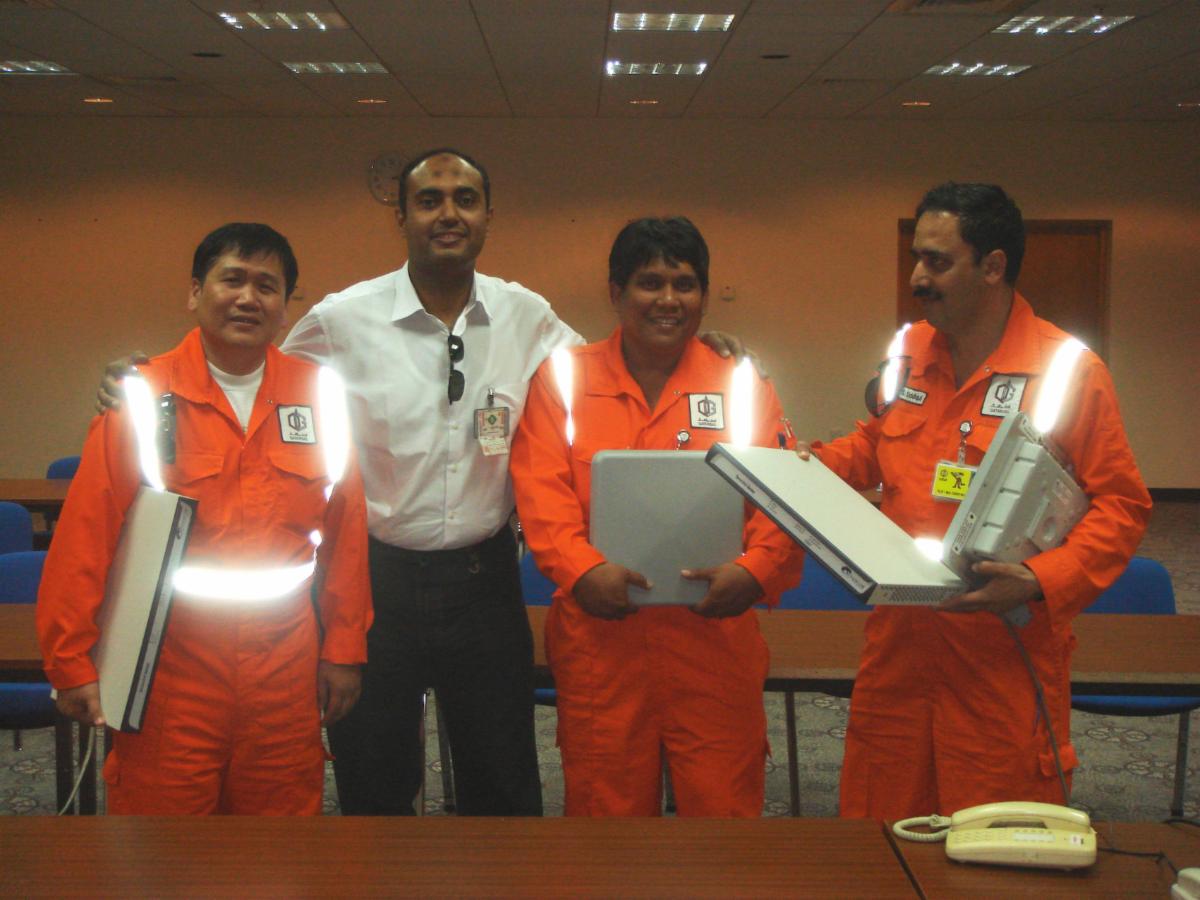
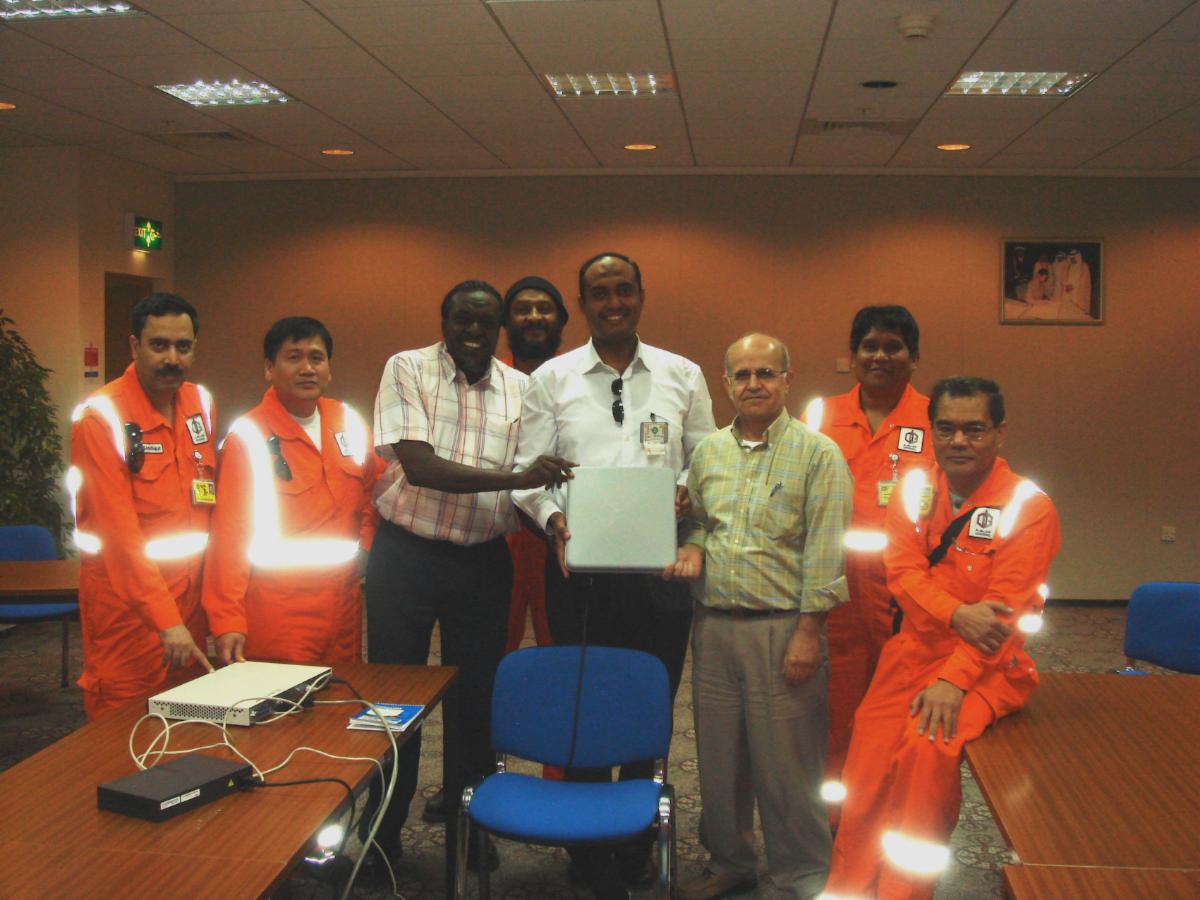
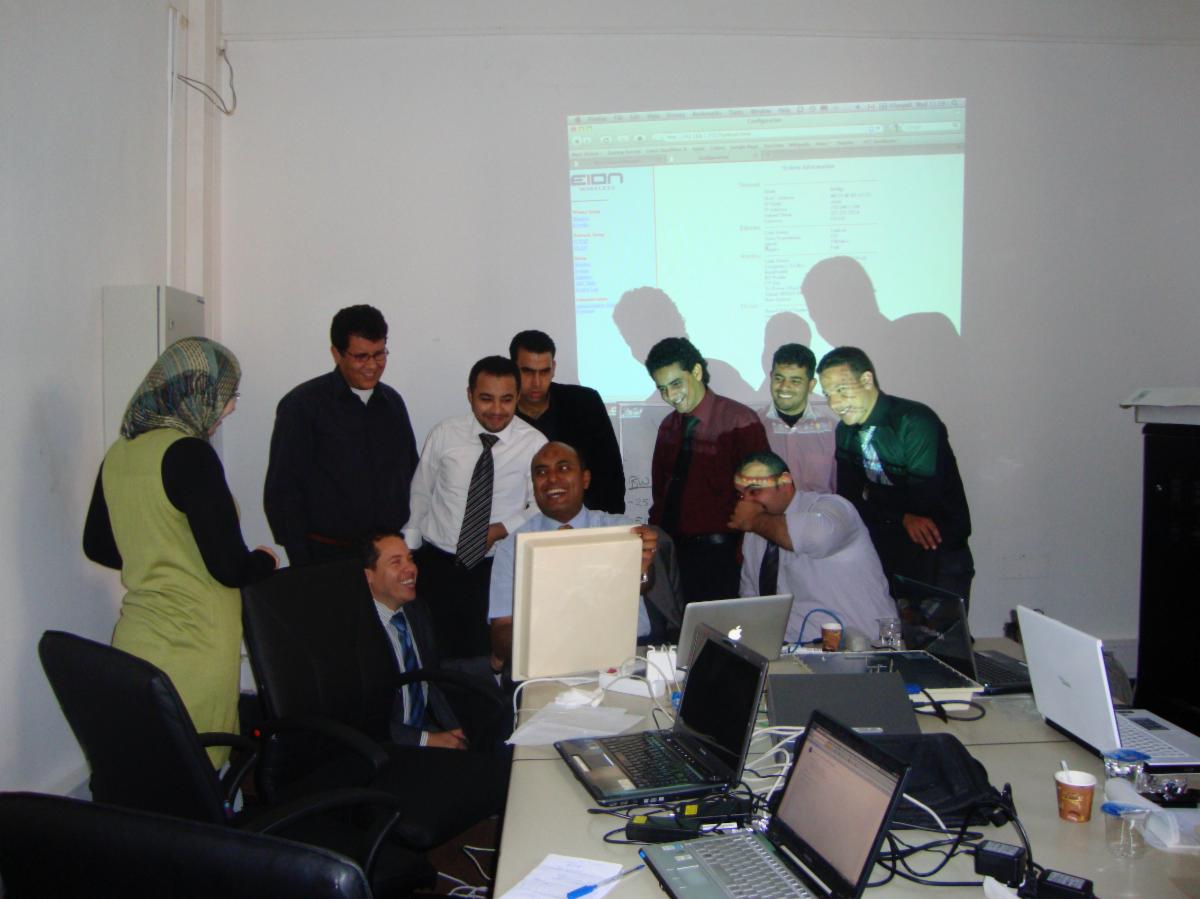
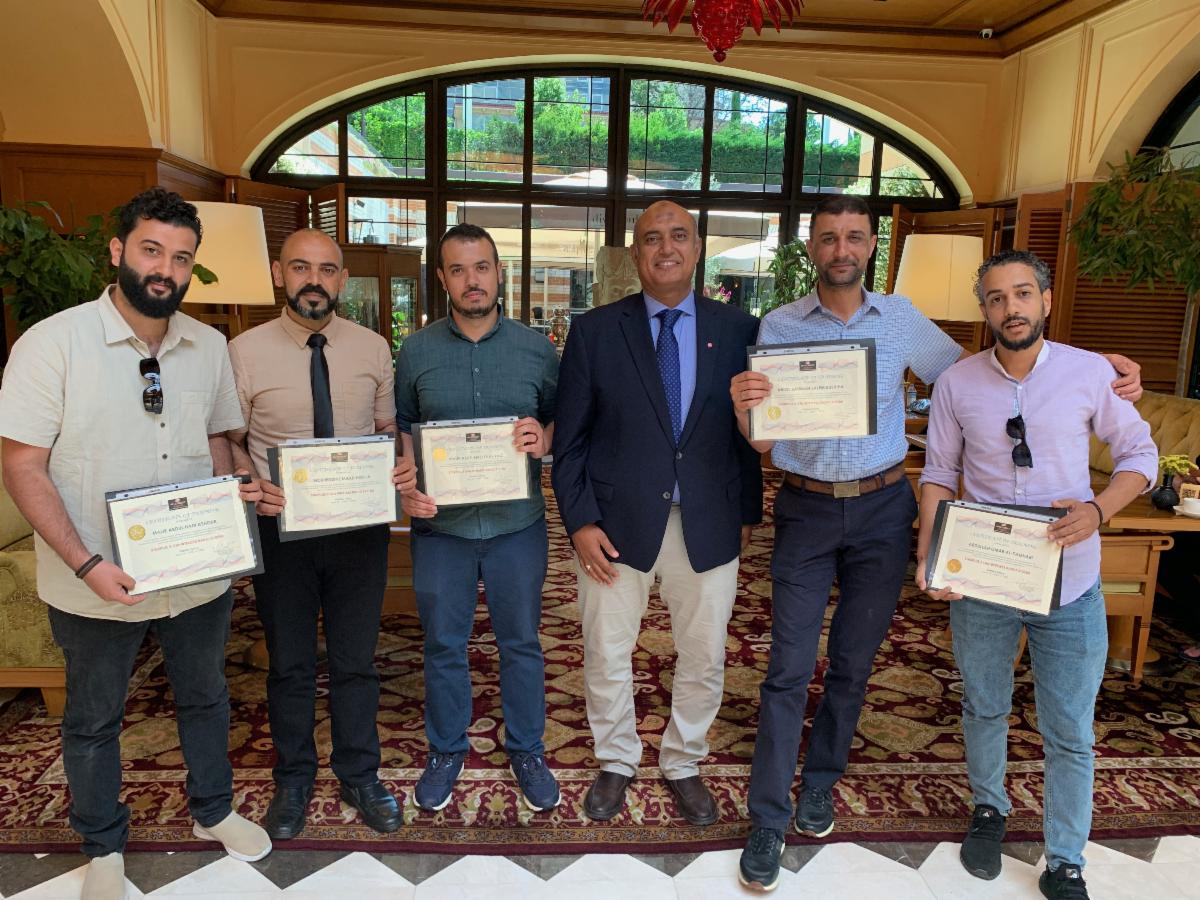
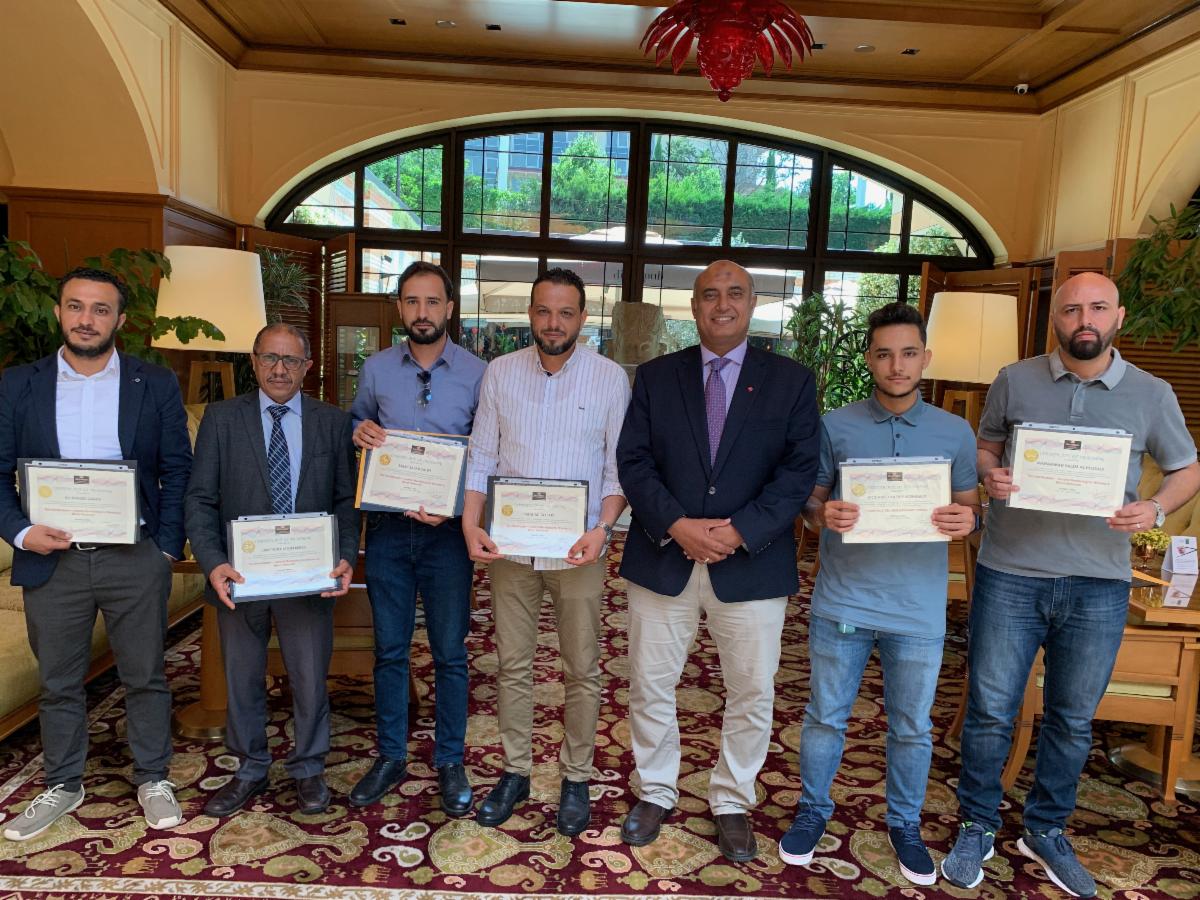
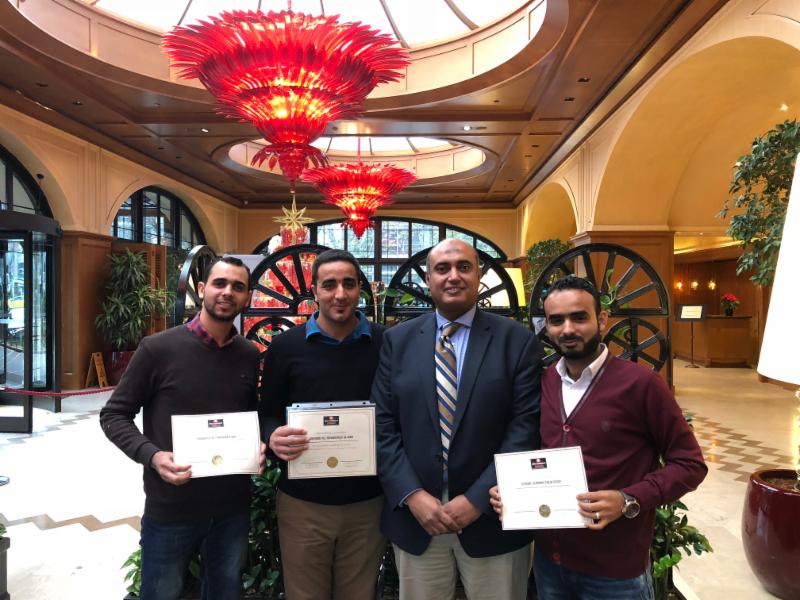
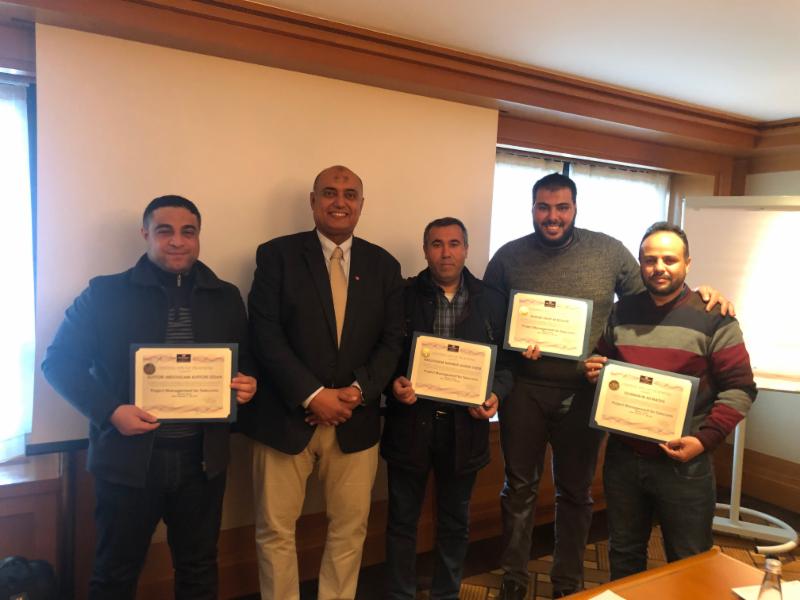
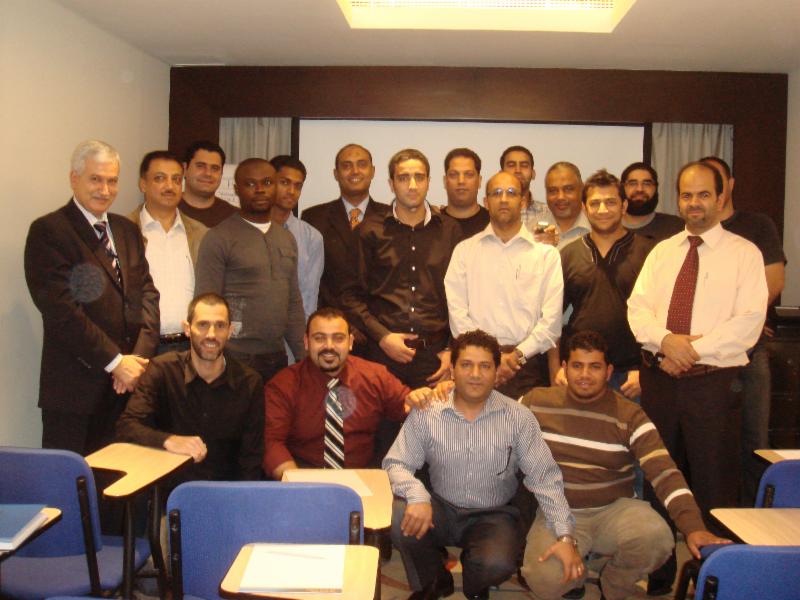
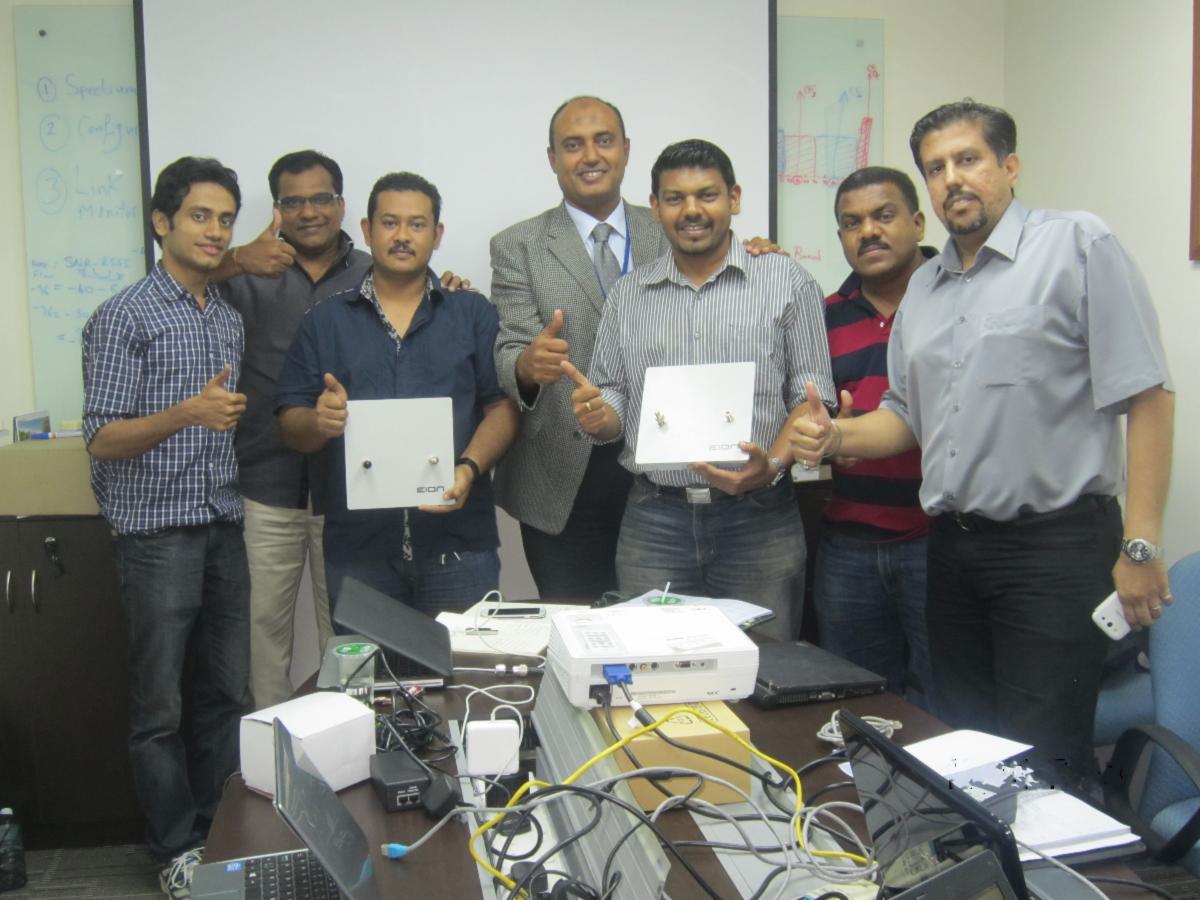
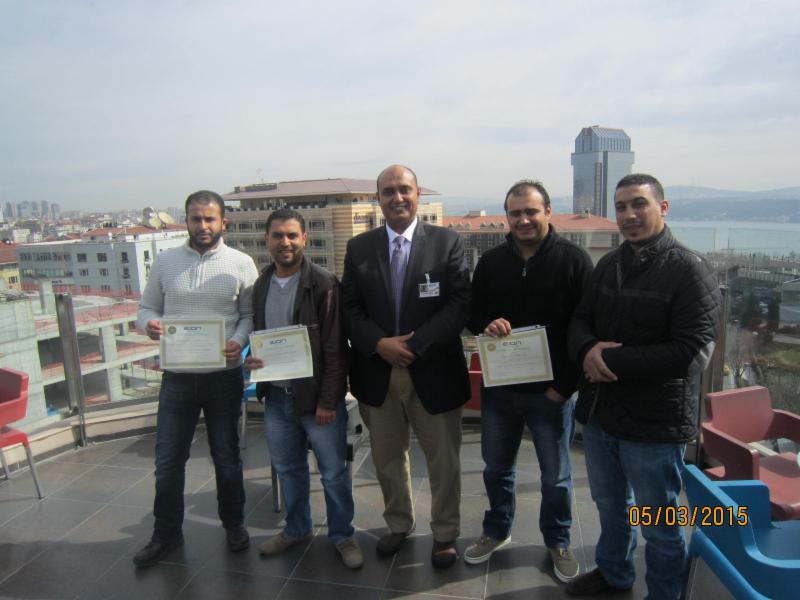
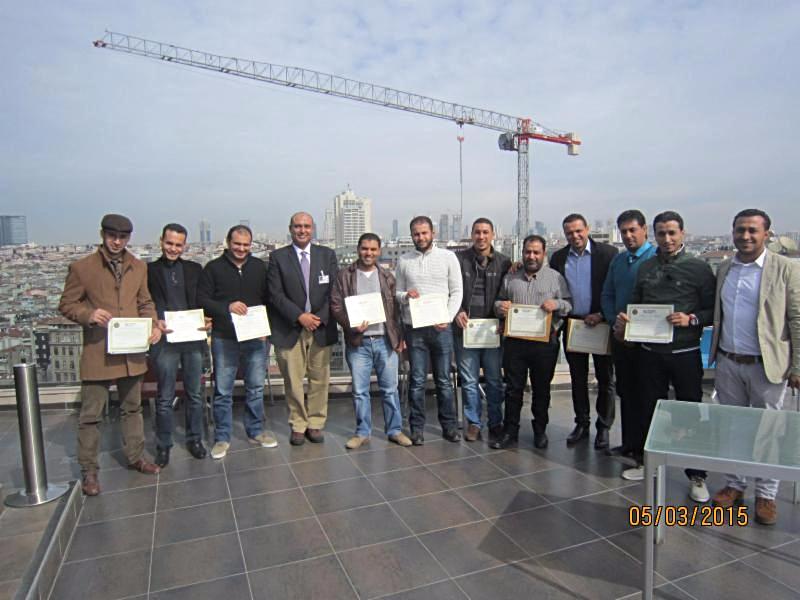
Snapshots from our Past Training Events | |
لقطات من برامجنا التدريبية السابقة | |
|
WH-CONSULT CANADA INC. | www.wh-consult.com
Waleed Hosny has a Ph.D. in wireless communication from 2004, followed by vast hands-on experience in the wireless telecom industry. Waleed had the privilege to contribute to building large-scale wireless networks using different technologies (5G / LTE / WiMAX / WiFi / FWA / mmWave) across different continents and geographies in the USA, Canada, Asia, Middle East, and Africa, with involvement in all phases of construction starting from design, planning, training, monitoring, testing, security, and documentation. His entrepreneurial spirit and teaching talent led him to train hundreds of engineers working in telecommunications worldwide.
Waleed is the CEO and Founder of WH-CONSULT CANADA INC. and an International Principal Telecom Consultant in Wireless RF Engineering, Performance, Security, and Operation.
Before 2013, Waleed worked as an International Senior ICT Consultant for many USAID & CIDA-funded Projects. Waleed is an active technical member of the IEEE Telecommunication Forum and WISPA Group and an International speaker at many Telecom Conferences and Events.
| | | | |