Founder's Note

June 2026

Brenna Brossard was 25 years old, healthy, and active when she died in her sleep during a seizure in 2022.


By that point, her family had spent over two dozen years inside the epilepsy care system. They first navigated it for Brenna's brother Nicholas, and later for Brenna herself. Across dozens of appointments with neurologists and specialists, no one ever said the word SUDEP. They learned the term by chance, a week after Brenna's funeral.


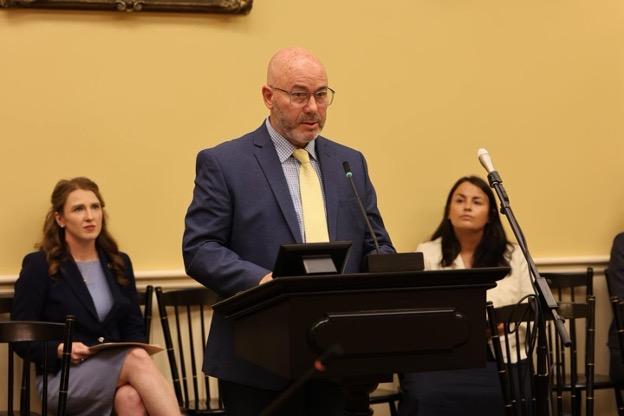
"You don't know what you don't know," Brenna's father, Lou Brossard, told an Ohio House committee last month. "You rely on the experts, the doctors, to inform you of any risks that you aren't aware of."


The Ohio House just took a meaningful step to close that gap in awareness and ensuring patients and families receive the information they need to stop SUDEP.


Earlier this month, the Ohio House passed House Bill 758, the Brenna Brossard SUDEP Awareness Act, by a vote of 83 to 5. The bill strengthens patient education about SUDEP, improves how cases are tracked and reported, supports first responders during seizure emergencies, and expands access to seizure detection devices. Lou's son Nicholas wears one of those devices today. It is the same kind of technology the family never knew existed when Brenna was alive.


The HarborPath Policy Council was proud to stand behind this bill alongside the families and advocates who refused to stay quiet. We are grateful to Representatives Gayle Manning and Bride Rose Sweeney for carrying it, and to Lou Brossard for his powerful testimony.


This is exactly the kind of common-sense legislation every state should be looking at right now. We see HB 758 as a model for the nation, and we hope the Ohio Senate will take it up and pass it when session resumes this fall.


-Ken Trogdon, President of HarborPath

Oklahoma Update: A Model Taking Shape

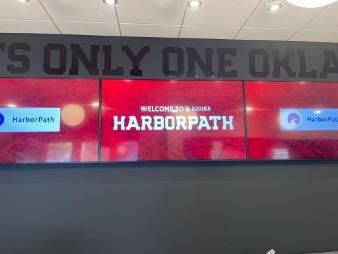
HarborPath president Ken Trogdon returned to Oklahoma to meet with University of Oklahoma leaders and the policy advocates who have spent years working to protect students from the fentanyl crisis. The trip came on the heels of Senate Bill 65, which was signed earlier this spring and expanded legal access to naloxone and emergency opioid reversal tools across the state, including in schools and universities.


That legal foundation is now powering the next phase of HarborPath's work on campus.


Through our partnership with OU and the five student-athlete ambassadors who lent their voices to the campaign this year, we are making sure students know that free naloxone is available at the OU Health Center and that they know how to use it. Peer-to-peer outreach, backed by clear state policy, is the formula that turns awareness into action.


Fentanyl is now the leading cause of death among young Americans. The pace of the crisis demands more states find this combination of legislation and on-the-ground partnership. Oklahoma is showing what that can look like.


Ken's Take 

When people ask what successful state-level advocacy looks like, I point to Oklahoma.


It is not just the legislation, though SB 65 is a meaningful piece of policy. And it is not just the campus work, though the OU partnership and our student-athlete ambassadors have made a real difference this year. It is the combination, with the right policy on the books, the right partners on the ground, and the right voices carrying the message.


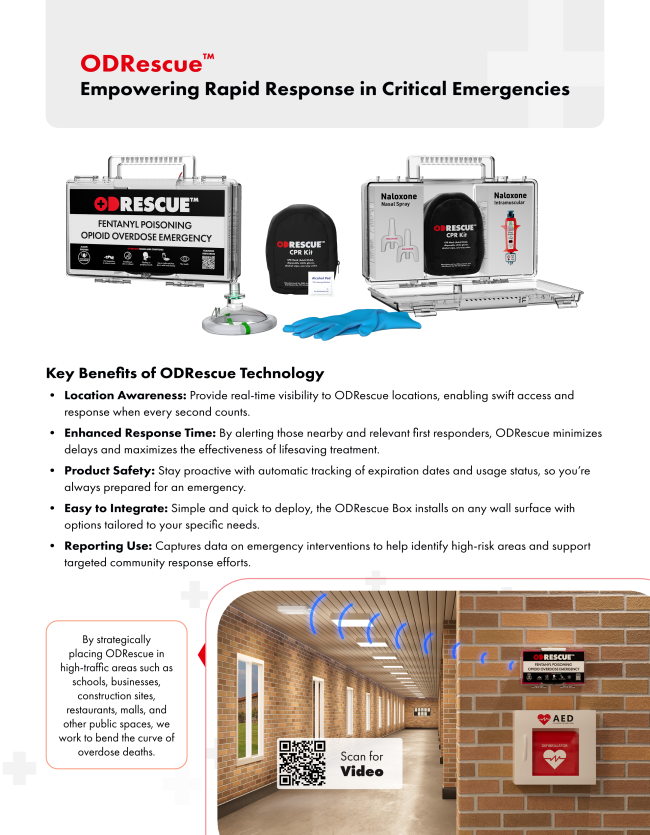
We hope to see this model replicated, state by state and campus by campus. This is done through smart policy at the state level, passionate partners on the university side, and the right tools such as the ODRescue Box and efficient naloxone distribution in tandem with FFF Enterprises. 

In The News

Help us make a difference by providing lifesaving drugs to those in need.

Follow HarborPath's Work on Social Media

LinkedIn  Web  X
 
X Share This Email
LinkedIn Share This Email