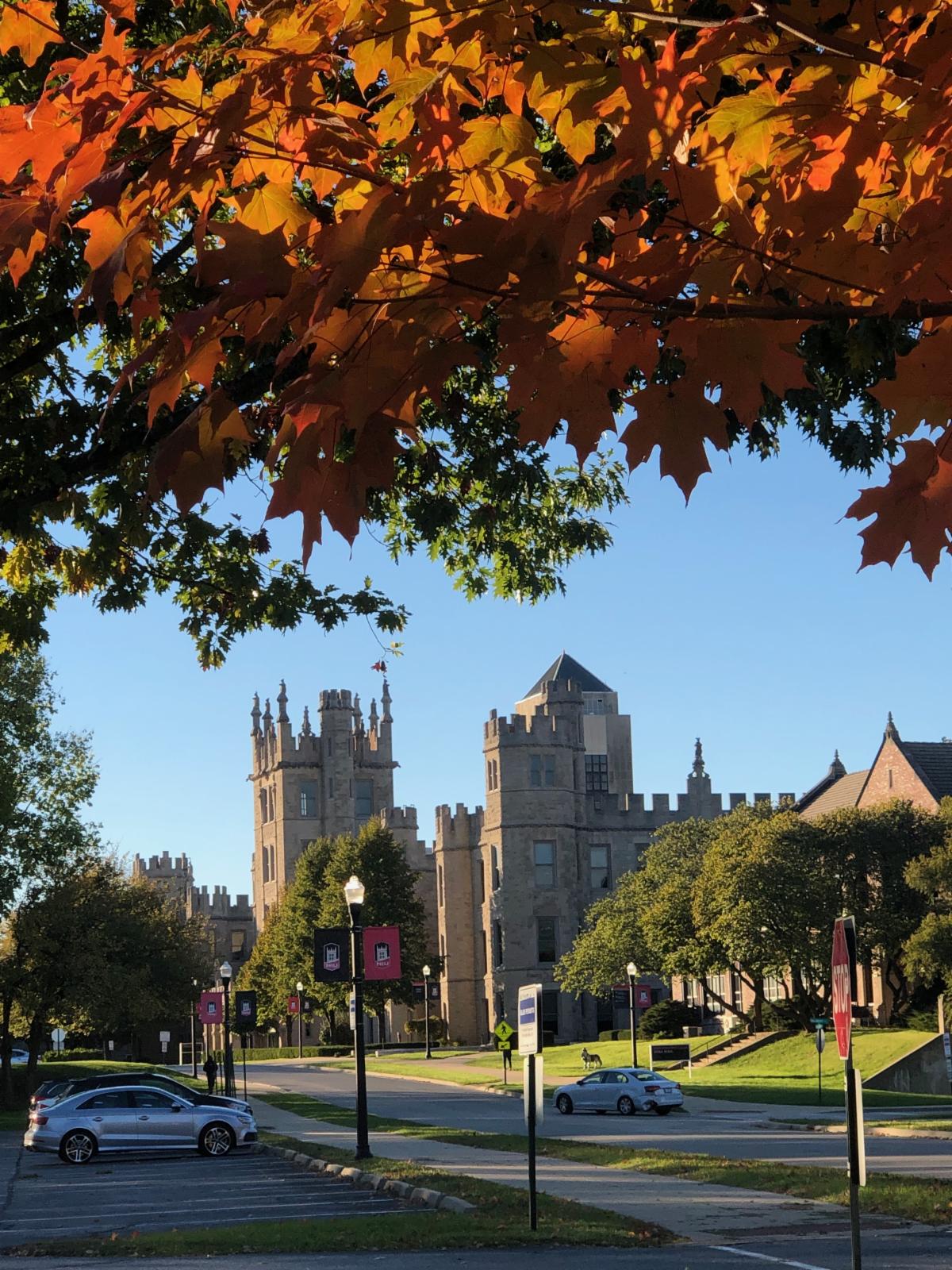
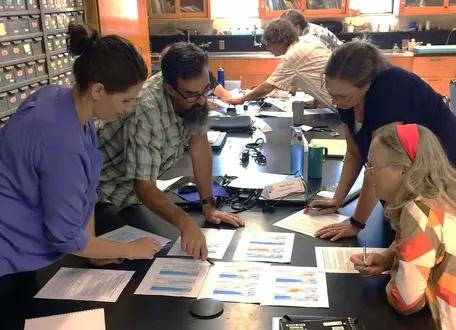
NIU Campus, Fall 2022. (Photo by C. Manning) | |
NAGT hopes your term starts strong, that your students are engaged, and your research is progressing well.
In this issue of NAGTNews, you'll find celebrations to look forward to, professional development opportunities, grants, research participation calls, curriculum development resources, PhD fellowships, and job openings.
Dig in and find new ways to fill your cup.
Send feedback to media-editor@nagt.org
| | |
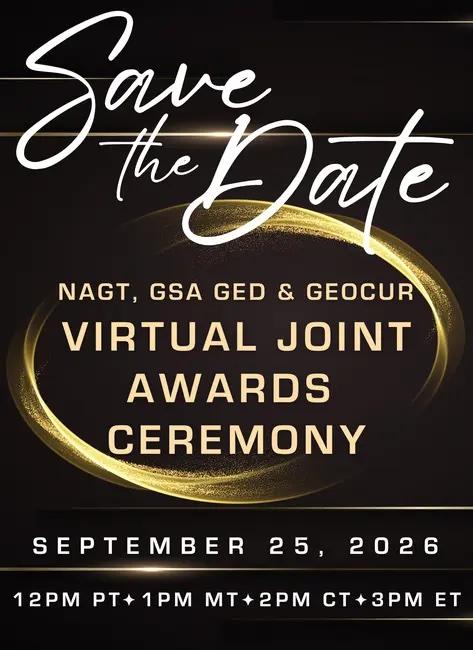
Virtual - September 25, 2026
12 PM PT / 1 PM MT / 2 CT / 3 ET
We would like to invite you to join us at the 2026 NAGT, GSA GER, & GeoCUR Virtual Joint Awards Ceremony, where we'll celebrate the incredible achievements of our awardees and welcome our new officers. This virtual event is open to everyone - please feel free to share the invite with your friends, family, and colleagues to join in the celebration! We look forward to seeing you there!
Location: A virtual Zoom link will be shared closer to the event.
| | | |
Denver, CO -- October 11-14, 2026
| | |
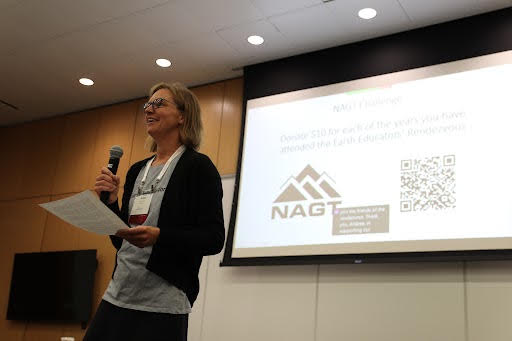
NAGT is excited to be participating in GSA Connects 2026. If you are planning to attend GSA Connects 2026 in Denver, be sure to stop by our booth, join us for an "NAGTea", and attend the NAGT-sponsored sessions.
Visit us at booth #801 in the exhibit hall. Contact Brianna Douglas at bdouglas@carleton.edu if you are interested in volunteering to staff the booth.
NAGTeas are informal gatherings focused on a variety of topics! Hot water, tea, and mugs will be available, or bring your own! Gatherings will happen at the table at the NAGT booth or adjacent tables in the exhibit hall.
NAGT is proud to endorse a robust lineup of topical sessions at the 2026 Annual Meeting.
Sunday, October 11
- T88. Geoscience Research Poster Showcase by 2YC and 4YCU Undergraduate Students
- T89. Iris Moreno Totten Research in Geoscience Education Session
Monday, October 12
- T101. The Astro-Geoheritage of the Solar System: Past Explorations and Future Considerations
- T86. Diversifying Geoscience Education Across the Academic Playing Field: Using Creative Methods to Foster the Current and Next Generations of Geoscience Professionals (Posters)
Tuesday, October 13
- T86. Diversifying Geoscience Education Across the Academic Playing Field: Using Creative Methods to Foster the Current and Next Generations of Geoscience Professionals (Part I)
- T92. Technology and tools for 3D visualization of field and lab data in teaching and research
- T167. Planetary Exploration and Education: How We Learn About Our Solar System and Beyond
- T86. Diversifying Geoscience Education Across the Academic Playing Field: Using Creative Methods to Foster the Current and Next Generations of Geoscience Professionals (Part II)
- T91. Making Sense of Methodologies and Theoretical Frameworks in Geoscience Education Research
- T92. Technology and tools for 3D visualization of field and lab data in teaching and research (Posters)
Wednesday, October 14
- T85. Developing and Assessing Workforce Skills in Geoscience Courses and Programs
GSA Connects is a fantastic way to engage with geoscientists worldwide, present your work, and participate in critical conversations that shape the future of the geosciences.
Member Discount
GSA and NAGT have collaborated to make attending GSA Connects more affordable. NAGT members are eligible to receive a 15% discount on registration for GSA Connects 2026. To receive your discount, enter the code CONNECTS26_NAGT when registering for the meeting. As this is a member benefit, we ask that you do not share this code with others.
| | |
Due September 15
The Geo2YC Division would like to support your efforts to promote geoscience education in two-year colleges. Towards this end, the Geo2YC Division will award mini-grants up to $500 to support an activity (workshop, field trip, etc.) that benefits faculty from multiple institutions. Travel grants of $100 to help individuals attend a professional development activity will also be awarded.
Applicants must be members of the Geo2YC Division of NAGT. The proposed activity must align with the goals of the Geo2YC Division, and if a mini-grant is awarded, the member must submit an article sharing their event to the Geo2YC "Foundations" newsletter. Preference will be given to members who have not previously received a Geo2YC grant.
| | |
NAGT is looking for a collaborative, strategic Executive Director (ED) to advance excellence in geoscience education and sustain a vibrant professional community.
The ED serves as NAGT's chief executive officer and public representative, working with elected leadership, contracted staff, volunteers, members, and partner organizations to advance the association's mission and long-term sustainability. NAGT is a member-driven nonprofit supported by a contracted Executive Office at the Science Education Resource Center (SERC), Carleton College, which provides services for NAGT operations, activities, programs, and leadership.
| | | | NAGT runs on volunteer power. Much of our work, from programs to policy, happens because members step up to serve on committees, and several committees are looking for new voices right now. Interested in shaping where NAGT goes next? Nominate yourself or a colleague, or learn more on our Get Involved in NAGT Leadership page. | | |
NAGT's donation website and donor portal have a fresh new home, powered by GiveCloud. Giving is now more streamlined than ever. You can set up recurring contributions, review past transactions, and download receipts, all in one place.
Thank you for supporting NAGT and Earth Education for All!
| | | |
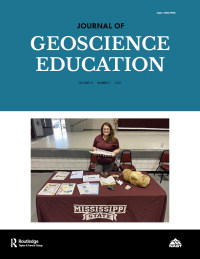
The Journal of Geoscience Education (JGE) is always looking for submissions related to learning and teaching in the geosciences and related domains.
|
September 2026 Featured Article
This month, the editors of JGE selected the article, Exploring the use of 3D-printed models, computer-aided designs, and 2D images in geoscience learning within a small-cohort introductory classroom by Jennifer Szukala, Sergey Ishutov, Seyma N. Yildirim-Erbasli, and Alex Taikh to be free for all to access. Congratulations authors!
| | Teach the Earth is a portal to thousands of resources from dozens of Earth Education websites. Managed by NAGT, this portal supports teaching and learning about the Earth by providing online resources for K-12 and higher education in the geosciences and related fields. Resources include classroom activities, course descriptions and syllabi, information about pedagogical strategies, topical collections, and more. |
September 2026 Featured Activity
Engage your students with the InTeGrate module, Introduction to the Geologic Timeline and Mass Extinctions by Rebecca Tweed. Students identify mass extinctions and the bias toward recent events.
| | Join us at the 2026 NAGT, GSA GER, & GeoCUR Virtual Joint Awards Ceremony to celebrate the incredible achievements of this year's awardees and welcome our new officers. | |
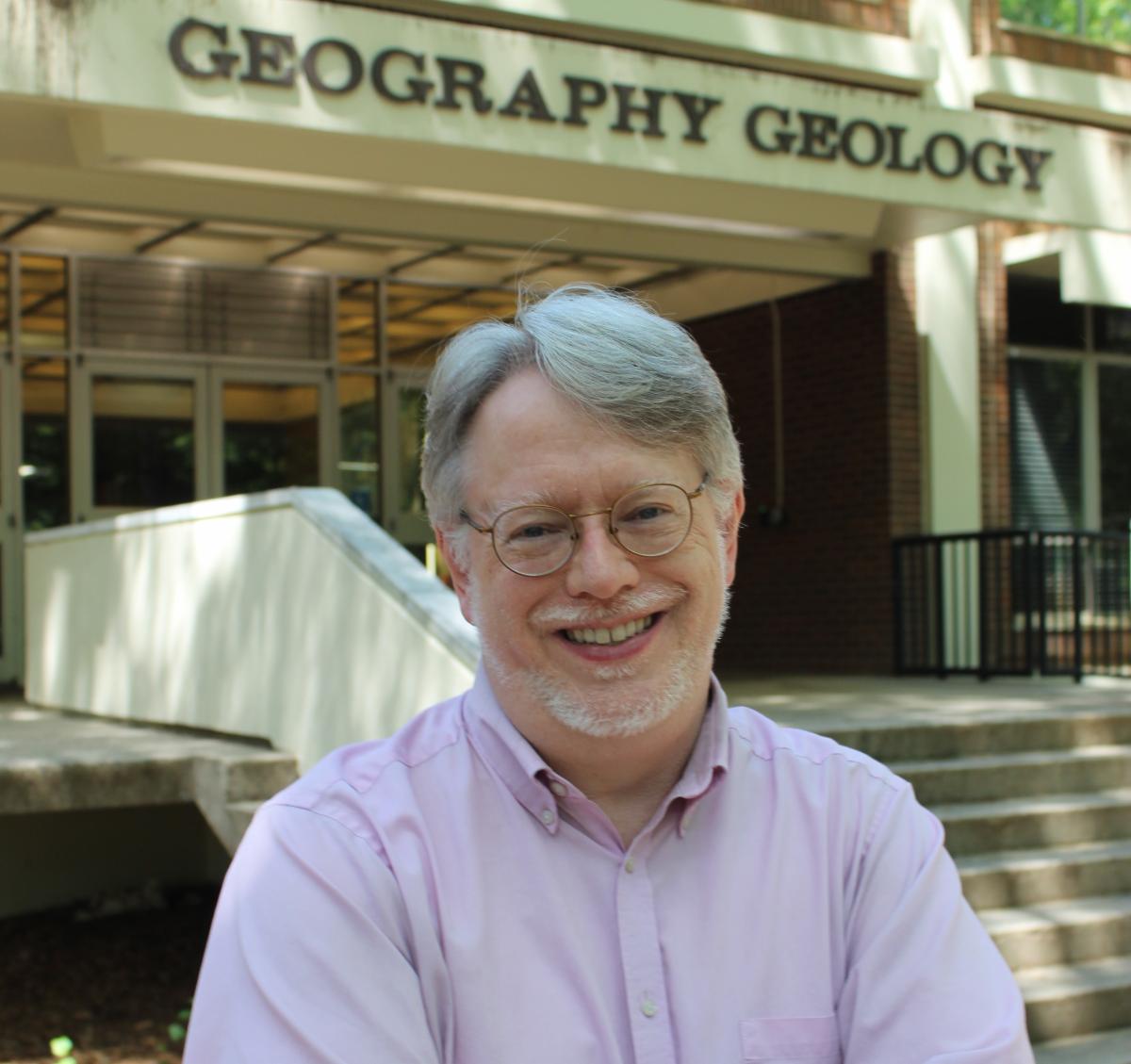
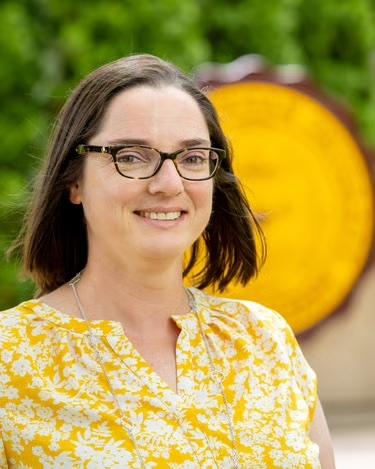
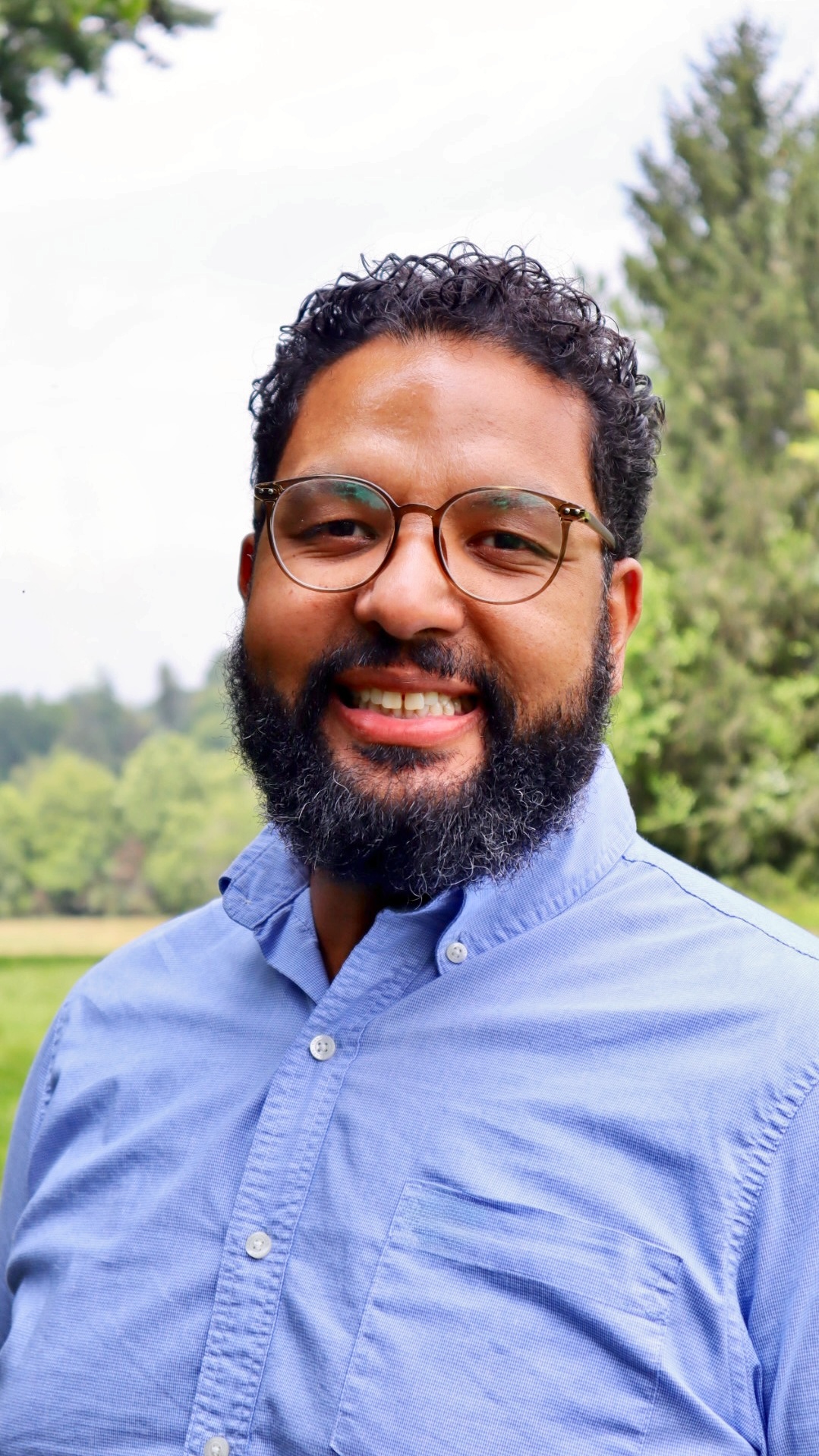
Dr. John A. Knox is the Josiah Meigs Distinguished Teaching Professor of Geography at the University of Georgia and Associate Director and Undergraduate Coordinator of UGA's Atmospheric Sciences Program. He earned a B.S. in mathematics from UAB (1988), where he was a Rhodes Scholarship finalist, and a Ph.D. in atmospheric sciences from the University of Wisconsin-Madison (1996) as an NSF Graduate Research Fellow, followed by a postdoctoral fellowship at Columbia/NASA Goddard. After teaching at Valparaiso University, he joined UGA in 2001, where he has taught roughly 8,000 students across 170 sections of 40 course titles and published 70 peer-reviewed articles. He received the National Weather Association's T. Theodore Fujita Research Achievement Award (2010) for clear-air turbulence forecasting research, was elected an AMS Fellow (2020), and has won 30 teaching, mentoring, and advising awards at levels ranging from departmental to national.
|
 | |
Dr. Wendy Robertson is an Associate Professor of Earth and Atmospheric Sciences at Central Michigan University, where she has been on faculty since 2014 and has served as Program Director for Environmental Science and Chairperson of the Department of Earth and Atmospheric Sciences. She earned her Ph.D. from the Jackson School of Geosciences at The University of Texas at Austin and brings over 20 years of experience as a hydrologist collaborating with communities and decision makers to improve access, quality, and resilience of water resources. Her research spans human-water-ecological systems, including the effects of Emerald Ash Borer-driven tree mortality on soil moisture and streams, the role of meteotsunamis in coastal wetland water budgets, and the use of unmanned drone technology to study spatial and temporal variation in river water quality. She is the designer of Hydrologic Cycle, an area-control card game developed to teach the global water cycle to students from grade school through university, published by Central Michigan University Press and funded through Kickstarter; her scholarship on the game's classroom impact has been published in the Journal of Geoscience Education.
| |
Dr. Ángel A. García Jr. is a Boricua geologist and Associate Professor of Geology and Environmental Science at James Madison University, where his interdisciplinary scholarship in ethnogeology, cave and karst science, and place-based education examines caves and karst landscapes as natural laboratories preserving hydrological, paleoclimatic, geochemical, archaeological, and cultural records. Holding degrees from the Universidad Ana G. Méndez (Puerto Rico), the University of Vermont, and Arizona State University, he collaborates across Puerto Rico, the Dominican Republic, Mexico, Brazil, and Virginia's Shenandoah Valley, integrating LiDAR-SLAM cave mapping, speleothem geochemistry, and archaeological partnerships. Since joining JMU in 2018, his community-engaged approach and commitment to mentoring undergraduate co-researchers have distinguished a program that broadens participation in the geosciences while strengthening connections between science, culture, and place.
| |
Recruiting geoscience majors: Student perceptions and a path forward by David Moss; Ross J. Guida, Renjie Zhou, Brian Cooper, John P. Harris, Joseph Hill, Bryn Benford, Christa Spears, Michael Solem, and Chase Young
| |
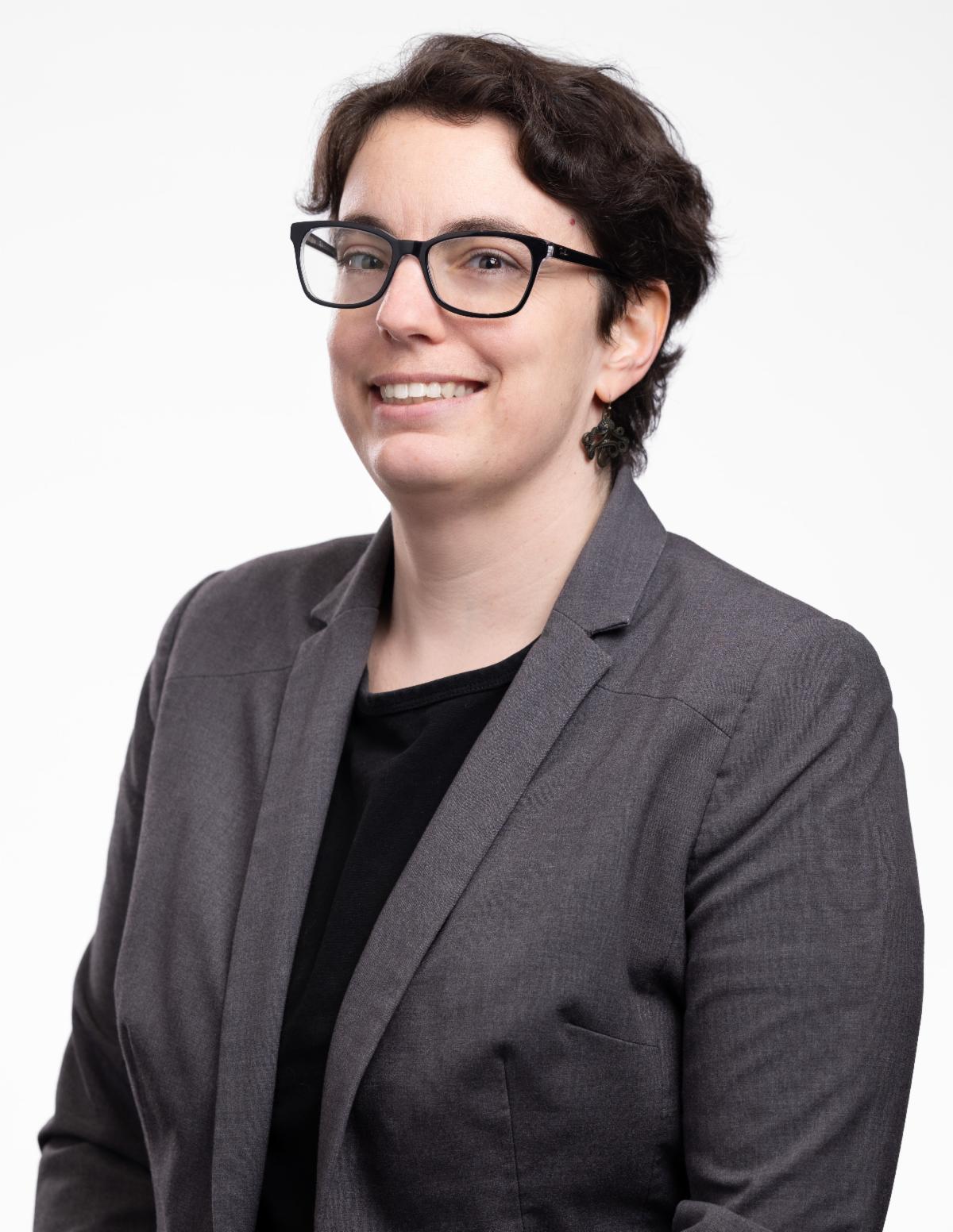
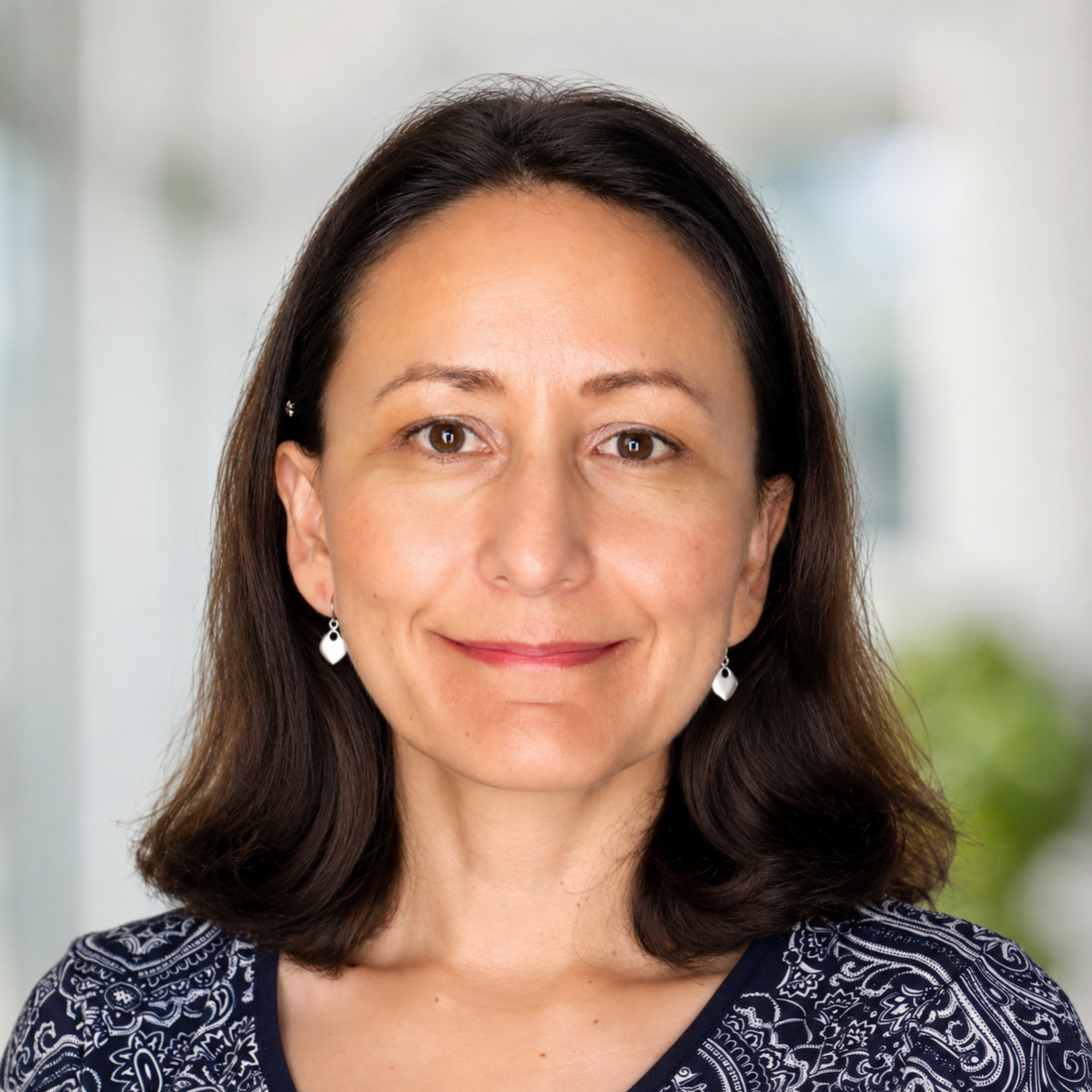
Dr. Taormina (Tara) Lepore (she/they) is a disabled, queer, and neurodivergent Assistant Professor whose science education equity research draws on qualitative, quantitative, and mixed methods, with particular strength in reflexive thematic analysis. Coming from a background in vertebrate paleontology, her current work focuses on investigating, building, and sustaining equitable science education environments, with a special interest in disabled and neurodivergent communities and equity in STEM. She has led national conference workshops and symposia on disability and neurodivergence for geoscientists, field biologists, and anthropologists, and serves on NAGT's Advocacy Committee and the Paleontological Society's Education & Outreach Committee.
| |
Dr. Silvia Jessica Mostacedo-Marasovic is a Postdoctoral Research Associate at the University of Texas at Arlington, where her interdisciplinary research bridges geoscience education, water resources, and environmental policy to investigate how students and educators learn about complex socio-environmental systems involving water, climate, and sustainability. She currently serves as Co-PI on an NSF-funded project examining undergraduate learning about water resources management through multiple-criteria decision-making and game theory, and her work also spans climate education, bilingual geoscience education, curriculum development, and faculty professional development. She contributes to the field through mentoring and as a Geoscience Education Research Working Group Leader within AGU's Education Section, where she co-organizes and facilitates the monthly AGU–NAGT GER Knowledge Exchange.
| | |
Section Winners
Bernardo de Castro, Northeastern
Courtney Deming, Eastern
Dustin Perez, South Central
Mary E. Slack, Rocky Mountain
Misti Newby, Pacific Northwest
Stephanie Ho, Far Western
Vida Cantieri, North Central
| |  | |
State/Province Winners
Andrew W Johnson, South Dakota
Angela Garcia, Texas
Courtney Deming, New York
Emily K Rose Seifferlein, Nebraska
Jason Plawa, Pennsylvania
Justin Fairchild, Kansas
Keith Berry, Colorado
Misti Newby, Idaho
Stephanie Ho, California
Tess Ingebrigtsen, Minnesota
Vida Cantieri, Illinois
Vryann James Sison, Montana
| | |
January Awardees
Annalee Chiaviello, South Carolina
Benny Thoms-Warzecha, South Carolina
Christopher Chalmers, California
Davy Young, Washington
Devina D Kalika, New York
Dongyi Guo, Ohio
J.D. Ross, South Carolina
Jessie McCraw, North Carolina
Makinna Denise Dulcich, California
Michael Park, Minnesota
Mysti Stotts, Tennessee
Olivia Rose Viskupic, Virginia
Rania Taib, New York
Victoria Concepcion, Arizona
| | | |
June Awardees
Kaitlin Farrell, New York
McKayla Meier, Florida
Karina Ramirez, California
| | |
2YC Educator Grant
Anne Teachout is a geology and oceanography professor at Grossmont College in El Cajon, California. Through hands-on and field-based learning experiences, her students connect classroom concepts to the natural world. Anne’s Fall 2026 sabbatical project focuses on developing a fully online Geologic History course featuring original instructional videos filmed at geologic sites in California, Norway, and Japan. She makes geoscience education more accessible and inspires curiosity about Earth’s dynamic processes through virtual field trips and interactive activities.
| | |
K-12 Educator Grant
Kim Jernigan has built an outstanding 27-year career in education, creating a legacy of mathematical excellence and mentorship, including 13 years in Rutherford County Schools and 14 years at Glenwood Elementary. While she has taught across grades 3-5, she found her niche in 5th-grade math, turning complex equations into accessible, engaging lessons. Her impact extends well beyond the classroom, as former students frequently reach out and stay in touch, a testament to the authentic, lasting connections she fosters.
| | |
October 6, 2026 1 - 2 PM ET / 12 - 1 PM CT / 11 AM - 12 PM MT / 10 - 11 AM PT
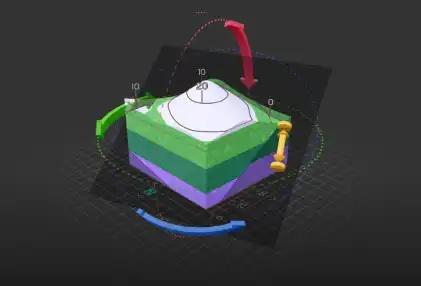
| Strengthen your geoscience students' 3D visualization skills using free, web-based applications from Visible Geology. Join our interactive webinar to explore new, peer-reviewed teaching activities for structural geology, sedimentology/stratigraphy, and field methods. | | | |
Virtual
October 22, 9-11:30 AM PT / 10-12:30 PM MT / 11-1:30 PM CT / 12-2:30 PM ET
October 29, 9-10:30 AM PT / 10-11:30 AM MT / 12-1:30 PM CT / 1-2:30 PM ET
| | | | |
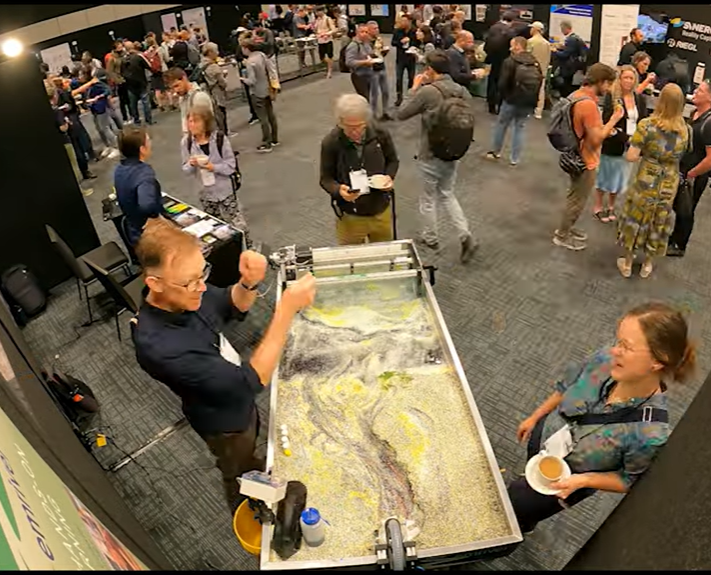
This 2-session virtual workshop on October 22 and 29 is sponsored by the Emriver Educational Resources project and will focus on helping educators develop ideas for teaching with flumes and stream tables into implementable teaching activities. Participants will develop an activity idea and receive peer feedback to refine it. Finished activities will be added to the Emriver Teaching Collection.
The workshop is free, but registration is required. Learn more about the workshop and register by October 18.
| | The Traveling Workshops Program (TWP) brings NAGT's professional development program to you, working with you to customize a workshop to meet your group's needs. The TWP has well-tested workshop sessions on adapting to change, (re)designing your courses and curriculum, inclusive mentoring, supporting all students, and more. Are you preparing for a program review or responding to feedback from one? Have you seen changes in the faculty in your department through new hires or retirements? Do you feel you could do a better job serving your students? We can help you! | | | Section & Division Highlights | | | | |
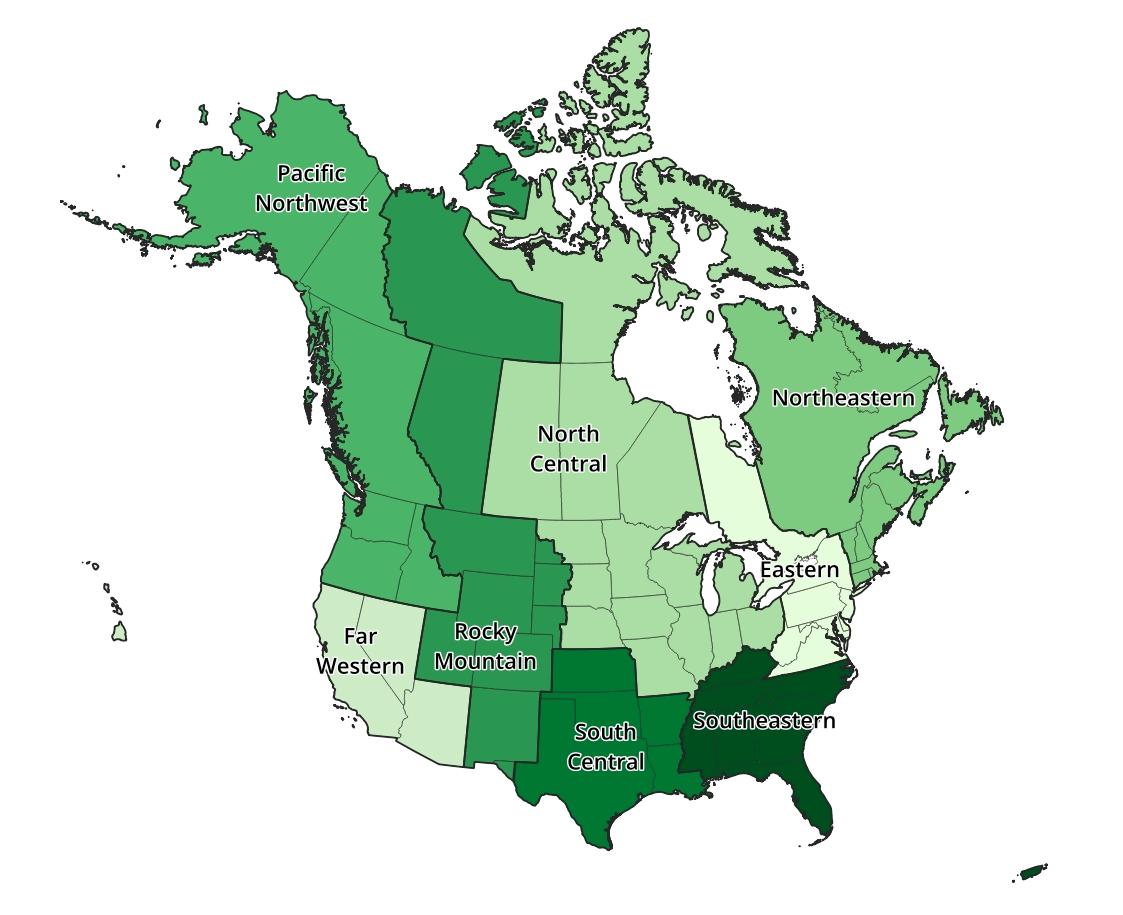
Connect with your section leadership today to be a part of grassroots efforts to elevate geoscience education. Check out the Regional Section web pages to learn more about your Section and efforts to engage and support geoscience education in your region.
If you are a Section Leader, you can reach your members through this newsletter!
| | |
NAGT Divisions bring together members who share a specific professional interest. Current Divisions include Geo2YC (Two-Year College Division), GER (Geoscience Education Research Division), and TED (Teacher Education Division). Each Division sets its own meeting schedule, retains its own dues, and holds a seat on the Association Council through its President, giving members both a focused community and a direct voice in NAGT's national governance.
If you are a Division Leader, you can reach your members through this newsletter!
| | | |
DEADLINE: September 30
The GSA Education Division is excited to invite your input on a potential new geoscience education initiative connected to Earth in Common, a GSA-led collaboration with the International Geological Congress (IGC). Earth in Common seeks to advance geoscience research, education, and public understanding of Earth systems across North America and the societies that depend upon them, with major gatherings in Montreal (GSA 2027), Calgary (IGC 2028), and Portland (GSA 2028).
As part of this effort, we are exploring the development of Teaching Geosciences Across North America, a collaborative collection of high-quality educational resources highlighting the geology, landscapes, Earth systems, and societal connections throughout North America.
We have developed a brief survey (5-10 minutes) to learn more about your interest in developing curriculum, reviewing resources, contributing regional expertise, as well as types of support that may be needed. The survey will remain open until September 30, 2026. We are in the ideation stage, so responding to the survey does not commit you to participating. Your feedback will help us determine whether there is sufficient interest to move forward and will help inform potential requests to GSA Council for stipends and other project support.
Please complete the survey here: https://forms.gle/kyebn9DVRPEFDkZRA. If you have questions about the project, contact Missy Eppes at meppes@charlotte.edu or Darryl Reano at Darryl.Reano@asu.edu.
| |
Attention! Do you teach mineralogy, petrology, structure, sedimentology, and/or stratigraphy?
DEADLINE: September 15, 2026
If yes, we would love to hear from you! We are investigating geoscience instructors' perspectives on analogies in upper-level geoscience courses. We are seeking faculty from R1s, R2s, and Primarily Undergraduate Institutions (PUIs).
For this study, we are asking geoscience instructors to complete a short 10-minute pre-interview survey. At the end of the pre-interview survey, you will be asked to provide your contact information to set up an approximately 60-minute virtual interview. We will ask how you use analogies in your classroom, your beliefs about analogy effectiveness, and barriers or challenges to using analogies for instruction.
You will be compensated with a $75 Amazon gift card after completing the pre-interview survey and the interview.
If you are interested in participating, please click the following link to access the pre-interview survey: Geoscience Instructor Perspectives on Analogies in the Classroom
Note: The pre-interview survey will be closed on September 15th, 2026, or once we have reached our goal of interview participants.
If you have any questions about this project, please contact Caden Rhoades (crhoades1@niu.edu), or Dr. Nicole LaDue (nladue@niu.edu) at Northern Illinois University.
| |
DEADLINE: September 18, 2026
- Are you an early- to mid-career geoscience faculty member?
- Are you employed at a 2-year college, 4-year undergraduate U.S. institution, or an under-resourced international institution?
- Do you need financial support to attend this year's AGU annual conference in San Francisco, California (December 7-11)?
If you answered "YES!" to these questions, apply for the AGU Faculty Travel Grant today! Awardees will receive a travel stipend and have opportunities to participate in special workshops and networking events.
Learn more at https://www.agu.org/Honors/ftg
| |
Denver, CO -- Sunday, October 11
Join the complimentary GSA Connects K–12 Educator Exchange! Connect with geoscientists and fellow educators, discover classroom resources and career pathways, attend a featured GeoCareers session, and earn 0.4 CEUs.
| |
Application Period - September 21 - October 12, 2026
The Science Foundation is excited to announce the "What Ifs..." funding competition. Win $10,000 for basic science projects grounded in curiosity and that will inspire and delight. Check out The Sci Fund Substack for details and how to get involved! Math, physics, chemistry, biology, earth science, and all interdisciplinary applications are welcome.
| |
DEADLINE: December 31, 2026
Do you have a Spatial Thinking manuscript you have been meaning to finish? Consider contributing to a Special Issue of the open-access journal Education Sciences (ISSN: 2227-7102) entitled "Enhancing Spatial Thinking and Visual Literacy in the Geosciences." Manuscripts that complement the existing papers in this special issue may be given a waiver of the publication fee.
For further details, contact Nicole LaDue (nladue@niu.edu), and please visit: Enhancing Spatial Thinking and Visual Literacy in the Geosciences.
| | |
The Centre for Educational Development (CED) is offering a fully funded PhD fellowship at Aarhus University.
The expected PhD-project will be embedded in a project focusing on the design, implementation, and evaluation of AI and immersive virtual/augmented/ extended (VR/AR/XR) environments to support learning of scientific concepts and practices at the university-level. The goal is to investigate how these cutting-edge educational technology spaces can foster embodied and epistemic engagement with scientific practices: helping students understand complex concepts and procedures in the short term, and developing deeper, longer-term epistemic capacities through hands-on, situated experiences. Technologies will be integrated into real classroom and laboratory settings, ensuring contextual relevance and pedagogical effectiveness.
As a PhD student, you will play a leading role in shaping and conducting this research, from co-designing GenAI or XR environments with instructors and students to analysing multimodal learning data and evaluating long-term learning outcomes. As part of the interdisciplinary Novo Nordisk Fonden national project housed at CED, you will work in collaboration with other PhD students and a postdoc, and will have ample opportunities to interact with a large network of researchers at Danish and international universities.
| | |
Looking to connect with a wide audience in the geoscience education community? Post your job openings, postdoctoral positions, internships, assistantships, or undergraduate research opportunities on the NAGT Career Hub!
Your posting will be featured on the NAGT Career Hub website, posted on NAGT's social media, and included in next month's NAGTNews newsletter!
| | |
The Department of Geosciences at Boise State University invites applications for a post-doctoral research fellow to calibrate rare-earth element (REE)–based thermobarometers for rock-forming minerals relevant to igneous and metamorphic processes. The Postdoctoral Research Fellow will work collaboratively with Professor Matthew J. Kohn and is funded for two years by a grant from the National Science Foundation (EAR 2547559).
| | |
The National Association of Geoscience Teachers (NAGT) seeks a collaborative and strategic Executive Director to lead the organization in advancing excellence in geoscience education and supporting a vibrant professional community. Review of applications begins January 4, 2027.
| | | | |