|
|
Because Digestive Health Matters
|
International Foundation for Gastrointestinal Disorders June 2020 eNewsletter
|
|
|
Greetings!
For those living with chronic gastrointestinal disorders, there are often more questions for individuals and family members than answers. You may find that you have questions like, what causes these conditions, why do my symptoms occur, what's the best treatment, and is there a cure.
It is through research that we can begin to answers these questions. Each new research finding is like a building block, creating a foundation of knowledge that brings us closer to a complete understanding of why these conditions occur, how to manage, and how to cure them.
We invite you to join us this month as we explore new research and ways that you can get involved.
|
|
|
|
The
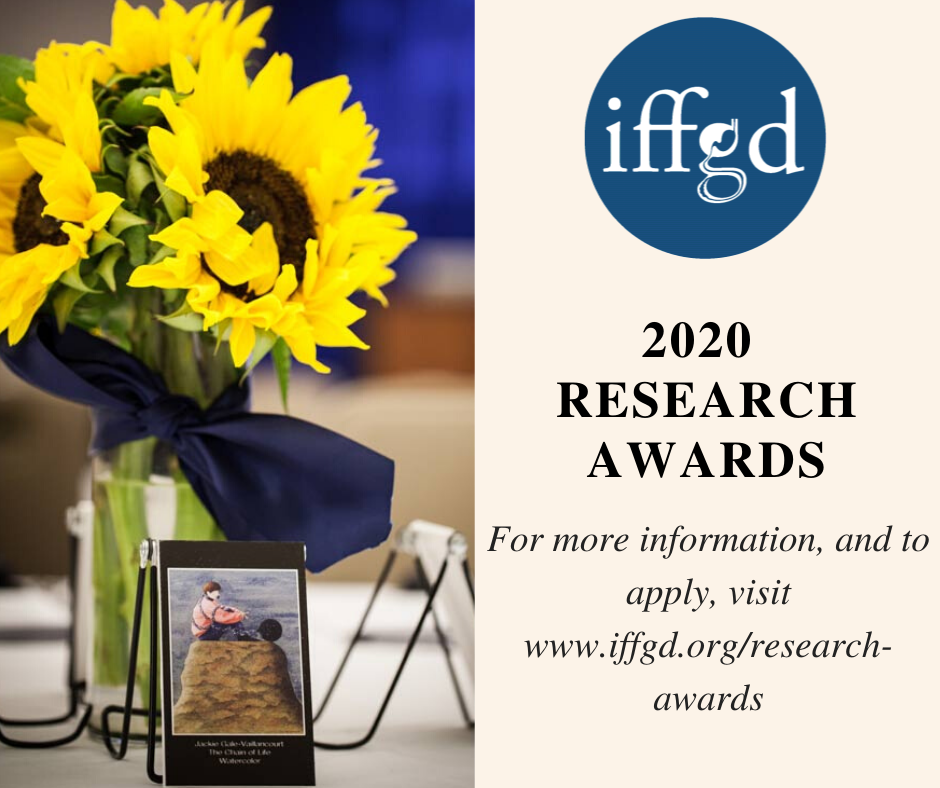
IFFGD Research Recognition Awards
were first established in 2003. These awards are to recognize and support the research accomplishments of young investigators, who are actively engaged in research to improve the understanding, and treatment of chronic GI disorders in adults and children.
The award recipients were selected by a committee of leaders in the medical and scientific community.
|
|
The winners of the 2020 IFFGD Research Recognition Awards are:
- Kyle Staller, MD. Massachusetts General Hospital and Harvard Medical School in Boston, Massachusetts, USA- Recipient of the 2020 award for Clinical Science Investigator.
- Christopher V. Almario, MD. Cedars-Sinai Medical center in Los Angeles, California, USA- Recipient of the 2020 award for Clinical Science Investigator.
- Maria Raffaella Barbaro, PHD. University of Bologna, Italy- Recipient of the 2020 award for Basic/Translational Science Investigator.
Click
here
to learn more about the IFFGD Research Awards.
|
|
We want your opinion!
IFFGD is conducting an online survey to learn more about patient portal availability.
The survey is 3-4 questions and will take less than 5 minutes. You can help us by sharing your opinion today.
Click the button below to access the survey.
|
|
As health information becomes increasingly available, more people are finding answers to their health questions online and through the media.
While these resources can give you access to the latest research studies, news on emerging treatments, and helpful health tips, they are also a common source for exaggerated cures, contradictions, and misleading information.
Click the button below to learn how to evaluate health information in the media and online.
|
|
|
|
Diet, Nutrition and Digestive Health: Finding the Balance in Food for Life
IFFGD along with the University of Michigan Gastrointestinal Department partner with the Food for Life Kitchen for a Norton Education Series event. This educational event will discuss how the foods we eat affect our bodies and overall health.
When:
Sunday, October 11, 2020 at 9:30 AM – 2:00 PM EDT
Where:
East Ann Arbor Health and Geriatrics Center
4260 Plymouth Road
Ann Arbor, MI 48109
Visit our event
page
or follow us on social media for the event updates.
|
IFFGD's 2020 Virtual Advocacy Event
IFFGD's 2020 Virtual Advocacy Day will be a web-based event held on July 26-27, 2020.
More details will come in the near future as we update the current event
page
.
|
|
|
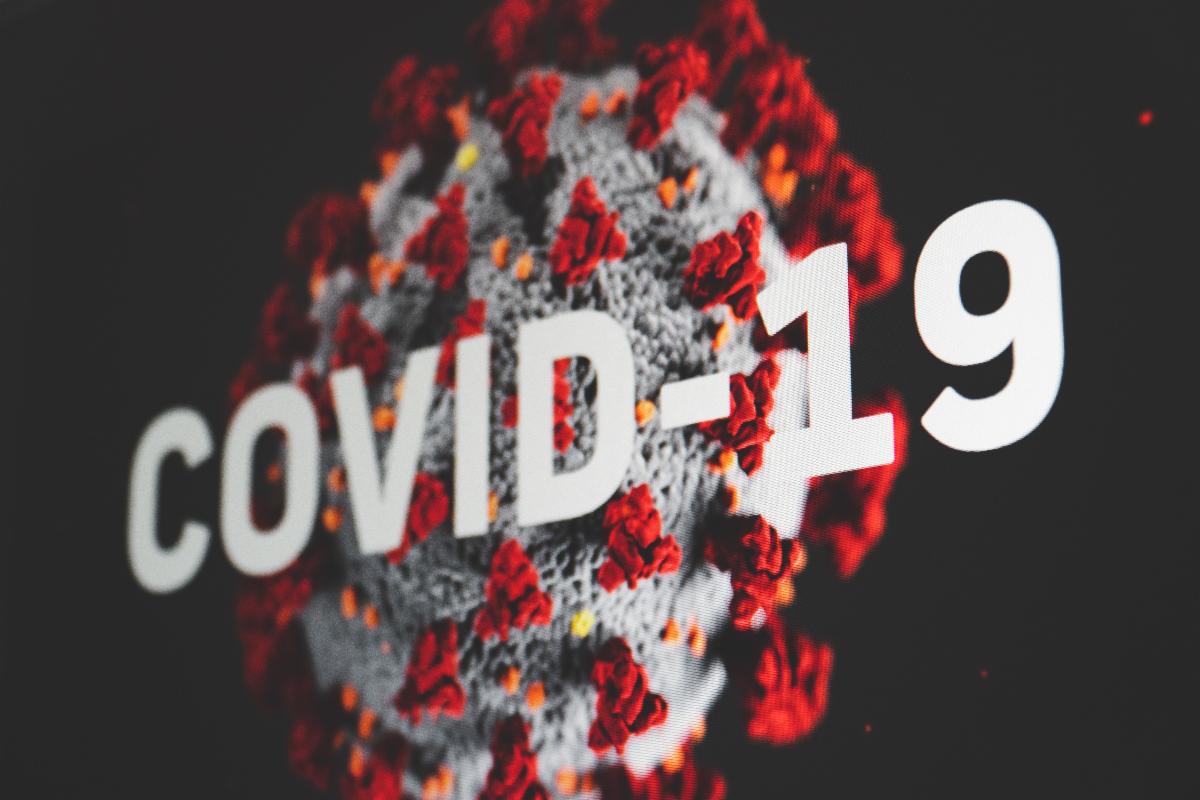
IFFGD is closely monitoring the coronavirus outbreak (also referred to as COVID-19 or SARS-CoV-2) and relevant legislation changes in response to this public health emergency.
Click the button below for COVID-19 legislative and IFFGD Industry Council updates.
|
|
Learning how to manage symptoms of a chronic GI condition successfully could mean becoming your own researcher.
You have to develop an understanding of your body and how it reacts to variables such as food, stress, and medications.
One way to do this is by keeping a symptom diary. Like a researcher, your notes and entries in a diary will reveal patterns in your symptoms and help you meet your individual needs.
Click the button below to download your symptom diary today.
|
|
Clinical trials and research studies help to improve our understanding of the underlying mechanisms of diseases and advance the development of new and better treatment options. By participating in a study, you can help further the advancement of research and learn more about your condition.
Here are 3 studies currently recruiting participants
:
|
|
IFFGD Advisory Board Member Dr. Douglas A. Drossman, M.D.
|
It is with great sadness and gratitude that the Board of Directors of IFFGD announces Dr. Douglas A. Drossman’s departure as Chair of the Advisory Board, effective June 2020. Over the years, Dr. Drossman has been instrumental in many new initiatives to improve the lives of those living with chronic gastrointestinal disorders. His inspiring leadership has left a lasting impression and legacy at IFFGD. While we will truly miss his passion for the patient community, we wish Dr. Drossman the best in his new endeavors. We thank Dr. Drossman for the years of dedicated service to growing our mission here at IFFGD.
Dr. Drossman received his M.D. degree at Albert Einstein College of Medicine and obtained his medical residency at the University of North Carolina School of Medicine and NYU – Bellevue Medical Center. He subspecialized in psychosocial (psychosomatic) medicine at the University of Rochester School of Medicine and in Gastroenterology at the University of North Carolina.
|
|
|
In 2012, Dr. Drossman founded the Drossman Center for the Education and Practice of Integrated, LLC care as an entity to help train physicians in relationship-centered biopsychosocial care with an emphasis on communication skills and enhancing the patient-doctor relationship. Some focus is on the care of difficult to diagnose and manage patients with functional gastrointestinal disorders such as IBS.
|
|
Dr. Drossman’s research relates to the clinical, epidemiological, psychosocial, and treatment aspects of gastrointestinal disorders. He has developed and validated several assessment measures (e.g., illness severity and quality of life questionnaires for IBD and IBS, and an abuse severity scale) for clinical research, is involved in psychosocial outcomes research, and has also studied brain imaging in IBS and abuse.
To read Dr. Drossman's complete bio click
here.
|
|
IFFGD is a nonprofit organization. We rely on donor support to fund research and to provide reliable information and support to those affected by chronic gastrointestinal disorders.
|
|
|
|
|
|
|