Newsletter

A SKI Landscape Publication

Fall, 2024

Combating drought stress to plants, trees, and grass

by Denise Whitney and Ann Wolski


Even though we saw a deluge of rain showers recently, it had been an abnormally dry September and plants are stressing from a lack of water. After a couple of years in a row, the lack of water is adding up to create even more problems for plants, trees, and grass.

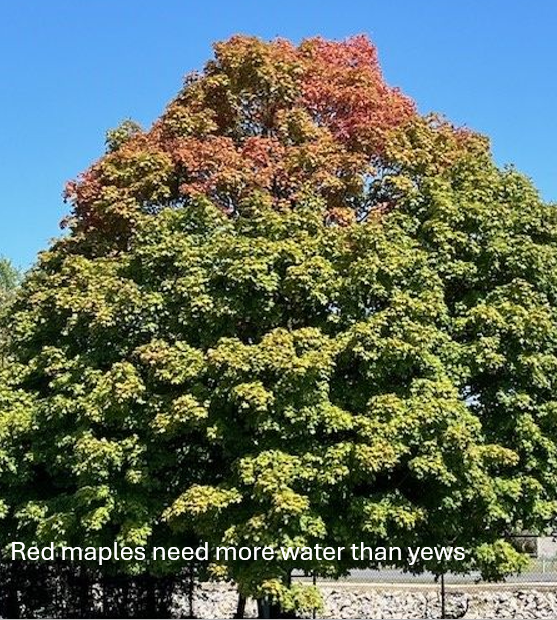
Deciduous plants such as maples, sweetgum, and oaks, show water stress by dropping leaves, turning colors early, or dying from the top down. 

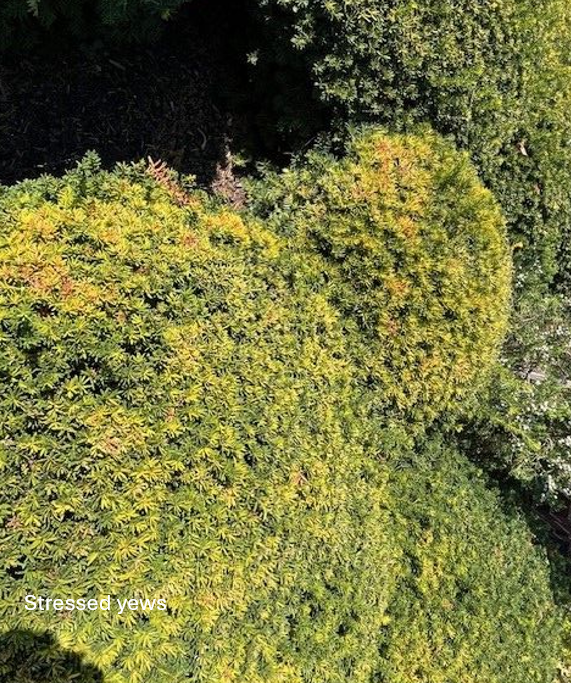
Evergreens are especially affected by drought. One day they are green and healthy, the next day they are dead.


Drought conditions can severely affect the health of a lawn. Signs of drought include discoloration, blade curling and wilting, thinning and patchiness, slow or no grass growth, weed growth, dry crunchy grass, visible footprints on the lawn, and cracked soil.


Stressed plants are more susceptible to insects, diseases and other traumas like heat. They will not thrive. With this year being so hot and dry, foliage is extra stressed. Watering now is the best way to help them out. Knowing the plant’s characteristics, hopefully, ensures that they will be watered properly. Watering needs to be done so that it reaches the root ball on new plants. Feeder roots are usually in the top 18” of soil. Plants that like moist soils will need more than plants that like well-drained soils. Over watering is just as bad as no water!


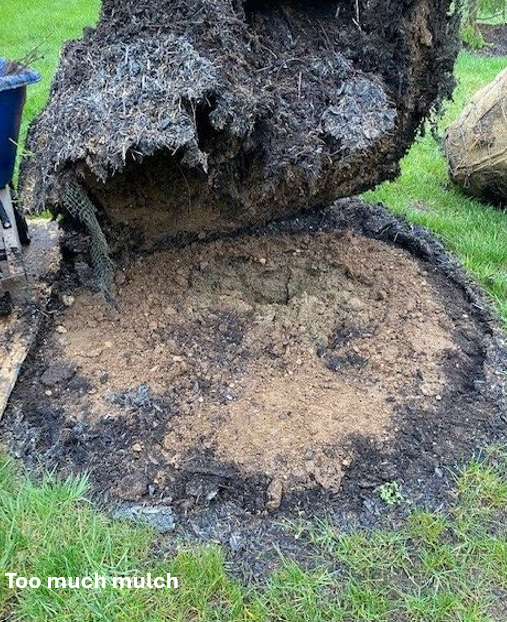
Right now, all plants need water. Water enough to go through the turf and mulch to reach the roots. Water at the drip edge of the plants where the feeder roots are. The drip edge is the area at the ends of the branches. Do not forget to water under the plant to ensure good coverage.


Evergreens are especially at risk of losing moisture as they constantly transpire throughout the winter. While deciduous plants drop their leaves, evergreens do not drop their needles, so they are always losing moisture. Evergreens are also likely to suffer winter burn if they are too dry. Evergreens can be watered throughout the winter months if the ground is not frozen. Evergreens should be mulched by applying mulch rings around the tree. The rings should be at least 3 feet in diameter and 2-3 inches deep. Leave a 2-3 inches space between the base of the trunk and the inner mulch ring. Trees need to breathe.

If turfgrass is not growing due to drought conditions, the lawn should be mowed less frequently. Never cut more than the top 1/3 of the grass and leave the clippings on the lawn to return vital moisture and nutrition to the soil. Allow the grass to go a bit brown, irrigating as needed which is preferable. No need to water to saturation and trying to keep a perfectly green lawn. One inch of water a week will keep the grass from going dormant.


Even with the rain remnants of Hurricane Helene, Indiana is still in a state of dryness. Significant precipitation is not predicted for the near future, making proper watering techniques and overall correct plant care essential.

SKI Around Town

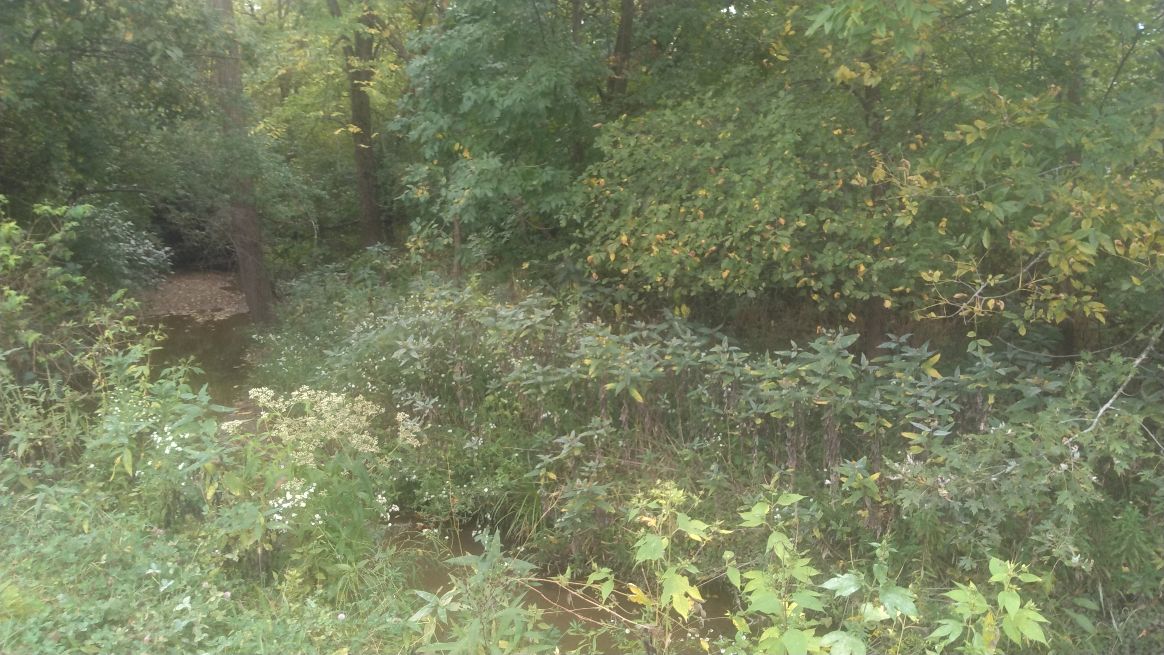
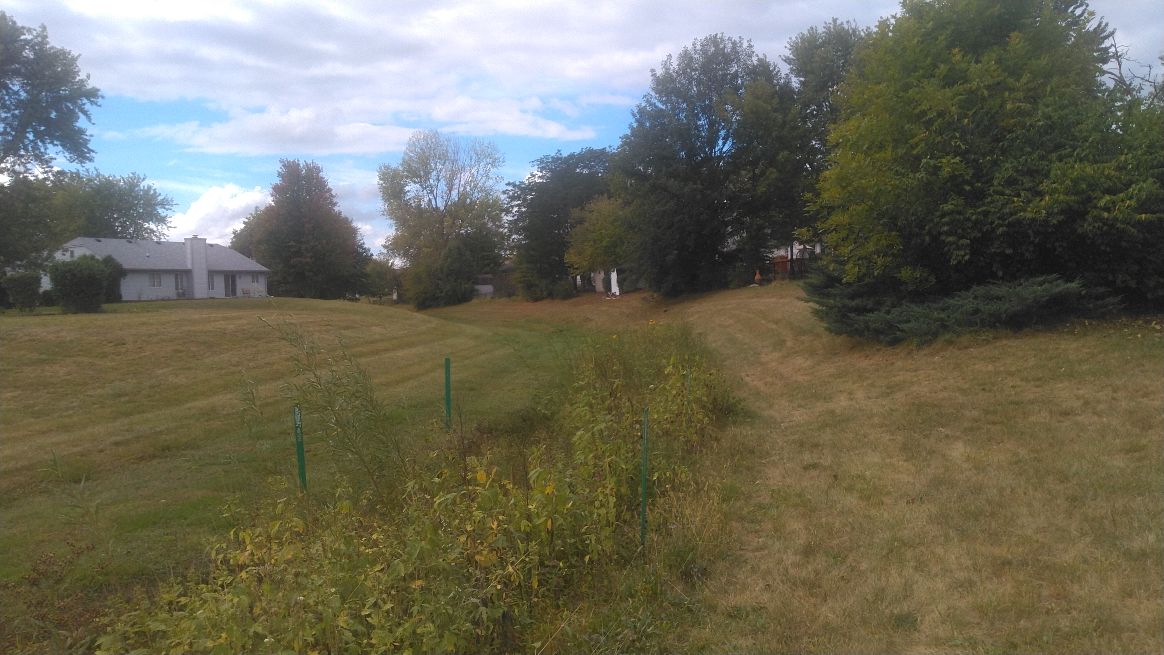
We do clean up! Before pictures at Park Valley Estates

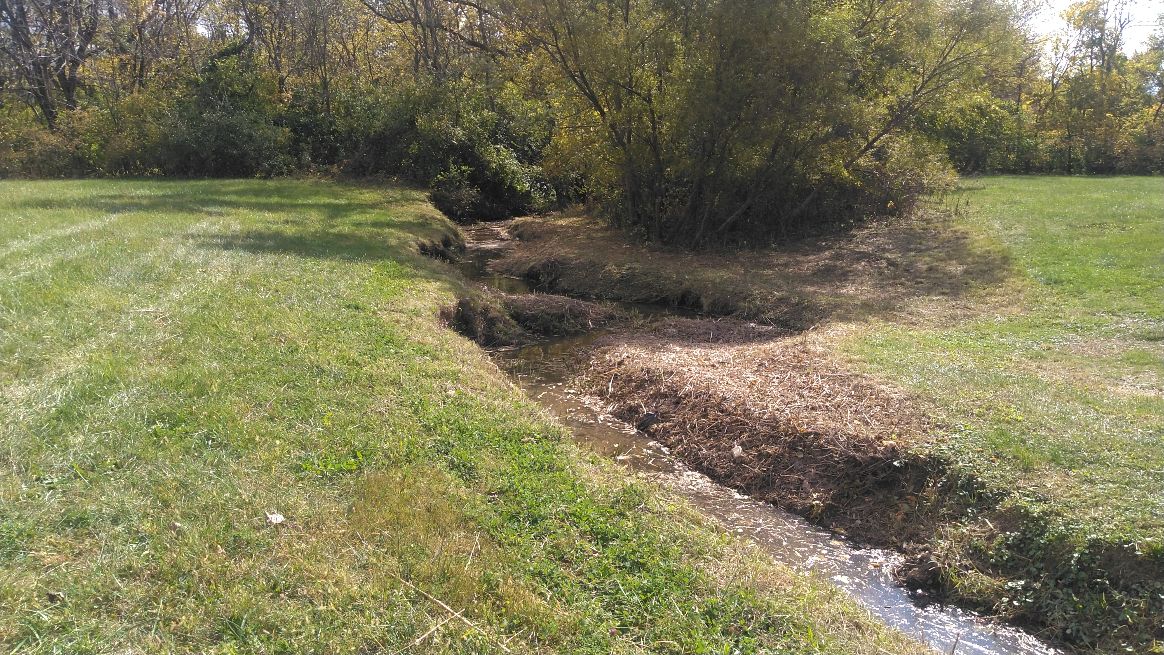
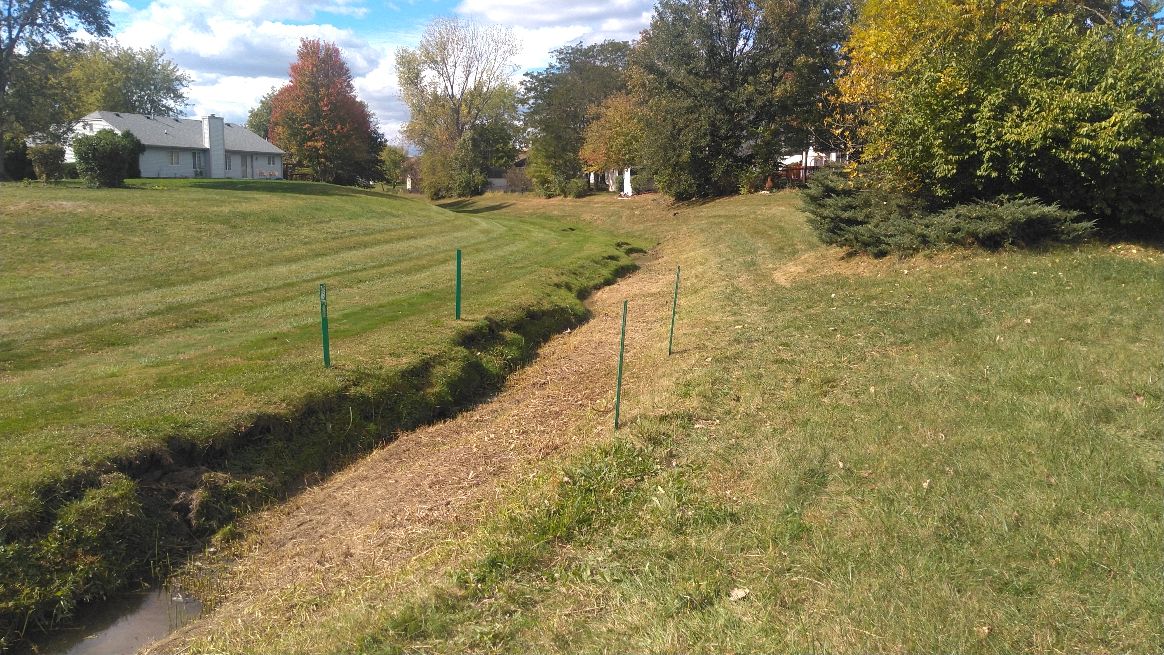
Park Valley Estates after cutting vegetation around creek banks, trimming, clearing debris for a beautiful new look!

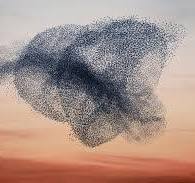
It’s bird! It’s a plane! No, it’s a murmuration?

Murmuration is an incredible natural phenomenon which you may have seen but did not know what it was called. When looking at the sky, particularly at sunset during the winter months, you may notice thousands of starlings all flying together in a whirling, ever-changing pattern. These birds fly in one huge mass that twists, turns, and quickly changes directions. This amazing sight is called “murmuration” and is named after the low, deep murmuring sound made by the flapping wings of a group of starlings in flight. Starlings are the only bird species that has been found to perform this synchronized sky art.

Starlings murmurate for a variety of reasons. One theory is that spending the nights together keeps the starlings warmer as they share body heat.


Staying close together in a flying pack consisting of 500-100,000 starlings, serves to protect them against predators such as hawks or falcons who have a tough time targeting a single bird among the flock.


Murmuring allows the birds to communicate, exchange information and gather all their family members together.


How starlings murmurate remains a mystery but researchers have found that all starlings obey a few flight rules:


1.   Watch your seven nearest neighbors. Since there is no leader its important that all starlings stay united through different escape patterns, each bird tracks and mimics the behavior of its seven neighbors. This keeps the murmuration from falling apart into a chaotic mess. And they do all this while flying up to 50 mph.


2.   Fly toward each other but do not crowd. Always move to the center.


3.   If any of your neighbors turn, turn with them—do not collide!      


Biologists, mathematicians, physicists, computer scientists and engineers are working together to figure out the secrets of how these starlings create such a beautiful aerial ballet. This research may have practical applications like helping develop autonomous vehicles that can travel in tight formation and work in coordinated groups without colliding.


Blog


November SKI Tips, 2024


Honoring Veteran's on November 11


Leaf Strategy


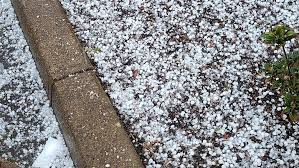
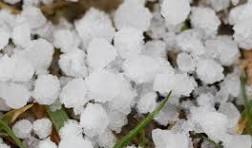
Hail, sleet or graupel?

As winter months head our way, we can visualize the hail and sleet. But what’s this stuff called graupel? Graupel, or soft hail, is defined as snow that melts and becomes supercooled as it falls through a warm surface and forms ice pellets. Graupel is fragile, soft, oblong crystals and falls in place of snowflakes in a wintry mix.


While falling hail can be dangerous and destructive, graupel is mostly harmless. Both can, however, create wet and slippery conditions on pavement. Graupel showers can be snowy for a brief time but usually melt after a few minutes.

Office Hours

Monday - Friday

8:00 a.m. - 4:00 p.m.


(317) 897-5885


Products Office Hours

Monday - Friday

8:00 a.m. - 4:00 p.m.


(317) 757-5000

 
Facebook  Youtube  Instagram  
 
SKI Landscape Corporation | 317.897-5885 | www.skilandscape.com