NOVEMBER 2, 2026

PLEASE SUPPORT THIS NEWSLETTER

Election Day Is Almost Here — Every Vote Matters!


Tuesday, November 3, 2026, is Election Day in Arizona. If you have not already returned your early ballot or voted in person, please make time to cast your ballot.


For months, we have listened to candidates, watched debates, read campaign materials, and heard plenty of political promises. Now it is time for voters to make their voices heard.

We can attend rallies, put signs in our yards, share articles on social media, and talk politics with our friends and neighbors. But none of those activities replaces the one thing that ultimately matters on Election Day: casting your vote.


Every election, we hear people say their one vote doesn't matter. But elections are decided by the voters who actually participate, not by the number of people who express opinions on Facebook or complain about the direction of our government.


Whether you are concerned about education, public safety, taxes, economic development, energy policy, or the future of Arizona, your ballot gives you an opportunity to help shape those decisions.

Still Have Your Early Ballot?

If your early ballot is sitting on your kitchen counter, do not put it in the mail now. Instead, take it to an authorized ballot drop box or voting location by the Election Day deadline.


You can also vote in person on Election Day. Check your county election office for voting locations, identification requirements, and hours before heading out.

Don't Sit This One Out

I have spent years encouraging people to become involved in their communities, attend public meetings, ask questions, and hold elected officials accountable. But one of the most important ways to participate in our government is also one of the simplest: vote.


We are fortunate to live in a country where citizens have the opportunity to choose their representatives. That right should never be taken for granted.


Tomorrow is Election Day. Make a plan, cast your ballot, and make your voice heard.

The future of Arizona will be shaped by those who show up and participate.


Every vote matters. Make yours count!

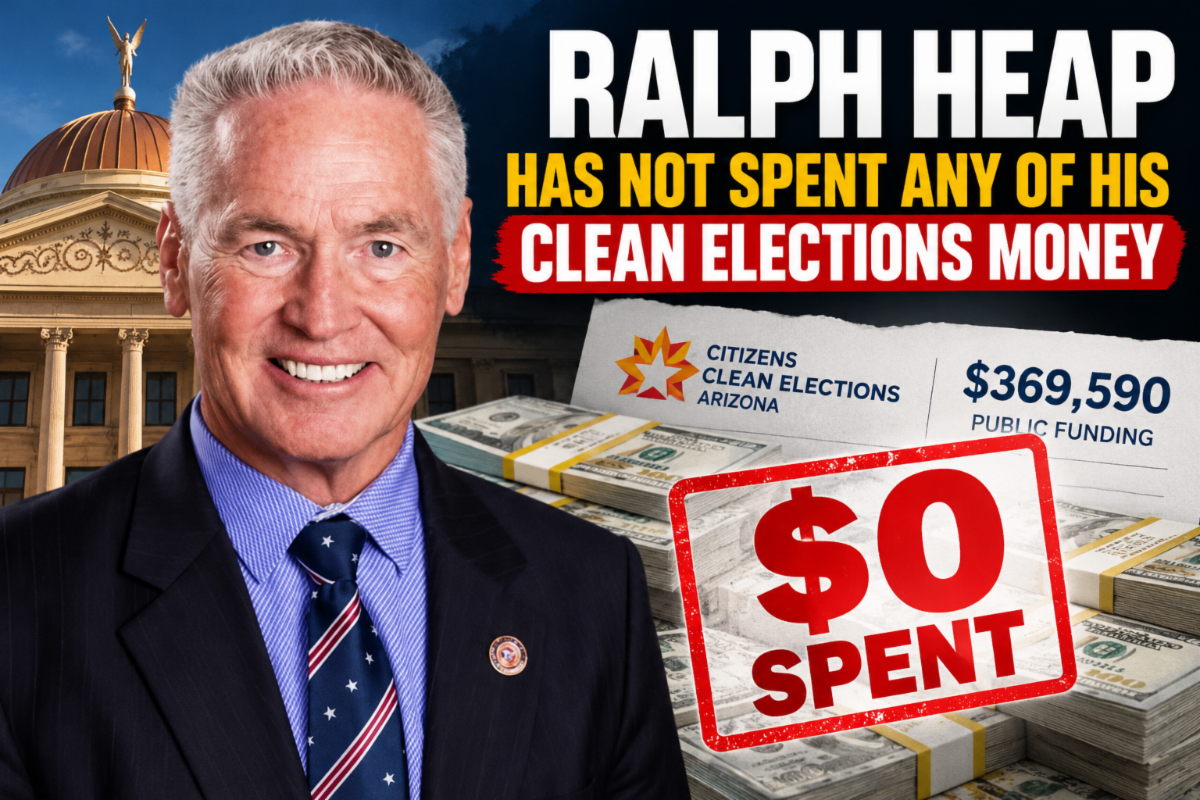
Ralph Heap Has Nearly $370,000 in Clean Elections Funding — So Why Hasn't He Spent It?


With Election Day approaching, questions continue to surround the Republican candidate for the Arizona Corporation Commission.


Election Day is November 3, and candidates across Arizona are making their final push to reach voters. Campaign signs are everywhere, political advertisements fill our televisions and mailboxes, and candidates are spending money to get their messages out.


But one candidate appears to be taking a very different approach.


Republican Ralph Heap, who is running for the Arizona Corporation Commission, qualified for nearly $370,000 in taxpayer-funded campaign money through Arizona's Citizens Clean Elections program. Yet according to statements made by his attorney in September, Heap had not spent any of that public funding.


That raises an obvious question: Why would a candidate qualify for hundreds of thousands of dollars to run a statewide campaign and then not use the money?

How Did We Get Here?

Earlier this year, I filed a complaint with the Arizona Citizens Clean Elections Commission after noticing hundreds of Ralph Heap campaign signs appearing throughout the Valley.


I began looking at his campaign finance reports and discovered something that did not make sense. Despite the numerous signs, Heap had reported spending only $644.47 on campaign signage.


Anyone who has ever run for office knows campaign signs are expensive. Printing, stakes, installation and distribution all cost money.


So I asked a simple question: Who paid for these signs?


The Clean Elections Commission subsequently determined there was reason to believe Heap may have violated campaign finance laws and voted unanimously to proceed with an investigation. That determination was not a final finding of wrongdoing. Heap's attorney has disputed the allegations and maintains the signs were obtained through a permissible line-of-credit arrangement.

The Money Was Released, But Apparently Not Spent

In August, the Clean Elections Commission voted to release Heap's public campaign funding despite the ongoing investigation.


The funding included approximately $147,836 for the primary election and $221,754 for the general election.


But here is where the story gets interesting.

During a September commission proceeding, Heap's attorney stated that his client had not spent any of the nearly $370,000 in public funding. Heap also returned his primary-election funding while attempting to withdraw from the Clean Elections program.


The commission rejected his request to withdraw, ruling that he could not leave the program after qualifying for public funding.


In other words, Heap voluntarily entered the program, qualified for public financing, and then tried to leave when questions arose about his campaign finances.


And as of that September proceeding, his attorney maintained he had not spent the money.

What Are We Missing?

This is what I find troubling.


Clean Elections was created to provide candidates with an opportunity to run for office without relying on wealthy donors and special interests. In exchange for public funding, candidates agree to follow strict rules governing contributions, expenditures and financial disclosures.


The system only works when candidates follow those rules.


If Heap has not spent his Clean Elections money, how is he financing his campaign activities?


Are there outstanding bills? Who is paying for campaign materials and other expenses?


These are reasonable questions, not accusations of guilt.


And with an investigation already underway, Arizona voters deserve clear answers before casting their ballots.

Where Is Ralph Heap?

An October 23 article in the Arizona Capitol Times raises another concern. According to the report, Heap has essentially stopped campaigning for the Corporation Commission since the Clean Elections investigation began.


Think about that for a moment.


We have a candidate running for one of the most important regulatory offices in Arizona. The Corporation Commission oversees utilities and makes decisions affecting electricity rates, energy infrastructure and the future of our state.


Yet, with the election approaching, questions remain about his campaign spending, and now there are reports that he has largely disappeared from the campaign trail.


Why?


I cannot independently confirm that Heap has spent none of his public funding as of October 26. His attorney's September statement establishes that he had not spent it at that point. His latest campaign finance disclosures should provide a more current picture.

Accountability Should Not Depend on Party Affiliation

I have said many times that Republicans must hold our own elected officials and candidates accountable.


We cannot demand transparency from Democrats while making excuses for Republicans.


Ralph Heap chose to participate in Clean Elections. He agreed to the rules. He qualified for public funding. Now he needs to explain his campaign finances and why he has apparently made so little use of the funding available to him.


I believe in the Republican Party, but I believe in accountability even more.


The question is no longer simply who paid for Ralph Heap's campaign signs. It is also why a candidate with access to hundreds of thousands of dollars in public campaign funding appears to be doing so little campaigning.


Arizona voters deserve an answer.


And they deserve it before Election Day.

Glendale Approves Project Baccara/Eagle: A Major Step Forward for West Valley Infrastructure


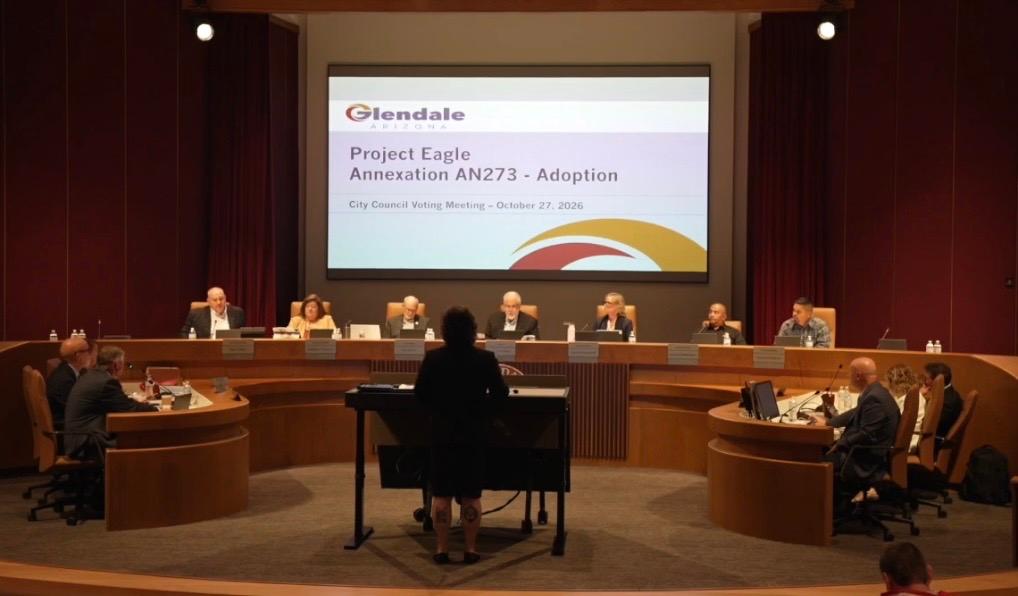
After an extensive approval process involving multiple government agencies, public hearings, and community meetings, Project Baccara/Eagle has received the green light from the Glendale City Council.


Last Tuesday evening, the Glendale City Council voted 6-1 to annex the Maricopa County land associated with Project Baccara/Eagle into the City of Glendale. The Council also voted 6–1 to approve the project moving forward.


Project Baccara/Eagle consists of three data center buildings and an 18-turbine natural gas power generation facility. The project is located in an area designated for heavy industrial development, where large-scale infrastructure and industrial uses are already part of the surrounding landscape.


The project is expected to generate millions of dollars in tax revenue while adding electrical generation capacity to support the growing West Valley. The power generation component is also intended to supply additional electricity to APS's E7 infrastructure.

An Extensive Approval Process

One thing that should not be overlooked is the extraordinary number of regulatory reviews and public meetings this project has undergone.


Project Baccara/Eagle has worked its way through multiple layers of government oversight, including:

  • Arizona Power Plant and Transmission Line Siting Committee
  • Arizona Corporation Commission
  • Maricopa County zoning process
  • Maricopa County Board of Supervisors
  • Luke Air Force Base compatibility review
  • Glendale Planning and Zoning Commission
  • Glendale City Council work session and final consideration


In addition, there have been at least seven community meetings where residents had opportunities to learn about the project, ask questions, and express concerns.


This was not a project that appeared overnight or moved forward without public involvement. It underwent an extensive review process involving multiple agencies with different responsibilities.

Opposition, Misinformation, and the Importance of Facts

Throughout the process, a small but vocal group of opponents attended numerous meetings to express concerns about the development.


Public participation is an important part of the planning and zoning process. Residents absolutely have the right to question proposed developments, especially those involving significant infrastructure.


However, I believe some of the opposition to this project has been influenced by the tremendous amount of misinformation circulating online about data centers.


Data centers are frequently portrayed as facilities that provide no benefit to surrounding communities, consume excessive resources, and create infrastructure problems. Those claims deserve examination rather than automatic acceptance.


Every development should be evaluated based on its actual design, location, infrastructure requirements, environmental impacts, and economic contributions.

Natural Gas Generation Is Not New to the West Valley

Another significant objection raised by opponents involved the project's proposed natural gas power generation facility.


What I find interesting is that just down the road on Northern Avenue sits the Agua Fria Generating Station, an established power generation facility that also uses natural gas turbine technology.


In fact, a new residential development is being constructed near that existing generating station.

That does not mean concerns about noise, emissions, or safety should be dismissed. It does demonstrate that power generation facilities are already part of the West Valley's infrastructure landscape.


The appropriate questions are whether the proposed equipment meets applicable environmental and safety standards, whether its location is suitable, and whether the project has adequate infrastructure to operate responsibly. The answer is yes to all of those questions.

The West Valley Is Growing, and Infrastructure Must Grow With It

The West Valley continues to experience tremendous residential and commercial growth. Every new subdivision, school, hospital, manufacturing facility, and business requires electricity and dependable infrastructure.


We cannot continue adding thousands of homes and businesses without addressing how we will supply the electricity necessary to support them.


Data centers are part of the modern digital economy. They support banking, healthcare, emergency communications, online shopping, education, government services, and the technology we use every day.


At the same time, projects that incorporate additional power generation can contribute to broader discussions about how Arizona will meet growing electricity demand.


Project Baccara/Eagle represents a significant investment in the West Valley. Its anticipated tax revenue, industrial development, and planned generation capacity are important considerations for the region's future.


Growth requires planning. Infrastructure requires investment. And good decisions require accurate information.


As the West Valley continues to grow, we should insist that major developments meet rigorous standards, respect surrounding communities, and provide measurable benefits.


Project Baccara/Eagle has now completed a lengthy local approval process. The next step will be ensuring that the commitments made throughout that process are carried through as the development moves forward.

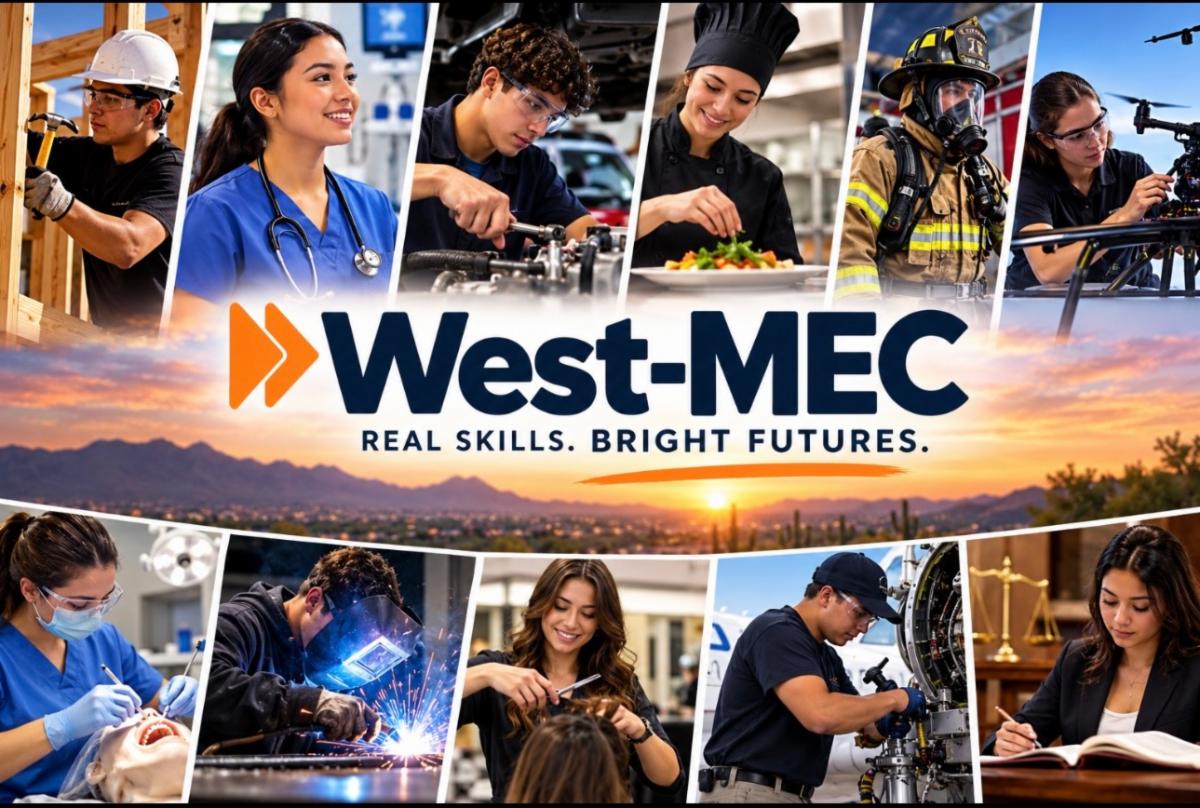
West-MEC: Preparing Students for Careers, Not Just Graduation


Not every student wants to attend a traditional four-year university, and not every successful career requires a college degree. That is why programs like West-MEC are so important to Arizona's future.


I recently attended an informational luncheon about Western Maricopa Education Center, better known as West-MEC, and came away impressed by the opportunities this career and technical education district provides to students throughout the West Valley.


West-MEC serves a district covering approximately 3,876 square miles, operates six campuses and partners with five community colleges. Its mission is to prepare students with the technical skills, industry credentials and hands-on experience needed to enter the workforce and pursue rewarding, high-paying careers.


And the results speak for themselves.


West-MEC reports a 96% graduation rate, more than 40 programs and over 9,500 industry credentials earned by students in 2025.

Real Skills for Real Careers

One of the things I appreciate most about West-MEC is the tremendous variety of career paths available to students.


For those interested in skilled trades, programs include HVAC, electrical, plumbing, general contracting and welding. These are essential professions that offer opportunities to earn excellent wages, often without taking on the substantial student loan debt associated with a four-year degree.


But West-MEC offers far more than traditional trades.


Students can explore careers in healthcare through programs such as emergency medical services, dental assisting, medical assisting, nursing services and physical therapy.

Other opportunities include automotive technology, aviation maintenance, drone technology, fire science, hospitality management, cosmetology and paralegal studies.


With more than 40 programs available, students can discover their interests, develop practical skills and begin preparing for their futures while still in high school.

Employers Have an Opportunity to Get Involved

Something I learned at the luncheon is that West-MEC is actively seeking additional businesses and employers to become partners.


This includes companies willing to provide internships, hands-on training, mentorship and other opportunities that introduce students to real-world working environments.


Think about the benefits to both sides.


Students gain valuable experience, develop workplace skills and establish relationships with potential employers. Meanwhile, businesses have an opportunity to help train their future workforce and connect with motivated young people interested in their industries.


With so many businesses discussing workforce shortages and the difficulty of finding qualified employees, programs like West-MEC offer a practical solution.


Instead of simply complaining about the shortage of skilled workers, businesses can become part of the solution by helping train the next generation.

Opportunities for Adults and Students With Disabilities

Another important aspect of West-MEC is that its educational opportunities are not limited to traditional high school students.


West-MEC also offers adult education programs in a variety of career fields, providing opportunities for individuals who want to learn a new skill, change careers or improve their earning potential.


I was particularly interested in learning more about Project SEARCH, a program designed to help students with developmental and other intellectual disabilities prepare for meaningful employment.


Through partnerships with local employers, participating students receive hands-on workplace training, develop job skills and gain valuable experience in professional environments.

Programs like this can make an enormous difference in someone's life. They provide more than job training. They offer independence, confidence, purpose and the opportunity to become a valued member of the workforce.


Every student deserves the opportunity to discover their abilities and reach their potential.

An Investment in Arizona's Future

As our West Valley communities continue to grow, so does the demand for qualified workers in construction, healthcare, aviation, technology and countless other industries.


We need electricians, HVAC technicians, welders, healthcare professionals, mechanics and skilled tradespeople just as much as we need engineers, attorneys and accountants.

For too long, our education system has sometimes left students with the impression that attending a four-year university is the only path to success.


It isn't.


Career and technical education provides another pathway, and for many students, it may be exactly the right one.


If you have a student living within the West-MEC district, I encourage you to explore these opportunities when discussing their future. A program at West-MEC could open doors to a rewarding career they may never have considered.


And if you own a business or work for a company that could provide internships, training or employment opportunities, I encourage you to consider partnering with West-MEC. A strong workforce does not happen by accident. It begins with education, training and employers willing to invest in the next generation.


West-MEC is helping make that happen right here in the West Valley.

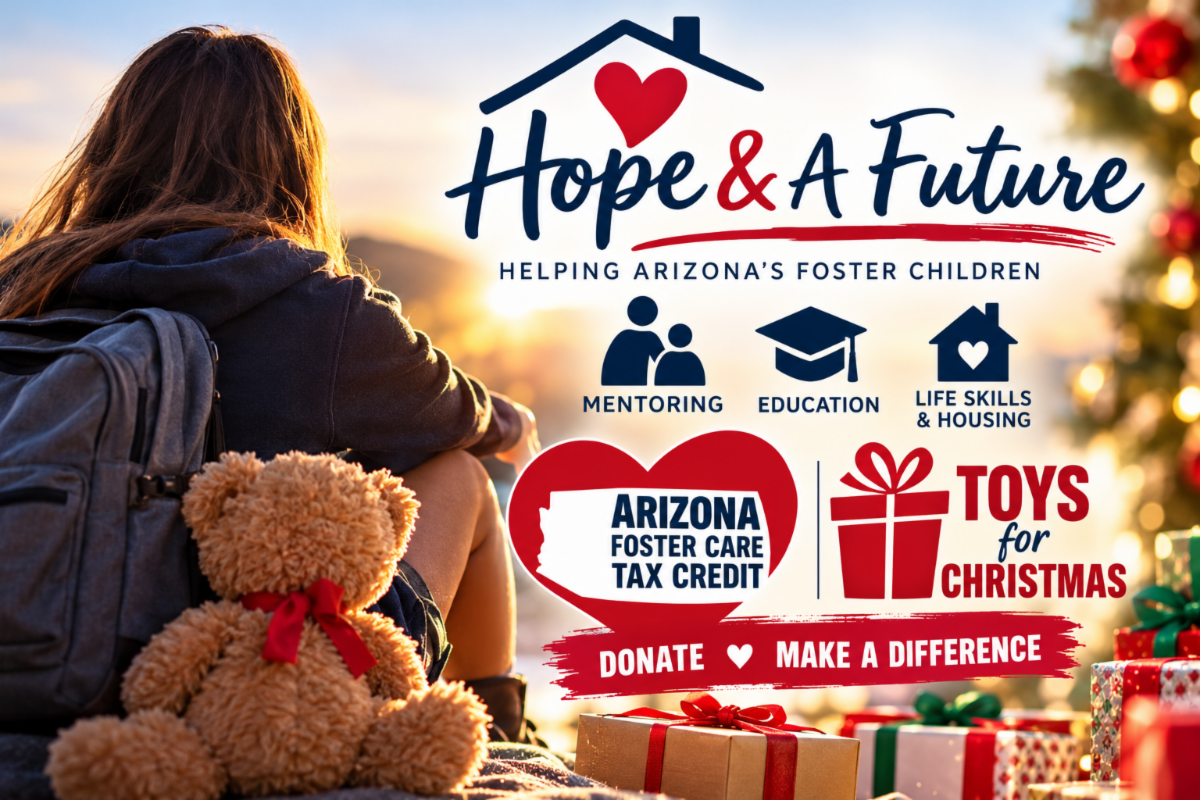
Hope & A Future: Giving Arizona's Foster Children a Brighter Tomorrow


As the Christmas season approaches, there is a wonderful opportunity to make a difference in the lives of Arizona's foster children while also receiving a valuable Arizona income tax credit.

Every child deserves to feel loved, supported, and encouraged. Unfortunately, thousands of Arizona children are growing up in foster care, often without the stability and family support that many of us take for granted.


One Arizona nonprofit, Hope & A Future, has made it its mission to help these children, particularly older foster youth who face significant challenges as they approach adulthood.


Founded in 2004, Hope & A Future provides mentoring, educational assistance, summer camps, life-skills training, scholarships, and transitional housing support. The organization has helped thousands of Arizona foster children build confidence, develop relationships, and prepare for successful futures.

Older Foster Children Need Our Help

When we think about foster children, we often picture babies or young children. But what about the teenagers who have spent years moving between foster homes?


What happens when they turn 18 and suddenly find themselves facing adulthood without the family support system most young adults depend upon?


Imagine graduating from high school without parents to help you apply for college, find your first apartment, purchase a car, or even learn how to manage a checking account.

These are challenges many older foster children face.


Hope & A Future recognizes that these young people need more than temporary assistance. They need encouragement, guidance, relationships, and practical skills.


Through its Life 360 mentoring program, foster youth ages 12 and older learn budgeting, money management, job interviewing, household management, nutrition, and other essential life skills.

The organization also provides educational scholarships and transitional housing assistance for young adults who have aged out of foster care.


These programs help young people develop the skills and confidence they need to become independent, productive adults.

Your Donation Can Reduce Your Arizona Taxes

Here is something many Arizona taxpayers may not realize.


Hope & A Future is an approved Qualifying Foster Care Charitable Organization under Arizona law. That means eligible donations can qualify for a dollar-for-dollar Arizona state income tax credit.


For the 2026 tax year:

  • Single taxpayers: Up to $632
  • Married couples filing jointly: Up to $1,262

This is not simply a tax deduction. It is a tax credit that directly reduces your Arizona income tax liability, subject to eligibility and tax-credit rules.


For example, if you qualify for a $500 credit and owe at least $500 in Arizona income taxes, your donation can reduce that liability by $500.


You can help foster children while directing some of your Arizona tax dollars toward a charitable organization doing meaningful work in our community.

Hope & A Future's Arizona tax credit code is 10021.


And remember, this credit is separate from Arizona's public school and school tuition organization tax credits.

Help Make Christmas Special for Foster Children

With Christmas just around the corner, Hope & A Future is also collecting gifts and financial donations for its annual Christmas celebration.


Each year, the organization works to collect approximately 3,000 Christmas gifts for foster children throughout Arizona.


For some of these children, receiving a Christmas present is about much more than the gift itself. It is a reminder that someone cares about them and wants them to experience the joy of the season.


The organization accepts Christmas gifts through its online wish lists, along with financial donations that allow volunteers to purchase gifts for children.


A donation of just $25 or more can help sponsor a foster child for Christmas.


And please remember the older children. Teenagers deserve to experience the excitement of Christmas, too. They are often at an age when encouragement, recognition, and knowing someone cares can make a tremendous difference.

A Small Act of Kindness Can Change a Life

I frequently write about politics, elections, education, and the challenges facing our communities. But sometimes we need to focus on the organizations and individuals who are quietly making a difference every day.


Hope & A Future is one of those organizations.


Not everyone can become a foster parent. Not everyone has the time to volunteer or mentor a child. But many of us can contribute something, whether it is $25, $100, or an amount that qualifies for the Arizona foster care tax credit.


As we prepare to celebrate Christmas with our families, I encourage you to think about the children who may not have the same opportunities or family traditions we enjoy.


Consider making a donation to Hope & A Future or purchasing a Christmas gift for a foster child.

Your generosity could provide a teenager with guidance, help a young adult find stable housing, support a student's education, or simply bring a smile to a child's face on Christmas morning.

Sometimes the greatest gift we can give a child is knowing that someone believes in their future.

How to Help

Hope & A Future

Website: https://azhope.com

Christmas Gift Wish Lists: https://azhope.com/christmas-wishlist/

Tax Credit Donations: https://azhope.com/foster-care-tax-credit/

Address: 909 W. McDowell Road, Phoenix, AZ 85007

Phone: 602-258-5860

Arizona Foster Care Tax Credit Code: 10021


This Christmas, let's give Arizona's foster children something every child deserves: hope and a future.

Patriot Happy Hour: Friends First, Politics Second


Sometimes the best thing we can do for our country and our party is simply sit down, share a laugh, and remember that we are friends.


If you have never attended Patriot Happy Hour, I want to personally encourage you to join us.

When I started Patriot Happy Hour, I had one simple goal: to bring Republicans together and remind us that we have far more in common than we have differences.


Somewhere along the way, our party began treating people who agree with us on 99 out of 100 issues as enemies because of that one disagreement. The political purity tests have become exhausting, and frankly, they are dividing our party more than ever before.


I believe we need to change that. We do not have to agree on every candidate, every policy, or every political issue to respect one another and enjoy each other's company.


That is what Patriot Happy Hour is all about. Friends first, politics second.

A Little Patriotism, a Birthday, and Lots of Laughter

Last week, we had an absolutely fantastic time!


Nancy brought Christmas cards for everyone to sign and send to our troops. It was such a thoughtful gesture and a wonderful reminder of the men and women serving our country, especially those who will be away from their families during the holidays.


But one of my favorite moments of the evening had nothing to do with politics.


A family was seated near our group, celebrating their little boy's birthday. His name was Giovani. When we learned it was his birthday, our entire group broke into a chorus of "Happy Birthday!"

You should have seen his face! Giovani was smiling from ear to ear, and his family seemed genuinely surprised by how friendly and welcoming everyone was.


I always try to bring a little something special for our Patriot Happy Hour guests. Last week, I brought patriotic lapel pins and some America 250 baseballs from the City of Surprise.


When I gave Giovani one of those baseballs for his birthday, his excitement was priceless!

It was such a simple moment, but it reminded me of something important. Kindness is contagious. Sometimes a small gesture can make someone's entire day.

Good Conversations and Common Ground

Throughout the evening, we talked about our families, our plans for the upcoming holidays, and the exciting things happening in our lives.


And yes, we talked about the election!


One thing everyone seemed to agree on was that we are all tired of the endless election text messages and political commercials. I think we are all ready for November 3rd to arrive! We also talked about praying for our country and for the brave men and women serving in our military.


There were plenty of laughs, great conversations, and absolutely no political purity tests.

Nobody had to prove they were Republican enough. Nobody had to defend every opinion they held. We were simply friends enjoying an evening together.

We Need More of This

I have said many times that Republicans will never accomplish what we want if we continue fighting among ourselves.


We can disagree without being disagreeable. We can support different candidates without questioning someone's conservative values. And we can have spirited discussions about public policy without turning those disagreements into personal attacks.


Our political differences should not be stronger than our friendships.


Patriot Happy Hour is my small effort to help bring some of that friendship and fellowship back into our community.


If you have been hesitant to attend because you don't know anyone, please don't let that stop you. We have a welcoming group, and I promise you won't be a stranger for long. As we approach Thanksgiving, I hope we can all remember to be thankful for our freedoms, our friendships, our families, and the country we love.


I hope to see you at our November Patriot Happy Hour!


Bring a friend, bring a smile, and leave the political purity tests at home.


After all, we are Americans first, Republicans second, and friends always.

Thank you,

Lisa Everett


www.patriotnheels.com


Follow me on:

X - @patriotnheels

Facebook - @patriotnheels

Instagram - @patriotnheels