Special Edition Newsletter
Volume 1, # 2 | June 2023
| | | |
|
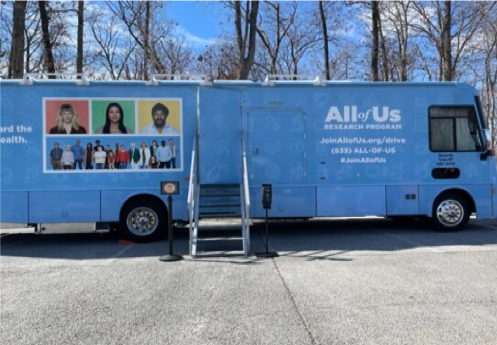
Enjoy this Special Edition of The Latino Cancer Institute’s quarterly newsletter, dedicated to a milestone of the All of Us Research Program at the National Institutes of Health (NIH) which is already providing new research insights on Latino health.
At his second inaugural address in 2015, President Barack Obama rolled out his Precision Medicine Initiative, a big vision of one million diverse Americans enrolled in “a bold new research effort to revolutionize how we improve health and treat disease.”
| | | |
*Genome sequencing allows scientists to see a patient's complete DNA makeup, which contains information about everything from eye color to inherited diseases. | |
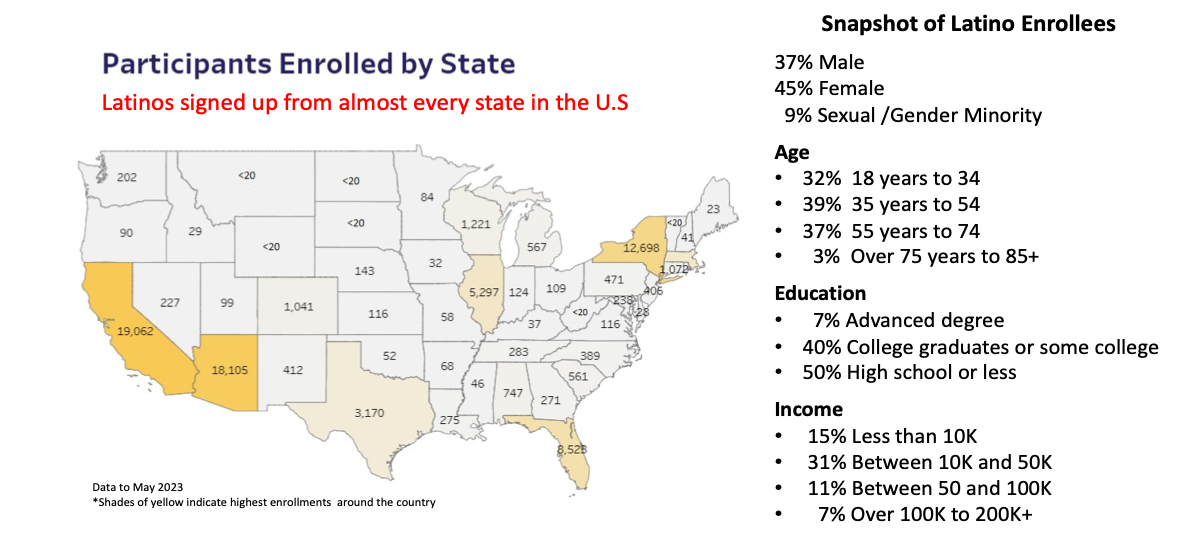
One of the keys to advancing health equity and precision medicine is diverse data or information about many different people. The All of Us Research Program now includes nearly a quarter million whole genome sequences*. What’s more, about 45% of those data were donated by people from racial or ethnic groups that have been historically underrepresented in medical research. Over 16 percent, that is, 71,120 of those enrollees, are Latinos from all over the U.S.(see map) More Latino women than men enrolled. Almost one in 10 of those participants self-identified as a sexual/gender minority. | | | |
|
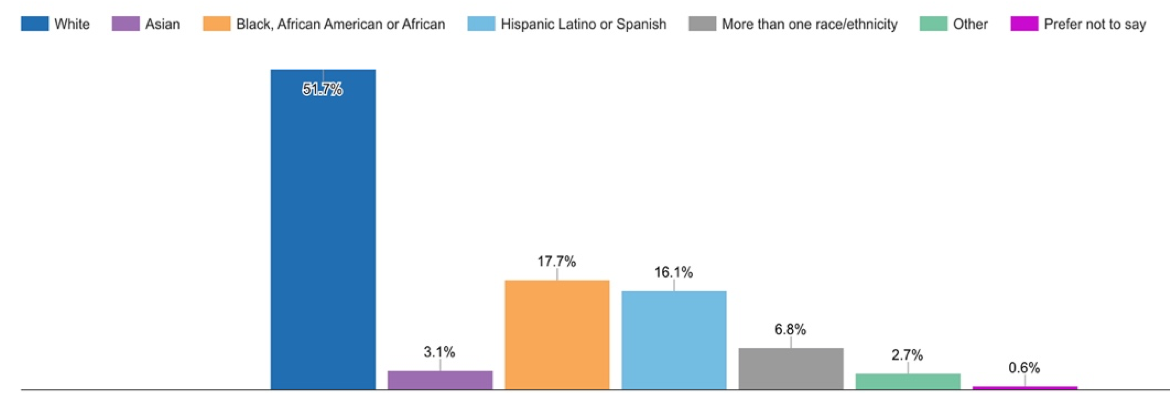
45% of participants represent minority racial/ethnic groups
| | | |
|
In total, the All of Us dataset makes information available from more than 413,450 participants available to more researchers. In addition to the whole genome sequences, this includes data from surveys, electronic health records, Fitbit devices and more. Figure Caption: Percentage of All of Us participants from different racial/ethnic groups
“For years, the lack of diversity in genomic datasets has limited our understanding of human health,” said Andrea Ramirez M.D., M.S., chief data officer of the All of Us Research Program. “By engaging participants from diverse backgrounds and sharing a more complete picture of their lives – through genomic, lifestyle, clinical and social environmental data – All of Us enables researchers to begin to better pinpoint the drivers of disease.”
Find out more at www.databrowser.researchallofus.org
| | | |
Geographic Disparities Pose a Large Barrier for Data Collection | | | |
|
While All of Us has reached a new level of diversity in genomic data collection, it is all too clear that geographic disparities still exist. With rare exceptions, America’s Heartland lags far behind coastal and urban areas. Moving forward, it will be critical to identify challenges and devise strategies to remove the enrollment barriers facing residents in the middle of the U.S.
| |
In coming years, children and teens will be invited to enroll. | | | |
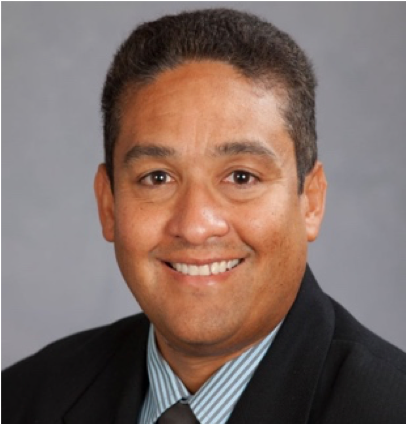
Olveen Carrasquillo, M.D., MPH | |
|
All of Us Studies to Shine Light on Latino Cancer Disparities
More than 5,000 researchers have signed up to use the rich data provided by the All of Us diverse dataset. And, it’s yielded some thought provoking research about Latinos and heart disease.
Investigators found that among the 40,000 Latinos in their study, heart disease was more common in Hispanic/Latinos than previous studies had found.
| | | |
|
“The All of Us dataset is going to be one of the most powerful datasets ever assembled once genetic data is available”, said Dr. Olveen Carrasquillo who is excited by the Program’s vast potential for discovery! Dr. Carrasquillo is the Chief of the Division of Medicine at the University of Miami Miller School of Medicine, as well as, the Principal Investigator for the All of Us Research Program at the University of Miami.
His own recent dive into the growing datasets, explored the so-called Latino Paradox, which has long suggested that despite lower income and education levels than non-Hispanic whites, Hispanics/Latinos have equal or even better health outcomes. His team’s inquiry found a different story. Dr Carrasquillo’s findings, looking at cardiovascular disease, challenge the long-debated Paradox. He credits the size of the available Hispanic/Latino dataset with his more definitive findings.
| | | |
|
Other ongoing studies that could lead to new insights, treatments, and strategies for cancer prevention tailored to Latinos include the three outlined below:
Cervical cancer mutations among Latinas
Latinas living in the U.S. have twice the incidence and 1.4 times the mortality rate from cervical cancer than non-Latina white women. This study will seek to answer the question: Do Latina patients with cervical cancer have different genetic mutations compared to other groups? The study could help find key molecular biomarkers (i.e., characteristics that are objectively measured most often in blood or other tissues as indicators of health or disease, or response to exposure or intervention) which could lead to improvements in the treatment of cervical cancer.
Understanding stomach, cervix and liver cancers among Latinos
Previous All of Us research has found that non-U.S. born Latinos had higher prevalence for stomach, cervix and liver cancers compared to U.S. born Latinos. This new study aims to identify genetic and epigenetic differences between these two groups of Latino patients to create biomarkers for these cancers that can be used for screening, diagnosis, and/or treatment monitoring. This could lead to early intervention and reduced mortality.
Whole genome sequencing of Latina breast cancer patients
This study asks the question, Are there specific genetic mutations in Latina breast cancer patients? Though Latinas have about a 20% lower incidence of breast cancer than the general population, a prior study found that this group has higher breast cancer rates than the women in their countries of origin. Increasing numbers of Latinas in this country are American born. Is it genetics and ancestry, or environment and lifestyle that drive this disease in these women? A study underway utilizing the All of Us Latina dataset aims to find unique genetic mutations which may improve the diagnosis and treatment of breast cancer in Latina patients.
| | | |
|
If your organization wants to host an All of Us Health Fair or informational session – contact one of these National Partners:
-
National Hispanic Medical Association www.nhmamd.org
-
National Hispanic Nurses Association, McLean, VA www.nahnnet.org
-
Hispanic Association of Colleges and Universities, Washington, D.C. www.hacu.net
-
League of United Latin American Citizens, Washington, D.C. www.lulac.org
-
National Hispanic Council on Aging, Washington, D.C. www.nhcoa.org
-
UnidosUS, Washington, D.C. www.unidosus.org
To learn more about how to get involved in All of Us or how to register, go to JoinAllofUs.org. For the Spanish language site, click here.
| | | |
TLCI Partners with Researchers on Access to Genetic and Genomic Testing | | | |
|
CA - The Latino Cancer Institute is itself collaborating in two research projects with University of California, Davis and Stanford University. Both studies are investigating access to genetic and genomic (tumor) testing wherever a patient receives their care. Latinos need to understand genetic risk based on family ancestry and especially family cancer history. A genetic test can be the first step in early intervention and reduced mortality.
For individuals diagnosed with breast cancer, genomic (tumor) testing can indicate more precise targeted treatment. Our team has observed and addressed inconsistent application of the so-called standard of care and barriers that most harm communities of color. Our aim is to spotlight inconsistent applications of these tests and promote changes in protocols, payers and policies to allow all women equitable access to potential life-saving testing and diagnostic treatment tools.
Latinos in Southern Arizona Work on an Action Plan Against Cancer
| | | |
|
Tucson, AZ - TLCI Executive Director, Ysabel Duron, was the keynote speaker for the launch of the Latino Community Health Equity Conference in Southern Arizona April 22nd. Convened by The American Cancer Society Cancer Action Network (CAN) and the University of Arizona Cancer Center, participants gathered to prioritize cancer issues with a goal of creating a collaborative strategy and action plan based on identified issues and policies.
Speaking virtually to the group, Duron noted that the rates of gallbladder, liver and stomach cancers were 1.5 to 2.5 times higher in Arizona’s Mexican-American community which accounts for 32% of the state’s population.
According to the Arizona Cancer Registry, only American Indian residents have a higher cancer disease burden than Latinos. Duron recommended the group focus its work on liver disease, investigate the genetic predisposition of this deadly cancer, partner with local clinics to test residents for stages of the disease and develop a campaign to raise awareness and diminish risk.
Hannah Scott, Grassroots Manager for Arizona’s ACS Cancer Action Network, said afterward, “the discussion among the participants that transpired after your presentation was really successful. Thank you so much for setting the stage for us!”
| | | |
|
Save the Date, October 27, 2023
The Turbulent Ecosystem (9am – Noon PST) Virtual
| | | |
|
The Latino Cancer Institute convenes its 5th annual Forum on Friday, October 27th - The Turbulent Ecosystem: Climate Change’s Impact on the Latino Cancer Burden. You're invited to join us!
Forum panelists will discuss how economically disadvantaged Latino communities are significantly more likely to be at risk from climate change related threats that increase or exacerbate heart disease, asthma and cancer. Registration will open in July.
| |
| | |
Our expert presenters include Leticia Nogueira, principal scientist in the Surveillance & Health Equity Science department at the American Cancer Society, and Robert Hiatt, M.D., professor of epidemiology and biostatistics at the University of California in San Francisco. Dr. Hiatt connects Climate Change to increased cancer impacts in women and detriments to larger societal issues. | | | |
|
|
Breaking News
Listen in to TLCI’s Ysabel Duron when she joins a half hour virtual conversation with The Hill’s Editor in Chief, Bob Cusack, on Geographic and Equity Roadblocks to Cancer Care. The Hill is an online news magazine that covers the business of Capitol Hill and other government entities. June 8, 11:30am PST, 2:30 PM EST.
www.thehill.com
| | | |
#allofus #researchallofus #joinallofus | | | |
The Latino Cancer Institute
| |
| | | |