Dear Fellow Practitioner

Why Does My Back Still Hurt?
I get this question a lot from patients and practitioners. The majority of people that are asking say that they have already received a variety of care, but expectations were not being met. Back pain is the #1 neuro-musculoskeletal problem in the world for many reasons. And in way too many people, back pain can become chronic with recurring episodes.

In this newsletter series, I am going to describe numerous considerations regarding evaluation and treatment options. I am going to start with the basics. "Basics," may seem rudimentary for clinicians. But there are also patients reading this newsletter. It is important for those suffering to know what to expect when looking for help and the value of an integrative practitioner provides over any one-dimensional clinicians. During the exam and first treatment, I may do more than what will be discussed in these numerous newsletters. Other comprehensive variables are continually expanded in Performancepractic TV and Fitness Integration Technique (F.I.T.)® for the clinicians who always strive to learn more and desire to transfer their head knowledge to hands-on application. My goal is to keep each newsletter short and to the point, but not to sacrifice the quality of care or how you may integrate any information into your current methods.
Educate your patients about low back pain with Dr. Jerome's Digital Marketing Slides, available at www.performancepractic.com
The discussions I am going to provide are not personal injury or Medicare documentation specific. It is just important information to help any person (acute, chronic, healthy, or non-responsive to previous care at any age), who genuinely want to get better, with or without insurance. The case scenarios described are all applicable to chronic back pain and some modification may be necessary in those with acute episodes. Chronic pain is defined as any pain lasting more than 12 weeks.

The complete patient history and personal intake cannot be understated for importance. Think of this as a crystal ball. If you ask the right question, you will get the correct answer. And you have the answer sheet right in front of you…..the patient!

When beginning to work with a patient, who has been to numerous clinicians of different licensure as well as previous chiropractors, I do not want to perform what has already proven not to work. Be aware they had already filled out numerous intake forms of similar questions such as, when did your pain start, what makes it worse or better? Age, weight, any previous accidents, and knowing what medications (supplements) they are taking are all contributing factors to their outcome. The patient history can start "here we go again" in the patient's mind unless the clinician knows how to use the information and get more out of it.
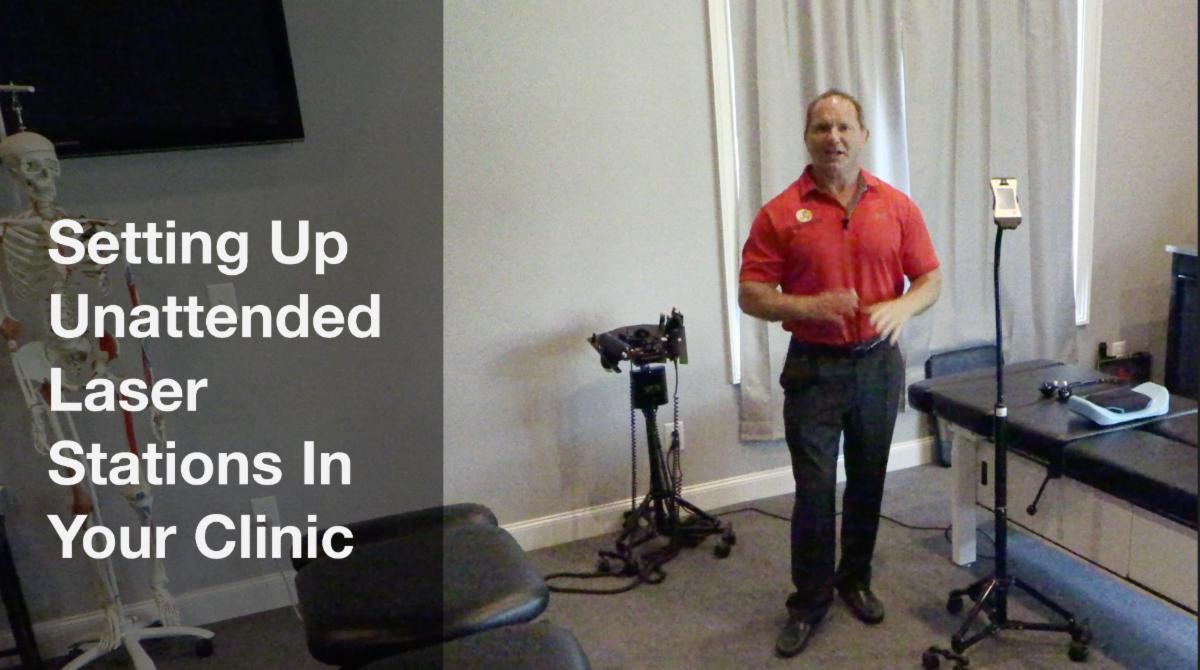
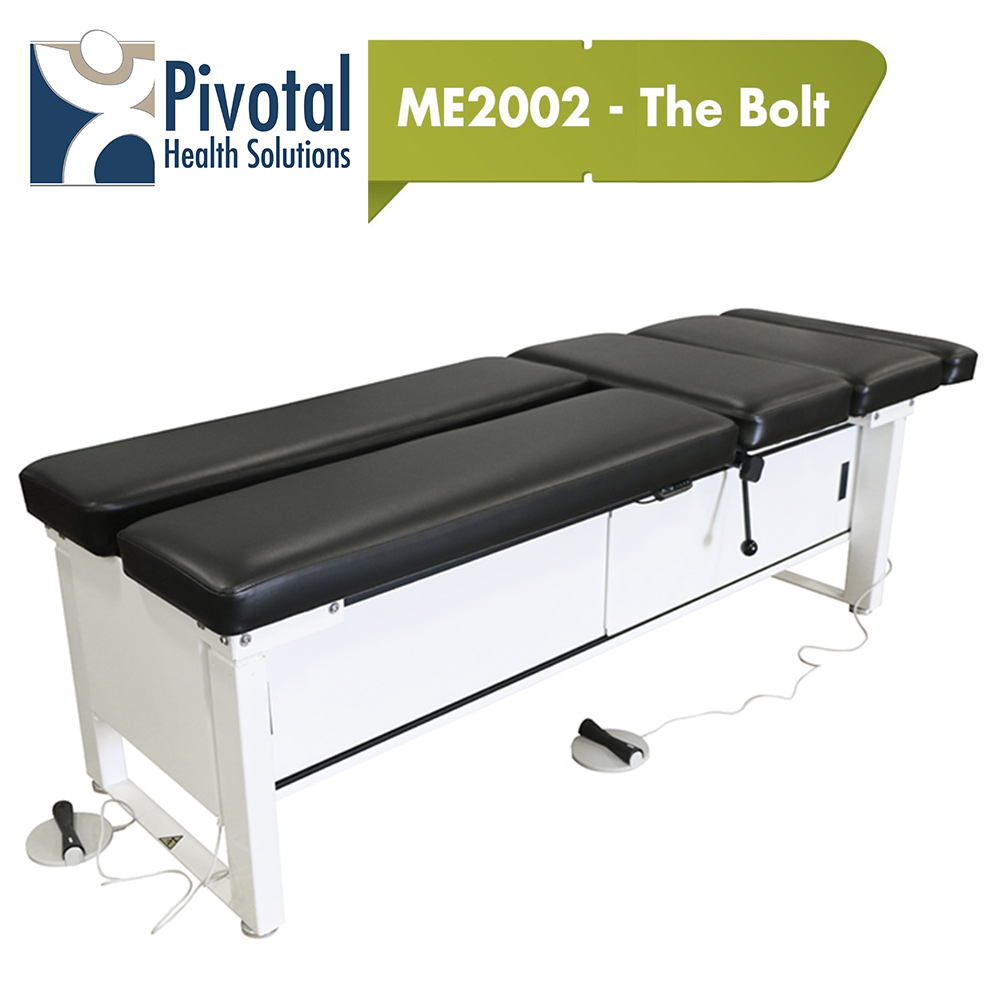
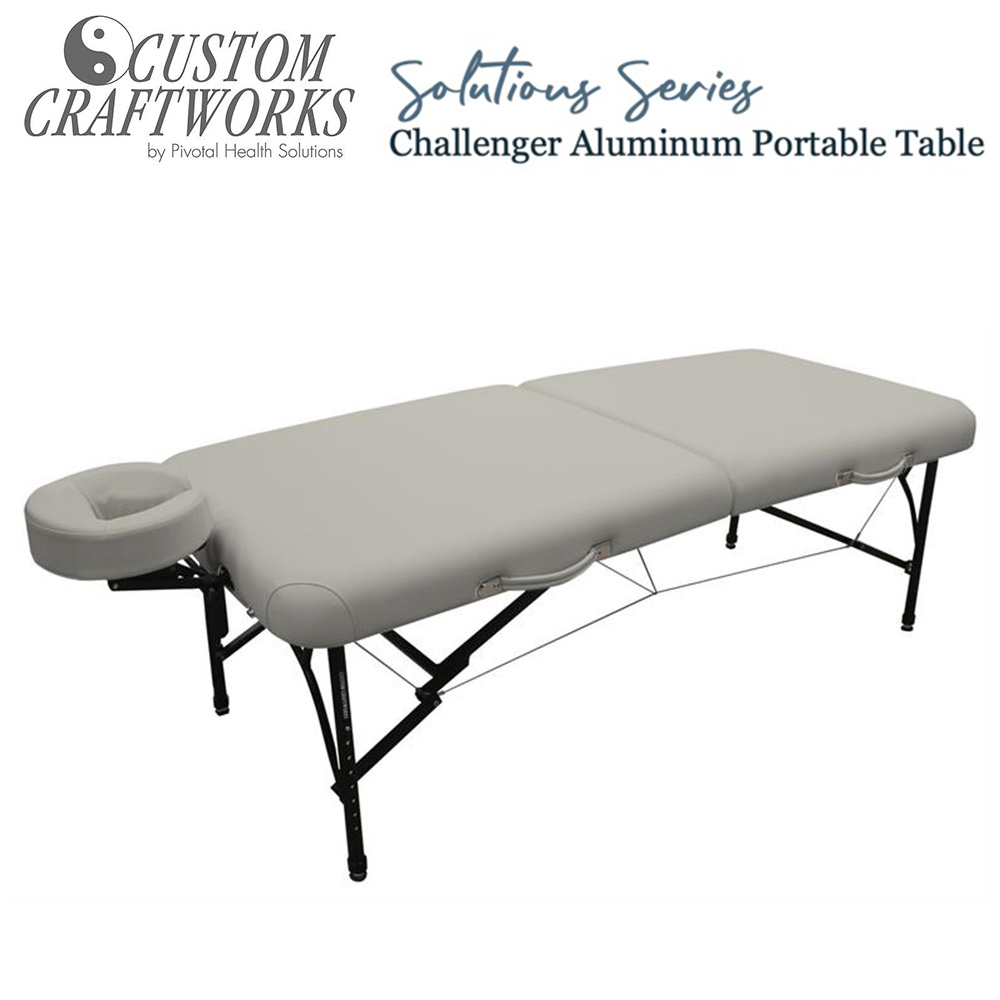
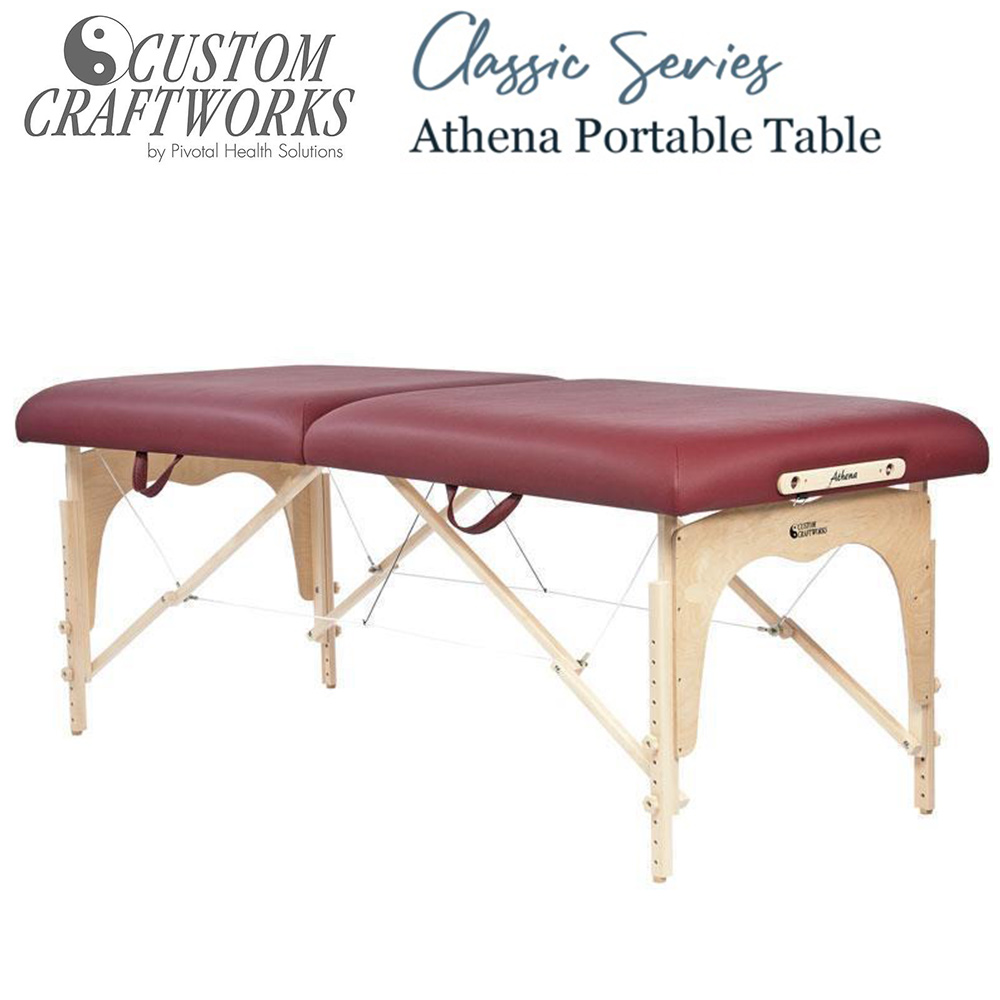
Dr. Jerome Rerucha's Favorite Tables for Unattended Laser Therapy
No matter how you practice, unattended Low Level Laser therapy stations are a great asset to increase efficiency and clinical outcome. You just need to be prepared by having additional tables / stations so you keep adjusting patients and then delegate the best pre / post adjustment therapeutic laser session.

In this blog post, Dr. Jerome discusses his favorite Adjusting & Massage tables and how he makes use of them in his clinic for unattended laser therapy. Read all about his recommendations on his blog at www.performancepractic.com/blog.
Dr. Jerome is now an authorized distributor for Pivotal Health Solutions. FIT® Doctors can get 5% off of their order of any of Pivotal's quality tables. Check out the featured tables on our website: www.performancepractic.com.
Jerome Rerucha DC | Performancepractic.com | E-mail