|
Join us for the second in the three-part Sephardi Modernities Seminar Series 2024, Carving Out Light: Sephardi/Mizrahi Women's Paradigm Change.
What to do with the tension between our world and the world of our mothers? How to ground ourselves in past generations as a source of study and inspiration while looking towards a better and more peaceful present and future? Join us to hear Dr. Susan Starr Sered and Heftsi Cohen-Montagu grapple with these and many more questions.
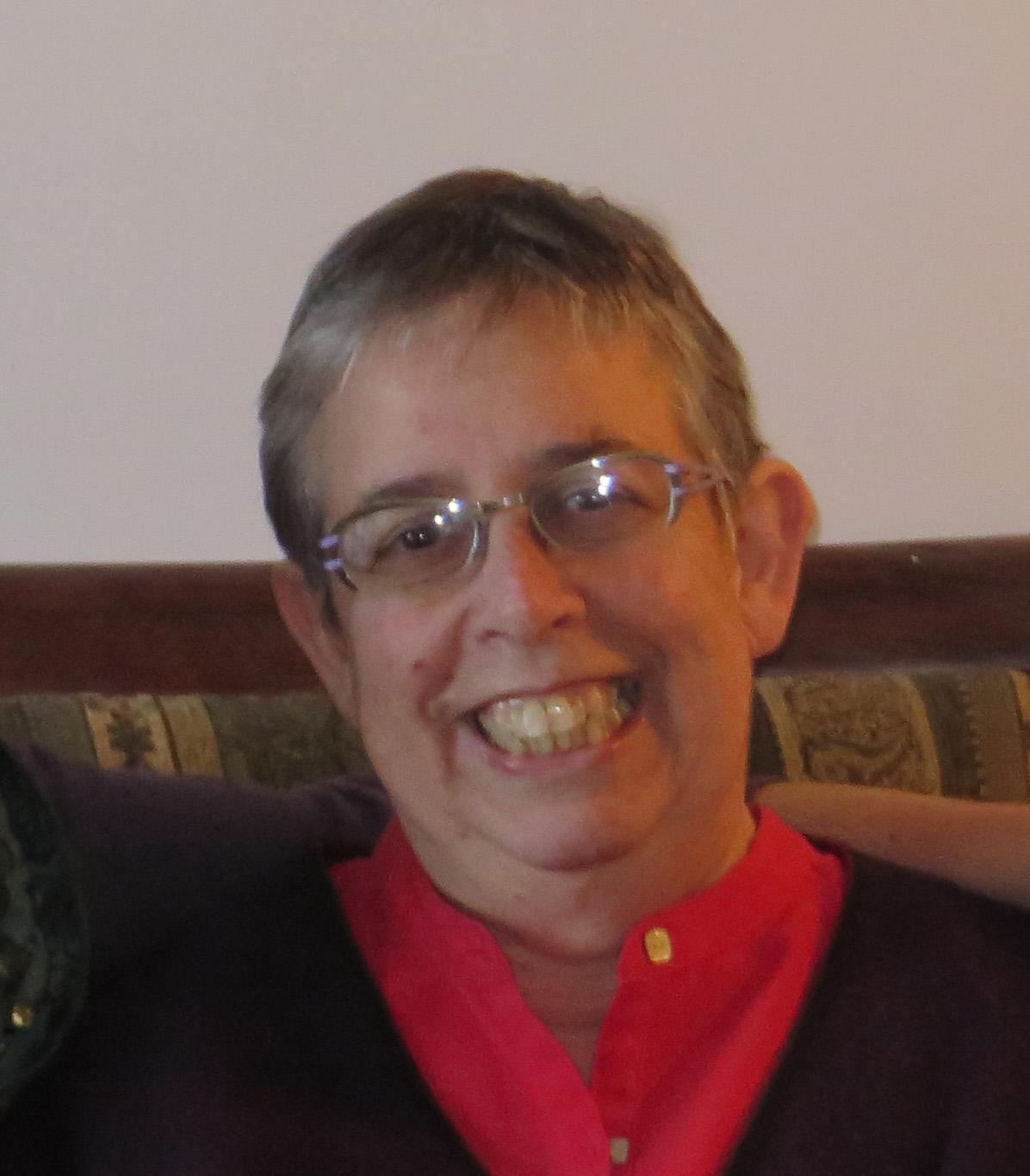
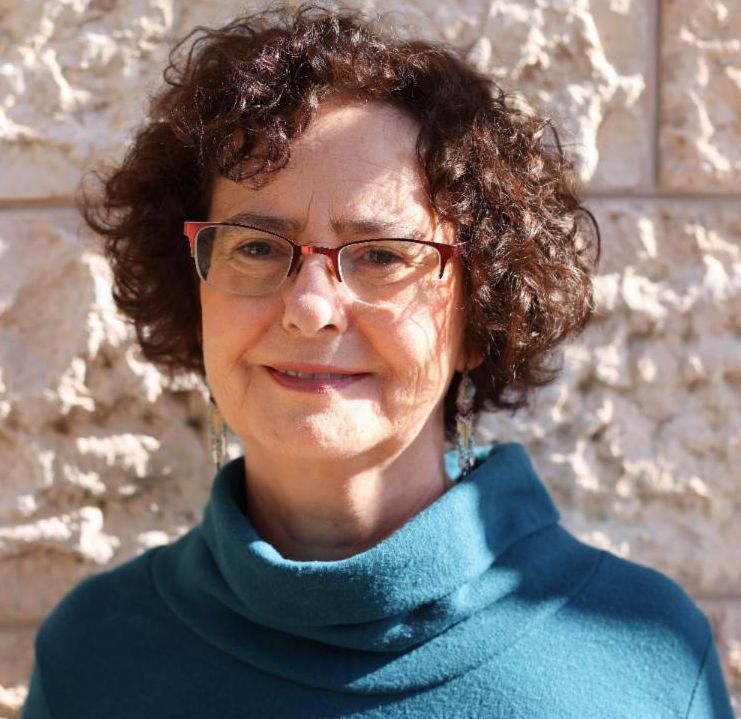
Dr. Susan Starr Sered (Suffolk University) and Heftsi Cohen-Montagu (Beit Midrash Arevot) will have a conversation about religiosity, traditions, and ethics of care among Sephardi/Mizrahi women. Dr. Sered will share her renowned ethnographic research on Sephardi/Mizrahi women’s religiosity in the context of her larger research on women’s religion. Cohen-Montagu will share her experiences and ideas about “feminist traditionism” in the spaces she inhabits: “Degel Yehuda”, an Egalitarian Sephardic community and “Arevot: Women Weaving Tradition”, a traditional feminist Beit Midrash - both in Jerusalem.
About the speakers:
Susan Starr Sered is Professor of Sociology at Suffolk University in Boston, Massachusetts. She is the author of more than half a dozen books including Women as Ritual Experts: The Religious Lives of Elderly Jewish Women in Jerusalem, What Makes Women Sick: Maternity, Modesty, and Militarism in Israeli Society, and Can’t Catch a Break: Gender, Jail, Drugs, and the Limits of Personal Responsibility. Her research has taken her from an immigrant neighborhood in Jerusalem to a fishing village in Okinawa, Japan to homeless shelters in Boston, Massachusetts.
Heftsibah Cohen-Montagu is a co-founder of Beit Midrash Arevot; the leader of Degel Yehuda - Egalitarian Sephardic community in Jerusalem; and a freelance editor and translator. She has a BA in Archaeology and Jewish History and an MA in Comparative Religion from the Hebrew University in Jerusalem, with a focus on Women and Religion. She has been active in the field of Jewish Renaissance in Israel for many years, as a developer of programs in pluralistic Jewish education and a Beit Midrash facilitator. She was also a fellow in the Bezalel Narkis Center for Jewish Art at the Hebrew University, and acted as a researcher and curator of exhibitions on religion, women and culture.
|