|
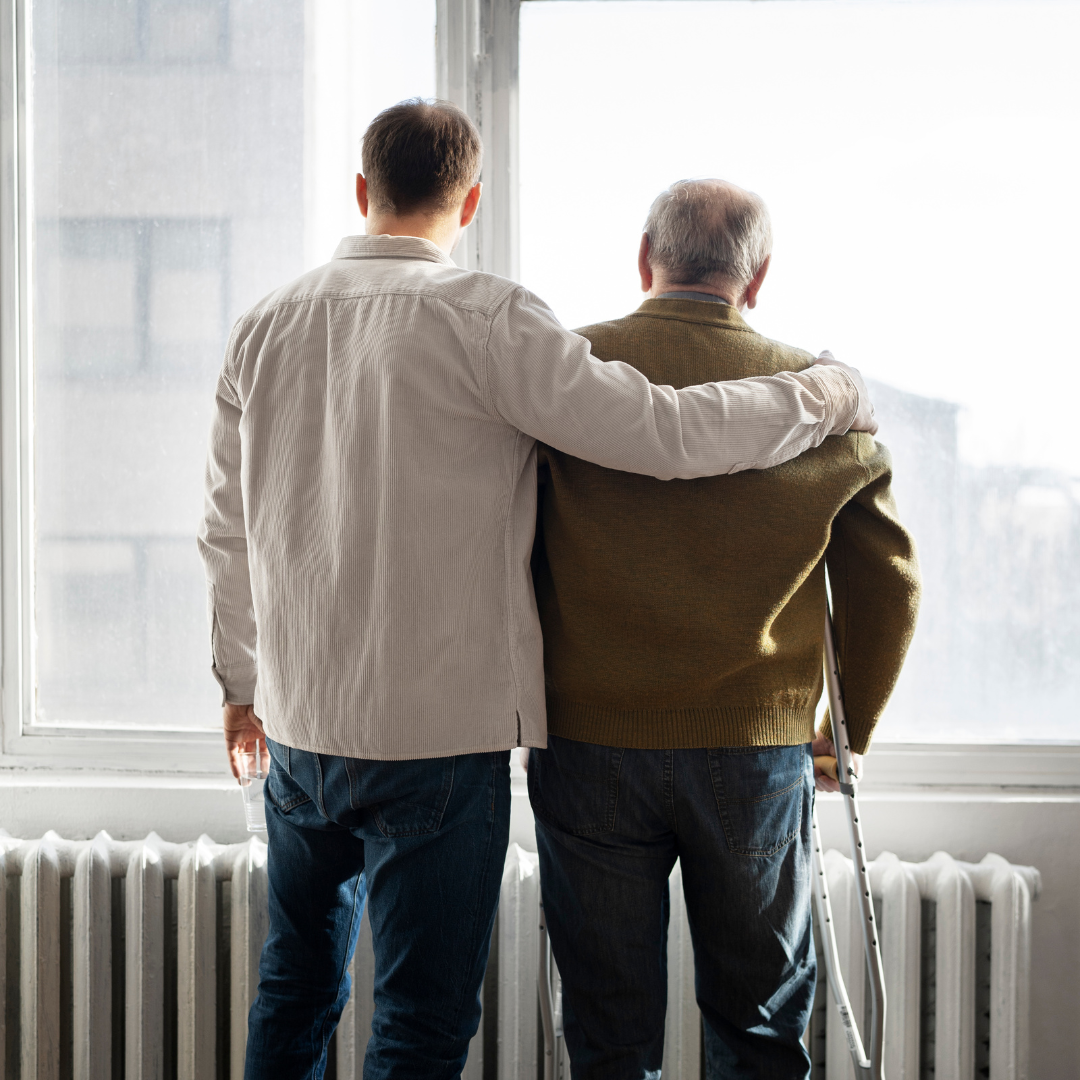
When an elderly family member experiences a fall resulting in a hospital stay, it often serves as a catalyst for re-evaluating their living arrangements and care needs. This doesn't necessarily mean going into a care home as there are several steps that can be implemented to ensure your loved can stay safely in their own home:
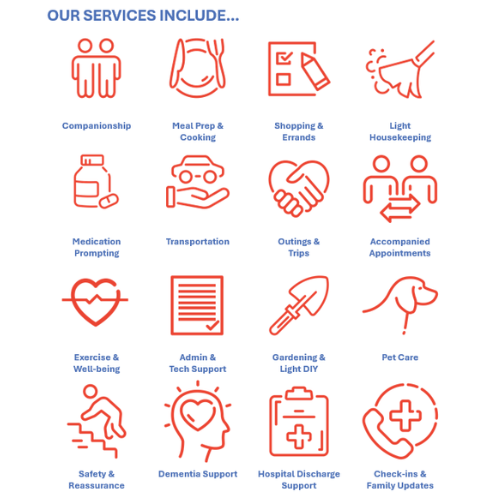
Initially increasing the number of visits from our team to provide some extra support can be enough however if personal care is required such as washing and dressing, we can work in conjunction with another company to provide full wrap around care.
If the care needs are such that they need 24 hours care, one option could be to have a live-in carer. This solution is suitable for Individuals with high-level needs, advanced dementia or severe frailty who require constant supervision and 24-hour reassurance, but who wish to avoid moving out of the family home. This is also a cheaper alternative for many families.
Live-in carers require a two-hour break each day. Seniors Helping Seniors Thames can provide visiting carers to cover these breaks seamlessly if continuous supervision is required.
The last step is a move to a residential care home where care staff are on-site 24/7. Care homes offer communal living, meals, activities, and varying levels of personal support.
Creating a Supportive Home Environment
If the chosen pathway involves the individual returning home (either with visiting carers or a live-in carer), adapting the environment is crucial for mitigating fall risks and supporting their independence.
Examples of how the home can be adapted:
- Mobility Aids: Installation of a stairlift to eliminate the risk of falls on stairs.
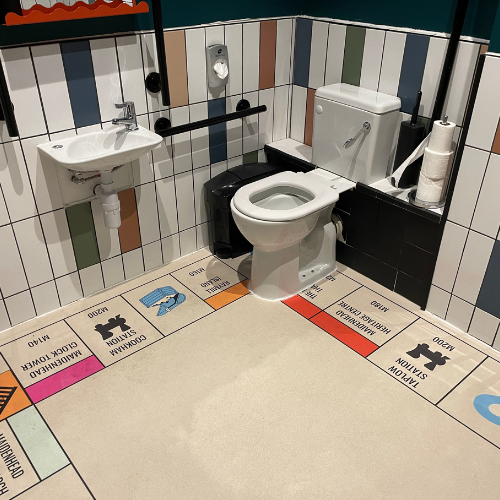
- Bathroom Modifications: replacing standard baths with level-access (walk-in) showers or wet rooms. Adding strategically placed grab rails near the toilet and shower.
- Hazard Removal: securing or removing loose rugs, ensuring electrical cords are tucked away and improving lighting in hallways and landings (motion-sensor lights are highly effective).
Integrating Smart Technology and Sentai AI Units. Modern eldercare increasingly relies on technology to bridge the gap between physical caregiver visits. For individuals with early-to-mid stage dementia or memory issues, cognitive assistance devices are invaluable.
If you would like any further information on re-evaluating your own care needs or those of an elderly relative, please get in touch.
|