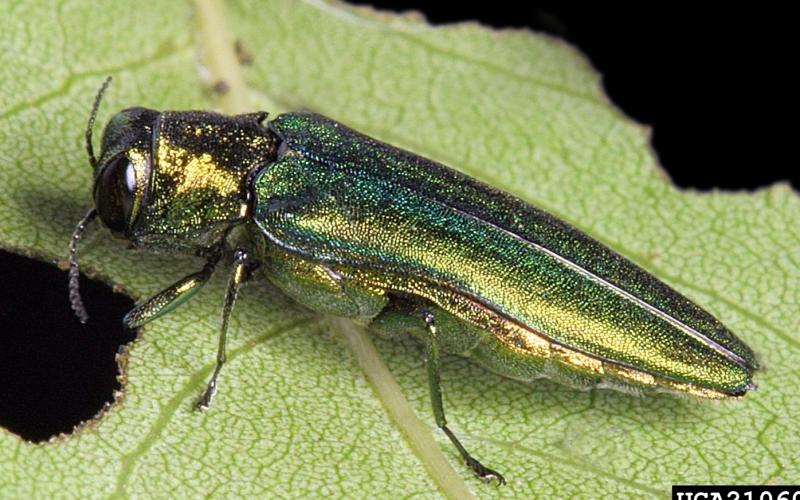
Below is the current map of emerald ash borer (EAB) infestation across North America. Mississippi was added on Nov. 14, 2025. EAB is now present in 38 states and six Canadian provinces. An up-to-date map is available on our website. | | Join us for Our Remaining EABU Webinars! | | |
|
Poisons and Predators: Toxin Sequestration in Spotted Lanternfly and its Effects on Predator-Prey Interactions
Anne Johnson, United States Forest Service
1:00 p.m. EST
| |
| |
|
A Tale of Two Fungi: Biological Control Options for Tree-of-Heaven and Autumn Olive
Carrie Fearer, Assistant Professor of Forest Health, Virginia Tech
1:00 p.m. EST
| |
| |
|
Novel wilt in Sassafras
Olivia Bigham, Ph.D. Candidate, Purdue Entomology
1:00 p.m. EST
| |
| |
|
American Elm Tree Resistance Breeding and Restoration
Dr. Kathleen Knight, Research Ecologist, USDA Forest Service
1:00 p.m. EST
| |
| EAB Awareness Week is May 17-23! | | Don’t Move Firewood will host three webinars during EAB Awareness Week focused on emerald ash borer education and outreach: | | |
| |
Presentation by: Carolyn (Carrie) Pike, Regeneration Specialist, USDA Forest Service, Eastern Region – State Private and Tribal Forestry
11:00 a.m. EST
| |
| |
| |
Presentation by: Alex Meacham, Firewood Outreach Coordinator, The Nature Conservancy
1:00 p.m. EST
| |
| |
| |
Presentation by: Philip Potyondy, Smart Tree Management Practice Lead, Davey Resource Group, Inc
1:00 p.m. EST
| |
| |
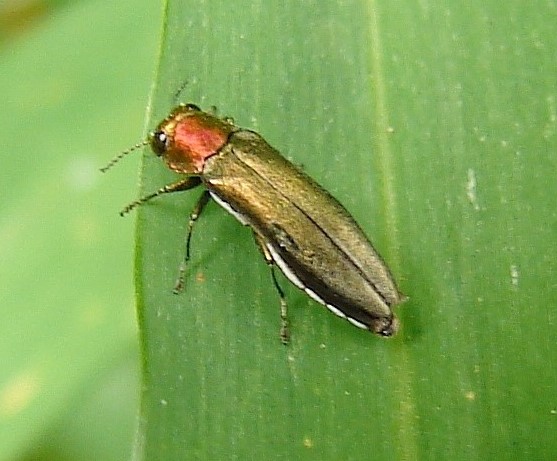
While this may be a stretch for "EAB news", it does involve EAB’s lesser‑known (and less evil!) cousin. Agrilus smaragdifrons is a beetle that feeds exclusively on Tree‑of‑Heaven and it was detected in Allen County, Indiana. Its presence could help reduce the invasive tree’s spread. Researchers are tracking its distribution and ask the public to watch for D‑shaped exit holes on Tree‑of‑Heaven and report sightings.
| | | |
The City of Winnipeg is reviewing its EAB management policy after the insect was recently detected in dozens of trees in the Glenwood neighborhood. The find marks a sharp increase after years of limited spread, with only about 22 infested trees identified between 2017 and 2025. City foresters are continuing surveys and plan to remove affected trees as monitoring expands.
| | | |
Michigan is offering free learning opportunities this spring through the Not MI Species webinar series, with sessions in April, May and June. The webinars will cover a range of invasive species topics, including monitoring efforts, quarantines and community responses. Registration and past recordings are available here.
| | | |
New York State Department of Environmental Conservation announced more than $5.1 million to support 51 projects aimed at reducing the impacts of aquatic and terrestrial invasive species. The funding will help strengthen prevention, early detection and response efforts while supporting ecosystem health and local economies statewide.
| |
| |
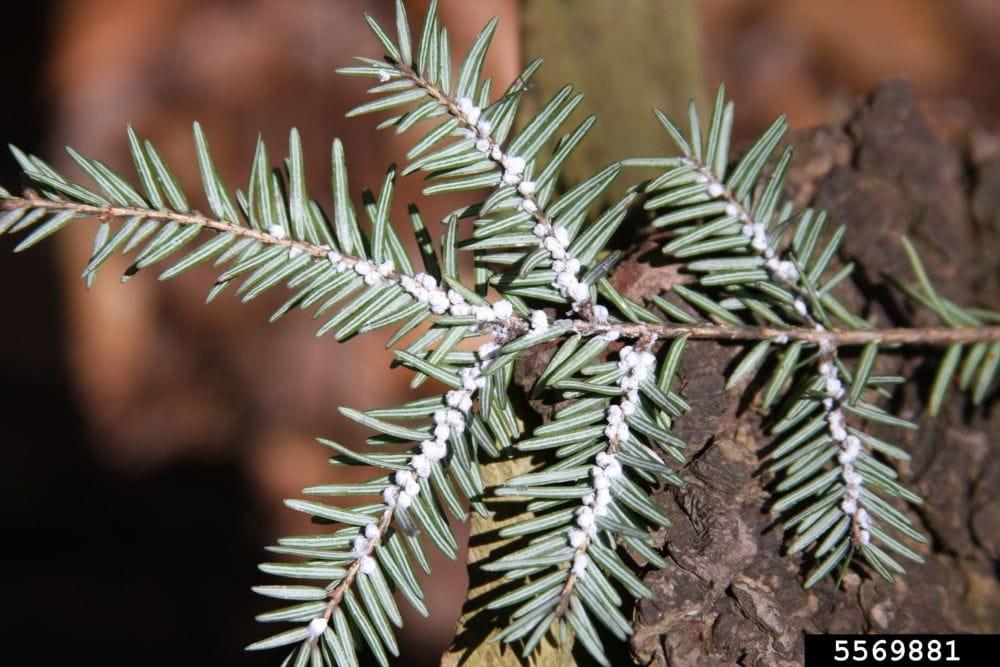
The state of Michigan is urging landowners to plan spring treatment of hemlock trees for hemlock woolly adelgid. The invasive insect can kill untreated trees within four to 10 years, creating safety hazards and reducing wildlife habitat. While the guidance is specific to Michigan, the information is relevant to any area where hemlock woolly adelgid is present.
| | | |
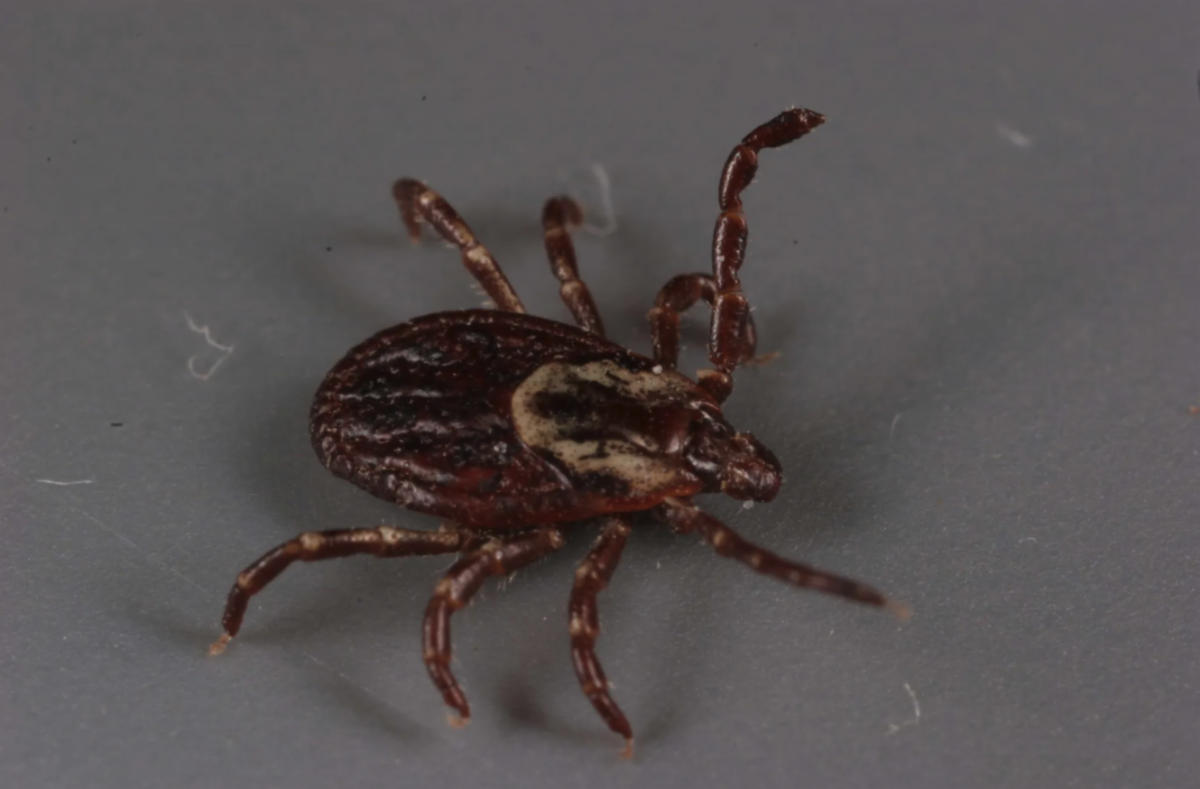
Researchers in Canada found that fabrics treated with lemon eucalyptus oil extract can effectively repel ticks that spread diseases such as Lyme disease. The study, published in February in the Journal of Medical Entomology, suggests the compound para-menthane-3,8-diol, or PMD, could be a promising alternative to permethrin, especially where consumer spray products are unavailable.
| | | | | |