|
Large Animal Clinic
Roundup
November/December 2024
| |
Large Animal Clinic Optimizing Standard of Care | |
|
Equine and livestock specialists at the VMTH's Large Animal Clinic constantly seek to optimize standard of care. With advancements in research, collaborative treatments, and innovative procedures, they continue to raise the bar. Read about the latest happenings in a few of the specialty services at the clinic.
| |
UC Davis First to Produce Equine Embryos By In Vitro Fertilization with Frozen Sperm | |
|
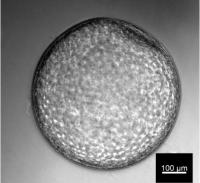
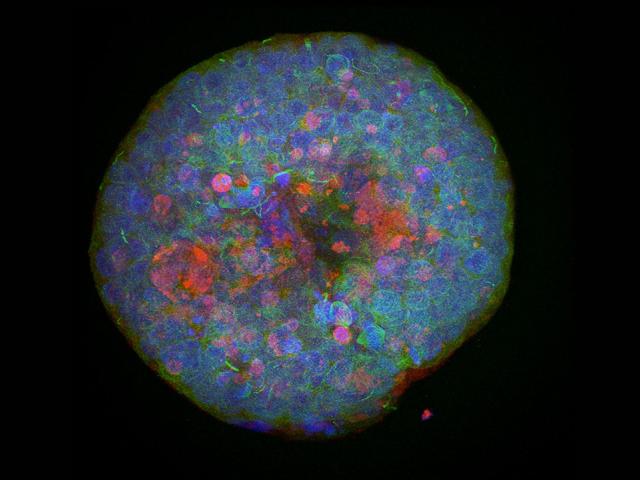
Researchers at the UC Davis School of Veterinary Medicine marked a milestone in equine assisted reproductive technologies with the first successful use of frozen-thawed sperm for in vitro fertilization (IVF) production of equine embryos. These promising results, just published in Theriogenology, have the potential for broader clinical applications, as well as valuable opportunities to study fertilization and embryo development. Although IVF is commonly used in many species from livestock to humans, it has historically met with little success in horses. Recent advances demonstrated IVF embryo production, but only using high quality, fresh sperm, which limits its use. Little is currently known about the use of IVF in equine reproduction, including how embryo development proceeds and whether it differs significantly from other approaches.
| |
UC Davis Experts Educate Public and Industry about Avian Flu | |
|
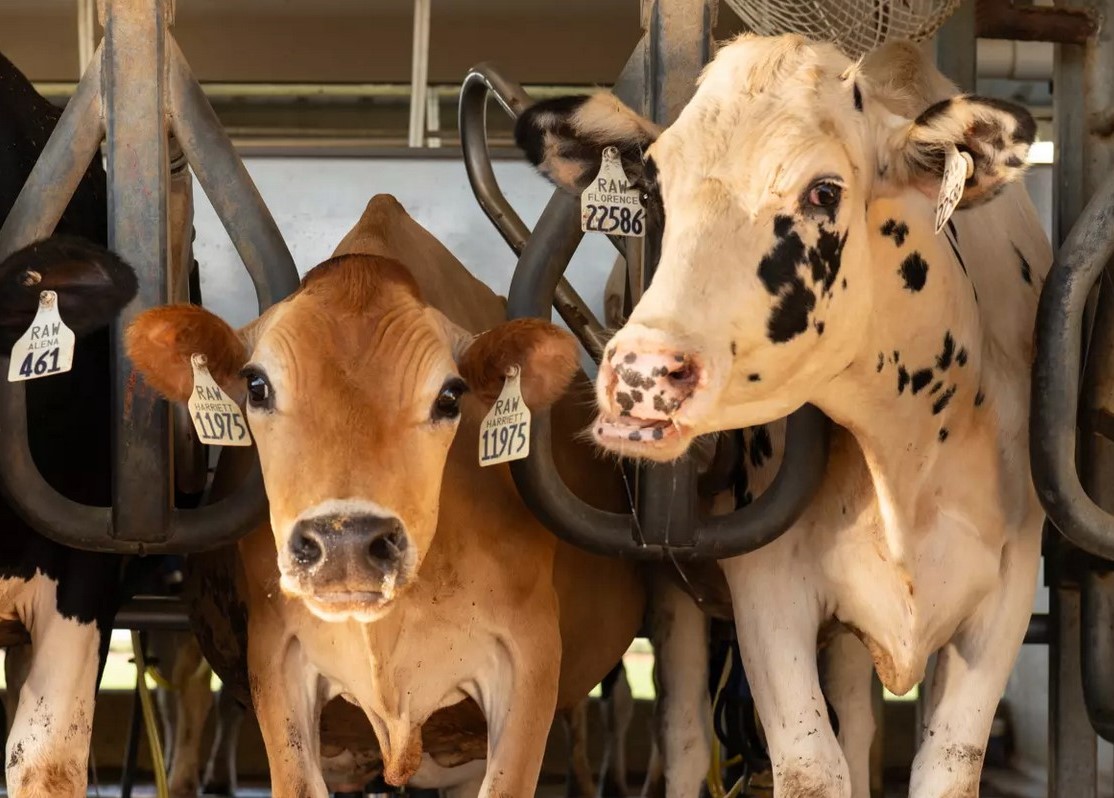
As highly pathogenic avian influenza (HPAI) continues to spread throughout the world, including on California dairy farms recently, experts on the subject from the UC Davis School of Veterinary Medicine have taken great strides to educate the public and industry partners on the subject. HPAI has been detected on commercial farms in California and other parts of the United States. The most recent outbreak of the highly transmissible strain of bird flu began in early 2022 and has resulted in the deaths of millions of chickens and turkeys. It has also been detected in cows in the U.S., marine mammals in South America, and other species globally. The CDC has confirmed a handful of human cases in the U.S. and several cases of avian flu in cats on dairy farms.
| |
Welcome Dr. Sandra Valdez | |
|
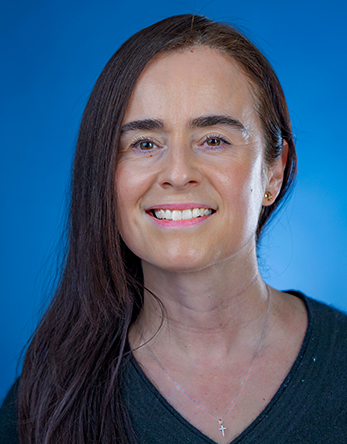
Dr. Sandra Valdez
Professor
Equine Surgical Emergency and
Critical Care Service
| |
Dr. Sandra Valdez joined the Equine Surgical Emergency and Critical Care Service as a professor, effective November 1, 2024. Dr. Valdez received her DVM from the University of Baja California in Mexico in 1995. She then participated in two internships in equine medicine and surgery at Chino Valley Equine Hospital San Luis Rey Equine Hospital, both in California. Dr. Valdez completed an equine surgery residency at UC Davis in 2005 and became board certified by the American College of Veterinary Surgeons in 2006. She is also board certified by the American Board of Veterinary Practitioners. Dr. Valdez was an associate veterinary surgeon at San Luis Rey Equine Hospital from 2005 to 2013, a locum veterinary surgeon in California, Ohio, Virginia, and Dubai from 2013-2016, and also an associate veterinary surgeon at the Dubai Equine Hospital since 2016. Dr. Valdez’s research focuses on the diagnosis and treatment of equine surgical emergencies. | | |
Foal Watch Package Available | |
|
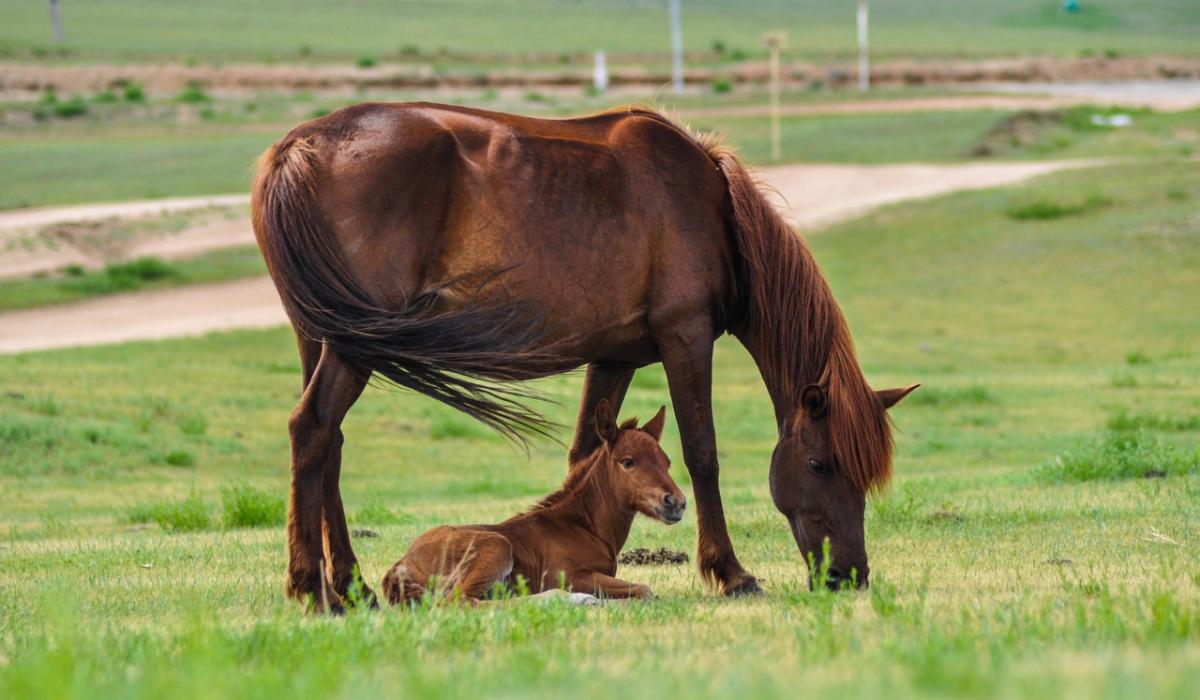
Are any of your mares expecting? Should you need any assistance leading up to and including birth, UC Davis is offering a Foal Watch Package that includes many amenities.
2025 Foal Watch Package - $650
- 14 days of observation
- Foal Alert placement/monitoring & Foal prediction milk test
- Bi-weekly fetal ultrasound monitoring
- Colostrum quality assessment
- Assistance with foal delivery, if necessary
- Post-partum exam & 1st uterine lavage post-foaling (if necessary)
- Includes C-Section, if indicated
* Additional charges for daily boarding ($59/day), high-risk mare management, foal examination and treatments. C-Section not included for high-risk mares as determined on admission exam.
For more information on the Foal Watch Package, please contact the Large Animal Clinic at 530-752-0290 or vmthlac@ucdavis.edu.
| |
Equine Reproduction Laboratory Enjoys Successful Year | |
|
In 2024, the Veterinary Assisted Reproduction Laboratory completed more than 300 equine in vitro embryo production (IVP) cycles, resulting in the production of 544 embryos to date for clients in California and across the country. Of these IVP cycles, 50 were derived from mares undergoing oocyte aspiration through the Large Animal Clinic’s Equine Reproduction Service, which successfully produced 70 embryos. If you are interested in more information on equine reproduction, please email reproduction@ucdavis.edu.
| |
Placentitis Screening: Ultrasound Exams for Your Mare | |
|
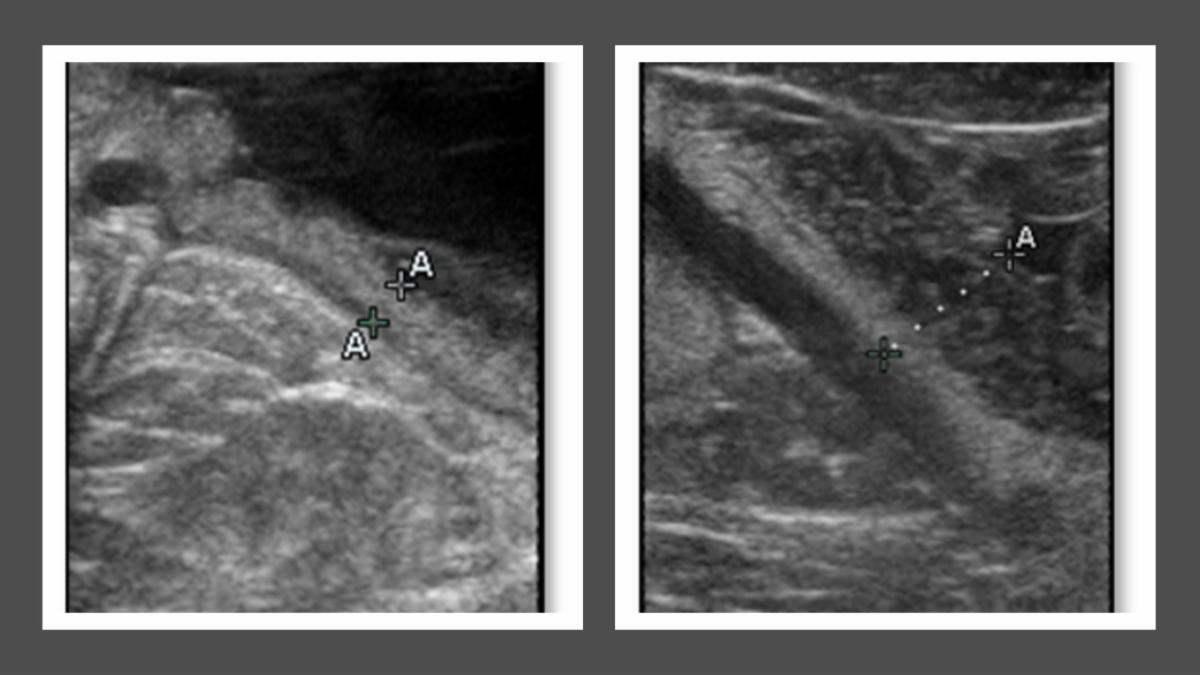
The use of non-invasive ultrasonography in late gestation can help identify the early signs of placentitis before clinical signs occur. Learn more and schedule your appointment today.
Did you know?
- Placentitis (placental infection) is a significant cause of pregnancy loss in mares. In most cases, lesions are located at the cervical star.
- Mares with placentitis often develop clinical signs such as premature mammary development and lactation, with or without vulvar discharge.
- Treatment started after clinical signs have appeared is often not effective.
| |
UC Davis Assists at Breeders’ Cup | |
|
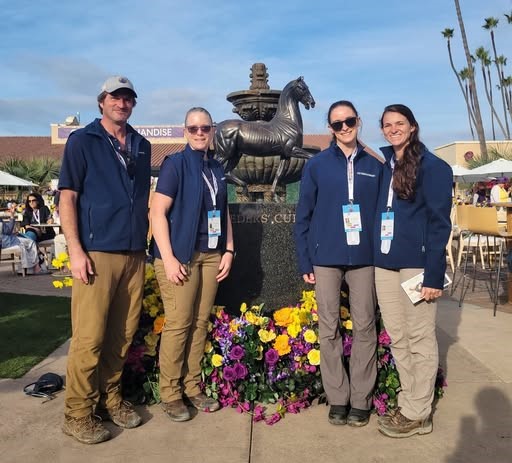
The California Horse Racing Board placed an emphasis on safety and integrity at this year’s Breeders’ Cup at Del Mar and asked UC Davis to help facilitate those measures. Several UC Davis veterinarians and technicians were on hand at the race last month to aid in various aspects of equine health. Dr Mathieu Spriet, director of Imaging Services, and imaging team members brought the hospital’s positron emission tomography (PET) scanner to the Cup for timely advanced diagnostics. The PET scanner, now in use at several tracks around the country, was developed by Dr. Spriet at UC Davis and is more advanced than CT images or bone scans at diagnosing lesions that could lead to catastrophic breakdowns. Dr. Julie Dechant, assistant director of the Large Animal Clinic, brought a team of equine clinicians and technicians to serve as the on-track veterinary team, aiding any horses injured during a race or training session.
| |
UC Davis Rescues Horse Trapped Underground | |
|
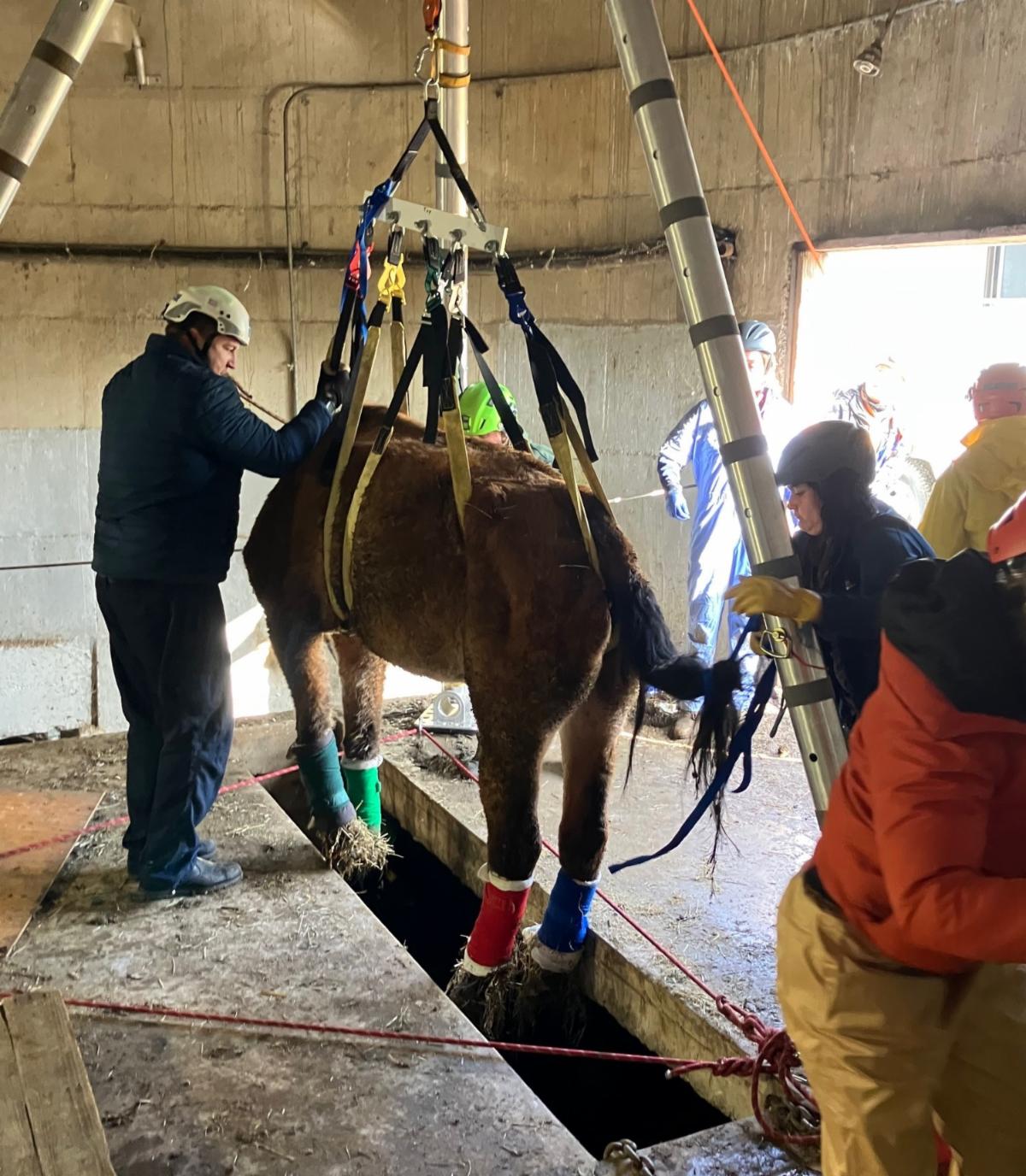
UC Davis veterinarians, technicians, and students participated in an amazing rescue of a horse trapped in an underground space beneath an empty rice silo. The operation was both a challenge and an incredible learning opportunity for the students, who gained hands-on experience working in a real-life emergency. Under the guidance of UC Davis experts, they learned how to assess a patient under pressure, manage sedation, and plan technical rescues – skills that will shape the next generation of veterinarians. Thankfully, Matsi the horse is safe and sound now after her mishap.
| |
New Dairy Goat Resource Available | |
|
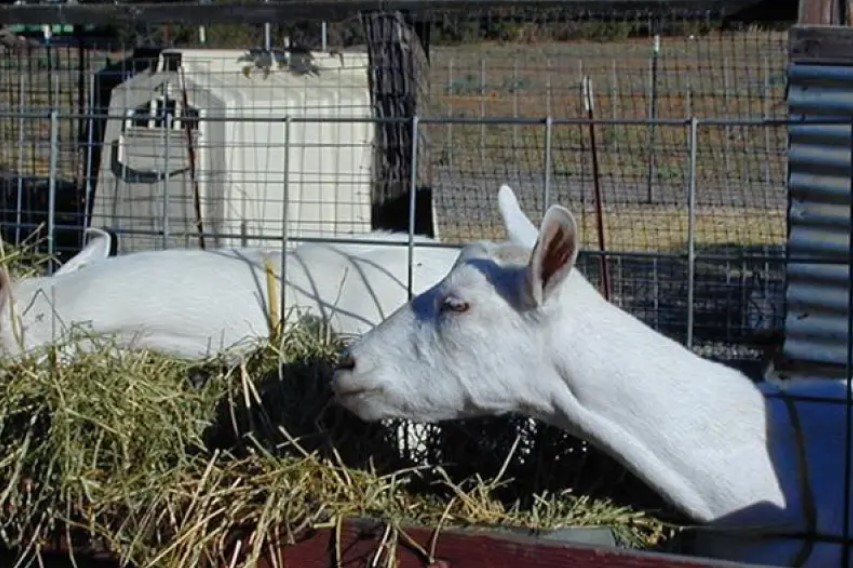
A collaborative website between UC Davis and Iowa State University has been created to educate dairy goat producers and veterinarians about the science behind producing high-quality goat milk. The Dairy Goat Extension and Education website provides modules and templates for health and reproductive records, with the goal of providing resources that will launch the American dairy goat industry forward in the areas of animal and udder health, milk quality and antimicrobial stewardship.
| |
|
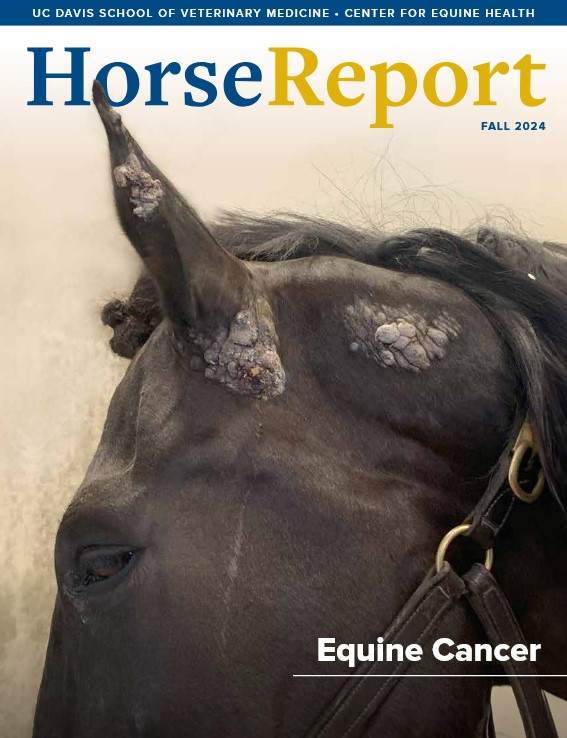
The Fall 2024 issue of the Horse Report is available. The award-winning newsletter from the UC Davis Center for Equine Health (CEH) is published quarterly with the most current information on a variety of equine health issues.
This latest issues contains articles on:
- Director's Message from Dr. Carrie Finno
- Equine Cancer Treatments At UC Davis
- Squamous Cell Carcinoma
- Cedar's Year-Long Sarcoid Saga
- Equine Melanoma: The Gray Areas
- 10 Things You Might Not Know About Equine Cancer
- CEH Teaching Herd Horses
Read them all and subscribe to the Horse Report to receive this news every quarter.
| |
|
Read Additional News from the School of Veterinary Medicine
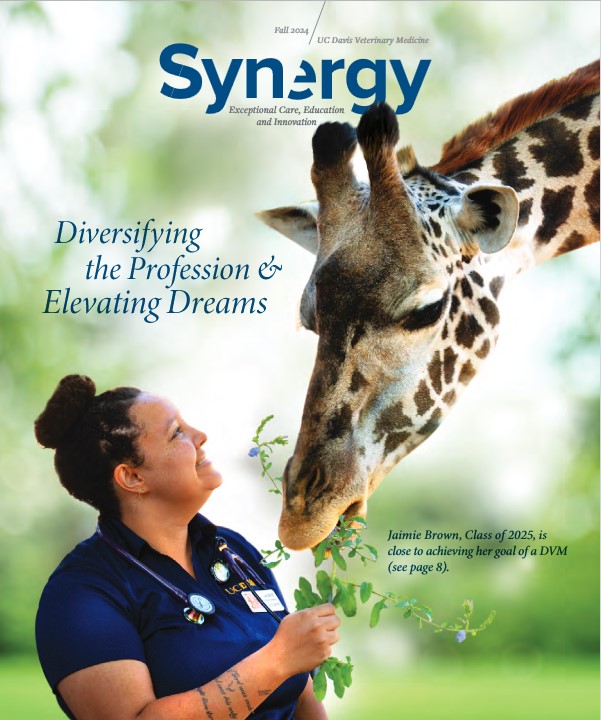
Discover Synergy, the School of Veterinary Medicine's biannual magazine highlighting the latest clinical advances, research updates, and other school news. The latest issue focuses on the critical role of fundamental research.
| | | | |