|
The Paris That Never Was
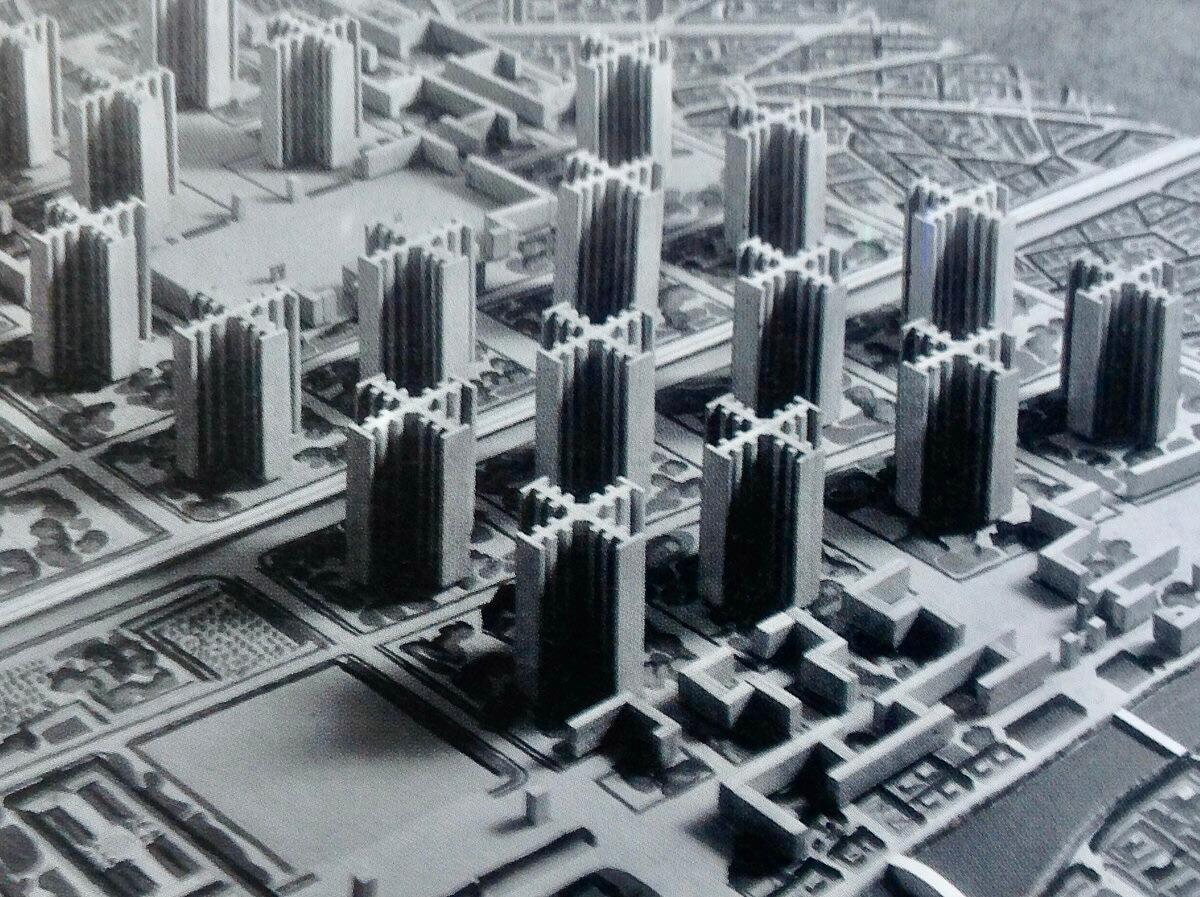
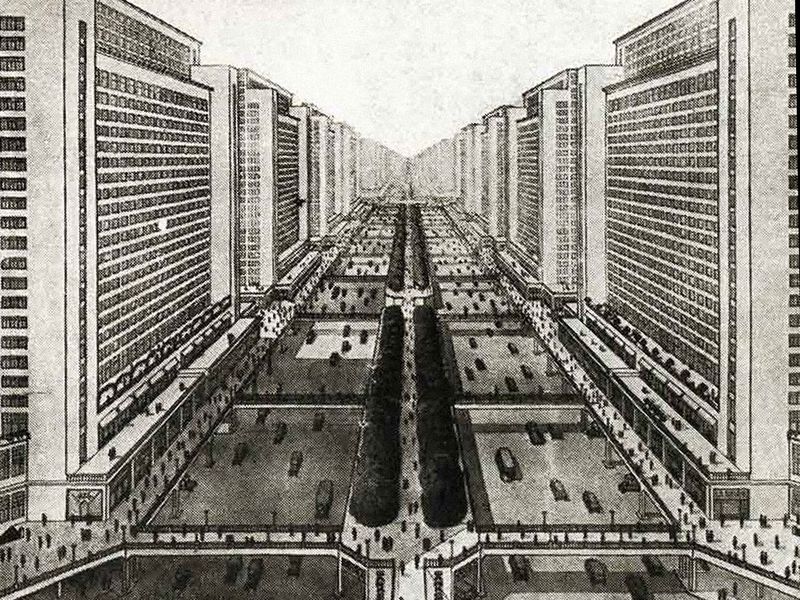
From its inception, the city of Paris has been subject to redesign, renovation and fantastical transformation. Here are proposed projects that never came to pass, beginning with Le Corbusier's brutalist "Plan Voisin" (above).
| |
|
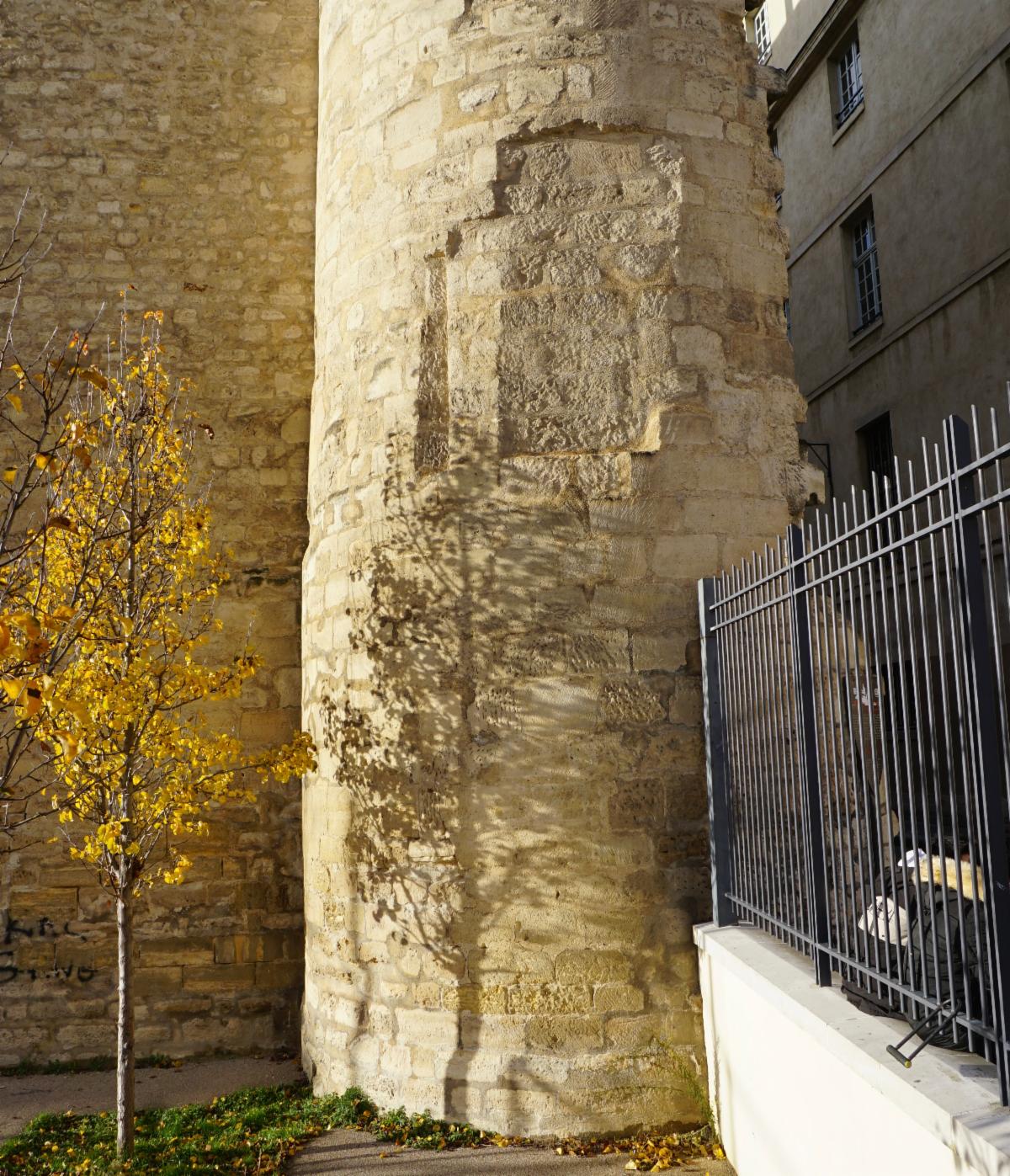
City Un-Walled
Paris developed as a walled city, encased over centuries by a series of increasingly expanded stone boundaries. Walls work in two ways: They keep out marauders, enemies, immigrants…and they keep in fixed social strata and protected economic systems. Imagine if Paris had been unwalled. It might have developed into a less impacted, more sprawling metropolis, more like (unwalled) London.
| |
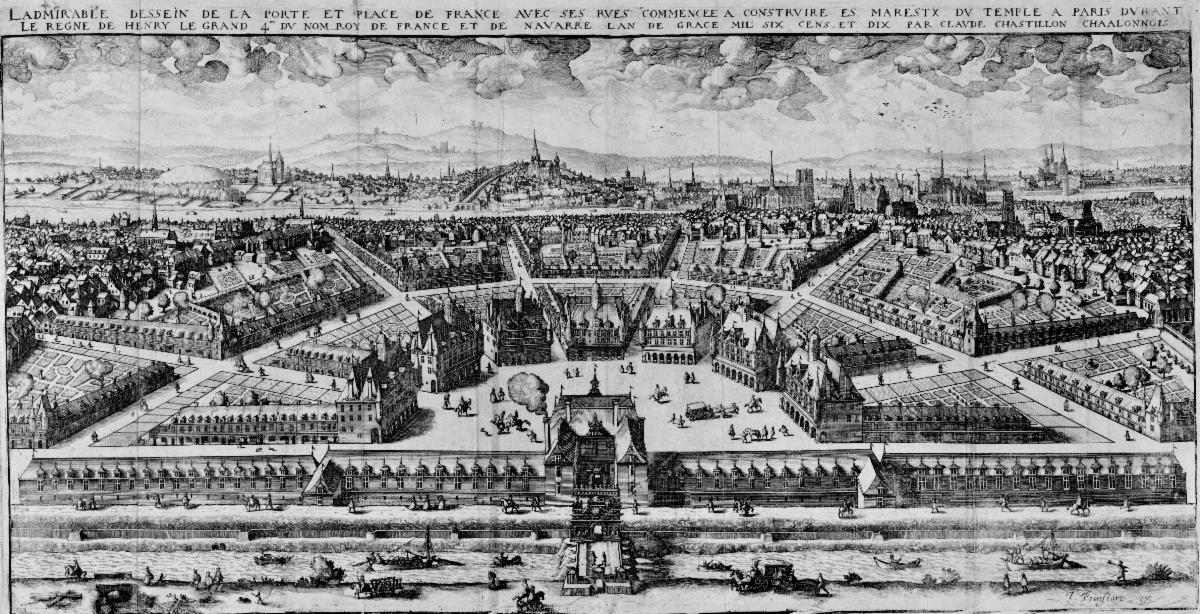
Place de France Realized
Henri IV, who reigned 1589-1610, was a great builder and an early urban planner. His successes included Place Royal (now Place des Vosges), Place Dauphine and l’Hôpital Saint-Louis. But Henri's biggest dream, Place de France, was cut short by his assassination. This ambitious semi-circular mixed-use project was intended as an embrace of the provinces by the great centralized capital. Had it been built, it would have transformed the Marais into the city’s center of commerce and development.
|  | |
Enlightenment Renovation
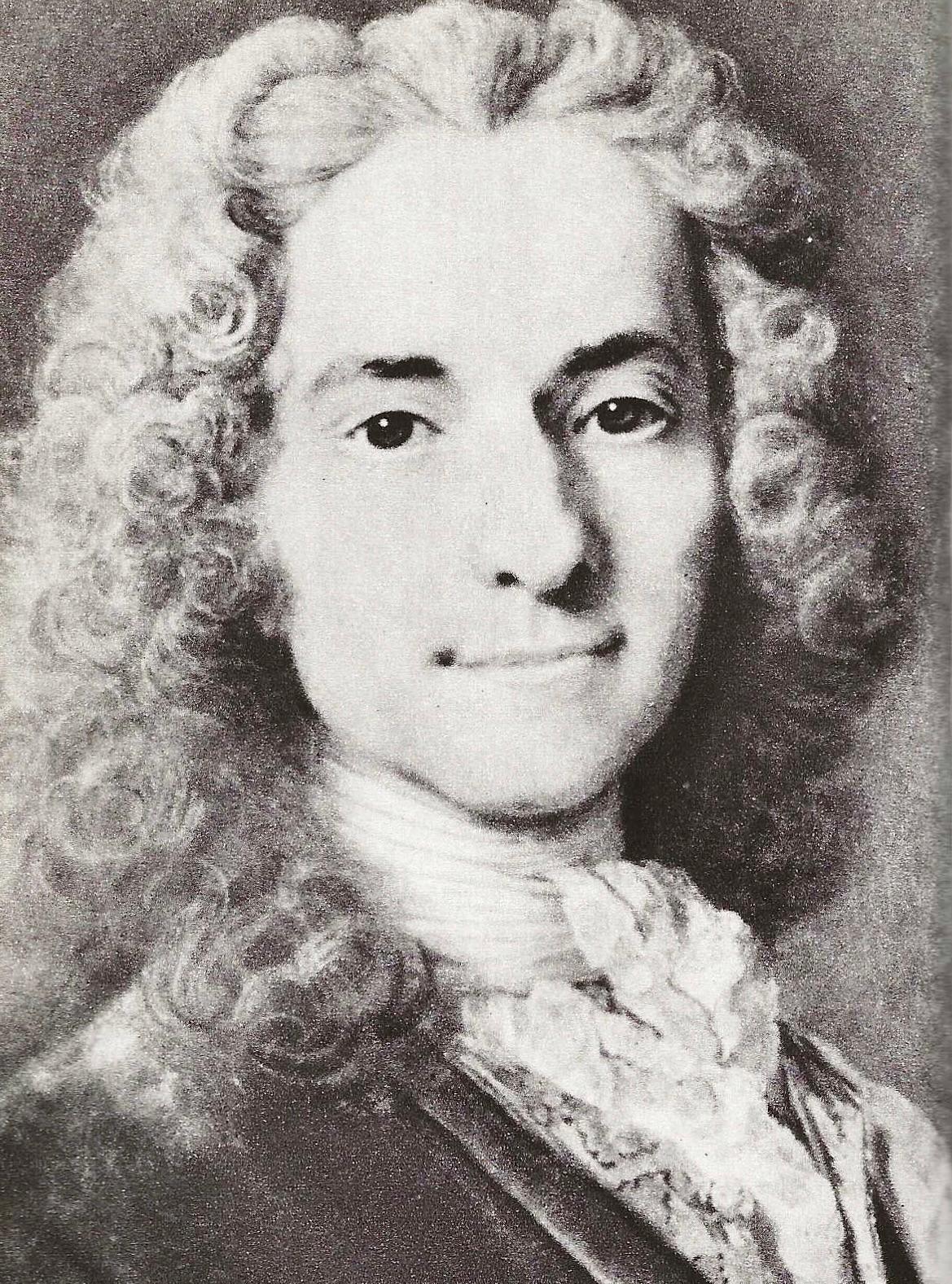
The Enlightenment philosophes expressed many ideas that developed into modern urbanism. Voltaire (above) was appalled at conditions in the city, especially after a visit to London. In a 1750 pamphlet, "Des Embelissements de Paris," he decried the squalor of the center of Paris as "shameful and barbaric." He called for broad new avenues, fountains, squares and marketplaces for health, efficiency and communication. Improvements to everyday life, he insisted, should take precedence over embellishments such as monuments. His plan called for a municipal tax that would circulate capital, create jobs and pay for itself in new visitors to Paris.
Marc-Antoine Laugier's "An Essay on Architecture" (1753) further distilled such concepts. Comprehensive planning and design was required, he said. New avenues were needed to de-densify, but they should be varied and interesting, like roads through a forest. A vision was emerging: The best elements of city and country would be harmoniously blended into a new metropolis.
|  |  | |
Elevated Paris
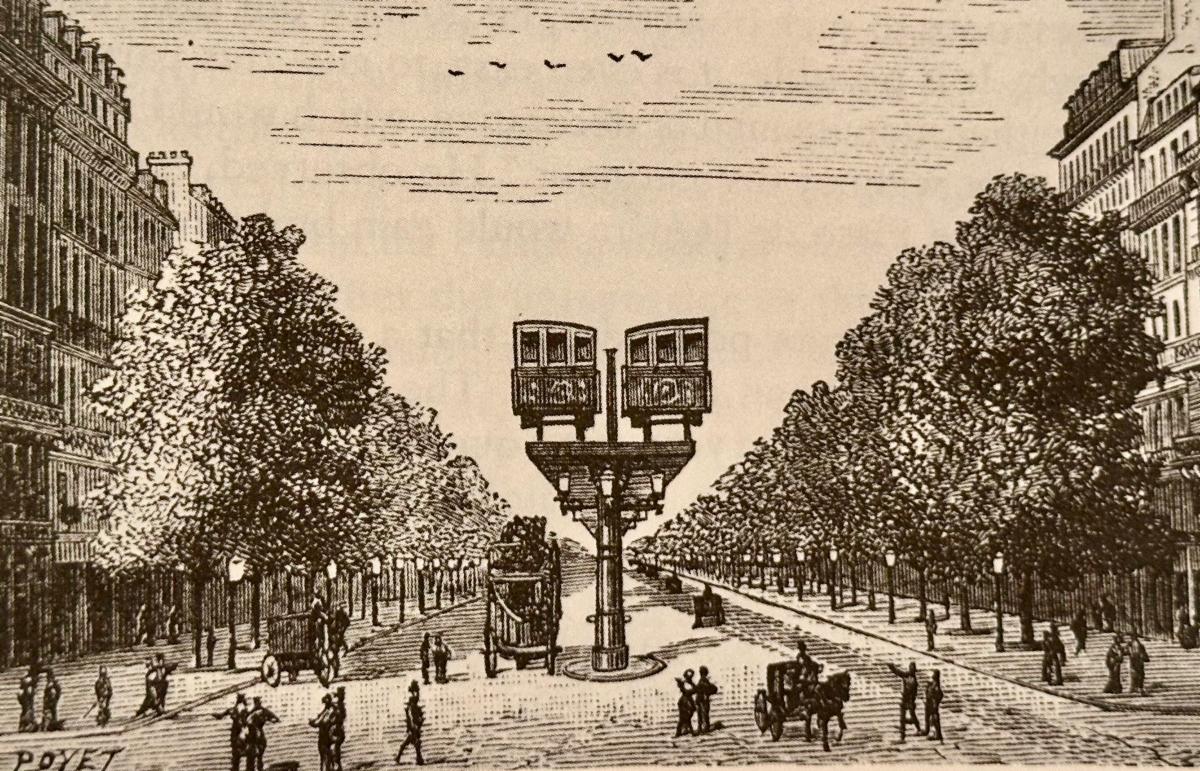
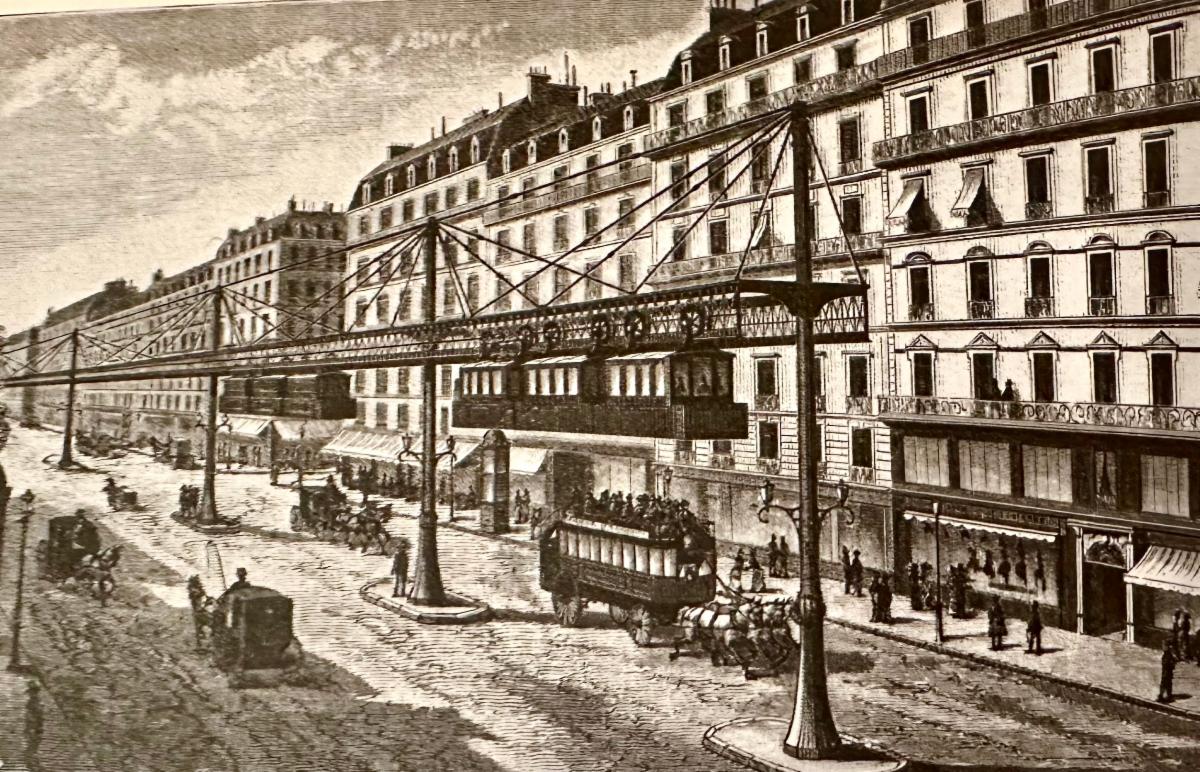
For centuries, a myriad of remedies were floated to alleviate congestion and improve mobility. The latter 19th century saw a series of proposals for an elevated railway that would hover above city streets.
Arsène-Olivier, in 1868, proposed a 30-meter-high system through the city center.
Louis Huzé, in 1877, proposed a more modest system, 20 feet-high on five major street.
Jean Chrétien, in 1881, called for an “elegant viaduct” over the grands boulevards.
These plans failed to gain traction, for fear they would block the carefully laid and highly treasured sight lines to monuments.
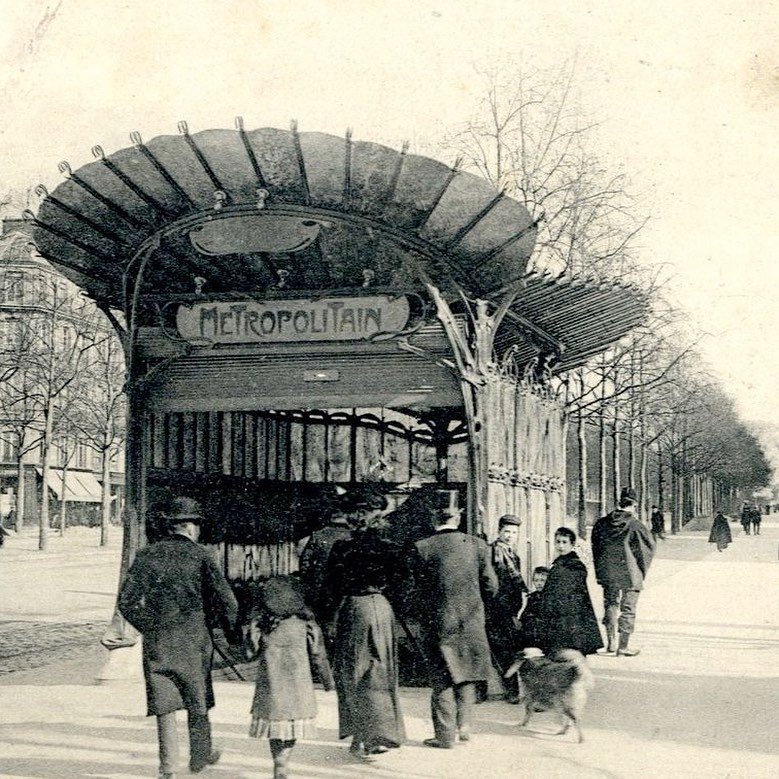
| As the Paris Exhibition of 1900 neared, the city inaugurated the Paris Metro. This effectively obsoleted discussion of an elevated railroad. | |
Subterranean Paris
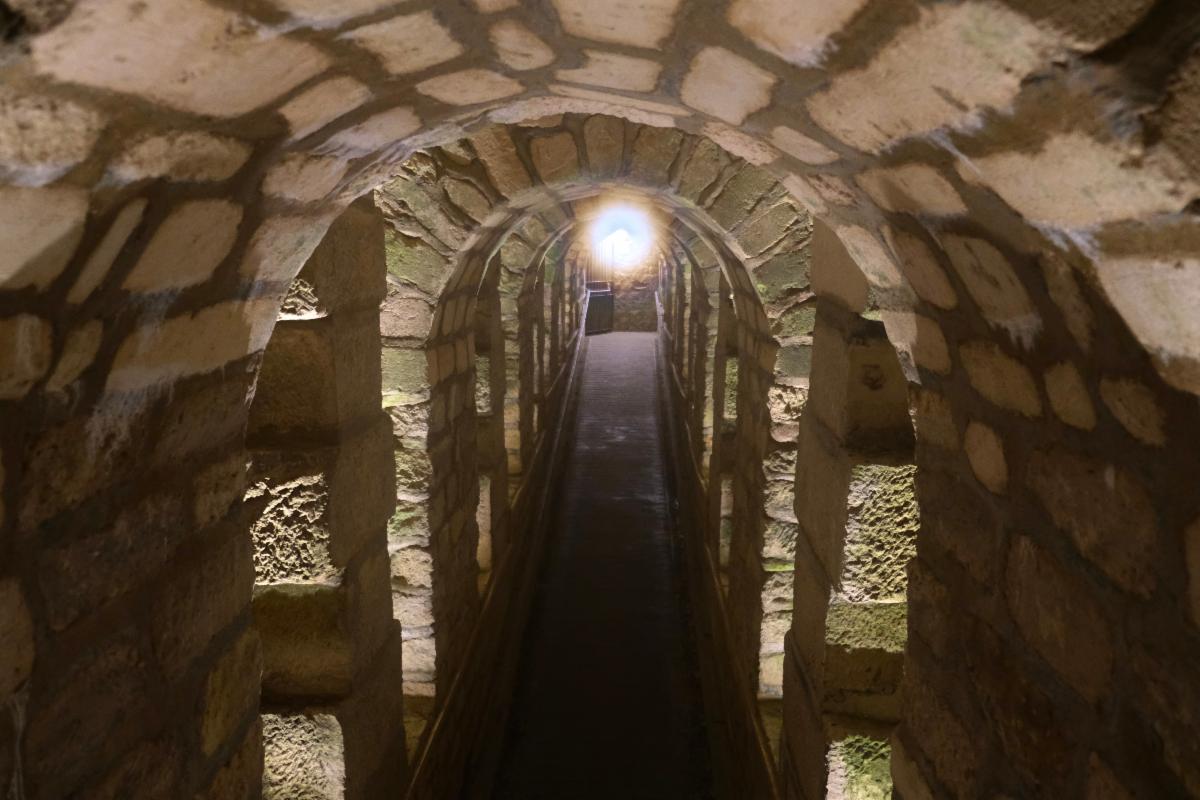
An underground Paris with streets, shops and parking garages was envisioned in the 1970s as a solution to circulation problems.
Existing under Paris are miles of defunct limestone mining caves (above) that form the Catacombs. It was proposed that they provide some of the infrastructure for Subterranean Paris.
A call for a Subterranean Master Plan never came to pass.
| |
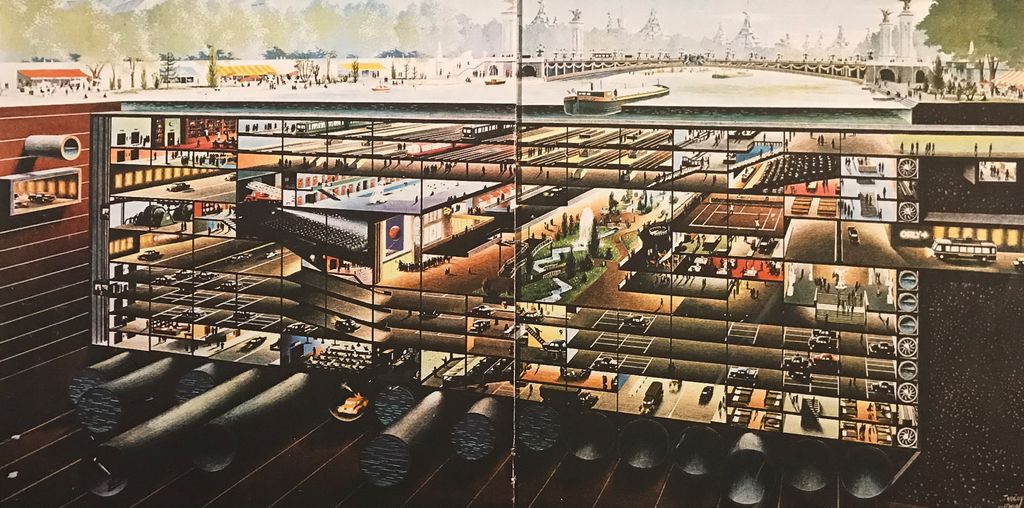
Underwater Paris
In 1962, architect Paul Maymont envisioned a city under the Seine. HIs plan (above) included 12 underwater levels with streets for motorists, parking, stores and atomic bomb shelters. An unresolved challenge was managing the enormous amount of water the development would have displaced.
| |
Second Stream
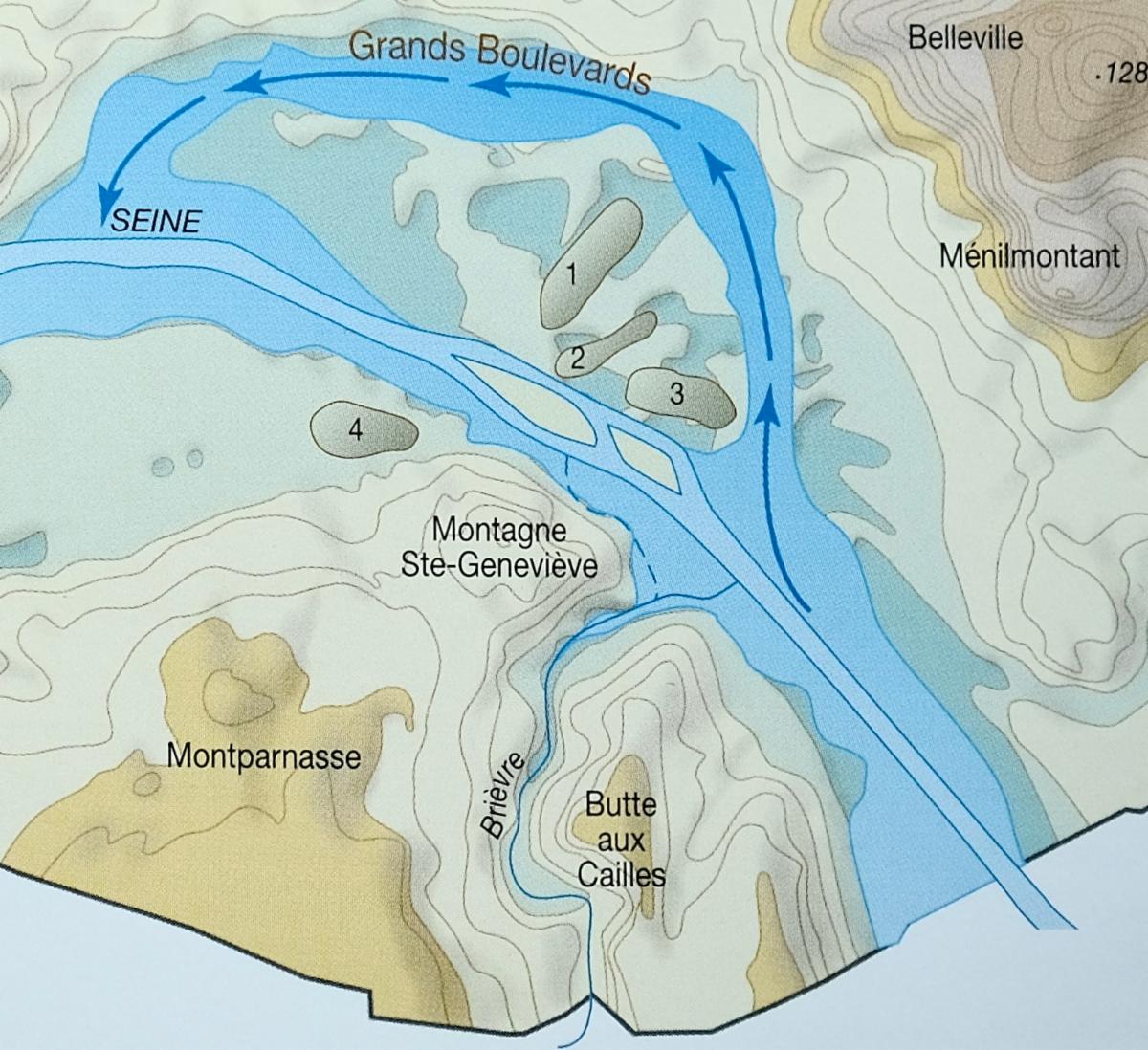
Little known fact: Paris has two rivers. In addition to the famed Seine, there is the Bièvre. Few know of it, as it hasn't been seen for a century and a half.
The Bièvre flows 35km, beginning south of the city, passing through the Left Bank and emptying into the Seine around the Jardin des Plantes.
| |
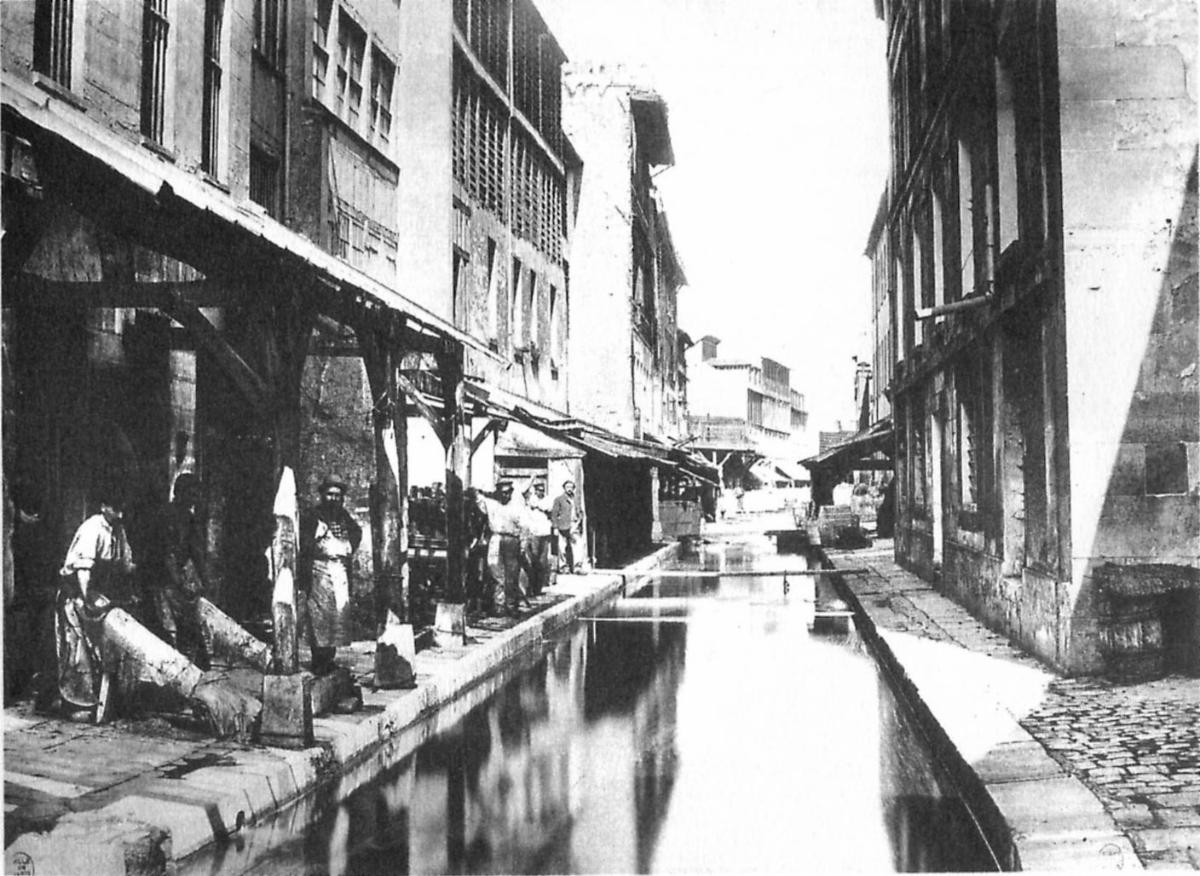
Throughout the 18th-19th centuries, the Bièvre was a working river; in fact it was worked to death. Tanners, butchers and dye-makers along its banks emptied toxic wastes into the river until it became a cess pool that encouraged disease. These industries moved away, and the small river was covered over by development.
In the past 20 years, the Bièvre has been cleaned up, and stretches south of Paris have been daylighted.
London is daylighting streams that were long covered over. Should Paris choose to do the same with the Bièvre, it could create new public spaces and development opportunities.
| |
Is Paris Burning?
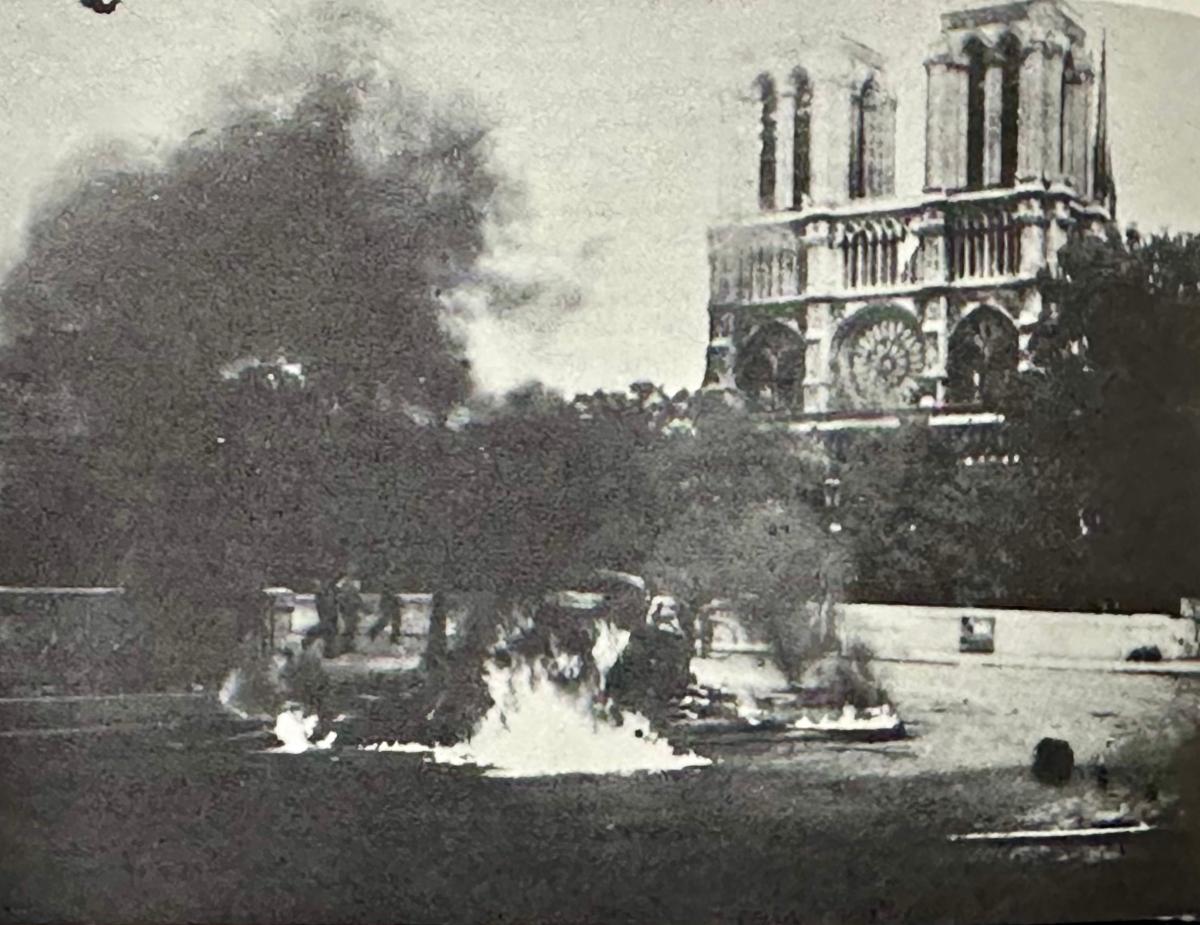
Hitler infamously demanded that Paris be destroyed rather than handed off to approaching Allied Forces in 1944. His order was blessedly ignored by his own military. The Germans surrendered rather than commit such a heinous act of human and cultural destruction.
| |  |
|
Le Corbusier's Plan Voisin
Le Corbusier is considered a visionary for his profound ideas on modernizing cities for the machine age. However, he was called a “barbarian” by the Municipal Council for his 1922-25 proposal to replace most of the Right Bank with “superblocks” of high-rise buildings. He also envisioned high-speed roads through the city that favored motorists over pedestrians. Where would the flâneur have wandered?
| |
The Non-Eiffel Towers
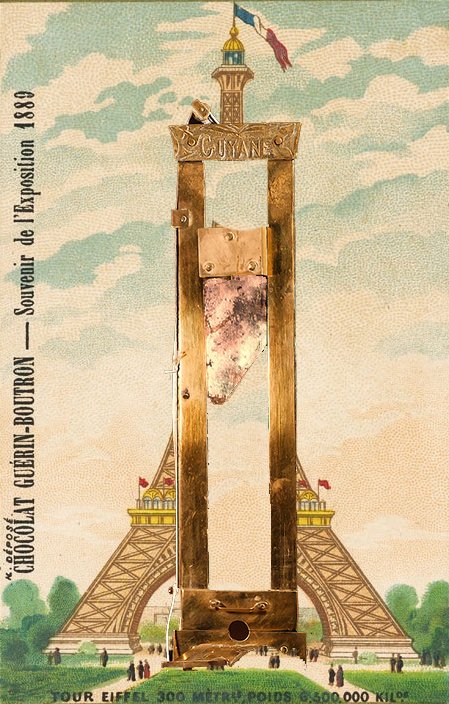
La Tour Eiffel, which was hated while under construction but which later became a beloved icon of Paris, was the winning design in a competition for the 1889 Paris Exhibition. In all, 107 designs were submitted. They ranged from classical to wacky. Designs included a ziggurat, an “Upas Tree of Java,” a clock tower, a “Bigger Ben,” a corkscrew, and a pyramid. Then there was one design (above) that was intended to honor the centennial of the Revolution by replicating a guillotine, a thousand feet high.
Not a winning entry.
| |
Living the High Life
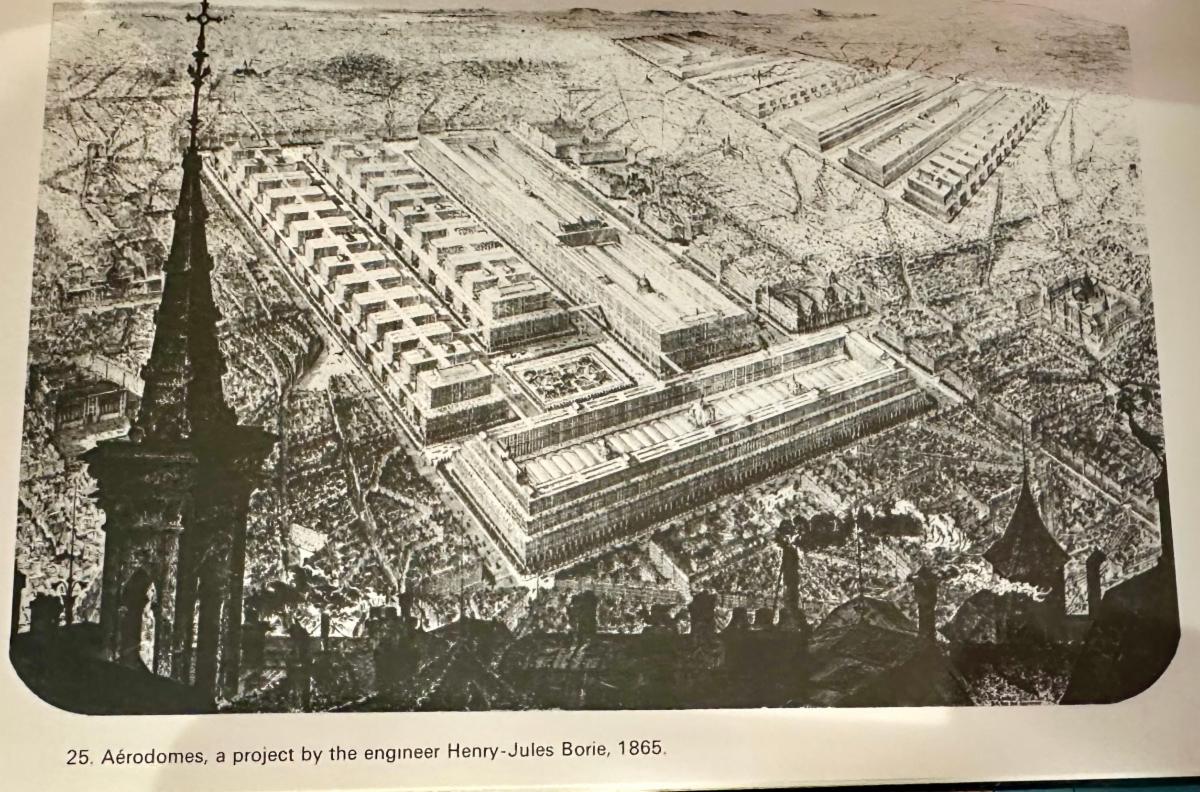
A lofty Parisian life was envisioned by architect Henri-Jules Borie. His concept of Aerodromes (above, in an 1865 rendering) involved a multi-level system of circulation. He planned large elevated streets on inter-related terraces, with schools perched on the top terrace. The upper levels were to be accessed by way of ”moving rooms,” that is, steam-powered elevators.
| |
Liftoff from Champ de Mars
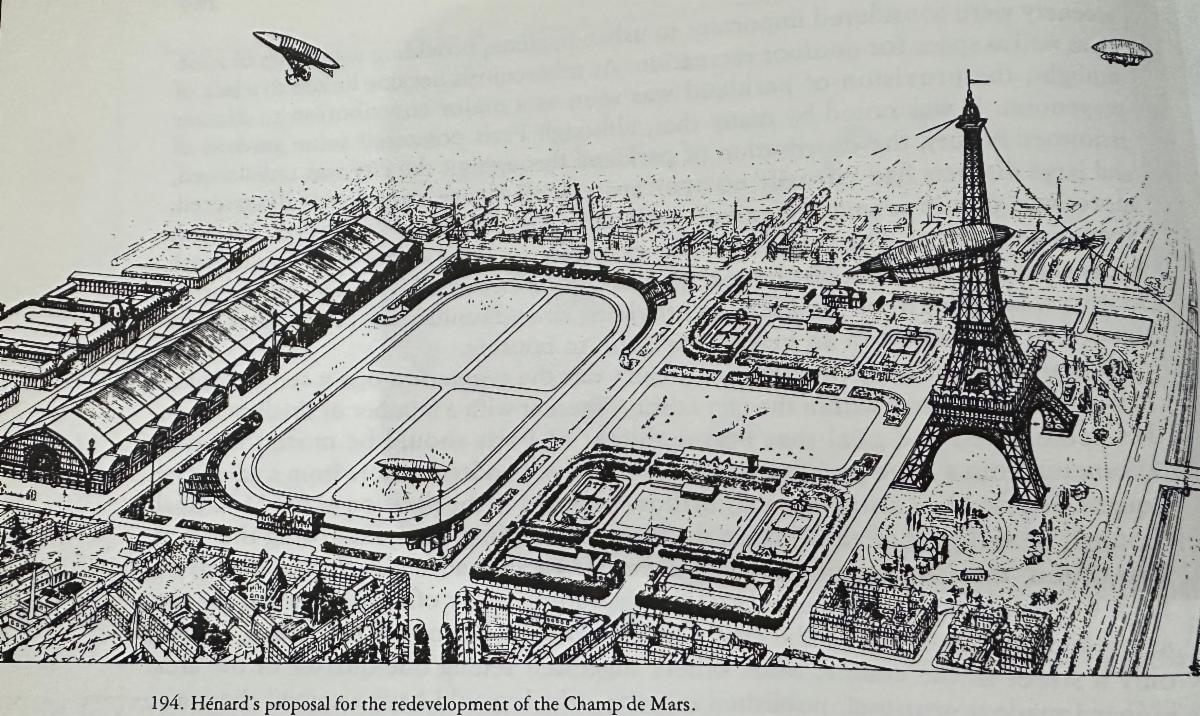
Eugène Hénard served as Architect of Paris from 1905-1907. He produced a wealth of ideas, both very good and very bad. One was to turn the Champ de Mars into an airfield (above) with blimps tethered to the Eiffel Tower.
| |
Not Through Here!
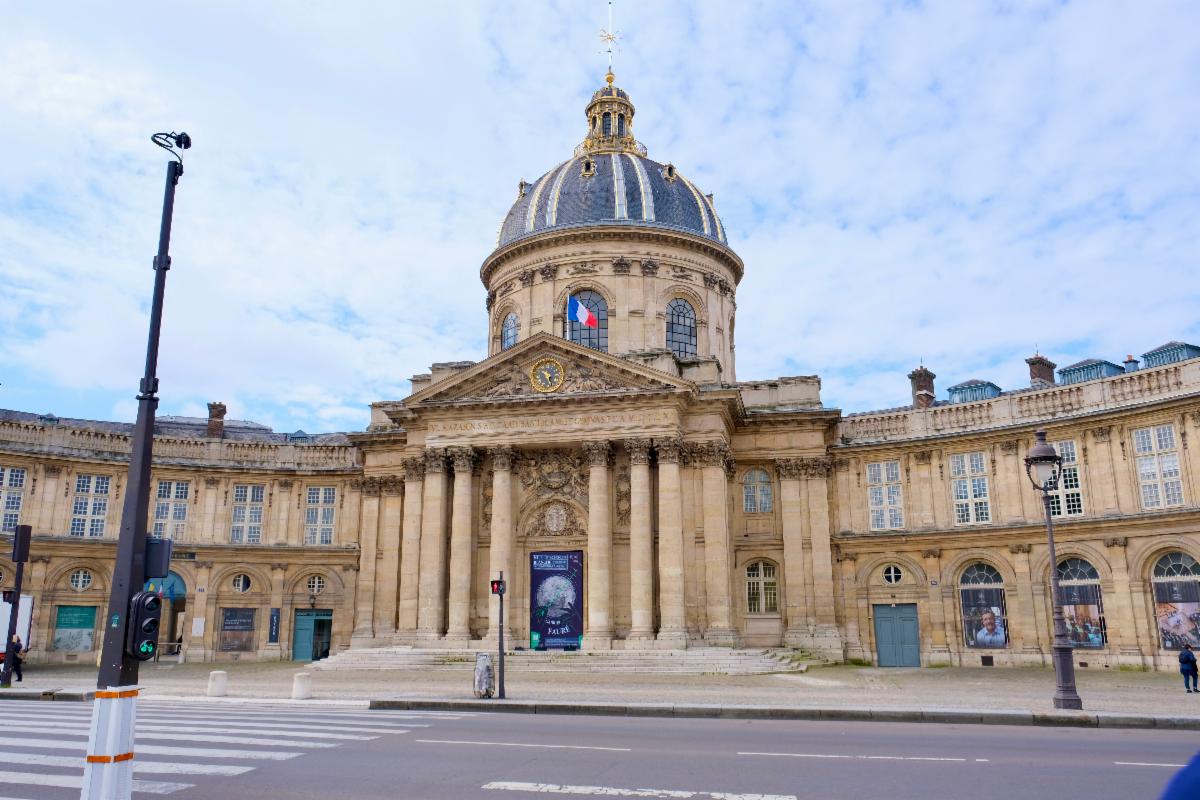
Hénard proposed extending rue de Rennes through Saint-Germain-des-Prés then on through the existing neighborhood to the Seine. Fortunately, the Institut de France (above) stood in the way--and still does.
| |
Over-Reaching
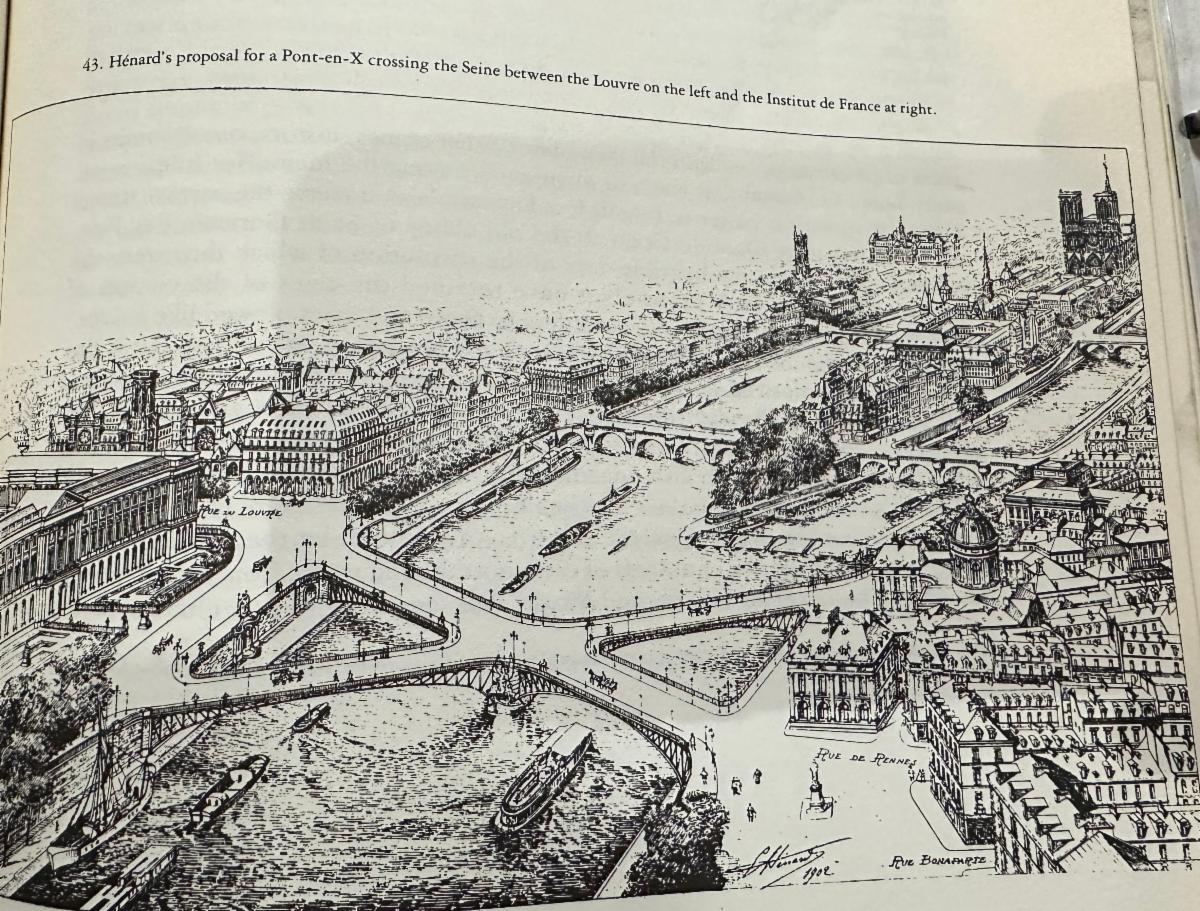
Also nixed was Hénard's plan for a giant X-shaped double bridge (above) that would have marred iconic views of the Ile de la Cité.
| |
Slice of the Pie
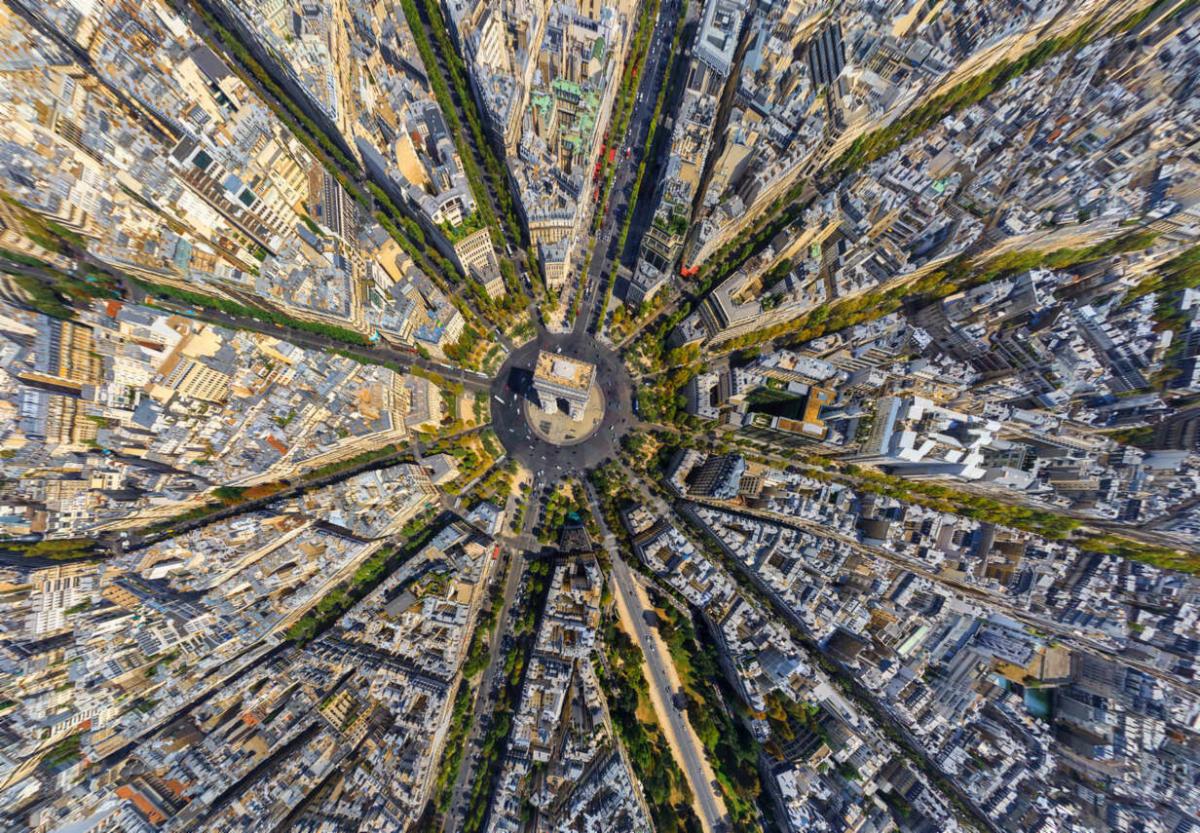
Architect Paul Meyer-Lévy proposed slicing up the Left Bank like a pie. New boulevards would have radiated from Pont du Carrousel, much as boulevards on the Right Bank emanate from the Arc de Triomphe (above). His plan was rejected.
| The Best Ideas Never Enacted | |
Going Round and Round
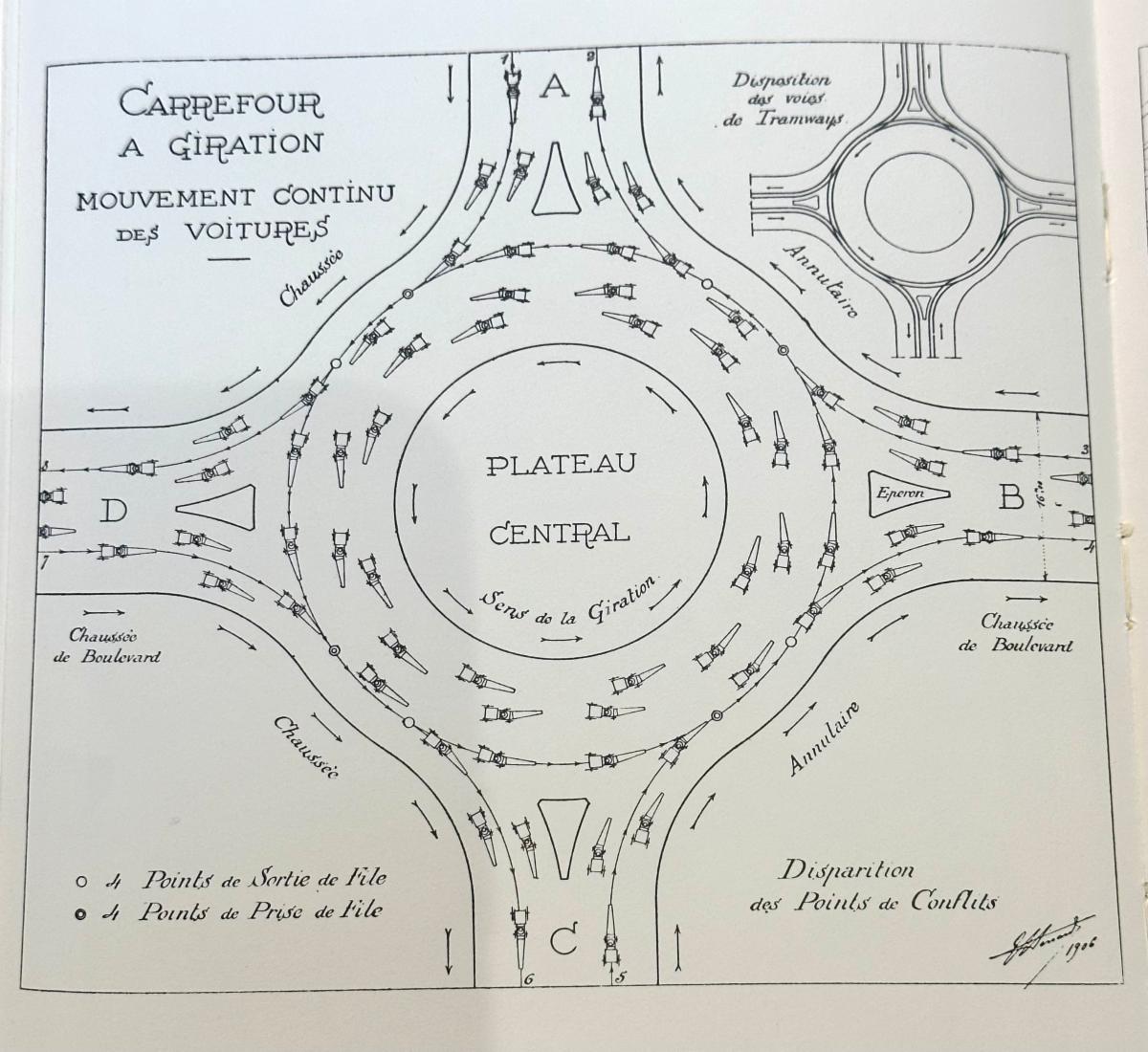
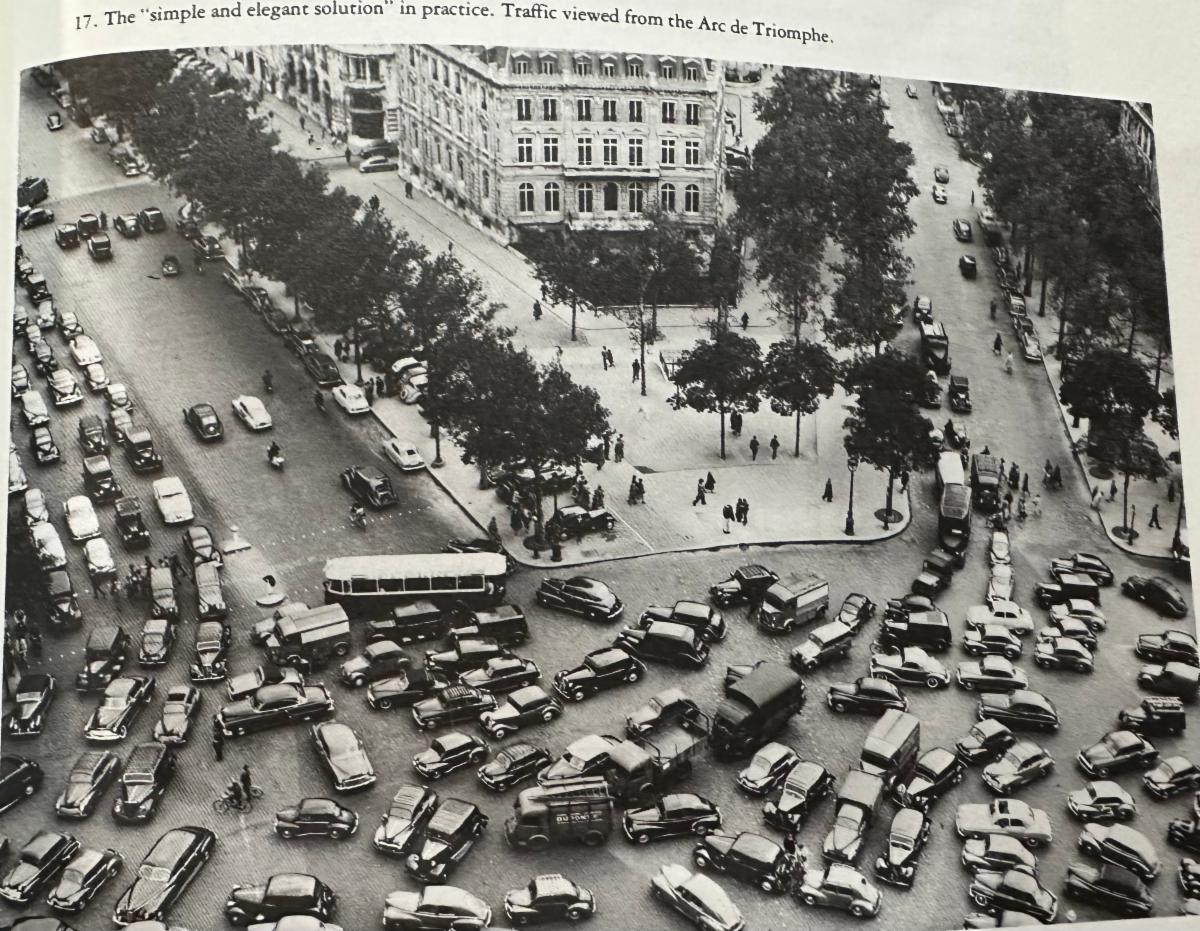
Hénard was credited as the inventor of the rotary intersection. He suggested installing rotaries throughout the city to keep circulation flowing freely.
| Unfortunately, this idea was underutilized to ill effect (above). | |
Setting Back Monotony
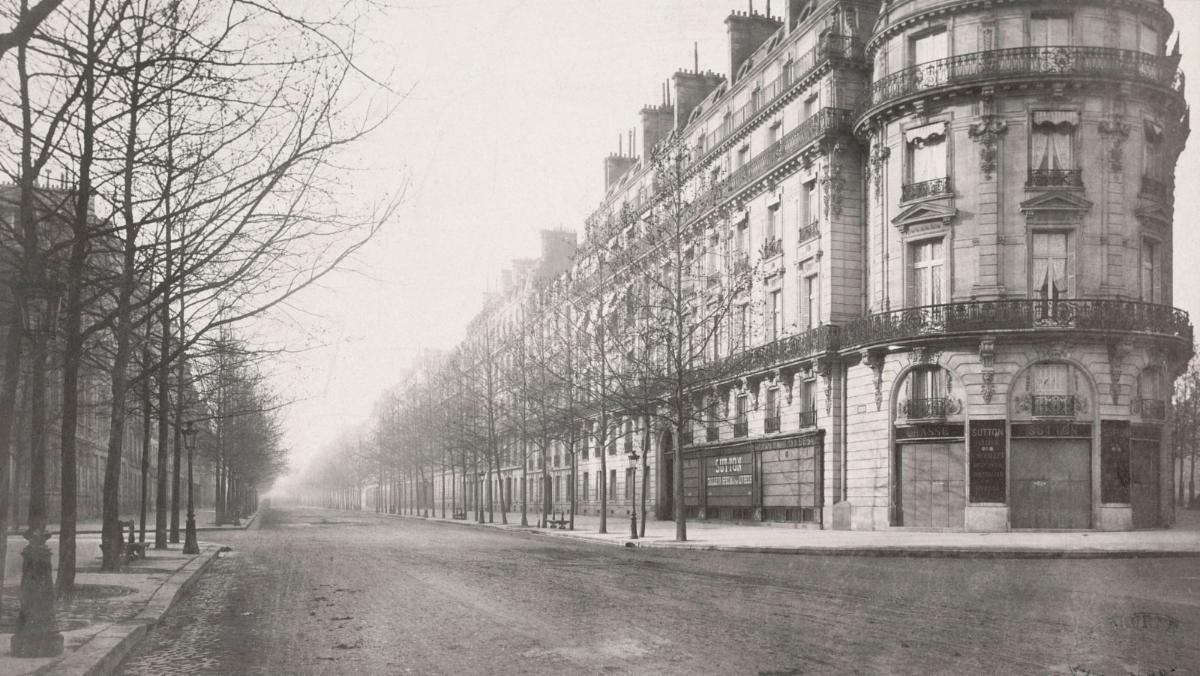
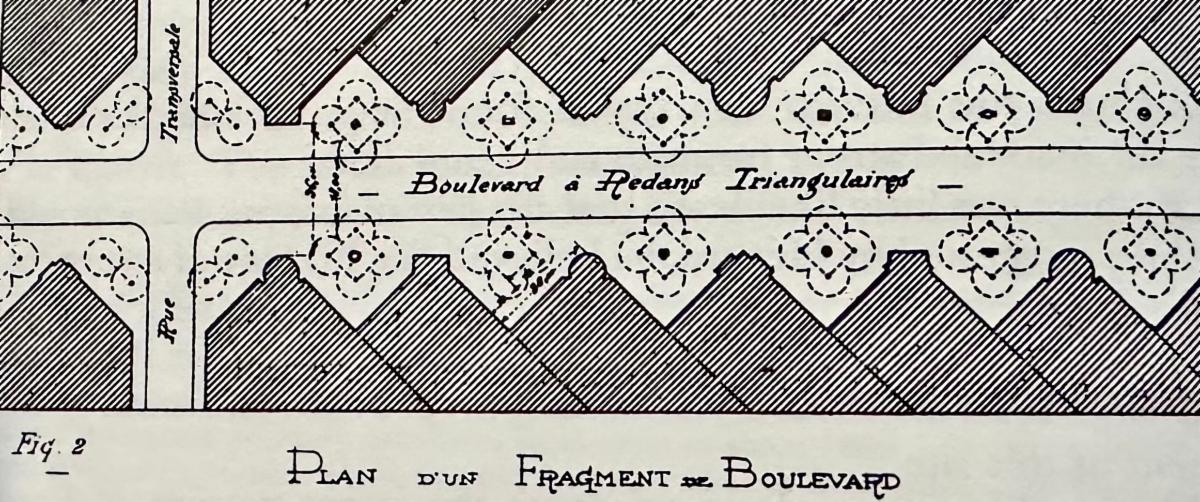
Baron Haussmann was called the "Attila of Straight Lines" for his obsession with clearing the tangle of old streets and replacing them with cannonball boulevards of boring uniformity (above).
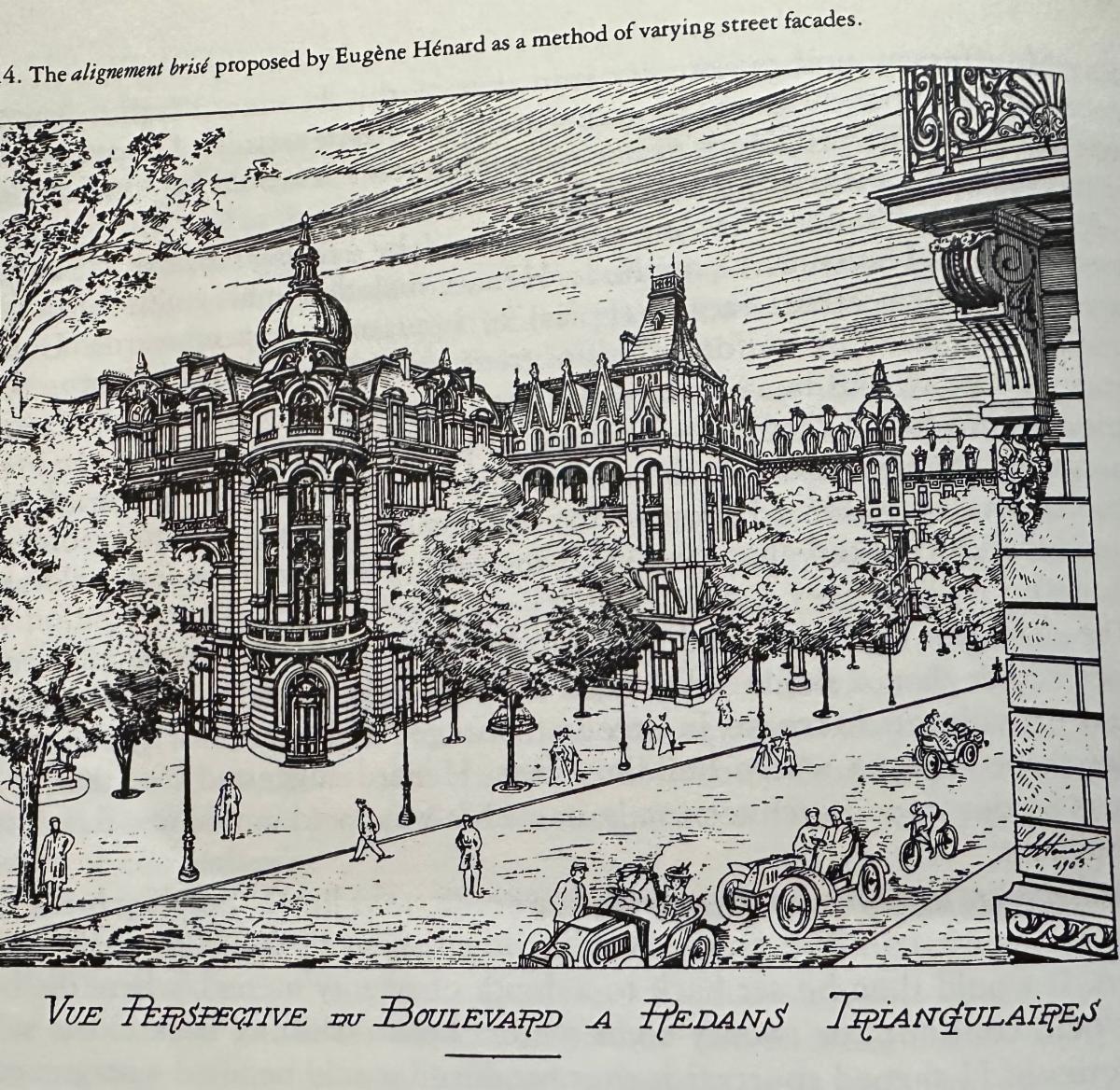
| In contrast, Hénard proposed triangular setbacks (above and below) to add visual diversity and to maximize air and light. | | |
Who Did the Most Damage to Paris? | |
Haussmann's Renovation
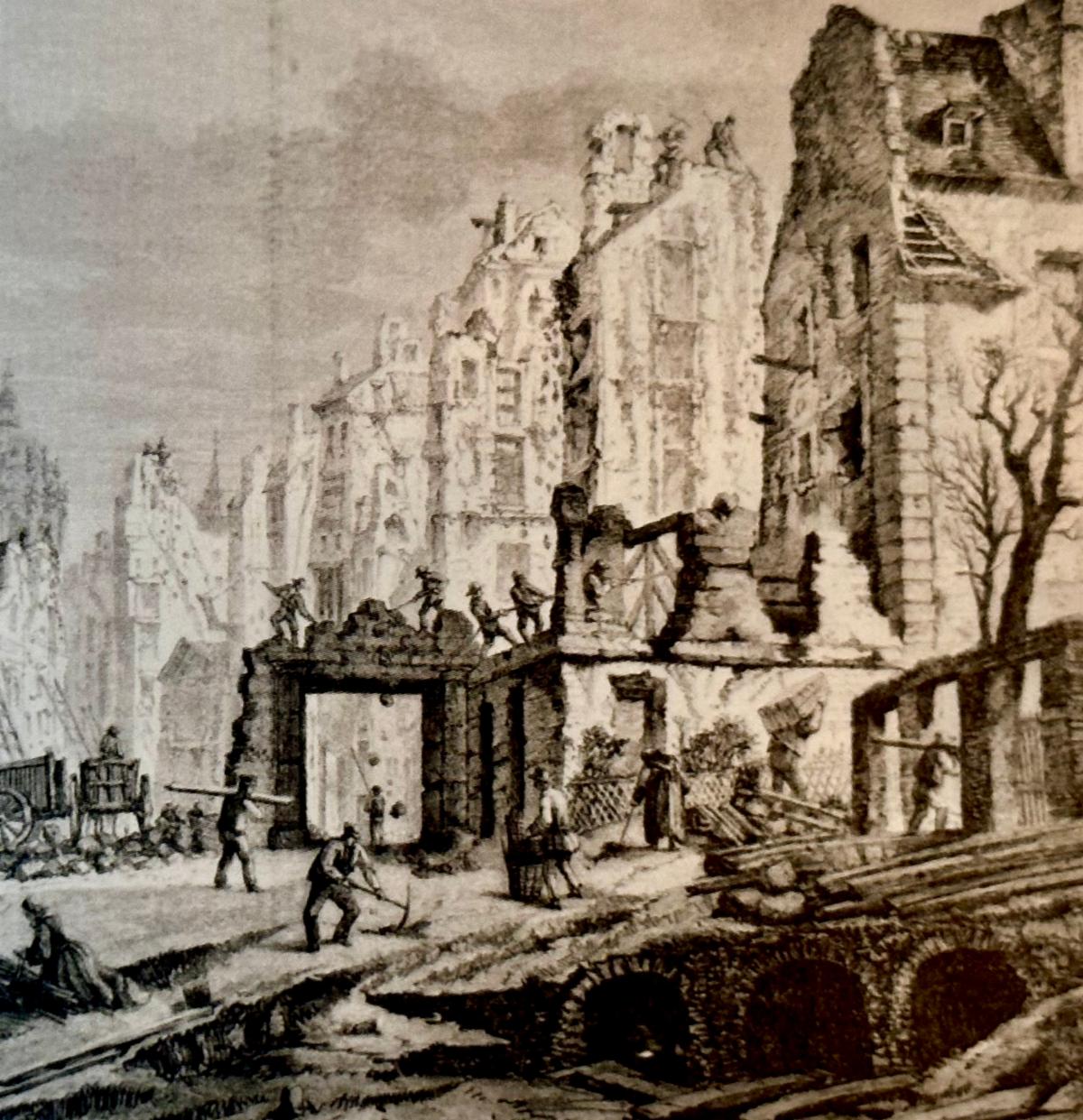
Baron Eugène Haussmann, Prefect of Paris under Napoleon III, headed the Renovation of Paris (1852-1870). While great improvements were made in circulation, air, water and sewers, the renovation also demolished about a third of the ancien Paris.
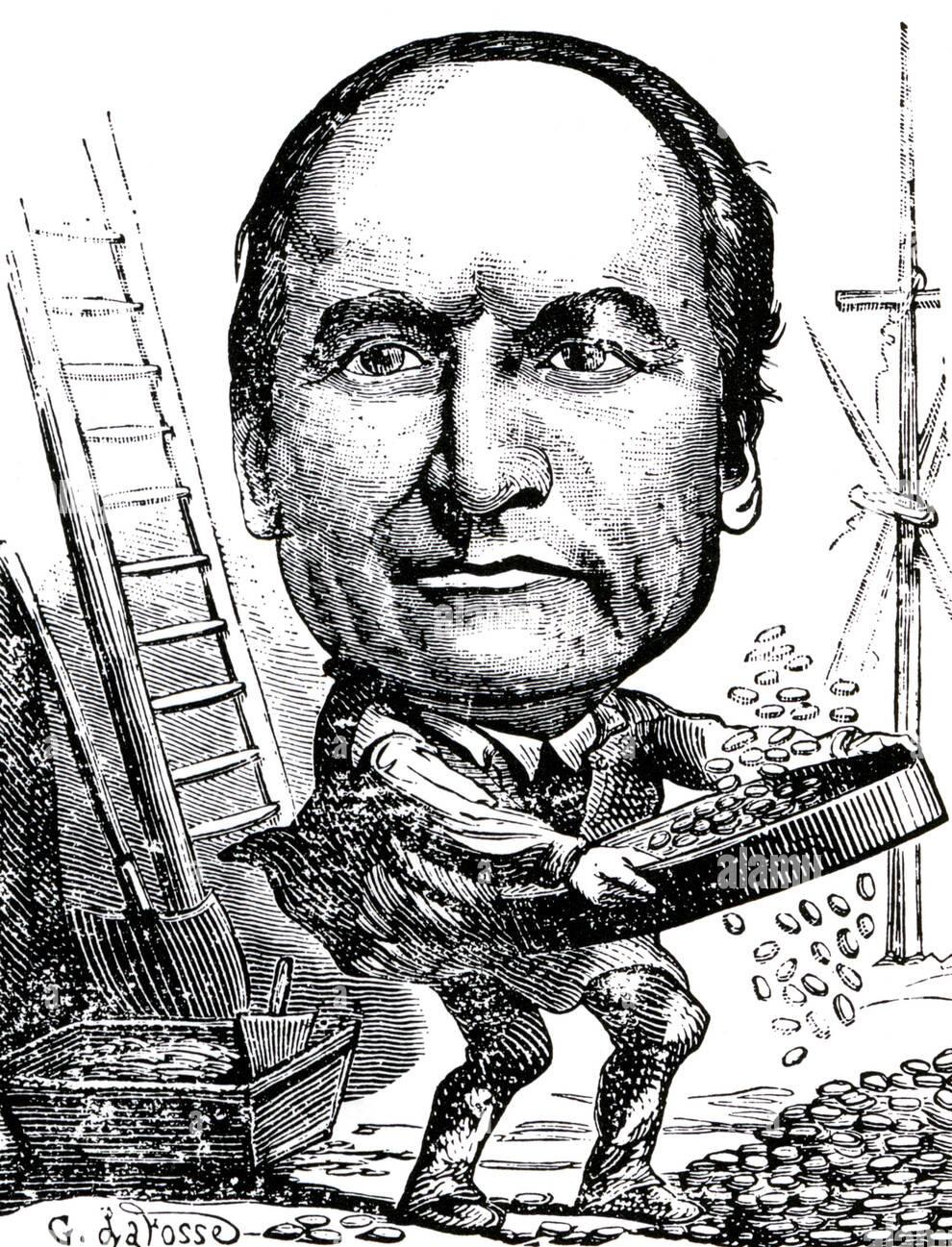
Haussmann (depicted below) reveled in the moniker "Artiste Démolisseur," but there were staggering costs to his work.
| |
The first cost was financial. Haussmann masked his financial schemes from public scrutiny and legislative review. When he was dismissed in 1869, it was revealed that he had strapped Paris with a debt that took 50 years to completely pay down.
Then there were human costs. He decimated entire neighborhoods of working poor, driving residents to the fringe of the city or beyond. There, they lived in conditions as bad or worse than before.
What's more, they lost their neighborhood, an essential binder of urban life and element of Parisian identity.
| |
The Paris Commune
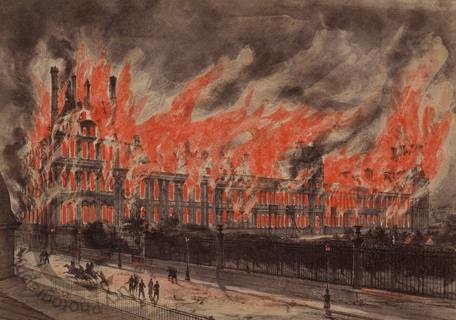
In their stated efforts to smash the state and rid Paris of the stench of monarchy and religion, the communists and anarchists who formed the Paris Commune (1871) caused devastating collateral damage. They destroyed hundreds of years of city records when they set fire to the Hôtel de Ville and the Tuileries Palace.
Our historical knowledge of Paris is poorer, as a result.
| |
Pou Pou Pompidou
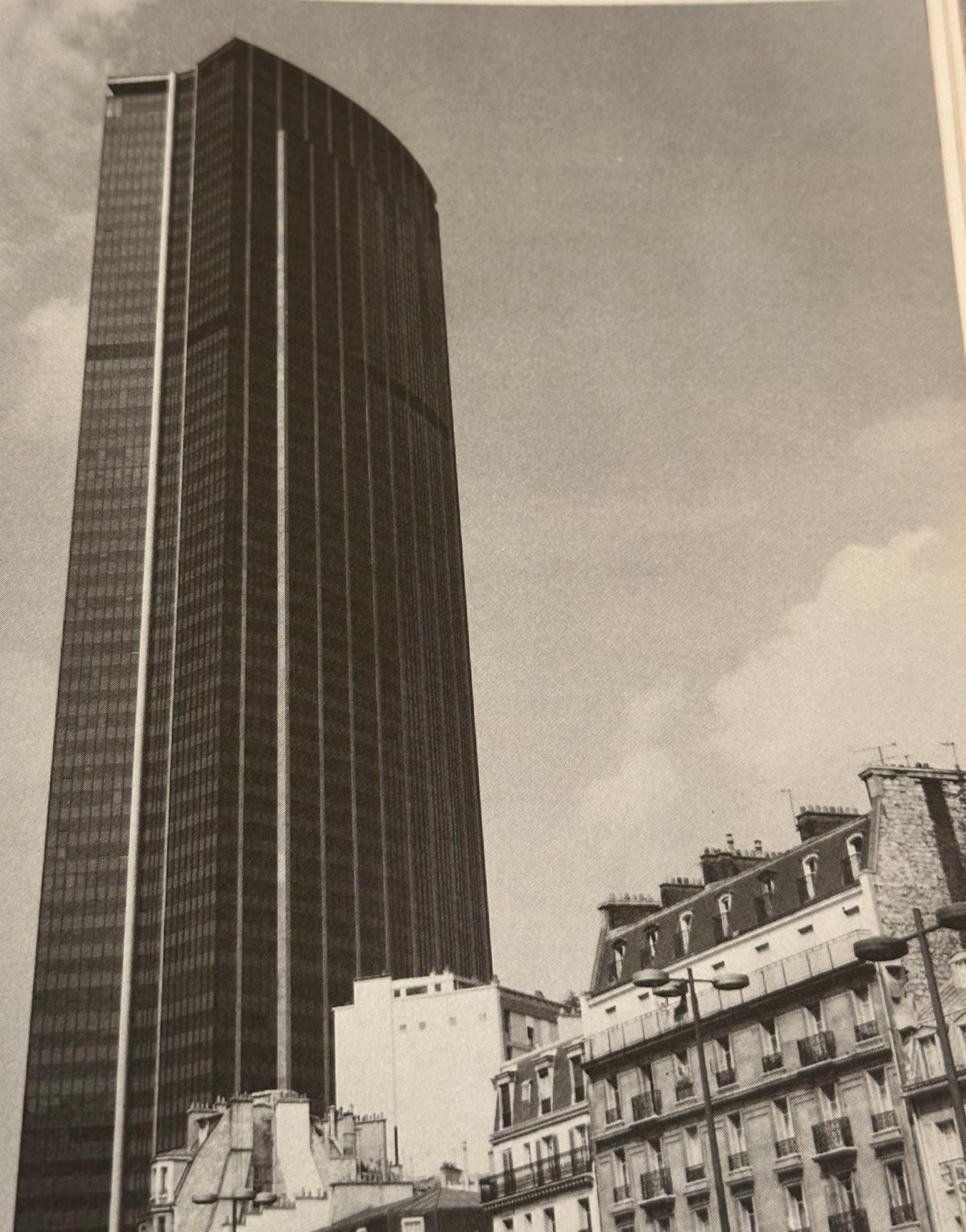
A special place is reserved in the Panthéon de Mauvaises Idées for Georges Pompidou, who served as President from 1969-1974. Pompidou carried out some horrendous ideas of urban renewal. La Tour Montparnasse (above), the sole modern tower within the center of Paris, is a lasting and woeful reminder of his tastelessness and towering ego.
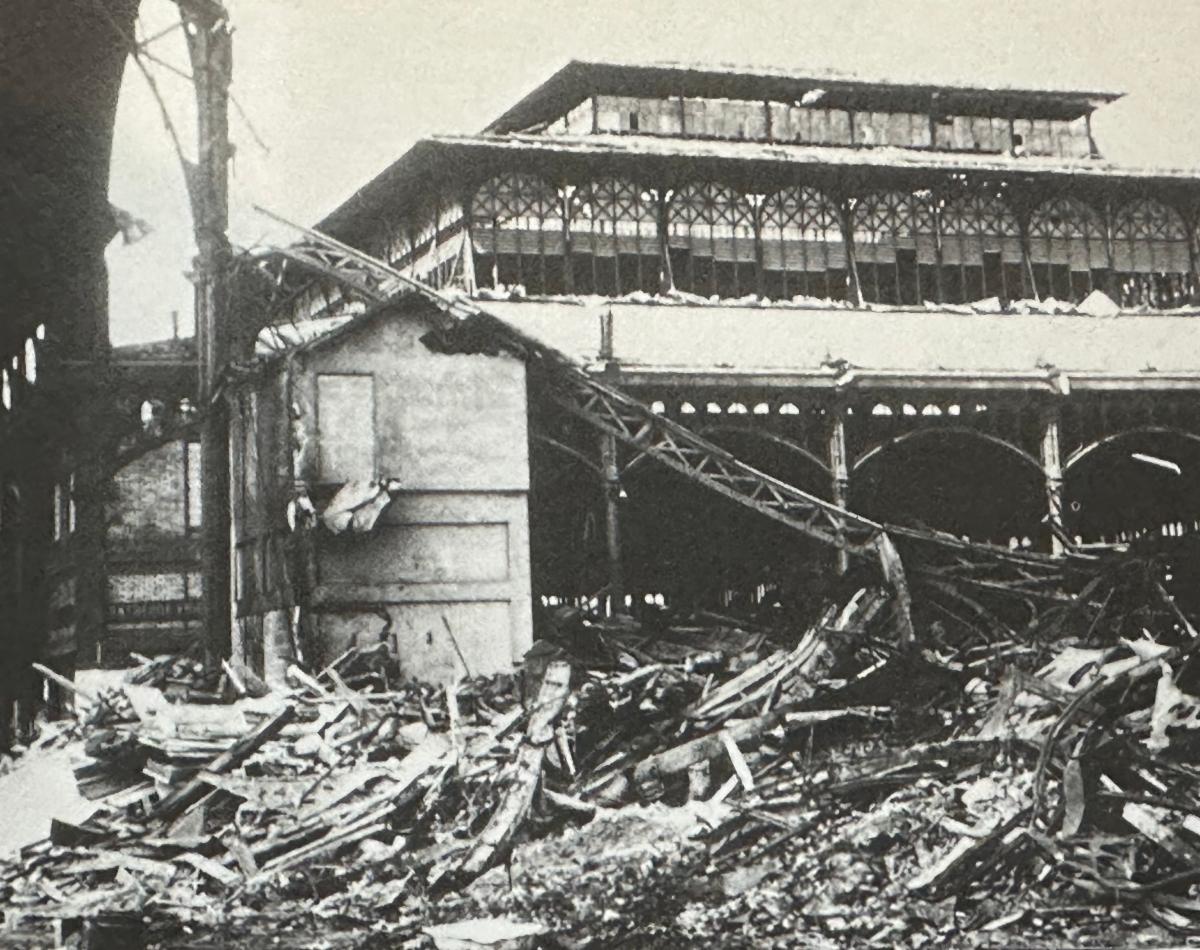
Another egregious error was demolishing Les Halles (below) and replacing the central food market with a dreary subterranean mall.
| |
La Defense
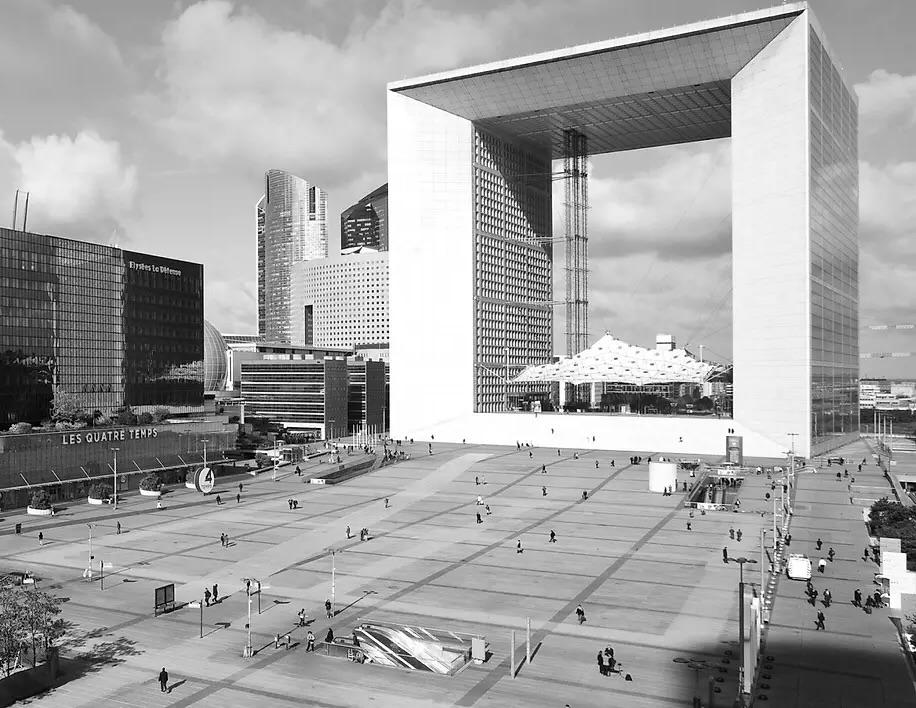
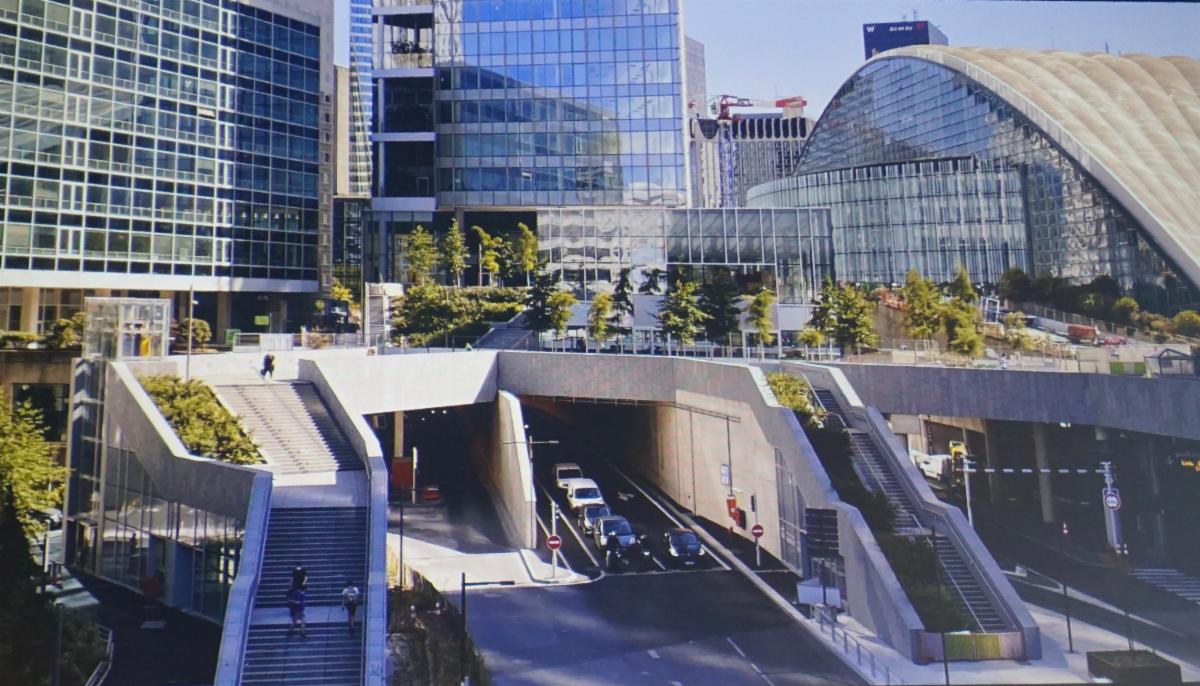
La Defense, a glaring example of Manhattanizationat at the west end of the city, is a concrete desert and a daunting wind tunnel for pedestrians.
| A landscape design firm is working to soften the hostility of the space with greenery and water pools. | | |
|
Concrete Deserts
It is a signature of brutalist architecture: surrounding a concrete building with an expanse of concrete.
| |
Plateau Beaubourg
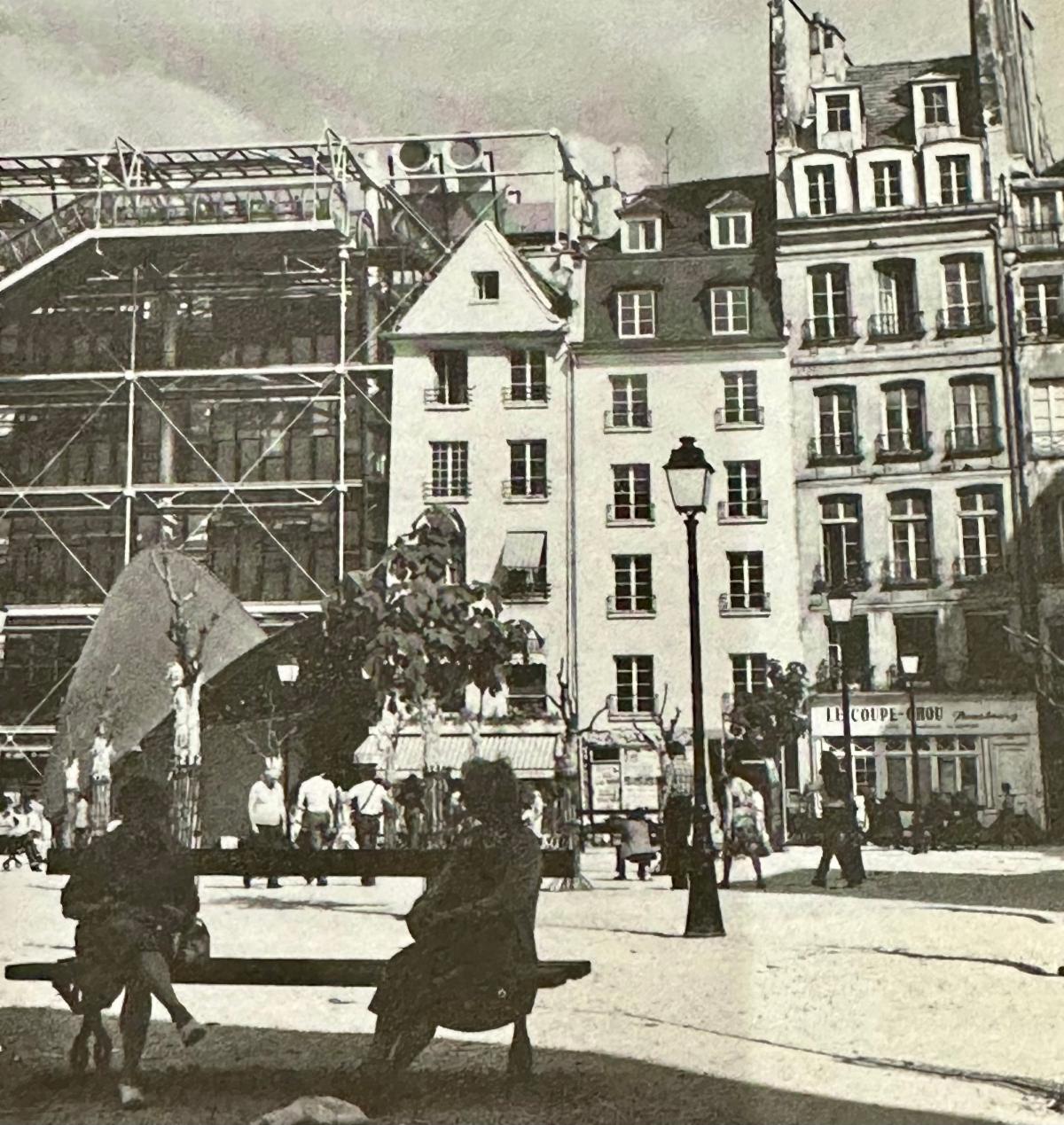
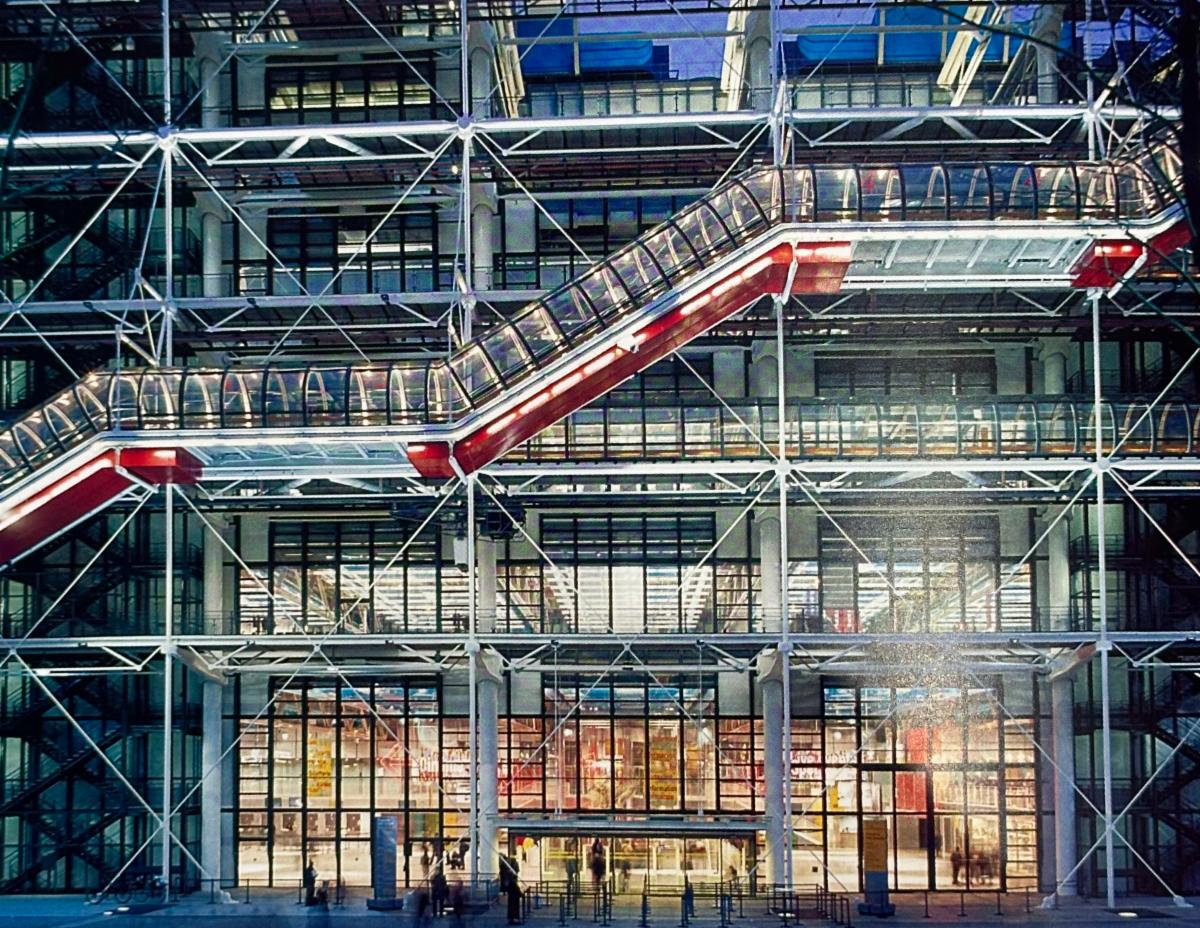
In the 1930s, a Right Bank neighborhood in the 4th Ar. was identified as an ïlot insalubre or an “unhealthy zone.” Buildings were cleared, and plans to rebuild the neighborhood were interrupted by war and then by further delays. For 30 years, the vast space was used as a parking lot.
| Finally, in the early 1970s, Musée Beaubourg, the architectural unicorn known for inside-out design (above), was built there. The building then was set off by a vast concrete space where tour buses park and street artists perform. | |
Forum des Halles
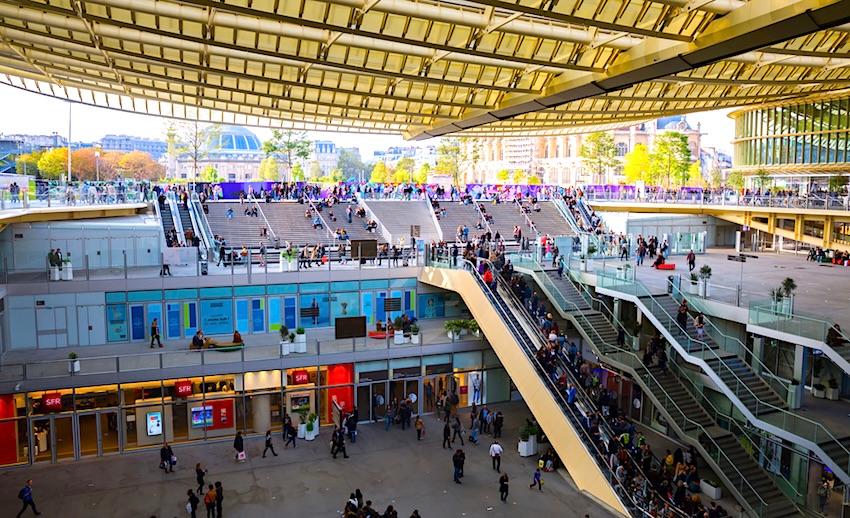
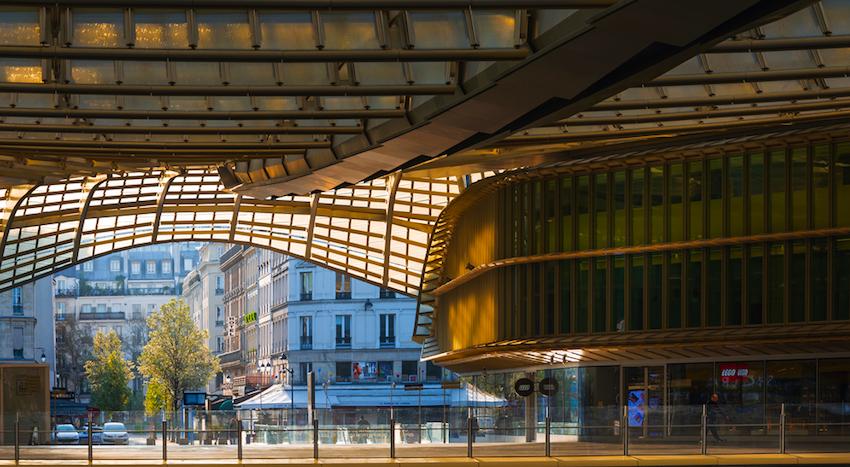
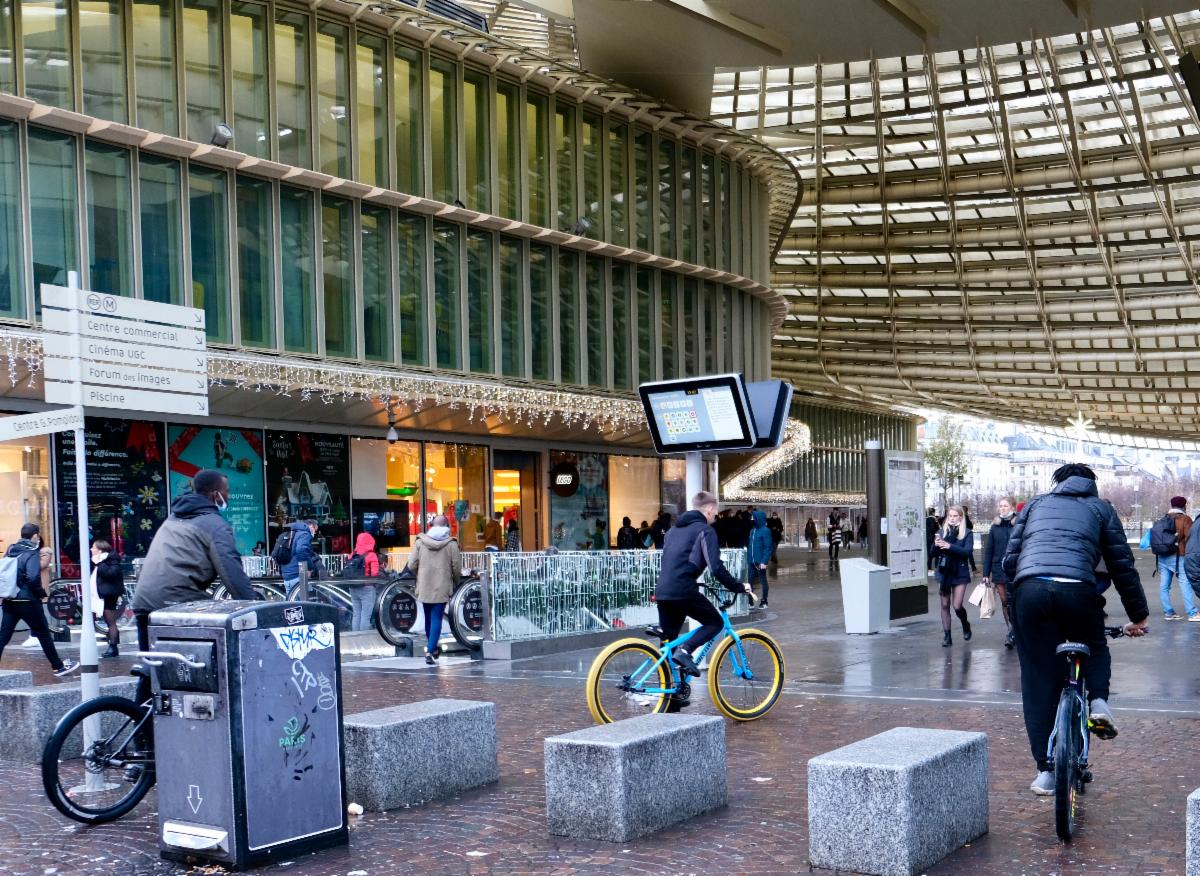
Nearby is Forum des Halles, an underground mall beneath the site of the former city food market. In 1962, plans were made to move the food market to Rungis on the city’s southern perimeter. Market activity ended at Les Halles in 1969. Before excavating and construction began in 1971, the airy pavilions of the now empty market place were used as an arts center for events and exhibitions. That was short-lived. The Musée Beaubourg replaced that as the area was developed. After much dispute, the space of the former food market became mixed use, with public green spaces amid development.
| Forum des Halles (above). Bicycle gangs (below) tear through it. | |
Design Reparations
Urban design mistakes and omissions are being corrected. Notably, vehicular traffic is being limited--including restricting motorcycles from using certain residential streets, Also, greenery is being added with attention paid to shade equality, neighborhood to neighborhood.
| |
Avenue des Champs Elysées
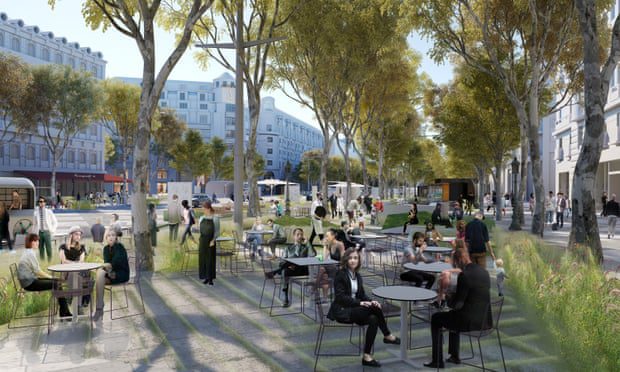
This grande allée was designed for Louis XIV to showcase Paris for visiting dignitaries (though the Sun King seldom frequented the city himself). Over the past century, its use by motorists prevailed. Now it is being repurposed as a pedestrian park and major component in the urban forest.
| |
Notre Dame Parvis
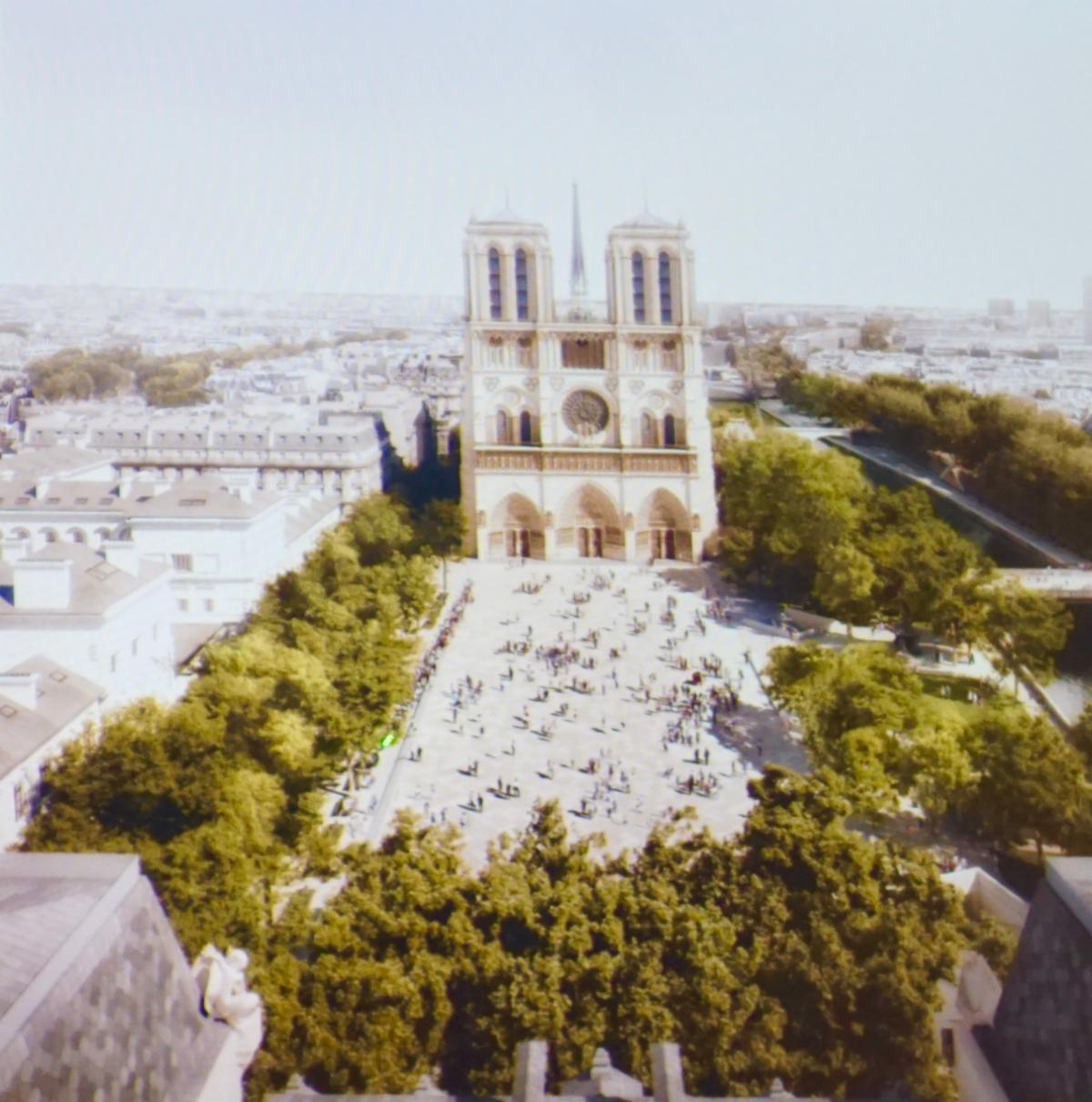
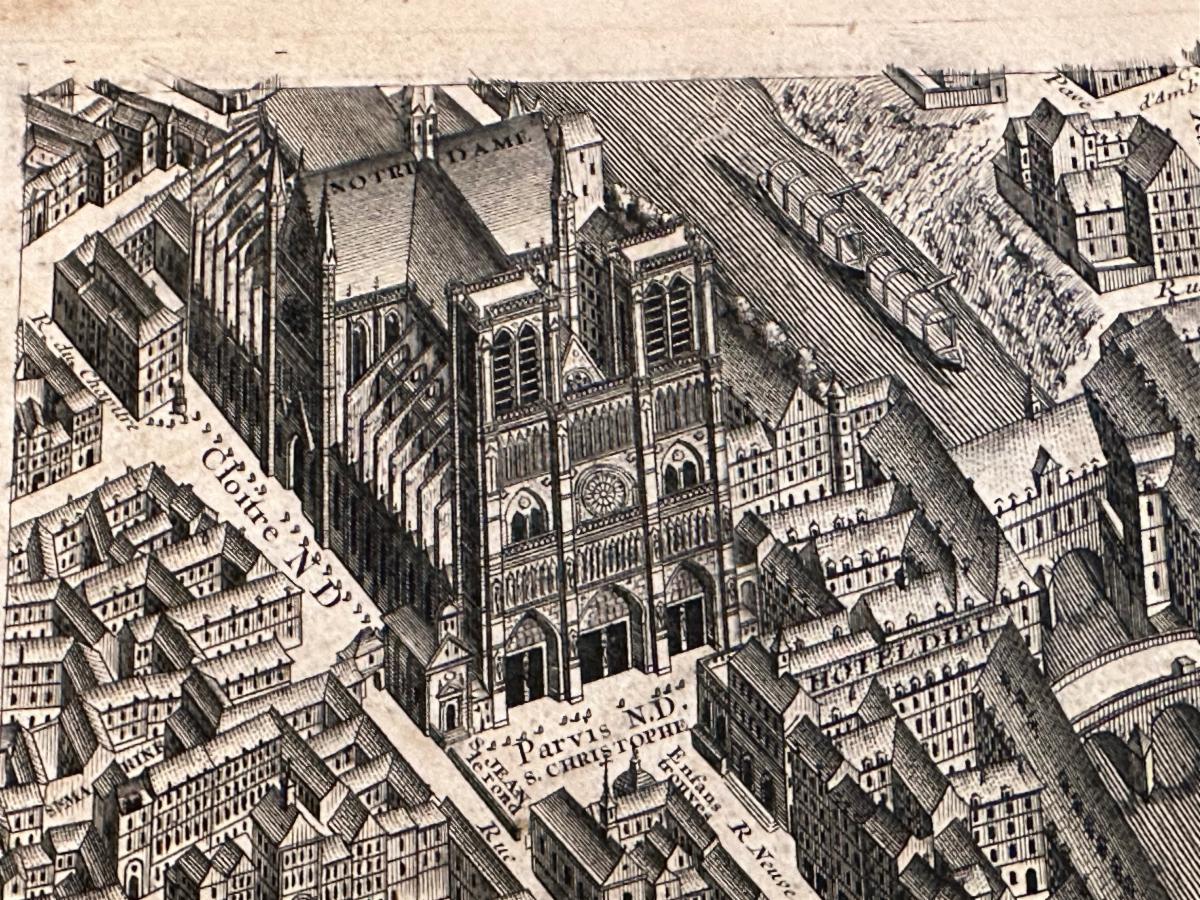
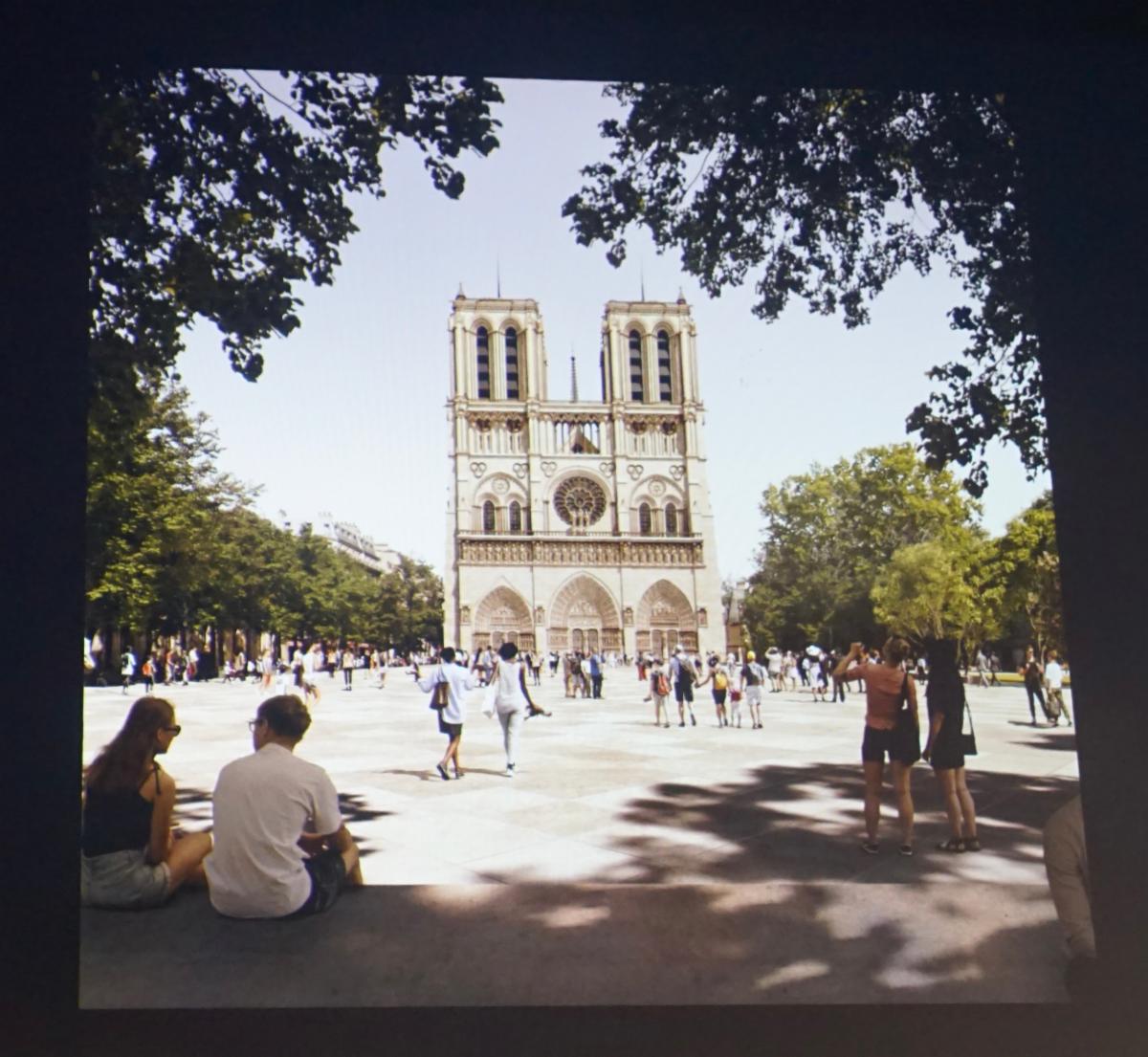
The parvis or open space in front of Notre Dame Cathedral has seen enormous changes over centuries. In Medieval times, the square became covered by cramped housing and a city hospital.
| The parvis was cleared in the 19th century renovation, and the cathedral could be better viewed. Now this prime meeting place--as much the center of Paris as any one place--is being redesigned with lush trees and shrubs and grasses. | Also, the parvis will be flooded each morning in the summer with a thin watery sheet that provides cooling throughout the day. | | |
|
Paris Imagined in Literature
Some plans to transform Paris were expressed with an architect's T-square, others with a writer's quill. Here are a few examples of Paris in the literary imagination.
.
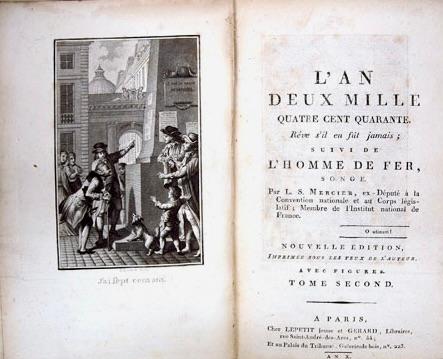
The Year 2440: A Dream if Ever There Was One (1771)
by Louis-Sebastian Mercier
Mercier is best known for Le Tableau de Paris (1781-1788), a witty chronicle of urban life just before the Revolution. Before he wrote this best-selling series, Mercier took a stab at futurism in L'An 2440.
The book's narrator falls asleep and awakens 700 years later to a utopian Paris where king and clergy have abdicated in favor of law by general will, and where true sovereignty rests in the hands of the people. This Paris of 2440 Is clean and well-ordered. Trees line streets where everyone walks, including the king. All civil matters are out in the open, so despotism is impossible and there are no prisons.
|  | |
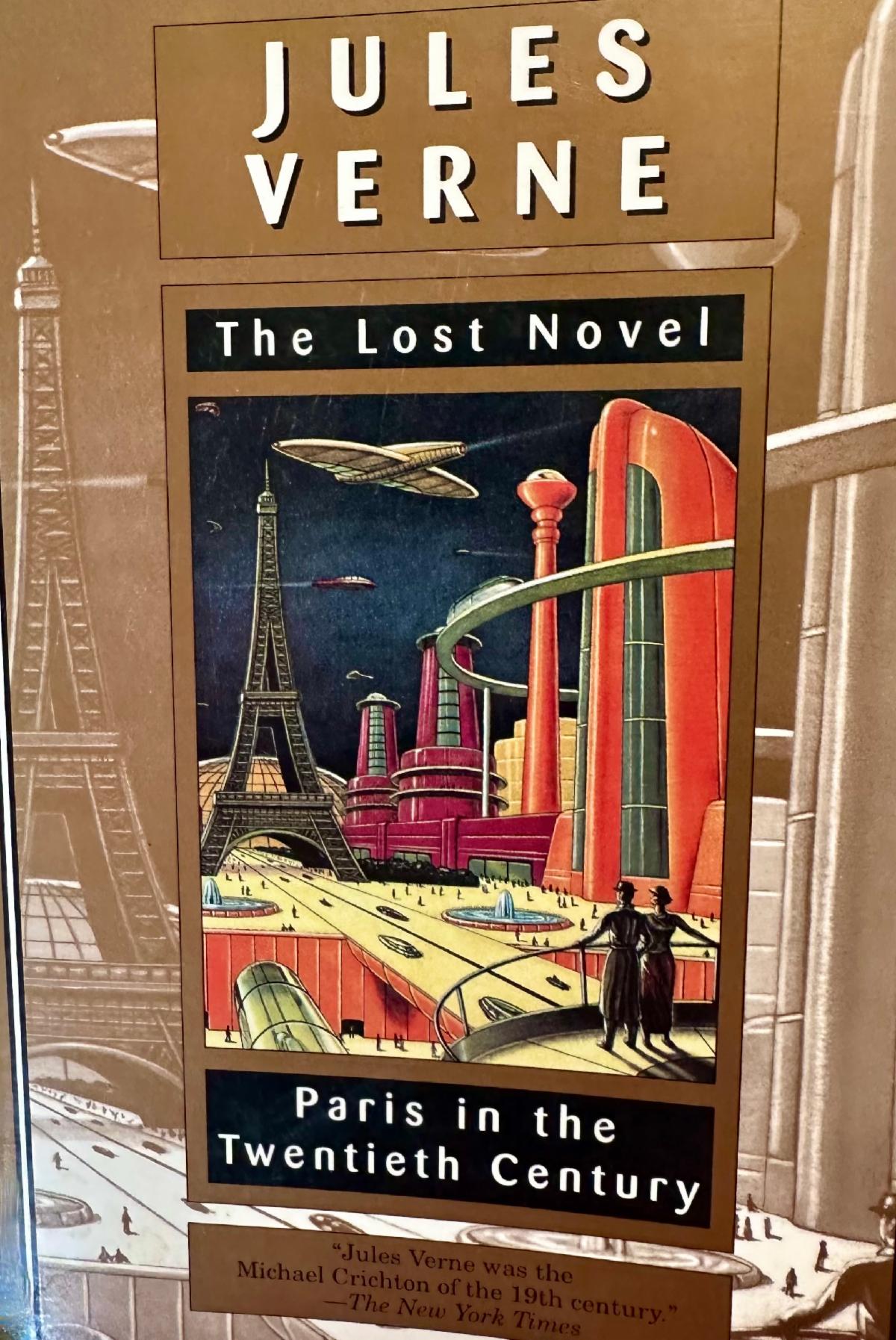
Paris in the Twentieth Century (1863, 1994)
by Jules Verne
Jules Verne was known as "the man who invented the future," and this 1863 novel describes a futurist Paris of 1960. Parisians move about the city by monorails and "gas cabs." They use the equivalent of computers and fax machines. Paris is "a Liverpool in the heart of France," a port city where enormous ships ("thirty masts and fifteen chimneys") negotiate a network of canals to dock at Port de Grenelle.
The book was rejected by Verne's publisher as too outlandish to be believed, even by his dedicated readership. It also is very dark. It paints a grim portrait of a dystopian society enriched by technology yet impoverished in humanity.
After Verne's death, the manuscript of the novel was lost. Then, in 1989, a Verne descendant discovered it in a locked safe. It was first published in 1994.
| |
|
--Paris by Bike--
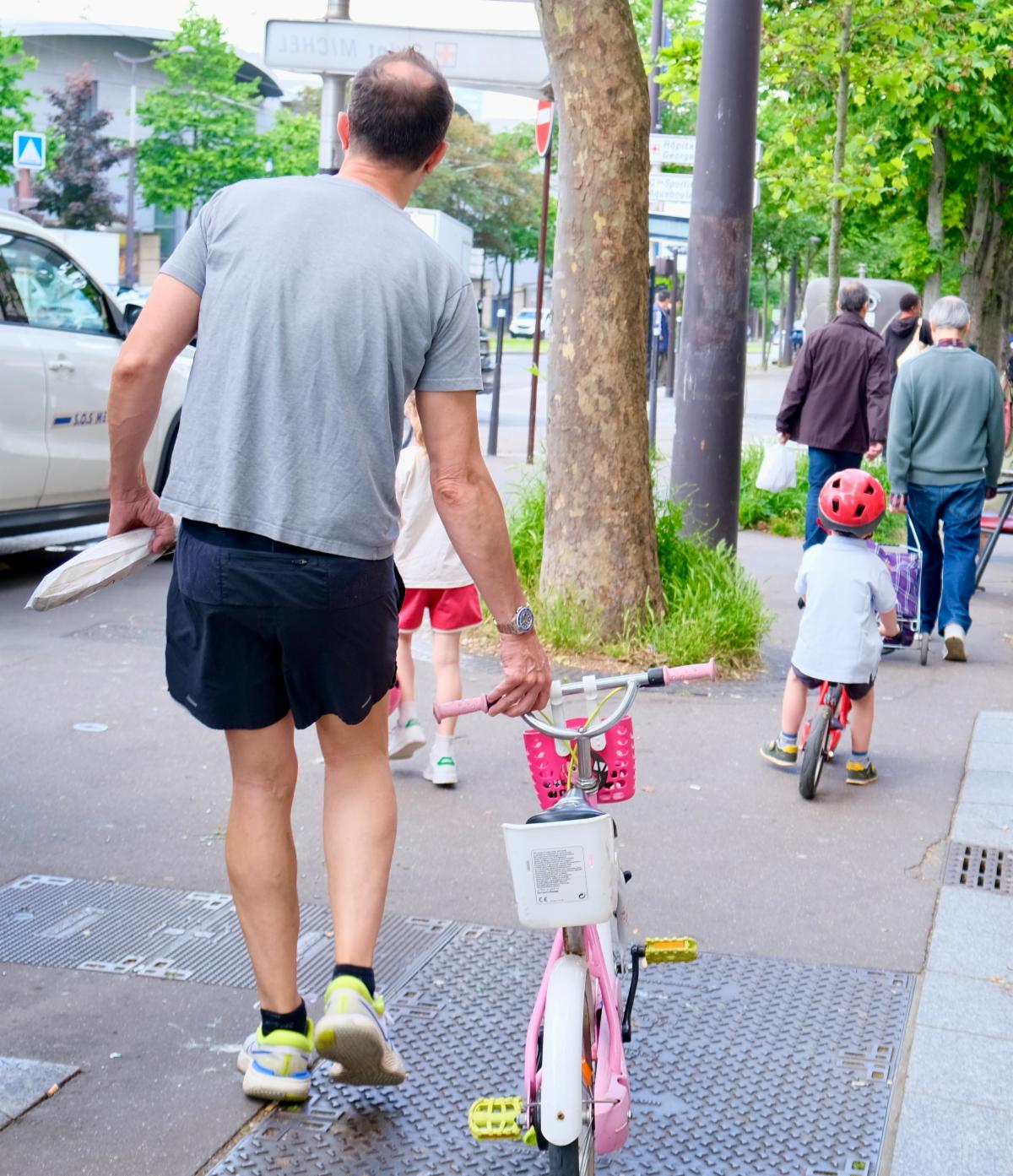
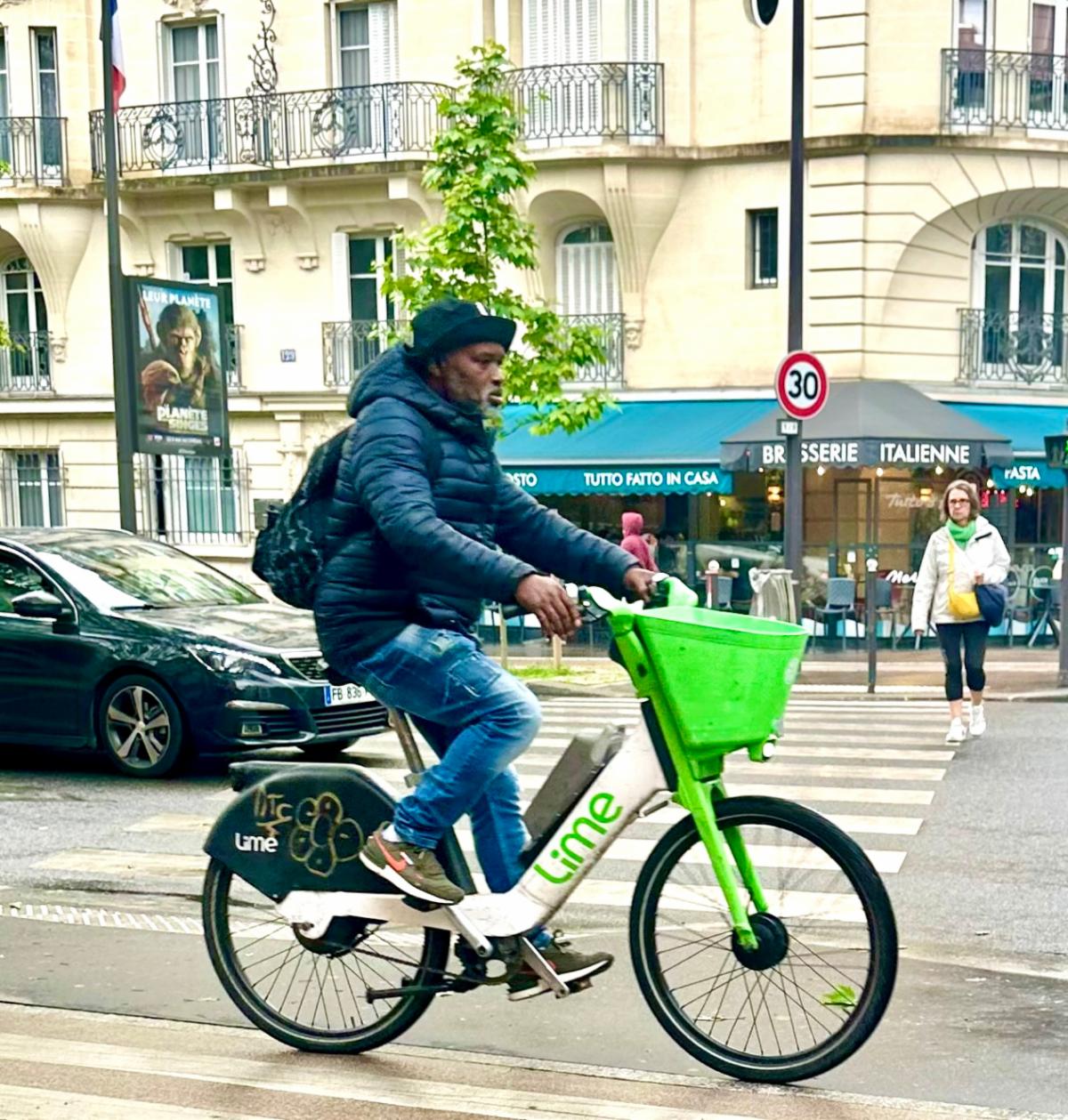
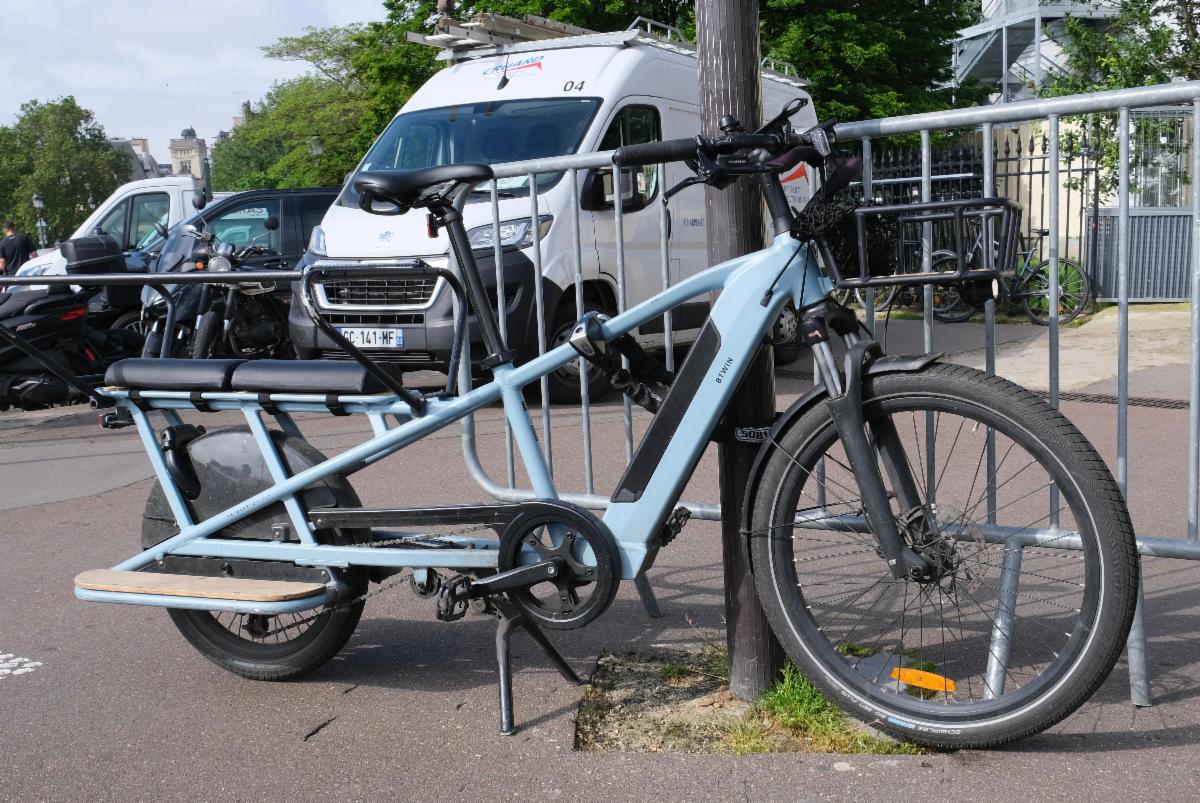
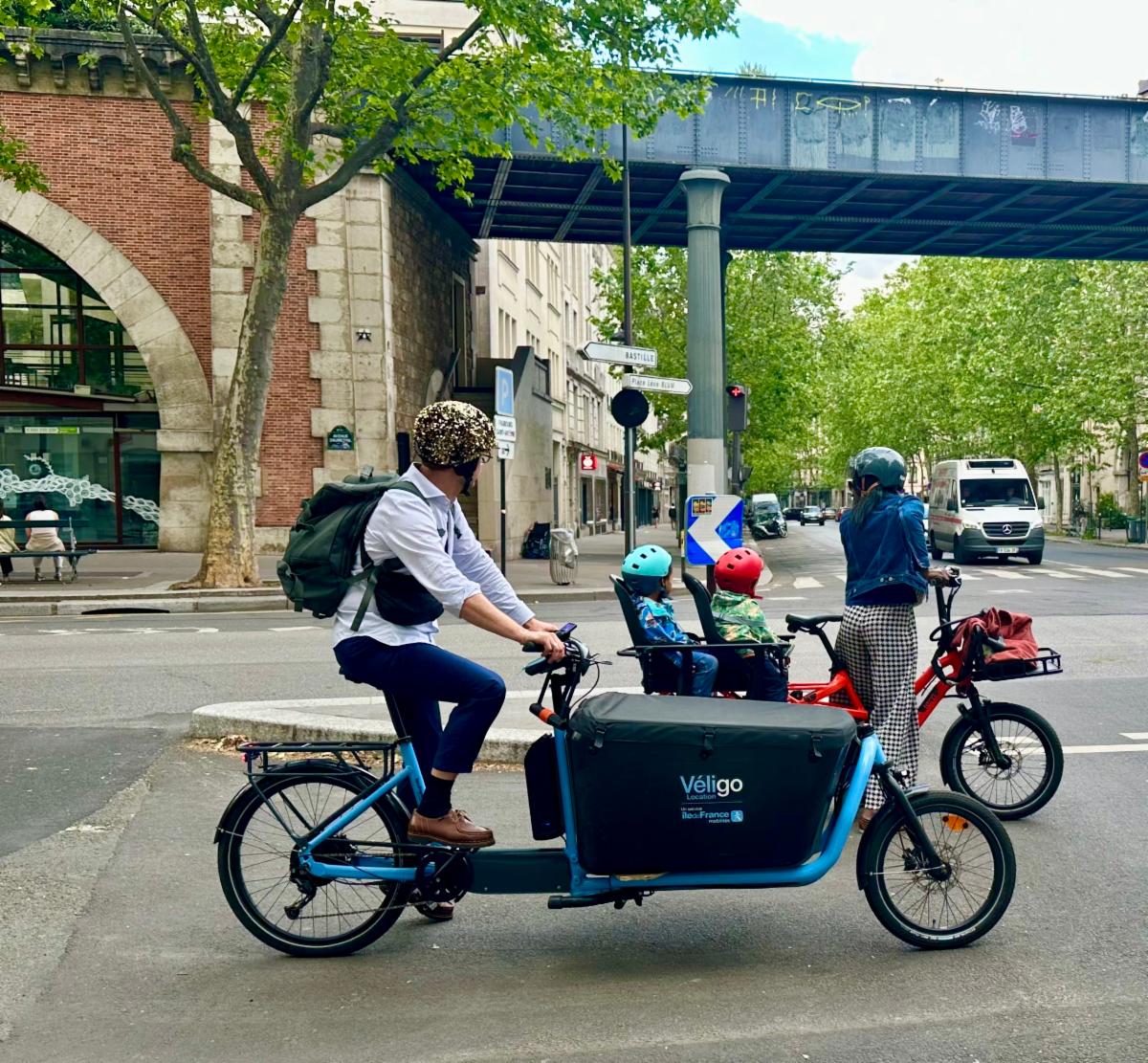
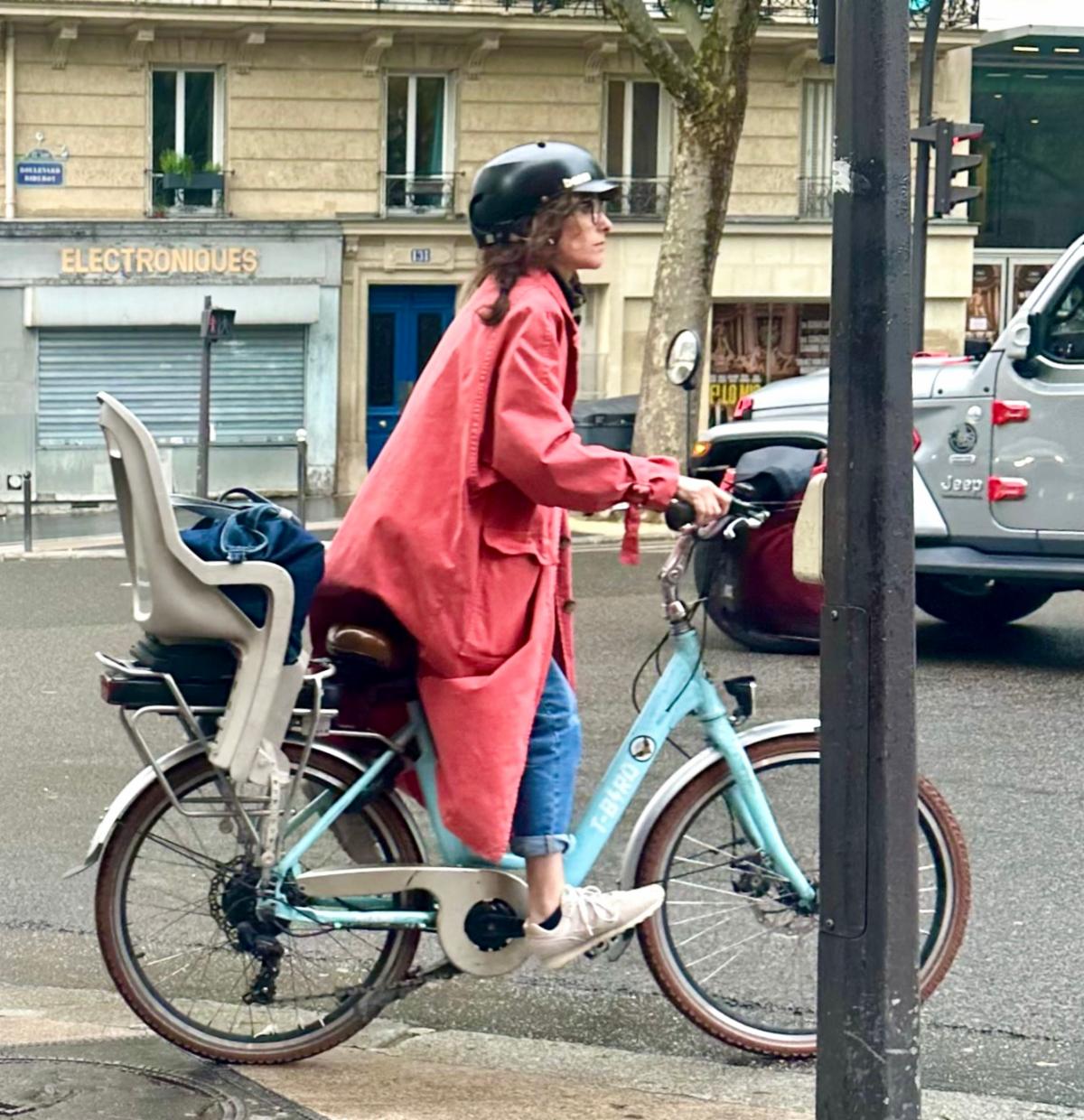
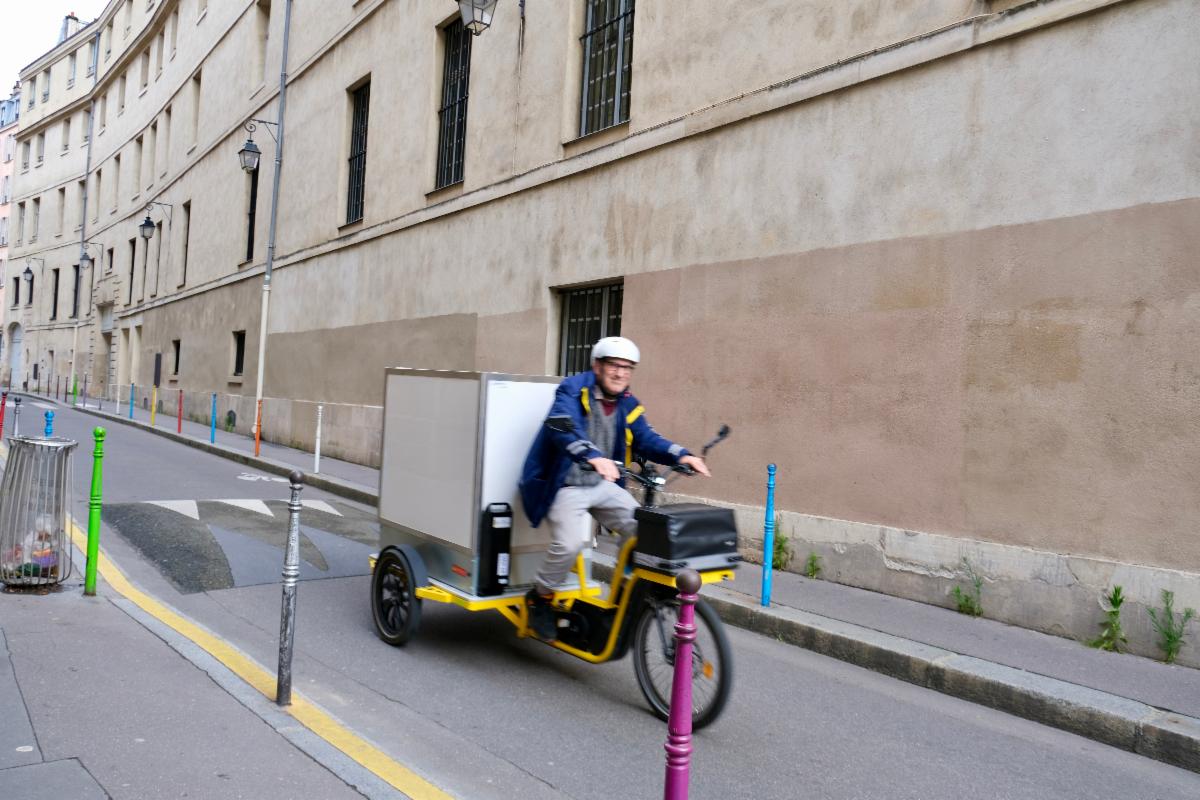
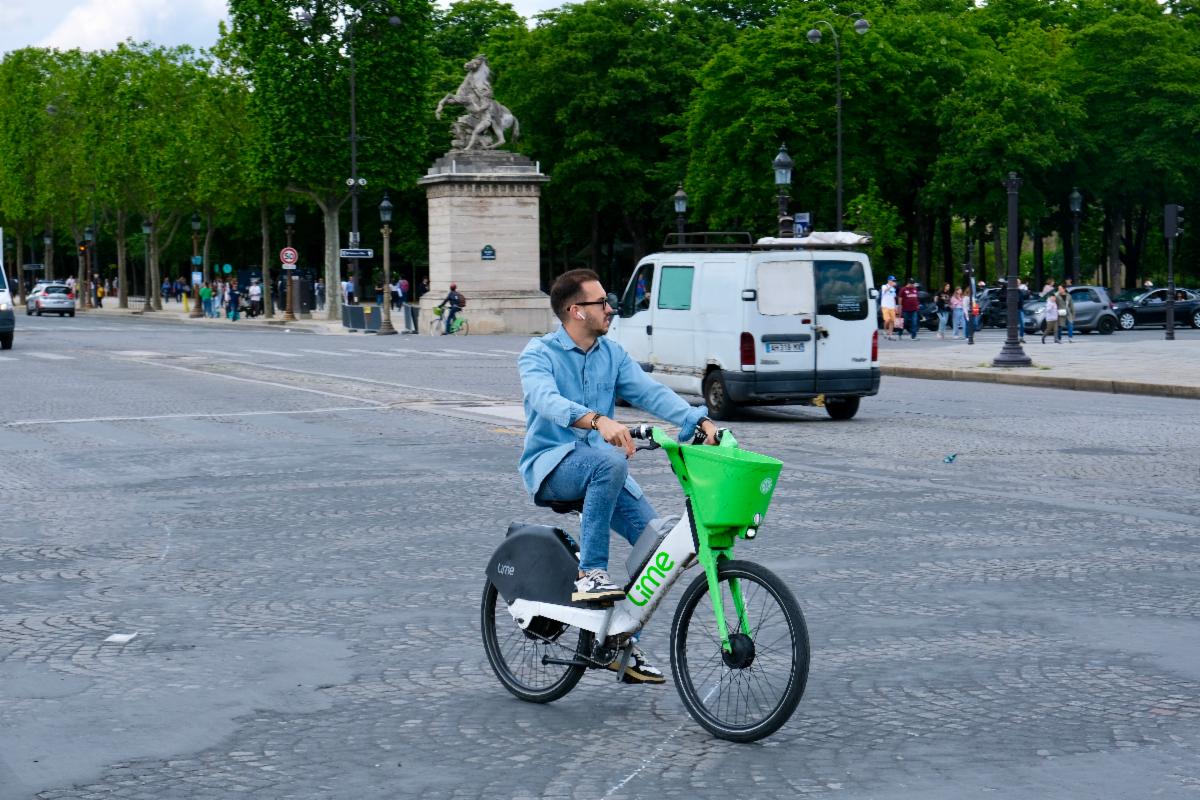
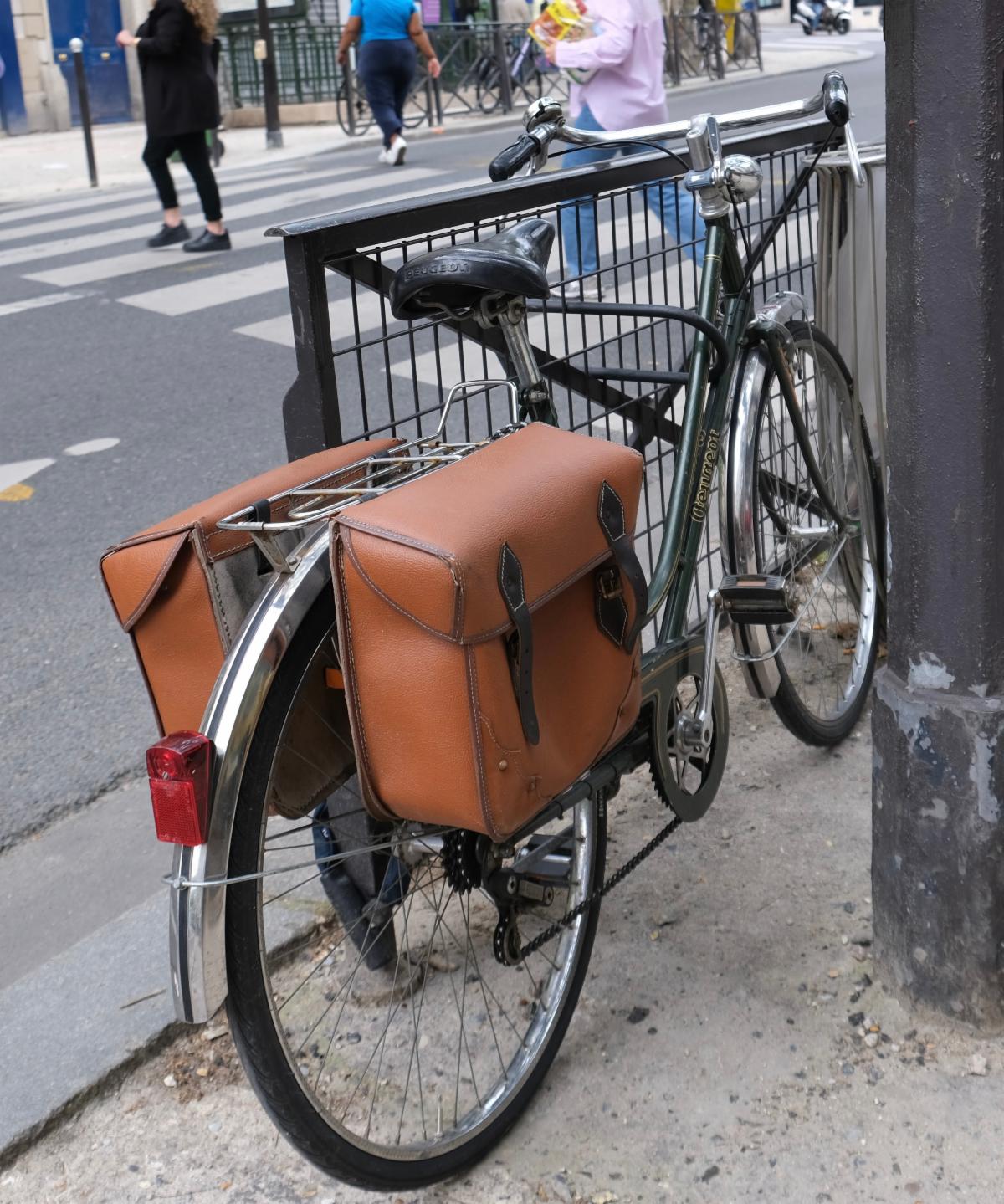
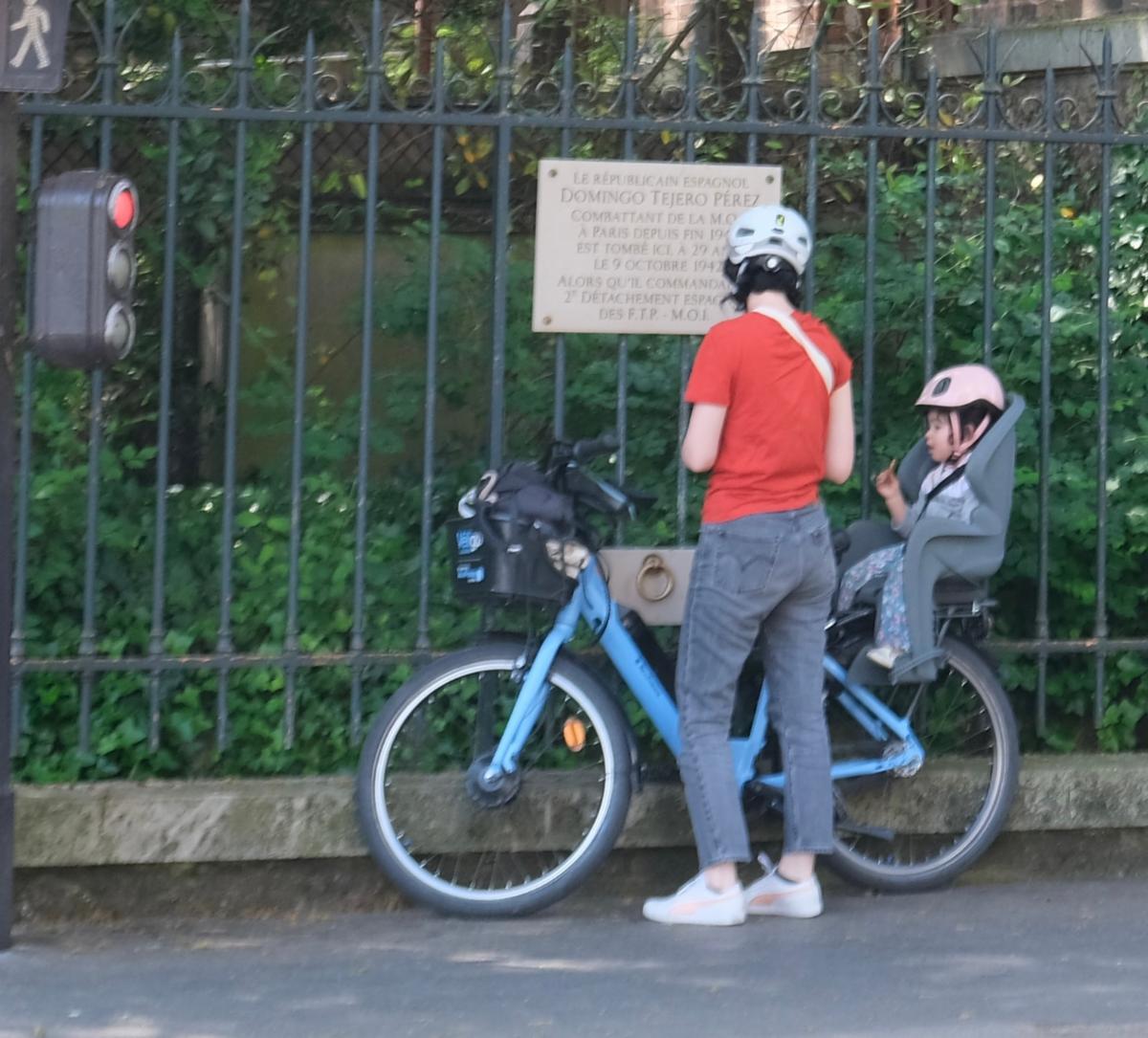
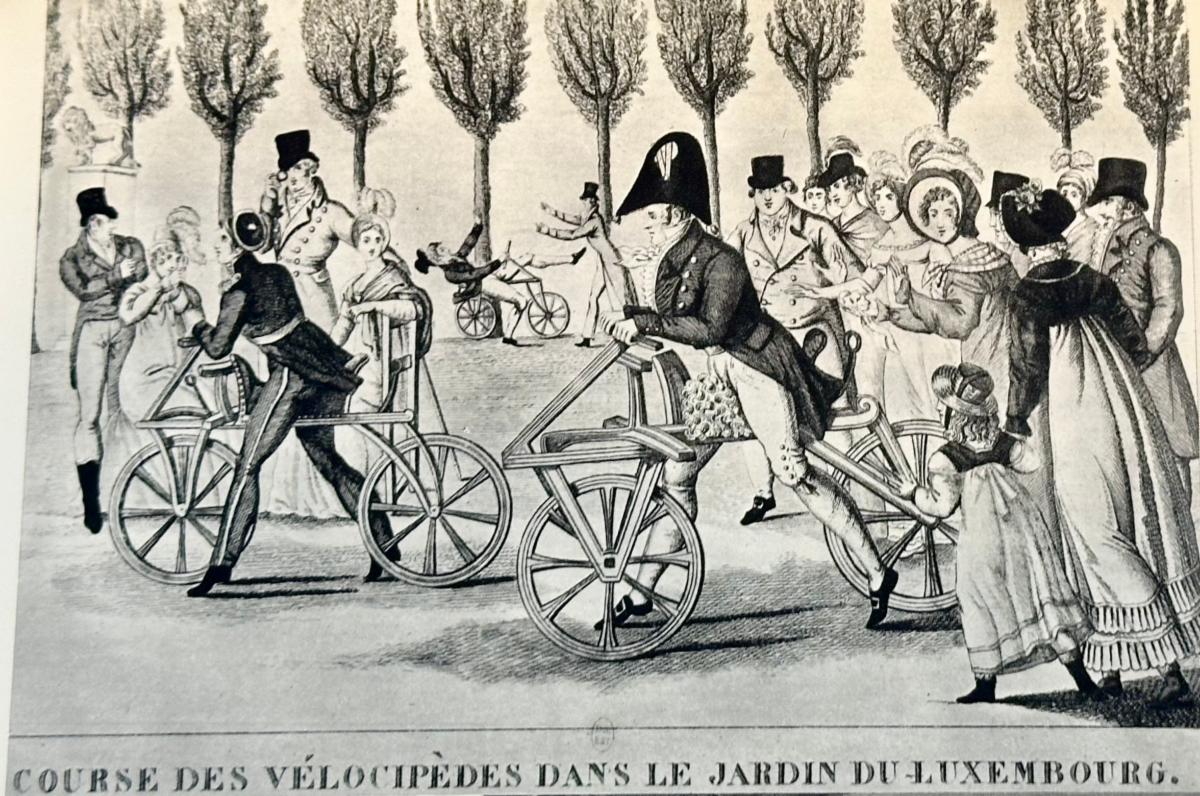
Under Mayor Anne Hidalgo, Paris is being transformed into one of the greenest cities in Europe. Her vision is that of a "15-minute city" where in that time one can reach live-work-play destinations by public transit, bicycle or on foot. The current Parisian bicycling boom has origins hundreds of years old (see illustration at bottom).
| |
|
On You Tube
"A Guest of the Nation"
Commemorating the 200th Anniversary of the Farewell Tour of the Marquis de Lafayette
Presentation by Roger Mummert
with Bryn Vaaler of the Alliance Française
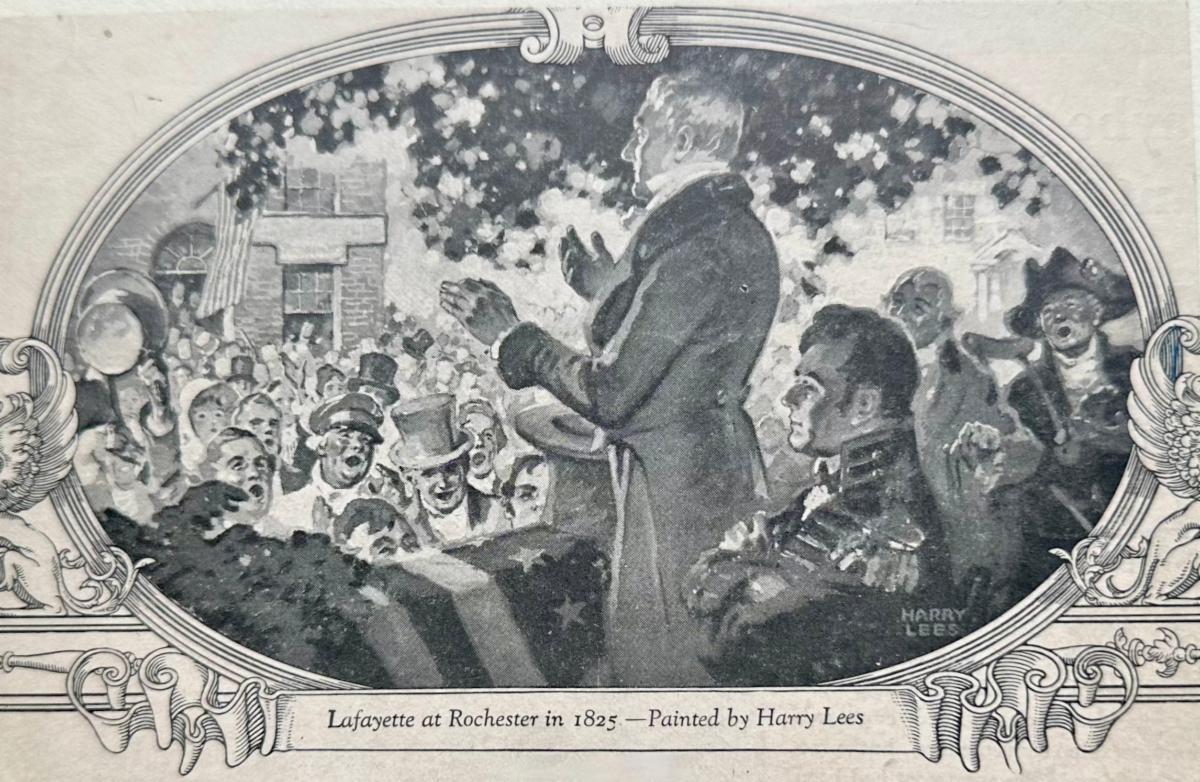
The Marquis de Lafayette was called the “Hero of Two Worlds” for his critical roles in both the American and French revolutions. In 1824, the 50th anniversary of our nation’s founding was nearing, and President Monroe invited Lafayette to revisit America for a “Farewell Tour.” Monroe’s hope was that Lafayette's presence would help to “instill the Spirit of 1776” in a new generation. Over 14 months, Lafayette visited all 24 states, where he was hailed as a hero of democracy and a torchbearer of American values.
This presentation and discussion examines how Lafayette was promoted to mythical status by the burgeoning American newspaper industry, against the backdrop of a disputed presidential election that tested American values. Also examined is how Lafayette’s outspoken support for the abolition of slavery challenged Americans to continue to work toward “a more perfect union.”
Click here to view.
| |
|
Newsletter: "A Paris"
To keep up on events in Paris (and to refresh your French language skills), subscribe to À Paris, a monthly newsletter of events and history from the City of Paris.
| | | | |